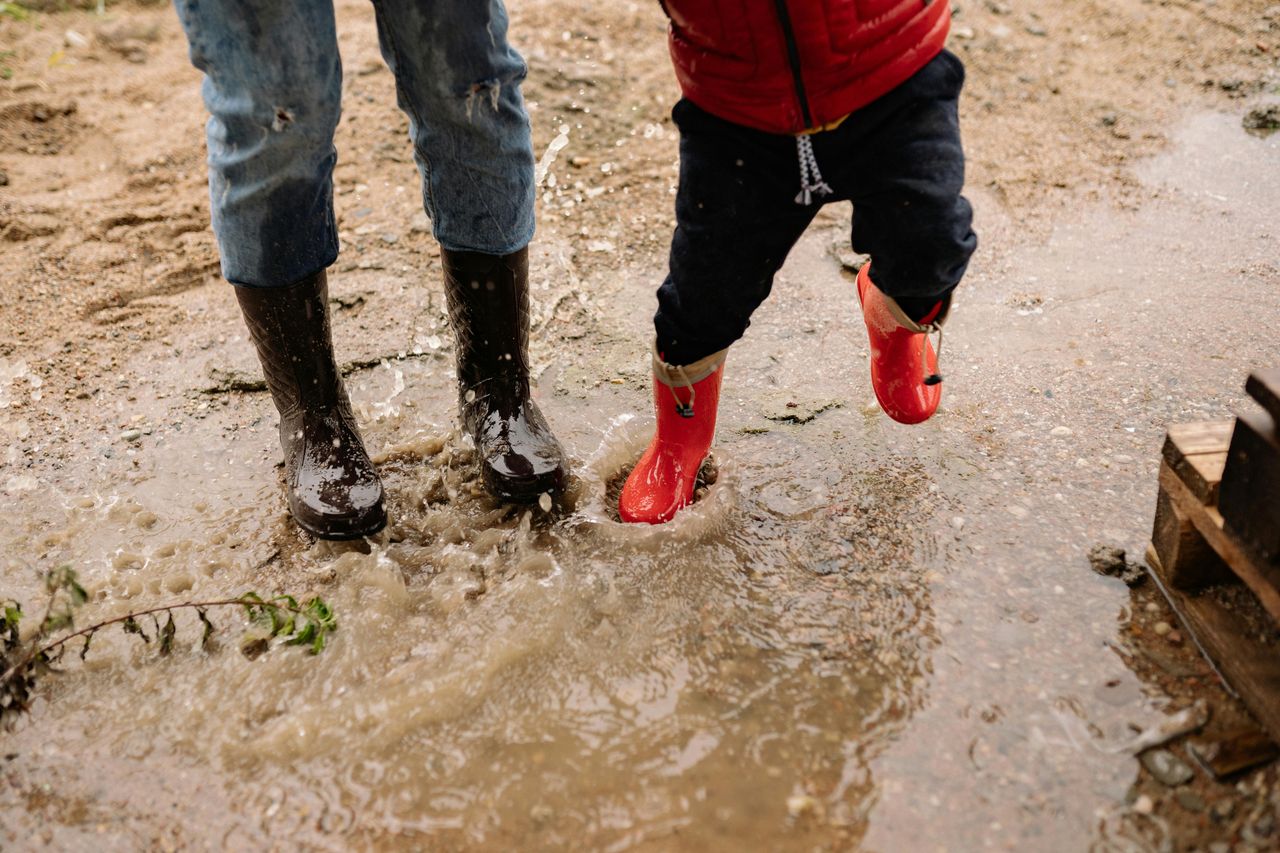
Some hunting boots look like they could stomp through a swamp without blinking, right up until the first creek crossing proves otherwise. This gallery rounds up the styles that often impress on the shelf but struggle badly in sustained rain, mud, and standing water. If your hunts regularly involve wet grass, flooded timber, or slick trails, these are the kinds of boots worth questioning before you buy.
Insulated Leather Pac Boots
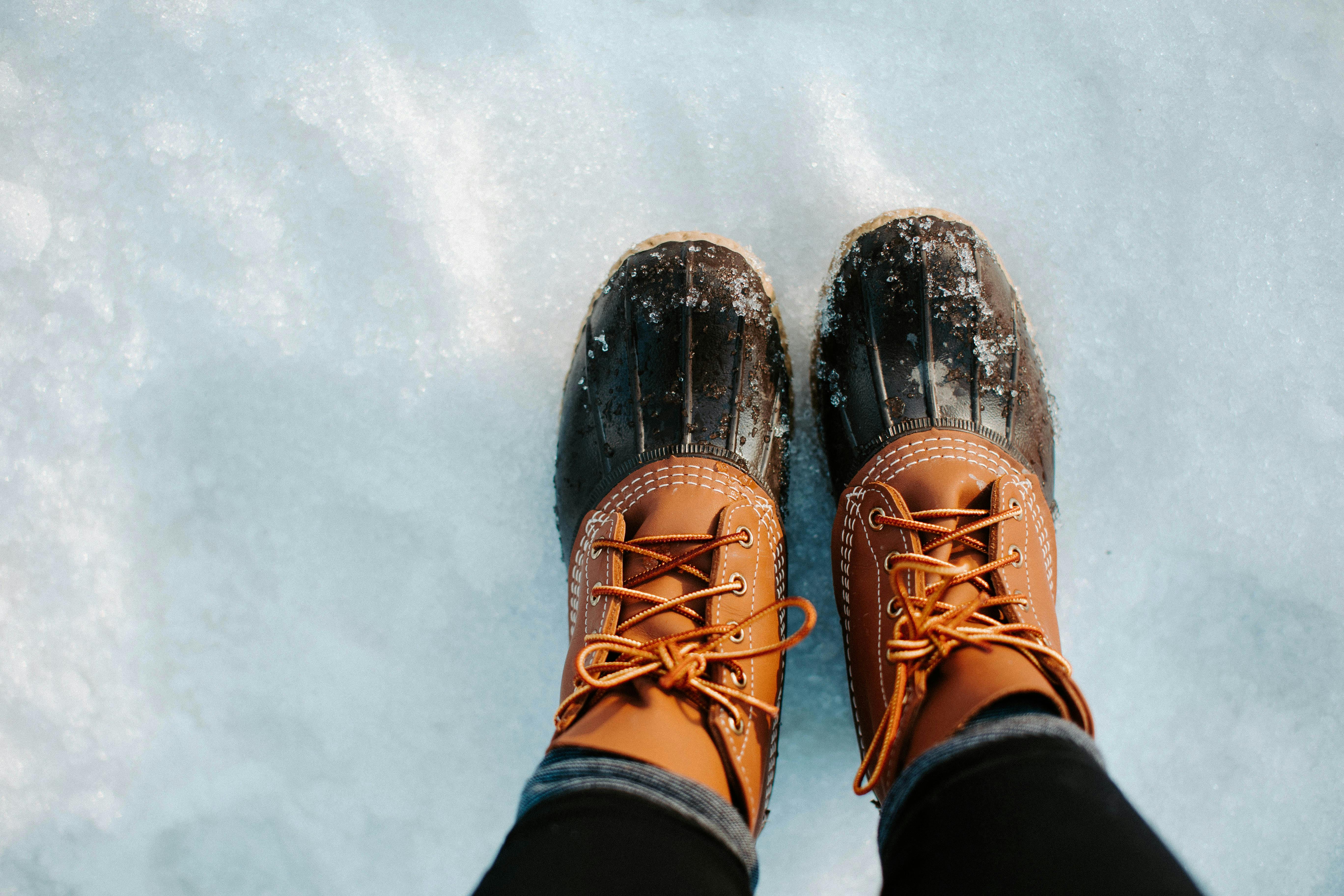
Pac boots with thick insulation and rugged leather uppers look like the ultimate cold weather answer. On dry snow or frozen ground, they can feel dependable and impressively tough. The problem starts when conditions turn slushy, saturated, and unpredictable for hours at a time.
Many versions rely on stitched leather, rubber lowers, and removable liners that trap moisture instead of defeating it. Once water works in around seams or cuff openings, the boots get heavy fast and stay damp far too long. That means cold feet, rubbing, and a clumsy feel that gets worse with every muddy step.
Tall Rubber Boots With Loose Fit
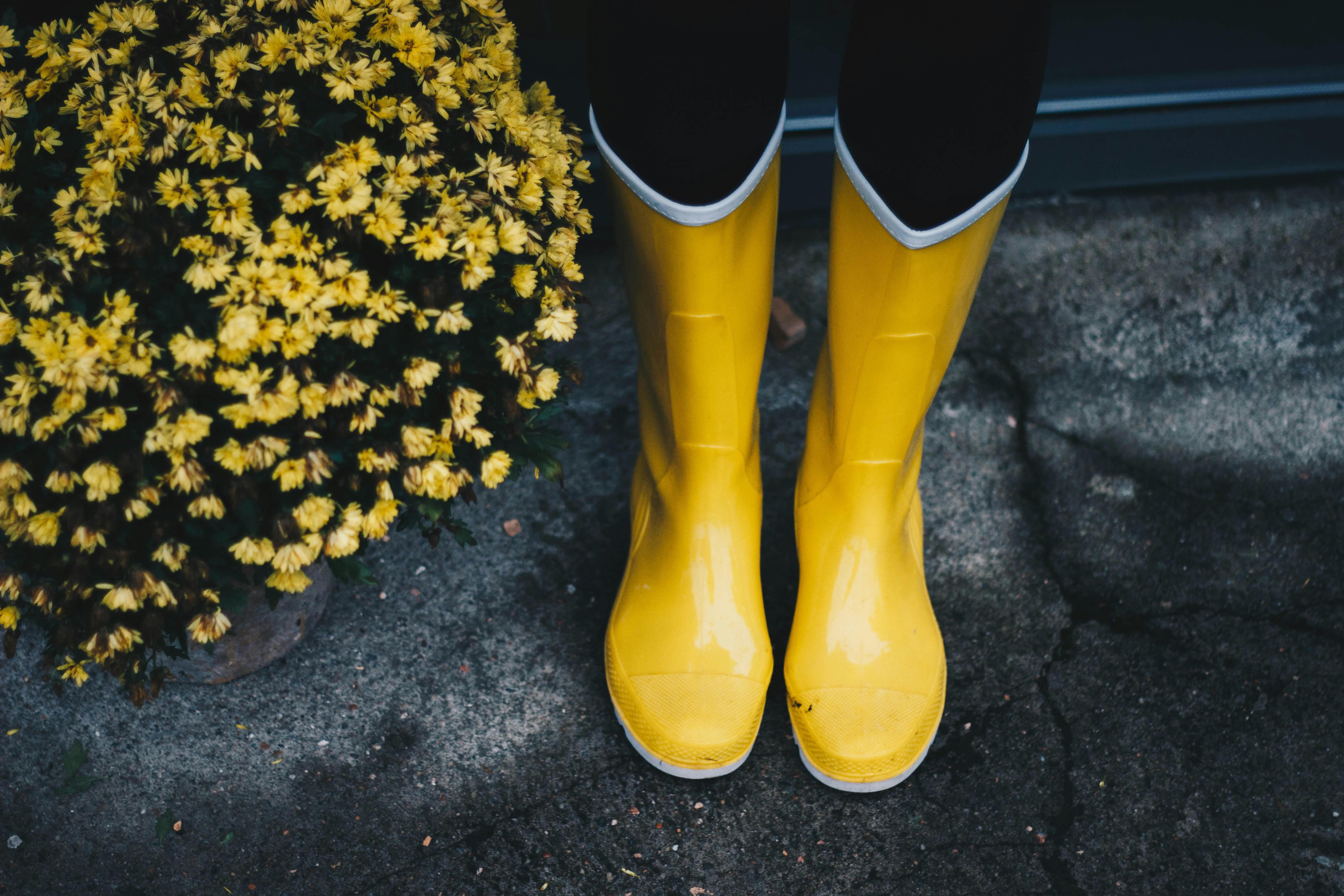
Tall rubber boots have an obvious wet weather reputation, which is why so many hunters assume any pair will do. The catch is fit. A loose, roomy shaft may feel easy to pull on, but it can create problems the moment you hit deep mud or uneven marshy ground.
When the boot slips at the heel and shifts around the calf, water finds opportunities at the top opening during crossings and brushy movement. That extra movement also causes sweat buildup, and dampness inside starts to feel a lot like a leak. What looked practical in the store can quickly become a slick, sloppy burden in the field.
Full-Grain Leather Boots Without Membranes

There is something undeniably serious about a tall full-grain leather hunting boot with aggressive lugs and metal hardware. It signals durability, tradition, and hard use. But if that boot skips a waterproof membrane or modern sealing treatment, wet conditions expose the limits almost immediately.
Leather can resist moisture for a while, especially when freshly treated, but repeated exposure changes the story. Rain, soaked grass, and creek edges gradually overwhelm the material and seep through seams and flex points. Once saturated, the boot takes forever to dry and often becomes stiffer, heavier, and far less comfortable than its handsome exterior promised.
Cheap Waterproof Hiking Hybrids
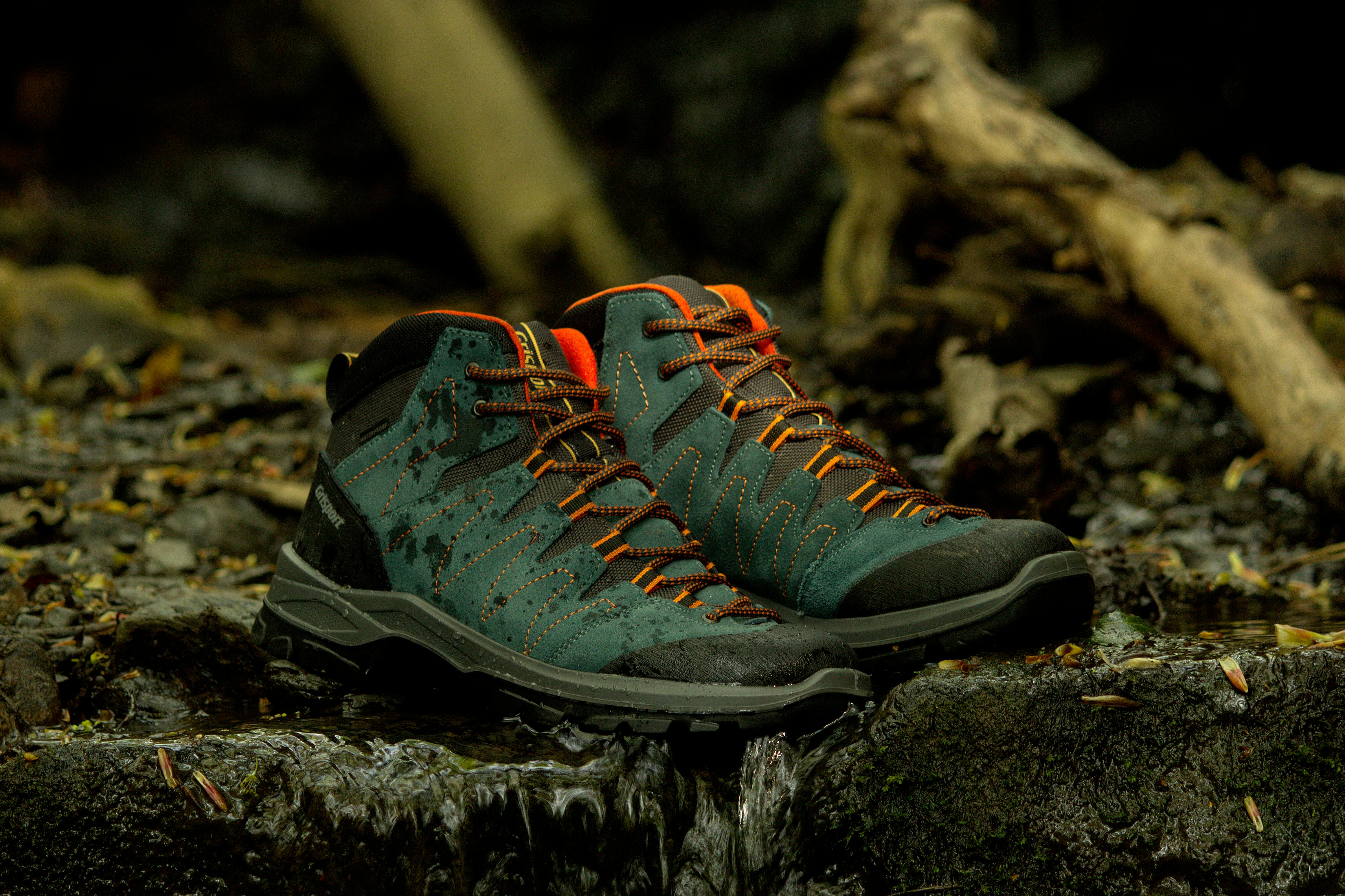
These boots often borrow the visual language of serious backcountry gear: chunky soles, synthetic overlays, and a proudly advertised waterproof label. For a short walk in light drizzle, they may hold up well enough. In true hunting conditions, though, the cracks in the idea show up very quickly.
Budget membranes are notorious for failing under repeated flexing, especially where the forefoot bends. Once that protection goes, the boot still looks technical but performs like a sponge with laces. Add in thin materials and weaker construction, and the result is a boot that feels outmatched by wet brush, standing water, and all-day use.
Unlined Suede Hunting Boots
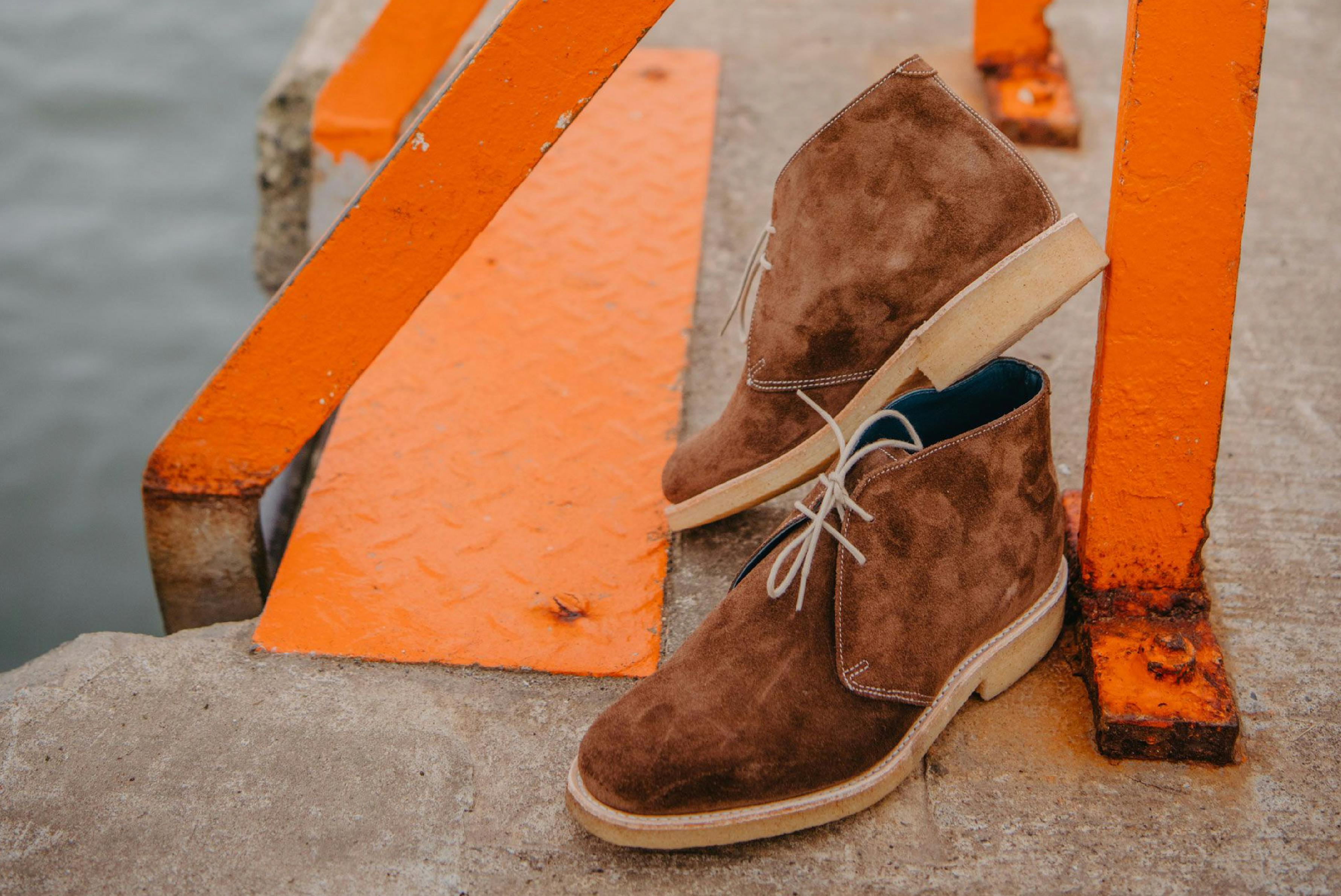
Suede can make a hunting boot look premium, quiet, and field ready, particularly in earth-tone finishes that seem made for the woods. It also gives many designs a broken-in softness that shoppers love. But in prolonged wet conditions, that soft, brushed texture becomes a liability.
Suede absorbs water more readily than people expect, and once it darkens and wets out, performance drops in a hurry. The boot gets heavier, colder, and often loses structure around the ankle and toe. Even if your feet stay dry for a bit, the soaked outer material can make the whole experience feel miserable by midday.
Side-Zip Tactical Hunting Boots
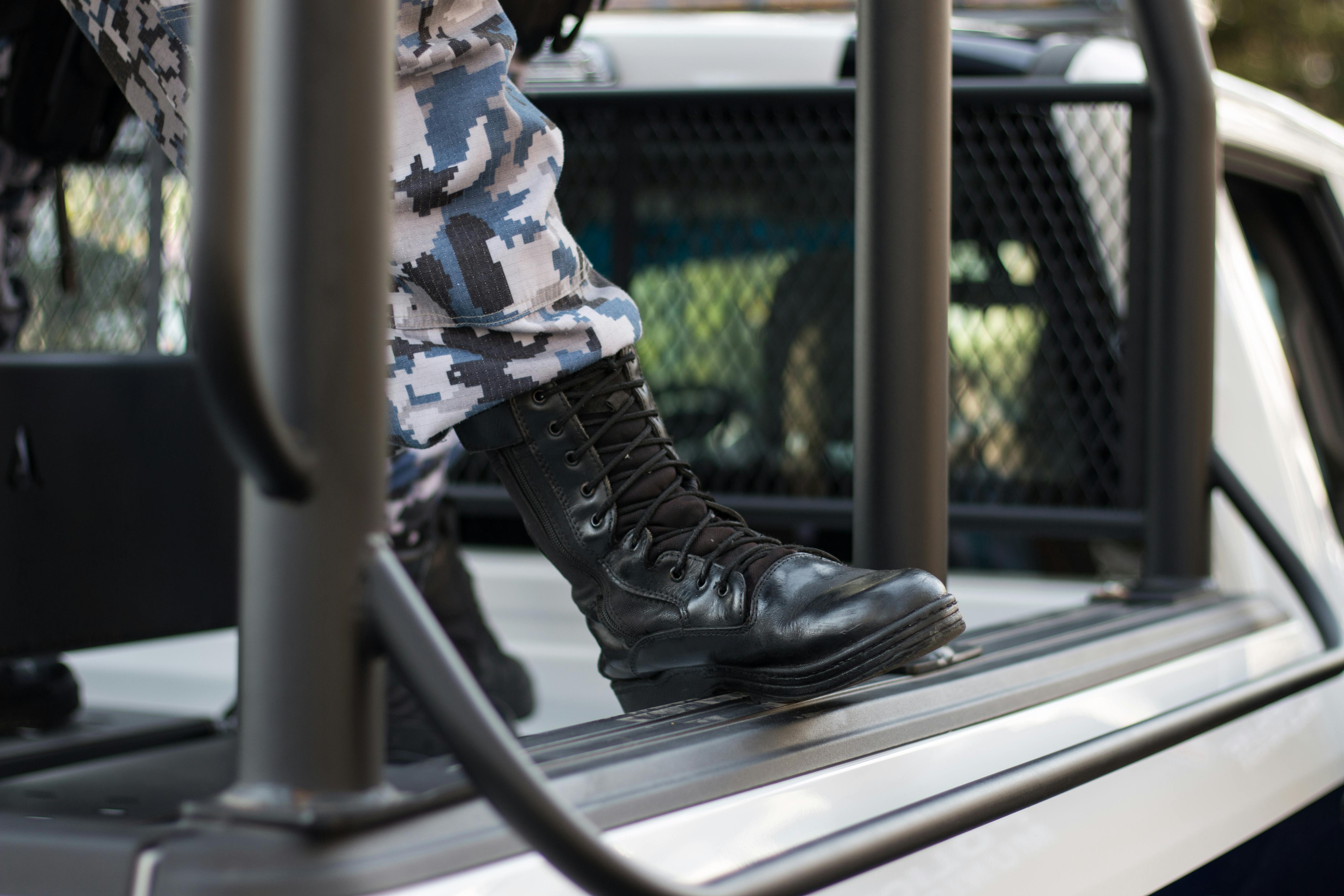
Side-zip boots project speed and authority, and their military-inspired styling can make them seem ready for rough country. They are convenient, no question, especially for hunters who want quick on and off access before dawn. Wet weather, however, tends to reveal exactly where convenience can undercut protection.
Zippers introduce a vulnerable entry point, and even guarded designs are rarely as watertight as they appear. Add in stitched panels, lighter materials, and fast-moving terrain, and moisture starts creeping in from several directions. What feels agile on a dry range can end up feeling compromised the moment the grass is soaked and the trail turns soupy.
Lightweight Mesh Panel Boots
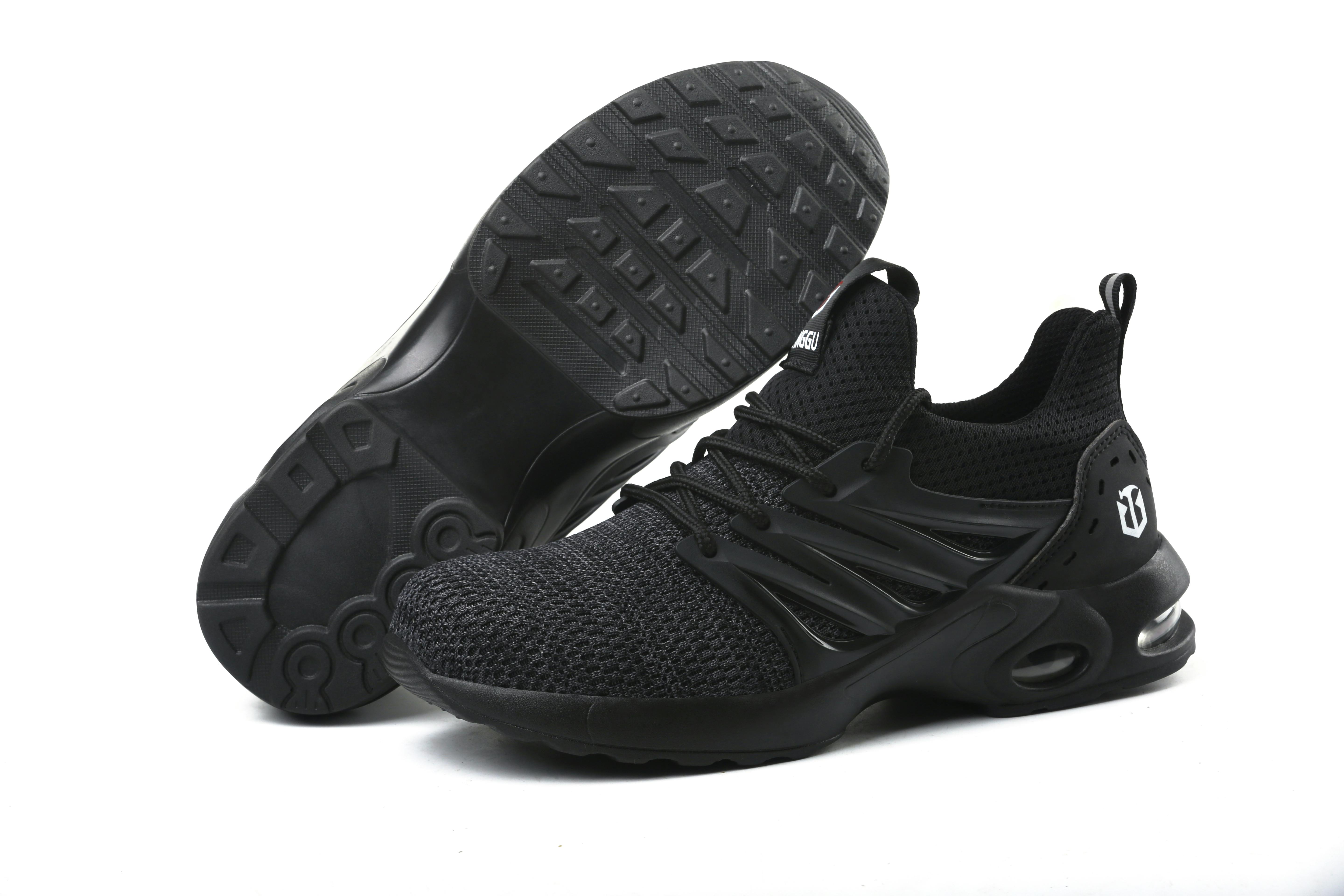
Lightweight boots with mesh inserts have undeniable appeal for early season hunts and long miles. They breathe well, keep the overall package nimble, and often feel great right out of the box. Unfortunately, those same airy panels become the weak link when everything around you is wet.
Even when a waterproof liner is included, mesh-heavy construction tends to wet out quickly and stay soaked on the exterior. That means colder feet, extra weight, and a boot that feels clammy for hours. In thick dew, steady rain, or marshy cover, this style can look athletic and capable while quietly failing the assignment.
Fashion-Forward Heritage Boots
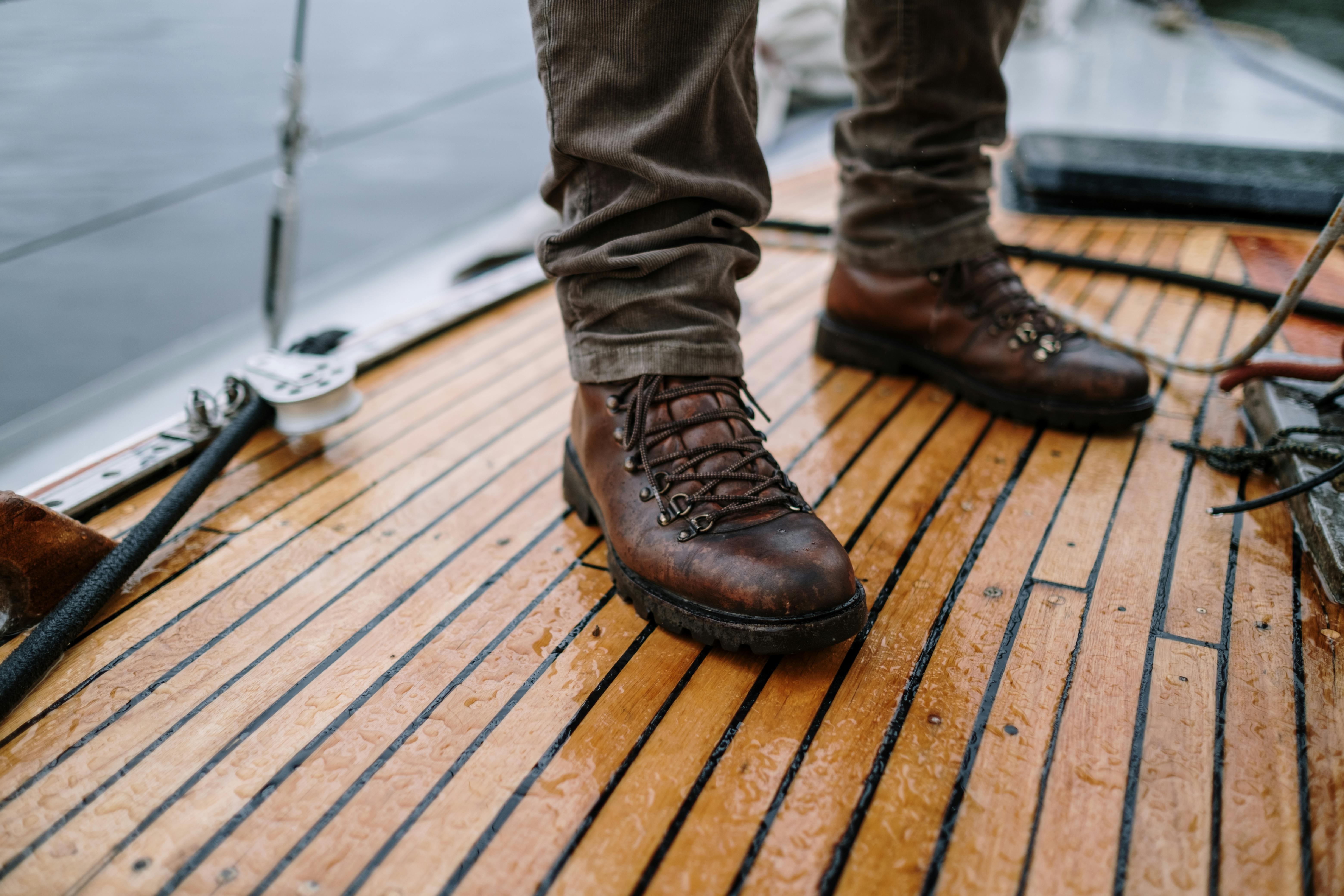
Heritage-inspired boots can be incredibly appealing because they blend outdoorsy credibility with everyday style. They photograph well, wear well around camp, and suggest a kind of old-school toughness. But good looks and field performance are not always the same thing, especially once standing water enters the conversation.
Many of these boots prioritize leather finishes, classic silhouettes, and lifestyle comfort over true wet-weather sealing. The welt construction may be handsome, and the materials may be premium, but moisture often sneaks in through seams, tongues, and untreated uppers. They look the part in catalog shots, then disappoint badly in real swampy terrain.
Early-Season Snake Boots

Snake boots are built for a specific kind of protection, and that mission often dominates the design. They look intense, tall, and ready for hostile terrain, which can create the impression that they handle all rough conditions equally well. Wet ground is where that assumption starts to unravel.
Some snake boot models prioritize puncture resistance and coverage over flexible waterproof performance. Stiff shafts, multiple stitched sections, and heat-trapping materials can lead to sweat, internal dampness, and leakage concerns during creek crossings or prolonged rain. On paper they seem like all-terrain specialists, but in soggy conditions they can become uncomfortable surprisingly fast.
Pull-On Work Boots Used for Hunting

Plenty of hunters repurpose pull-on work boots because they are durable, familiar, and easy to wear all day. The rugged toe shape and sturdy outsole can make them seem like a practical crossover option. In wet hunting environments, though, worksite toughness does not always translate to field reliability.
These boots are often designed for standing, climbing, and general labor, not repeated exposure to marsh edges, creek bottoms, and soaked vegetation. Lower shaft height and broad openings make it easier for water to enter from above, while some leather treatments wear down quickly. They may survive abuse, but that does not mean they keep feet dry.
Low-Cut Waterproof Hunting Shoes

Low-cut hunting shoes can be tempting for hunters who value speed, comfort, and reduced fatigue. They often feel more like trail runners than traditional boots, which is exactly the appeal. The trouble is that wet terrain punishes low profiles far more quickly than many buyers expect.
Even with a waterproof liner, the collar sits too low to defend against wet grass, puddle splashes, shallow crossings, and mud that flicks upward with every step. Water entering from the top ends the waterproof argument almost instantly. The result is a shoe that looks modern and efficient but leaves you wishing for more coverage before the hunt is half over.
Heavy Lug Boots With Poor Drainage

Deep lugs, thick soles, and oversized uppers can make a hunting boot look almost invincible. On the rack, that kind of bulk reads as confidence. In actual wet conditions, however, a heavy boot that traps water rather than managing it can turn every mile into work.
Once the outer materials soak through or water slips in from above, poor drainage becomes a huge problem. The boot holds moisture, gains weight, and creates a swampy interior that wrecks comfort and control. It still looks serious, maybe even more so when caked in mud, but underneath the attitude is a design that struggles where it matters most.