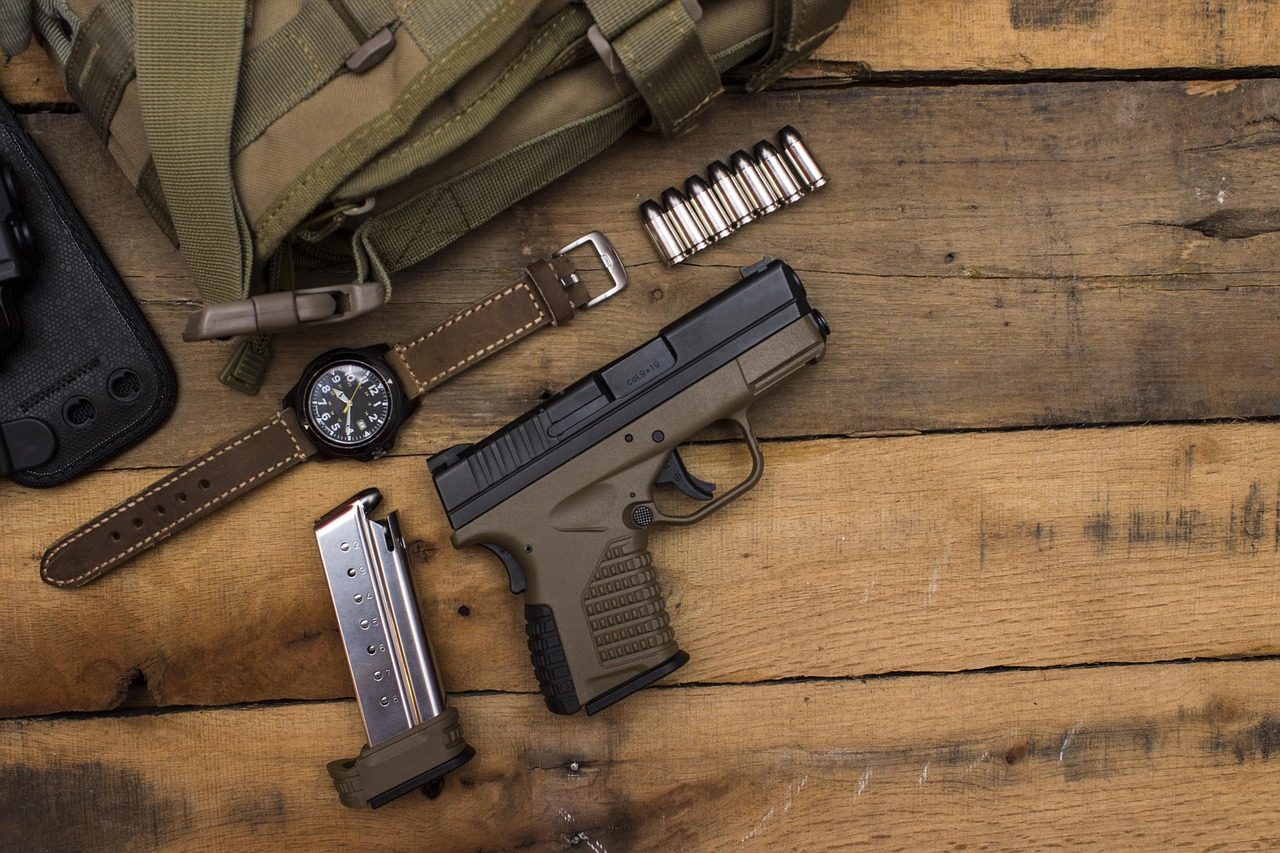
Most reviews of the Diamondback DB9 focus on size, weight, and how surprisingly small it feels in the hand. What often gets skipped is the day-to-day reality of carrying and shooting a pistol this compact, especially once the novelty wears off. This gallery digs into the little details experienced carriers bring up again and again, the ones that matter after the camera stops rolling.
It feels smaller in real life than reviews prepare you for

On paper, the DB9 is just another entry in the tiny 9mm category. In person, many carriers say the first surprise is how little gun you are actually dealing with once it is in your palm, pocket, or holster.
That sounds obvious until you start noticing the practical effect. Grip purchase changes, draw consistency changes, and even simple tasks like getting a stable firing grip before the gun clears concealment become more demanding than many glossy reviews suggest.
For experienced carriers, that extreme compactness is not just a selling point. It is the defining compromise that shapes every other impression of the pistol.
The recoil is not just snappy, it is fatiguing

Plenty of reviews mention that the DB9 kicks. What longtime carriers add is that the issue is not merely a sharp impulse for one magazine. It is the cumulative fatigue that sets in quickly during real practice.
A pistol this light in 9mm can wear on your hands, especially if you run multiple strings, work one-handed drills, or spend time correcting your grip after each shot. The discomfort has a way of shortening range sessions.
That matters because a gun this small usually demands more training, not less. Experienced owners often say the DB9 can be carry-friendly while still being practice-unfriendly in a very real sense.
The trigger can expose every flaw in your technique

People often talk about trigger weight in broad terms, but seasoned carriers tend to focus on what the DB9’s trigger reveals. On such a compact handgun, any inconsistency in finger placement or grip pressure shows up immediately on target.
Shots that would stay respectable with a larger pistol can drift low, sideways, or simply open up fast. The shorter grip and lively recoil make it easy to mash through the press instead of working it cleanly.
That is why some owners describe the DB9 as honest, even unforgiving. It does not hide bad habits, and that can be useful if you are willing to train through the frustration.
Pocket carry sounds easier than it really is
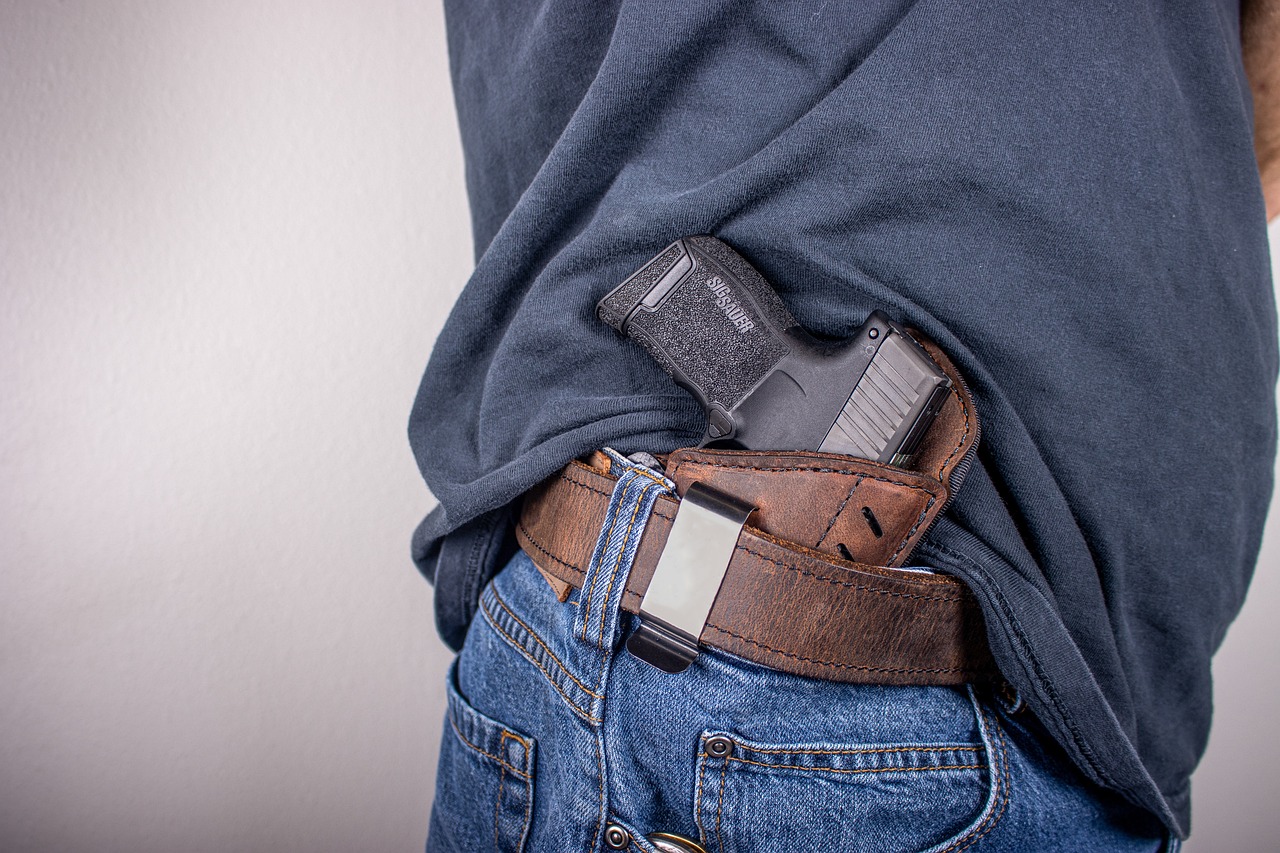
The DB9’s dimensions make people assume pocket carry will be effortless. Experienced carriers usually answer with a more nuanced take, saying it can work, but only if clothing, pocket shape, and holster choice all line up.
In real use, pockets can print more than expected, shift the gun into awkward angles, or make a clean draw harder than the size alone would suggest. Sitting, driving, and moving through daily routines can also change how comfortable it feels.
What gets missed in reviews is that tiny does not automatically mean convenient. For many users, the DB9 ends up being easier to conceal inside the waistband than casually dropped into a pocket.
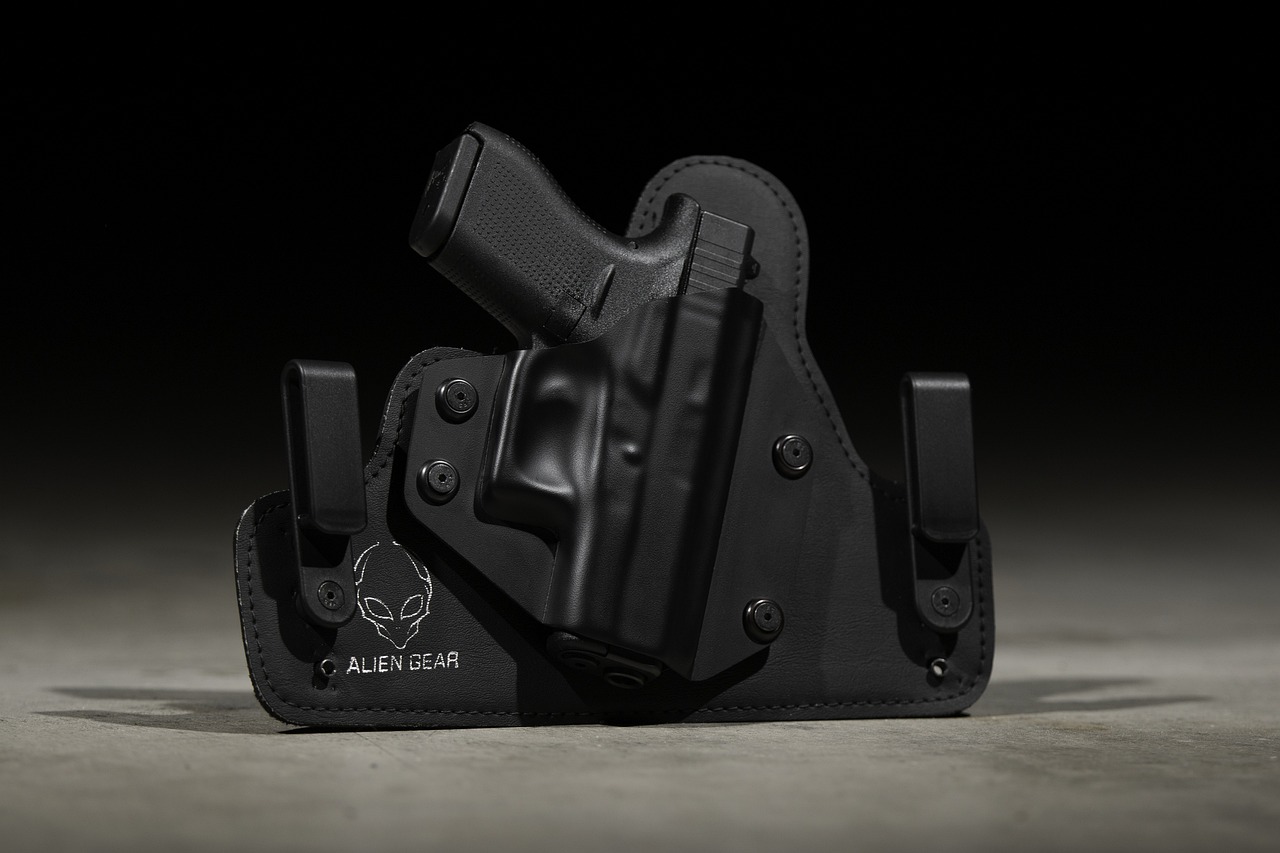
A good holster matters more than people expect

With larger handguns, a mediocre holster can sometimes be tolerated for a while. With a pistol as small and light as the DB9, experienced carriers say holster design becomes a huge part of whether the gun feels secure, accessible, and worth carrying.
Because the gun has so little mass, poor retention, shifting cant, or weak clip placement can make the setup feel unstable. The draw may also suffer if the grip tucks too deep or rotates away from the hand.
Owners who stick with the DB9 often say the gun itself is only half the system. The right holster determines whether its size advantage actually translates into daily carry success.
Magazine extensions can change the whole experience

Reviews often present the DB9 in its smallest, slickest form because that is what photographs best. Experienced carriers are more likely to talk about how a slight magazine extension can dramatically improve control, comfort, and confidence.
Even a little extra surface for the pinky can help stabilize the gun during recoil and make the draw feel less precarious. For some shooters, that small change is the difference between occasional carry and regular carry.
Of course, every bit of added length eats into the tiny profile that made the DB9 attractive in the first place. That tradeoff is exactly the kind of real-world detail owners wish more reviews would explore.
Ammo choice affects shootability more than expected

With a bigger pistol, many shooters can switch between loads without much thought. In the DB9, experienced users often notice that different defensive and practice ammunition can noticeably change recoil feel, follow-up speed, and even confidence in the gun.
Some loads feel sharper, some cycle more smoothly, and some simply hit to a different point than owners expect from such a short-barreled platform. Tiny pistols tend to magnify those differences rather than smooth them out.
That is why carriers who know the DB9 well usually spend time testing specific loads instead of assuming any reputable 9mm will feel or perform the same in day-to-day use.
It can be harder to shoot fast than to shoot accurately once
At close range, many shooters can produce a decent single group with the DB9 and walk away impressed. What experienced carriers point out is that speed tells a different story, especially when you start asking for repeatable hits under time pressure.
The gun’s tiny grip, brisk recoil, and limited surface area make fast sight recovery more demanding than casual reviews often imply. Getting one good shot is not the same as delivering controlled pairs or staying composed through a full drill.
That distinction matters because defensive handguns are not evaluated only by their best slow-fire moments. Owners who practice seriously care about how quickly the pistol comes back under control.
Maintenance feels more important on ultra-small pistols
Every firearm benefits from cleaning and inspection, but experienced carriers often say a pistol this compact makes them pay closer attention. Smaller guns run with tighter margins for comfort and control, so even minor issues can feel more noticeable in use.
Owners tend to keep an eye on springs, magazines, lint from carry, and general wear because these pistols live close to the body and get handled often. Pocket debris and sweat are not glamorous subjects, but they are part of the ownership reality.
This is one of those topics that rarely earns much screen time in a review. For the people who actually carry the DB9 regularly, it is part of the routine, not an afterthought.
The sights are only part of the aiming challenge

When reviews discuss sight visibility, they sometimes make it sound like the issue begins and ends there. Experienced carriers usually describe something broader with the DB9, where sight picture, grip stability, and recoil management all blend into one aiming problem.
A small pistol can be quick to present, but keeping the sights settled through the trigger press and onto the next shot is where many people feel the real difficulty. The gun moves more, and the shooter notices every bit of it.
That is why owners often spend less time debating the sights in isolation and more time talking about presentation, grip pressure, and realistic practice distances for such a compact platform.
Comfort to carry does not always mean confidence to carry

One of the DB9’s biggest strengths is how easy it can be to keep on you all day. Experienced carriers appreciate that, but they also draw a line between comfort and confidence, because a gun that disappears on the belt can still feel demanding once it is time to shoot.
That tension sits at the heart of tiny 9mm ownership. The DB9 is often praised for being there when a larger gun gets left behind, yet some owners remain more cautious about their own performance with it.
In other words, the carry experience and the shooting experience are not identical. Reviews often celebrate the first part without fully wrestling with the second.
It makes more sense as a niche tool than a do-everything gun
A lot of first impressions treat the DB9 like a miracle of miniaturization that can replace larger pistols outright. Carriers with more time behind it tend to frame it differently, as a specialized answer for deep concealment, light clothing, or situations where minimal size matters most.
Seen that way, its compromises become easier to understand. It is not trying to outshoot a compact service pistol or deliver the same ease of handling during long practice sessions. It is trying to be present when bigger options are impractical.
That perspective is the quiet truth many owners eventually reach. The DB9 usually works best not as the perfect only gun, but as the right gun for a narrow job.