If you’ve ever wondered whether camo patterns or scent sprays really fool a deer, the answer usually starts with the wind. A deer’s sense of smell is so refined that air movement often matters far more than what fabric you’re wearing. Understanding how scent travels can make their behavior seem a lot less mysterious and a lot more predictable.
A Deer’s Nose Is Built For Detail

A deer does not smell the world in broad strokes. It sorts tiny bits of odor the way people sort faces in a crowd, separating human scent from damp leaves, soil, bark, and every other smell drifting through the woods.
That is why small efforts to hide odor rarely erase your presence completely. What matters more is whether your scent reaches the animal at all. If the wind carries your odor toward a deer, its nose has the hardware to notice. If the wind keeps that scent stream away, even ordinary clothing choices matter much less than many people assume.
Wind Carries Your Scent Before You Arrive
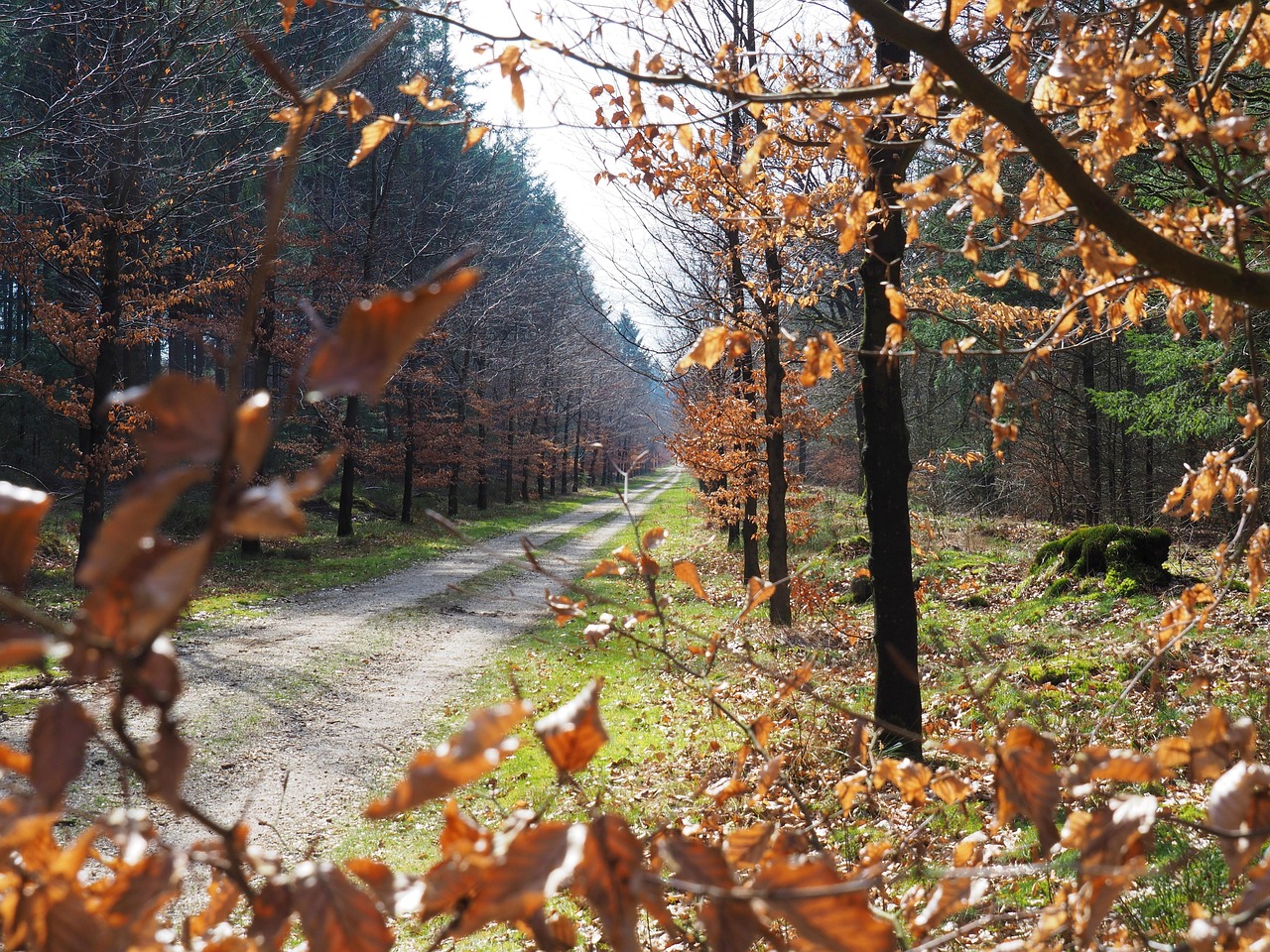
Human scent does not stay neatly attached to your body. It sheds constantly from skin, hair, clothing, and breath, then moves with the air in a drifting trail that can spread long before a deer ever sees movement.
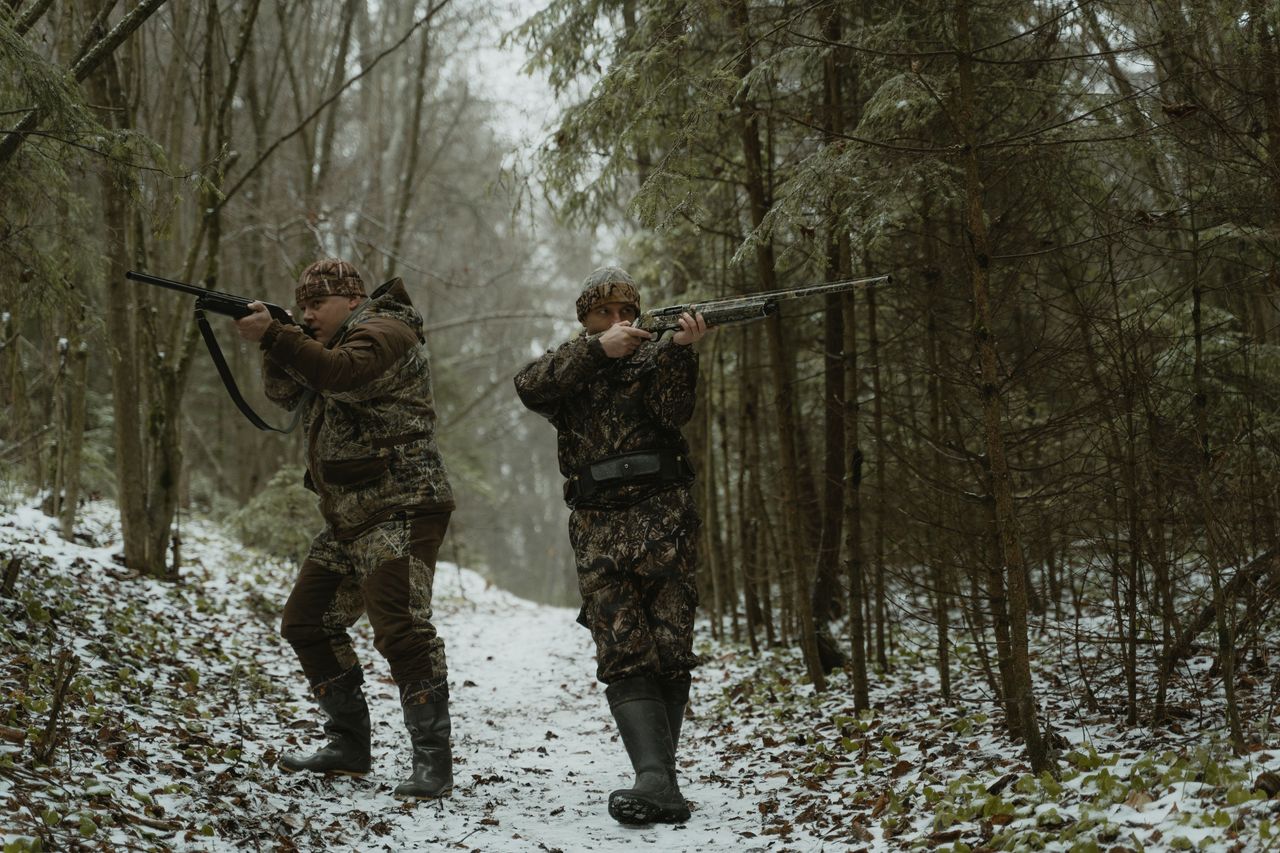
That trail is the real issue. You may feel hidden behind a tree line or tucked into a blind, but the breeze can announce you far in advance. In practical terms, deer often react to the plume, not the person. That is why a perfect camouflage setup can fail quickly when the wind shifts, while basic, low-key clothing may be good enough when your scent never reaches the animal’s path.
Deer Use Their Nose As An Early Warning System

For deer, smell is not just another sense. It is one of the fastest ways to decide whether a place feels safe, risky, or completely wrong. A suspicious odor can change their direction long before they pause to look or listen.
That is why people sometimes think deer vanished for no reason. The animals may have detected a faint human trace and adjusted course out of sight. Wind direction shapes that first warning more than the color or brand of your clothing ever could. When a deer trusts its nose, it often does not need visual confirmation to avoid an area altogether.
Swirling Air Is More Dangerous Than Steady Breeze

A light, predictable wind is often easier to manage than air that spins, drops, and bounces around terrain. In hills, creek bottoms, timber edges, and thick cover, scent can pool and then drift in unexpected directions within minutes.
That is where many setups go wrong. You may think the wind is safe because it feels steady at your position, while your scent is actually slipping into a trail below or curling around cover behind you. Deer do not care what the forecast says if the local airflow betrays you. In those moments, wind behavior on the ground matters far more than your outer layer.
Scent Control Helps, But It Does Not Beat Bad Wind
Clean gear, scent-free soap, and careful storage can reduce how strong your odor seems. Those steps are useful because lowering scent output gives deer less information to work with and can buy you a little margin.
But reduced is not the same as erased. The moment bad wind pushes even a weakened scent stream into a deer’s nose, the advantage can disappear fast. Think of scent control as trimming the volume, not muting the sound. Wind direction still decides where that signal travels. That is why smart positioning usually outperforms expensive clothing systems when conditions turn unfavorable.
Thermals Can Shift The Rules Morning And Evening

Wind is not only horizontal. As the day changes, warming and cooling air can move scent uphill or downhill in ways that surprise people who only watch the breeze in open ground. Morning and evening often rewrite the map.
Cool air tends to settle, while warming air begins to rise, and that movement can drag scent with it. A location that felt safe at first light can become risky as the sun climbs, and an evening setup can do the opposite. Deer live inside these patterns every day. If you ignore thermals, what you wear becomes a tiny factor compared with where your scent starts to drift.
Deer Often Circle Downwind To Confirm What They Suspect

When a deer catches part of a scent picture, it may not bolt immediately. Often, it tries to verify what it is sensing by angling downwind, using the air to gather a clearer read before committing to danger or safety.
That behavior explains why animals sometimes seem curious and then vanish all at once. They were not indecisive — they were investigating with their nose. If your scent cone sits where a deer naturally wants to circle, the encounter can end before it truly begins. Clothing cannot stop that confirmation check the way favorable wind placement sometimes can.
The Best Strategy Is Playing Airflow, Not Fashion

The simplest lesson is also the most useful: deer beat people at smell, so success usually comes from managing exposure rather than pretending scent does not exist. That means choosing spots, approaches, and timing around how air actually moves through a landscape.
Good wind will not make you invisible, but it can keep your scent from reaching the animal when it matters most. Bad wind can ruin an otherwise careful plan, no matter how advanced the fabric or how expensive the spray. Once you understand that, clothing becomes a supporting detail. Airflow becomes the main story, exactly where a deer’s nose says it should be.