In an era packed with polymer pistols and optics-ready everything, the Smith & Wesson 686 still holds a loyal place in hunting camps. For hunters who carry a revolver as a backup sidearm, its appeal is not about nostalgia alone. The 686 continues to earn respect through reliability, power, and a kind of straightforward confidence that feels right in the field.
It has a reputation for reliability
Hunters tend to value gear that works without drama, and that is a big part of the 686 story. The gun has long been known for dependable function in rough conditions, whether it is riding in a chest rig, spending hours in a truck, or coming along on a wet morning in the woods.
A backup sidearm is not something most hunters want to troubleshoot under pressure. The 686’s straightforward revolver design gives many owners confidence that a clean trigger press will produce the result they expect, even after hard use and long seasons.
That kind of reputation matters. In the field, trust is often the deciding factor.
The .357 Magnum offers useful versatility
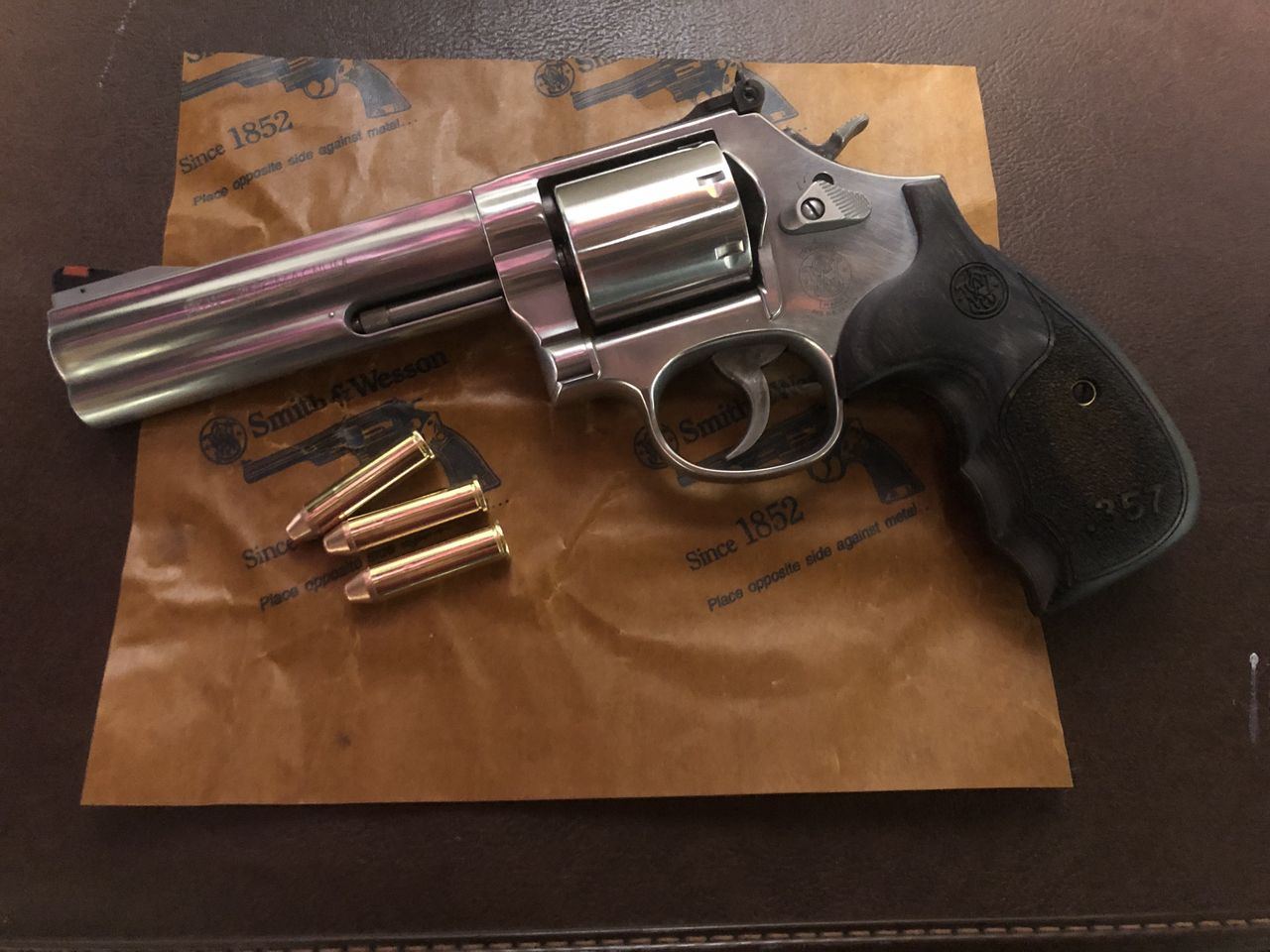
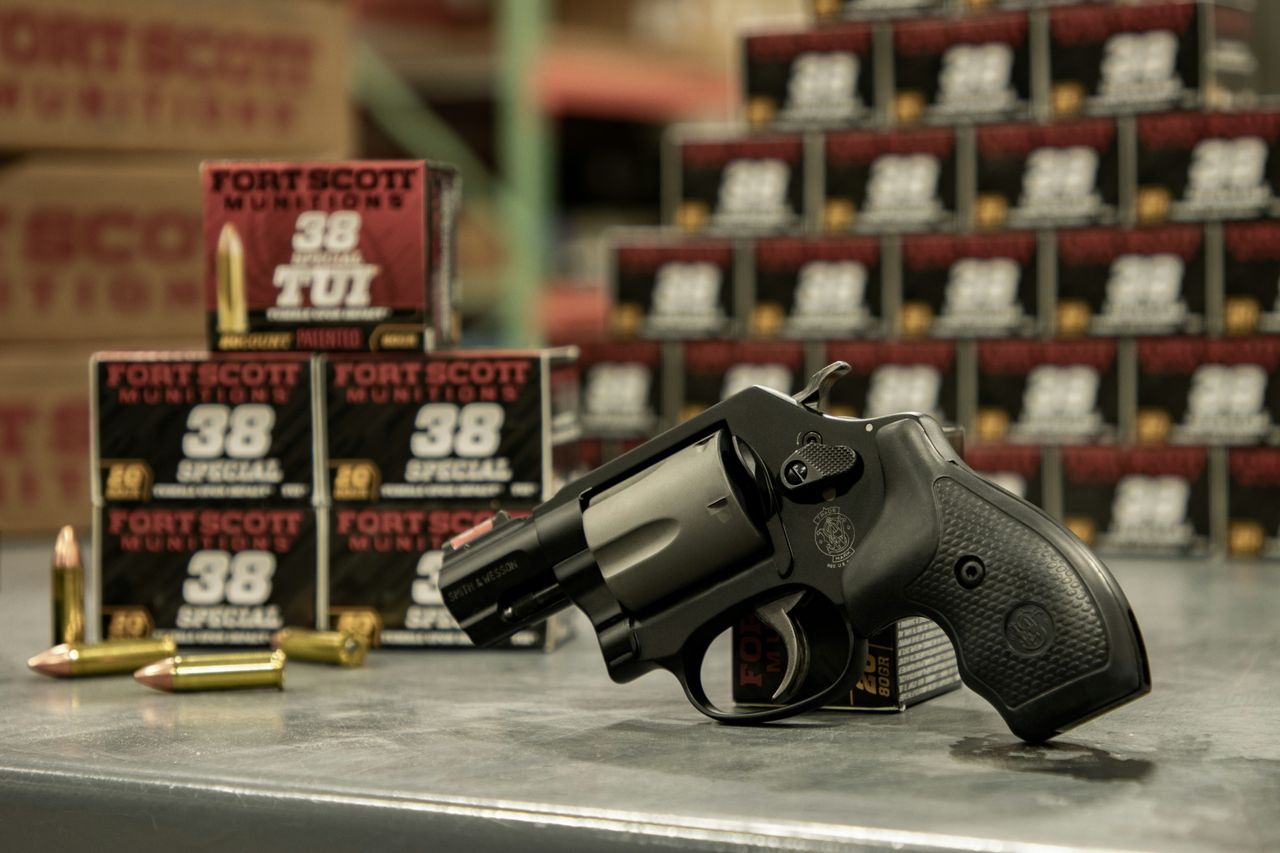
One reason the 686 stays relevant is the flexibility of its chambering. A hunter can carry stout .357 Magnum loads for serious backup duty, then practice with softer, less expensive .38 Special ammunition without changing platforms.
That mix is hard to ignore. It lets owners spend more time getting familiar with the gun, which often matters more than chasing the newest sidearm trend. Familiarity builds confidence, and confidence counts when a sidearm is there for emergencies.
For many outdoorsmen, the ability to train one way and carry another is a practical advantage, not a minor footnote.
Stainless steel suits harsh weather
The 686’s stainless steel construction is more than a cosmetic choice. Hunters often deal with rain, sweat, mud, frost, and the kind of grime that collects after long miles in the field, and stainless steel generally handles that punishment better than many blued finishes.
That does not mean it is maintenance-free, but it does mean a little less worry when conditions turn ugly. A backup gun can spend plenty of time exposed to the elements before it ever leaves the holster.
For people who hunt in damp forests, snowy country, or humid southern climates, that extra resilience makes the 686 feel especially well suited to real outdoor use.
The L-frame balances power and control
The 686 sits on Smith & Wesson’s L-frame, and that size has a lot to do with its staying power. It is robust enough to handle a steady diet of .357 Magnum, yet it is not as bulky as some larger hunting revolvers that can feel excessive for backup carry.
That middle ground appeals to hunters who want power without carrying a true hand cannon on every outing. The frame gives the gun a planted, substantial feel, which many shooters find helpful when firing heavier loads.
In short, the 686 lands in a sweet spot. It feels serious, but still practical enough to bring along.
Its weight helps tame recoil
Backup revolvers chambered in .357 Magnum can get lively, especially in lighter platforms. The 686 is not featherweight, but that extra mass works in its favor by soaking up recoil and making follow-up shots more manageable for many shooters.
That matters in a field gun. If a hunter ever has to fire quickly at close range, controllability becomes more important than shaving a few ounces off the belt. A revolver that stays more settled in the hand is often easier to shoot well under stress.
The result is a sidearm that feels more cooperative than punishing, even with loads chosen for serious protection.
The trigger is a big part of the appeal
Ask longtime revolver fans about the 686 and the trigger usually comes up early. Many examples are praised for a smooth double-action pull and a crisp single-action break, which can make the gun feel refined in a way that keeps owners loyal for years.
A good trigger does more than impress on a range bench. It can help shooters place shots with greater confidence, and that confidence tends to matter when adrenaline starts climbing. Hunters often appreciate equipment that feels predictable instead of finicky.
The 686’s trigger reputation is one of those qualities that is difficult to quantify but easy to notice once you spend time with one.
It is simple to operate under stress
Part of the revolver’s enduring charm is its mechanical simplicity from the user’s perspective. There is no magazine to seat, no slide to rack, and no question about whether the gun is in battery. For many hunters, that straightforward manual of arms is a real comfort.
In a tense moment, simple can be beautiful. The 686 asks very little from the person carrying it beyond drawing, aiming, and pressing the trigger. That directness is one reason revolvers still attract people who think in terms of practical field readiness.
When a sidearm is truly a backup, uncomplicated operation can be one of its strongest selling points.
Barrel length options fit different hunting styles

The 686 has been offered in multiple barrel lengths, and that flexibility helps explain its broad appeal. A hunter who wants easier carry may lean toward a shorter barrel, while someone prioritizing sight radius and velocity might prefer a longer version.
That range of choices lets the gun adapt to different terrain and habits. A sidearm worn all day during spot-and-stalk hunts may call for one setup, while a revolver carried from a stand or in bear country may favor another.
It is the same basic platform, just tuned to fit the job. That kind of adaptability keeps the 686 in the conversation.
It points naturally for many shooters
Some handguns look great on paper but never quite feel right in the hand. The 686 often earns praise because it points naturally for a wide range of shooters, thanks to its grip shape, balance, and classic revolver ergonomics.
That instinctive feel can be especially valuable in close-range defensive situations, where there may be little time to overthink sight picture and grip. A sidearm that comes up smoothly and settles where the eye wants it can inspire real confidence.
Hunters who spend time with different revolvers often describe the 686 as one that simply feels right. That is not hype. It is fit, and fit matters.
Aftermarket support keeps it relevant
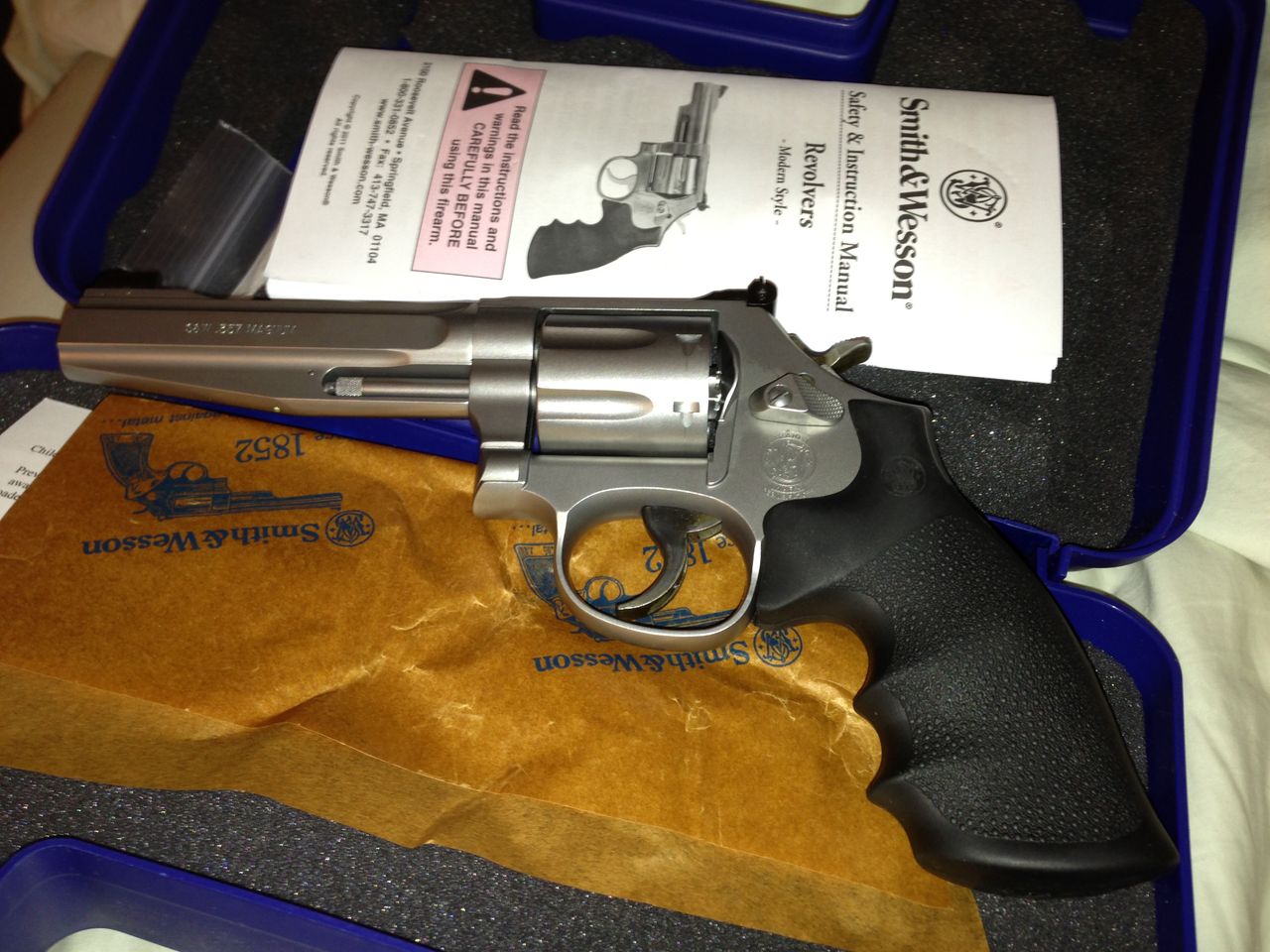
Another reason the 686 has staying power is that owners can tailor it to their needs. Grips, holsters, sights, speedloaders, and action work are all easy to find, which helps the revolver stay useful even as personal preferences change.
That support matters more than people sometimes admit. A backup sidearm should fit how someone actually hunts, carries, and trains, not just how a factory catalog imagines they will. Being able to refine the gun over time makes long-term ownership more satisfying.
Instead of feeling dated, the 686 can be updated and personalized. That keeps it competitive in a world full of options.
It has the kind of durability people hand down
The 686 has a reputation for lasting, and that feeds its following in a powerful way. Hunters often respect guns that can take years of range time, field carry, and regular use without feeling disposable or short-lived.
There is also a generational quality to a revolver like this. It is the kind of handgun people keep, maintain, and eventually pass along, with stories attached to it from deer camp, trail rides, and seasons spent outdoors.
That sense of permanence gives the 686 emotional weight as well as practical value. It feels like gear built to stay in service, not just to be replaced.