Some firearms earn legendary status on battlefields, in training camps, and through decades of military service. But history has a funny afterlife: many once-feared or once-revered guns eventually turn up under glass in pawnshops, valued less for glory than for price, condition, and utility. This gallery explores 11 well-known military firearms that became surprisingly ordinary retail fixtures, and the mix of surplus sales, changing tastes, and market realities that brought them there.
Mosin-Nagant M91/30

For years, the Mosin-Nagant was the classic example of a battlefield relic turned bargain-bin star. Built in enormous numbers and used through some of the 20th century’s most brutal conflicts, it carried real historical weight long before collectors started debating arsenal marks and wartime shortcuts.
What sent it into pawnshop territory was simple math. Massive Cold War surplus imports flooded the U.S. market, and many buyers treated them as cheap shooters rather than treasured artifacts. When a rifle is imported by the crate and sold for entry-level prices, even a war legend can lose some mystique.
Its rough finish, long length, heavy bolt, and stout recoil also made it feel more interesting than refined. For casual buyers, that often translated into trade-ins, closet storage, and eventually another tag in the used rack.
SKS

The SKS arrived with military credentials, Cold War associations, and a reputation for rugged reliability. It was never as iconic in American pop culture as the AK, but that actually helped it become a practical surplus favorite rather than a shrine piece.
Imports from multiple countries made the rifle widely available, and its fixed magazine plus modest price gave it broad appeal. Buyers saw an affordable semi-auto with military roots, not a rare collector’s jewel. That usually means a gun gets used hard, modified freely, and traded often.
Another factor was timing. As newer black rifles captured attention, the SKS started looking old-fashioned to some shoppers and too common to others. In pawnshops, that combination tends to create a dependable regular rather than a premium draw.
Mauser 98 Variants

The Mauser 98 is one of the most influential bolt-action designs ever fielded, and its military legacy is impossible to miss. It helped shape countless later rifles, served across continents, and built a reputation for strength and dependable engineering that shooters still admire.
So why did so many end up in ordinary retail circulation? After wars ended, huge numbers of Mauser-pattern rifles were sold off, reworked, or sporterized for the civilian market. Once military stocks were cut down and sights changed, much of the original collector appeal disappeared.
That left many examples in a strange middle ground. They were historically descended from greatness, but no longer especially rare or untouched. Pawnshops became the natural landing spot for rifles that were useful, familiar, and often altered beyond serious collector excitement.
Lee-Enfield No. 4
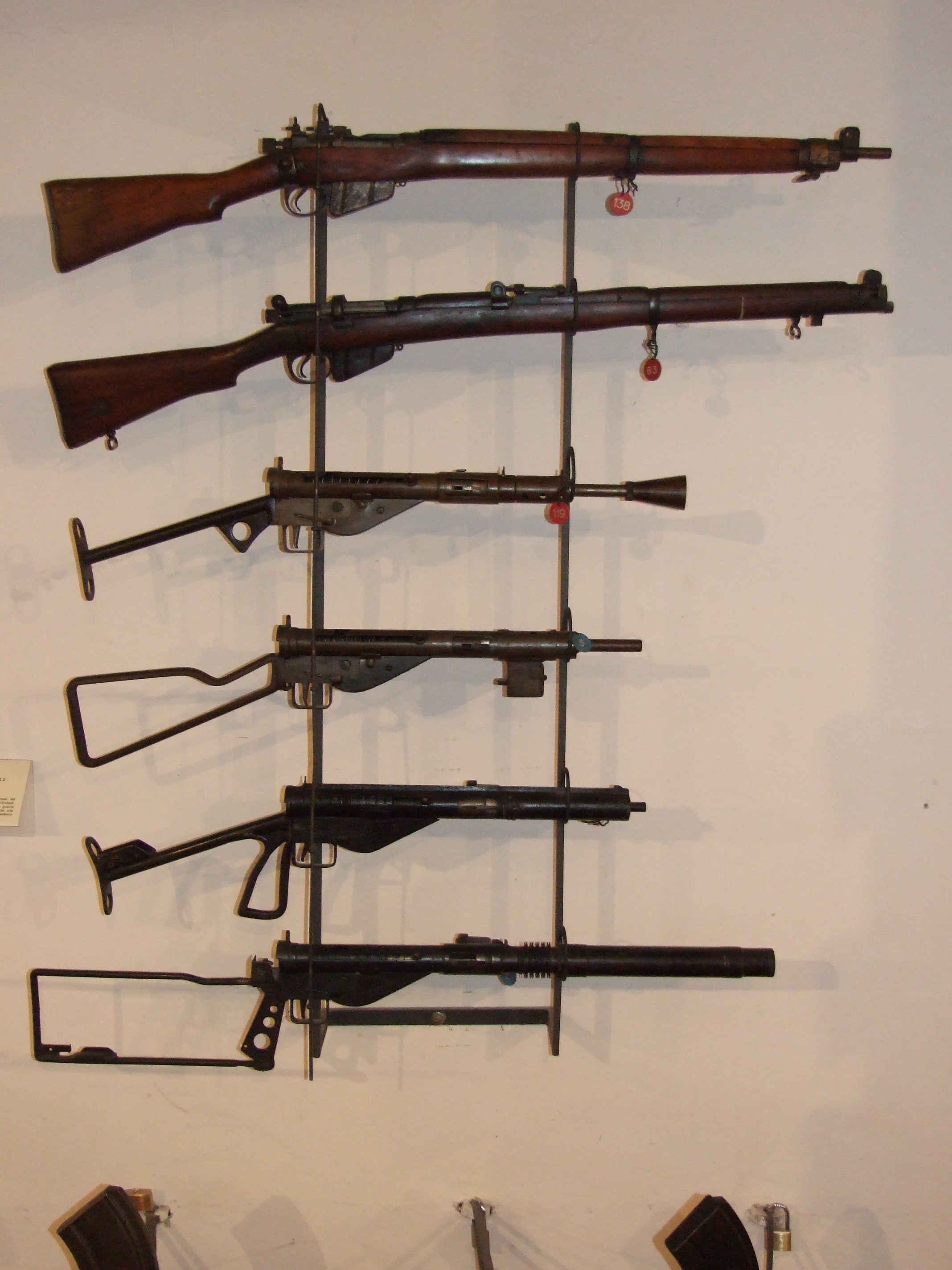
The Lee-Enfield No. 4 earned its legend through speed, durability, and astonishing battlefield service. To generations of soldiers, it was more than a standard rifle; it was a trusted companion with a fast action and a distinctly British profile that still stands out on a rack.
Yet abundance worked against exclusivity. Large surplus releases put many examples into civilian hands, and shooters appreciated them as affordable historic rifles rather than museum pieces. That made them beloved, yes, but also widely traded.
Ammunition availability, long overall length, and the growing dominance of modern sporting rifles also changed the market. For many owners, the Enfield became something they admired more than used. Once that happens, the trip to a pawnshop counter often isn’t far behind.
Carcano M91

The Carcano’s military story is longer and more complex than its public reputation suggests. It served Italy for decades and saw multiple wars, but in the U.S. it became tied to notoriety, jokes, and a market image that never matched its actual historical footprint.
That reputation kept values low for years. Surplus imports were often inexpensive, and many buyers viewed the rifle as a curiosity first and a collectible second. When demand is shaped by stigma more than craftsmanship, used cases start filling up fast.
Practical issues didn’t help either. Odd calibers, variable condition, and a finish that could look plain next to other European rifles all made the Carcano easy to pass over. Pawnshops became full of examples waiting for someone willing to look past the punchline.
Yugo M48

The Yugo M48 had all the ingredients of a sleeper hit: military pedigree, Mauser-style action, sturdy construction, and often surprisingly good condition. For surplus buyers, it was an appealing way to own a service rifle with real history without spending top collector money.
But that affordability was exactly why it became so common in secondhand circulation. Buyers picked them up as practical shooters or entry-level collectibles, not as untouchable heirlooms. Guns bought on value tend to move back through the market the same way.
It also lived in the shadow of German wartime Mausers, which drew more attention and prestige. The M48 was respected, but often not romanticized. In pawnshops, that usually means steady turnover, modest pricing, and a lot less ceremony than the rifle deserves.
Tokarev TT-33

The Tokarev TT-33 had all the hallmarks of a military sidearm legend: wartime service, Soviet cachet, and a cartridge with a sharp, memorable personality. It looked austere, felt purposeful, and carried the kind of no-frills reputation that appeals to military surplus fans.
Still, imports and copies from several countries diluted exclusivity. Once handguns with that silhouette and system became broadly available, the Tokarev stopped feeling rare and started feeling attainable. In the used market, attainable often becomes ordinary very quickly.
Its ergonomics, sparse safety setup on many imported examples, and strong recoil impulse also narrowed its everyday appeal. Plenty of people admired it as a historical piece, but fewer wanted it as a primary range pistol. That gap is exactly where pawnshop inventory tends to grow.
Makarov PM

The Makarov PM was one of the most practical military sidearms of the Cold War era. Compact, durable, and famously simple to maintain, it built a reputation less on glamour than on reliability, which is often the kind of military praise that lasts the longest.
Ironically, that same practicality made it easy to overlook once imports increased. Buyers found them affordable, useful, and easy to stash away, but not necessarily prestigious. A gun can be excellent and still become common if enough examples hit the market at once.
As polymer pistols took over civilian attention, the all-steel Makarov began to feel like a holdover from another age. It remained respected, but not always desired. That’s a familiar recipe for a firearm that settles into the pawnshop ecosystem.
Beretta 92S and 92FS Trade-Ins

The Beretta 92 family earned modern military fame with its open-slide design, soft shooting character, and years of visible service. For many Americans, it was the service pistol of an era, recognized instantly from both military use and a huge amount of pop culture exposure.
That visibility did not guarantee permanent premium status. Police and military trade-ins, along with broad commercial production, made used examples easy to find. Once a gun exists in large numbers and newer models crowd the shelf, familiarity starts suppressing excitement.
Plenty of shooters still love the platform, but size matters in the retail world. Compared with slimmer, lighter handguns, the full-size Beretta can feel like yesterday’s duty belt in a concealed-carry age. That practical mismatch keeps used cases well supplied.
CZ 52

The CZ 52 has a look and feel that almost guarantees a second glance. With its angular design, roller-locking system, and Cold War identity, it seems tailor-made for collectors who like their military sidearms with a little mechanical oddity and a lot of visual attitude.
Yet novelty can be a double-edged sword. Surplus imports made the pistol accessible, while its unusual design and sometimes mixed reputation for parts durability kept it from becoming a universal favorite. Accessible plus quirky is often another way of saying pawnshop staple.
Ammunition choices, replacement part concerns, and its distinctly dated ergonomics further limited the buyer pool. The people who love the CZ 52 really love it. Everyone else often sees a fascinating relic they might admire for a minute and then leave in the case.
Swiss Schmidt-Rubin K31
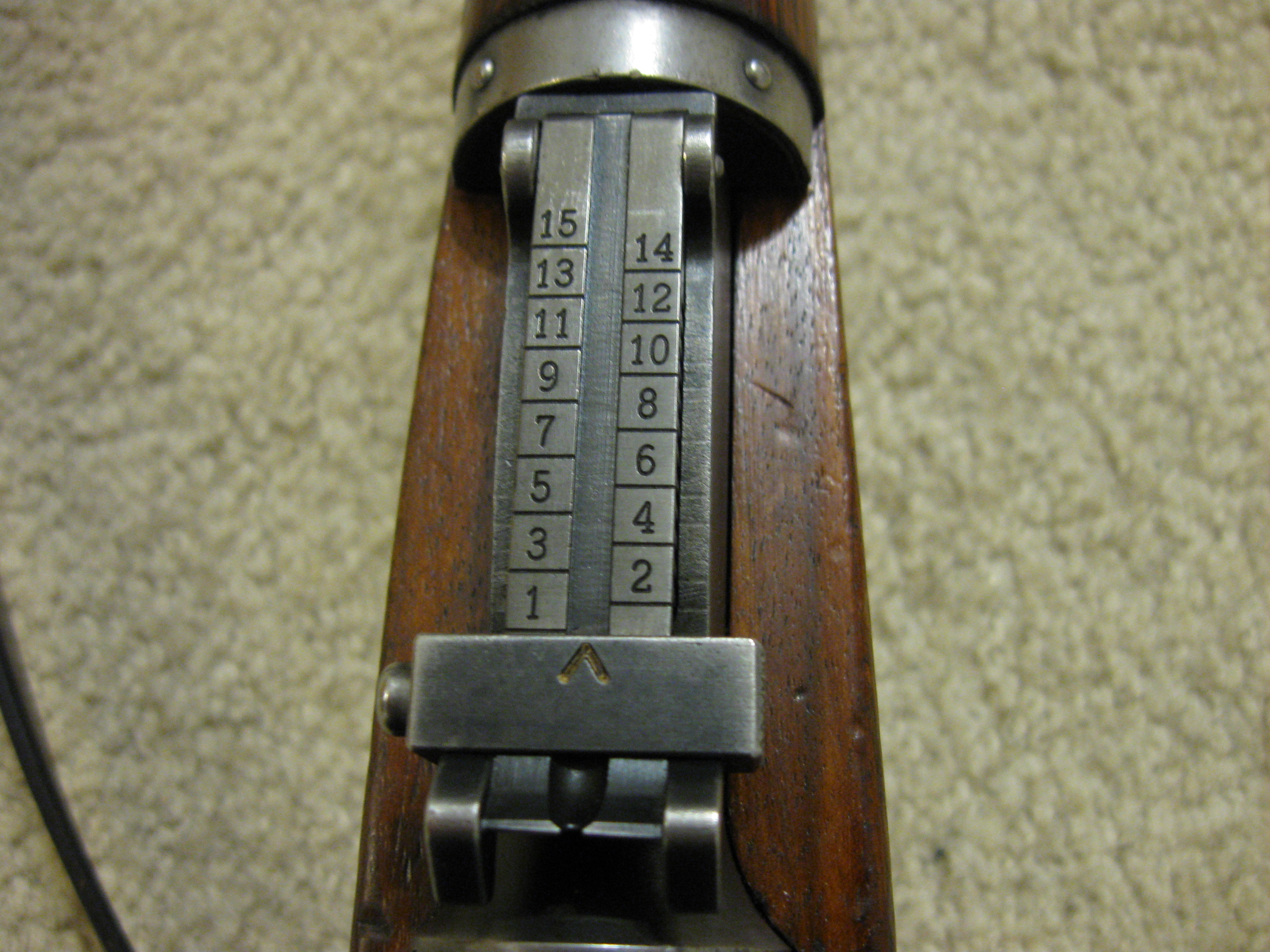
Among surplus rifles, the Swiss K31 developed a near-mythic reputation for precision, craftsmanship, and straight-pull elegance. It felt like the opposite of the crude war relic stereotype, and that gave it real cachet with shooters who appreciated engineering as much as history.
But even admired rifles can become regulars when the market sees them as available rather than scarce. Imports brought enough K31s into circulation that many enthusiasts could actually buy one, shoot it, and eventually resell it without much drama.
The rifle’s specialized ammunition, limited mainstream recognition outside surplus circles, and long military profile also narrowed its appeal. For devotees, it was a gem. For general buyers, it was often just a beautifully made old rifle, which is exactly the sort of thing pawnshops know well.