Understanding these 11 cute animals that are actually dangerous is essential for anyone who explores the diverse and deceptive world of nature. While many people feel an instinctive urge to pet or cuddle these charming creatures they must remember that survival always prioritizes over aesthetics. These deceptively sweet animals possess specialized defense mechanisms or aggressive temperaments that catch unsuspecting travelers off guard every single year. These biological traits ensure their existence in the wild regardless of how friendly they appear. This guide highlights the specific hazards that these deceptively adorable animals present to humans during any wild encounter.
Slow Loris
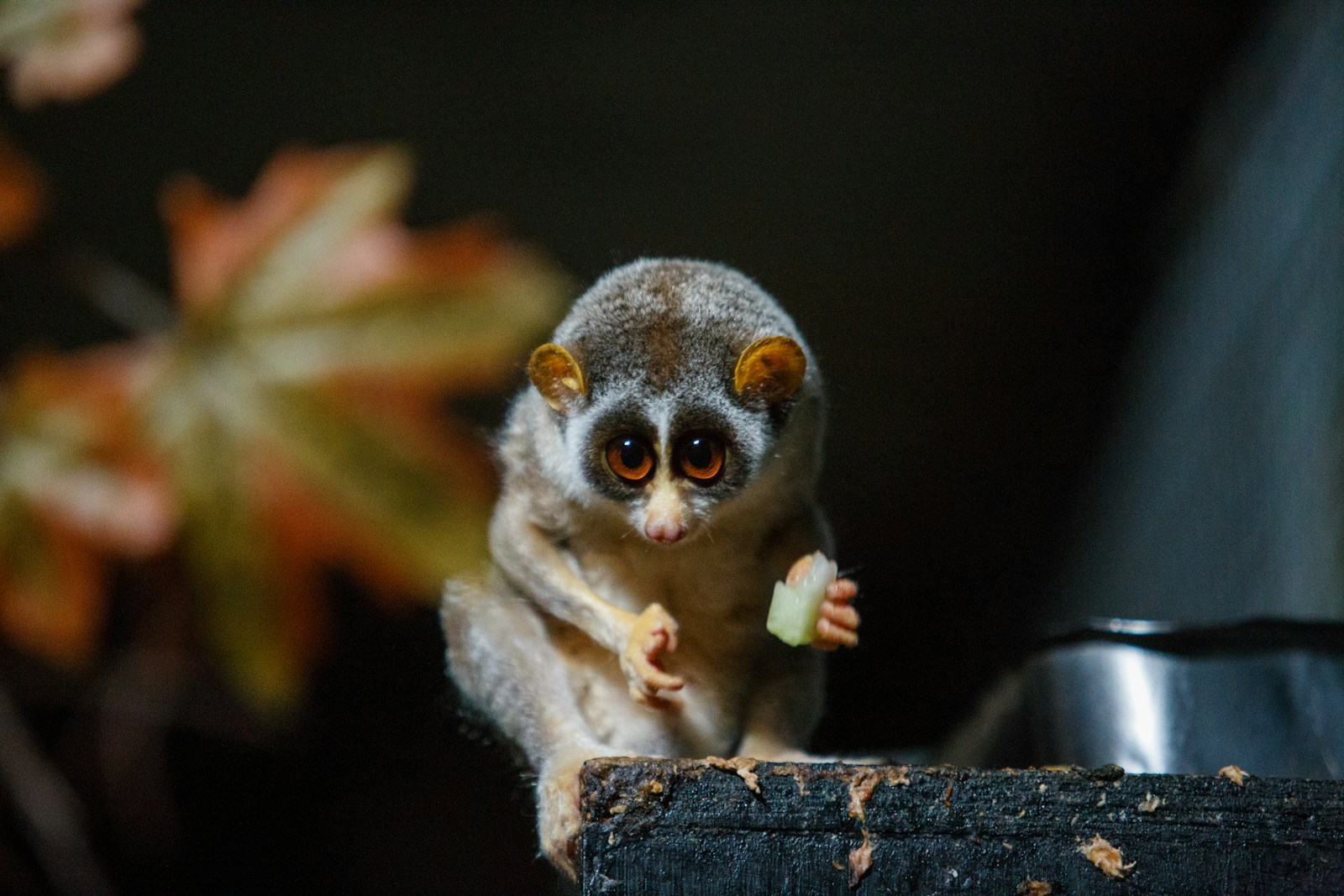
The slow loris looks like a tiny stuffed toy with its huge round eyes and soft woolly fur. However this small primate is actually one of the only venomous mammals in the world today. It possesses specialized glands on its elbows that produce a toxic secretion which the animal licks to create a lethal bite. If a person gets bitten the venom can cause a severe and painful allergic reaction or even life threatening anaphylactic shock. Despite their sluggish movements and charming appearance these nocturnal creatures demand a great deal of respect and space from all human observers.
Platypus
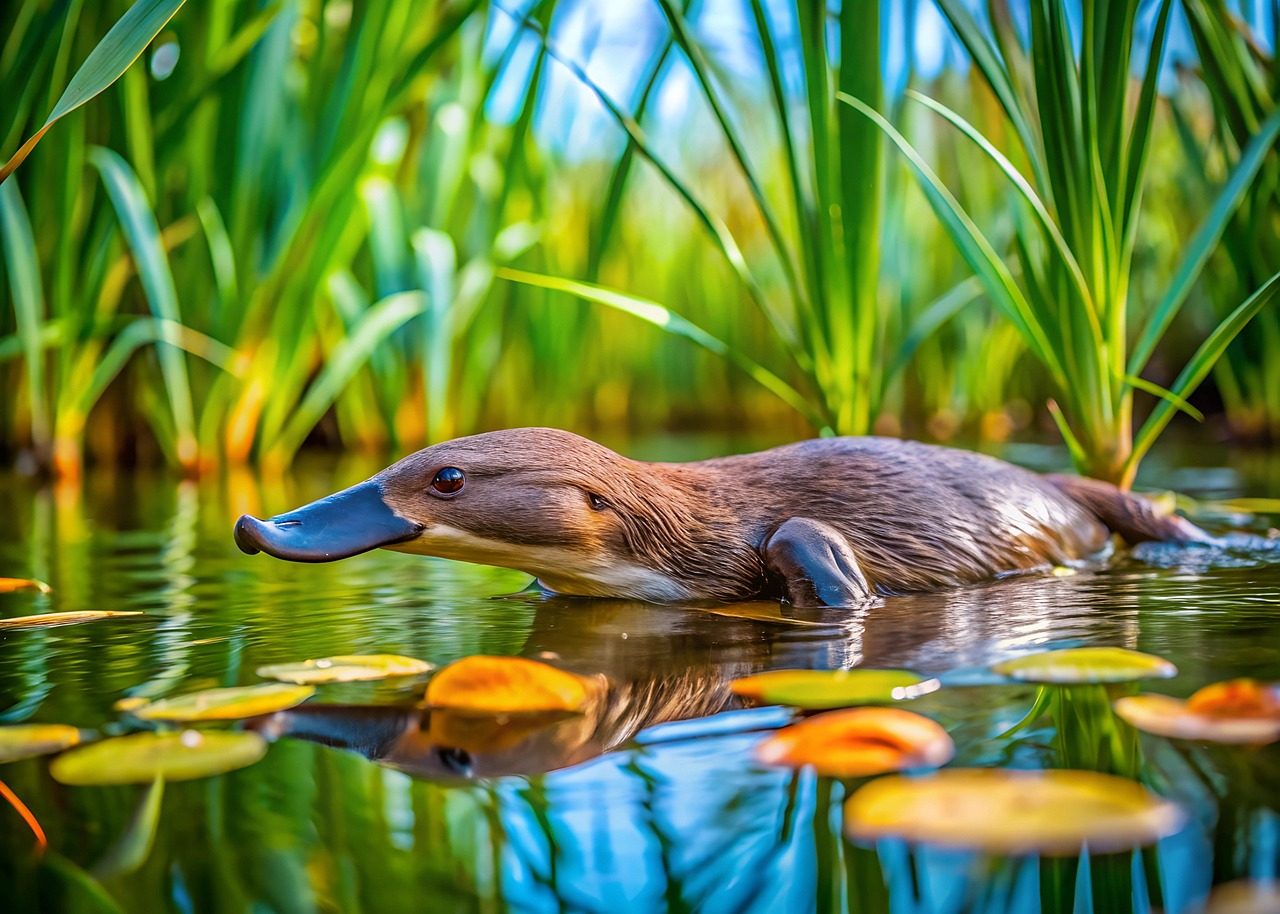
The platypus is a strange and fascinating creature that resembles a playful mix of a duck and a beaver. While it appears harmless as it swims through freshwater streams the male of the species carries a very hidden weapon. Each hind leg features a sharp spur that can inject a powerful venom capable of causing excruciating pain in humans. This venom is potent enough to kill small domestic animals and leave a person incapacitated for several weeks. No known antivenom exists for this specific toxin which makes an encounter with an aggressive male platypus a very serious matter.
Blue Ringed Octopus
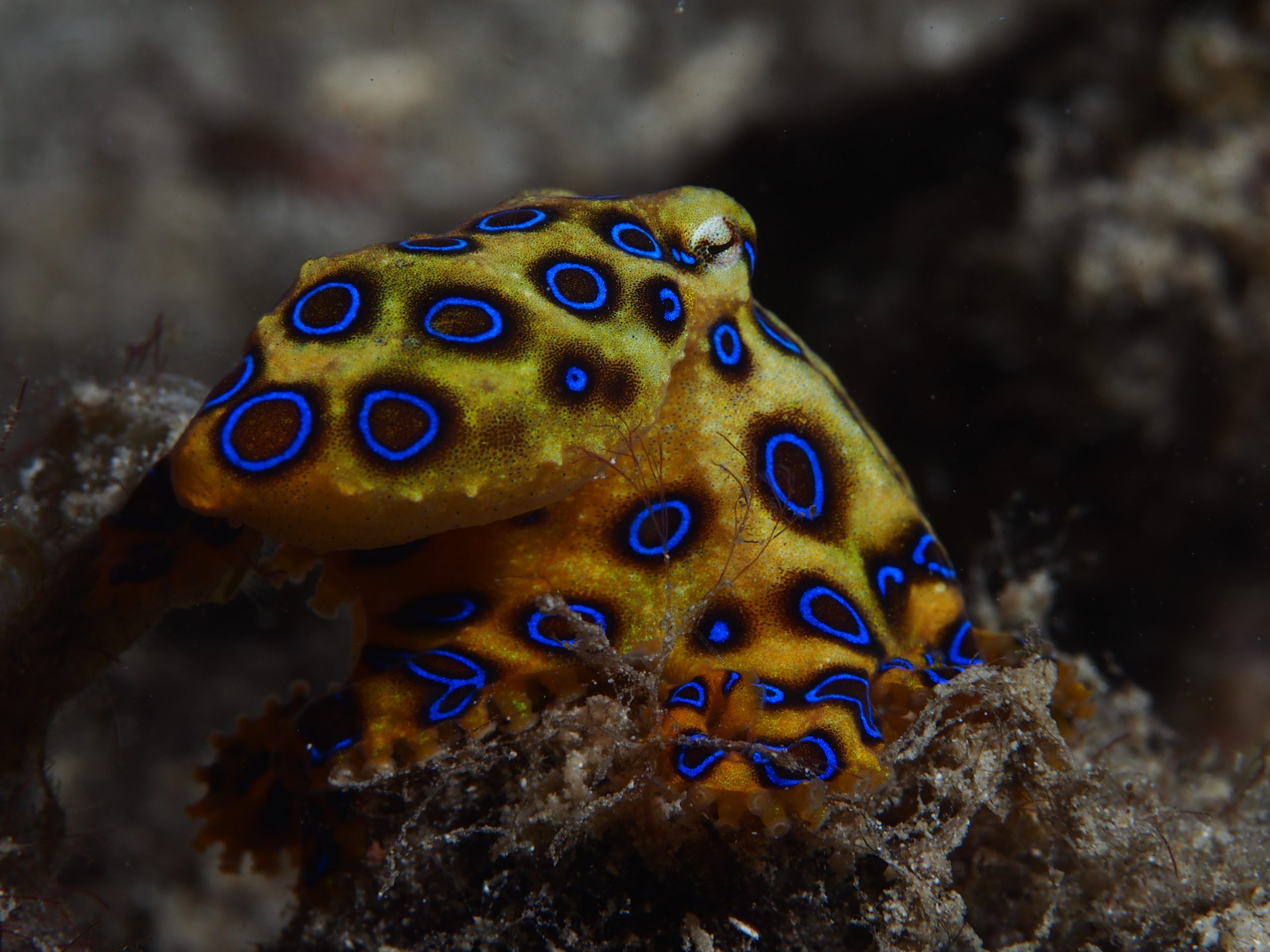
The blue ringed octopus is a tiny marine animal that features beautiful glowing circles when it feels threatened or excited. Its small size and vibrant colors often tempt swimmers to pick it up or move it to a different location. However this stunning mollusk carries enough venom to kill twenty six adult humans within a matter of minutes. The bite is often painless but the neurotoxins quickly cause respiratory failure and total paralysis for the victim. Since there is no effective antivenom medical staff must provide constant artificial respiration until the body naturally clears the deadly poison.
Cone Snail
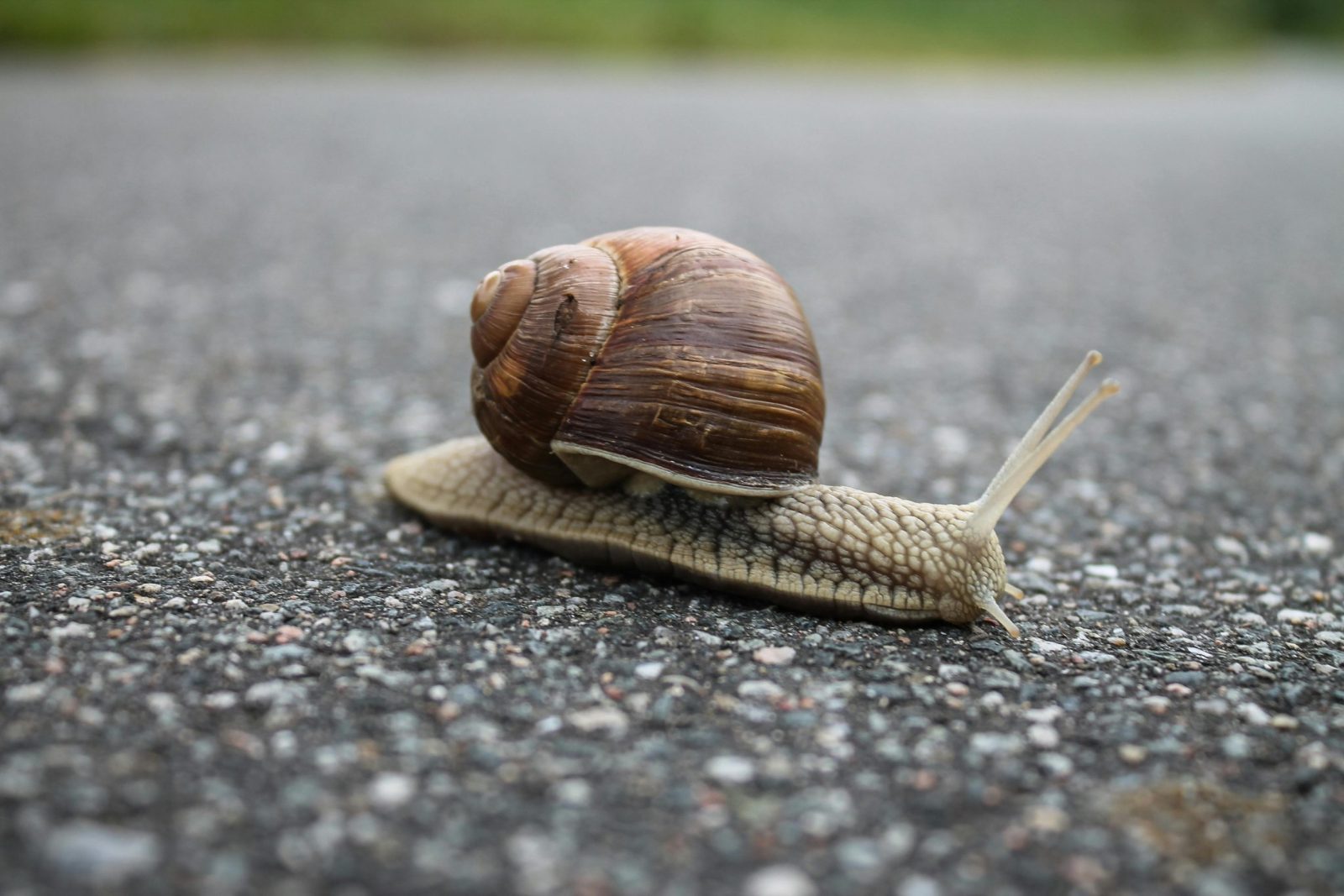
Cone snails possess beautiful intricate shells that many beachgoers enjoy collecting as souvenirs during their tropical vacations. These slow moving gastropods are actually highly efficient predators that utilize a hollow harpoon to inject a complex cocktail of toxins. The venom is so powerful that it can paralyze a person almost instantly and lead to a tragic outcome without immediate medical intervention. Some species are nicknamed cigarette snails because a victim supposedly has only enough time to smoke one before they perish. Never touch a live cone snail regardless of how stunning or colorful the shell appears to be.
Leopard Seal
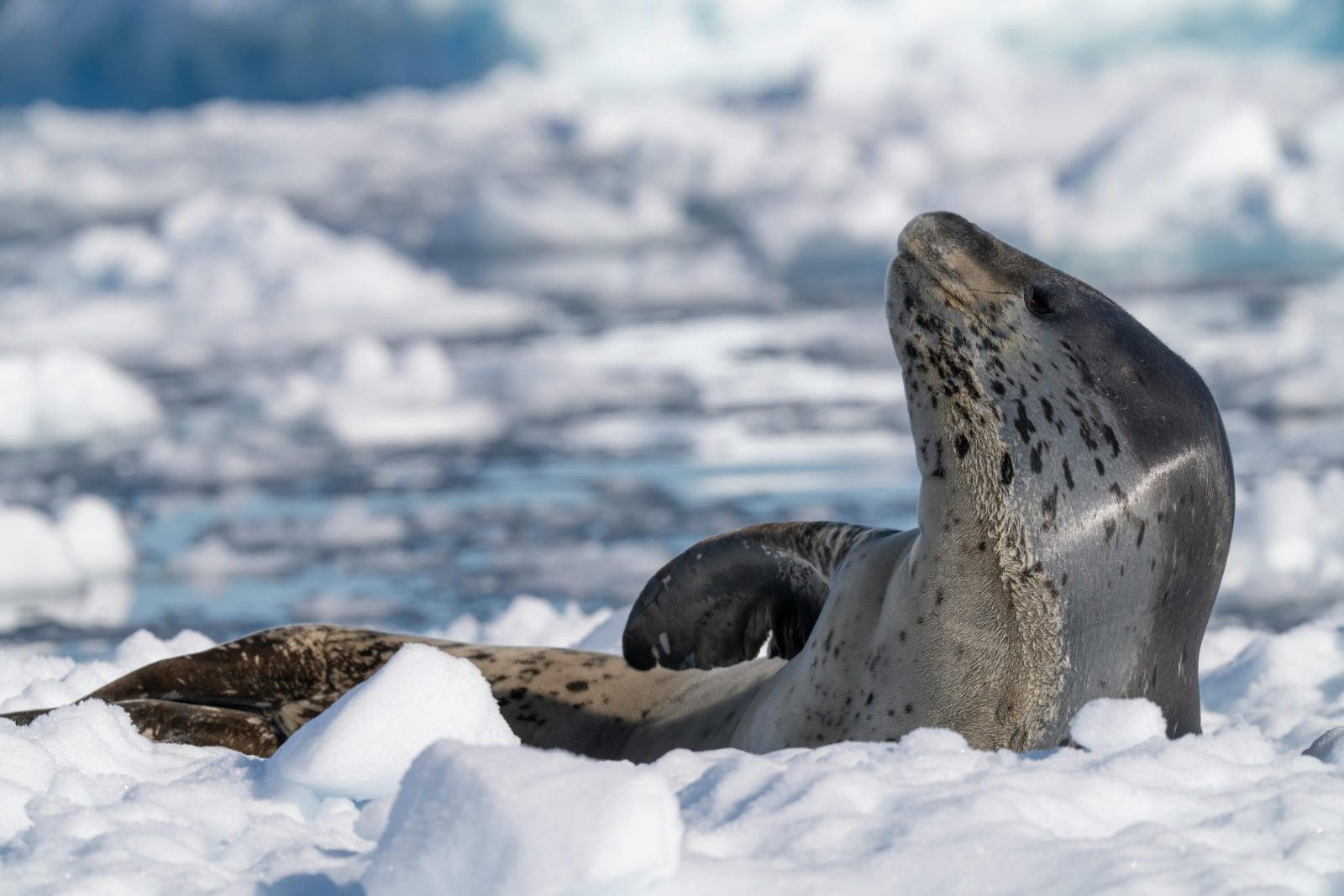
Leopard seals look relatively cute and sleepy when they are resting on Antarctic ice floes under the bright sun. These massive predators are actually the primary hunters of penguins and are known for their highly aggressive behavior toward humans. They possess powerful jaws filled with sharp teeth designed for tearing through tough hides and thick bone. There are documented cases of these seals dragging researchers underwater or attacking small inflatable boats during scientific expeditions. Their surprising speed and immense physical strength make them a significant threat to anyone who ventures too close to their isolated coastal hunting grounds.
Mute Swan
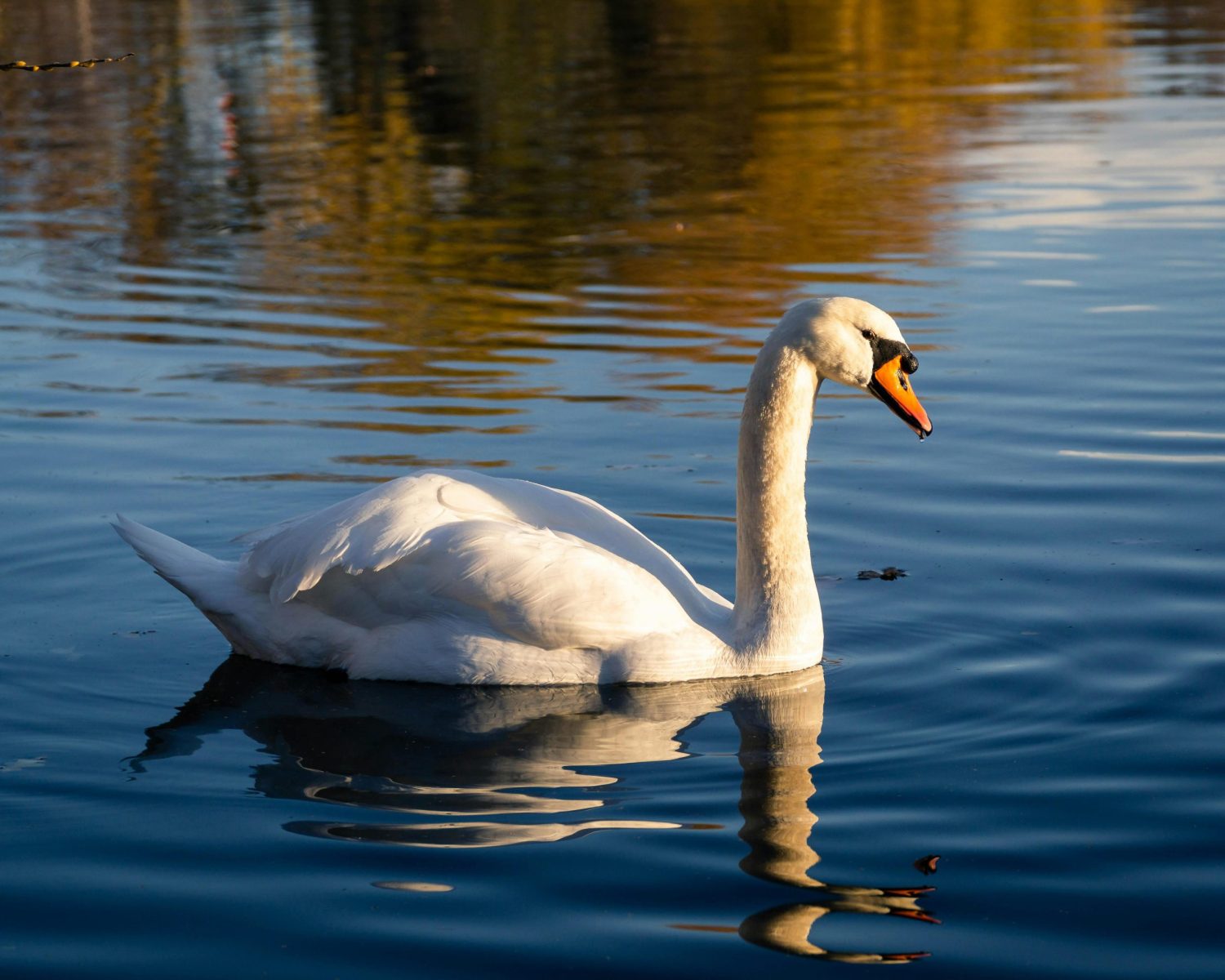
The mute swan is a symbol of elegance and grace that many people enjoy watching in local parks and ponds. While they appear serene they are fiercely territorial and will aggressively protect their nesting sites from any perceived intruders. An angry swan can strike with incredible force using its powerful wings or deliver a painful bite with its strong beak. These attacks can knock a person off balance or cause serious injury to someone in a small boat or kayak. It is wise to maintain a safe distance from these beautiful birds especially during the spring breeding season.
Koala
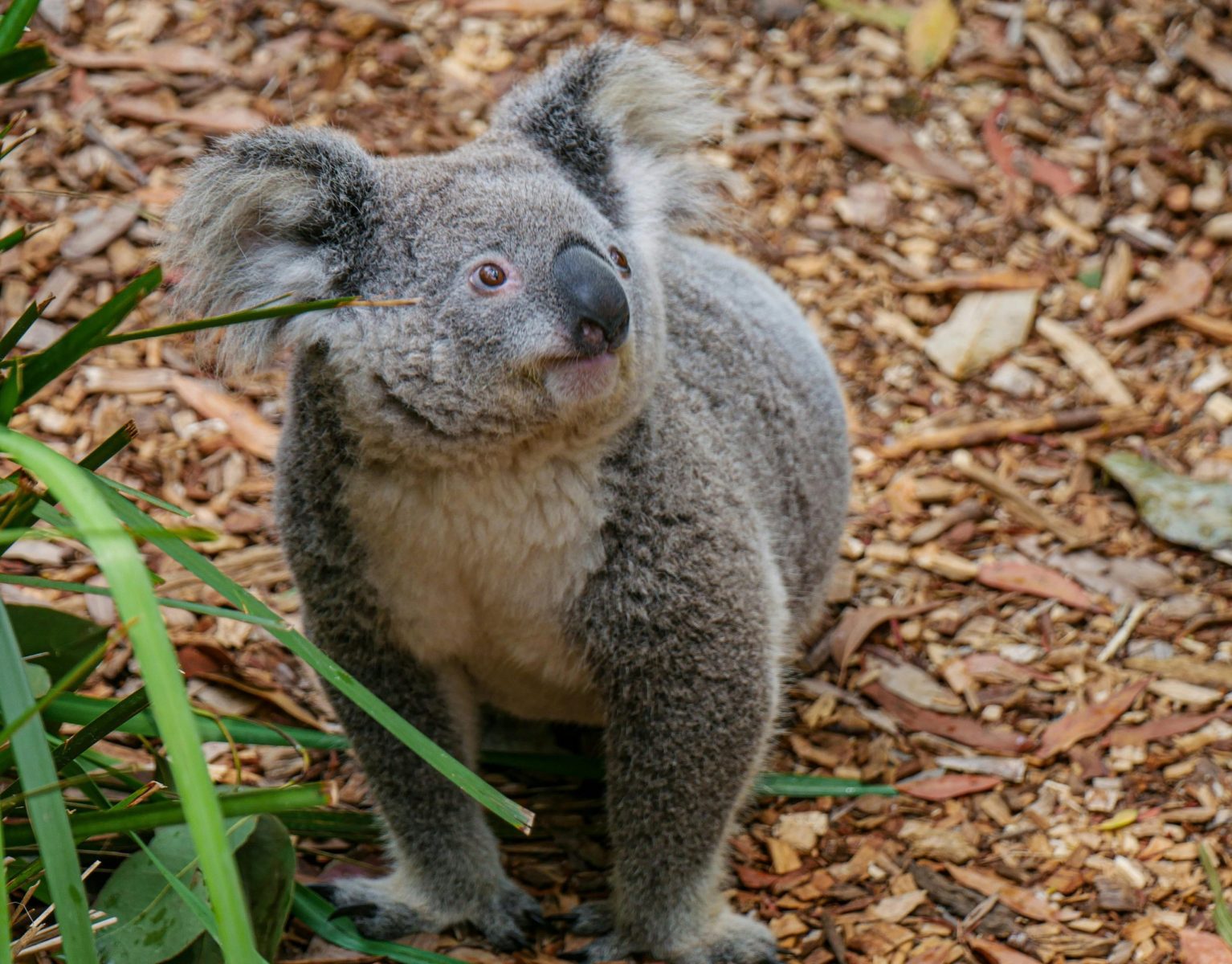
Koalas are often depicted as lazy and cuddly bears that spend their entire day sleeping in eucalyptus trees. While they generally move slowly they possess very sharp claws and powerful jaw muscles designed for stripping tough leaves. If a koala feels cornered or threatened it can lunge with surprising speed and inflict deep scratches or serious bite wounds. They also carry several infectious diseases that can be transmitted to humans through close contact or accidental scratches. It is best to admire these iconic Australian marsupials from a distance rather than attempting to touch or hold them.
Bottlenose Dolphin
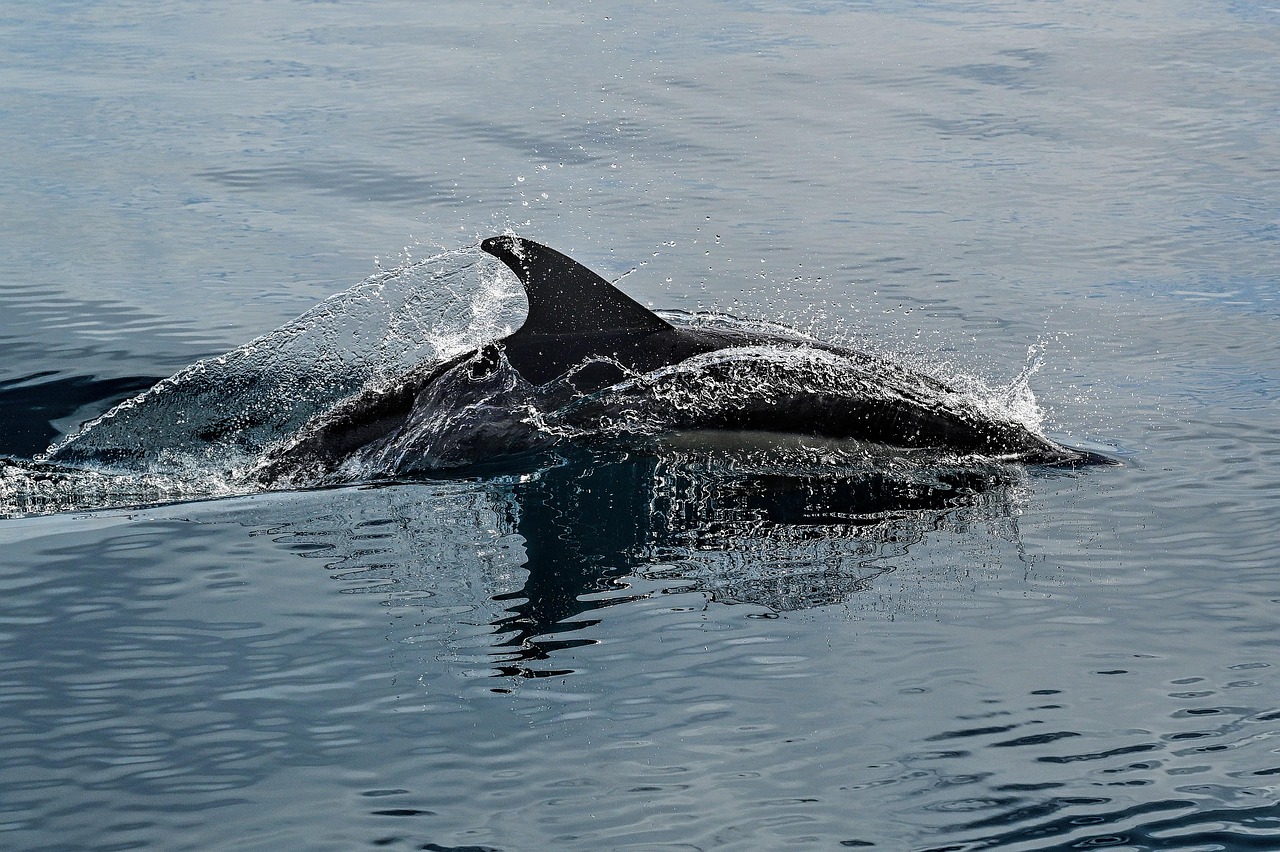
Bottlenose dolphins are world famous for their playful behavior and the seemingly permanent smiles on their faces in the water. These highly intelligent marine mammals are powerful apex predators that sometimes display aggressive tendencies toward other species and humans. They have been known to use their heavy snouts as battering rams to protect their territory or establish social dominance. In some cases dolphins have bitten swimmers or pulled them deep underwater during unexpected encounters in the wild. While they are often friendly they remain large and very strong animals that require careful supervision and a lot of space.
Giant Anteater
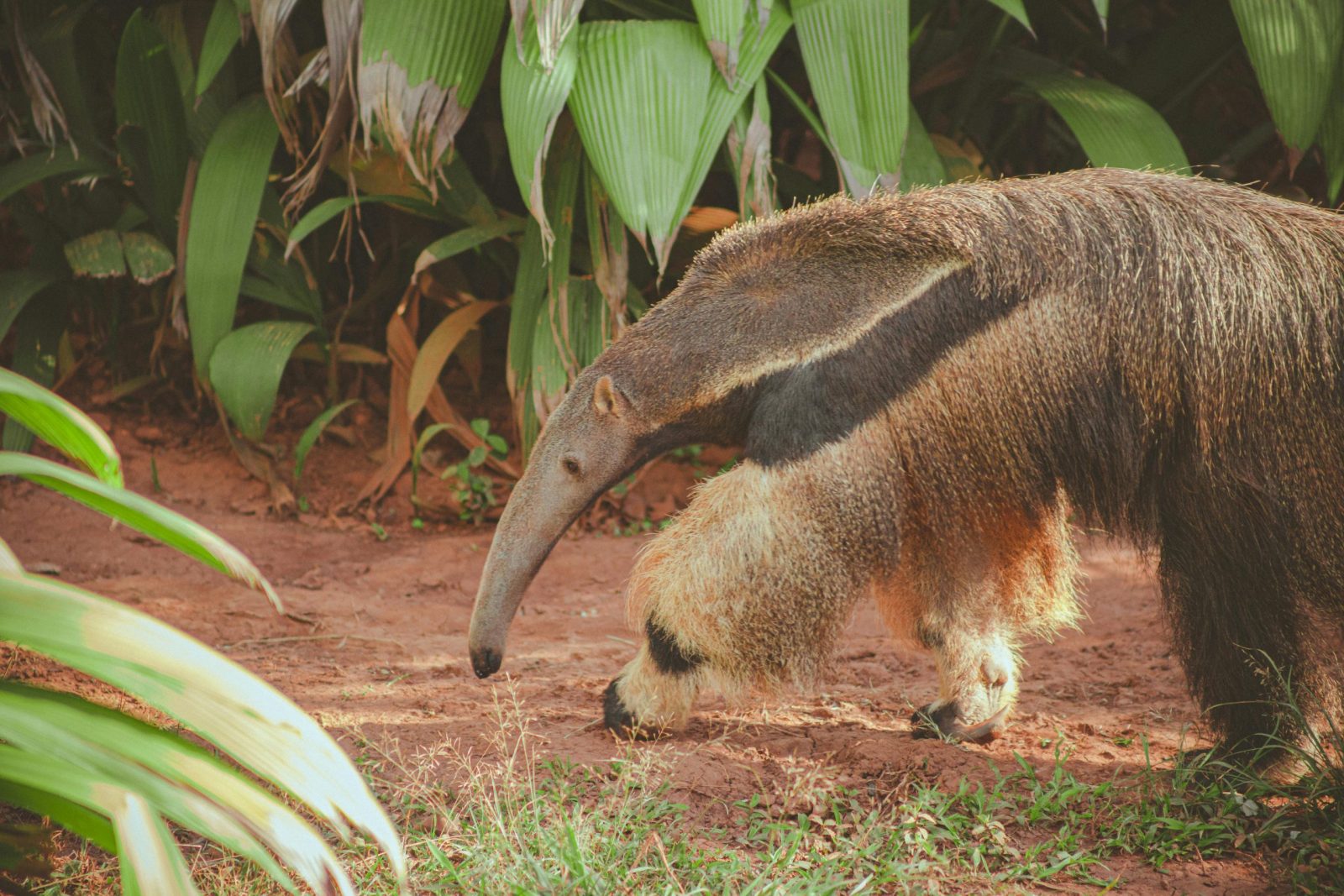
The giant anteater is a peculiar animal with a long snout and a bushy tail that seems completely harmless. This insectivore lacks teeth but carries massive four inch claws on its front paws for digging into hard mounds. If cornered by a predator or a curious human it will stand on its hind legs and use its powerful arms to deliver a lethal strike. These claws are sharp enough to disembowel a large predator like a jaguar or a person in a single swipe. They are incredibly strong and will defend themselves with absolute conviction if they feel trapped.
Pufferfish
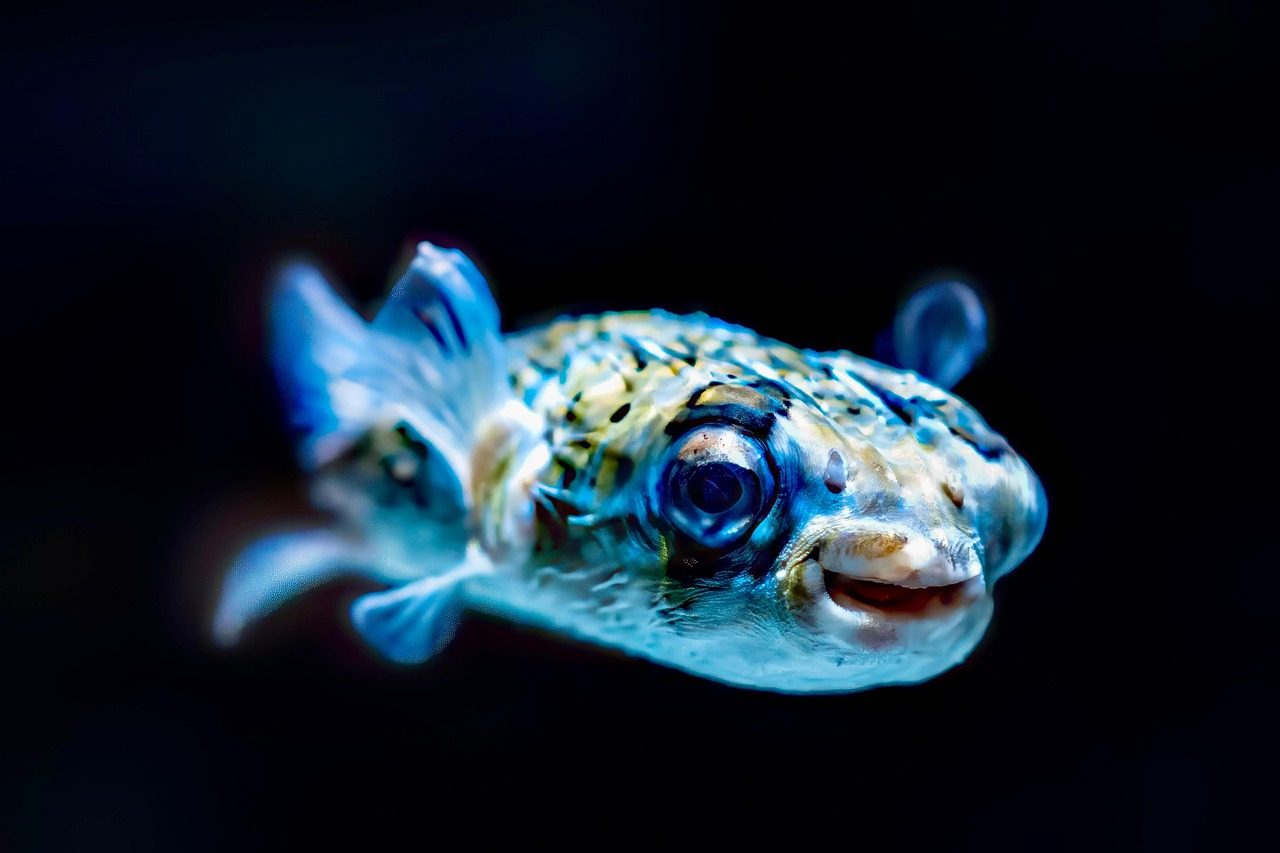
Pufferfish are adorable round creatures that can inflate their bodies like balloons to deter potential predators in the sea. While they look comical many species contain a potent neurotoxin called tetrodotoxin in their skin and internal organs. This substance is over one thousand times more deadly than cyanide and has no known effective antivenom for humans. Eating improperly prepared pufferfish or even touching certain types can lead to total paralysis and certain death within hours. Their cute appearance hides a chemical defense system that makes them one of the most dangerous animals found in the entire ocean.
Moose
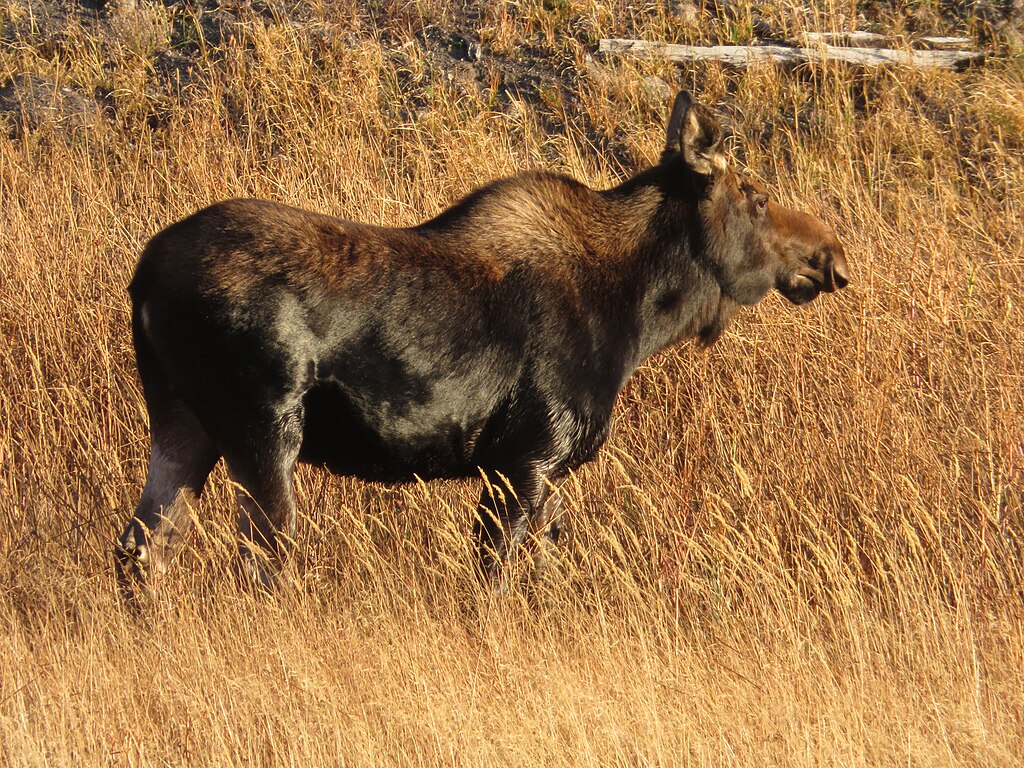
Moose are the largest members of the deer family and often look somewhat goofy with their long faces and spindly legs. These massive animals are extremely unpredictable and are responsible for more injuries to humans in North America than bears or wolves. They are particularly dangerous during the autumn rut or when a mother is protecting her young calves in the brush. A moose can charge with incredible speed and use its massive hooves to trample a person or a small vehicle. Always give these giants a very wide berth if encountered on a wilderness trail.