Clothing choices play a surprisingly important role in fall risks for hikers over 60 because fabrics, fit, and construction influence balance, mobility, and foot placement on uneven terrain. Small details such as loose hems, stiff seams, and slippery materials contribute to sudden missteps where stability matters most. Many older hikers rely on trusted gear without realizing how wear and shifting body mechanics affect performance. Understanding these hidden risks helps identify clothing that interferes with movement, alters stride patterns, or reduces traction. Awareness supports safer travel across varied conditions and promotes confident movement on long trails.
Oversized Jackets
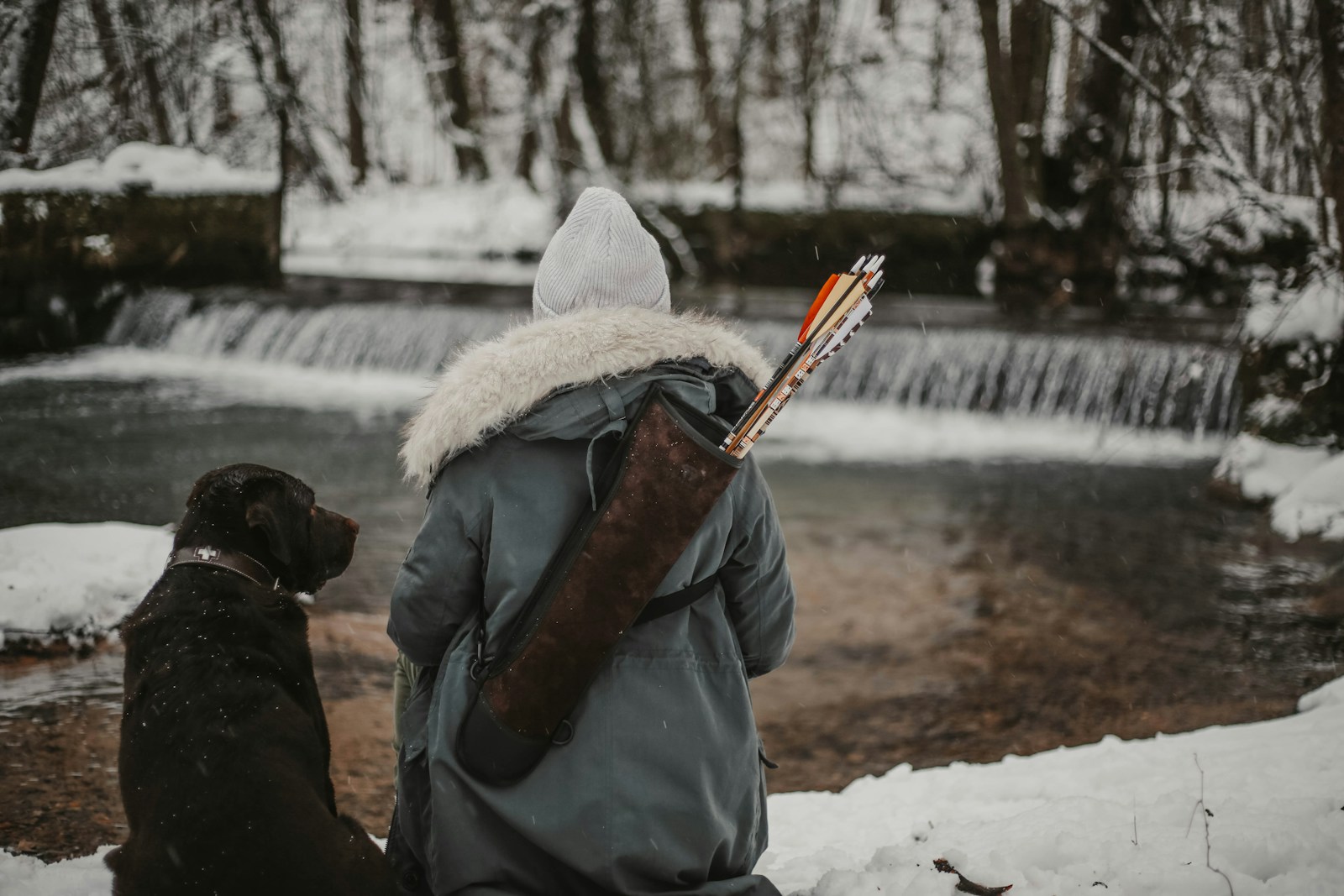
Oversized jackets create instability by restricting arm control and allowing loose fabric to shift unpredictably during climbs or descents. Extra material catches on branches or rocks, increasing the chance of abrupt imbalance on narrow trails. Baggy sleeves hinder precise hand placement when using poles or navigating obstacles. Wind amplifies these effects by pushing excess fabric outward and altering body alignment. Oversized hems also obscure visibility of footing, making missteps more likely on uneven ground where step accuracy is required for stable movement.
Non-Stretch Hiking Pants
Non-stretch hiking pants limit the natural range of motion and force shorter strides, making steep steps and rocky traverses more difficult. Rigid fabrics resist bending at the knee or hip, causing awkward posture adjustments that disrupt balance. Restricted movement increases fatigue, which in turn reduces coordination on long outings. Pants lacking elasticity can bunch around the ankles, catching on roots or stones along the trail. These limitations create moments of instability that become hazardous when terrain shifts suddenly, especially during descents or narrow passes.
Loose-Fitting Rain Pants
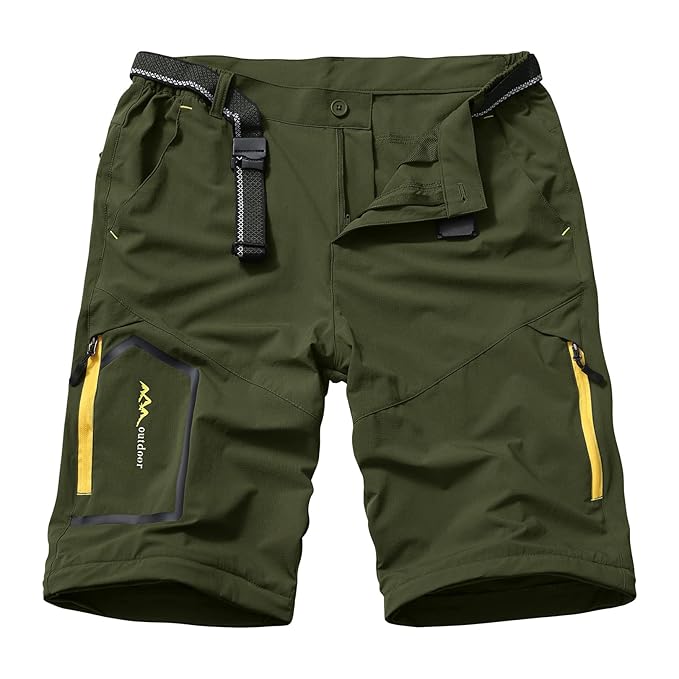
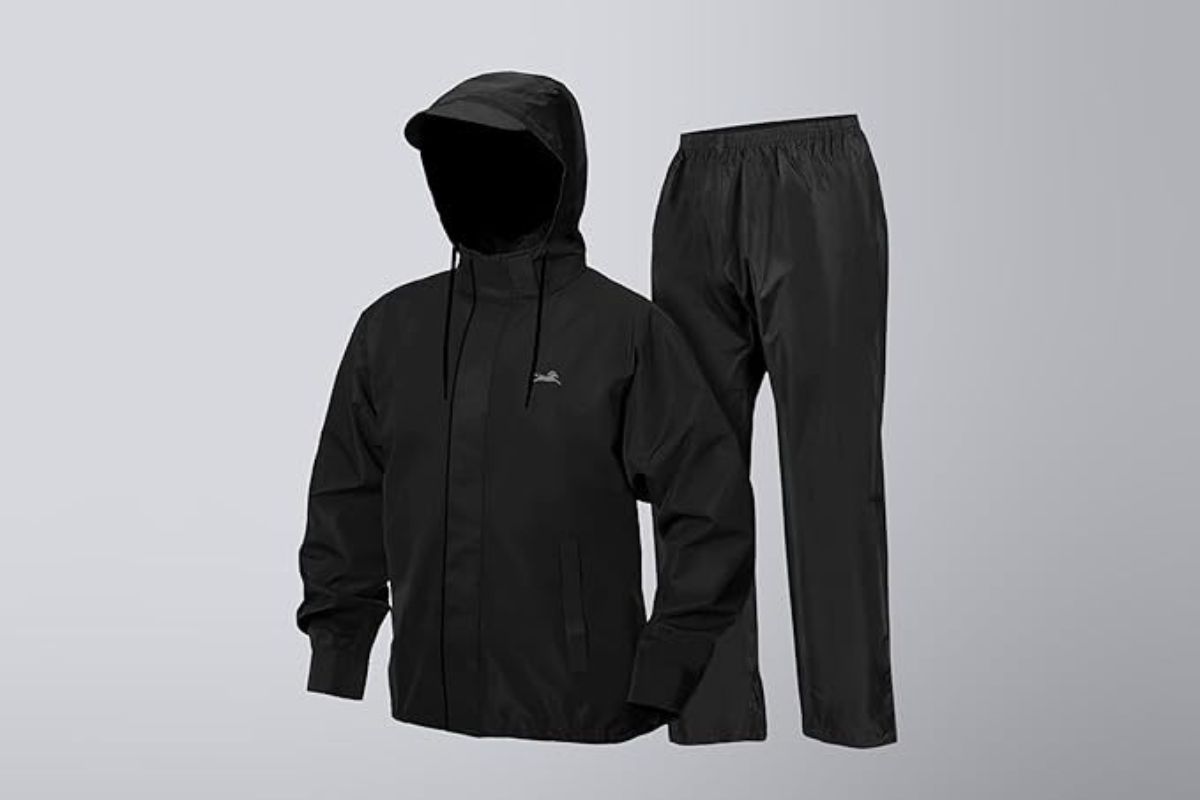
Loose-fitting rain pants present hidden risks because wide legs flap in windy conditions and reduce visibility of foot placement. Moisture makes fabric heavier, causing cuffs to sag and catch under boots during steep or slippery descents. Slick interior linings shift against base layers, altering stride rhythm and affecting balance on uneven terrain. Excess material also pools water, adding weight that increases joint strain. These combined factors reduce precise foot control and elevate fall risks during wet-weather hikes when surfaces already demand careful navigation.
Worn-Out Hiking Boots
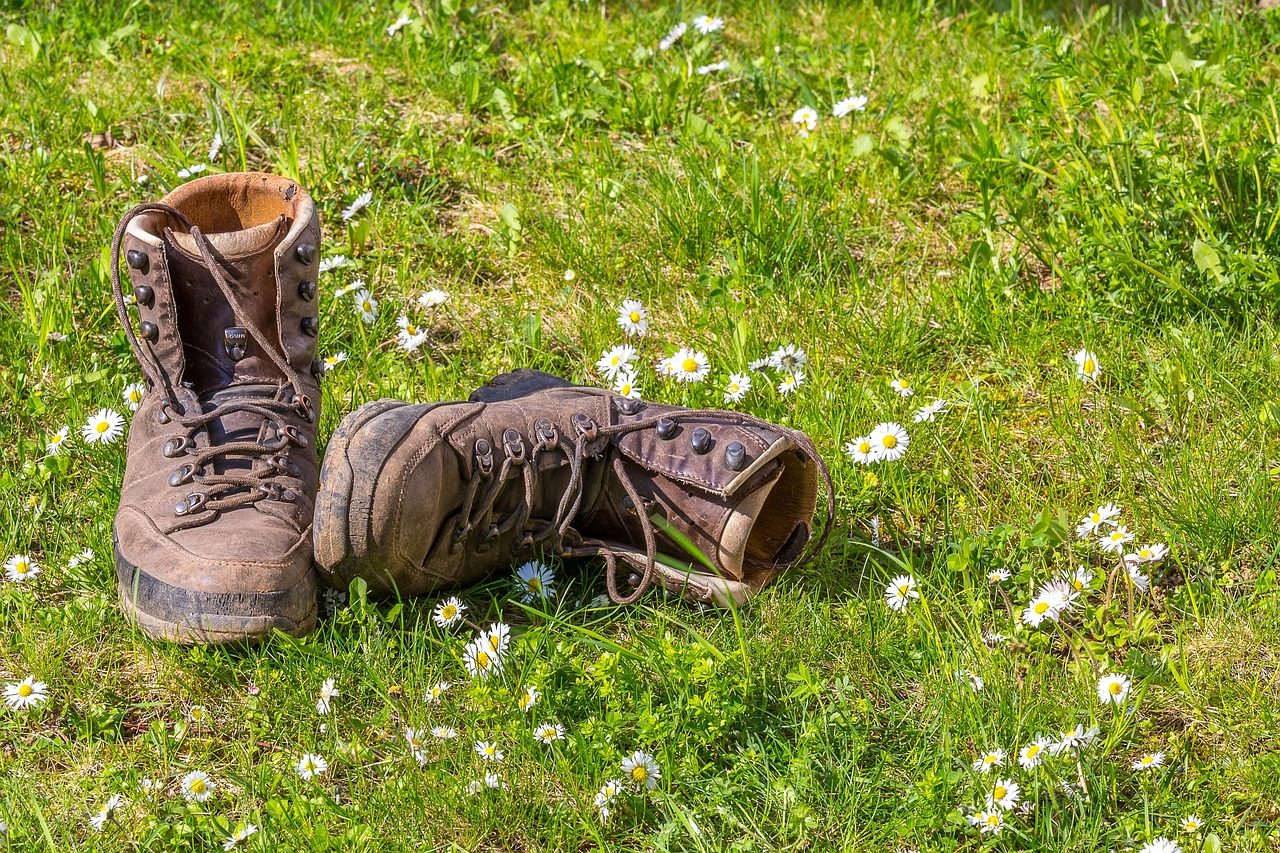
Worn-out hiking boots pose significant fall hazards as degraded tread patterns lose traction on wet rock, loose gravel, or soil. Collapsed cushioning forces joints to absorb more impact, increasing hesitation during long descents. Ankle supports weaken over time, reducing lateral stability on uneven paths. Inner linings compress and create uneven pressure points that alter foot alignment. These subtle changes diminish confidence and increase missteps on technical terrain, especially during fast adjustments required when navigating roots, boulders, or unstable surfaces.
Cotton Socks
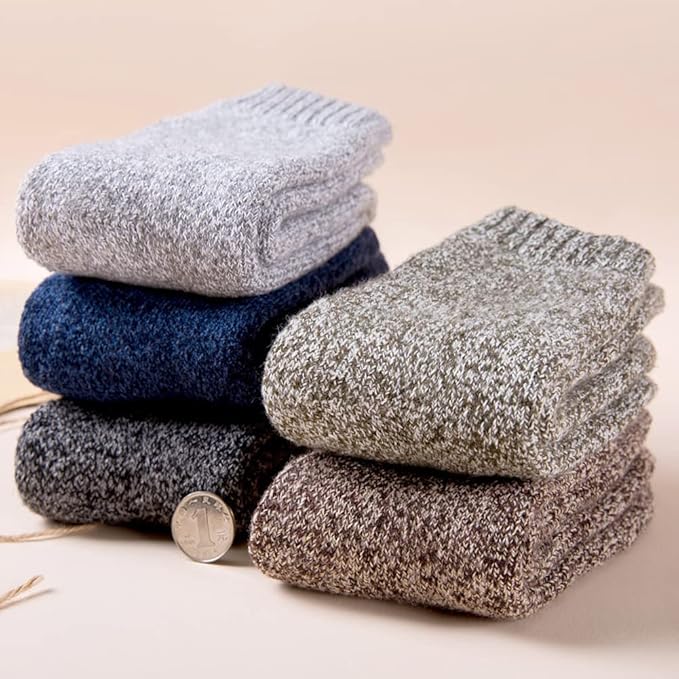
Cotton socks elevate fall risks by retaining moisture that leads to slipping inside boots and decreased stability during long hikes. Wet fabric compresses unevenly, creating friction that alters foot positioning on steep or rocky pathways. Accumulated moisture reduces skin traction, increasing blister formation that further disrupts balance. Cotton also stretches with use, causing bunching near the toes and shifting weight distribution inside footwear. These issues combine to impair footing precision, making cotton socks a hidden contributor to stability challenges on rugged trails.
Long Scarves

Long scarves interfere with balance by swinging unpredictably during movement and catching on branches or gear. Their loose ends obstruct peripheral vision when they shift across the face, reducing awareness of ground conditions. Scarves can become entangled with backpack straps or pole handles, creating sudden tension that disrupts careful foot placement. Thick fabrics add weight around the neck, influencing posture on steep climbs. These factors collectively increase the likelihood of imbalance on narrow or technical terrain requiring steady coordination and controlled movement.
Slippery Base Layers
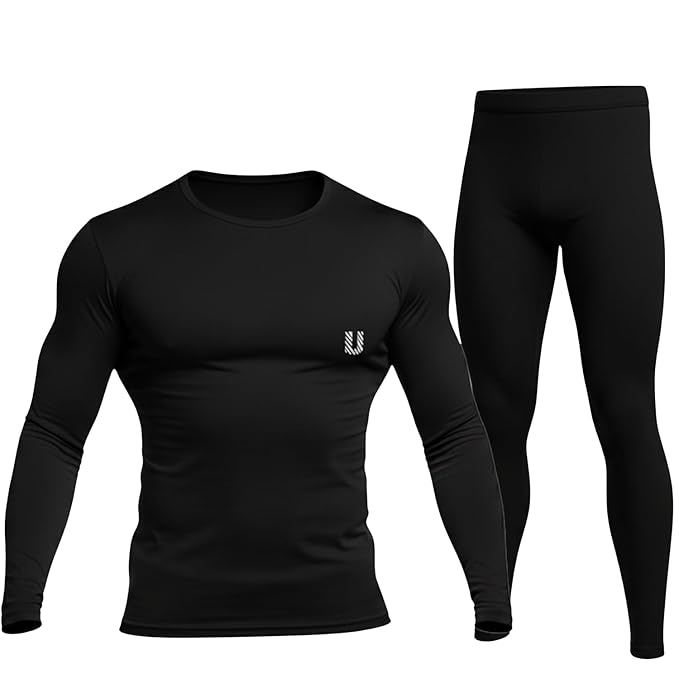
Slippery base layers made from smooth synthetic fabrics create instability by shifting under outer garments, disrupting core alignment during climbs or descents. Frictionless surfaces pull against backpack padding, altering posture when precise control is necessary. Layers that move independently of the torso reduce the efficiency of rotational movements used for balance on uneven terrain. As fatigue builds, these small disruptions compound, increasing the risk of missteps. Slippery fabrics also affect moisture management, making limbs feel heavy and reducing stability during longer hikes.
Heavy Denim
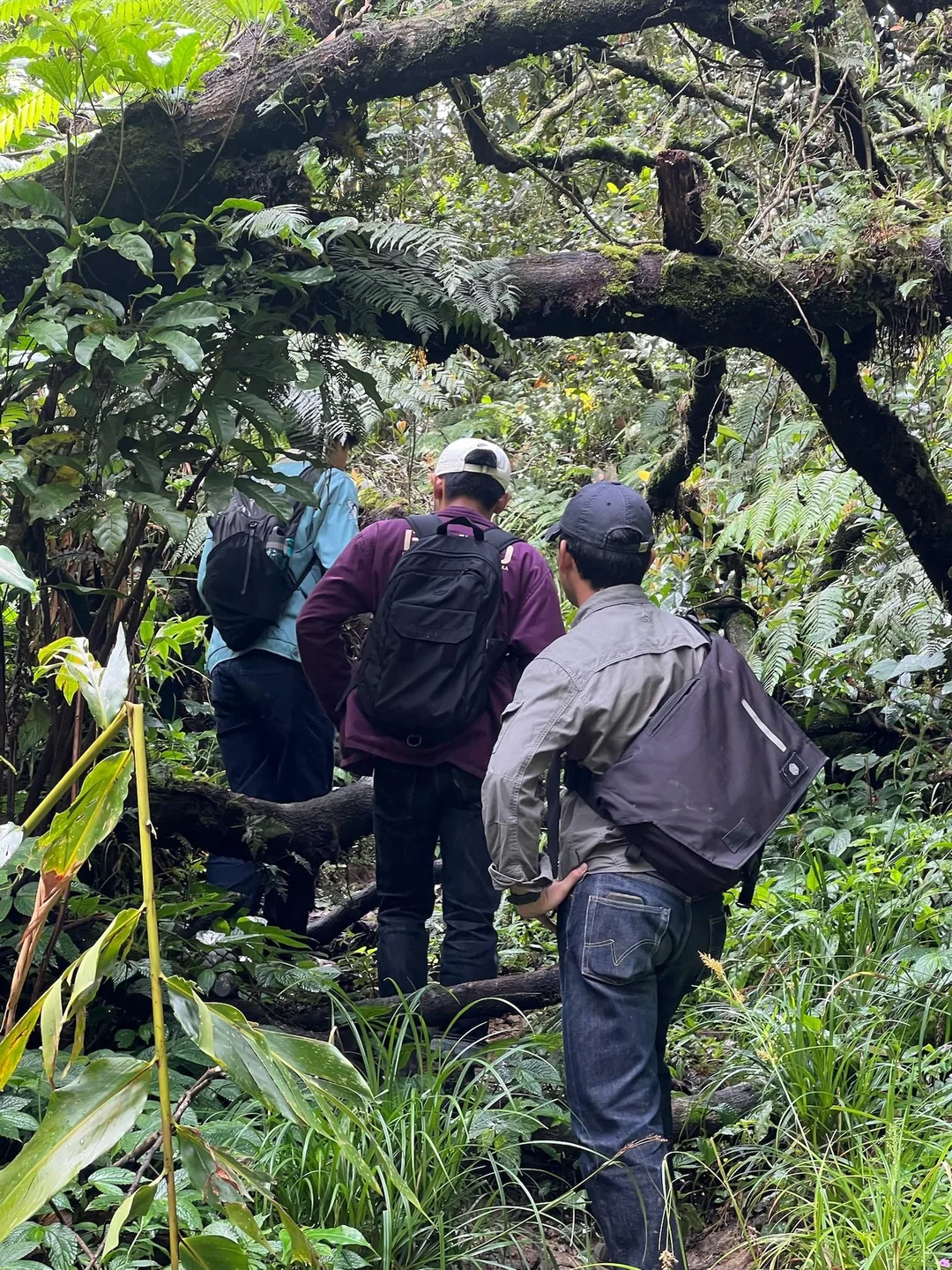
Heavy denim restricts step height and makes leg lifting difficult on boulders, roots, or steep inclines. Stiff material absorbs water and becomes significantly heavier when wet, increasing strain on hips and knees. Reduced flexibility limits quick adjustments needed for balance on unstable surfaces. Denim seams create friction at joints, interfering with natural gait and increasing slip risks. Slow drying times contribute to prolonged stiffness that affects stride rhythm, making falls more likely on rugged or cold-weather trails where mobility is essential.
Overly Long Pants
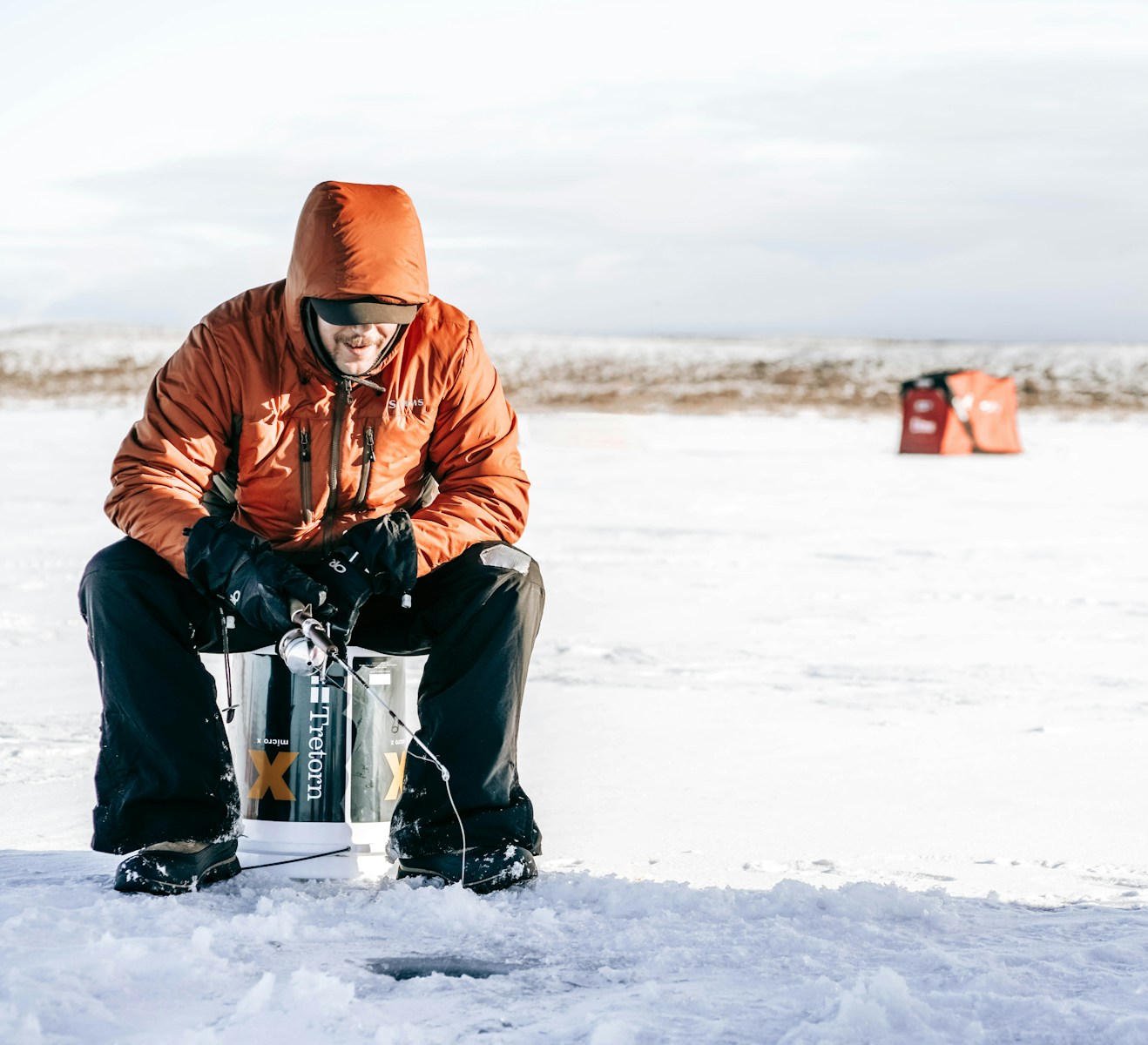
Overly long pants drag along the ground and obscure critical visibility of footholds on uneven terrain. Excess fabric increases tripping hazards when navigating roots, rocks, and narrow trail edges. Long hems collect mud and water, adding weight that alters stride mechanics. Material bunching near the ankle disrupts traction inside boots, reducing stability during descents. Pants that extend past the heel also catch on debris, creating a sudden imbalance. These risks compound during fast-paced sections or technical transitions requiring precise and controlled steps.
Old Elastic Waistbands
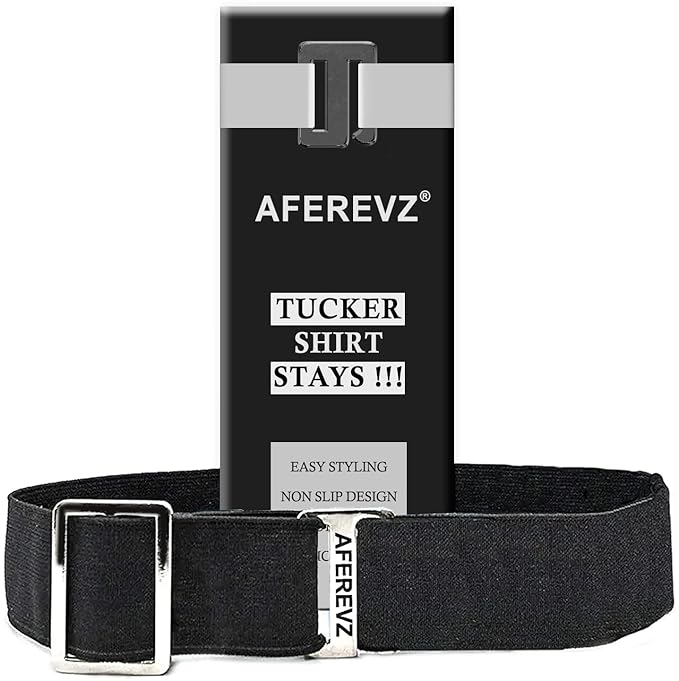
Old elastic waistbands lose tension over time, causing pants to slip slowly during movement and interrupting rhythm on challenging trails. Constant readjustment distracts attention from footing and alters posture during climbs or descents. Loose waistbands shift fabric across the hips, creating friction that affects stride stability. Sagging clothing adds unpredictable motion around the midsection, increasing imbalance on uneven paths. As hikers adjust layers, loose waistbands disrupt alignment, making falls more likely during transitions where balance is already tested.
Bulky Insulated Layers
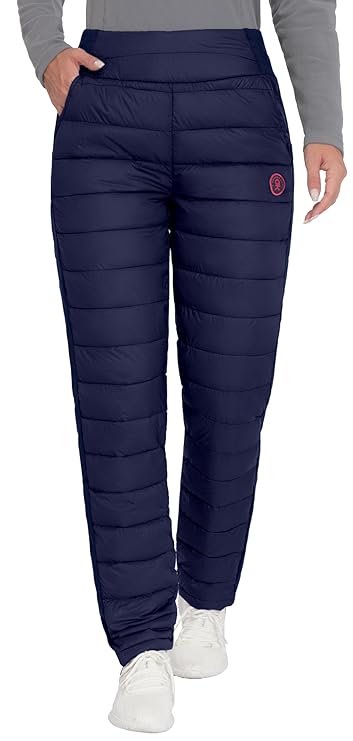
Bulky insulated layers reduce arm mobility and limit the upper-body rotation needed for balance on unstable terrain. Thick padding disrupts awareness of body position during climbs and tight maneuvers along exposed ridges. Heaviness in the torso shifts the center of gravity backward, increasing slip risks during steep ascents. Bulky jackets also hinder pole placement and reduce reaction speed when correcting missteps. These limitations become more pronounced in cold weather, where precise movement and stable footing are essential for safe navigation across challenging trails.