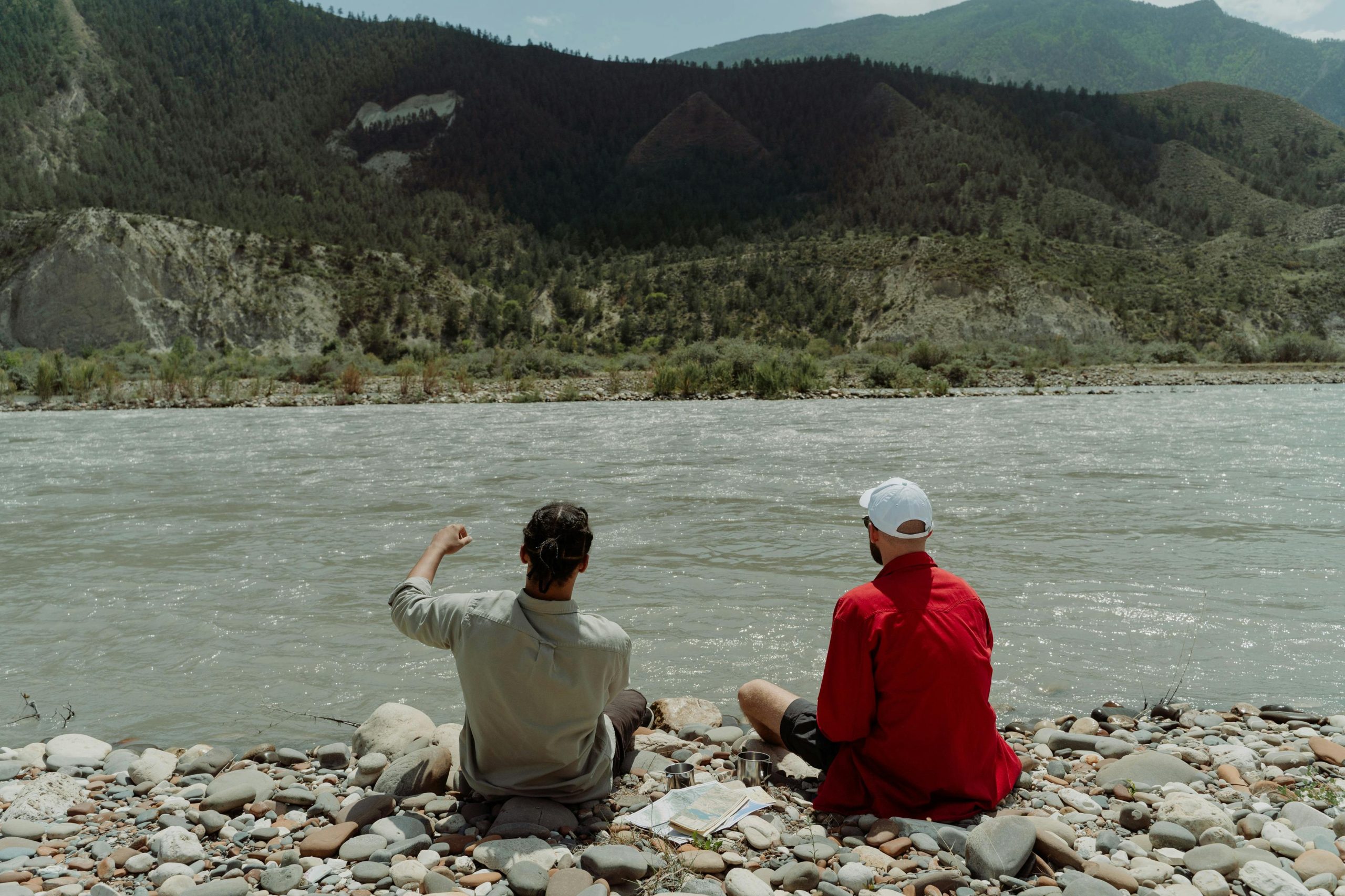
Camping near rivers, lakes, or streams opens a world of adventure beyond hiking and campfires. Water activities keep you active, refreshed, and connected with nature while adding variety to your outdoor experience. From relaxing to thrilling, these activities are suitable for kids and adults alike. Incorporating water fun into your trip improves physical fitness, encourages teamwork, and creates memories that last far longer than a single weekend.
1. Swimming Safely in Lakes or Rivers
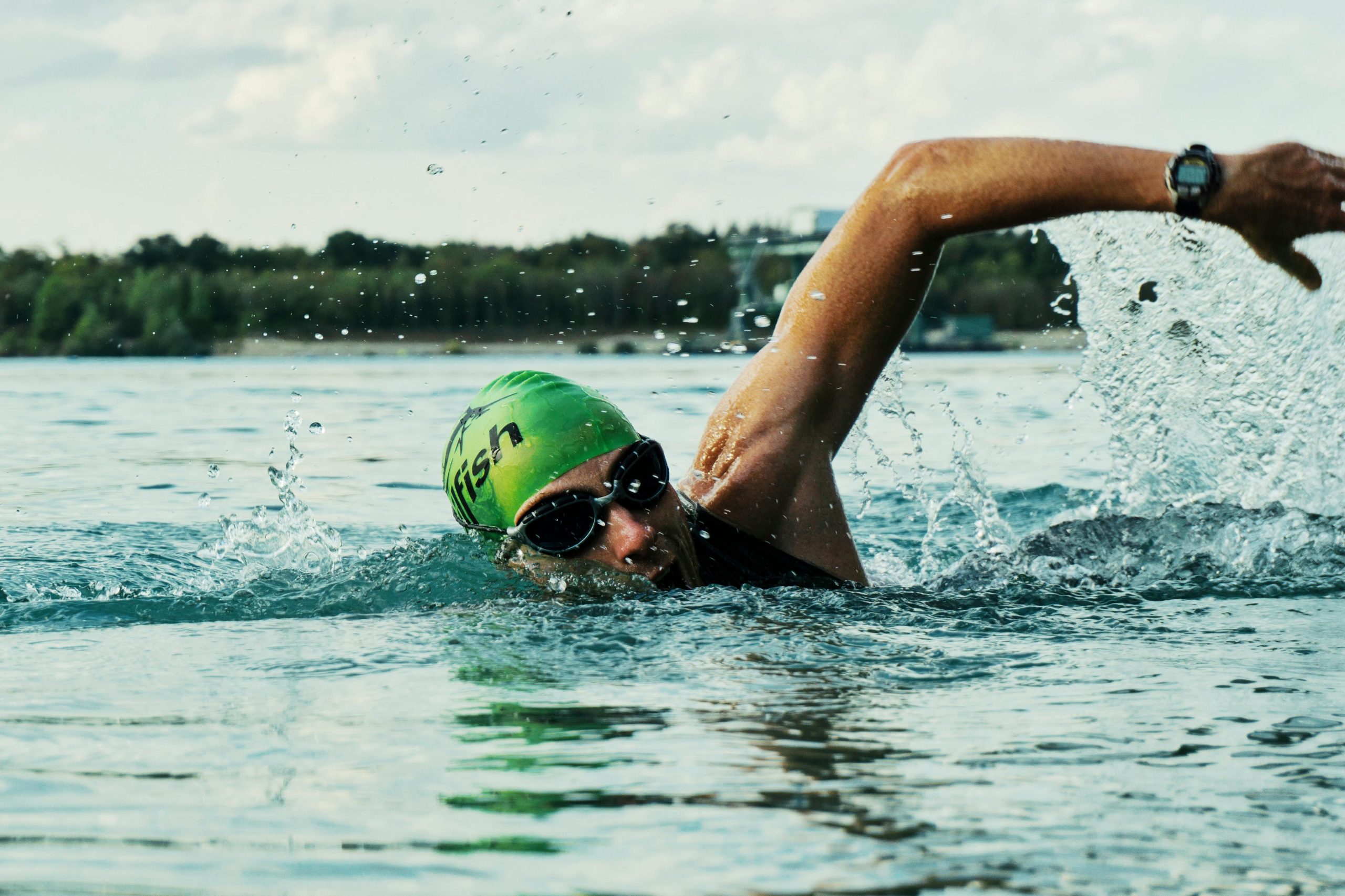
Swimming is one of the most refreshing ways to enjoy water while camping. Always scout for depth, underwater obstacles, and currents before entering. Children should be supervised, and life jackets are essential in deeper areas. Designate safe swimming zones and avoid slippery or rocky edges. Swimming not only cools you off but also builds stamina and confidence. Fun challenges like races or floating games can enhance engagement while keeping safety as the priority.
2. Canoeing or Kayaking Adventures

Exploring calm lakes or slow-moving rivers by canoe or kayak combines exercise with scenic discovery. Start with gentle waters and teach basic paddling techniques and steering. Always wear life jackets and follow safety rules to prevent capsizing. Paddling together encourages teamwork, coordination, and problem-solving. These trips allow campers to access hidden coves, observe wildlife from unique perspectives, and enjoy a sense of freedom on the water that can’t be replicated on land.
3. Fishing for Relaxation and Fun
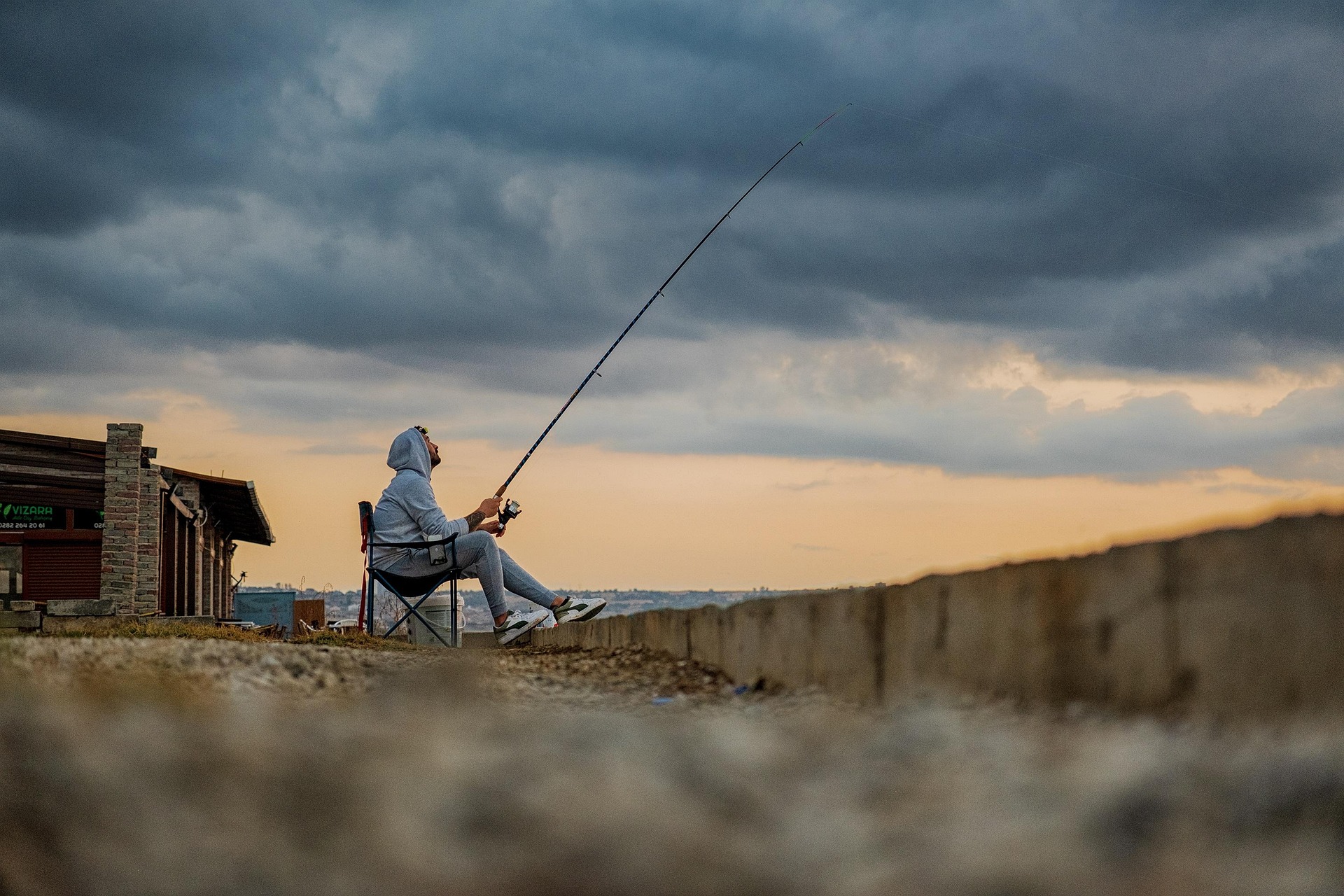
Fishing introduces calm and patience into a camping trip while connecting campers to local ecosystems. Teach kids proper casting techniques, bait selection, and safe handling of fish. Follow local regulations and encourage catch and release to preserve populations. Fishing is perfect for quiet reflection or bonding, offering both entertainment and practical lessons about nature. Even if the goal isn’t catching dinner, the activity promotes observation, mindfulness, and appreciation for aquatic life.
4. Stand Up Paddleboarding
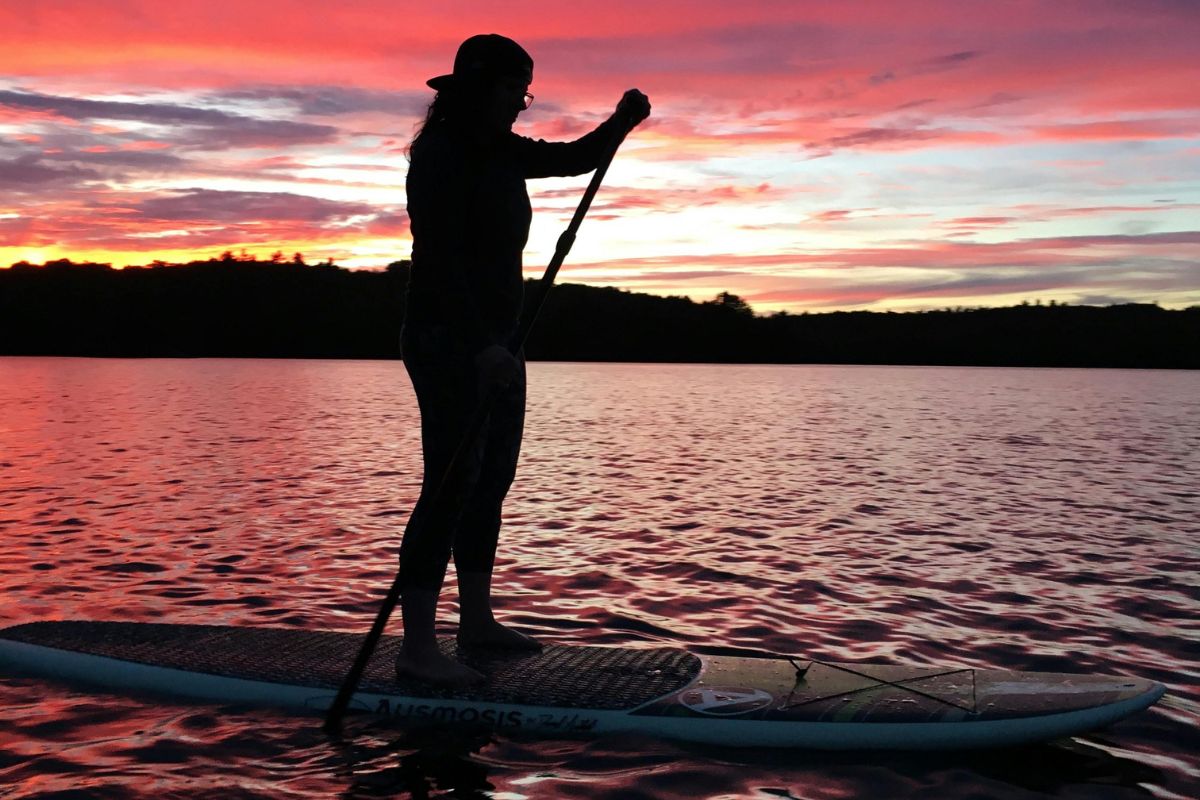
Stand-up paddleboarding challenges balance while offering a unique perspective on the water. Start in calm, shallow areas and wear a personal flotation device. Beginners can practice paddling techniques, turning, and gliding across the water surface. Paddleboarding strengthens core muscles, improves focus, and encourages calm concentration. It’s both fun and physically rewarding. Gliding across a quiet lake lets campers explore nature slowly and peacefully, observing birds, fish, and rippling reflections.
5. Water Balloon Games and Team Fun
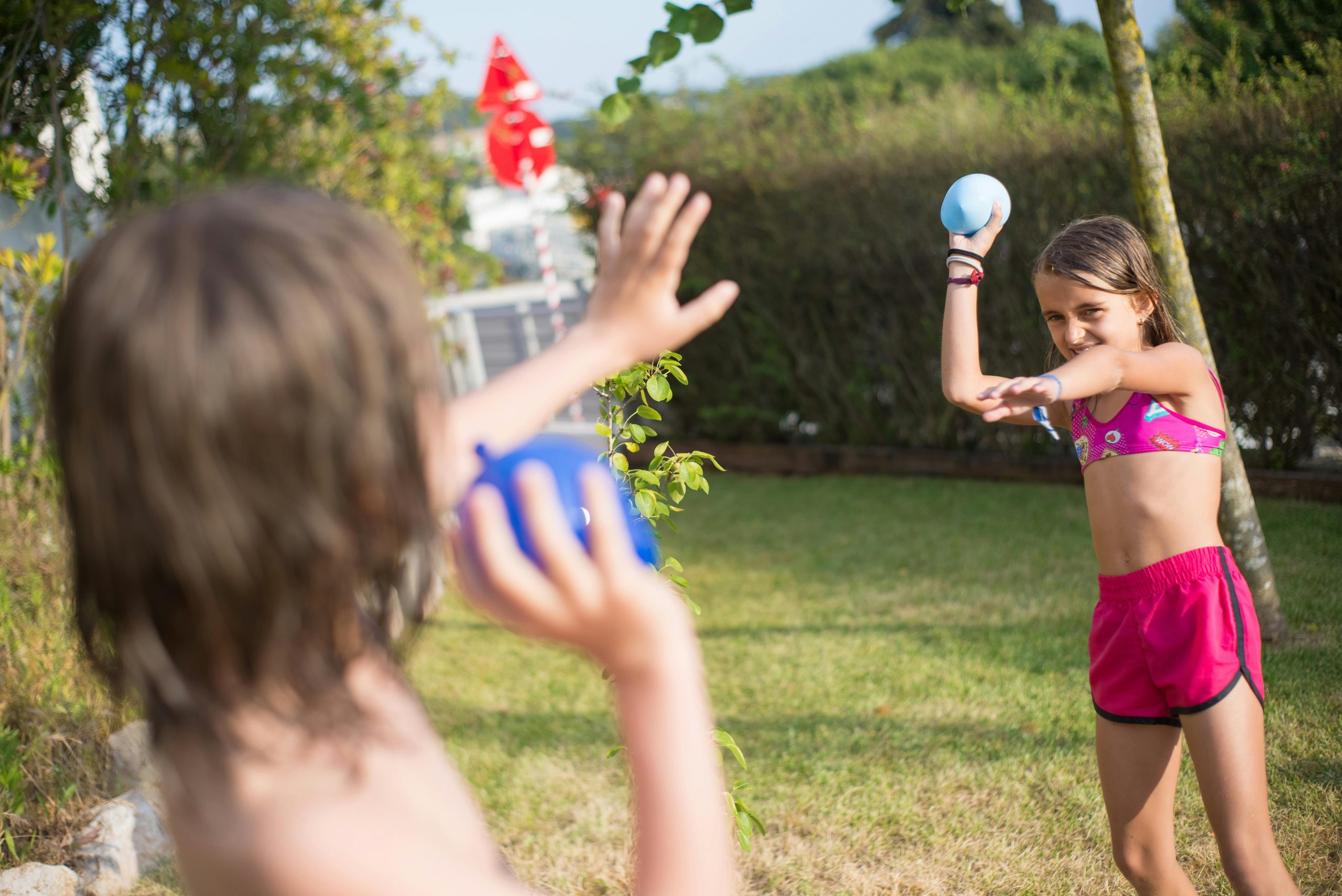
Water balloons bring laughter and excitement to campsites near shores or open spaces. Organize team games or target challenges to cool off on hot days. Set boundaries and emphasize cleanup to protect the environment. These activities promote cooperation, coordination, and healthy competition, making them suitable for children and adults alike. Water balloon games are a playful alternative when swimming or paddling isn’t an option, keeping everyone active while fostering creativity and camaraderie.
6. Tubing or Floating Down a Gentle River
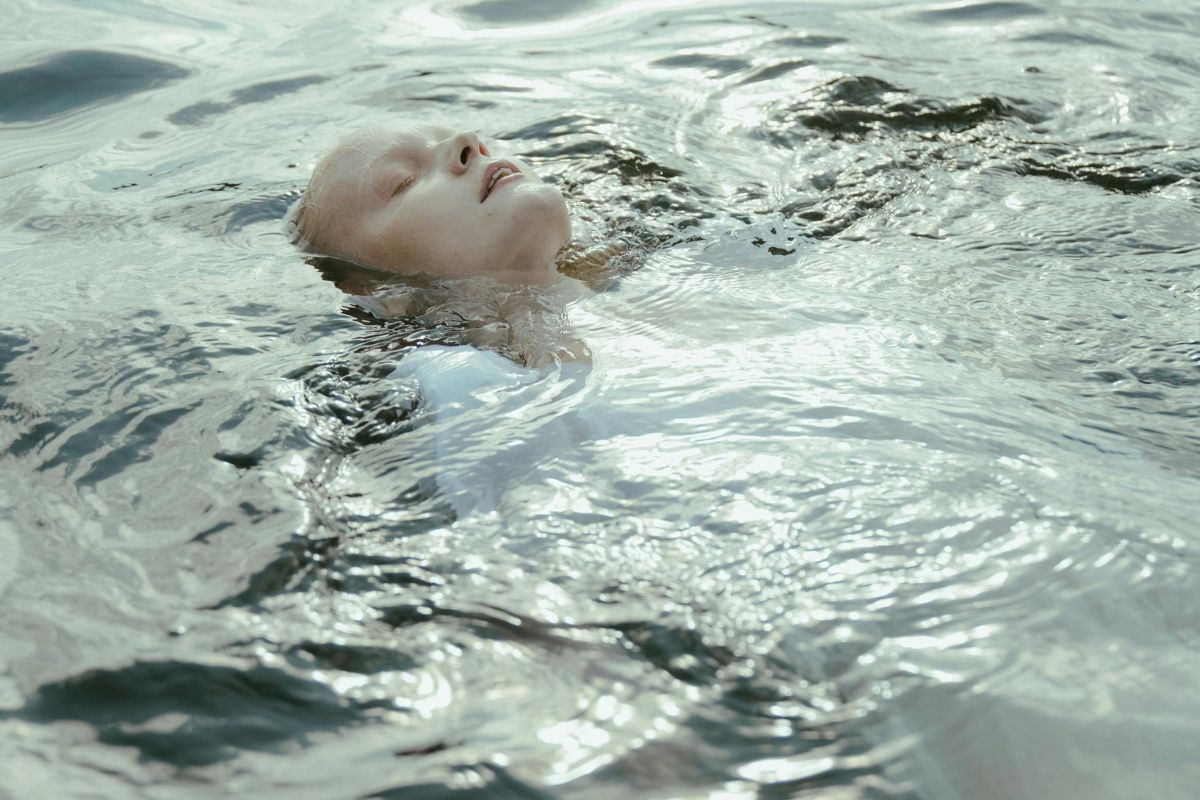
River tubing offers a relaxing ride with a touch of adventure. Choose slow, calm sections of rivers and ensure all participants wear life jackets. Supervise children at all times and avoid areas with rocks or strong currents. Floating downstream allows campers to enjoy scenic surroundings while being carried gently by the water. This activity balances relaxation with mild exertion, making it ideal for family members of varying ages and energy levels, providing shared experiences and lasting memories.
7. Snorkeling in Clear Lakes
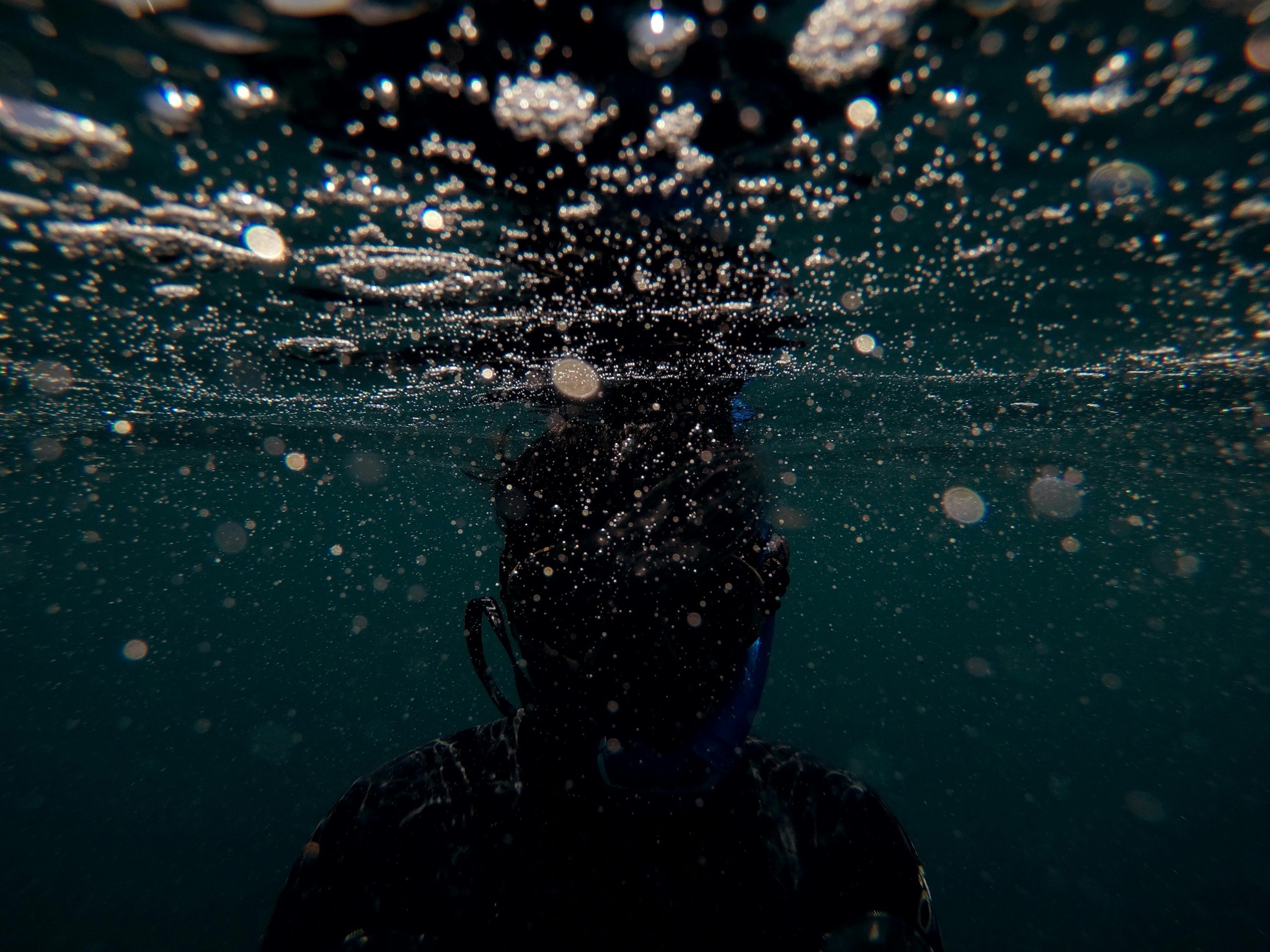
Snorkeling in freshwater lakes reveals underwater life without requiring an ocean. Equip participants with masks and snorkels, and stick to shallow areas for safety. Observe fish, aquatic plants, and natural features beneath the surface. Snorkeling promotes focus, patience, and curiosity about local ecosystems. Even a small lake can become a fascinating exploration site, offering children and adults the opportunity to study nature up close and spark interest in biology and environmental awareness.
8. Sand or Mud Castle Building
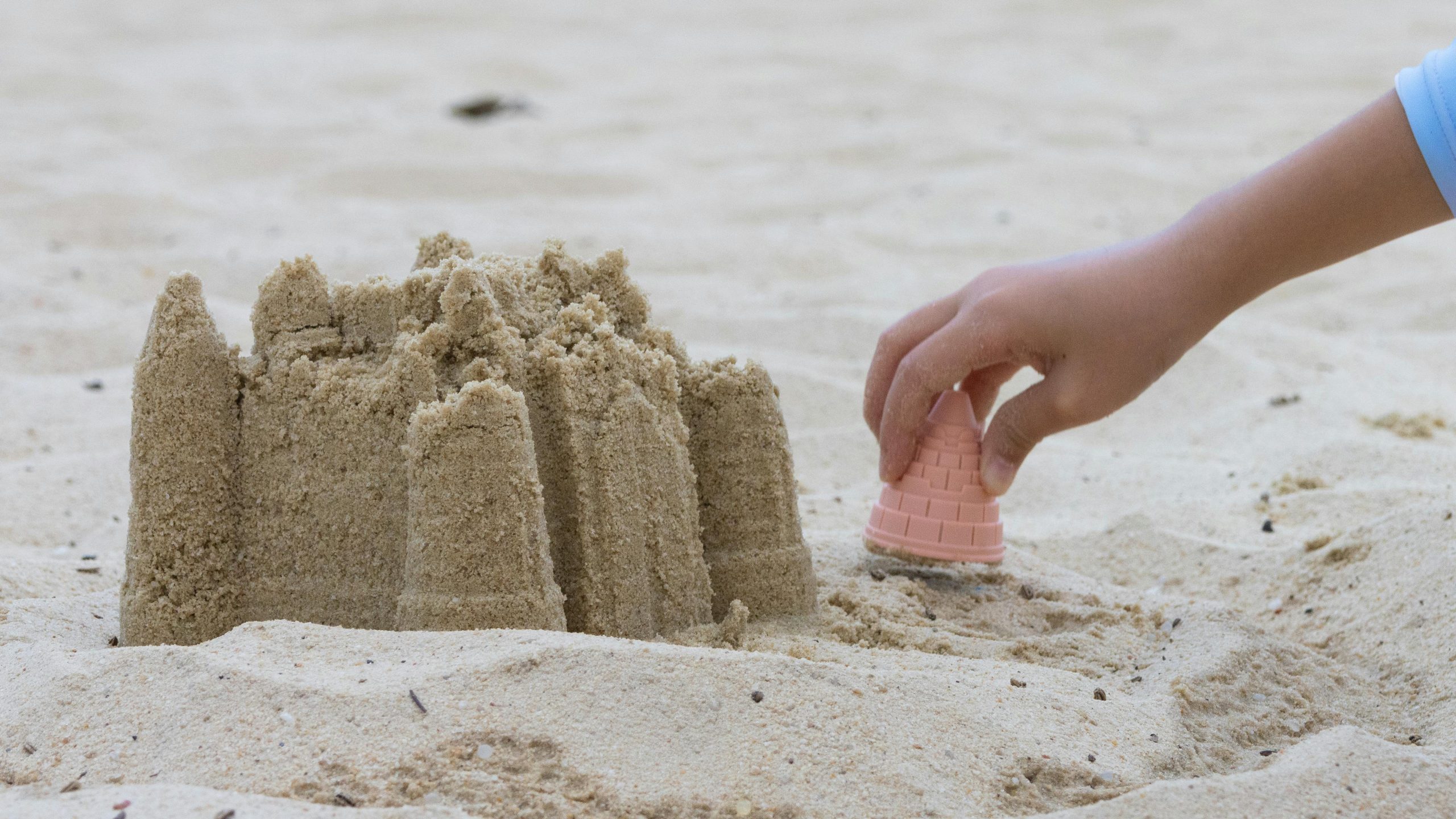
On shores with sand or mud, building castles and sculptures is a creative way to engage kids and adults alike. Sculpting towers, tunnels, or animals fosters fine motor skills, teamwork, and patience. It allows campers to connect tactilely with their environment, balancing physical activity with artistic expression. Encourage imagination and playful collaboration. This simple yet rewarding activity enhances shoreline exploration and encourages campers to respect the natural materials they use while having fun outdoors.
9. Water Relay Races or Obstacle Challenges
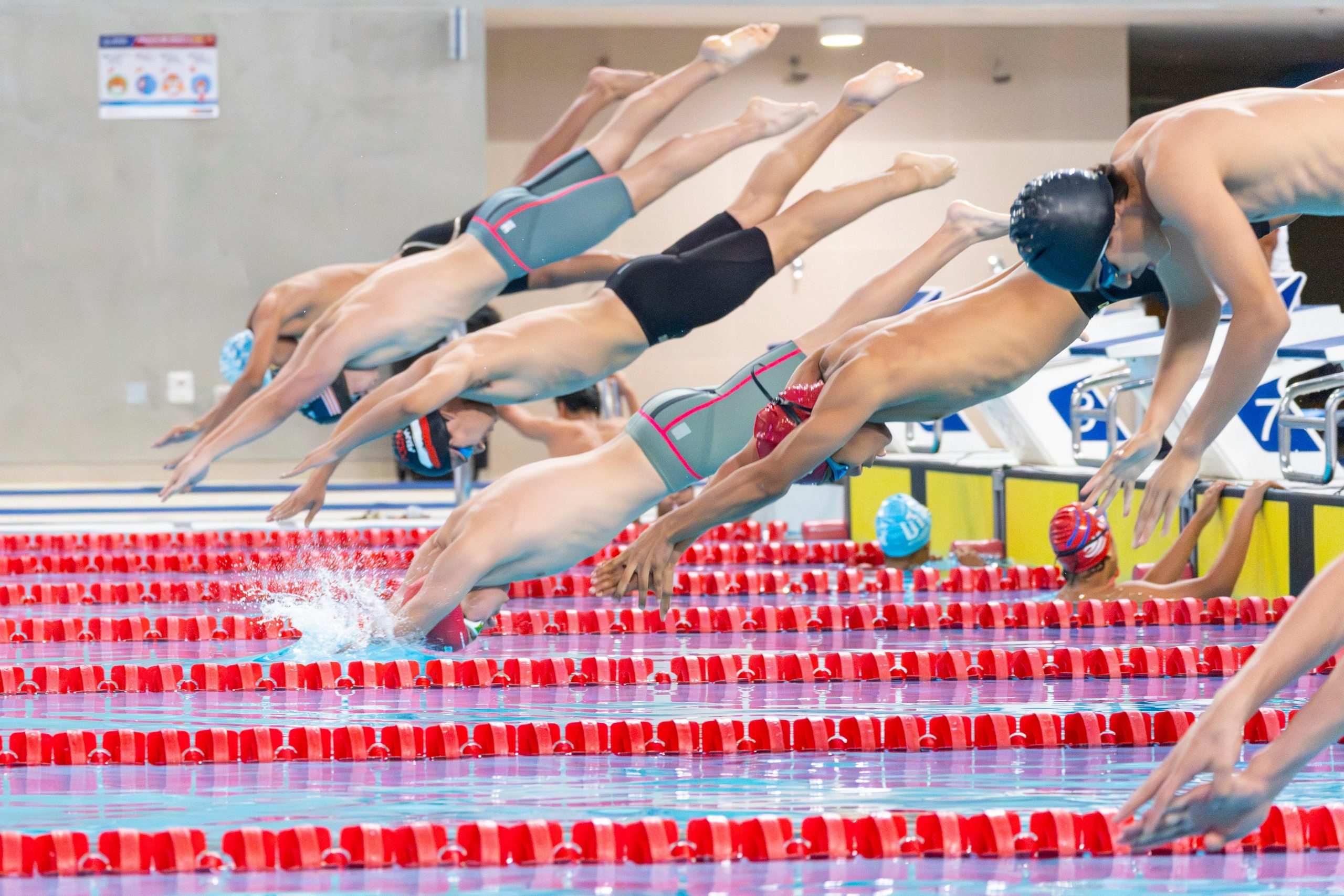
Shallow water is perfect for relay races and obstacle courses that combine fitness and fun. Set up markers, floating objects, or small challenges that participants must navigate. These activities encourage teamwork, coordination, and friendly competition while helping everyone stay cool. Adjust difficulty levels to accommodate children or beginners. Supervision ensures safety while promoting energy release, engagement, and laughter. Races can be repeated or varied, providing dynamic entertainment throughout the camping trip.
10. Wildlife Watching and Photography
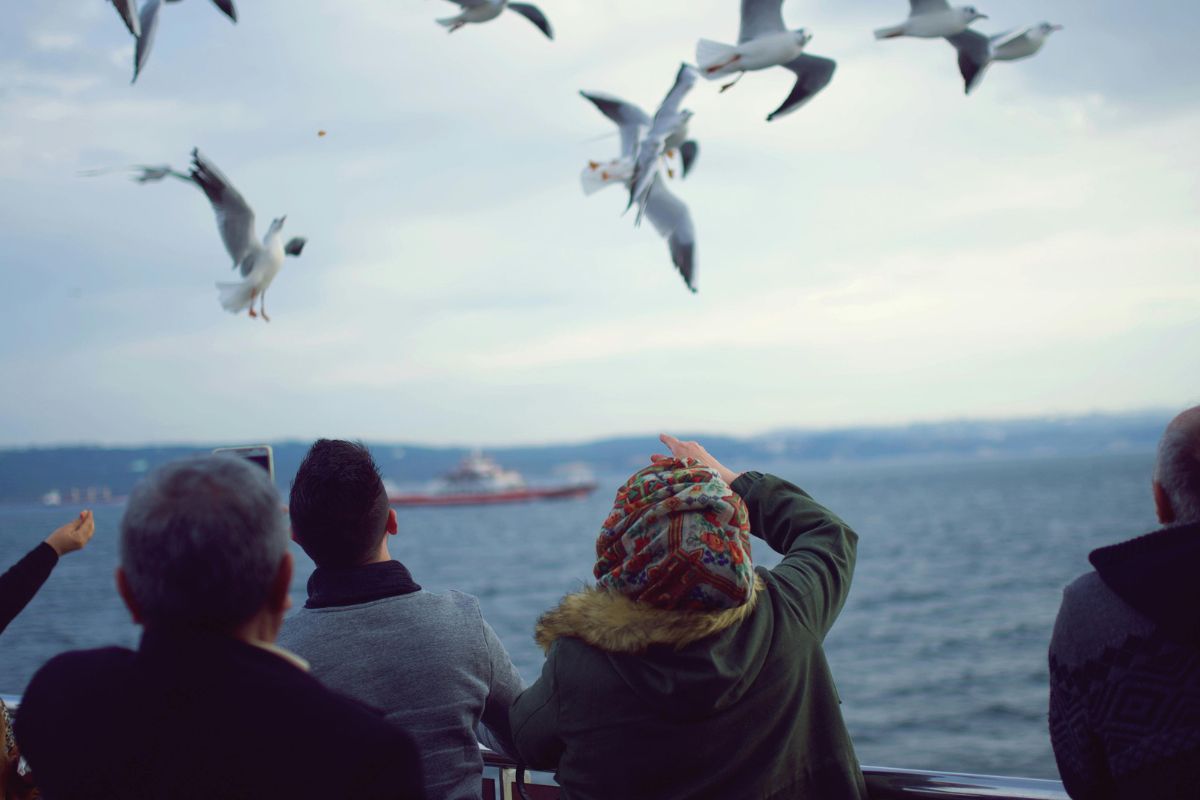
Water attracts birds, amphibians, fish, and other wildlife, making it ideal for observation or photography. Bring binoculars, waterproof cameras, or journals to note species and behaviors. Teach kids to move quietly and respect habitats. Observing wildlife fosters patience, focus, and environmental appreciation. Documenting what you see encourages learning and reflection. This activity combines education, adventure, and relaxation, providing meaningful experiences that deepen campers’ connection to aquatic ecosystems.