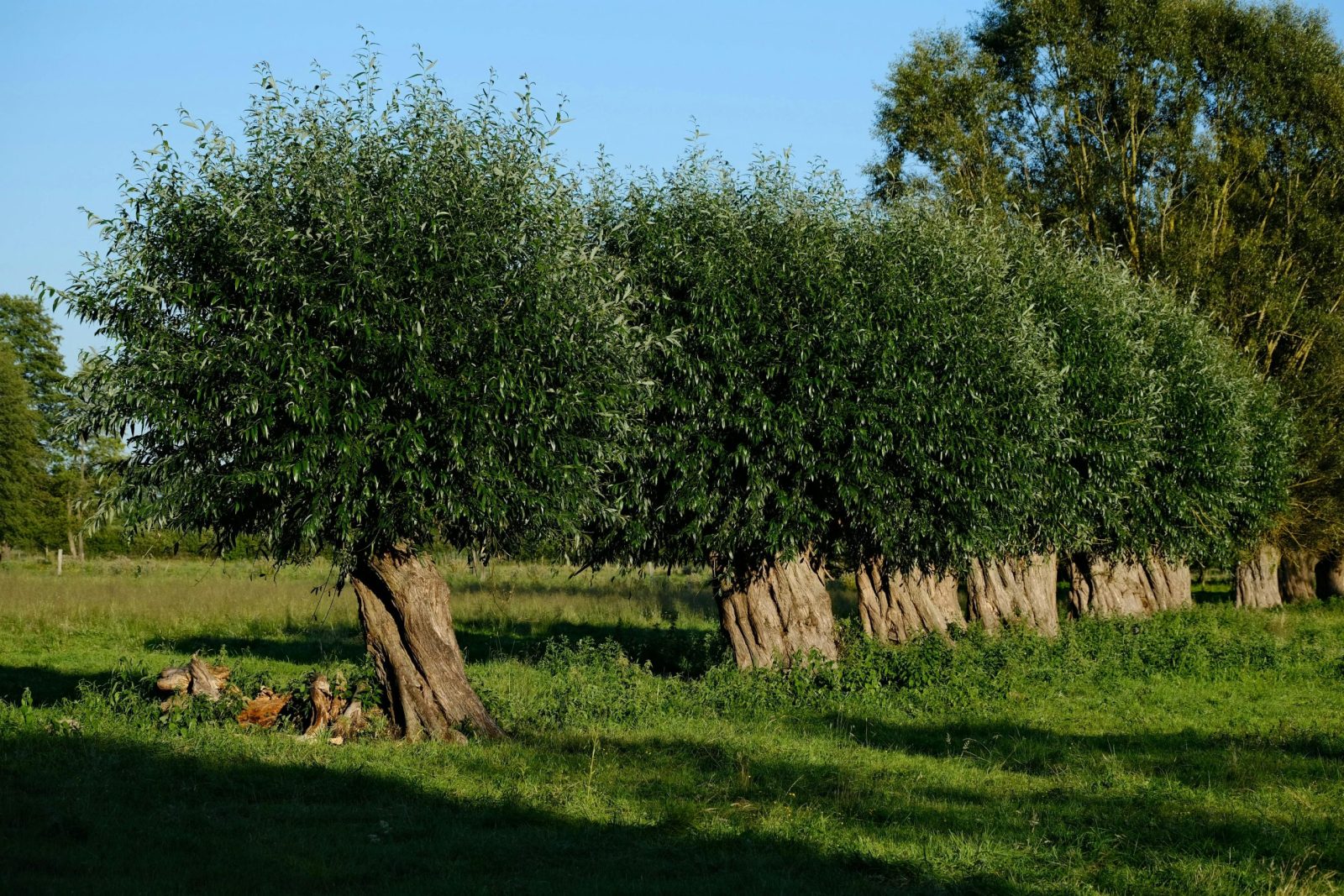
Bushcraft traditions draw heavily from trees that offer reliable materials for fire, shelter, tools, and simple everyday tasks in the outdoors. Each species provides specific qualities tied to the climate and soil where it thrives, making regional awareness an important part of outdoor practice. Forests across the United States supply a broad mix of hardwoods and evergreens that support these long-standing skills. With steady observation and familiarity, these natural resources help create a practical and grounded approach to wilderness living.
White Birch
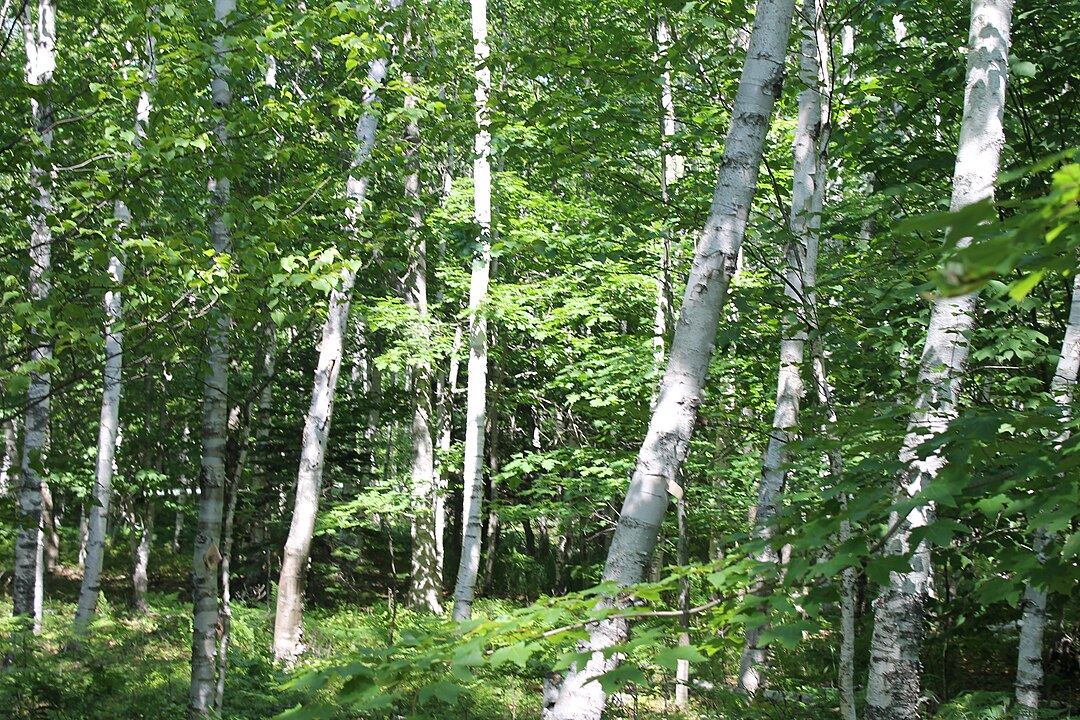
White birch grows throughout northern states where cool temperatures and mixed hardwood stands dominate the landscape. Its distinctive bark curls away in thin sheets that ignite easily, offering a consistent fire-starting material even when conditions remain damp. Inner bark fibers can be processed into cordage with care and patience, supporting a range of small camp projects. These trees often line lake edges, rocky ridges, and areas of forest regrowth, making their bright trunks easy to spot in varied terrain.
Eastern Red Cedar
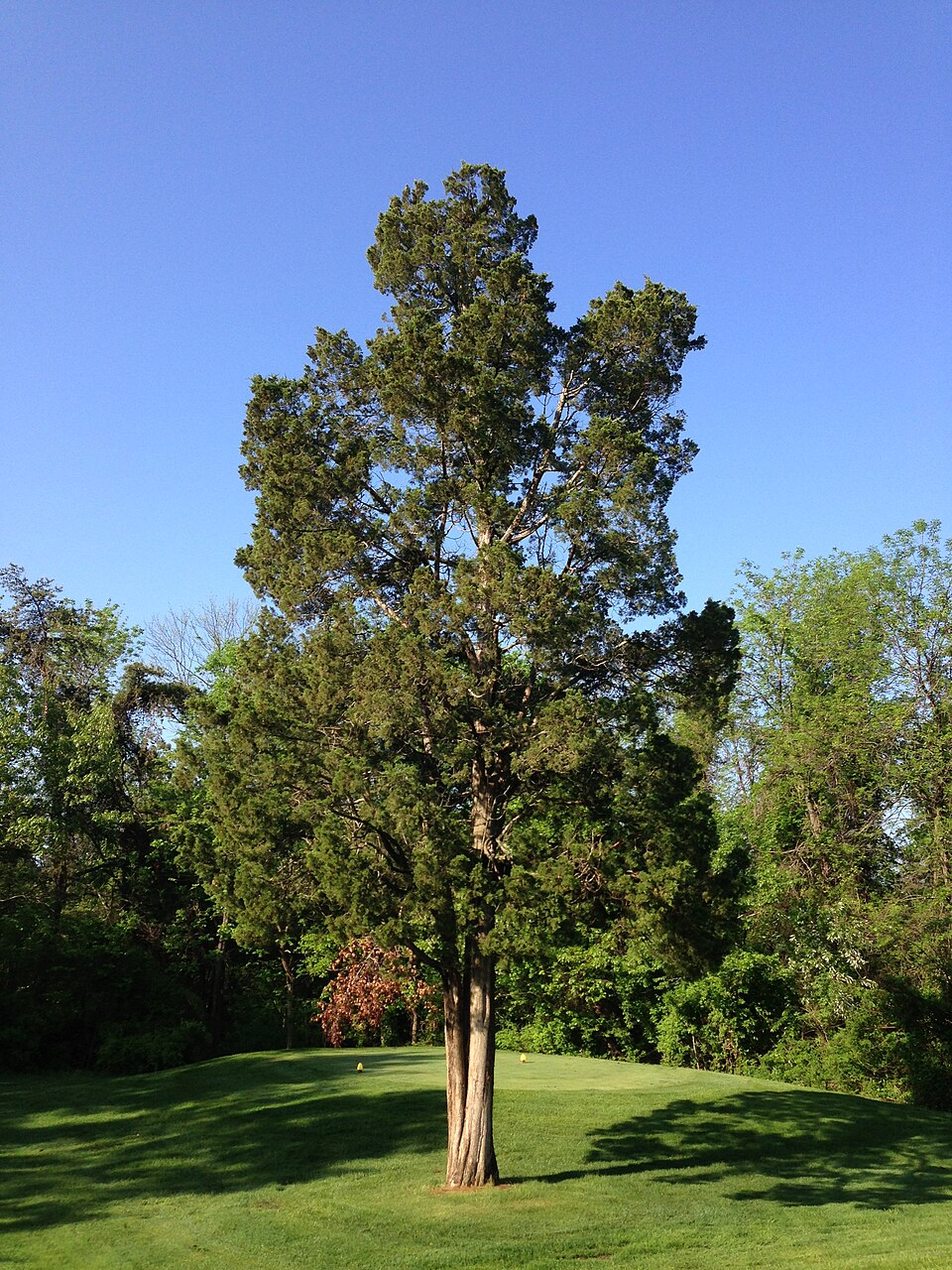
Eastern red cedar appears across the central and eastern United States in dry fields, rocky slopes, and the edges of open woodlands. Its fine-grained wood splits smoothly, creating dependable material for shelter framing, lightweight tools, and clean-burning fires. The aromatic heartwood naturally helps deter insects, a subtle advantage during extended time outdoors. Red cedar often grows in scattered clusters, ensuring steady access to workable branches and small trunks suitable for many basic tasks.
White Oak
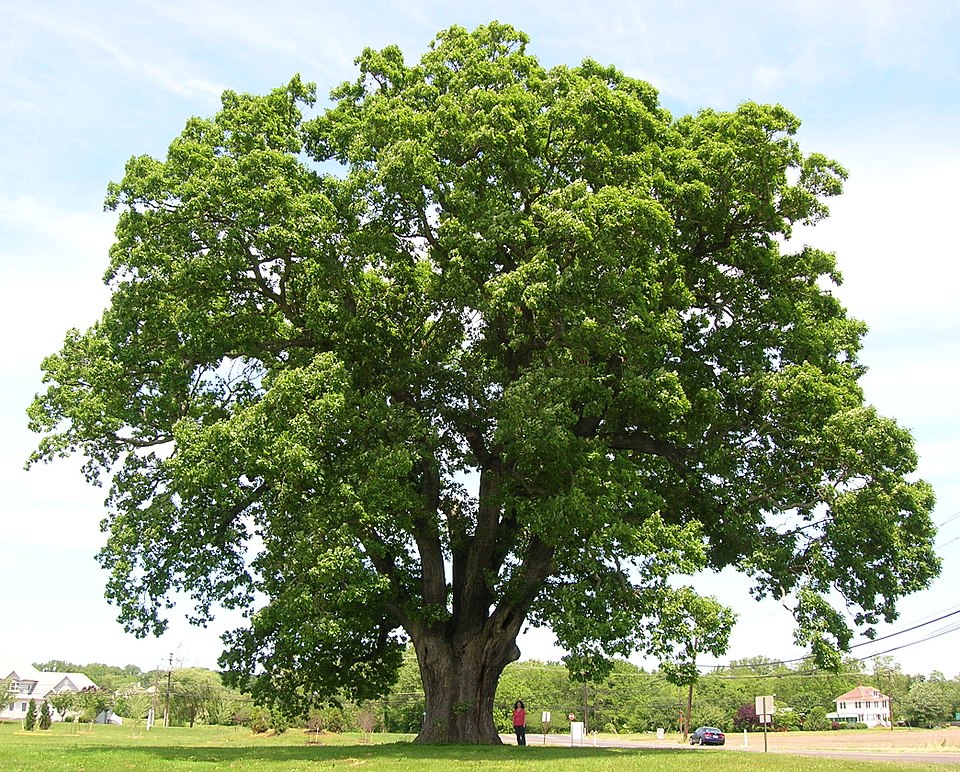
White oak stands anchor many eastern forests, stretching through the Appalachians, the Midwest, and parts of the South. Strong, dense wood makes it a valued choice for tool handles, durable stakes, and structures that require long-lasting support. Fallen limbs offer firewood that burns with steady heat and minimal sparks. Mature white oaks spread broad crowns over ridges and rich forest floors, creating shade-filled areas where their sturdy trunks become unmistakable features of the landscape.
Douglas Fir
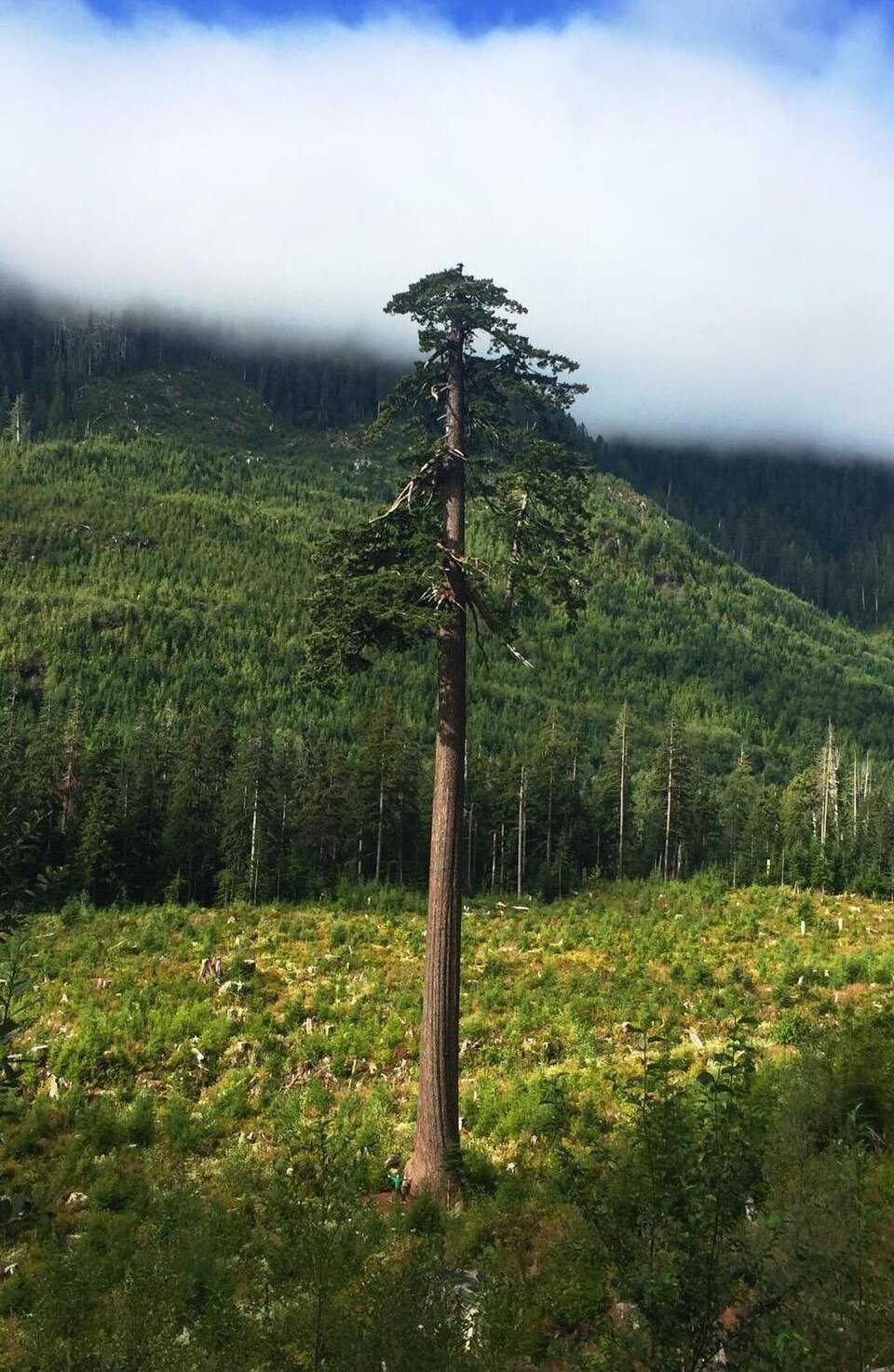
Douglas fir dominates large sections of the Pacific Northwest and northern California, thriving on mountain slopes and deep forest valleys. Its straight grain and tall, uniform trunks provide excellent material for shelters and long-term structural work. Resin within the wood burns brightly, making it a dependable option for fire building in wetter climates. These forests often grow in expansive stands, offering consistent access to branches, boughs, and fallen limbs that support a variety of uses.
Black Walnut
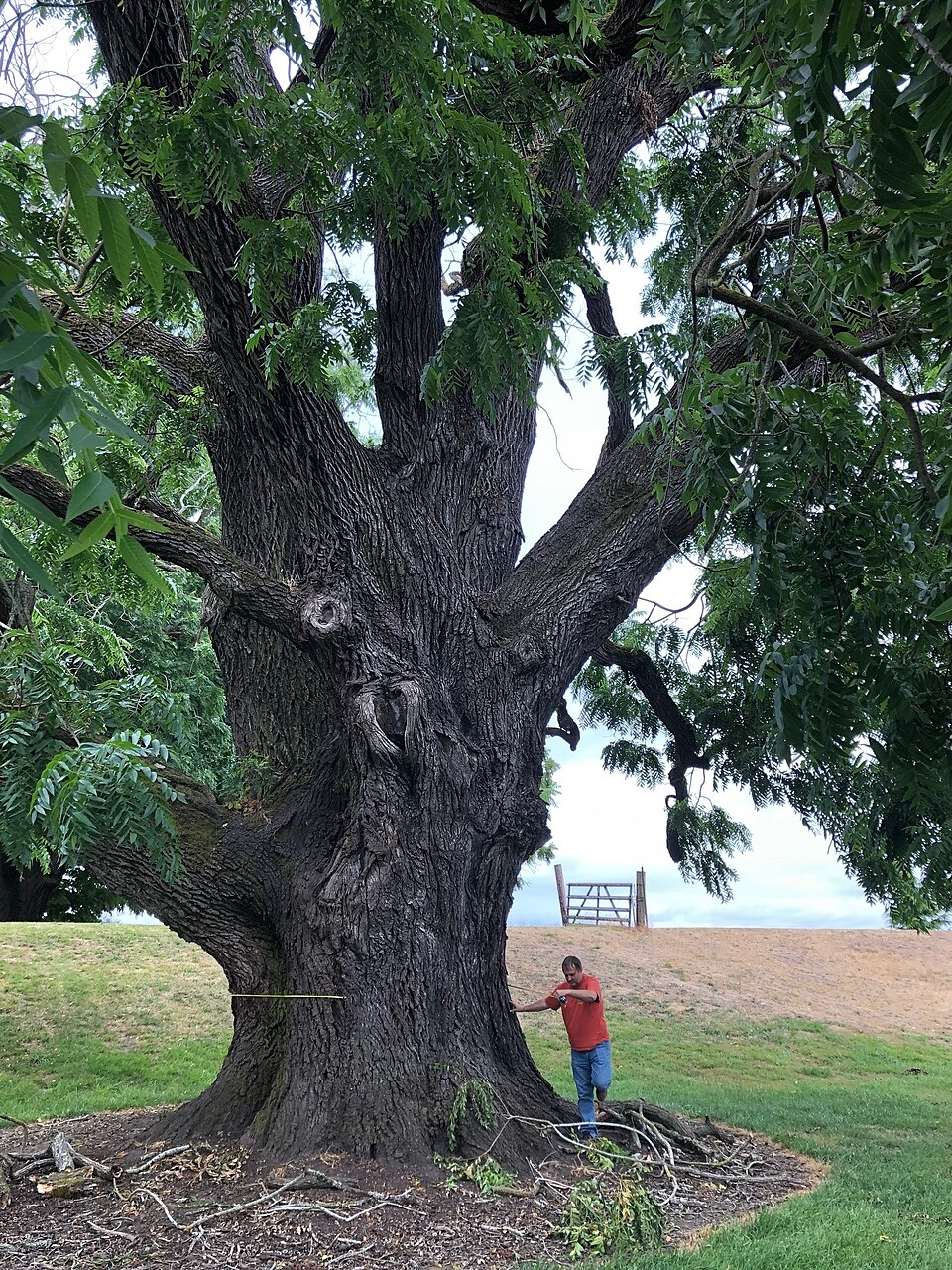
Black walnut grows along river valleys and fertile lowlands of the Midwest and Mid-Atlantic, where rich soil supports its deep root systems. The dark heartwood carves smoothly, making it ideal for utensils, tool handles, and fine detail work requiring precision. Husks surrounding the nuts create natural dyes valued for darker tones in camp projects. Black walnut trees form wide canopies that cast deep shade, marking their presence with unmistakable character and color.
Ponderosa Pine
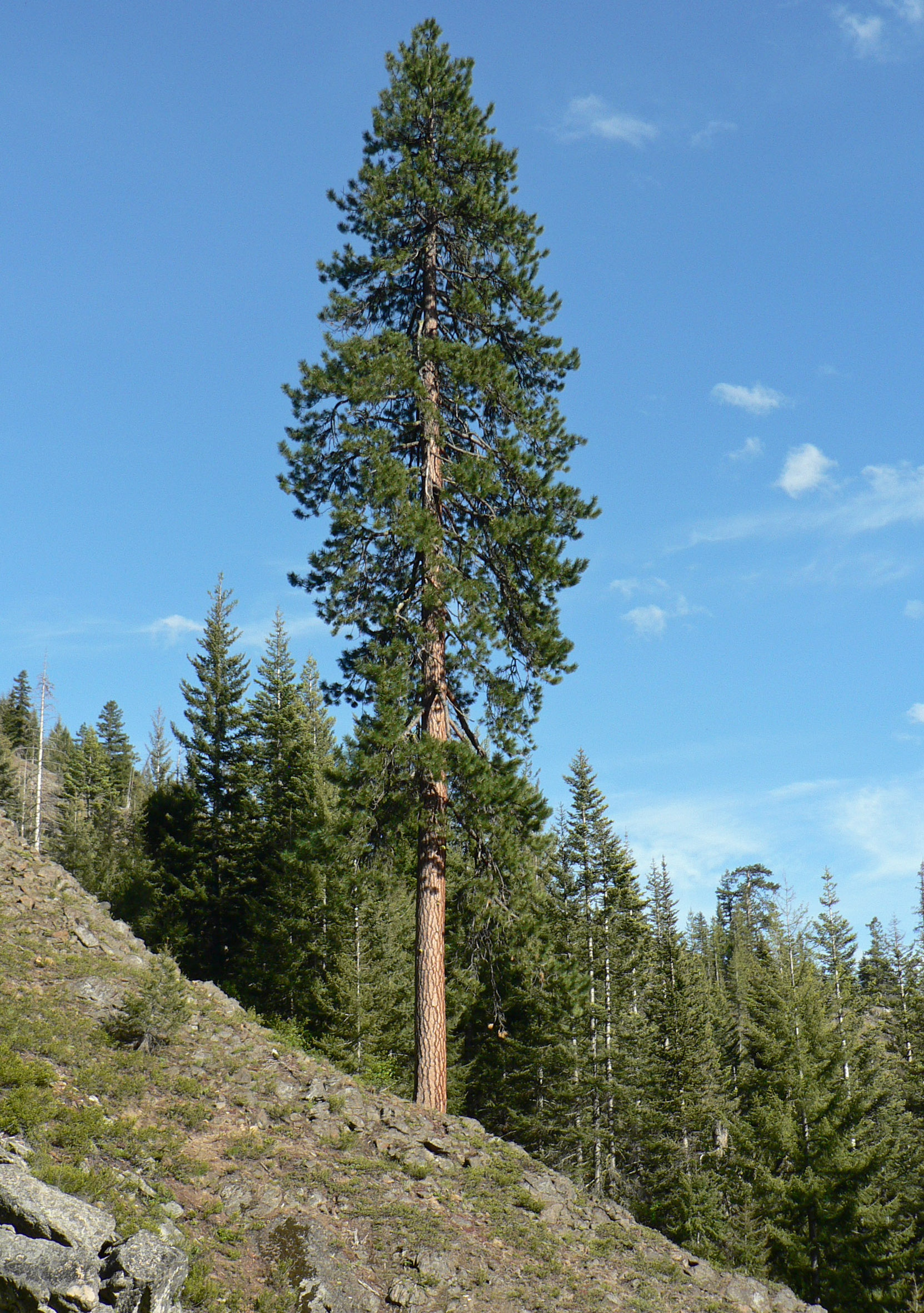
Ponderosa pine stretches across much of the interior West, covering dry forests in Montana, Colorado, Wyoming, and parts of the Northwest. Thick bark plates and orange tones give these trees a distinctive appearance that stands out in open woodland settings. Resin pockets ignite quickly, offering reliable fire-starting material in cold or windy conditions. Soft, workable wood supports projects ranging from tent stakes to simple tools, making ponderosa pine a consistent resource across vast elevations.
American Beech
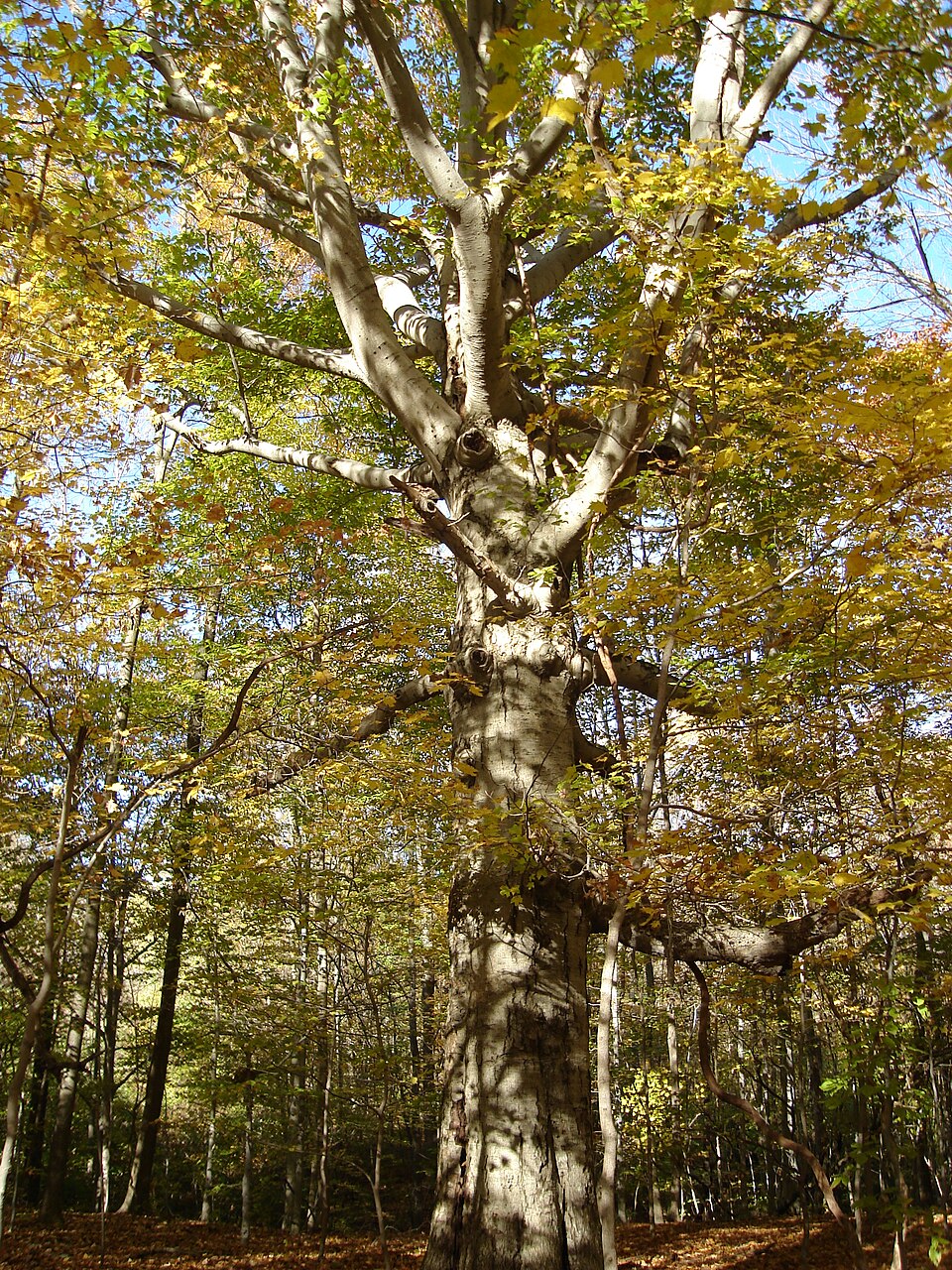
American beech populates moist hardwood forests throughout New England, the Appalachians, and sections of the Midwest. Smooth gray bark and tough interior wood make beech well-suited for mallets, bowls, and camp gear requiring durability. Beech nuts provide occasional foraging benefits when seasonal conditions align, adding small yet meaningful value to time spent outdoors. Beech stands create dense canopies that shape the quiet, shaded environments where these trees thrive naturally.
Sycamore
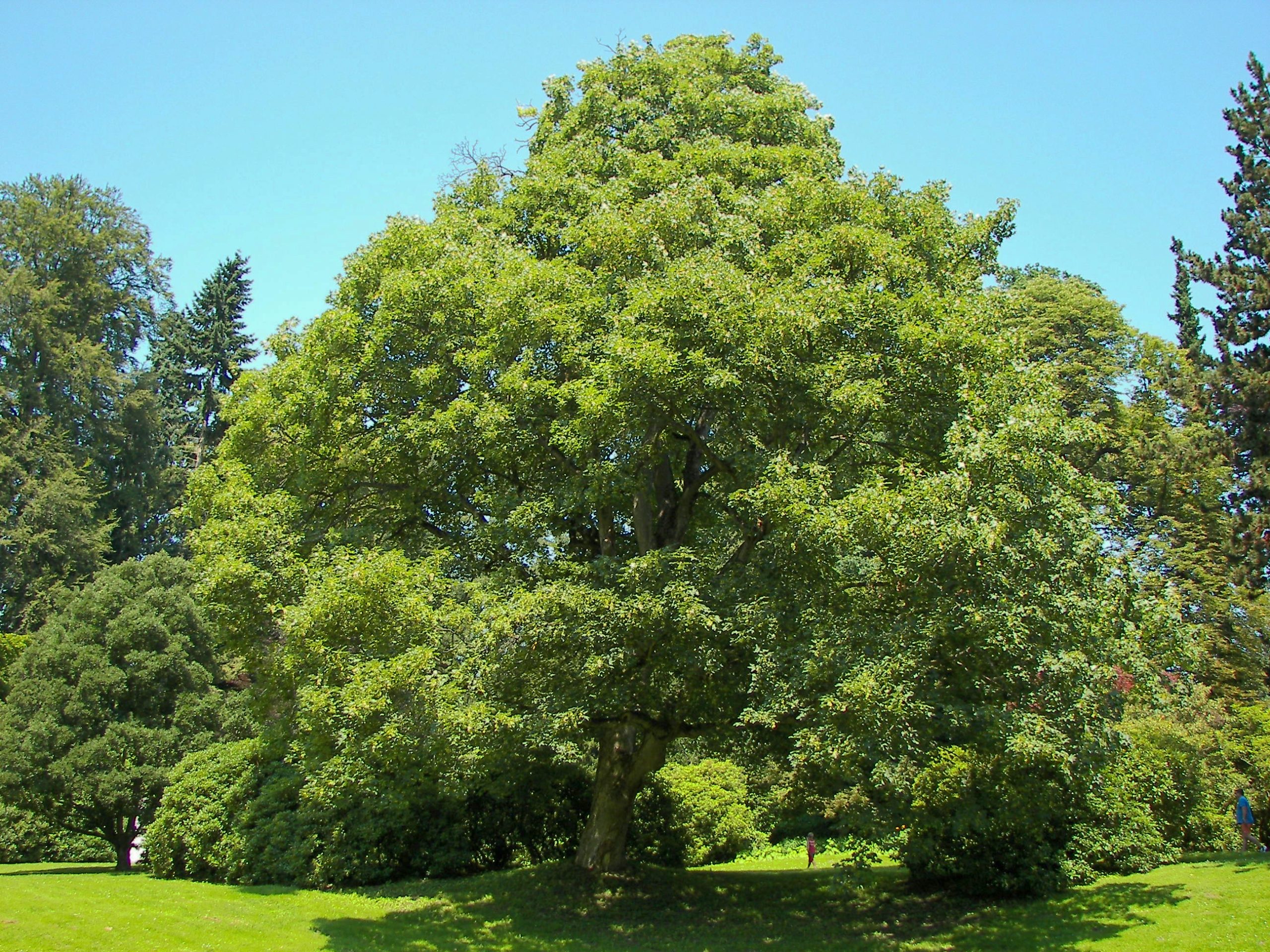
Sycamore grows abundantly near rivers, creeks, and wetlands across the East and Midwest, where steady water flow supports its distinctive growth patterns. Light, workable wood allows for easy shaping of containers, scoops, or small structural pieces. Mottled bark creates a recognizable pattern visible even from a distance, helping travelers identify these trees quickly during riverbank exploration. Sycamores often rise tall along riparian corridors, forming natural landmarks in areas where paths follow flowing water.
Spruce
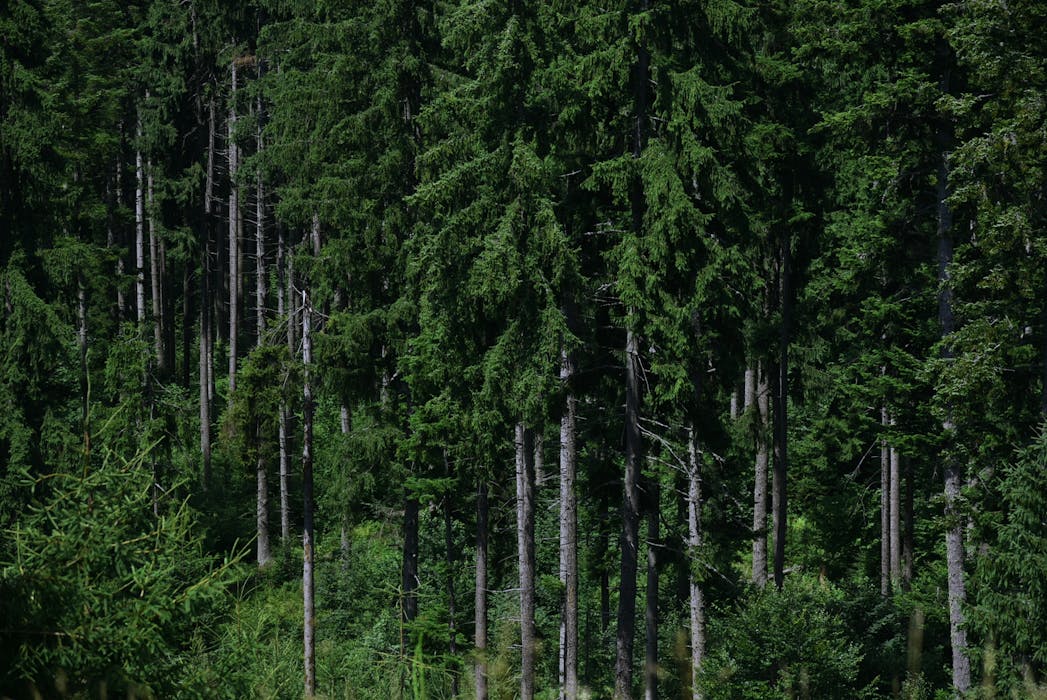
Spruce forests appear in colder northern regions from the Great Lakes through New England and extend across higher elevations in the West. Straight branches and flexible young growth make spruce ideal for shelter poles or frame supports. Resin collected from the trunks hardens into a natural adhesive that proves useful for repairs and camp construction. Soft needle beds and the tree’s crisp scent add comfort and familiarity to camps during winter or early spring outings.
Hickory
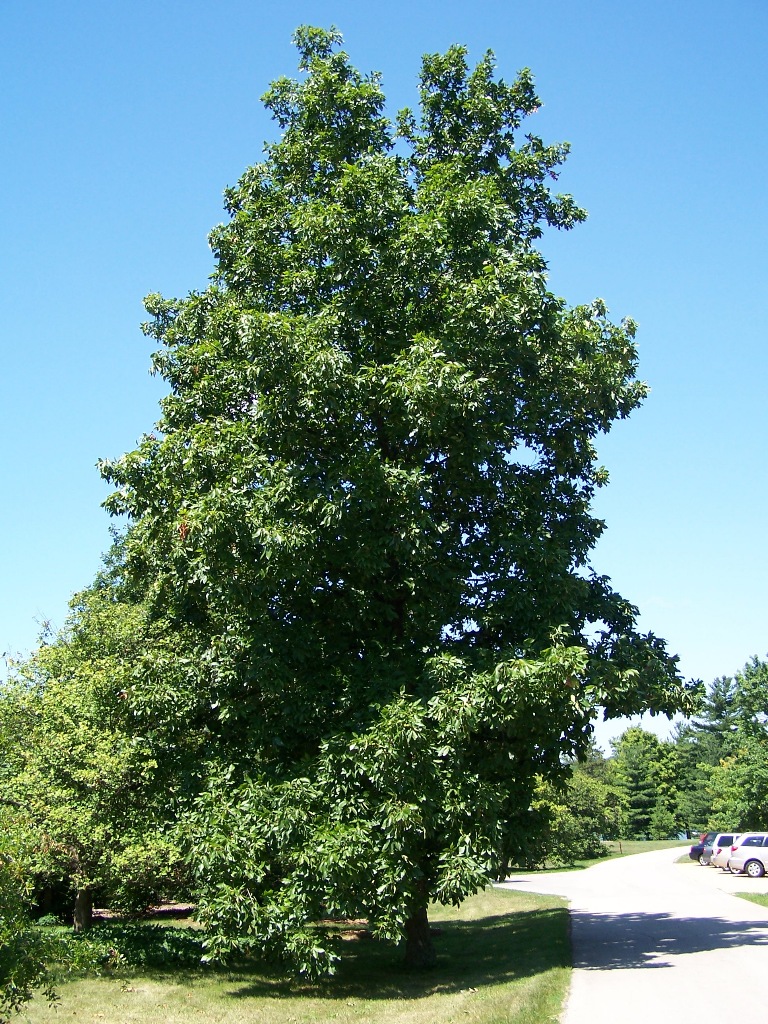
Hickory thrives in eastern and southern forests, including the Ozarks, Appalachians, and river valleys throughout the Southeast. Dense, shock-resistant wood supports tools that require repeated impact, such as bows, handles, and striking implements. Nuts offer occasional foraging value where trees grow in mature groves. The tree’s shaggy bark and strong presence make hickory a dependable hardwood for long-term projects that demand strength and resilience.