Not every great handgun becomes a household name. Some pistols quietly build loyal followings among experienced shooters who care more about performance than hype, and those are often the most interesting guns in the case. This gallery spotlights ten underrated sidearms that never dominated the mainstream conversation but still command real respect on the range.
CZ 75 BD

The CZ 75 family has long been admired by enthusiasts, yet the decocker-equipped BD version often lives in the shadow of flashier competition guns and trendier carry pistols. That is a shame, because it delivers the same famously natural grip shape, low bore axis feel, and all-steel stability that made the design a classic.
On the range, the pistol feels calm and planted, especially during fast follow-up shots. Serious shooters appreciate how the weight soaks up recoil and how the single-action break rewards patient trigger work.
It may never have had blockbuster name recognition in every market, but among people who value shootability over marketing, the CZ 75 BD has earned quiet, lasting respect.
Smith & Wesson 5906
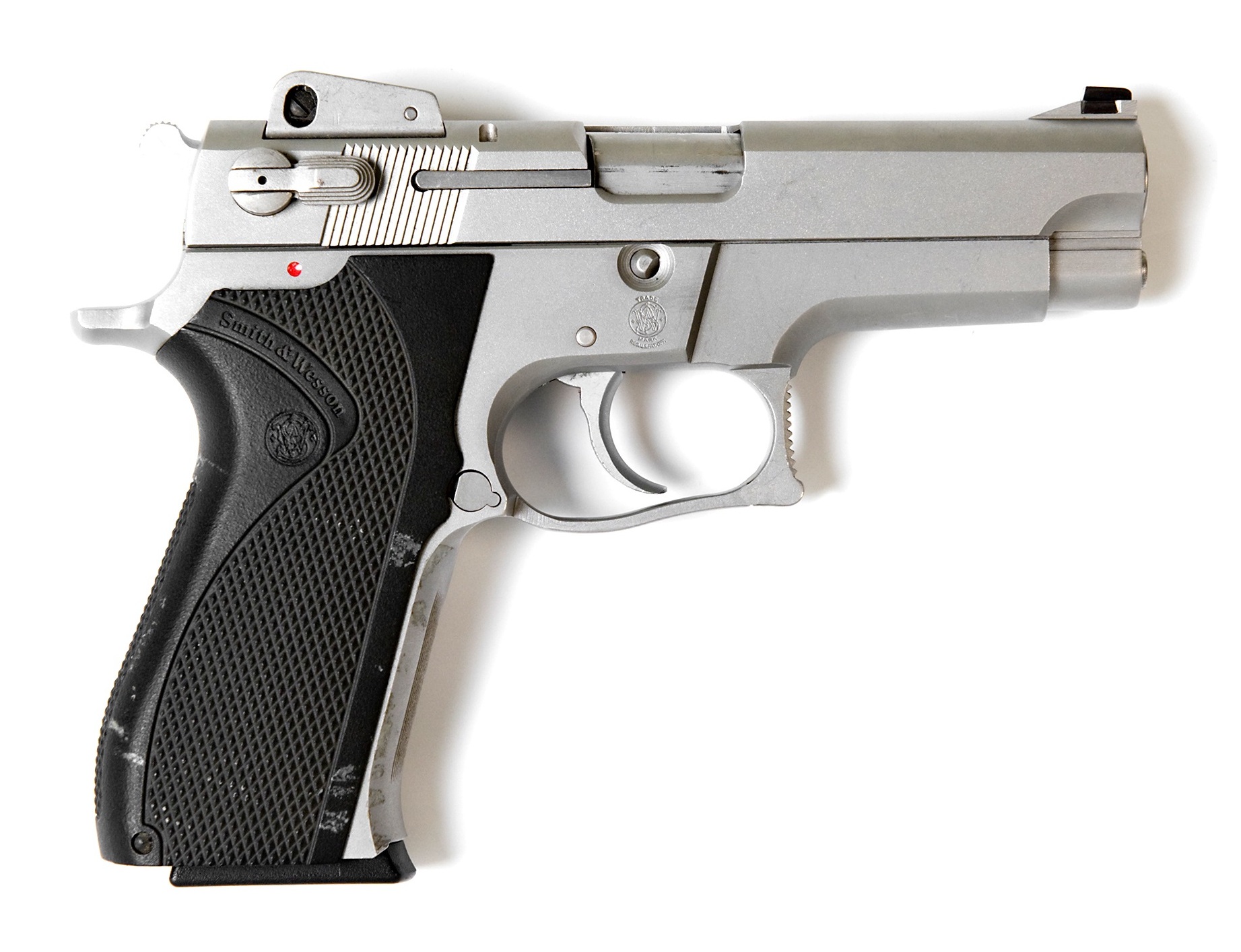
The 5906 came from an era when duty pistols were built like industrial tools, and that old-school toughness is exactly why many shooters still admire it. Made from stainless steel and designed for hard service, it feels substantial in the hand in a way many modern polymer guns simply do not.
Its double-action trigger system is not trendy, but experienced users often praise the gun for consistency, durability, and a surprisingly soft shooting character. The extra weight keeps the muzzle flatter than you might expect from a service 9mm.
It never became glamorous, and that may be part of its charm. The 5906 is the kind of pistol people discover after the headlines fade, then keep for decades.
HK P7

The HK P7 has a cult following today, but for years it was more admired in knowledgeable circles than widely embraced by average buyers. Its squeeze-cocking system, slim profile, and unusually low bore axis made it feel like a mechanical outlier in the best possible way.
Shooters who spend time with one often come away impressed by how naturally it points and how quickly it returns on target. The trigger can feel wonderfully crisp, and the fixed barrel contributes to a reputation for exceptional accuracy.
It was expensive, different, and never really mainstream. Yet among serious handgun fans, the P7 remains one of those rare pistols that feels both ingenious and deeply practical once you understand it.
Star BM
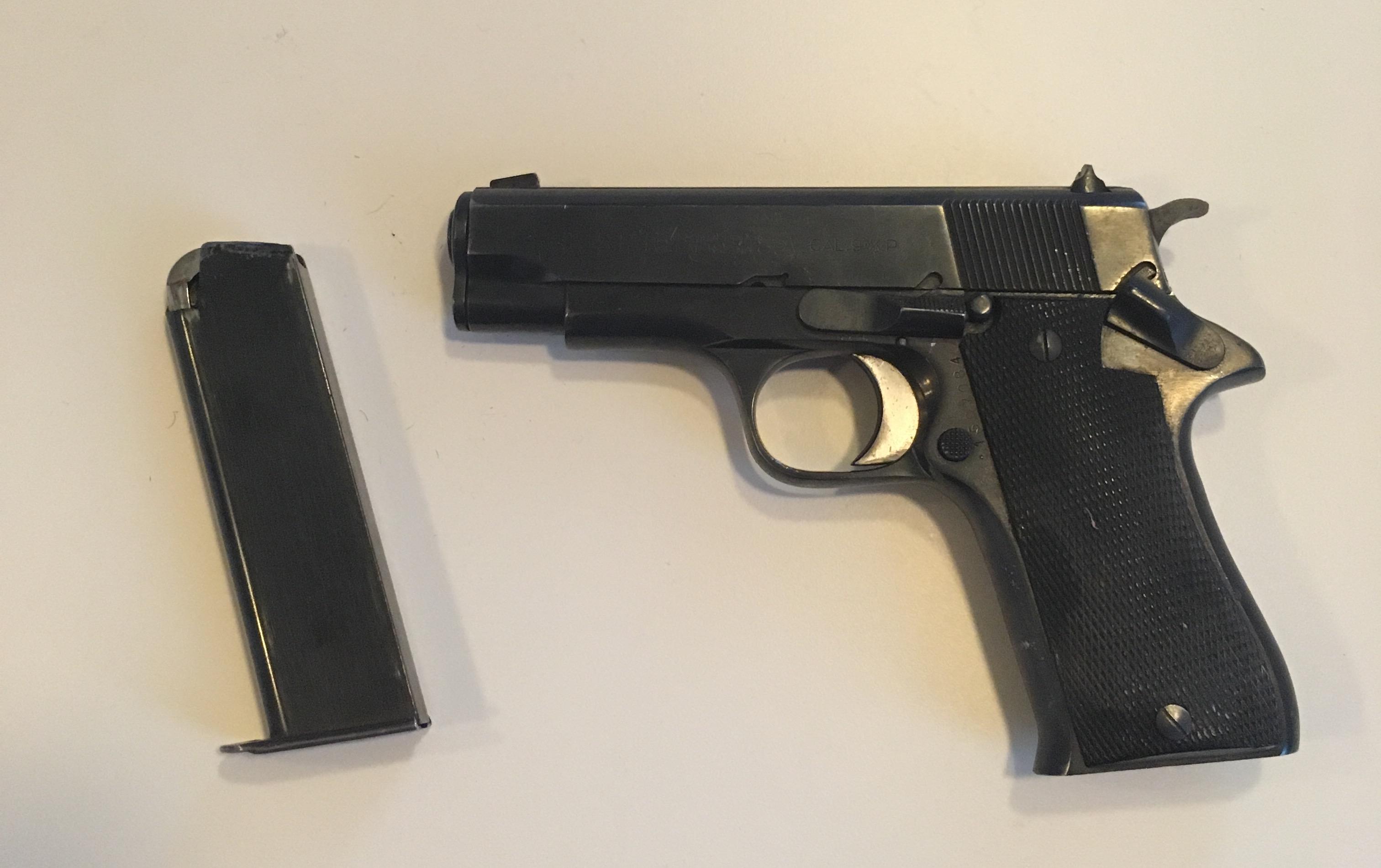
The Spanish-made Star BM never enjoyed the fame of the Browning Hi-Power or the 1911, even though it carries a little of both in its spirit. Compact, steel-framed, and chambered in 9mm, it offers a pleasing blend of old-world machining and straightforward handling that many shooters find immediately appealing.
There is nothing flashy about the BM, and that is part of why enthusiasts like it. It feels honest, solid, and pleasantly slim, with controls that are easy to understand and a profile that still makes sense today.
For collectors who also shoot their guns, the Star BM occupies a sweet spot. It is affordable history with real range manners, and that combination keeps it quietly relevant.
SIG Sauer P225

The P225 often gets overshadowed by the better-known P226 and P228, but many serious shooters consider it one of SIG Sauer’s most elegant single-stack service pistols. It has the company’s familiar double-action system, excellent build quality, and a grip that feels unusually accommodating to a wide range of hands.
At the range, it has that classic SIG composure: smooth cycling, predictable controls, and a sense that everything is machined to work rather than merely assembled to function. It may not hold as many rounds as newer designs, but it makes up for that with balance and confidence.
For shooters who value refinement over capacity charts, the P225 remains one of the brand’s most quietly satisfying pistols.
Ruger P95
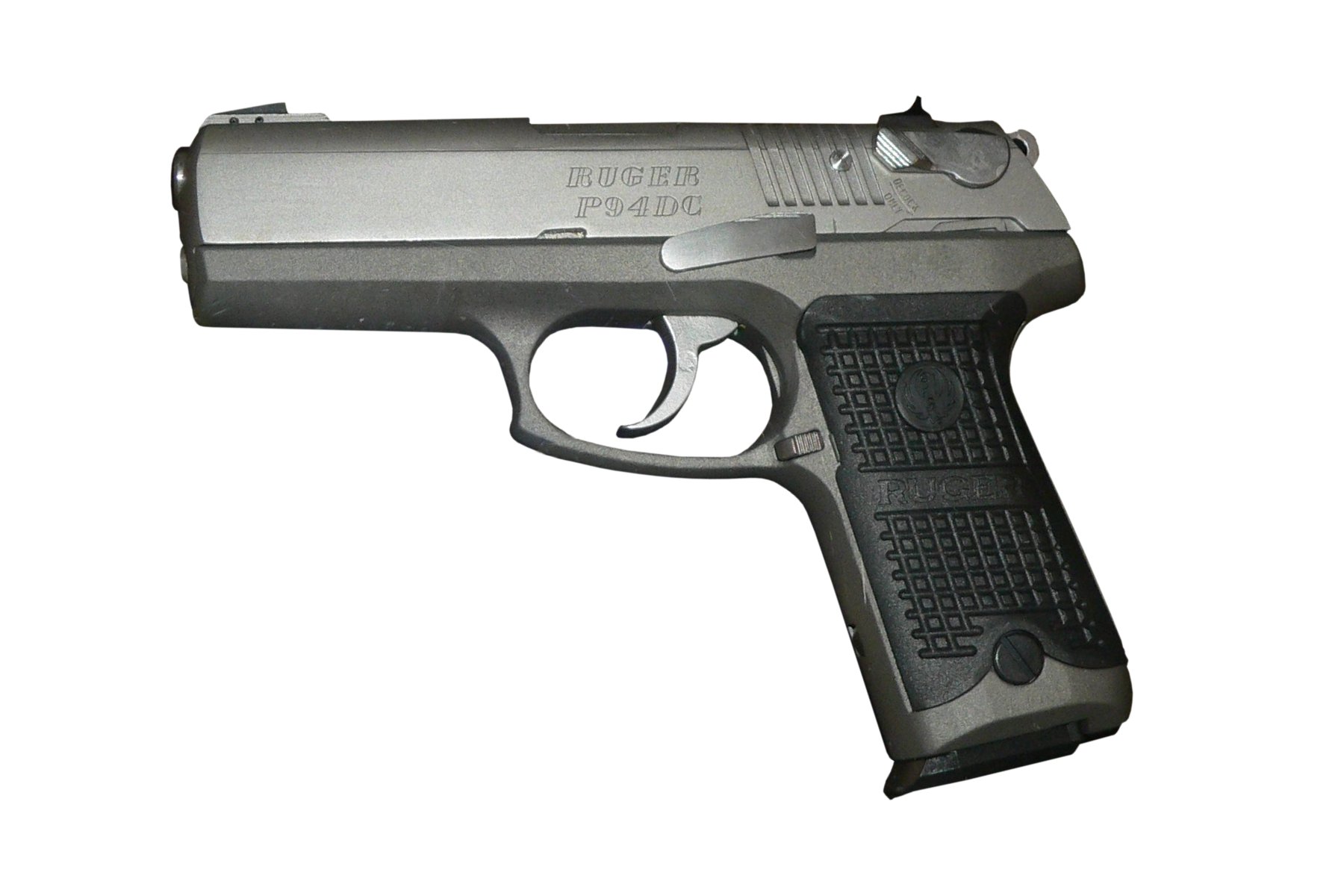
Few pistols have been underestimated quite like the Ruger P95. It was never sleek, never especially glamorous, and rarely the gun people bragged about at the counter, but it developed a reputation that serious shooters notice immediately: it just keeps running.
The polymer frame helped modernize the old P-series formula, while the chunky slide and robust internals gave the pistol a no-nonsense character. It is not the trigger snob’s dream, yet it is dependable, easy to maintain, and forgiving in real-world use.
That practical reliability is why the P95 still gets respect. It may not win beauty contests, but as a working 9mm with a loyal following, it has earned far more credit than it usually receives.
Walther P5

The Walther P5 arrived with pedigree and thoughtful engineering, but it never broke through to the same broad fame as the P38 before it or the polymer Walthers that followed. That leaves it in a fascinating place today: admired deeply by people who know what they are looking at.
Its lines are distinctive, almost architectural, and the handling reflects a design that prized control and practical accuracy. The pistol feels slim for its type, and the trigger system has a deliberate, professional quality that rewards familiarity.
It is the sort of handgun that reveals itself over time rather than instantly. Serious shooters often appreciate that kind of depth, and the P5 has plenty of it beneath the understated exterior.
Tanfoglio Witness Steel
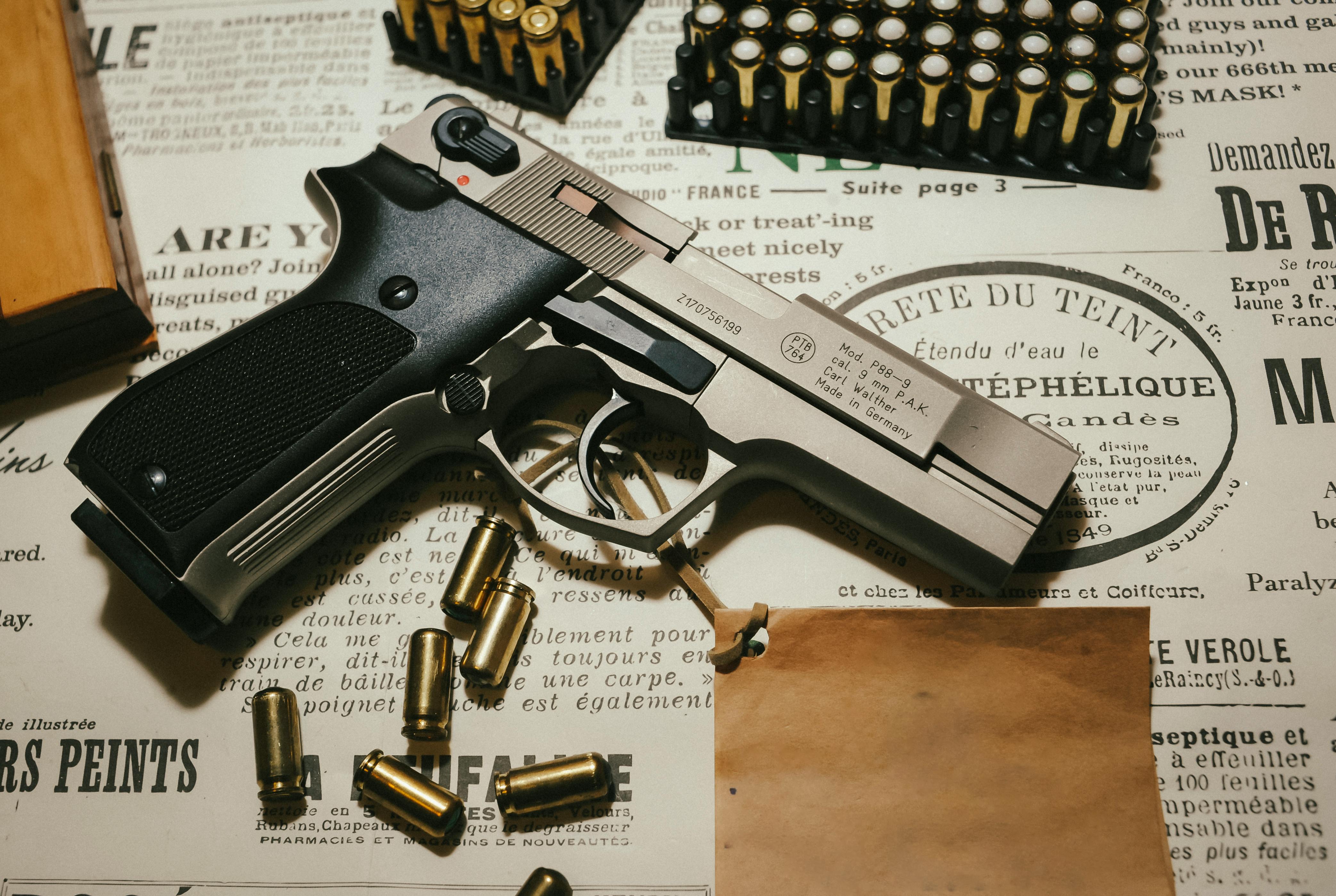
Tanfoglio’s Witness Steel models have spent years living in the broad shadow of the CZ pattern they resemble, yet they carved out their own following with competitive pricing, solid construction, and shootable all-metal heft. For many shooters, they were the gateway into a smoother, heavier style of 9mm shooting.
The steel frame gives the pistol a settled feel that becomes more noticeable the faster you shoot. Recoil feels damped, transitions can feel cleaner, and the overall impression is one of mechanical confidence rather than lightweight convenience.
It may not have had the prestige of higher-profile European names, but the Witness Steel proved that an underrated pistol can still become a range favorite for people who actually put rounds through it.
Jericho 941 Steel Frame
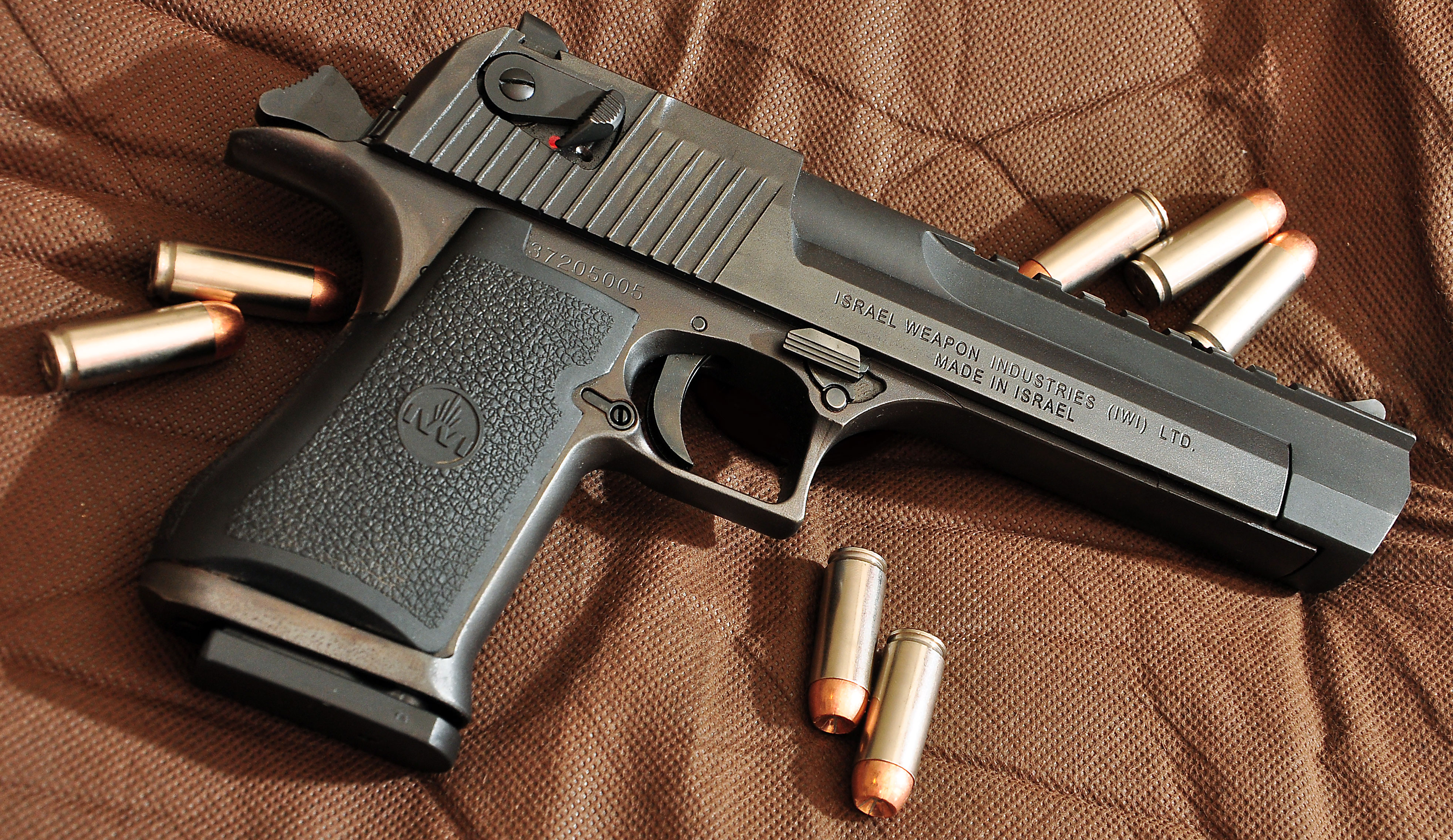
The Jericho 941 is familiar to some shooters through pop culture, but in the broader handgun market it has often remained more respected than famous. The steel-frame versions in particular stand out for their tank-like build, comfortable ergonomics, and a shooting experience that feels reassuringly substantial.
Built around a proven design lineage, the pistol tends to impress people with how naturally it sits in the hand and how controlled it feels under recoil. It has enough weight to stay flat and enough personality to feel distinct from a sea of lookalike service pistols.
That blend of durability and character explains its loyal fan base. The Jericho is not obscure, exactly, but it is definitely more appreciated by serious shooters than by the mainstream.
Beretta PX4 Storm Compact
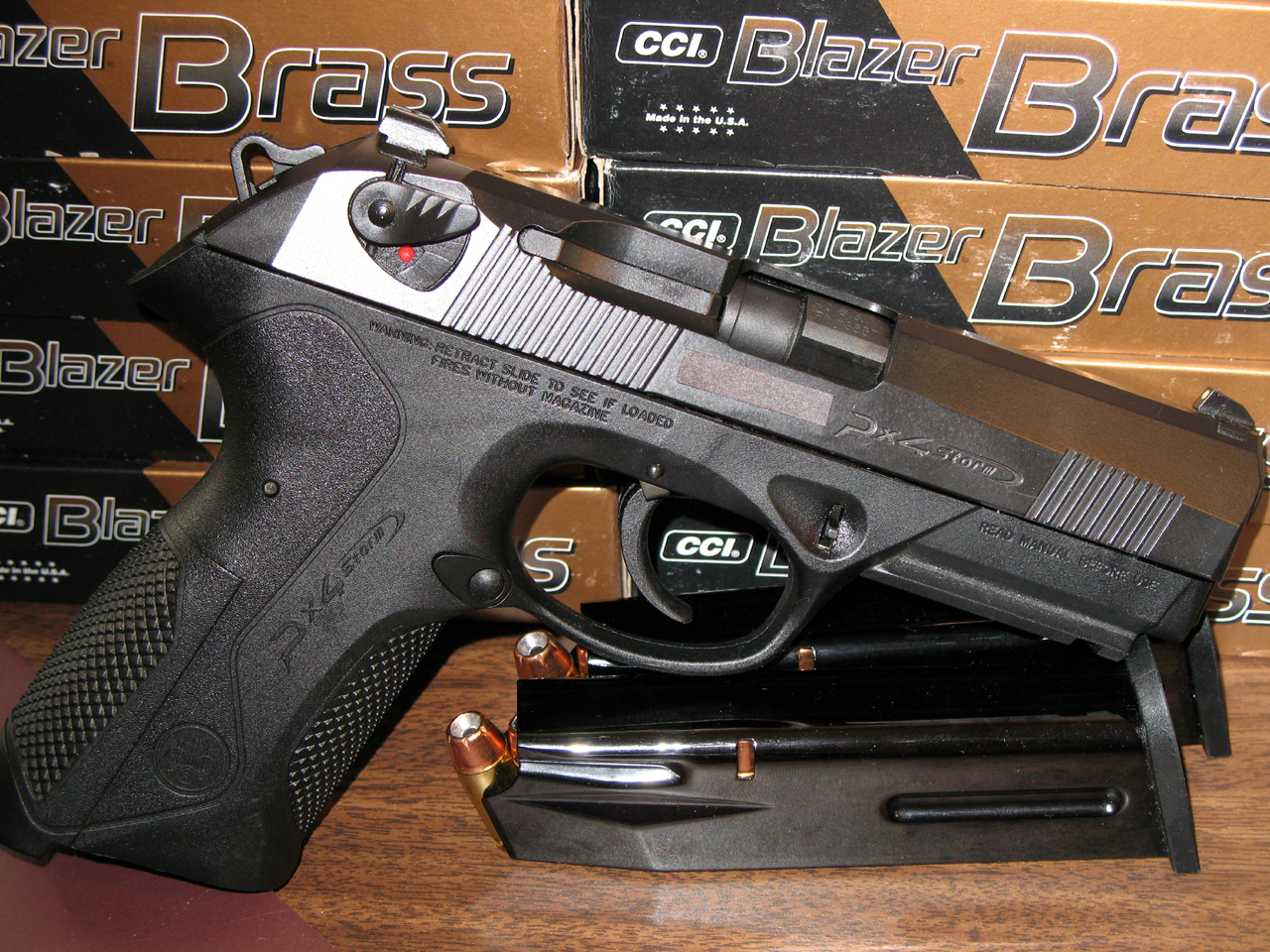
The PX4 Storm Compact never became the defining Beretta in the public imagination, largely because the 92 series had already claimed that space. Still, experienced shooters often point to the PX4 as one of the company’s smartest modern pistols thanks to its rotating barrel system and unexpectedly soft recoil impulse.
In the hand, it feels practical rather than dramatic, and on the range that practicality really pays off. The compact format carries well, while the action gives the gun a smooth, distinctive shooting rhythm that sets it apart from many striker-fired rivals.
It may have missed the spotlight, but the PX4 Compact remains one of those pistols people discover late and then wonder why it was not celebrated more from the beginning.