
Scorpions are elusive, mostly nocturnal creatures that can surprise campers in the wild. Knowing how to spot them early is key to a safe, stress-free outdoor experience. From desert sands to forest floors, using the right techniques and tools can prevent dangerous encounters. These ten methods combine observation, practical habits, and simple tools to help you detect scorpions before they become a problem, keeping your campsite safe and your adventure enjoyable.
1. Use a UV Flashlight at Night
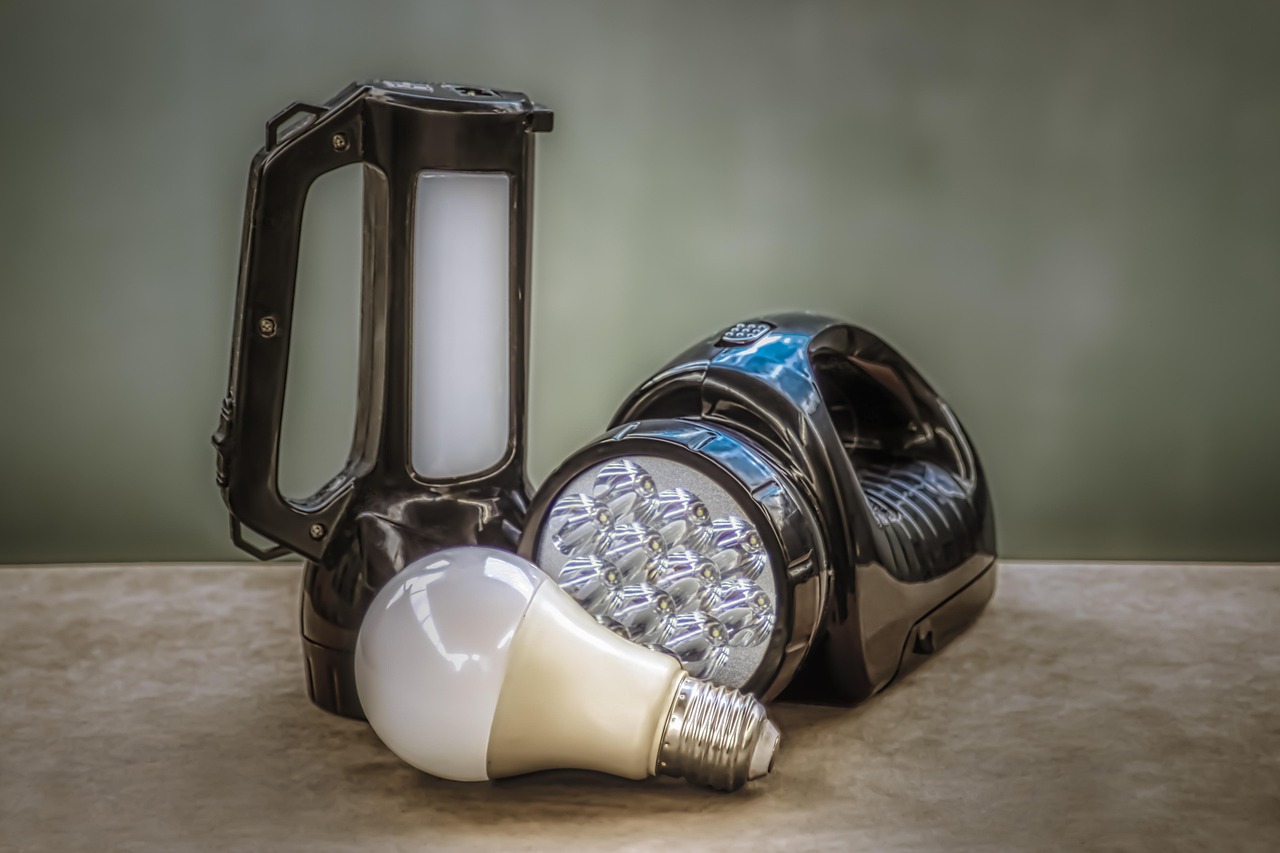
Scorpions glow under ultraviolet light due to a natural substance in their exoskeleton. Using a UV flashlight after dark lets you detect them easily, even in dense brush or desert sand. Sweep the ground, rocks, and tent surroundings carefully. This method is particularly effective at night when scorpions are most active. A UV flashlight offers a safe, non-contact way to locate these arachnids before they come too close.
2. Check Rocks and Wood Piles
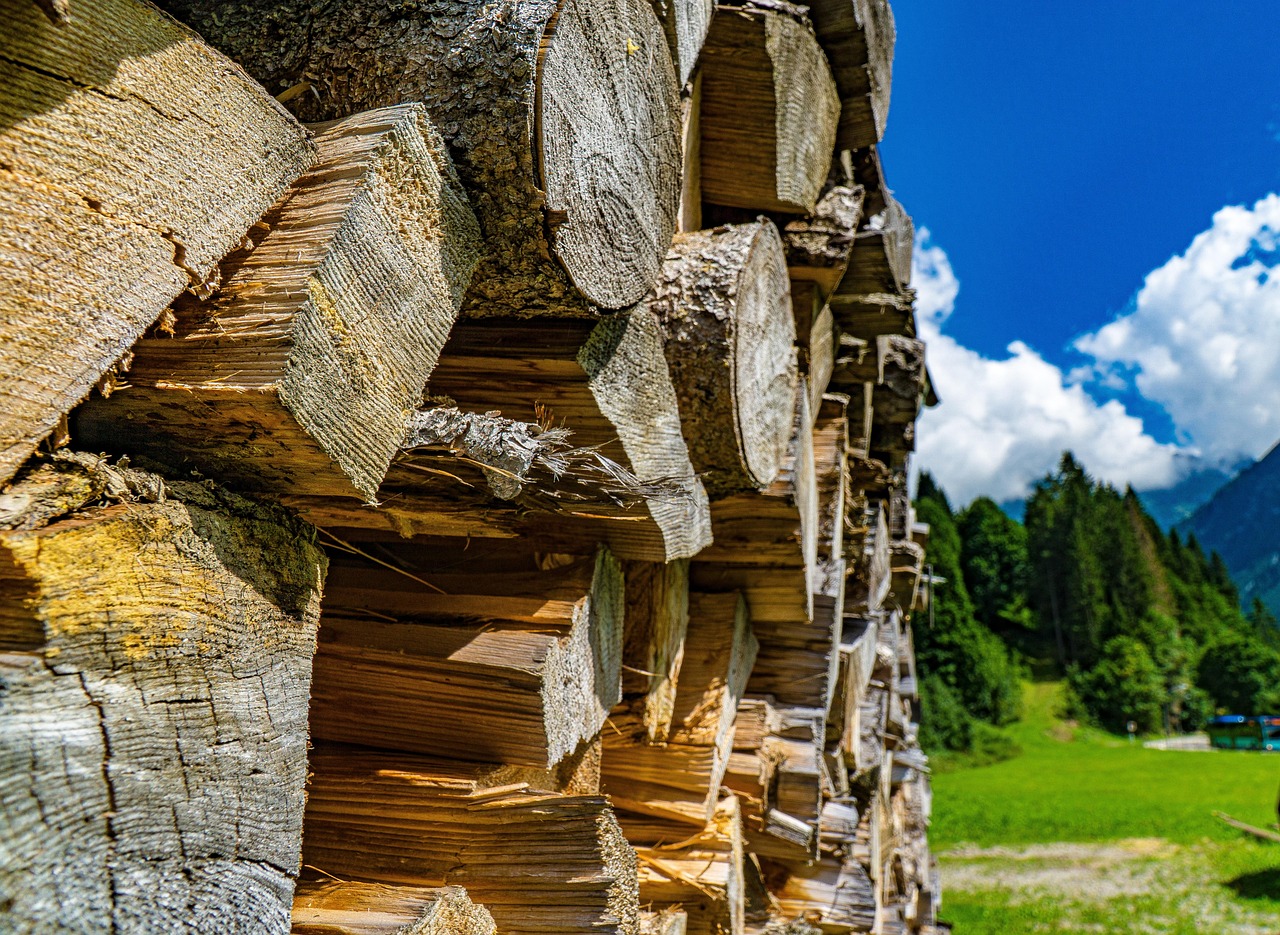
Scorpions often hide under rocks, logs, and wood piles during the day. Carefully lift items with gloves or a stick to avoid direct contact. Look into crevices and cracks where flat bodies can slip through easily. Regular inspection of these areas reduces hiding spots and prevents accidental encounters. Maintaining a clutter-free campsite while checking natural shelters ensures you spot scorpions before they pose a threat.
3. Inspect Your Sleeping Area

Before settling in, inspect tents, sleeping bags, and mats. Shake out bedding and check tent corners for scorpions seeking warmth or shelter. Using a flashlight or UV light inside your tent improves visibility. A careful nighttime check minimizes the risk of being stung while asleep. Repeating this habit nightly ensures your sleeping area remains a safe sanctuary, especially in regions where scorpions are common.
4. Observe the Ground Carefully

Scorpions often leave tracks or molted exoskeletons in soft soil or sand. Observing footprints, drag marks, or disturbed ground can alert you to nearby scorpions. This subtle visual cue allows campers to identify areas of activity without direct contact. Staying vigilant and scanning the campsite floor regularly helps reduce surprise encounters and provides a better understanding of scorpion patterns in your immediate environment.
5. Listen for Noises Around Rocks or Logs
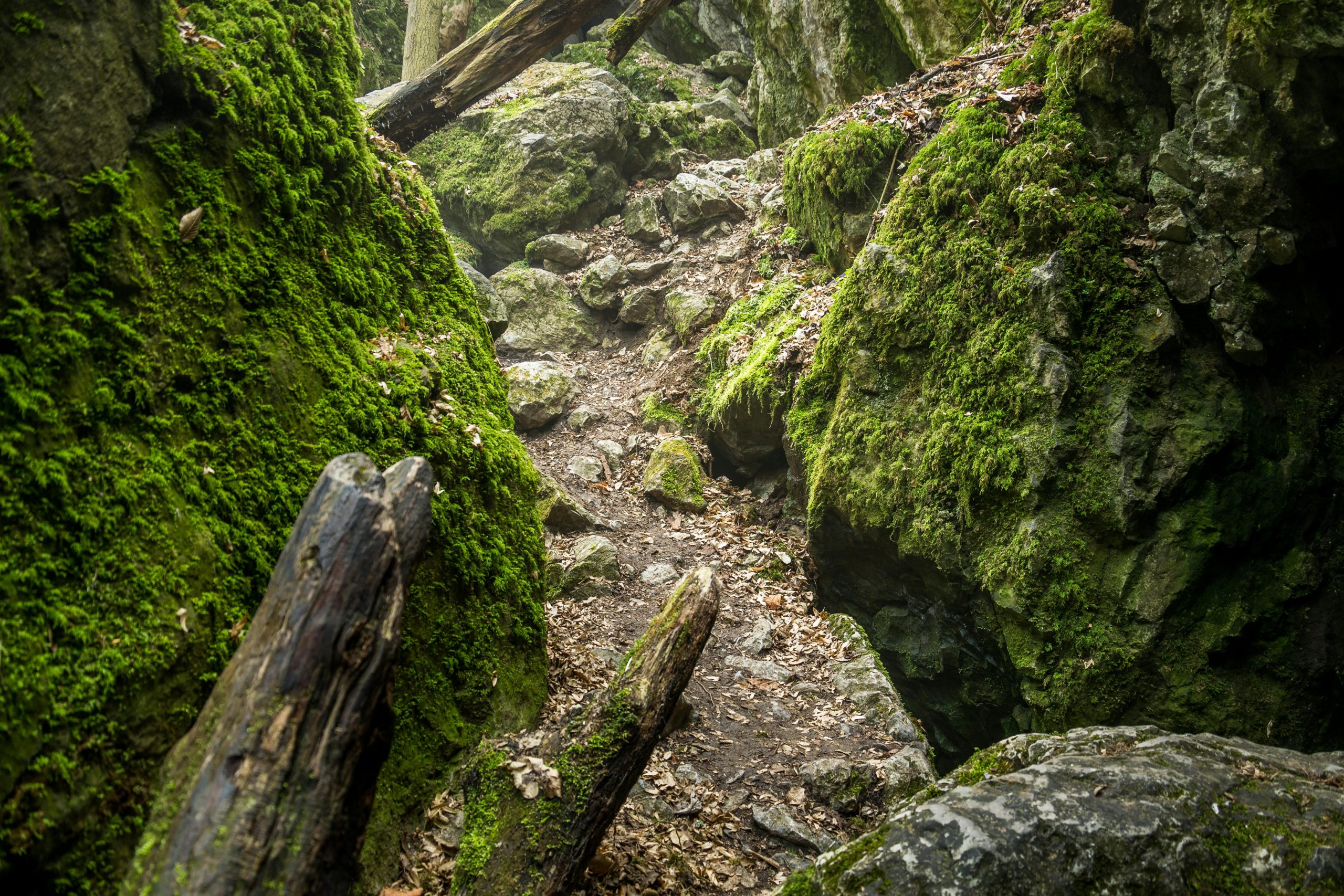
Although scorpions are mostly silent, they can create faint rustling sounds in dry leaves or debris. Being alert to subtle noises while moving near potential hiding spots can reveal their presence. This auditory cue complements visual methods, especially in quiet forest or desert environments. Combining listening with careful observation increases your chances of spotting scorpions without accidental contact.
6. Use a Sticky Trap or Trap Surface
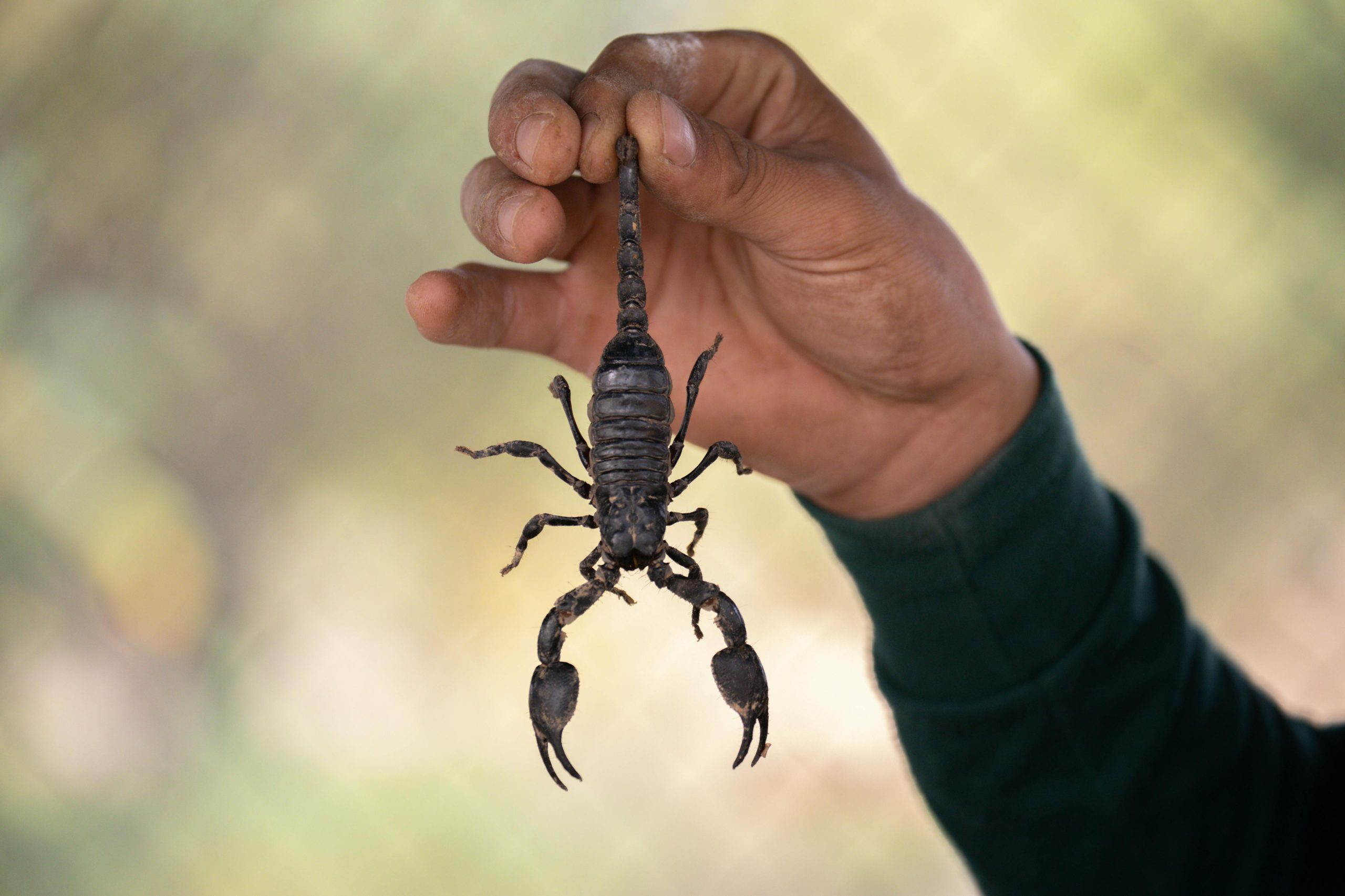
Sticky traps or adhesive pads placed along tent edges, pathways, or near wood piles can catch scorpions without direct handling. Checking traps daily allows you to monitor scorpion activity safely. These traps provide a low-effort, effective way to detect scorpions passing through your campsite. They also act as an early warning system, alerting you to areas where scorpions are most active and reducing nighttime surprises.
7. Check Firewood Before Burning
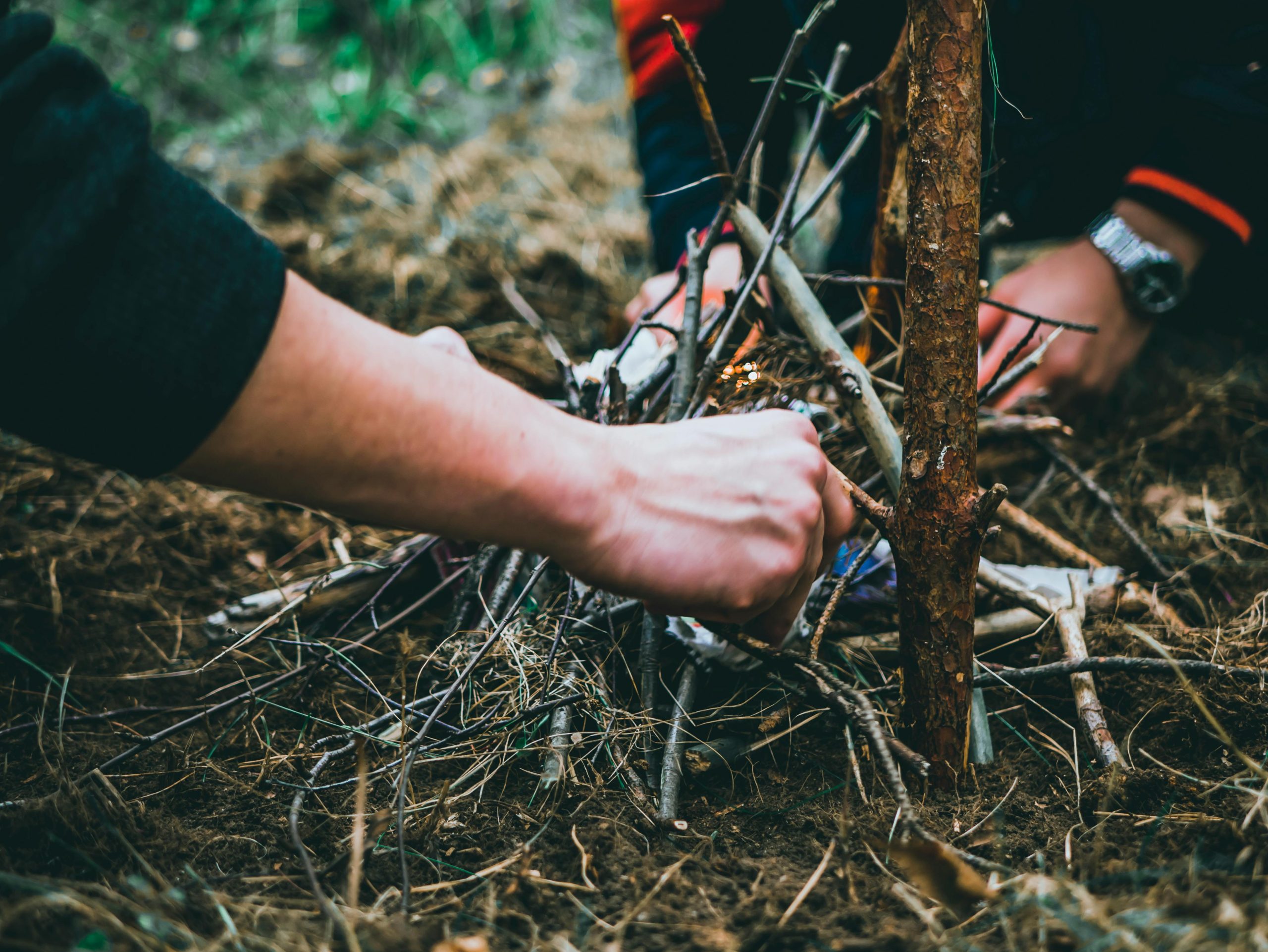
Scorpions love to hide in firewood piles. Examine logs carefully with gloves or a stick before adding them to your fire. Using a flashlight improves visibility, especially in low light. Preventing scorpions from entering your campsite via firewood keeps you safe while maintaining warmth and comfort. Regular inspection reduces accidental encounters and ensures a safer outdoor cooking experience.
8. Examine Camping Gear Regularly
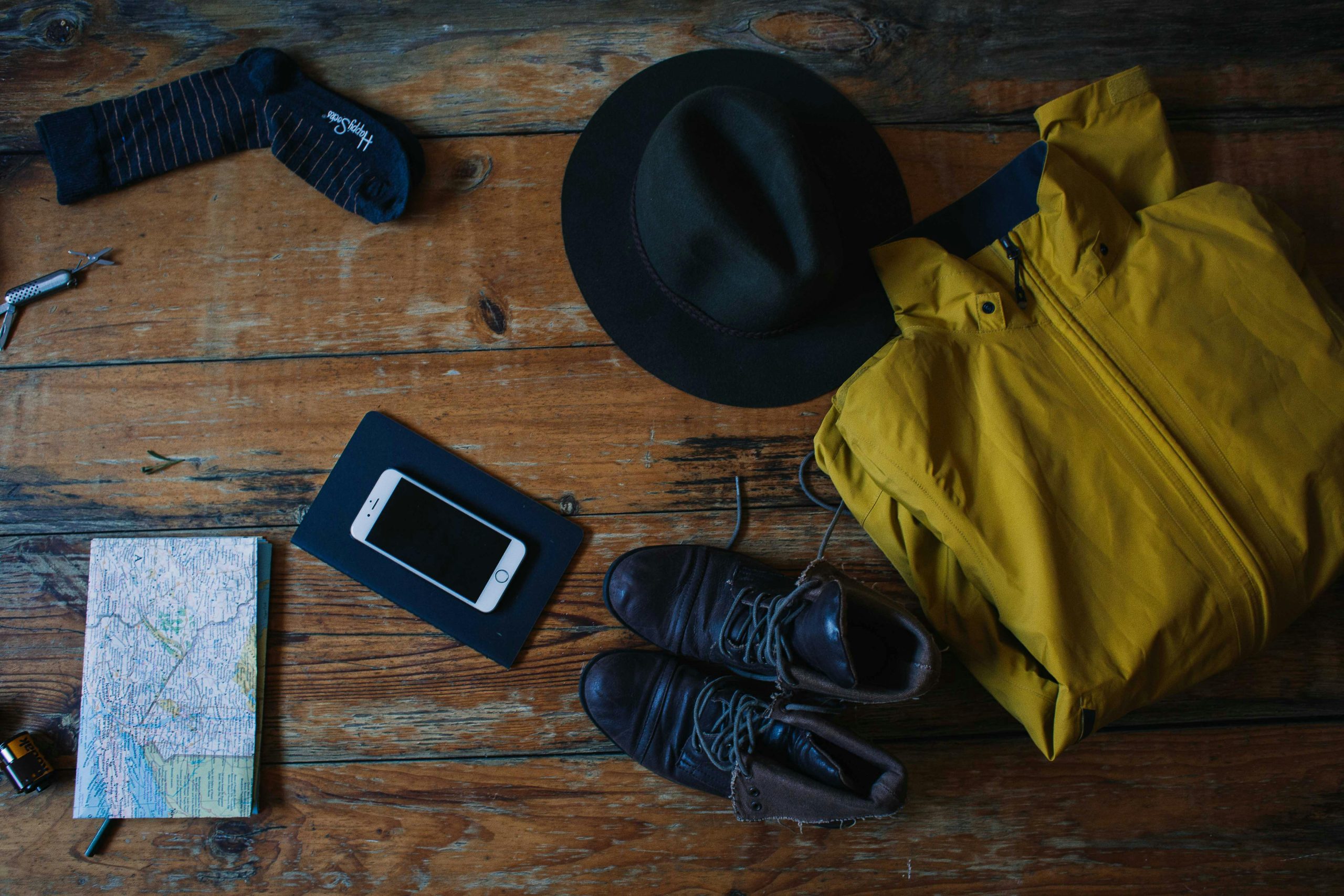
Scorpions can crawl into backpacks, shoes, and clothing left on the ground. Shake out gear every morning and evening. Storing clothing and shoes off the ground reduces risk. Inspecting gear consistently ensures campers remain safe and prevents scorpions from entering tents or sleeping areas. This proactive habit is especially important in regions with high scorpion activity.
9. Look Near Water and Moist Areas
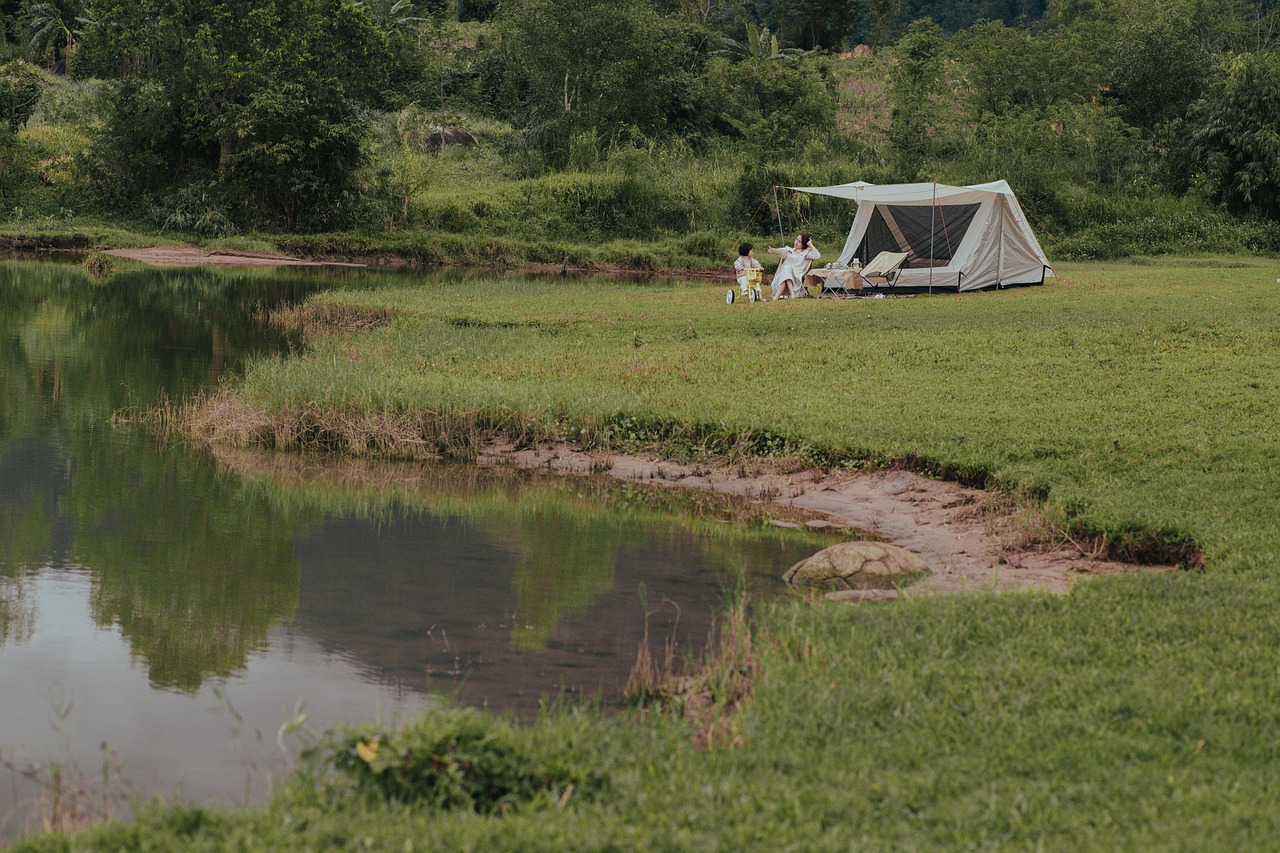
Some scorpion species prefer damp or shaded areas near streams, puddles, or moist soil. Inspecting these spots reduces the likelihood of accidental encounters. Awareness of less obvious scorpion habitats adds an extra layer of safety. Checking near water sources also allows campers to plan safe sleeping and cooking locations away from hidden dangers.
10. Observe Fire Ring and Camp Chair
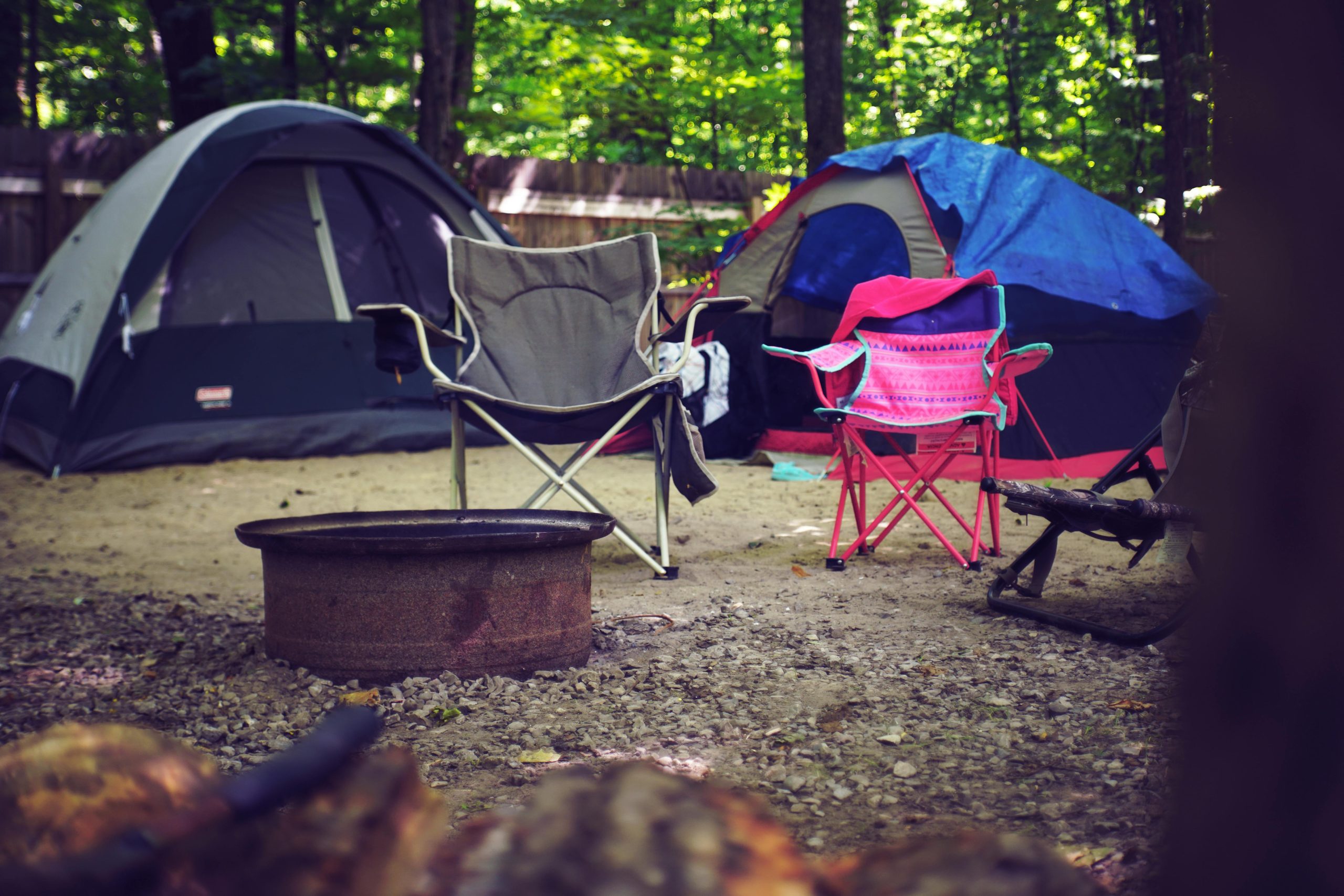
Scorpions love sheltered cracks and shaded spots, and your campfire setup offers plenty of both. Before lighting the fire or settling into a chair, take a moment to inspect the stones around the fire ring and the ground beneath your seating. Shine a light into gaps where heat hasn’t yet reached or debris has collected. A quick check can reveal a scorpion waiting out the daytime heat, preventing a painful encounter right in the center of your gathering area.