Fishing tackle trends come and go, but some lures never seem to leave the boat deck for long. Ask experienced anglers what keeps producing year after year, and the answers are usually familiar, battle-tested favorites. These are the dependable picks that continue to catch bass, trout, pike, walleyes, and more when conditions get tough and confidence matters most.
Jig
If seasoned anglers had to save just one lure, many would reach for a jig without hesitation. It is simple, adaptable, and effective in almost every kind of freshwater fishing, from dragging deep structure to skipping under docks where bigger fish like to hide.
Part of the jig’s staying power is how much you can do with it. Change the trailer, alter the retrieve, or swap head styles, and it becomes a different tool entirely. Few lures can look this natural in cold water, warm water, clear water, or stained conditions.
It is not flashy, and that is exactly the point. Jigs keep catching fish because they suggest an easy meal, not a gimmick.
Spinnerbait
The spinnerbait has survived every tackle craze because it covers water fast and triggers reaction strikes when fish are not in a cooperative mood. Around grass, wood, and stained water, it remains one of the smartest ways to find active bass without wasting time.
Experienced anglers love how forgiving it is. The wire frame helps it slip through cover, while the blades add flash and thump that fish can find even when visibility is poor. You can slow-roll it deep, burn it high, or wake it just under the surface.
It may not always get social media attention, but it keeps doing what matters. It catches fish in places where many lures hang up or disappear from notice.
Crankbait
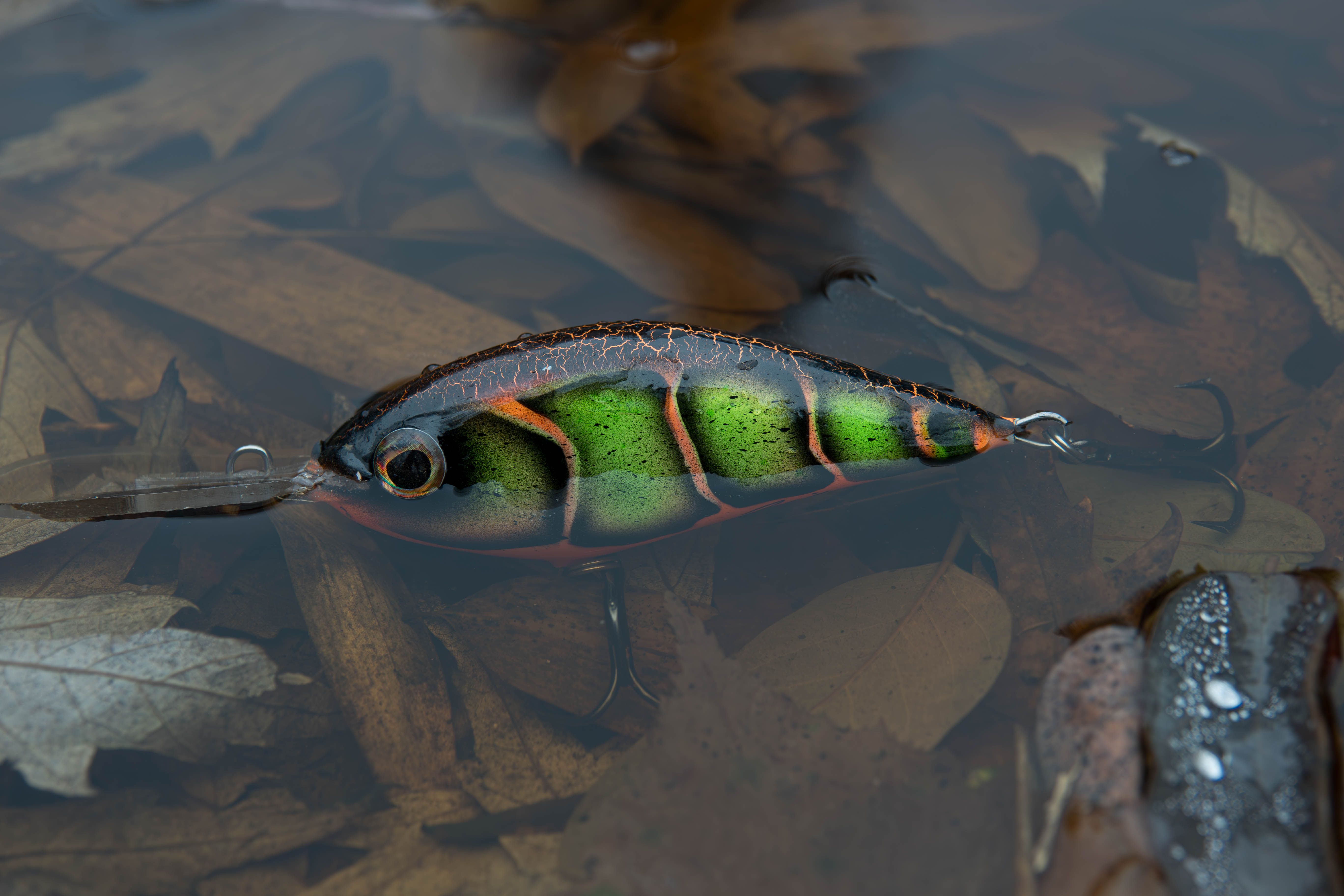
A good crankbait is still one of the fastest ways to locate fish holding along points, riprap, ledges, and shallow flats. Veteran anglers rely on them because they let you probe specific depths with a steady retrieve and cover a lot of productive water in a hurry.
The best crankbaits do more than wobble. They crash into cover, deflect off rock, and suddenly change direction, which often triggers strikes from fish that were only following. That erratic moment has fooled bass and walleyes for decades.
Styles and paint jobs may change with the times, but the core appeal stays the same. Fish respond to vibration, movement, and a bait that looks vulnerable.
Inline Spinner

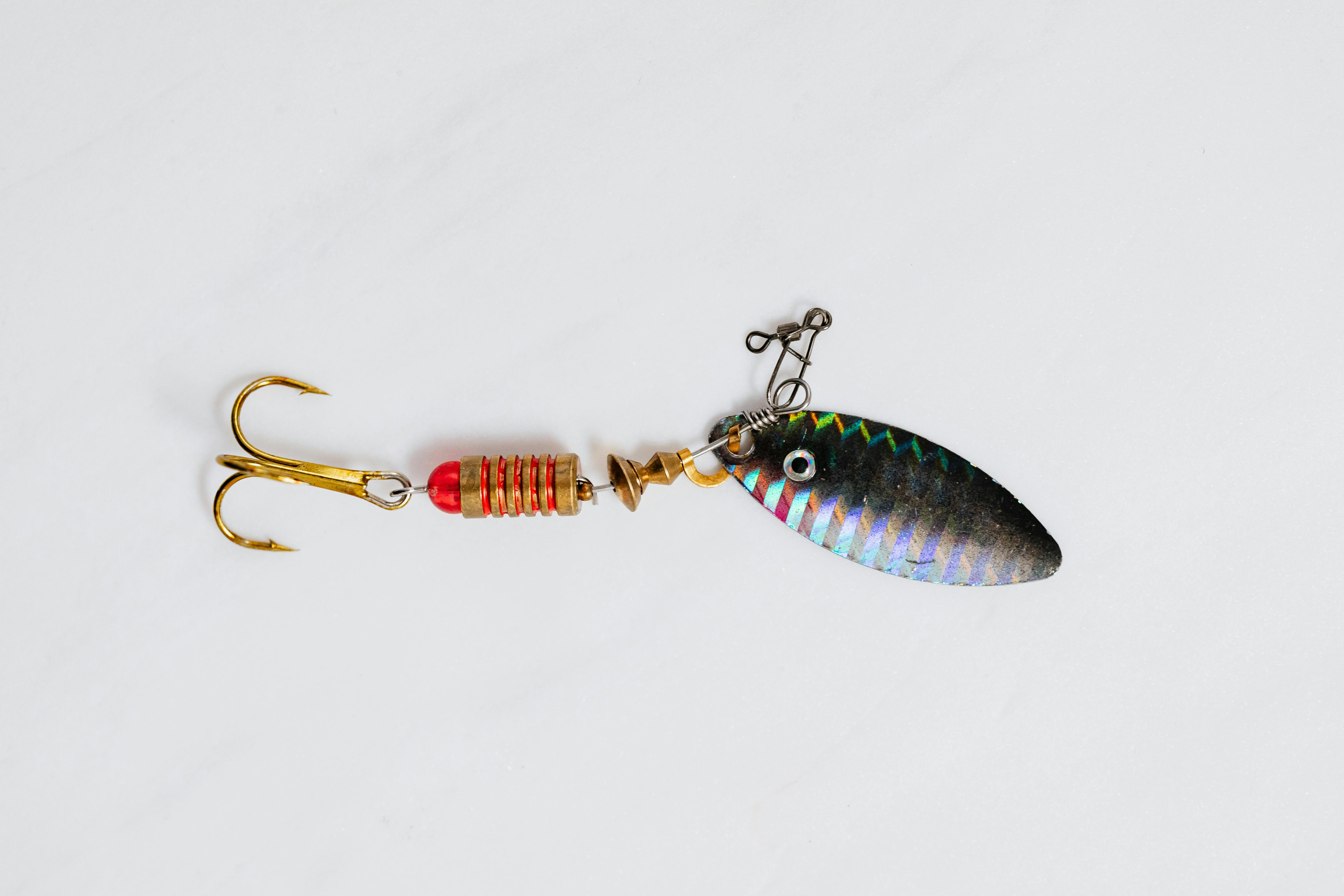
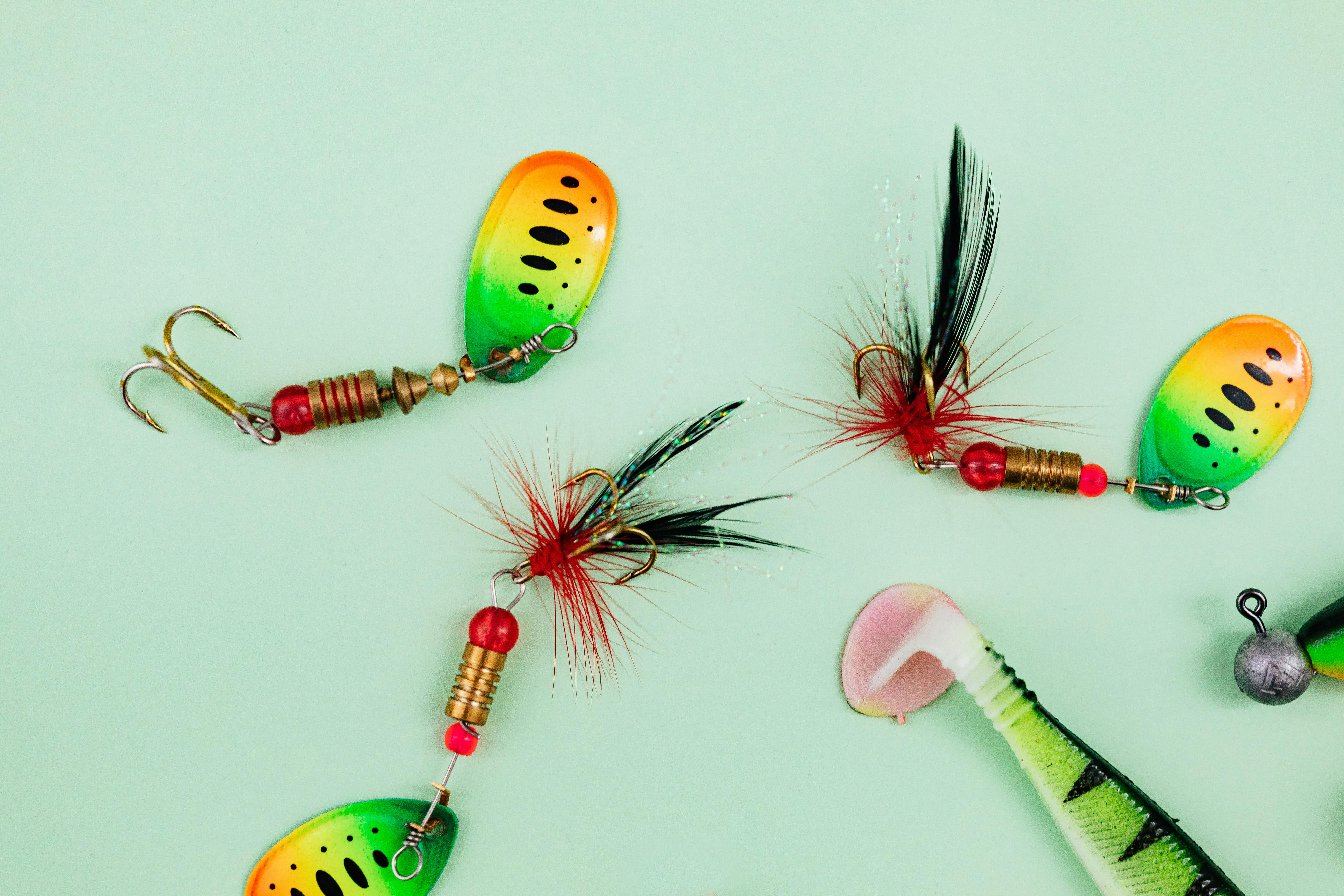
The inline spinner is one of those lures that seems almost too basic to be overlooked, yet it keeps producing across species and seasons. Trout, smallmouth, pike, and panfish all recognize that spinning blade and pulsing profile as something worth chasing.
Its charm is in its straightforward action. Cast it, let it sink a little if needed, and retrieve just fast enough to keep the blade turning. That flash and vibration do the heavy lifting, especially in streams, small rivers, and clear lakes.
Experienced anglers appreciate tools that remove guesswork. The inline spinner has earned its staying power by being easy to fish, hard for predators to ignore, and reliable when conditions get tricky.
Spoon

Spoons have been catching fish for so long that they almost feel timeless. Their wobble, flash, and flutter imitate injured baitfish beautifully, which is why they remain staples for species like pike, salmon, trout, lake trout, and even walleyes in the right conditions.
What experienced anglers value is versatility. A spoon can be cast, trolled, jigged, or vertically worked through open water and beneath ice. Few lures move so naturally on the fall, and that dying action often closes the deal when fish hesitate.
There is nothing trendy about a slab of shaped metal, but fish do not care about trends. They care about vulnerable prey, and spoons still sell that illusion exceptionally well.
Soft Plastic Worm
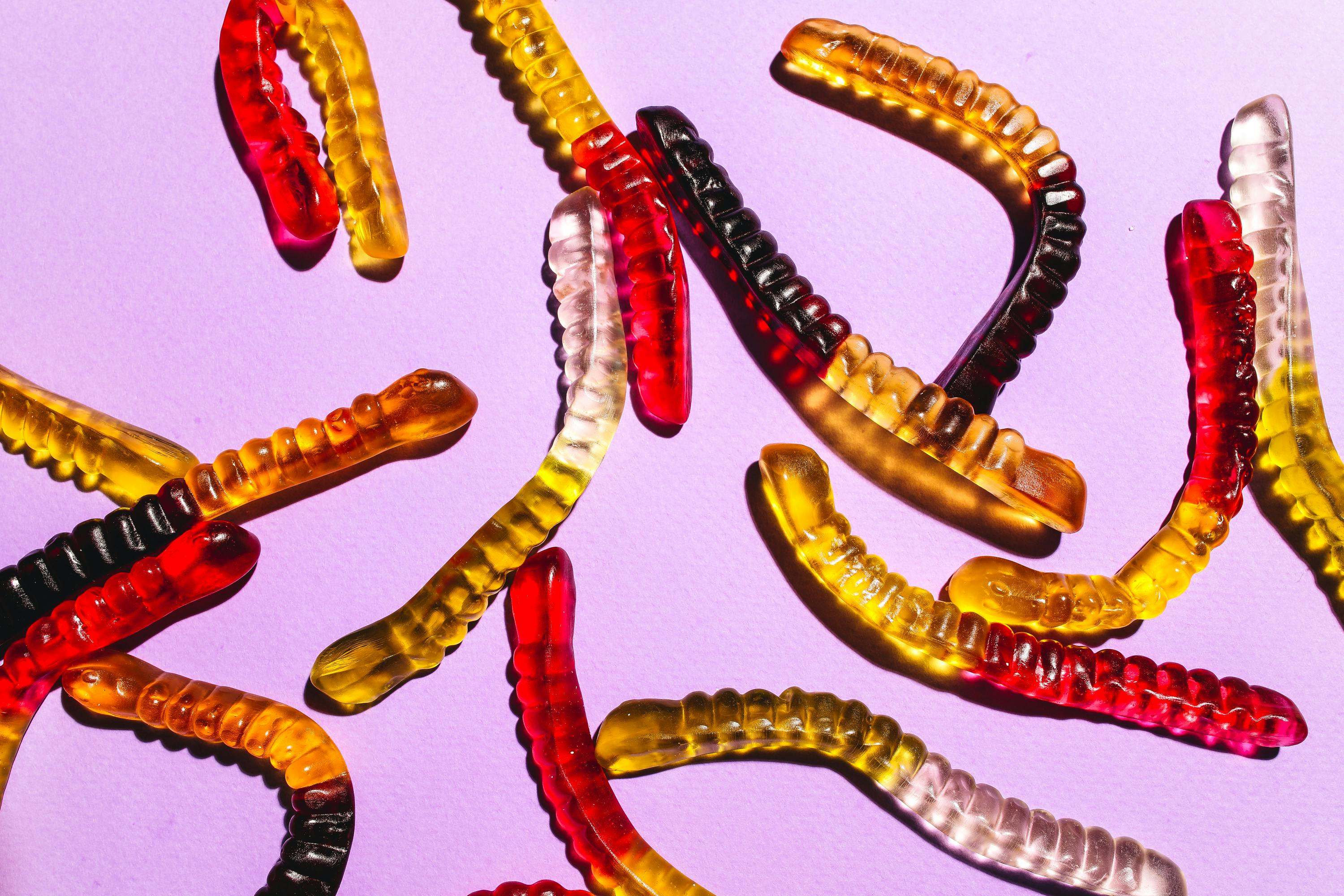
The soft plastic worm remains a quiet giant in freshwater fishing because it simply keeps working. Rigged Texas style, wacky style, or on a shaky head, it can tempt bass in ponds, reservoirs, natural lakes, and pressured water where louder baits stop getting attention.
Its strength is subtlety. A worm does not need wild action to look convincing, and that is why it shines when fish are cautious. Let it fall beside cover, twitch it gently, or drag it along bottom, and it often gets bites that feel almost inevitable.
Experienced anglers trust it because it asks very little from the fish. It looks edible, moves naturally, and keeps producing long after the latest hard bait craze cools off.
Topwater Popper
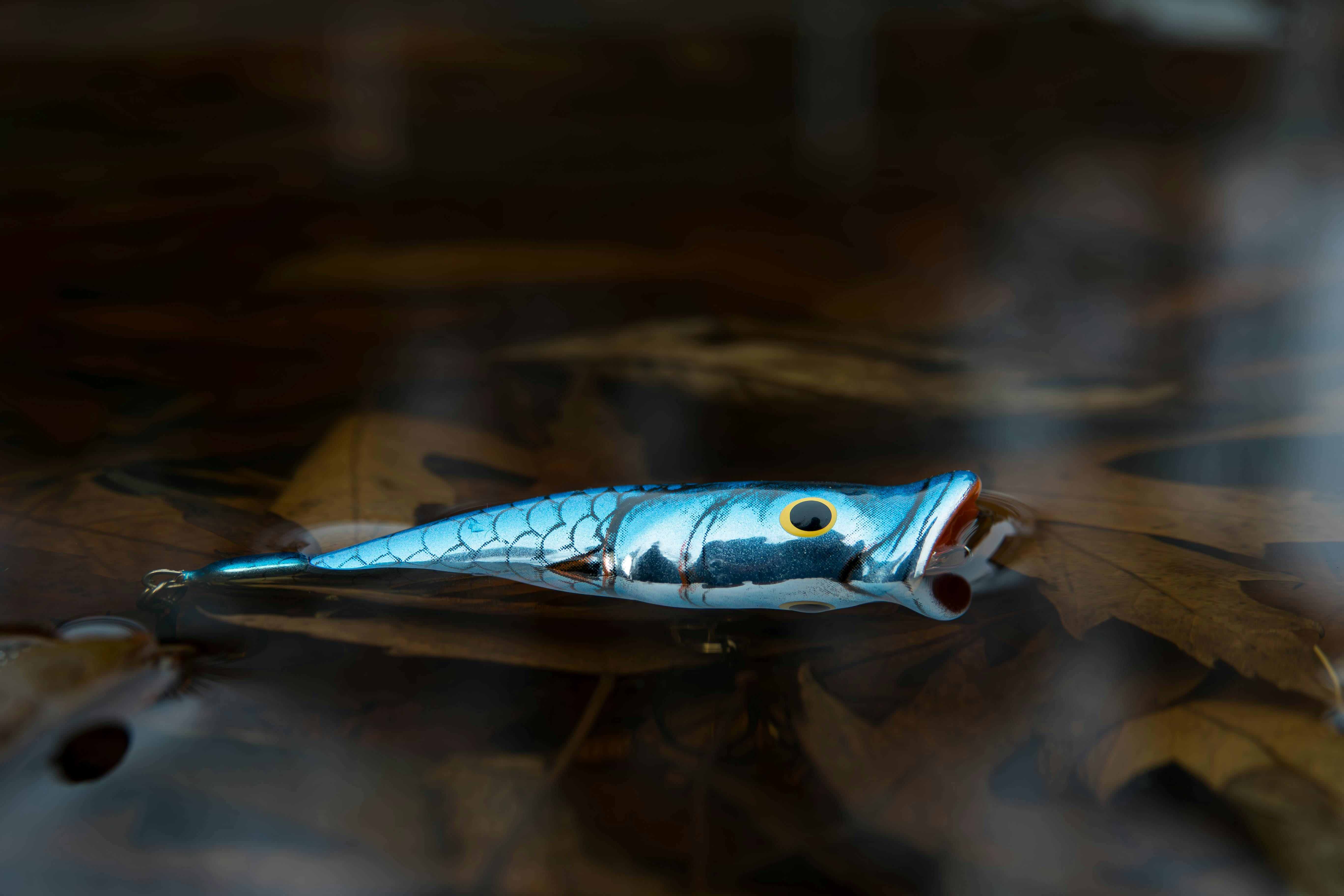
Few lures create memories like a topwater popper, and that surface appeal is not just for show. Early mornings, calm evenings, and shaded banks still set the stage for explosive strikes that make this old favorite feel as relevant as ever.
A popper earns respect because it can be worked with precision. Short pops, long pauses, and gentle spits let an angler tease fish that are feeding upward or guarding territory. It is especially effective when bass are keying on insects, fry, or small baitfish near the surface.
Veteran anglers know not to dismiss a lure just because it has been around forever. The popper keeps catching fish because commotion, pause, and vulnerability never go out of style underwater.
Suspending Jerkbait

The suspending jerkbait has long been a cold-water favorite, but experienced anglers know it can shine far beyond spring. Its real magic comes during the pause, when the lure hangs in place and looks like a stunned baitfish with nowhere to go.
That stop-and-go presentation gives fish time to commit. A few sharp twitches followed by a long pause can be irresistible to bass, trout, and even walleyes that are tracking prey but not fully aggressive. It is a classic example of triggering instinct rather than hunger.
While lure finishes and hardware have evolved, the concept has not aged a bit. A bait that suspends in a fish’s face still solves the same problem it always did.
Blade Bait
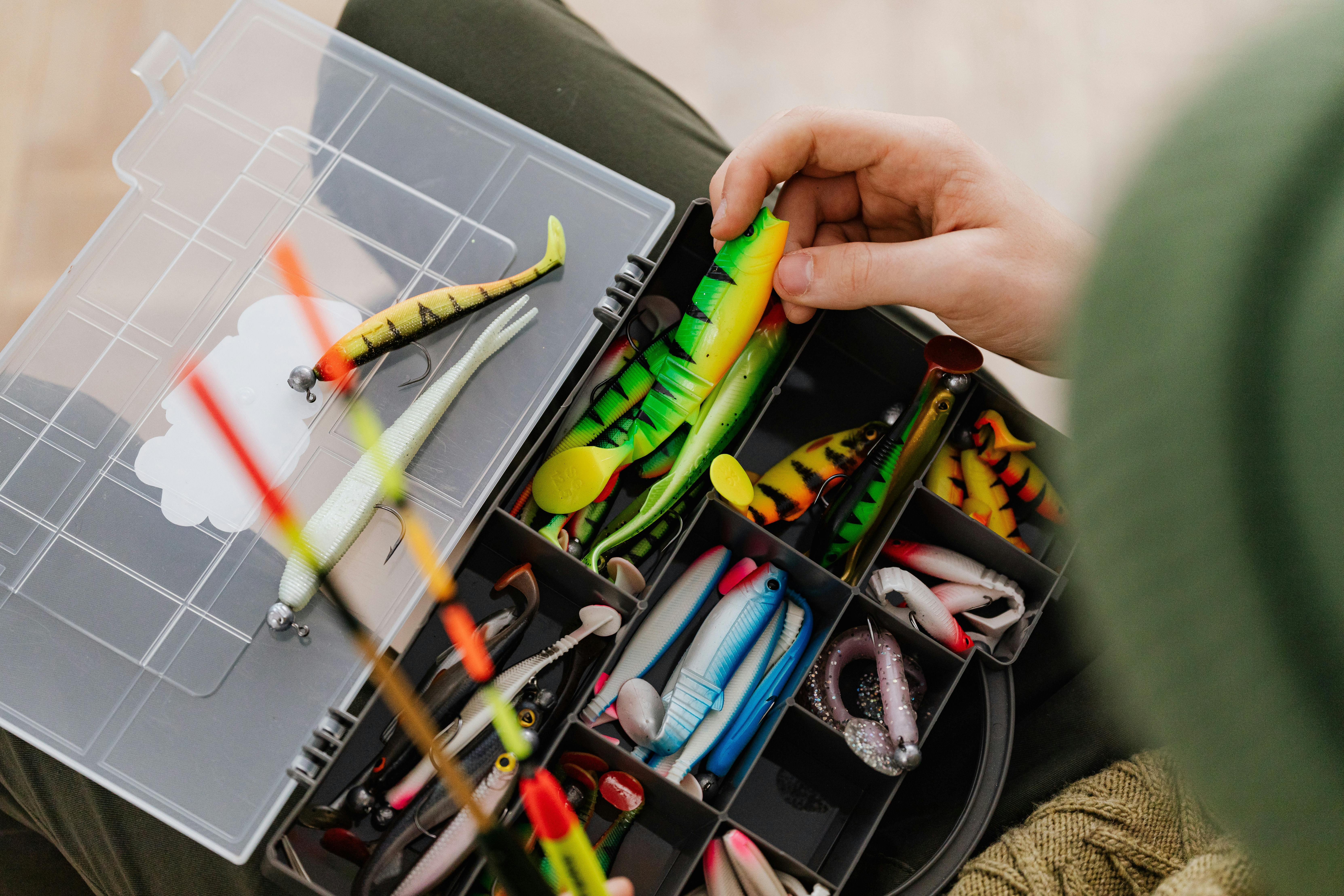
Blade baits may not get talked about as much as newer finesse rigs, but anglers who fish cold water rarely forget them. Their tight vibration and compact profile make them excellent for bass, walleyes, stripers, and other predators holding deep and feeding on small baitfish.
What keeps them relevant is efficiency. Drop one vertically, lift it, let it fall, and you cover the strike zone with a lure that sends out a crisp signal without taking up much space. In chilly water, that combination can be exactly what reluctant fish want.
Experienced anglers often keep a blade bait tied on for tough days because it bridges the gap between finesse and aggression. It is subtle in size, but assertive in action.
Bucktail
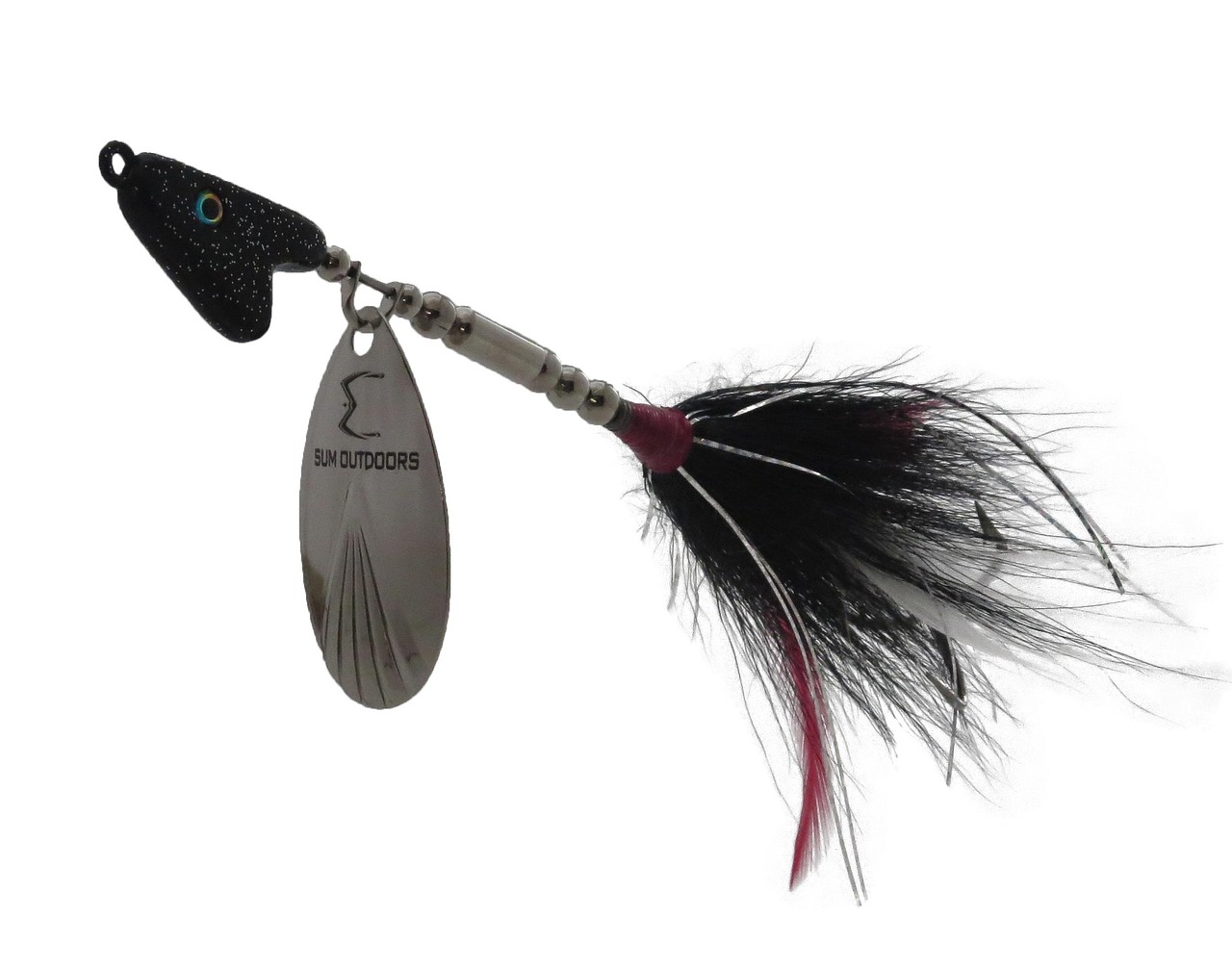
The bucktail remains a legend for good reason. Whether it is tied for muskies, stripers, saltwater species, or river smallmouth, this old-school lure continues to produce because hair breathes in the water with a lifelike motion that synthetic trends still struggle to replace.
There is a confidence factor here that experienced anglers understand well. A bucktail can be retrieved steadily, pulsed, or fished around current seams and structure, all while maintaining an organic profile that suggests an easy target. It looks alive even when you barely move it.
That enduring effectiveness is why bucktails never really disappear. They may not always be the newest thing in the tackle shop, but on the water they still earn a permanent place.