Camping mistakes often occur when eager adventurers underestimate the power of nature or overestimate their own preparedness skills. A relaxing weekend getaway can quickly devolve into a serious survival situation if basic safety protocols are ignored. Many travelers venture into the wilderness without realizing how rapidly weather conditions or wildlife encounters can change. Understanding the most common errors helps campers plan effectively and avoid unnecessary risks during their time outdoors. This guide highlights ten critical oversights that transform a pleasant vacation into a dangerous ordeal. Proper planning ensures that memories remain positive and that everyone returns home safely.
Ignoring Weather Forecasts
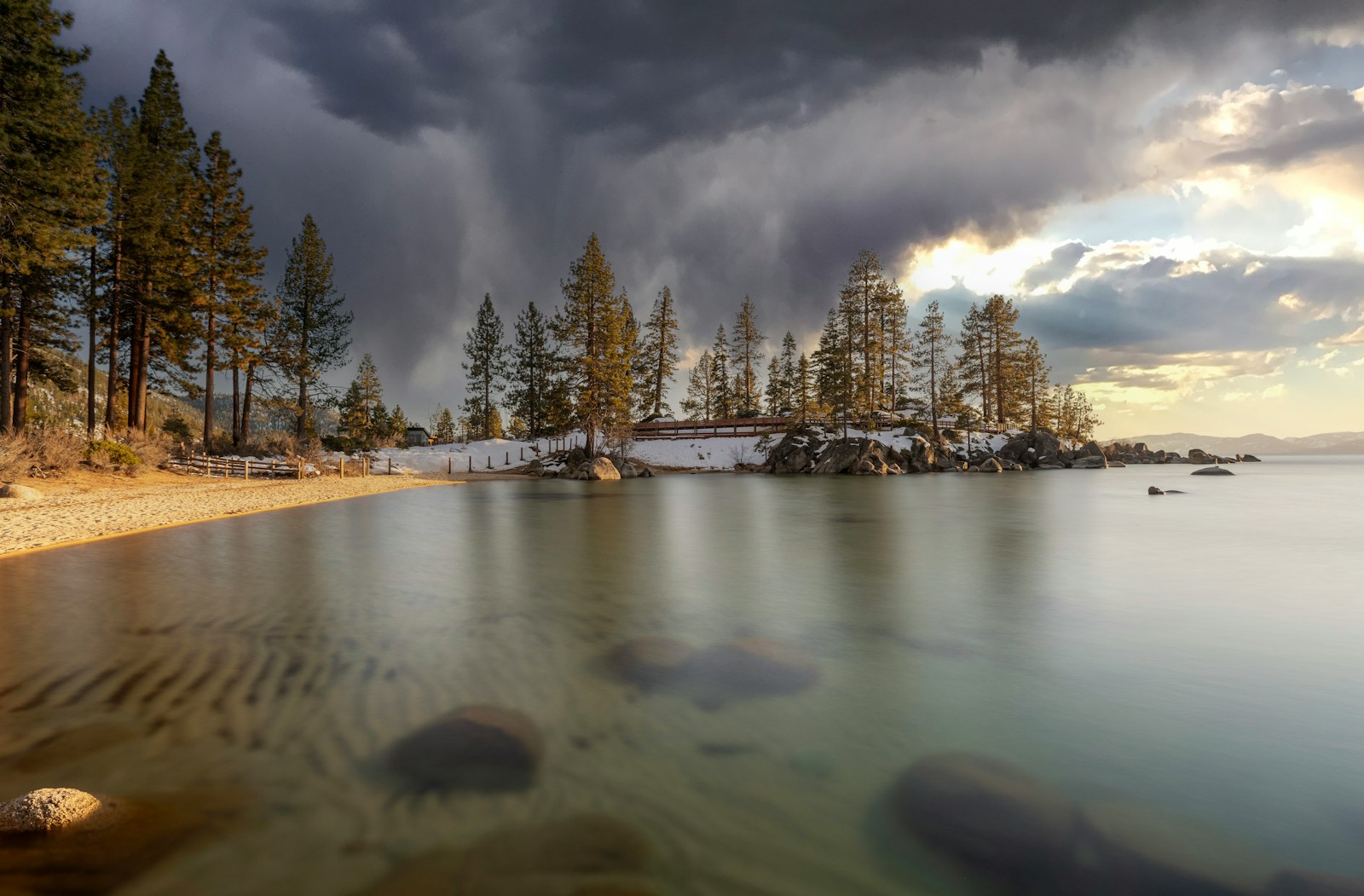
Checking the weather report is the first line of defense against hypothermia and dangerous flash floods. Many campers assume that a sunny morning guarantees a clear weekend and fail to pack appropriate rain gear. Sudden storms in mountainous regions can drop temperatures drastically within minutes and leave hikers exposed to the elements. Being wet and cold is the primary cause of exposure incidents in the backcountry. Smart travelers always monitor local patterns and bring extra layers regardless of the initial outlook. Ignoring this variable turns a simple rain shower into a life-threatening medical emergency.
Improper Food Storage
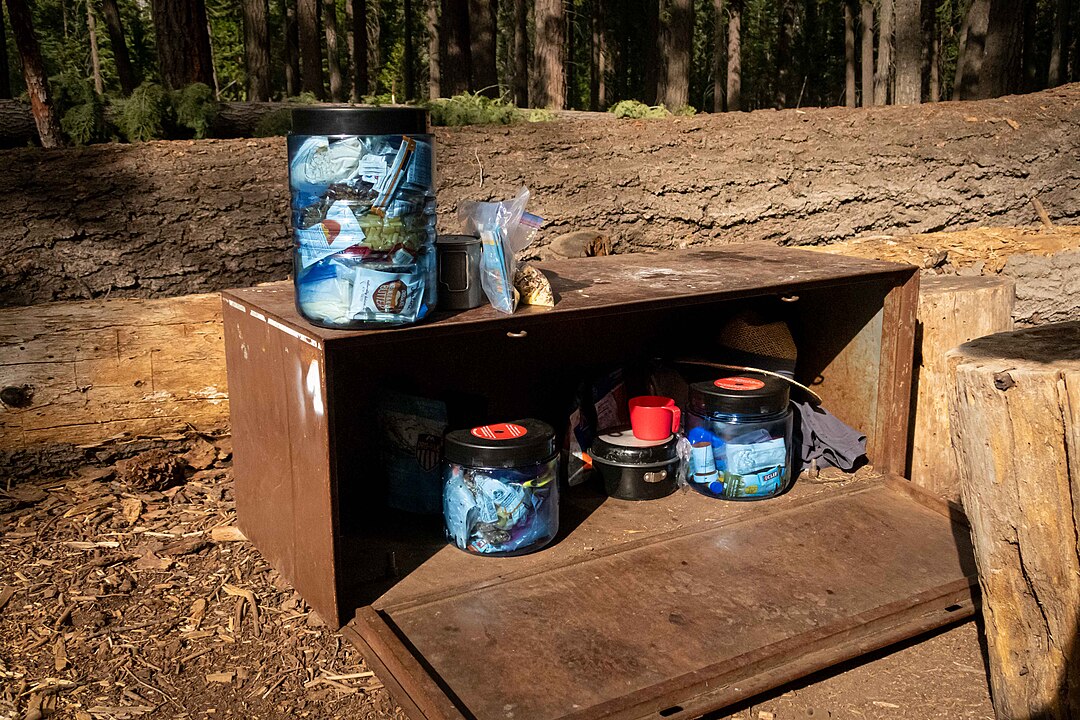
Leaving food unsecured is a guaranteed way to attract bears or other scavengers directly into the campsite. Wildlife that associates human scents with easy meals becomes aggressive and poses a significant threat to safety. Storing provisions in bear-resistant canisters or hanging bags high in trees prevents these dangerous nighttime encounters. Keeping a clean camp free of crumbs and trash is essential for discouraging unwanted visitors. A single mistake with a granola bar wrapper can lead to a destroyed tent or a physical confrontation. Respecting local wildlife protocols protects both the animals and the humans.
Underestimating Water Needs
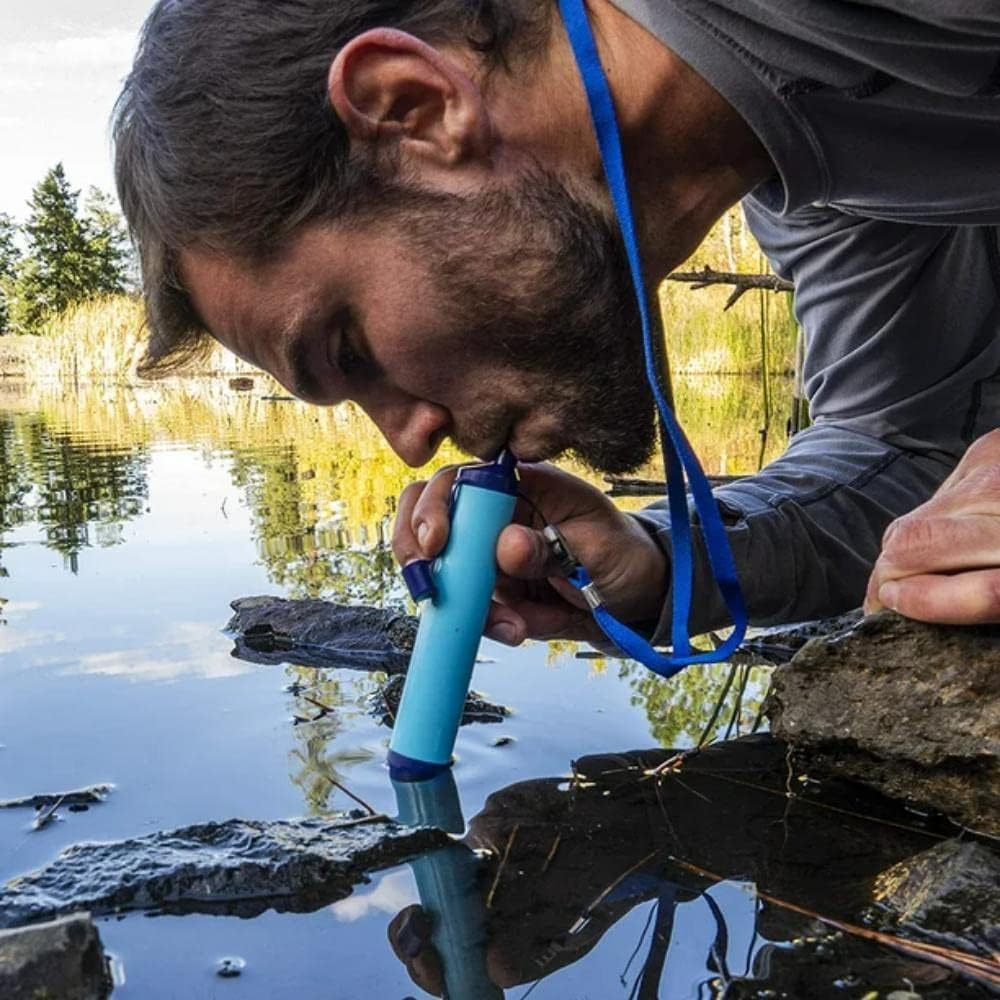
Dehydration strikes faster than starvation and significantly impairs cognitive function and physical stamina on the trail. Hikers frequently miscalculate how much water they need for strenuous activities in hot or dry environments. Relying solely on finding natural sources without a filtration system is a gamble that often leads to illness. Carrying adequate supplies and knowing where to replenish them is a fundamental survival skill. Thirst can cloud judgment and lead to poor decision-making when navigation becomes difficult. Bringing more water than necessary is always safer than running out halfway through a long and remote hike.
Poor Campsite Selection
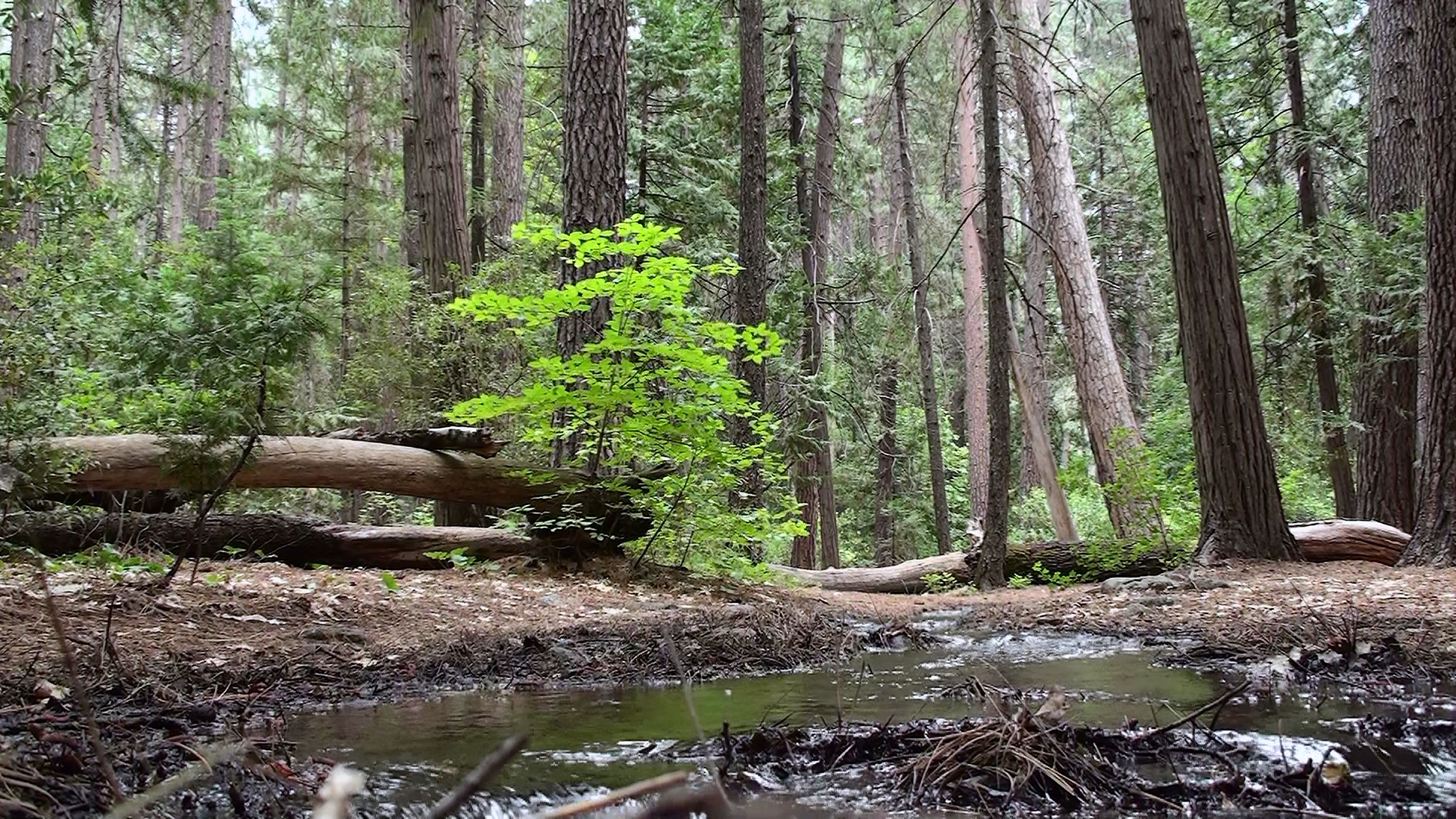
Setting up a tent in a low-lying area or near a dead tree invites disaster during the night. Valleys and depressions can fill with water rapidly during a rainstorm and cause dangerous flooding inside the shelter. Dead branches known as widowmakers can fall without warning and crush occupants while they sleep. Experienced campers look for flat and elevated ground that offers natural drainage and protection from the wind. Checking the immediate surroundings for hazards is just as important as the view. A poor location choice can result in wet gear or serious physical injury.
Wearing Cotton Clothing
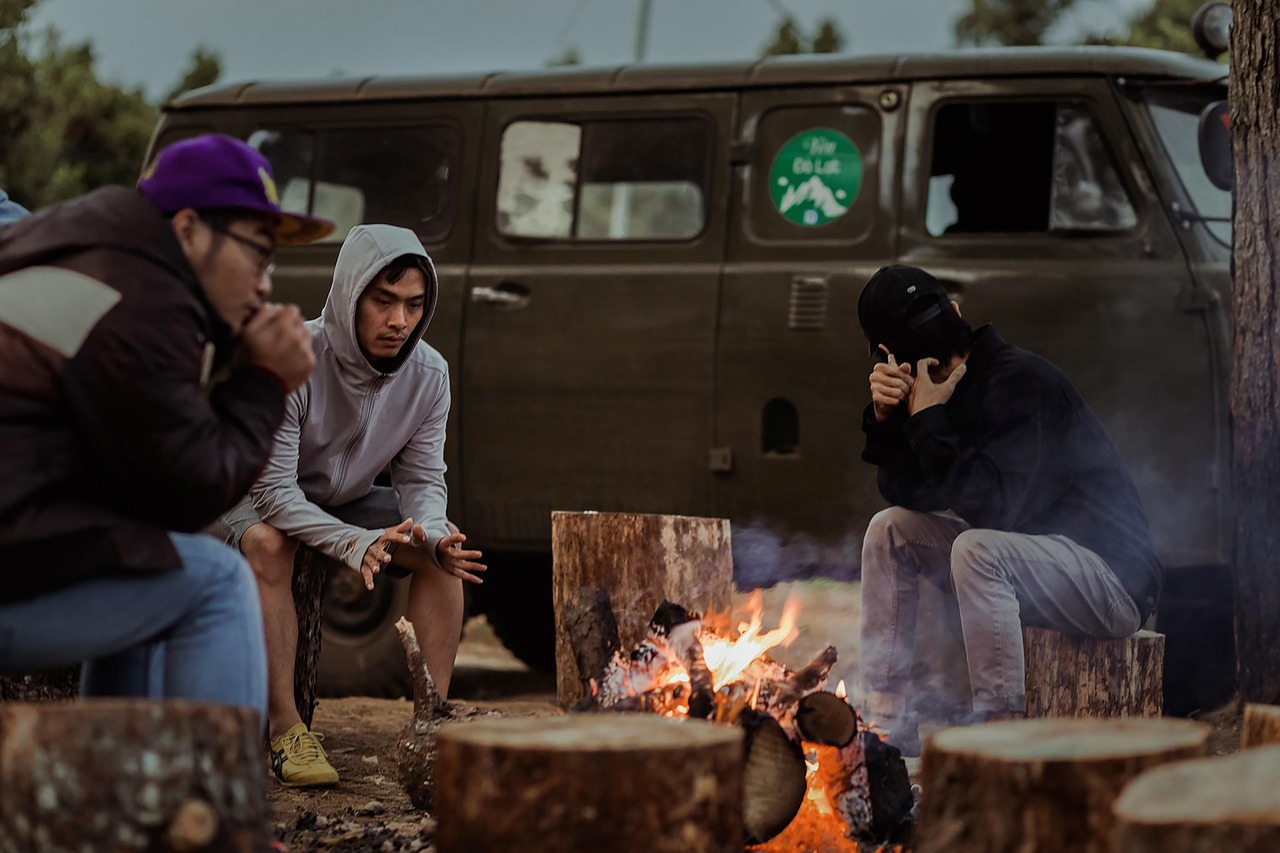
Outdoor experts frequently warn that cotton kills because it loses all insulation value when it becomes wet. This fabric absorbs moisture like a sponge and holds it against the skin, which rapidly lowers body temperature. Synthetic materials or wool wick sweat away and keep the body warm even in damp conditions. Wearing jeans or cotton t-shirts in cold weather creates a recipe for hypothermia if rain or sweat occurs. Investing in proper technical apparel is a crucial step for safety in the wilderness. The right clothing choices can mean the difference between comfort and freezing.
Starting Fires Incorrectly
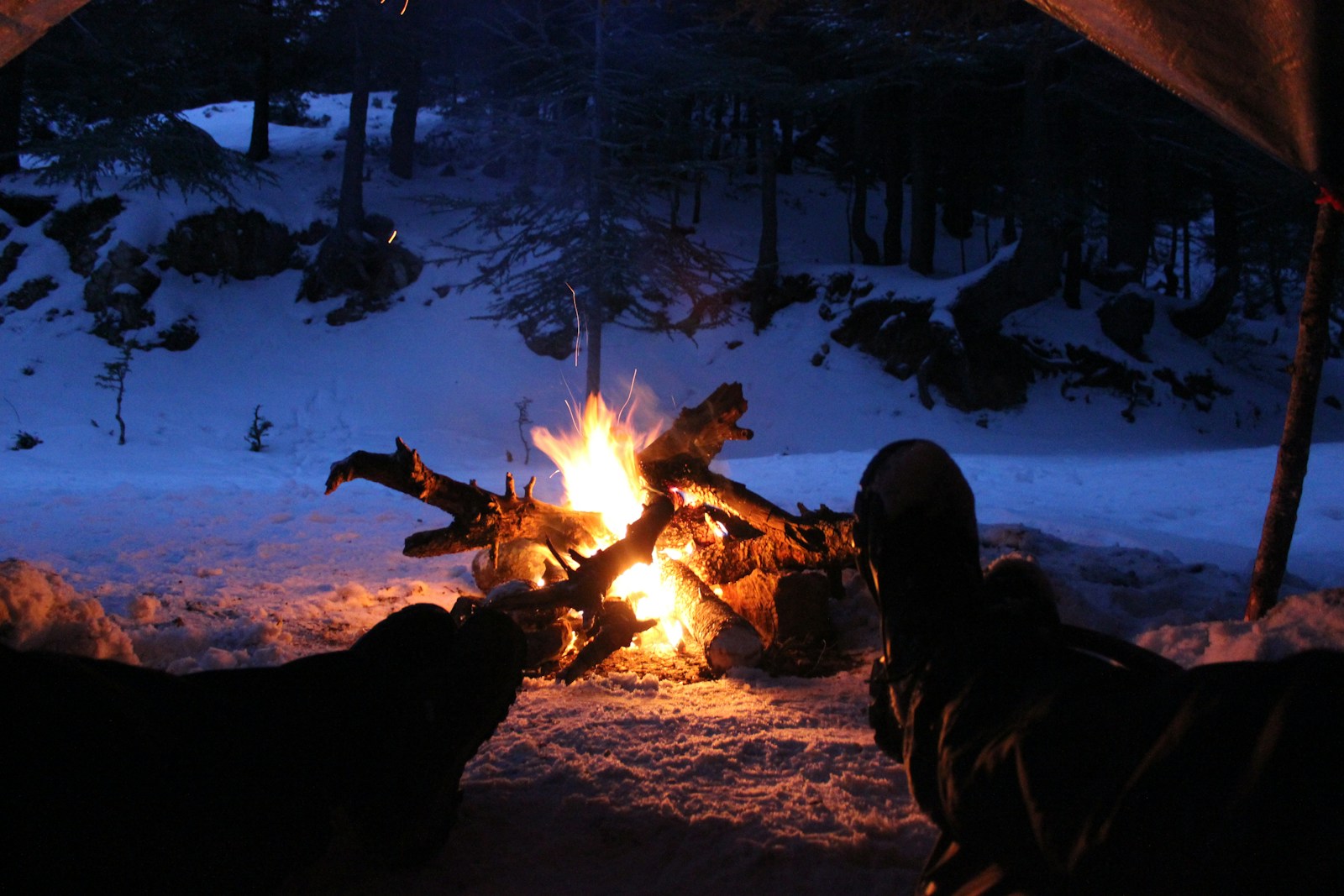
Building a fire requires care and attention to prevent it from spreading out of control into the forest. Amateurs often build mounds that are too large or place them too close to flammable vegetation. A sudden gust of wind can carry sparks onto dry leaves and ignite a massive wildfire within seconds. Leaving a fire unattended or failing to extinguish it completely is negligent and dangerous behavior. Campers must always have water and a shovel ready to manage the flames responsibly. Fire safety is non-negotiable when staying in dry or windy outdoor environments.
Arriving After Dark
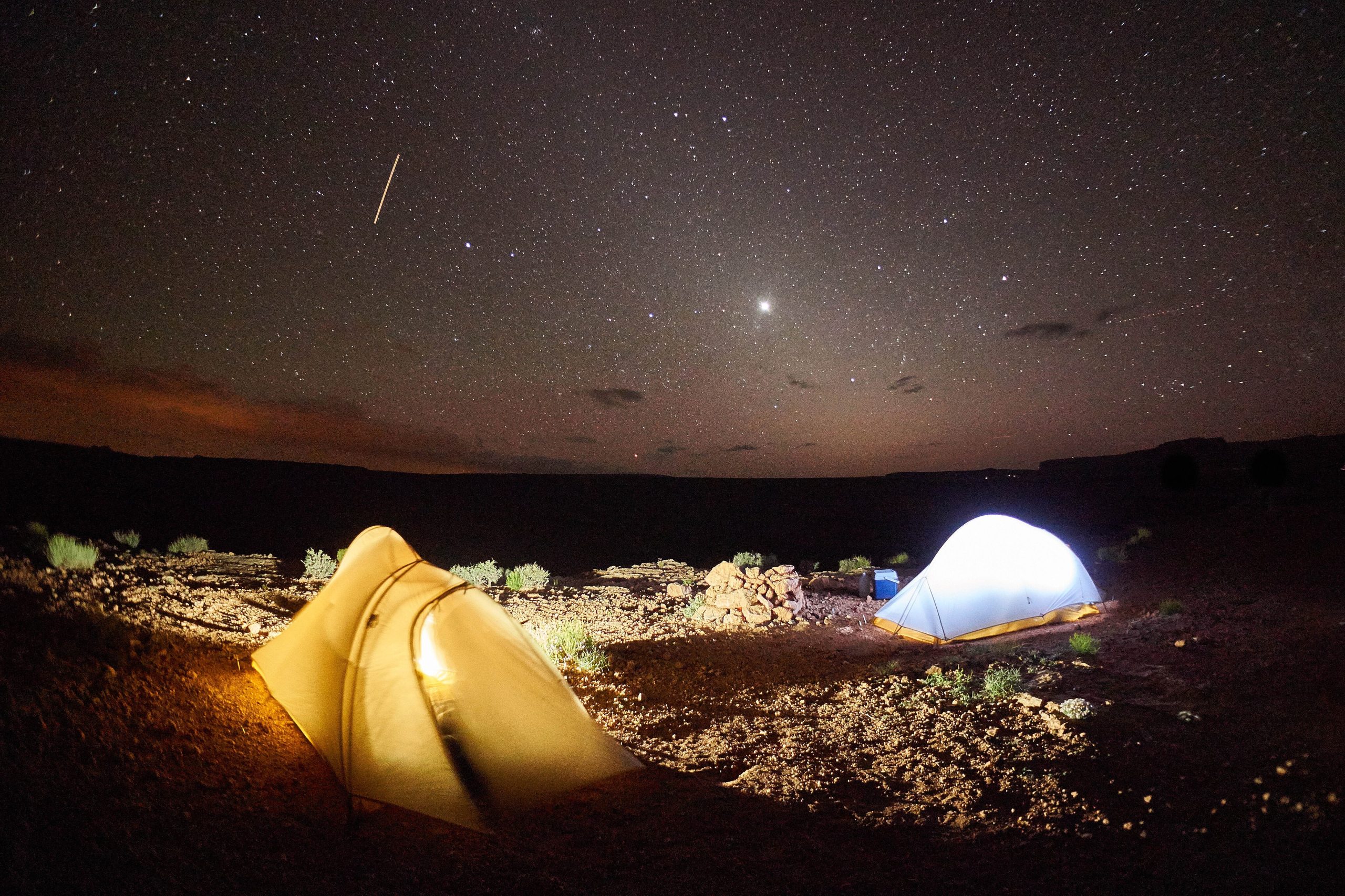
Attempting to navigate a new trail or set up camp without sunlight increases the risk of injury significantly. Darkness hides tripping hazards like roots and rocks that are easily visible during the day. Fatigue from travel often leads to shortcuts that result in getting lost or choosing a poor site. Establishing a camp requires time to inspect the area for ant mounds or other hidden dangers. Plan the itinerary to arrive well before sunset to allow for a safe setup. Rushing in the dark invites accidents that could easily be avoided with better time management.
Lacking Navigation Skills
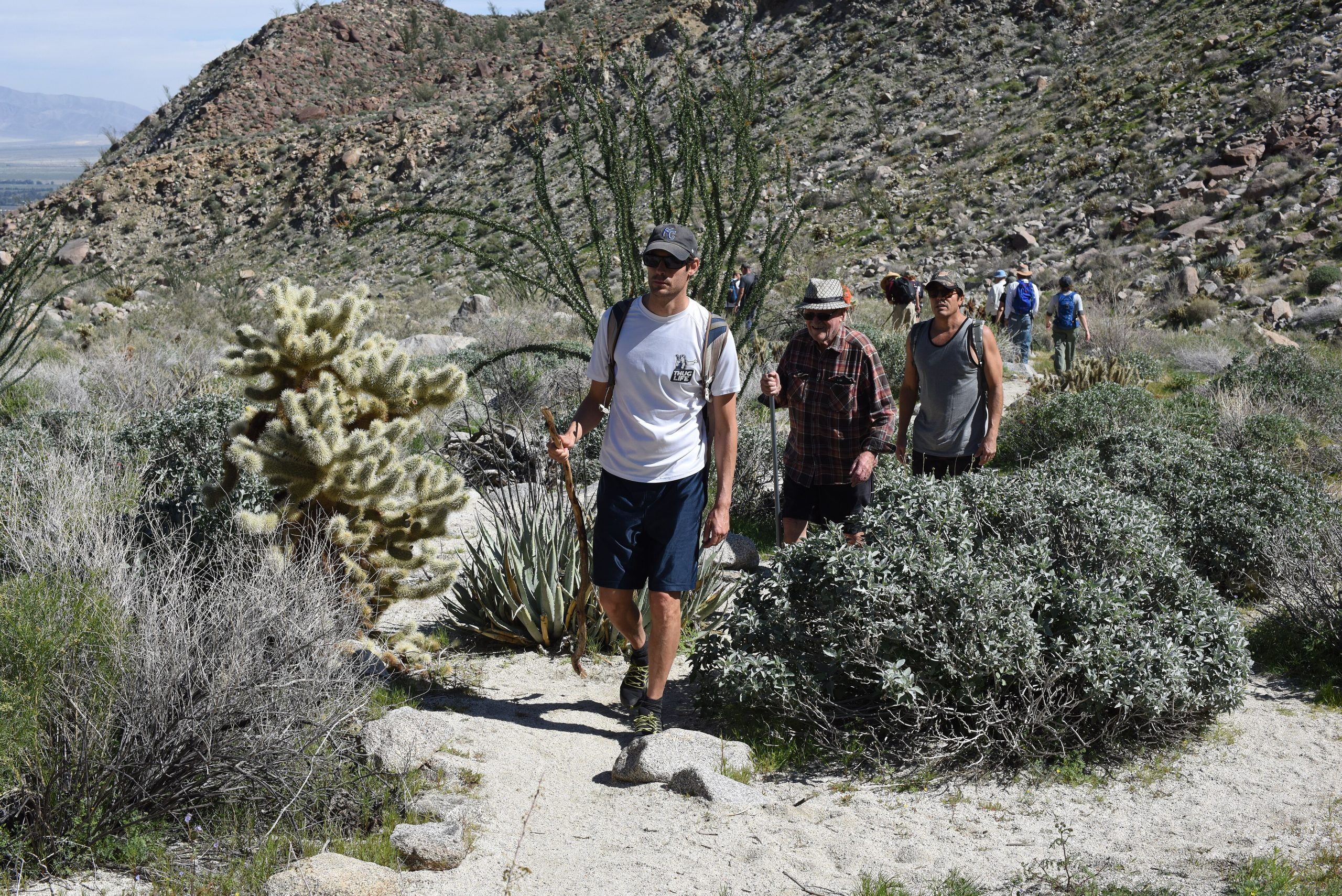
Relying exclusively on a smartphone for navigation is a critical error when cell service fails unexpectedly. Batteries die, and signals vanish in deep valleys or dense forests where getting lost is easy. Carrying a physical map and compass and knowing how to use them is essential for self-reliance. Hikers who stray from the marked trail without backup tools can become disoriented and panic quickly. Getting lost is one of the most common reasons for search and rescue missions. Basic orienteering skills provide the confidence needed to explore remote areas without fear of disappearing.
Packing Heavy Gear
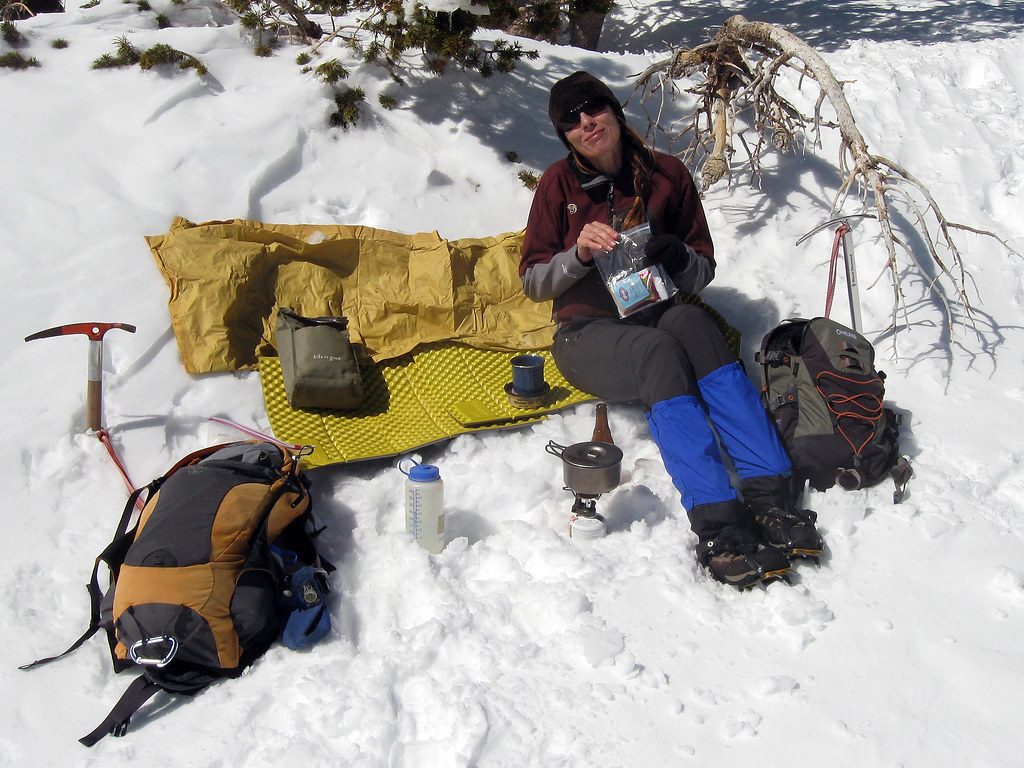
Overloading a backpack with unnecessary equipment leads to exhaustion and potential injury on the trail. Carrying excessive weight strains the back and knees, which slows down the pace and depletes energy reserves. Novice campers often pack items they think they might need rather than what is strictly necessary. Fatigue increases the likelihood of stumbling or making careless mistakes during critical moments. Streamlining the kit to include only essential items makes the journey more enjoyable and safer. Moving efficiently through the wilderness requires a balance between preparedness and mobility to avoid physical burnout.
Forgetting First Aid
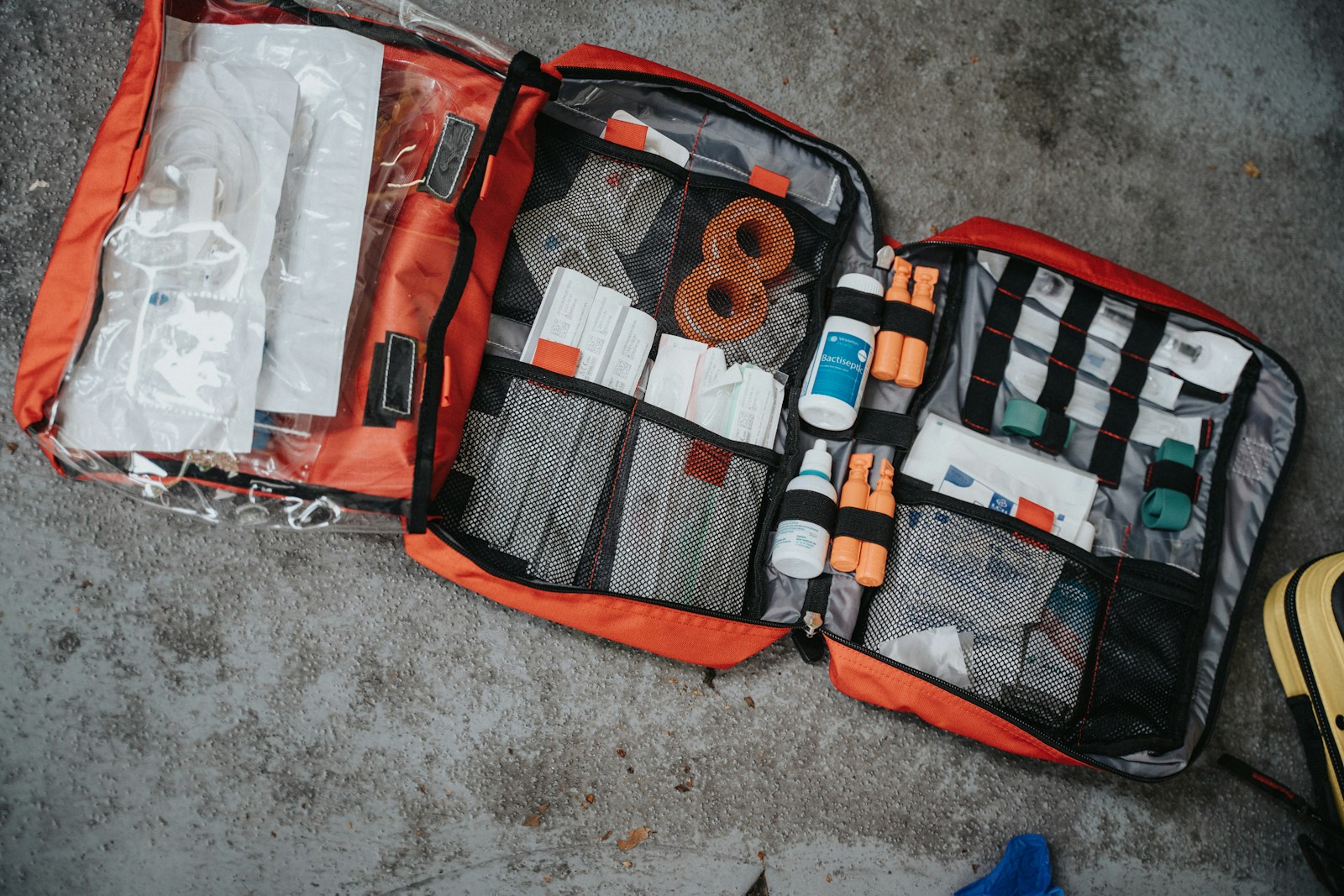
Venturing into the woods without a basic medical kit is a gamble that no responsible camper should take. Minor cuts and blisters can become infected or debilitating if not treated promptly in the field. A simple slip can result in a sprained ankle that makes walking back to the car impossible. The kit should include bandages, antiseptics, and medications for common ailments like allergies or pain. Knowing how to use these supplies is just as important as carrying them. Being prepared for medical issues prevents minor accidents from becoming major emergencies.