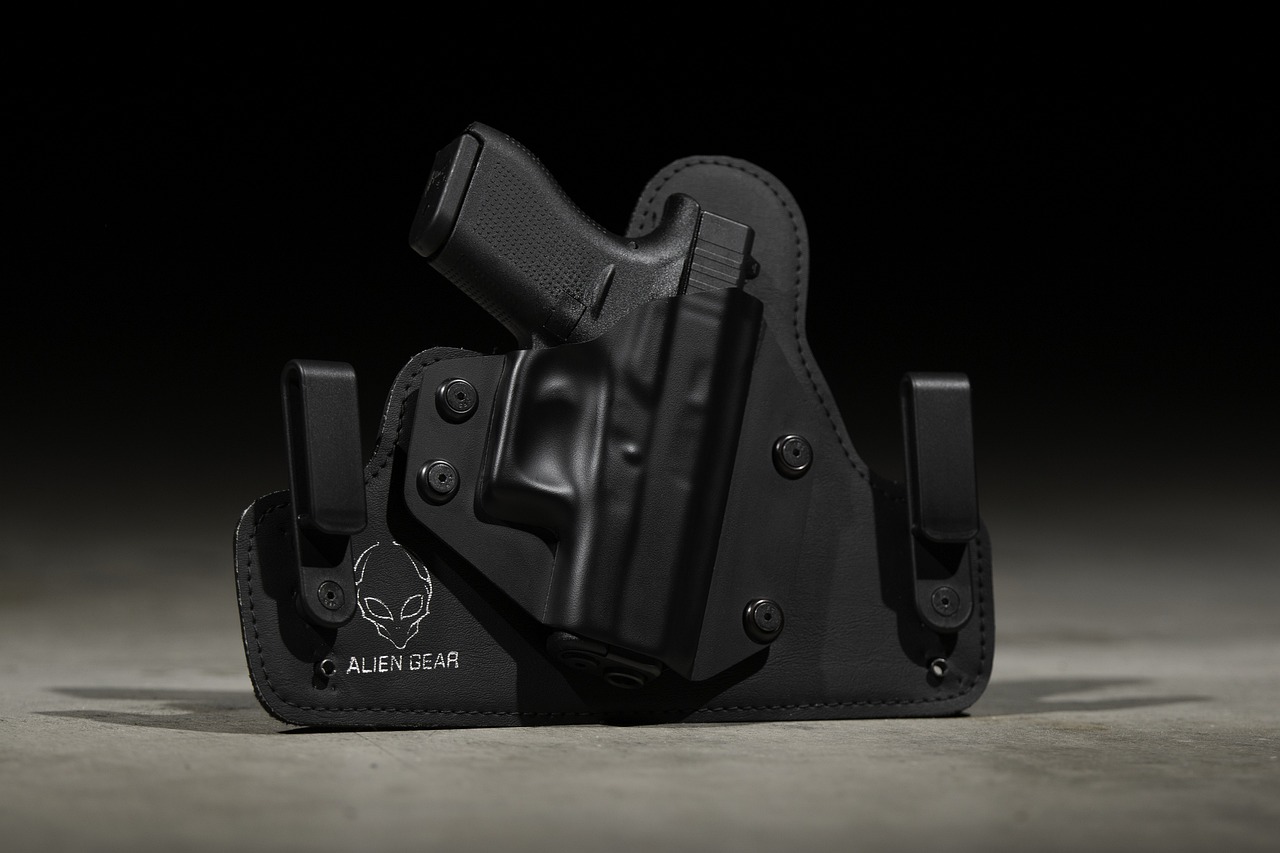
Gun laws in the United States can change dramatically from one state to another. Some rules are straightforward, while others become surprisingly specific when they deal with vehicles, hunting, purchases, ammunition, or even drones. The laws below are unusual because of the details they regulate, not because they are merely old or obscure. They are based on current state statutes and official legislative sources available in 2026. Always check the latest state code before treating any law as legal advice.
1. New Jersey Limits Handgun Purchases
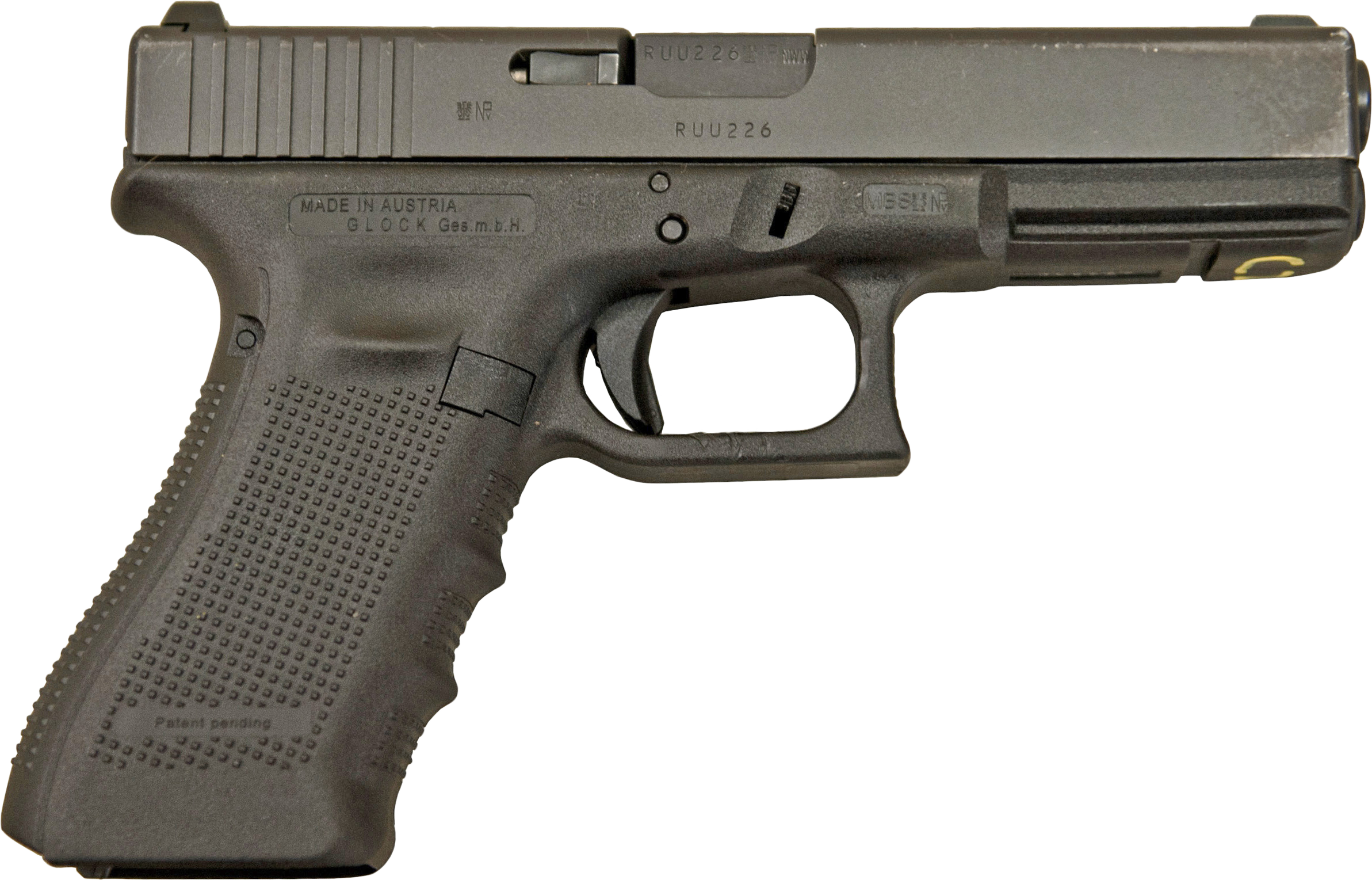
New Jersey has an unusually specific limit on handgun buying. A person generally may purchase or receive only one handgun within any 30-day period, with exceptions for law enforcement, certain collectors, dealer transfers, and approved special cases. That means buying two ordinary handguns in the same month can run into a state restriction even when the buyer is otherwise eligible. The rule is tied to the state’s permit system, so the limit is not simply a store policy. Number to remember: 1 handgun per 30 days, or 12 purchase windows in a year.
2. Hawaii Wants New Arrivals To Register Guns
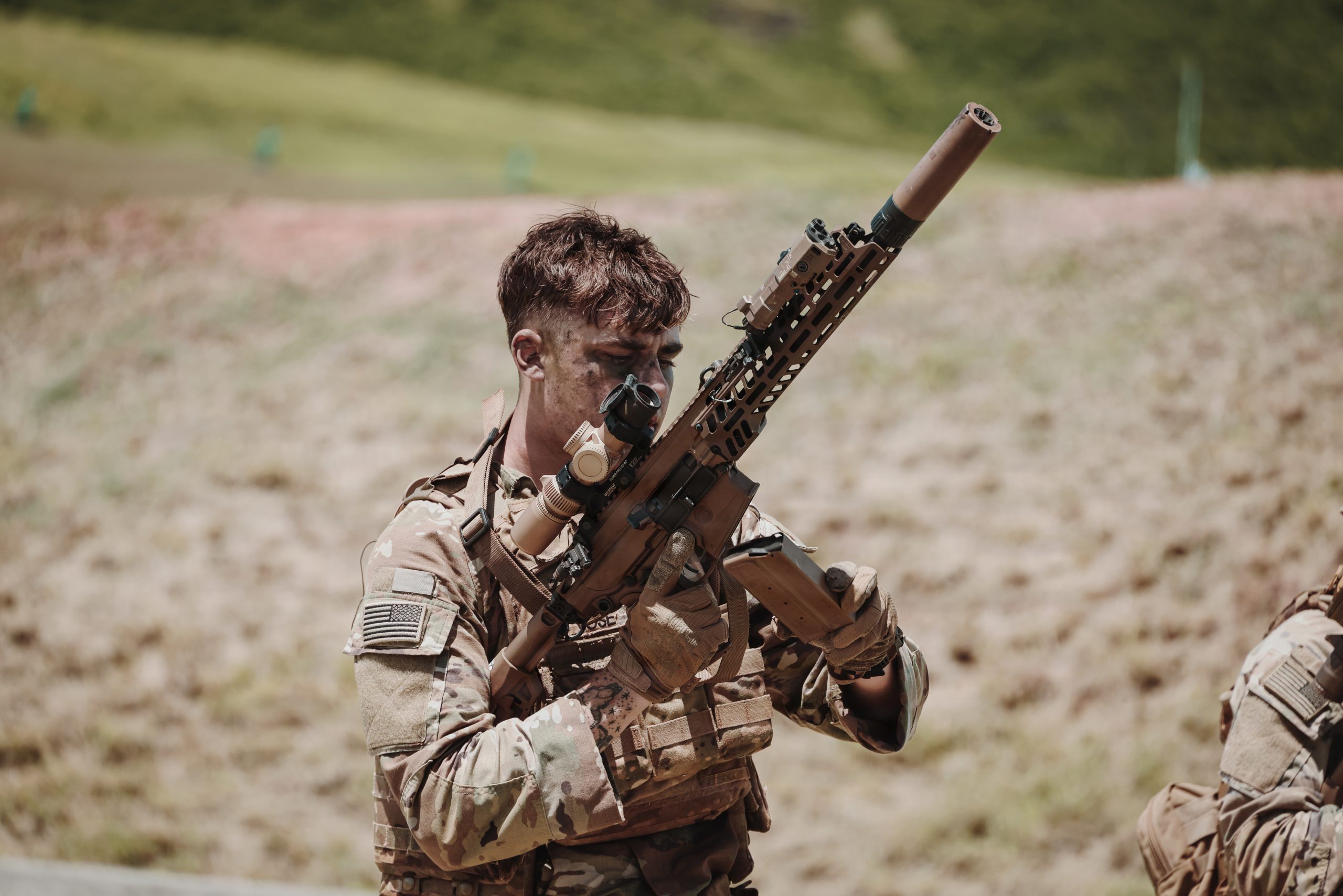
Hawaii treats bringing a firearm into the state as a registration event. A resident or other person arriving with a firearm generally must register it and submit it for physical inspection within 5 days after the person or firearm arrives, whichever is later. The rule reaches unusually far because the statute covers firearms whether usable or unusable, serviceable or unserviceable, modern or antique. That makes the travel rule stand out from ordinary transport laws. Key number: 5 days to register, with inspection required. This can affect both residents and visitors.
3. Vermont Bans Armed Drones
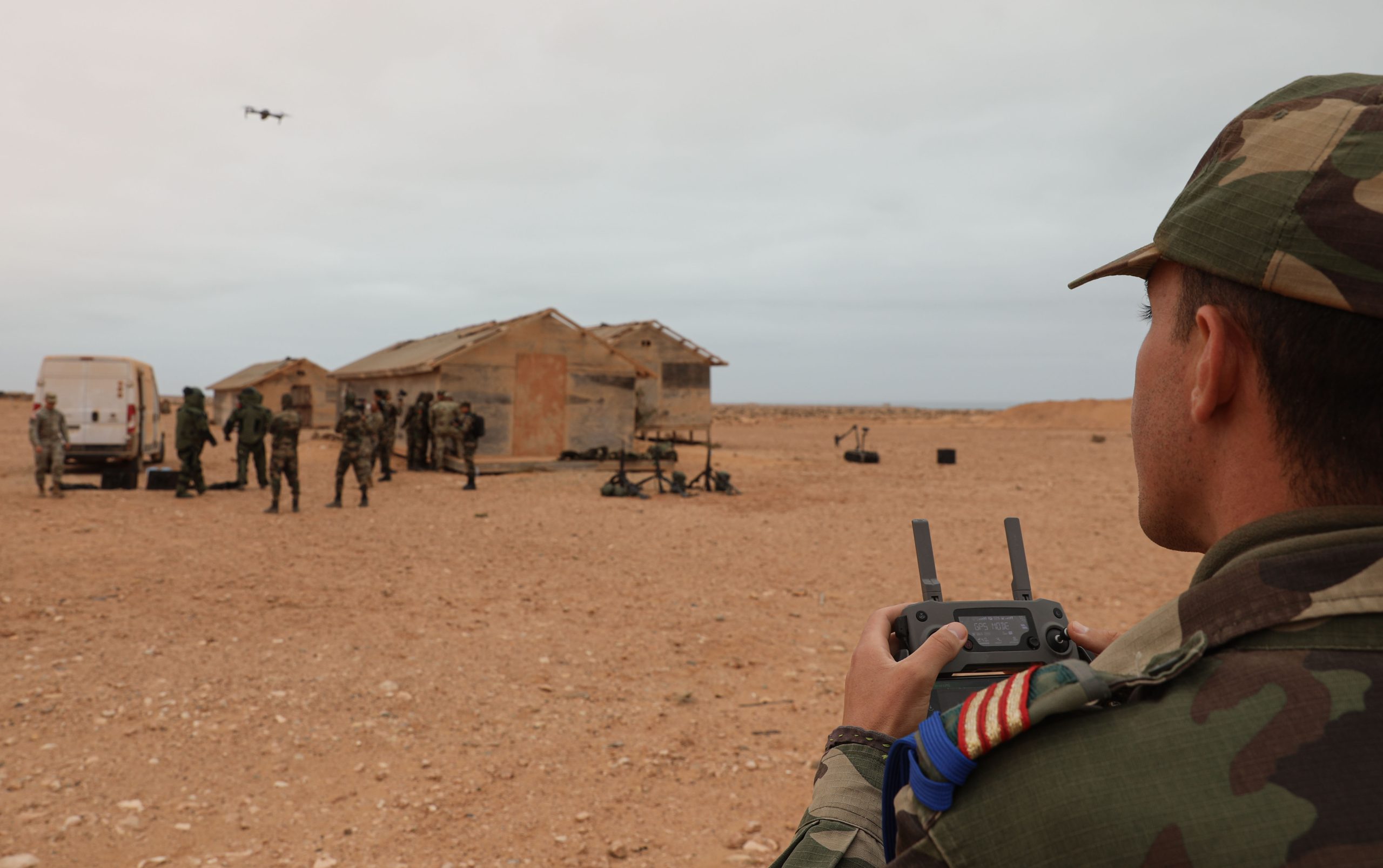
Vermont has a law that sounds like it came from a futuristic thriller: a person may not equip a drone with a dangerous or deadly weapon or fire a projectile from a drone. The prohibition is separate from ordinary rules about carrying or possessing firearms. A violation can bring up to 1 year in prison, a fine of up to $1,000, or both. The wording is broad enough to cover weaponized drones generally, not just conventional guns. Two actions are covered: arming the drone and firing a projectile from it, with 1 year as the maximum jail term. The law applies regardless of drone size.
4. Washington Gets Very Specific About Guns In Cars
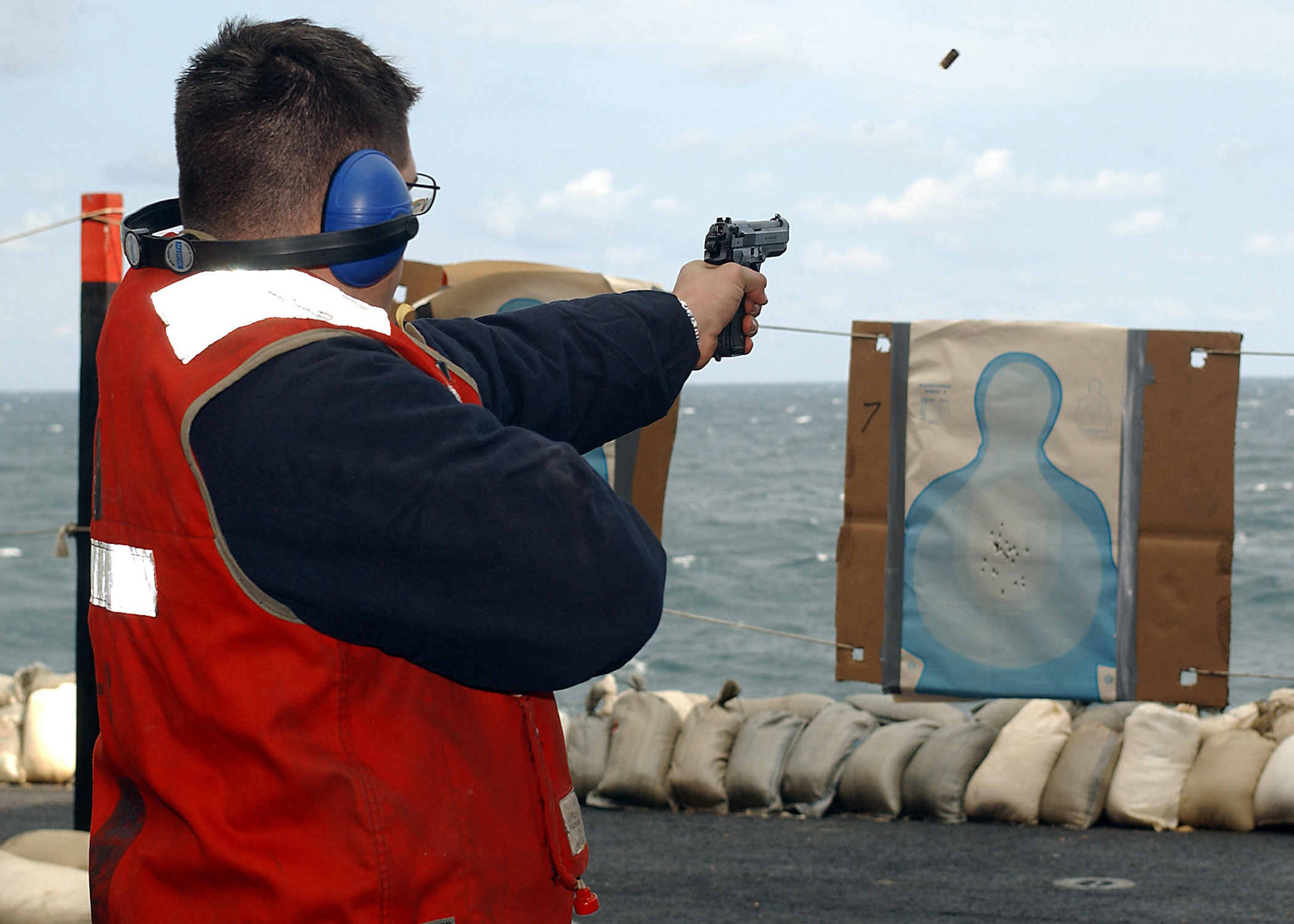
Washington law sets detailed conditions for leaving pistols in vehicles. A loaded pistol generally cannot be carried or placed in a vehicle unless the person has a concealed pistol license and meets specific conditions. Even an unloaded pistol left in a vehicle by someone at least 18 must be locked inside and hidden from outside view. A violation of the loaded-pistol rule is a misdemeanor, and the unloaded-storage rule is also a misdemeanor. Numbers to remember: 18 is the minimum age in the storage provision, and 1 locked, concealed vehicle is required.
5. Michigan Ties Deer Season Guns To Your Tag
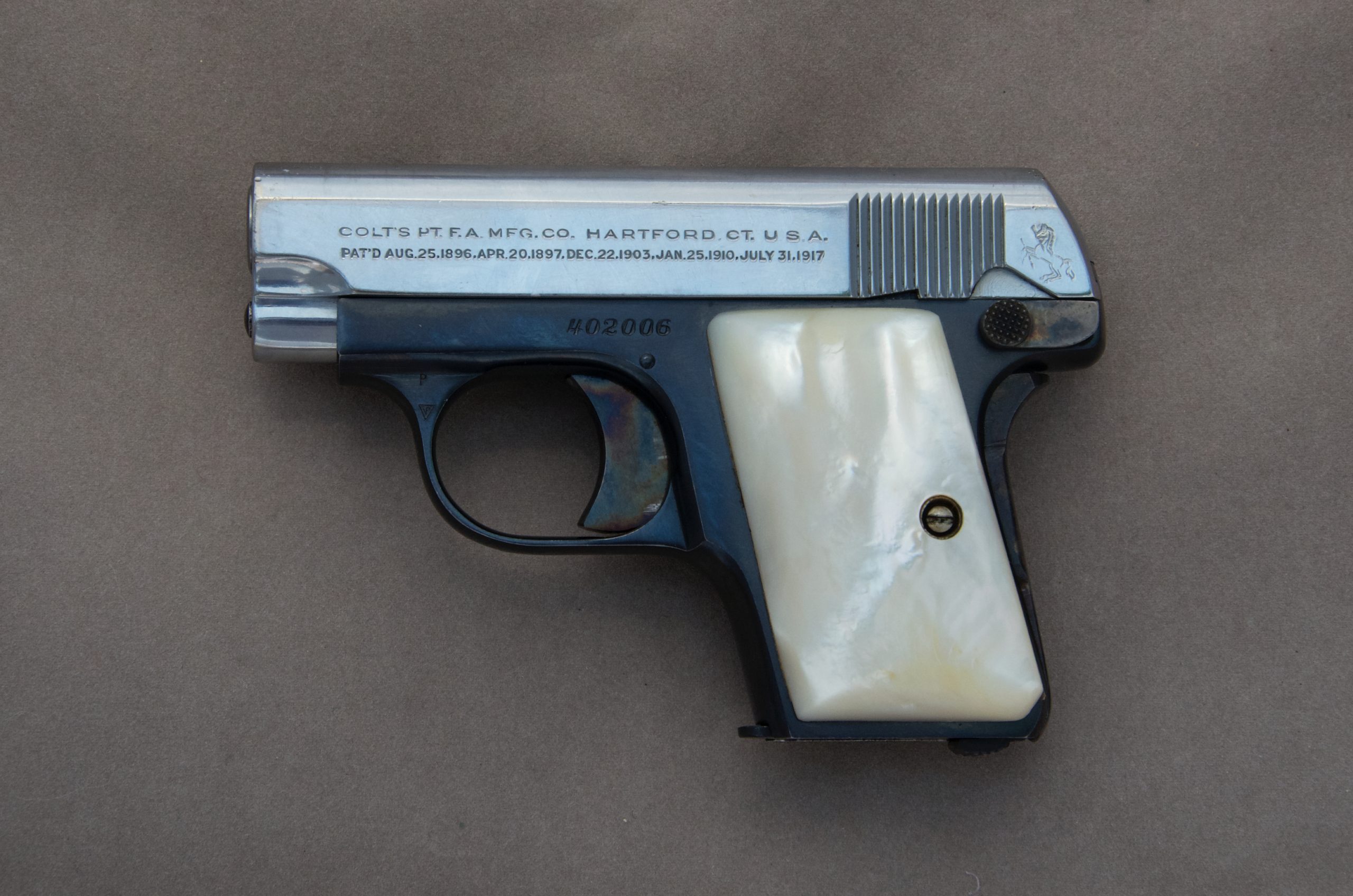
Michigan has an unusual hunting connection between a firearm and the hunter’s deer paperwork. During firearm deer season, a person generally may not carry or possess a shotgun afield with buckshot, slugs, or ball loads, a bow, a muzzleloader, or a centerfire handgun or rifle unless that person has a valid deer license with an unused kill tag when a tag is issued. The tag must be shown when properly requested. The practical point is simple: the weapon alone is not enough during that season. Two documents matter: the license and unused tag, plus the applicable season rules.
6. Pennsylvania Still Has A Sunday Permission Twist
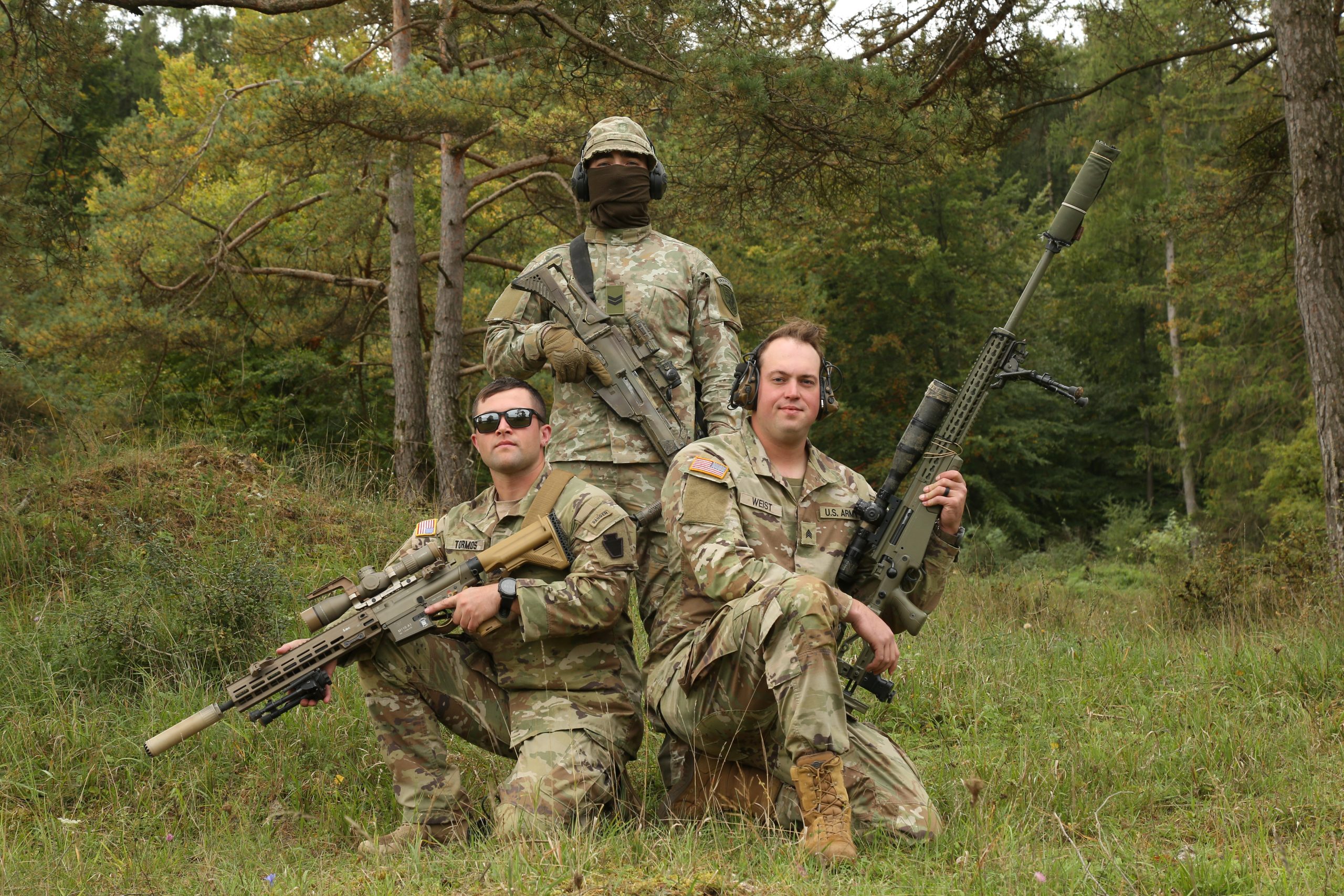
Pennsylvania’s hunting rules contain a detail many people do not expect from a modern firearms law: in circumstances covered by the game code, a person hunting on Sunday may need written permission to hunt on that day. The current statute makes failure to obtain written permission a separate offense, and it assigns a higher offense grade than some other violations in the same provision. The rule is about hunting authority, not a blanket ban on possessing a firearm every Sunday. Key detail: written permission is the unusual extra requirement, while the code treats it as a separate violation.
7. Maine Makes Gun Buyers Wait 72 Hours
Maine requires a 72-hour waiting period after an agreement to purchase a firearm before the seller may knowingly deliver it. The waiting period runs alongside any federal or state background-check delay, so it is not automatically an extra 72 hours after every other check finishes. The law has exceptions, including certain law-enforcement and security-related purchases and sales to licensed firearm dealers. A first violation can bring a civil fine from $200 to $500, while a later violation can bring $500 to $1,000. Key number: 72 hours, with a $200 minimum first fine.
8. California Has A Locked-Container Rule For School Ammunition

California places a surprisingly specific condition on bringing ammunition onto school grounds. One exception allows ammunition to be carried onto school property when it remains in a motor vehicle and is kept in a locked container or the locked trunk. The law is focused on ammunition, not simply the presence of a firearm, and violations can carry up to 6 months in county jail, a fine of up to $1,000, or both. The detail that makes the rule memorable is the storage requirement: the ammunition must stay secured while in the vehicle, with 6 months as the jail maximum.
9. Illinois Makes A Firearm Card Part Of The Transaction

Illinois stands out because firearm ownership and transfers are tied to the state’s Firearm Owner’s Identification system. A seller or transferor generally must verify that the recipient has a valid FOID card or an Illinois concealed-carry license, subject to statutory exemptions. The state also requires sellers to use the state approval process to confirm the card’s validity. That makes the buyer’s eligibility document an active part of the transaction rather than a background detail. Key number: 1 valid FOID card or qualifying carry license must be verified for transfers.
10. Vermont Lets Hunters Use Suppressors
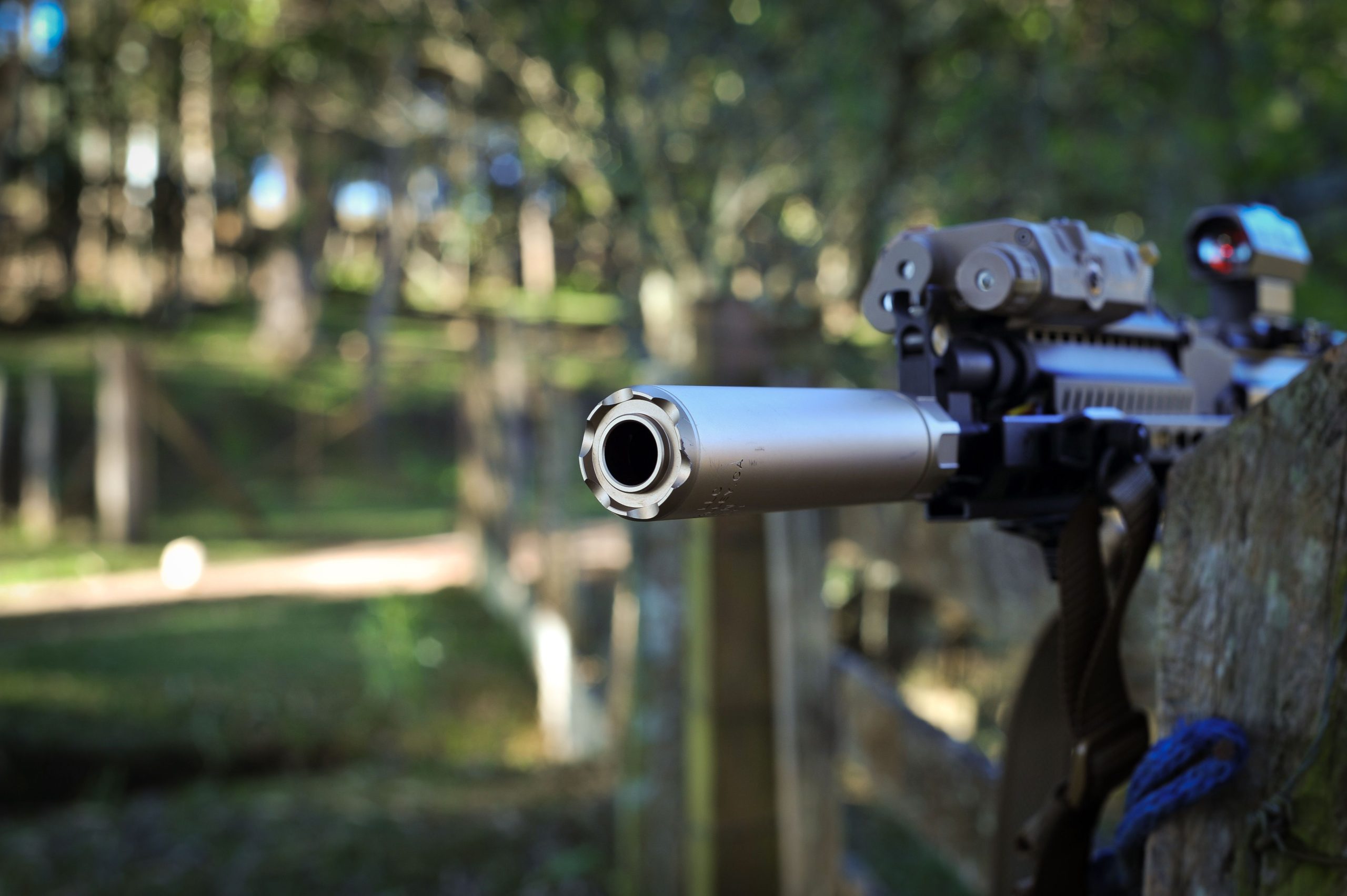
Vermont has an unusual contrast in its firearms code: the state expressly allows a person taking game with a gun to possess, carry, or use a gun suppressor while hunting. That permission sits inside the state’s game statute and is easy to miss because it appears alongside rules about legal hunting hours and lawful methods. It does not create a general exemption from federal law or other applicable restrictions. The number to remember is 1: the statute specifically identifies one suppressor as a lawful hunting accessory when used within the game rules.