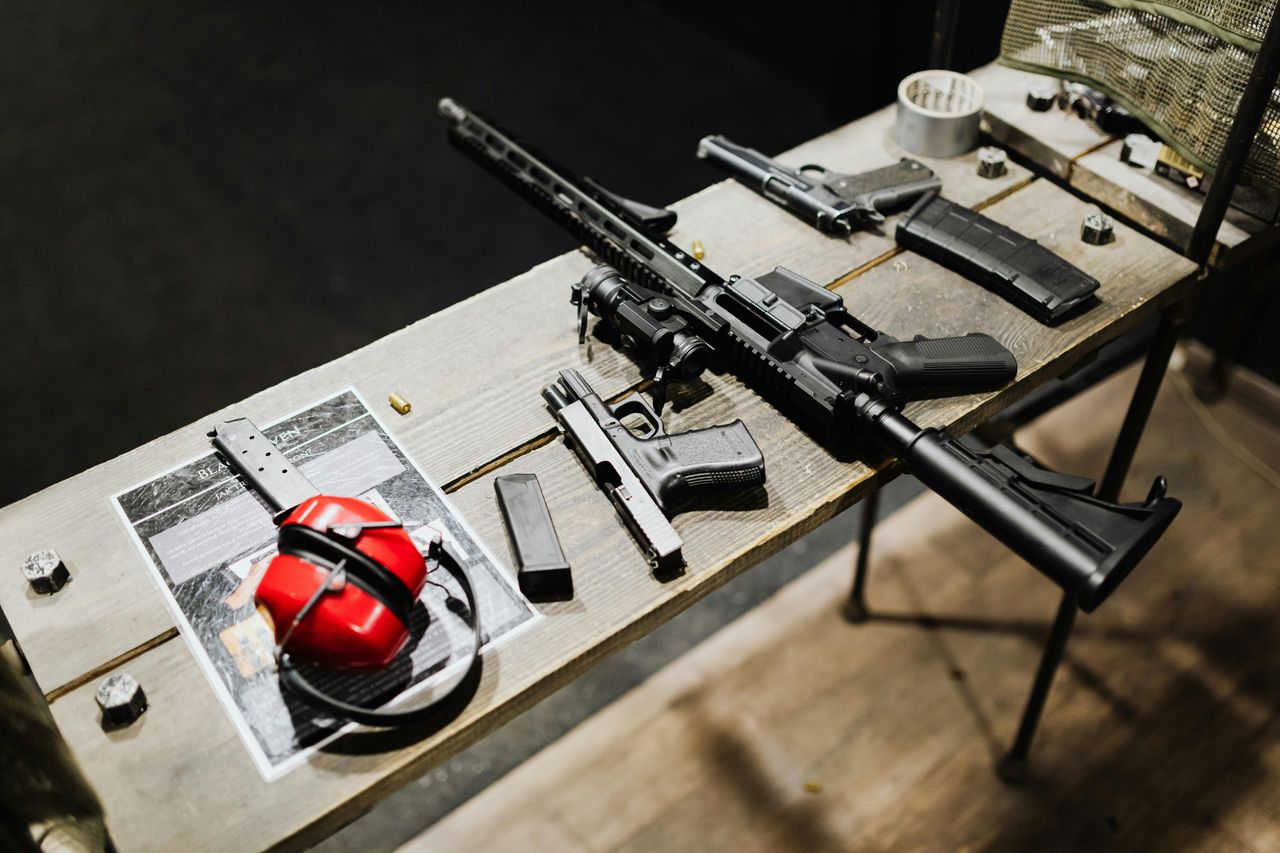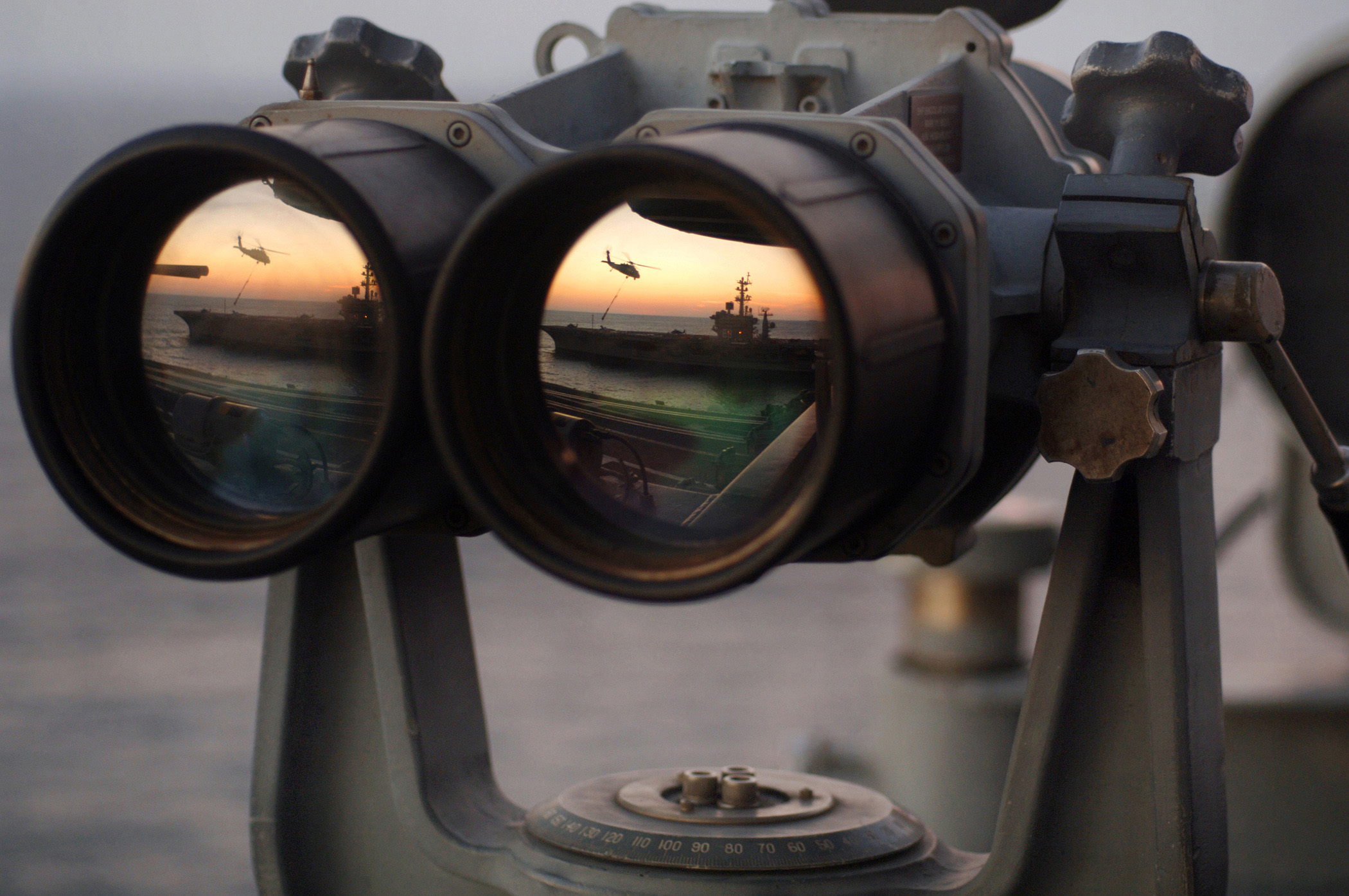
Military surplus collecting is not always about the firearm. In many cases, the most desirable pieces are smaller objects that reveal who used them, when they were issued, and how they fit into a particular conflict. Helmets, optics, uniforms, documents, insignia, and field equipment can carry substantial premiums when they are rare, complete, original, or connected to a documented individual or unit. Recorded sales also show how widely values can vary within the same category, making authenticity and provenance crucial parts of the hobby.
1. Combat Helmets
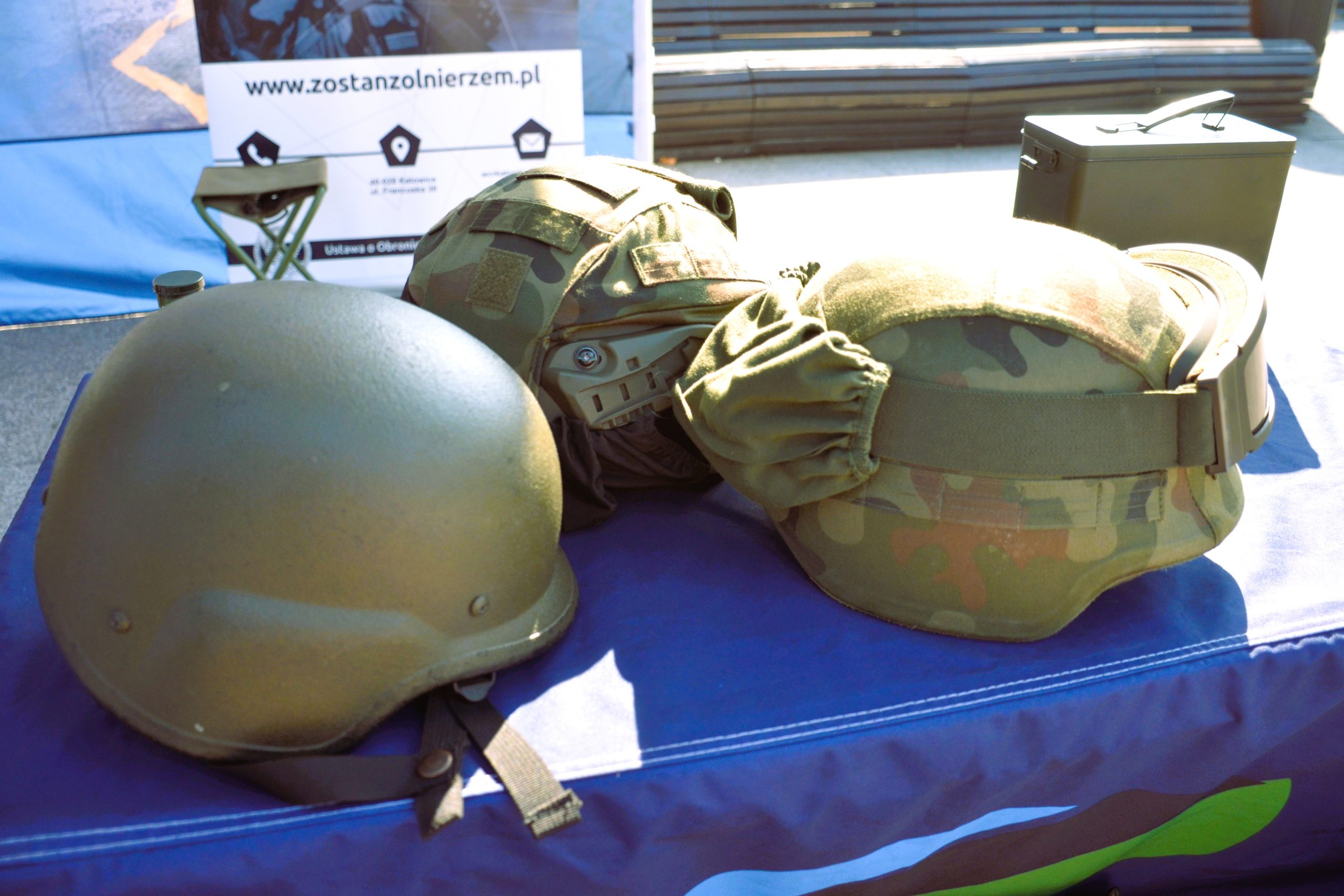
Combat helmets can outrank ordinary surplus rifles when collectors find an original shell with scarce markings, intact liner parts, or credible wartime provenance. A World War II helmet is especially interesting when its paint, manufacturer stamp, lot number, chinstrap, and liner still belong together. In recorded 2026 sales, WWII helmets had a median of about $350, while some examples reached $2,300. The real premium comes from originality and history, not simply age. A helmet linked to a named unit, landing, or documented veteran can move into a very different price bracket, while a heavily restored shell may lose much of that collector appeal.
2. Binoculars and Field Optics

Military binoculars can be surprisingly expensive because they combine useful optics with identifiable wartime production. Collectors look for correct maker marks, military serial numbers, original cases, and period-specific features rather than simply buying the clearest glass. The 2026 recorded-sale data shows how wide the market can be: WWII optics and field glasses had a median around $649, with examples reaching $7,200. A complete pair with its case and believable history can therefore command serious money. Scratched lenses, replacement eyecups, or mismatched cases matter because collectors value completeness and originality as much as function.
3. Named Medals and Decorations
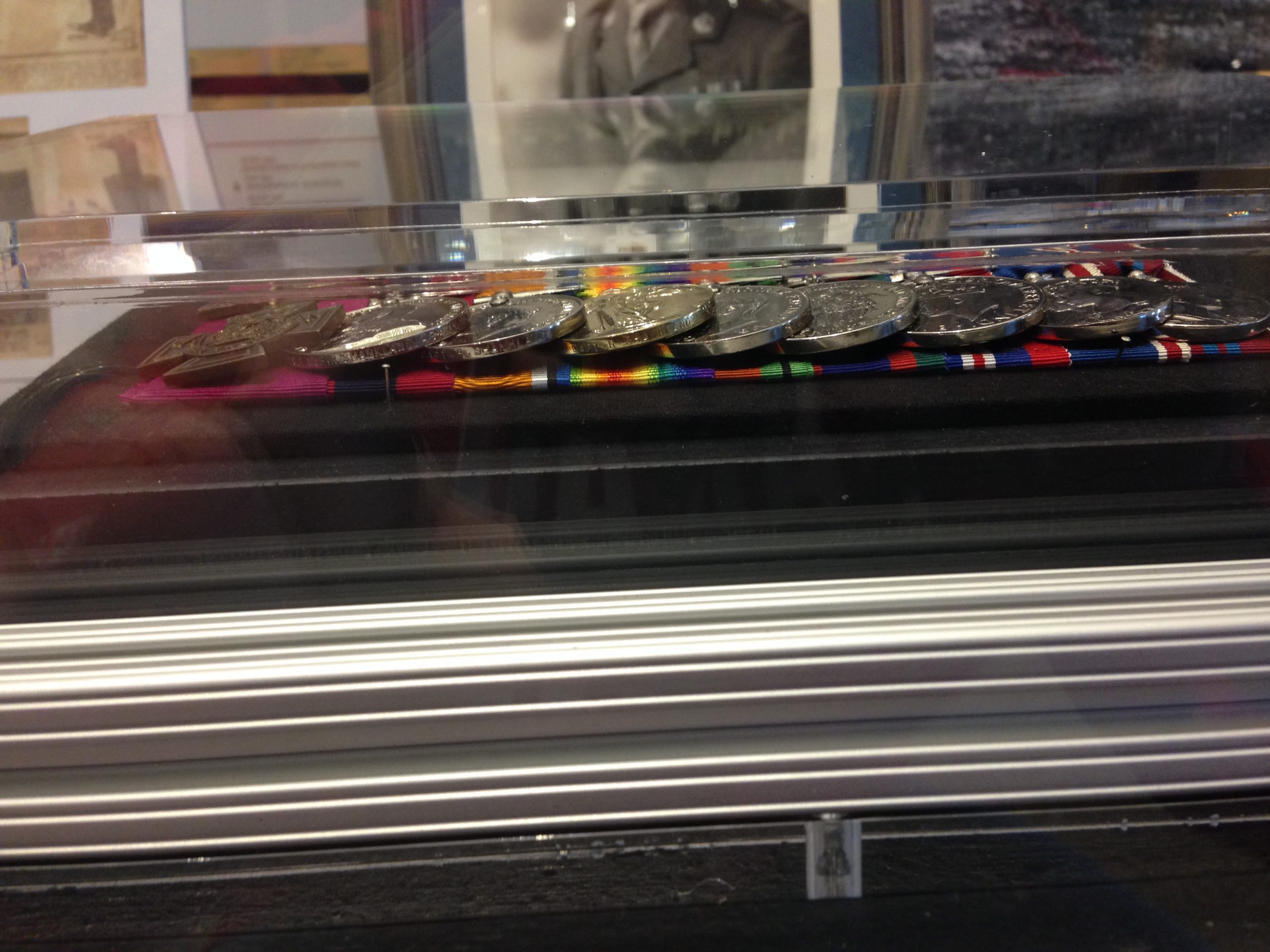
A small medal can beat a much larger piece of surplus because its value may be tied to one identifiable person. Collectors examine the ribbon, suspension, engraving, serial or issue details, and paperwork that connects the award to a service member. The difference can be dramatic: recorded WWII sales show medals, orders, and decorations with a median near $150 but a range reaching $2,500. A common decoration alone may be modestly priced, while a named example with a documented recipient, unusual award history, or original group can become a major centerpiece. Provenance is often the story that creates the premium. That connection is what separates a collectible from a generic decoration.
4. Complete Uniforms and Insignia
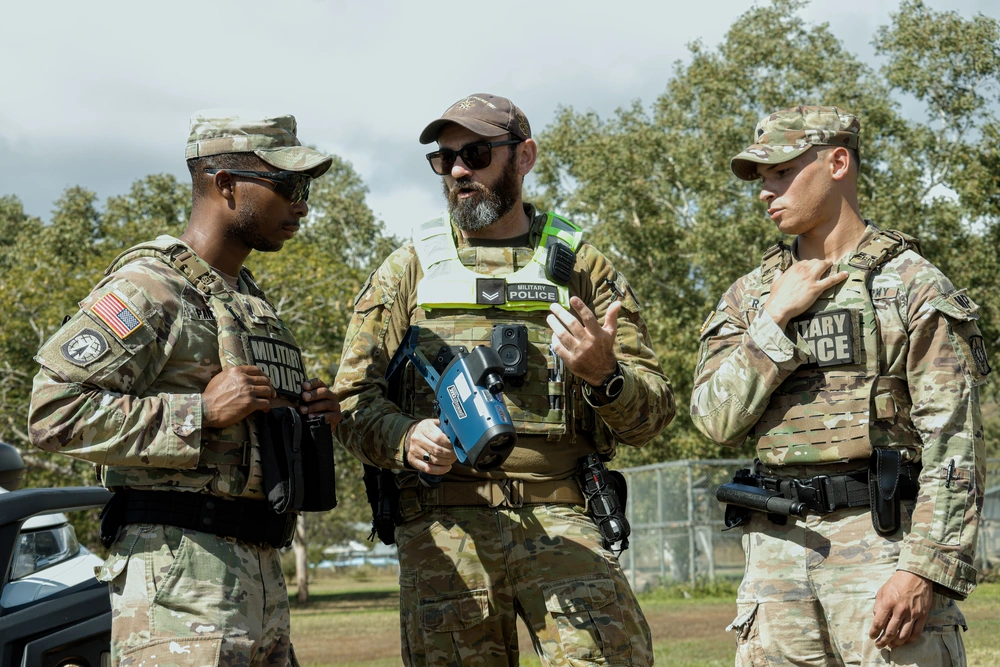
A complete uniform can be more desirable than a common military firearm because it preserves an entire visual record of service. Collectors want the correct jacket, trousers, insignia, patches, buttons, and original labels, especially when the pieces remain together. In recorded WWII sales, uniforms and insignia showed a median around $223, with some examples reaching $3,750. A named uniform with service records or photographs can be far more compelling than an anonymous garment. Alterations hurt value, too: replaced patches, modern ribbons, missing buttons, and mixed-era parts can turn a historically strong group into an ordinary reproduction-style display.
5. Rare Field Equipment
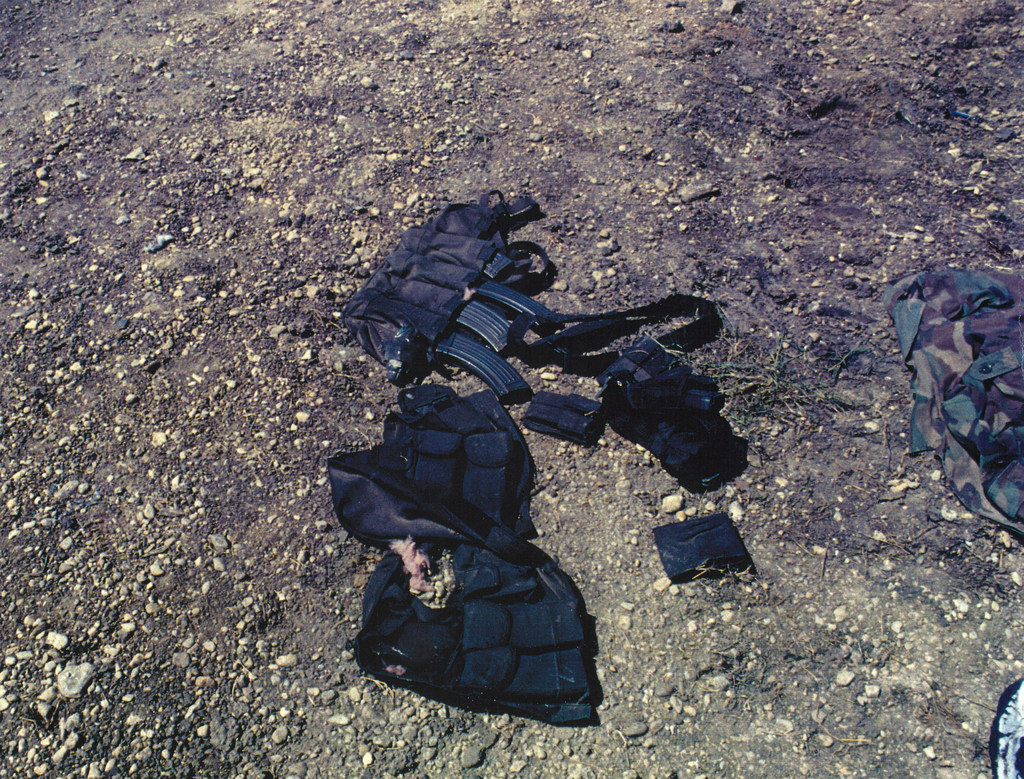
Small field equipment can become valuable when it represents a scarce production run, specialist role, or complete period kit. Canteens, bread bags, ammunition pouches, entrenching tools, web equipment, and other non-firearm items are often overlooked because they were produced in quantity. Yet recorded WWII sales put accoutrements and equipment at a median near $177, with individual results reaching $2,760. Collectors care about matching materials, hardware, markings, stitching, and wear. A complete set from one era is usually more convincing than a pile assembled from unrelated surplus, even when every individual piece is genuine and correctly identified.
6. Personal Effects and Documents
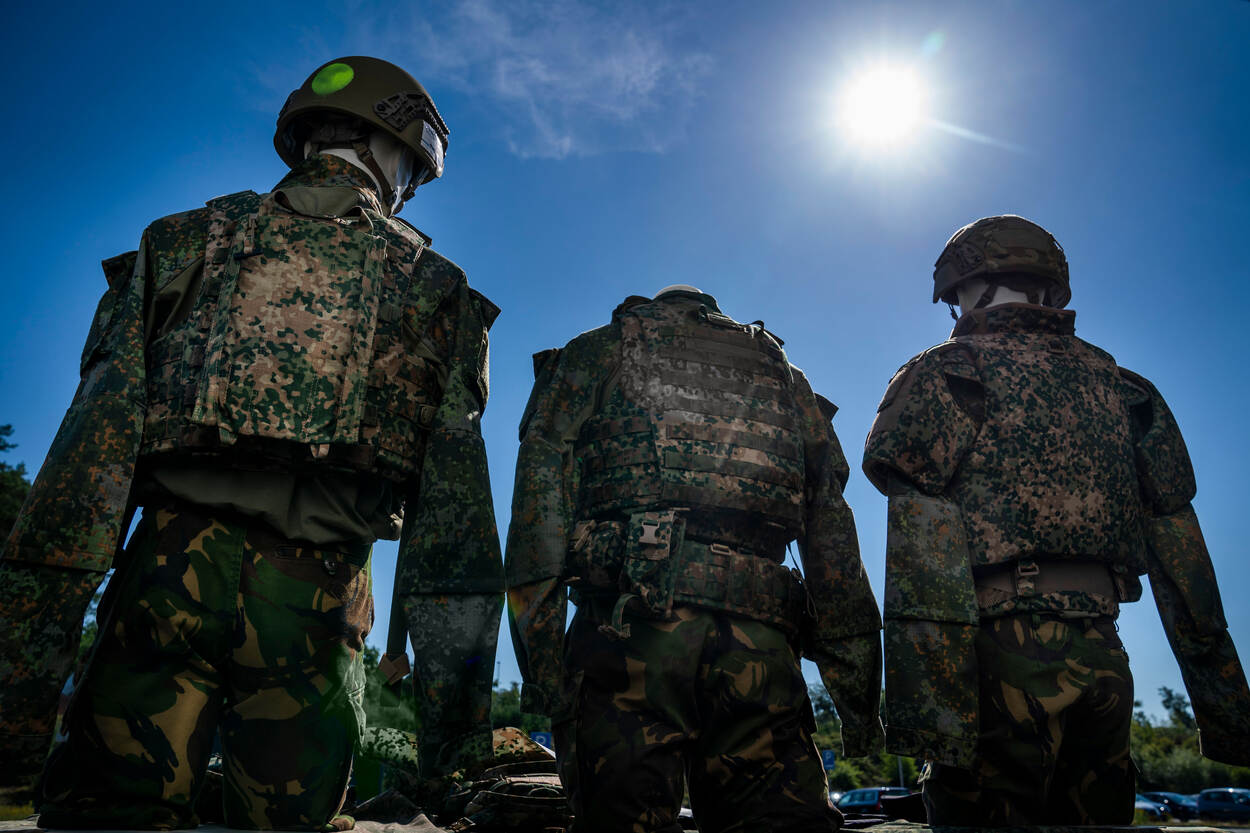
A soldier’s ordinary possessions can carry more collector value than a mass-produced weapon when they preserve a personal story. Pay books, letters, photographs, diaries, unit papers, identification items, and named souvenirs can connect an object to one service member and a specific campaign. Recorded WWII sales show personal effects with a median around $345 and results as high as $850. The strongest pieces are not necessarily dramatic; a dated photograph beside a letter, unit document, or named piece of equipment can create a coherent history. Authentic paperwork matters because vague battlefield stories are much harder to verify and usually add little value.
7. Rare Insignia and Belt Hardware
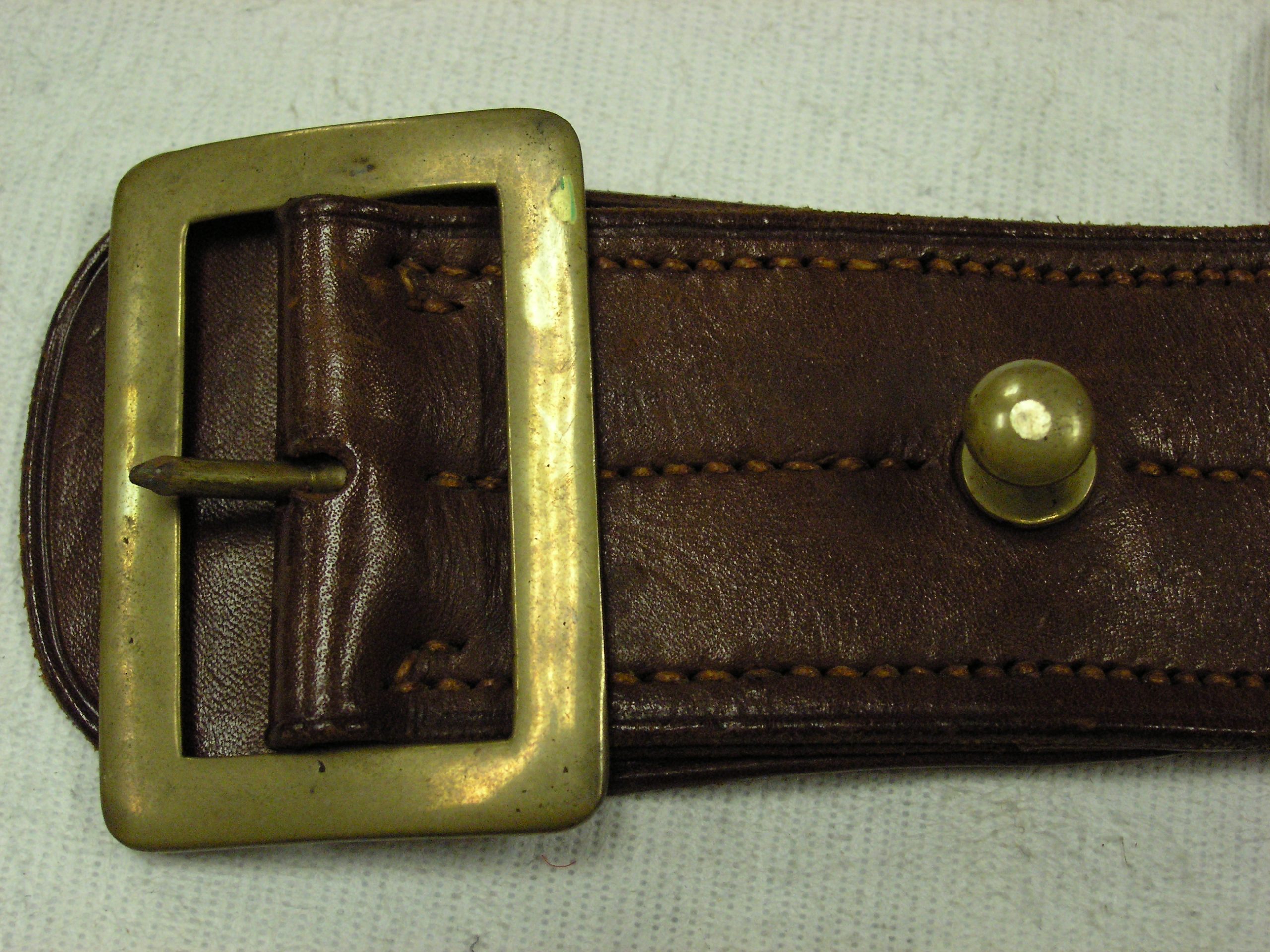
Insignia, buckles, shoulder titles, and other uniform hardware may look minor, but rarity can make them serious collecting targets. Collectors compare manufacturers, construction, finish, attachment methods, markings, and the exact period of issue. Recorded military sales show how broad the category can be: Civil War belt plates and buckles had a median around $500, while some reached $20,500. That does not make every old buckle valuable; common examples remain inexpensive. The premium usually appears when an item is scarce, authentic, well preserved, and tied to a specific regiment, unit, campaign, or unusual manufacturing variation. Maker details can matter more than shine or age alone.
8. Military Medical Gear
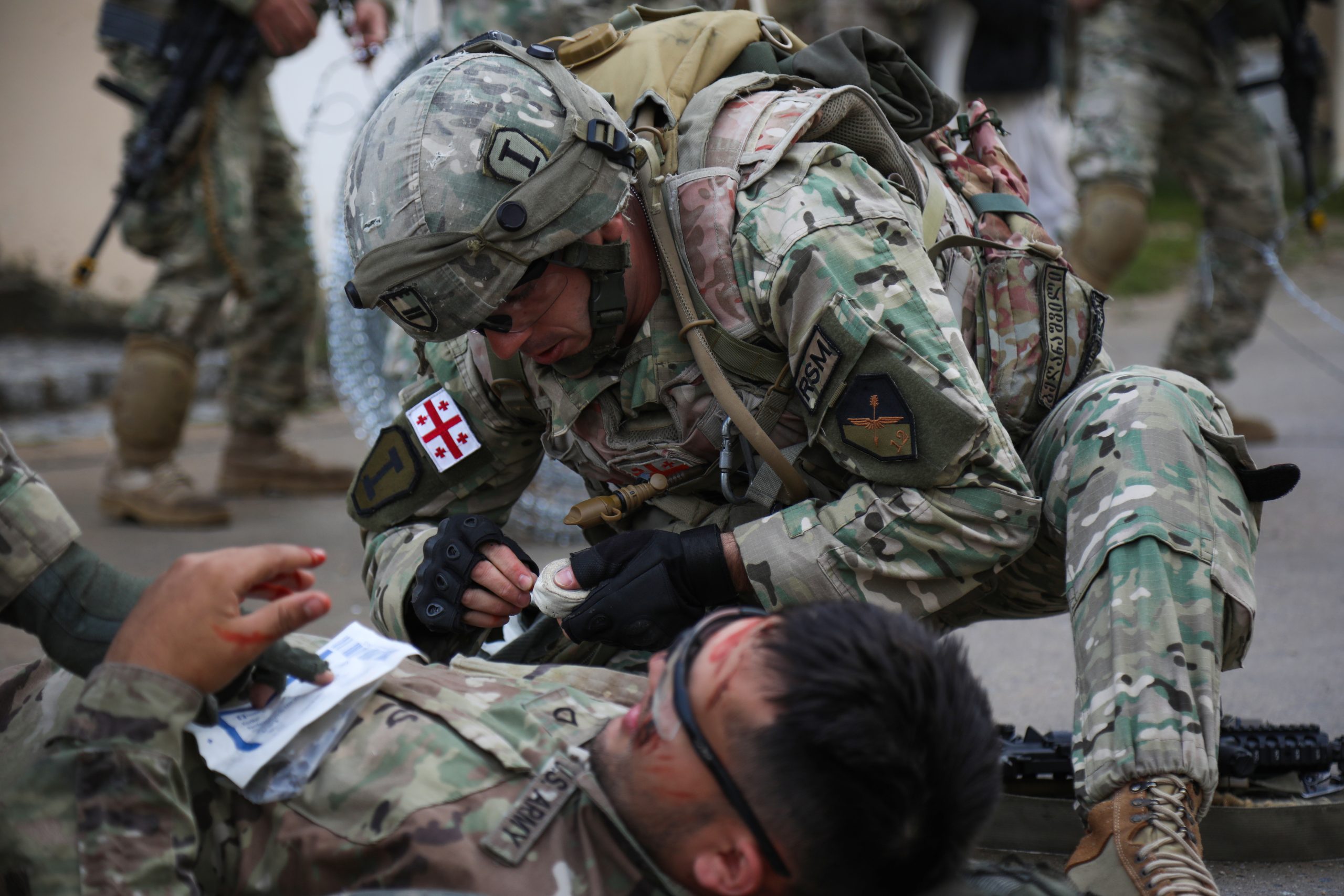
Military medical gear can attract collectors because it reveals the less glamorous side of service and often survives in distinctive, purpose-built containers. First-aid kits, surgical instruments, marked cases, and medical pouches can be identified through labels, contracts, stamps, and construction details. Recorded WWII sales for medical and surgical material had a median around $65, with results reaching $384. Complete, period-correct sets are more desirable than loose modern replacements. A dated medical kit with original contents and a credible service history can become an informative display piece, especially when it complements uniforms, photographs, or equipment from the same era.
9. Rare Communication Equipment
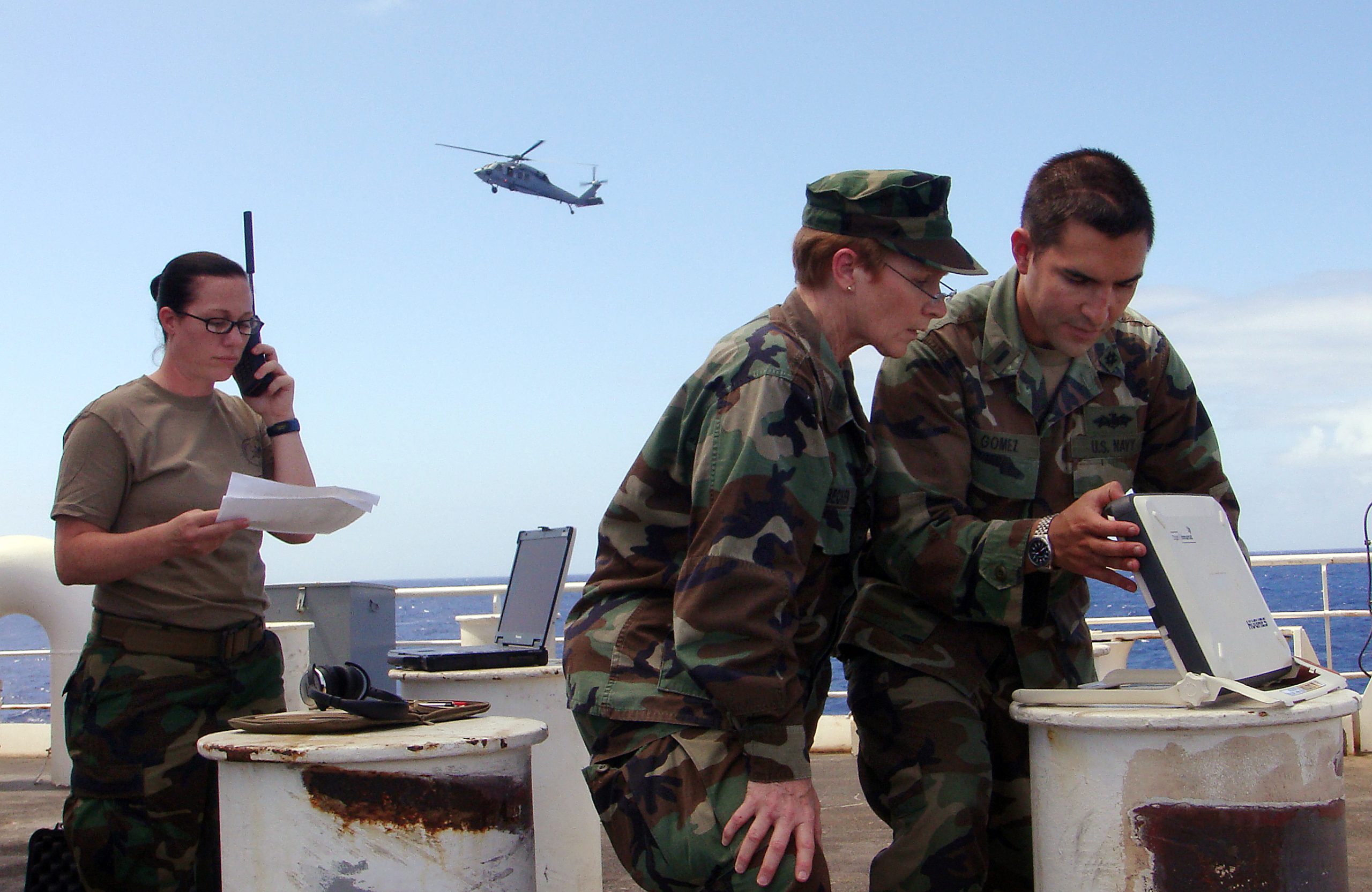
Field radios, military telephones, signal lamps, and other communication equipment can command strong prices when collectors find uncommon models in original condition. The most desirable examples often have intact cases, period connectors, manufacturer plates, serial numbers, and accessories that confirm their intended military use. Specialized equipment issued to airborne, naval, signals, or reconnaissance units can be especially interesting because it represents a narrower part of military history. Collectors also look for complete sets rather than isolated components. An ordinary radio may have limited value, but a scarce model with its original accessories, manuals, carrying case, and documented unit connection can become a much more important historical collectible.