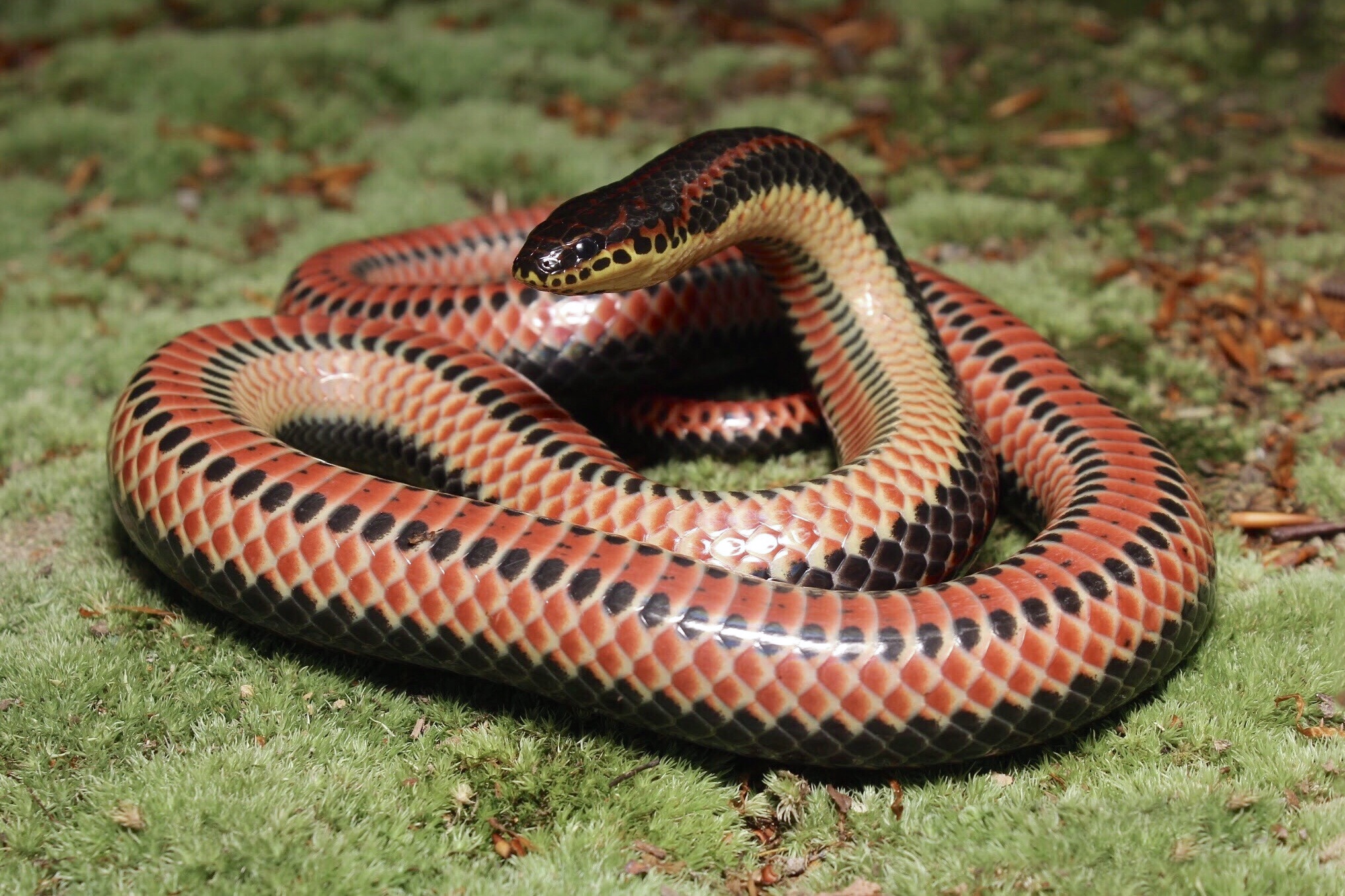
In forests, wetlands, and even suburban backyards around the world, snakes with dazzling rainbow-like colors sometimes appear unexpectedly, catching people completely off guard.
While many colorful animals use bright patterns as a warning sign, snakes with vivid reds, yellows, blues, or iridescent scales often signal something far more serious than beauty.
These striking colors can indicate venomous species, rare protected wildlife, escaped exotic pets, or invasive animals capable of harming ecosystems or people.
Because most people cannot accurately identify snake species in the moment, ignoring these sightings can lead to dangerous encounters or missed opportunities for wildlife authorities to intervene quickly.
Below are nine important reasons these “rainbow snakes” should never be ignored when spotted in the wild or near residential areas.
Bright Colors Often Signal Dangerous Venom
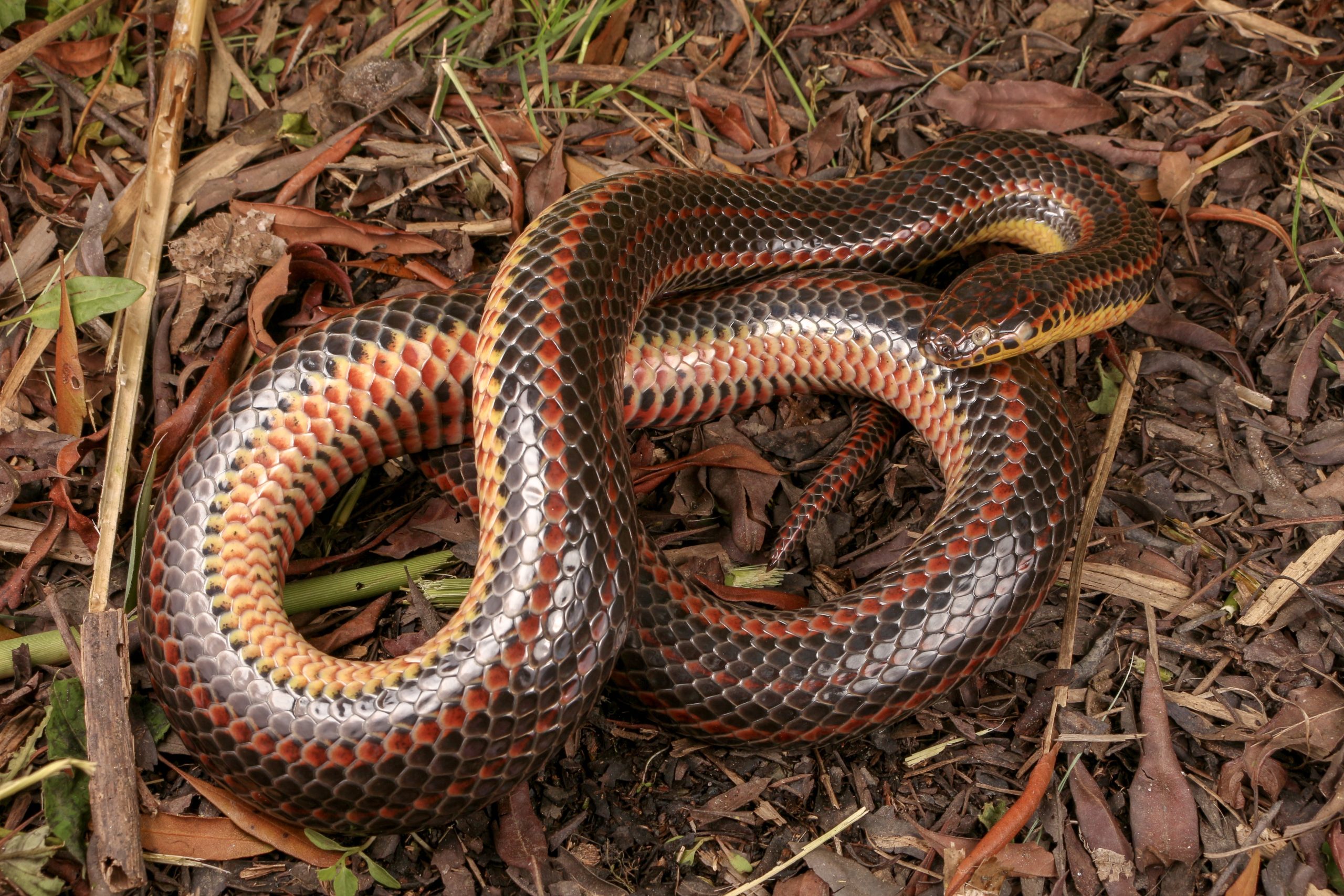
In nature, bright colors are rarely accidental; they usually serve as warning signals designed to deter predators before an attack even happens.
Many venomous snakes rely on striking bands of red, yellow, black, or iridescent scales to signal that they possess powerful venom capable of causing serious injury or death.
A well-known example is the coral snake, whose bright rings warn animals to stay away before a bite occurs.
However, distinguishing venomous species from harmless look-alikes requires expert knowledge, and even experienced outdoors enthusiasts sometimes make mistakes.
Authorities and wildlife experts are trained to safely identify and manage such snakes, reducing the risk of dangerous encounters.
Some Are Rare and Protected Wildlife
Certain brightly colored snakes are incredibly rare species that conservationists work hard to monitor and protect in fragile ecosystems.
These snakes may appear only in specific habitats such as wetlands, tropical forests, or remote river systems where environmental conditions allow them to survive.
Because these species often exist in small populations, even a single sighting can provide scientists with valuable information about their range and survival.
Authorities sometimes rely on public reports to track endangered wildlife and protect their habitats from development or pollution.
Ignoring a sighting could mean losing an opportunity to help scientists understand and protect a species that may already be struggling to survive.
Some “Rainbow Snakes” Are Invasive Species
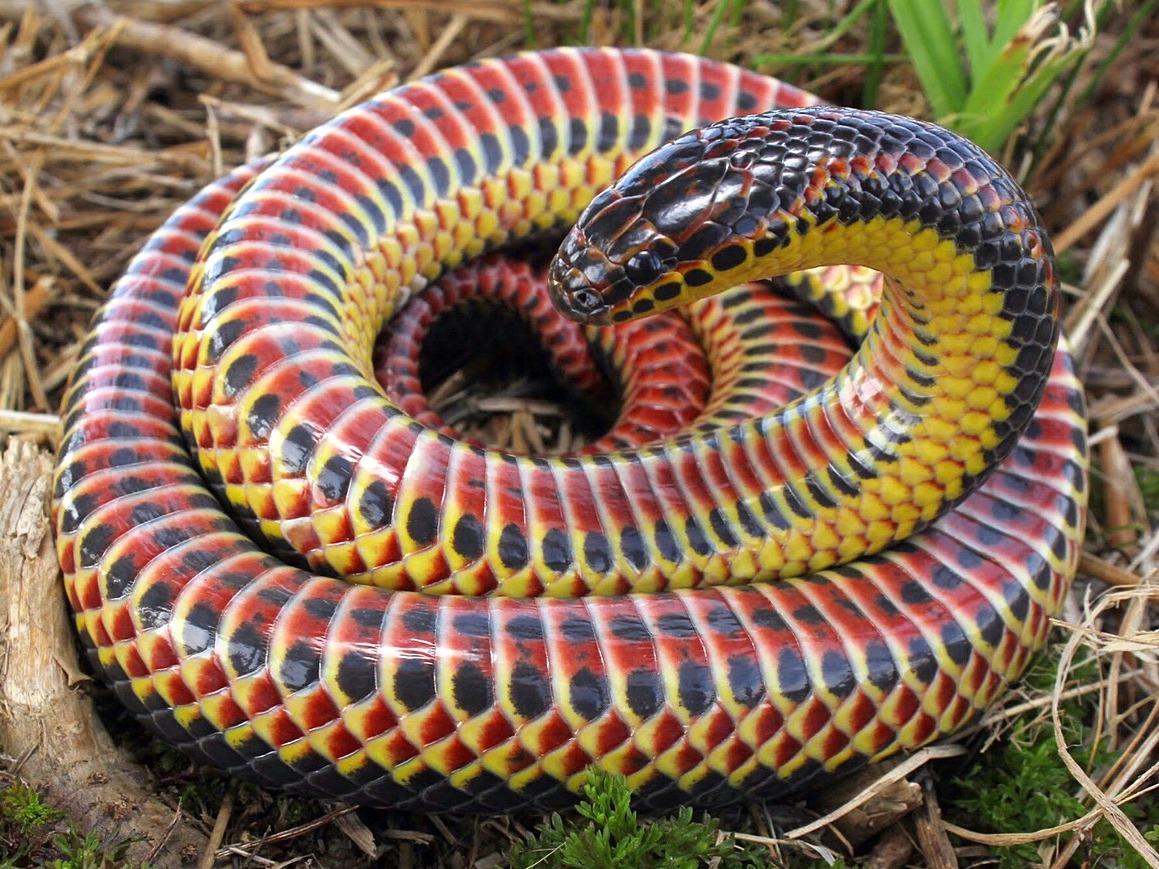
Not every brightly colored snake belongs in the environment where it is found, especially in regions where exotic pet ownership is common.
Escaped or intentionally released snakes can establish themselves in new ecosystems where they have no natural predators.
Once invasive snakes begin reproducing, they can disrupt local wildlife populations by preying on birds, small mammals, or native reptiles.
Authorities monitor unusual snake sightings carefully because early detection makes it easier to prevent invasive populations from spreading.
Ignoring a colorful snake that appears out of place could allow a potentially destructive species to establish itself unnoticed.
Some Are Escaped Exotic Pets
Brightly colored snakes are popular in the exotic pet trade, which means unusual species occasionally escape from private collections.
These snakes may include species native to completely different continents, making them unfamiliar to local wildlife experts or residents.
An escaped exotic snake can pose unexpected risks because people may not know whether it is venomous, aggressive, or capable of surviving in the wild.
In some cases, authorities may also investigate whether the animal was illegally kept or improperly released.
Alerting professionals ensures the snake is handled safely and responsibly.
Bright Coloration Can Indicate a Defensive Display
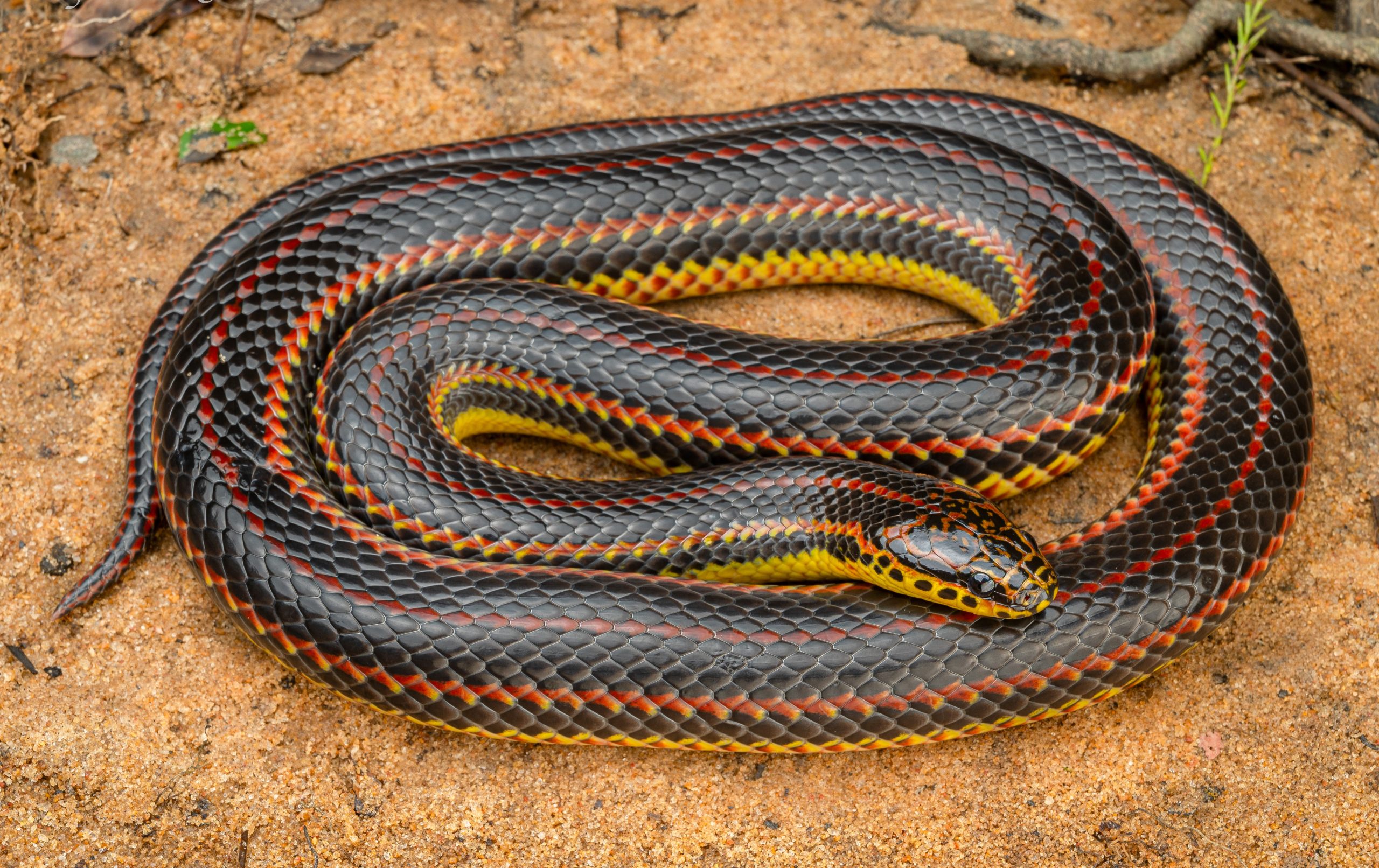
Some snakes intensify their coloration or reveal hidden bright patterns when they feel threatened by humans or predators.
This defensive display is meant to startle potential threats long enough for the snake to escape, but it can also signal that the animal is ready to strike if cornered.
People who approach these snakes out of curiosity may accidentally provoke a bite.
Wildlife officers understand how to approach snakes without triggering aggressive behavior.
When authorities handle the situation, they can safely relocate the snake without putting the public at risk.
Calling professionals prevents curious bystanders from attempting dangerous close encounters.
Certain Colorful Snakes Are Masters of Camouflage
While bright colors may seem easy to notice, many snakes with rainbow-like patterns actually blend perfectly into colorful natural environments.
In tropical forests, coral reefs of fallen leaves, flowers, and sunlit water reflections can make iridescent snakes nearly invisible until someone gets dangerously close.
A person hiking or gardening could unknowingly step within striking distance before realizing the snake is present.
Reporting sightings allows authorities to assess whether the snake’s habitat overlaps with human activity.
This helps reduce potential encounters in areas where people frequently walk or work.
They May Signal Environmental Changes
Unusual wildlife sightings sometimes reveal deeper environmental shifts occurring in an area.
Snakes that appear outside their normal range may be responding to habitat destruction, flooding, rising temperatures, or changes in prey availability.
Brightly colored species migrating into new territories can signal that ecosystems are undergoing stress or transformation.
Wildlife agencies track these sightings to understand how environmental pressures are affecting animal movement and survival.
Alerting authorities helps researchers monitor ecosystem health and respond to emerging problems.
Misidentification Can Lead to Dangerous Decisions
Many harmless snakes mimic the bright patterns of venomous species as a survival strategy called mimicry.
For example, certain nonvenomous snakes evolve colors similar to those of deadly species to discourage predators from attacking them.
However, for people without specialized training, distinguishing these look-alikes can be extremely difficult.
Someone who assumes the snake is harmless might approach too closely and risk a bite if they are wrong.
Authorities have the expertise and equipment needed to correctly identify the snake and determine whether it poses a threat.
Quick Reporting Can Prevent Emergencies
When unusual snakes appear near homes, parks, schools, or hiking trails, rapid reporting allows authorities to respond before an incident occurs.
Wildlife officials can evaluate whether the snake needs relocation, monitoring, or simply safe coexistence with nearby residents.
In some cases, early reports help prevent panic or misinformation from spreading through communities.
Officials can provide accurate guidance about whether the species is dangerous and what precautions people should take.
Prompt reporting also helps protect the snake itself from being harmed by frightened individuals.
Acting quickly ensures both humans and wildlife remain safe when colorful snakes appear unexpectedly.