Silenced pistols have always carried an air of mystery, but their real appeal goes far beyond movie scenes and pop culture myths. These firearms are not simply about being “quiet.” They represent a careful balance of engineering, ergonomics, reliability, and historical purpose. A truly distinctive silenced pistol must manage recoil differently, cycle reliably under altered pressure, and remain accurate while hosting additional hardware. Over the years, only a small number of pistols have earned reputations for excelling in this niche. Their uniqueness often comes from deliberate design choices rather than aftermarket adaptation. From military trials to civilian precision shooting, these pistols show how silence, control, and consistency can coexist without sacrificing performance or identity.
1. Heckler & Koch Mark 23
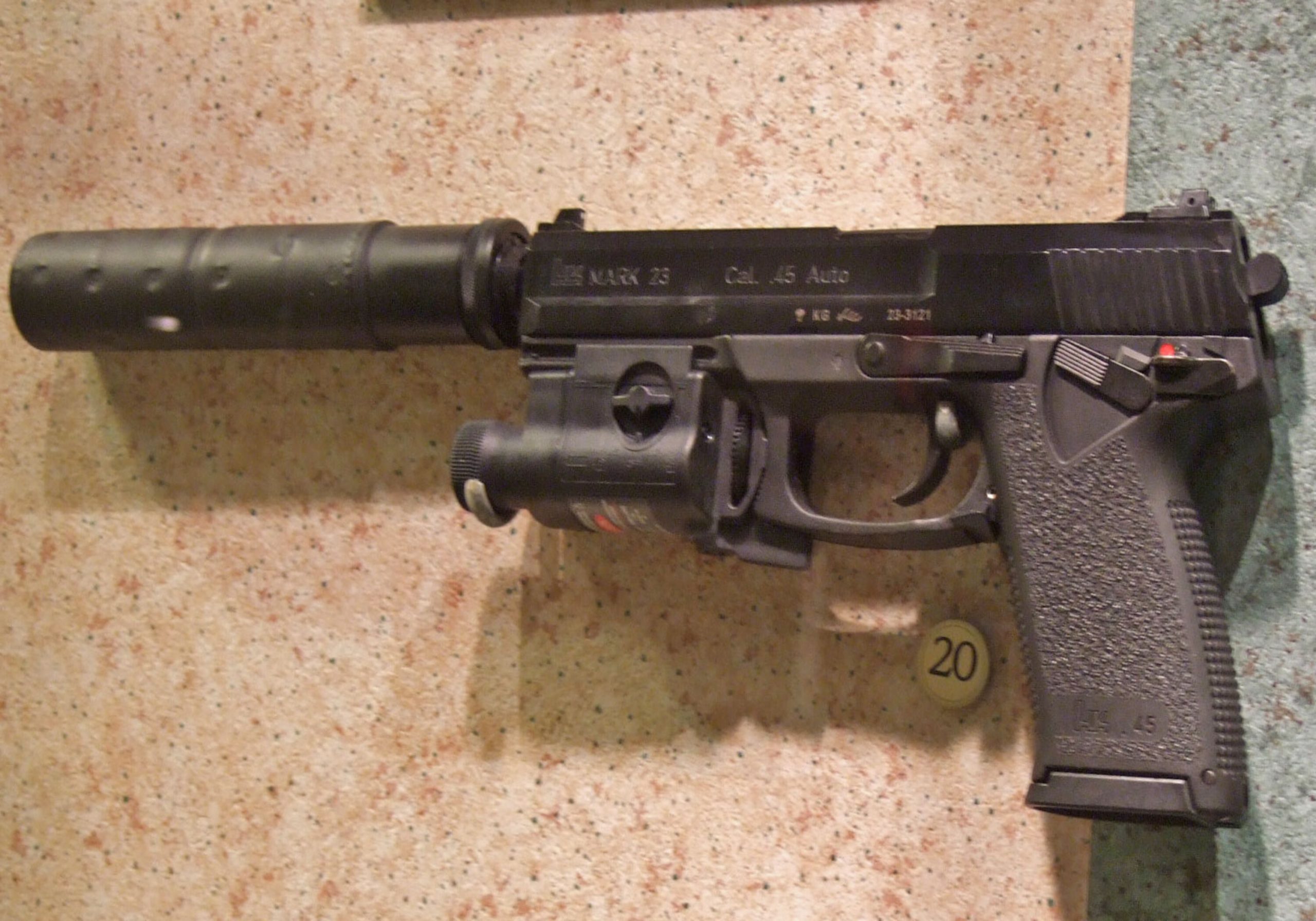
The HK Mark 23 stands apart because it was never meant to be adapted later for suppression. It was engineered from the beginning around durability, accuracy, and reliability under extreme conditions. Its oversized frame is intentional, allowing the pistol to handle added mass without compromising balance. The recoil system was designed to function smoothly even with altered gas dynamics, which sets it apart from many conventional handguns. What truly makes it unique is its emphasis on longevity, with components built to withstand extended use without significant wear. The Mark 23 feels more like a precision instrument than a sidearm, reflecting a design philosophy in which suppression is integrated rather than improvised.
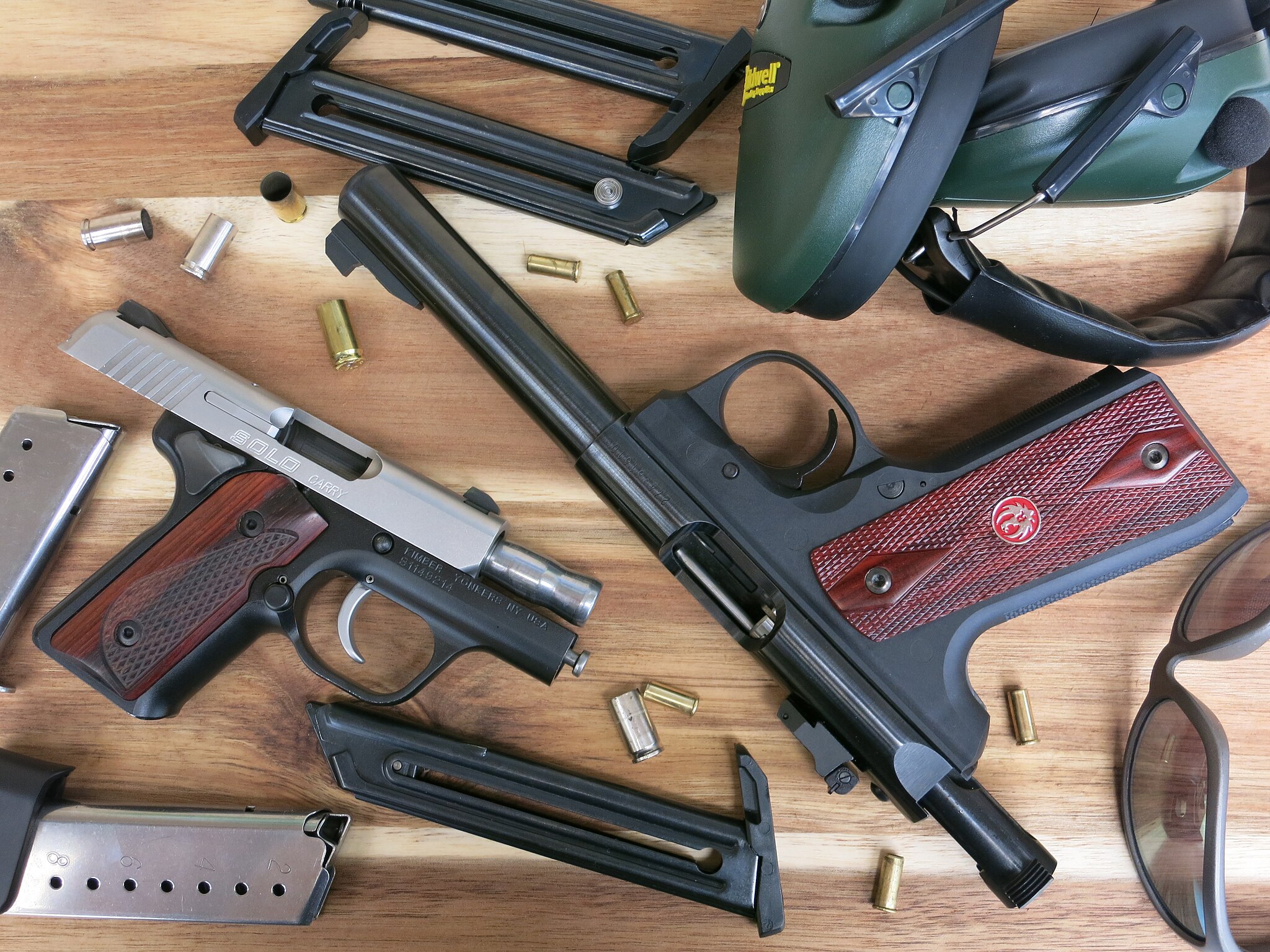
2. Ruger Mark IV Tactical
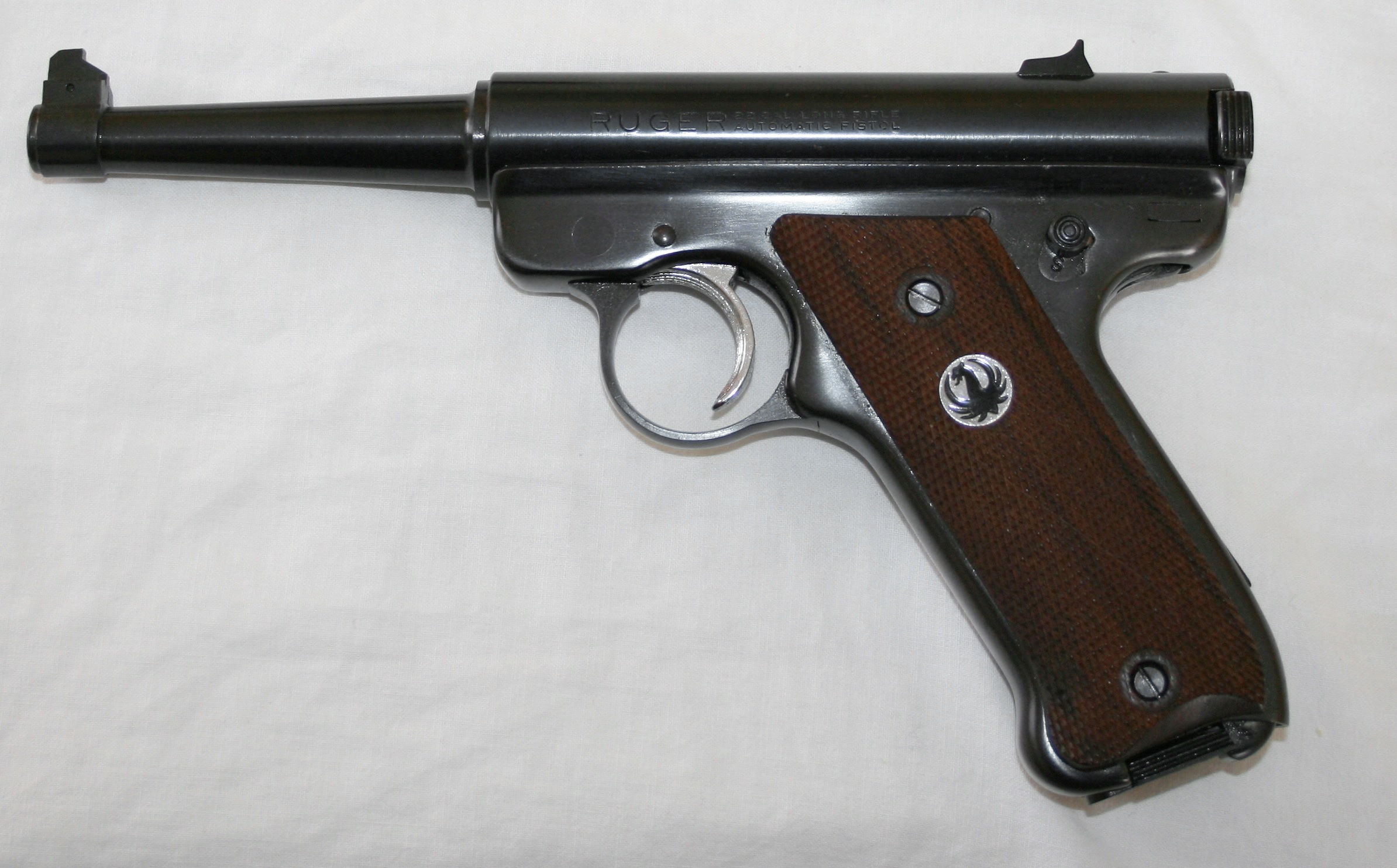
The Ruger Mark IV Tactical earns its uniqueness through simplicity refined to near perfection. Its fixed barrel design naturally supports consistent alignment, which enhances accuracy and reliability when paired with sound-reducing equipment. Unlike many pistols that rely on complex cycling systems, this model benefits from straightforward mechanics that minimize variables. The result is a shooting experience that feels predictable and controlled. Another standout feature is its ease of maintenance, allowing users to keep performance consistent over time. The Mark IV Tactical proves that a silenced pistol does not need excessive complexity to be effective, just thoughtful engineering and mechanical honesty.
3. SIG Sauer P226
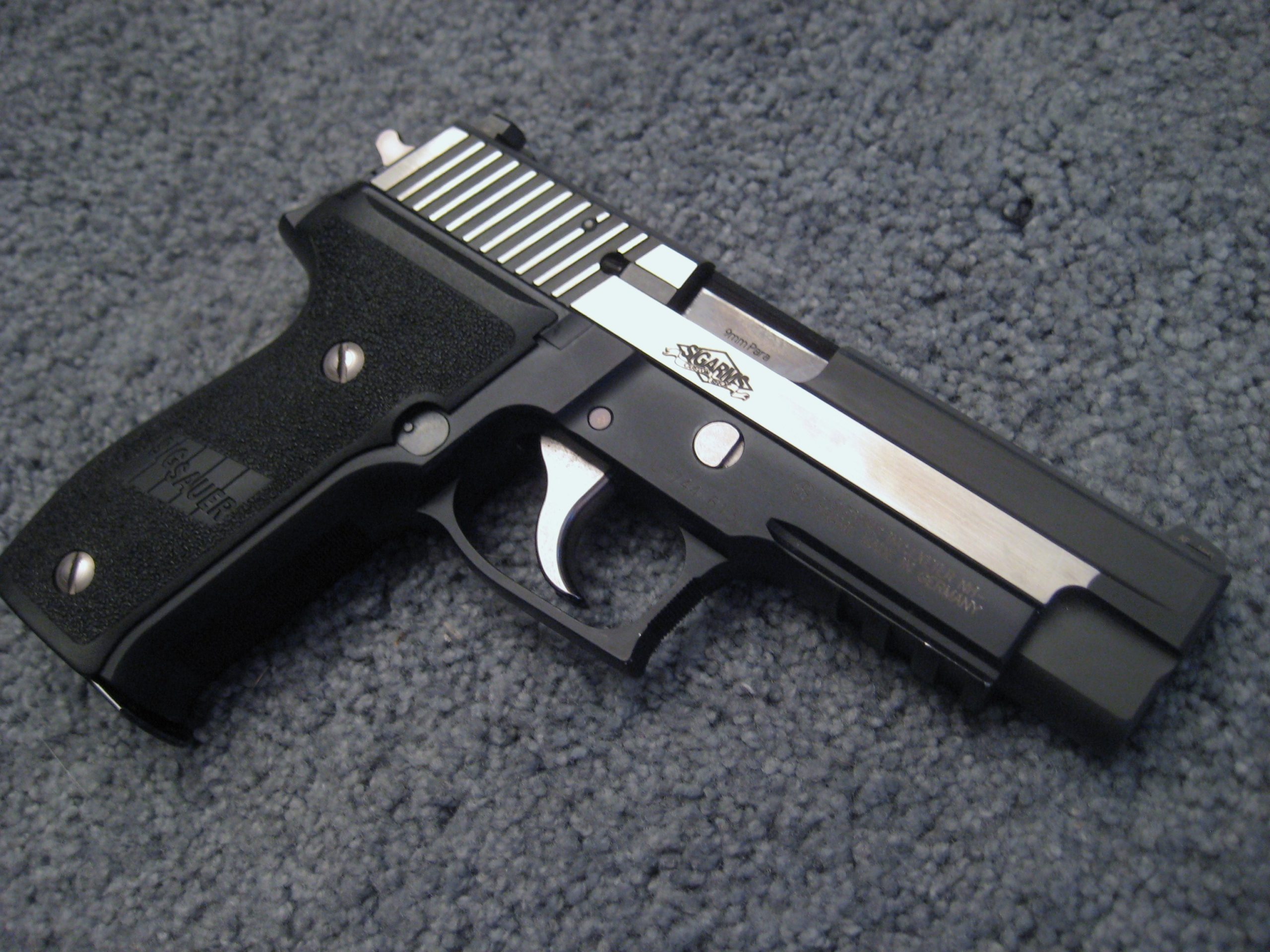
The SIG Sauer P226’s uniqueness lies in its adaptability without losing its core identity. Originally designed as a service pistol, it transitioned into suppressed roles with minimal compromise to ergonomics or handling. Its solid frame and balanced weight distribution help maintain stability when additional components are present. What makes it especially distinctive is how familiar it feels, even in specialized configurations. The trigger consistency and sight picture remain intuitive, preserving the pistol’s reputation for shootability. Rather than reinventing itself, the P226 demonstrates how a well-designed platform can evolve gracefully into more specialized roles.
4. FN FNX-45 Tactical
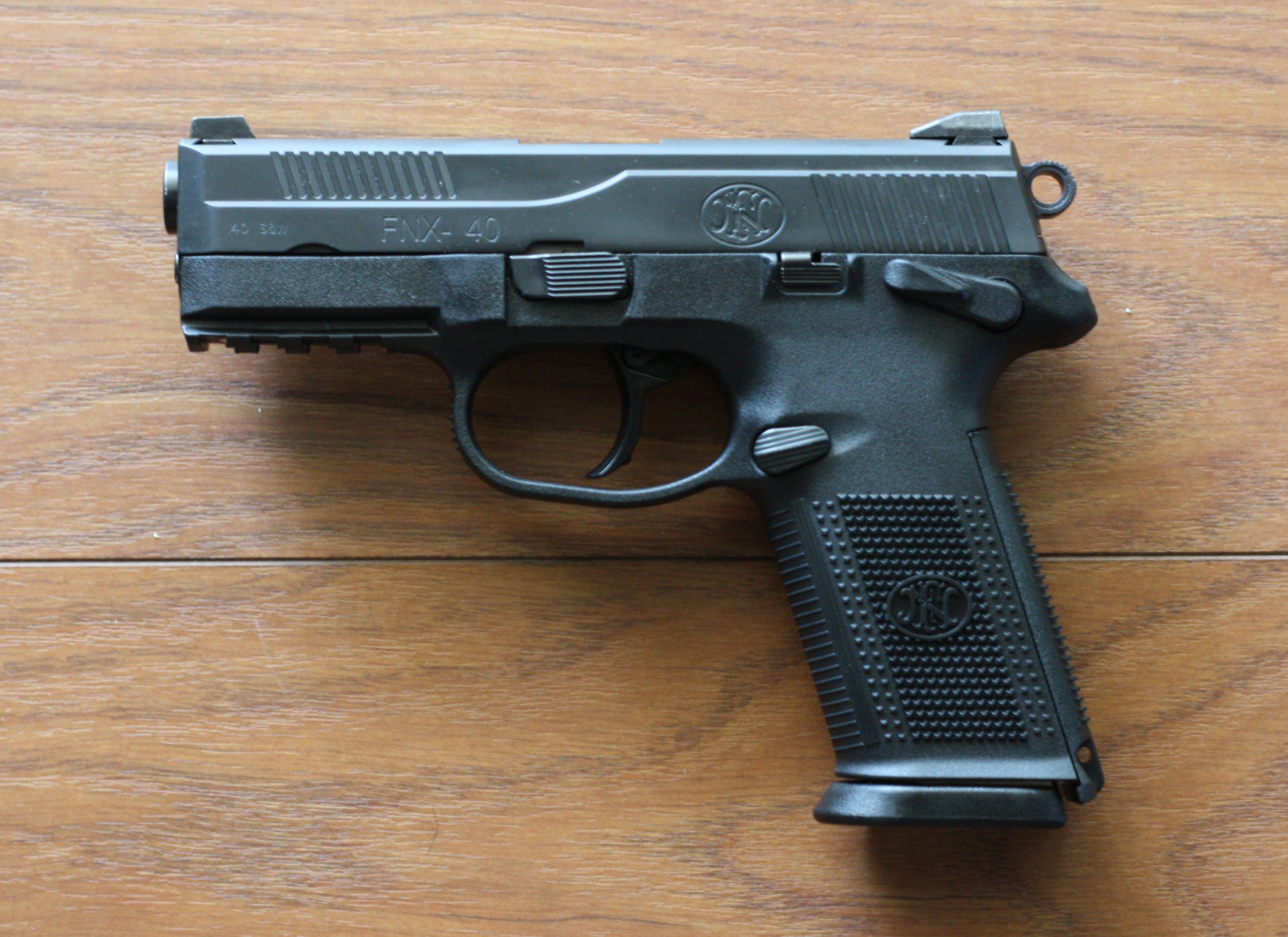
The FNX-45 Tactical stands out due to its combination of modern features and deliberate overbuilding. Designed with future adaptability in mind, it integrates suppression-friendly elements without appearing oversized or awkward. Its grip ergonomics help offset added forward weight, maintaining comfort during extended use. Another unique aspect is its emphasis on user control, with ambidextrous features that accommodate different shooting styles. The FNX-45 Tactical feels intentionally modern, see more like a platform than a single-purpose tool. This forward-thinking design philosophy makes it one of the most distinctive pistols in its category.
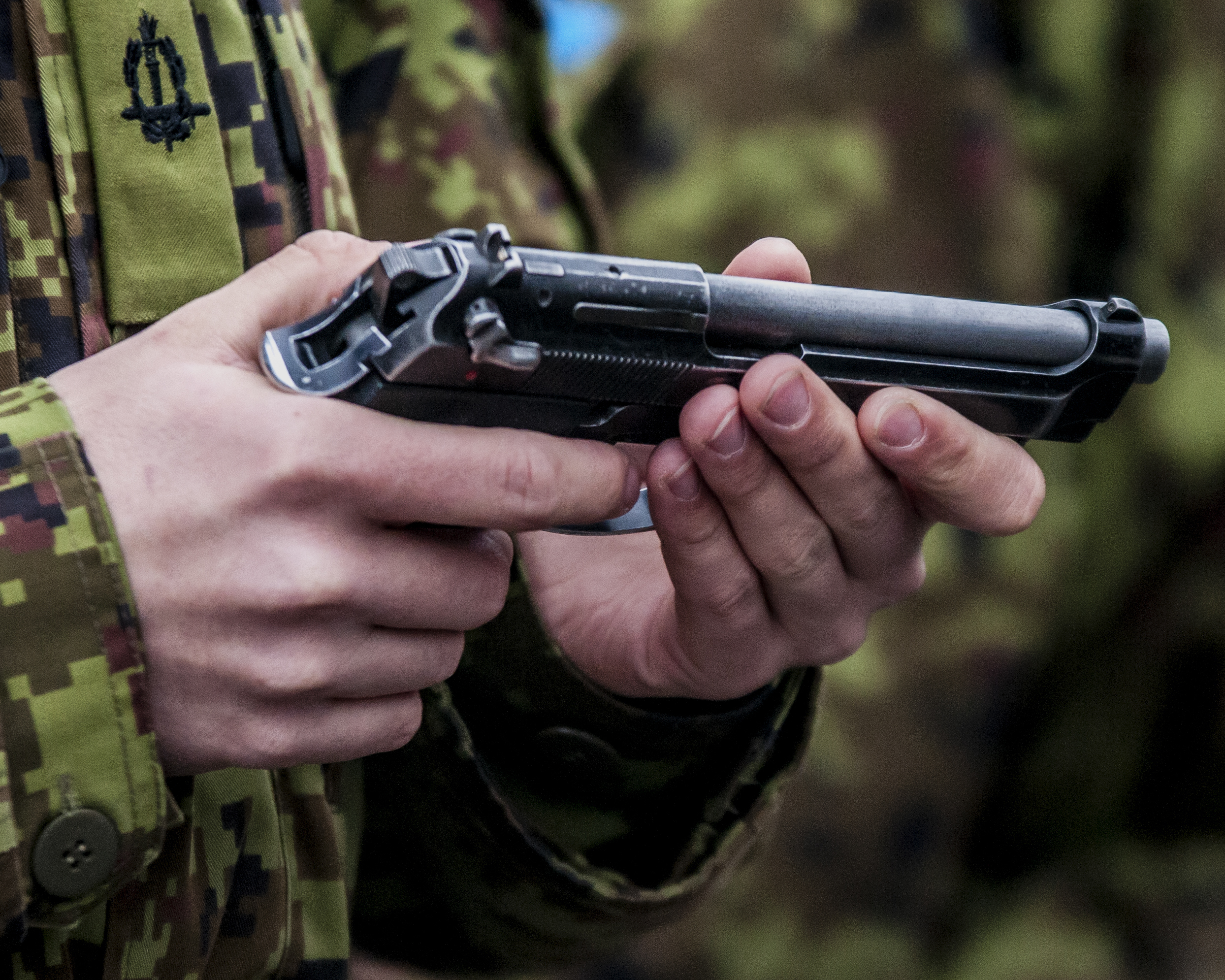
5. Beretta 92 Series
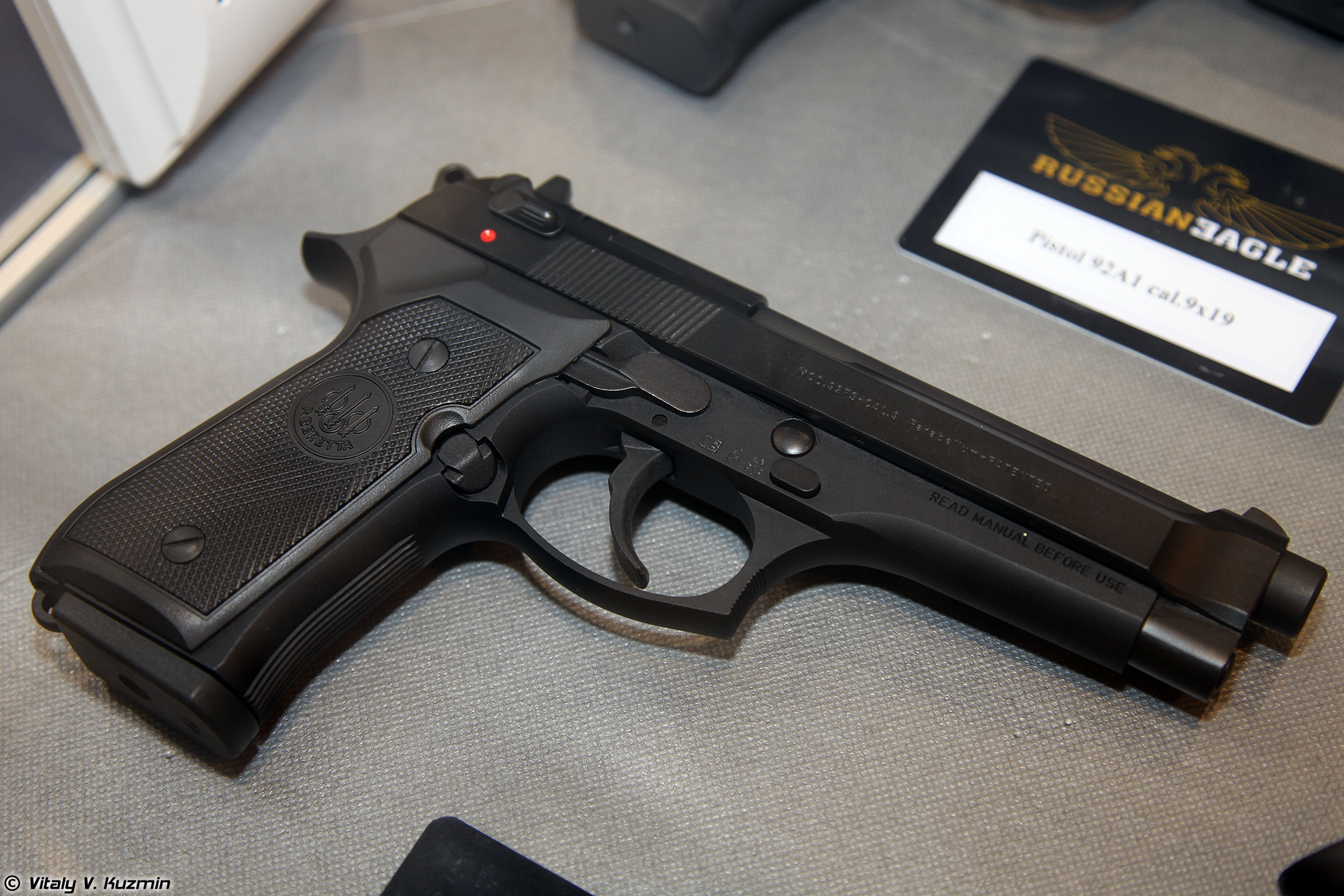
The Beretta 92 series gains its uniqueness from its open-slide design, which changes how the pistol behaves when paired with sound-reducing systems. This feature reduces certain cycling variables and contributes to consistent ejection. The pistol’s long sight radius and natural pointability remain intact, even with added hardware. Historically, the 92 series represents a bridge between classic military sidearms and modern adaptations. Its enduring reliability and smooth recoil impulse make it surprisingly well-suited for quieter configurations. The Beretta 92 shows that legacy designs can remain relevant through thoughtful evolution rather than radical change.
6. Walther PPK
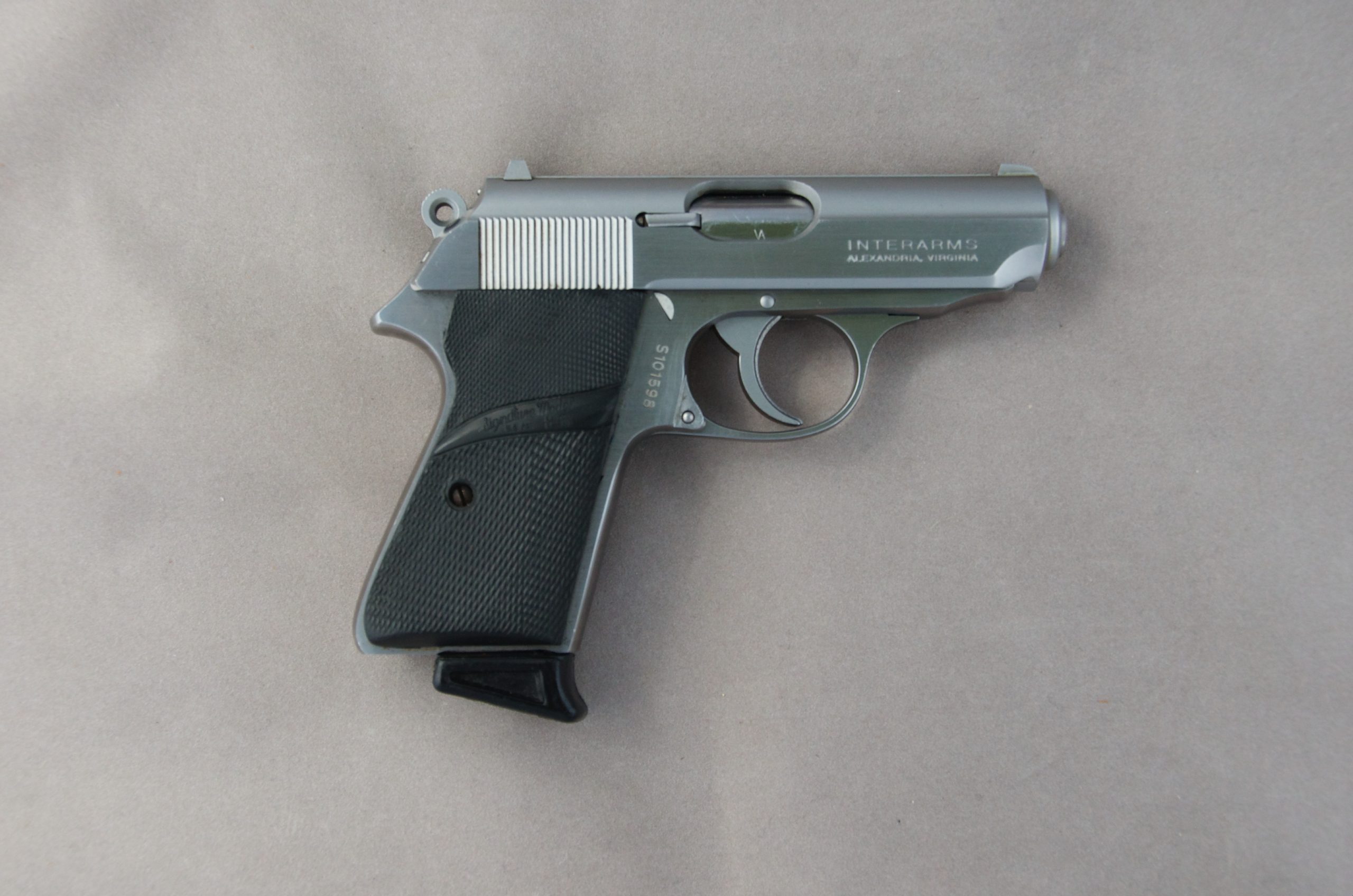
The Walther PPK’s uniqueness is rooted in its compact elegance and historical identity. Unlike larger pistols, it was never about brute strength or extended endurance. Its appeal lies in discretion, balance, and refined handling. Suppressed versions highlighted how small-frame pistols could still deliver controlled performance when properly engineered. The PPK’s slim profile and natural grip angle contribute to a smooth shooting experience that feels deliberate rather than aggressive. This pistol stands out as a reminder that silenced firearms were once about subtlety and design restraint, not just technical capability.
7. CZ 75 SP-01 Tactical
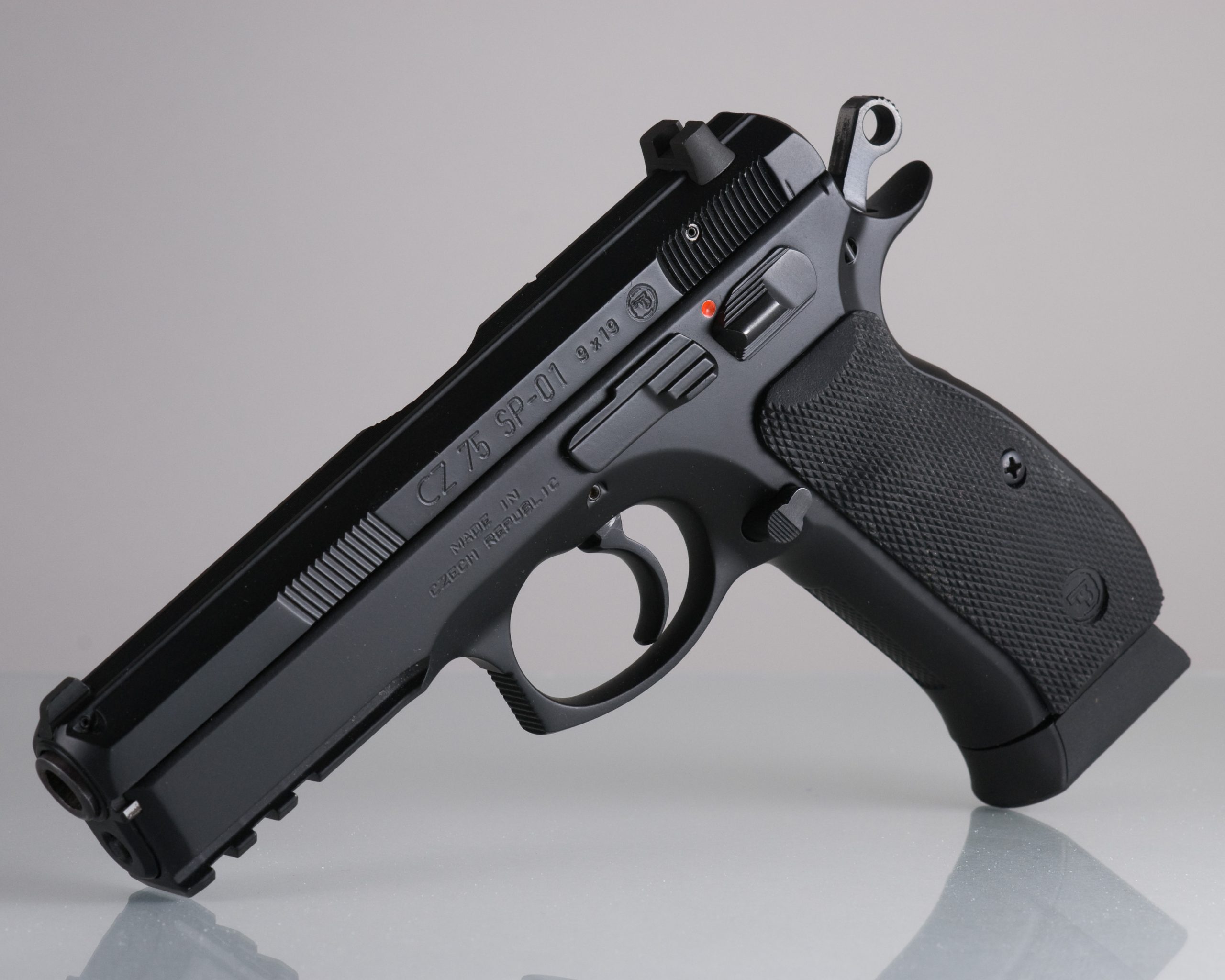
The CZ 75 SP-01 Tactical distinguishes itself through ergonomics and inherent accuracy. Its low bore axis helps manage recoil efficiently, which becomes especially noticeable when additional components are present. The steel frame adds stability without making the pistol feel unwieldy. What truly sets it apart is how naturally it tracks during firing, maintaining a consistent sight picture. The SP-01 Tactical feels purpose-built for control rather than speed alone. Its design emphasizes shooter confidence, making it a standout choice for those who value precision, balance, and refined mechanical behavior in a silenced pistol platform.