The fight over fair chase is no longer happening only in hunting camps. It is becoming a much broader argument about what hunting is supposed to be when technology can do more of the work than ever before.
Fair chase was always about more than just following the law.
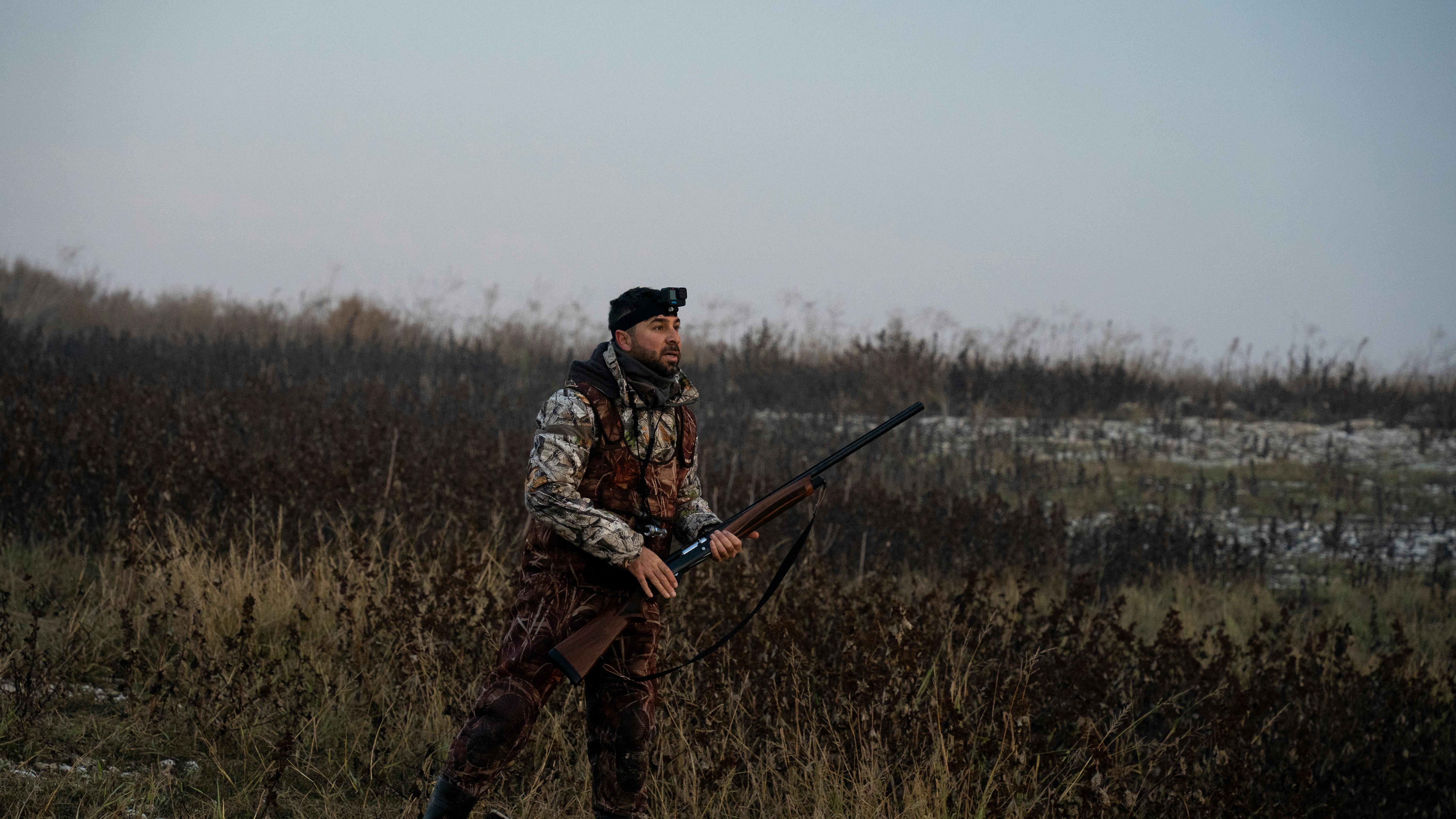
Izzet ÇakallıFair chase is one of those phrases that sounds old-fashioned until you realize how current it really is. The Boone and Crockett Club, which helped popularize the idea more than a century ago, still defines it as the ethical, sportsmanlike, and lawful pursuit of free-ranging wild game in a way that does not give the hunter an improper or unfair advantage. That wording matters because it puts ethics above mere legality and reminds people that a hunt can be legal and still feel wrong.
That distinction is exactly why the debate has intensified. Wildlife agencies write rules, but culture decides legitimacy. If too many hunts begin to look like remote-controlled harvesting, the public stops seeing skill, restraint, and respect. It starts seeing domination.
The North American model of wildlife conservation depends heavily on public acceptance. Hunting keeps its social license because many people, including nonhunters, accept the idea that wild animals still have a meaningful chance to escape. Once that chance shrinks too far, the moral center of the activity begins to wobble.
Technology is changing the hunt faster than ethics can keep up.

The modern hunter can carry mapping apps, long-range ballistics solvers, laser rangefinders, smart optics, suppressors, cell-connected trail cameras, and increasingly sophisticated thermal and night-vision gear. None of those tools is identical, and not all of them trigger the same concern. But together they create a simple question: at what point does assistance become replacement?
That question is no longer hypothetical. Boone and Crockett’s technology position statement warns that electronic tools can reshape hunting experiences, affect wildlife management, and influence how society judges hunters. Its policies also reject real-time technology that guides a hunter to an animal with an immediate response, including certain wireless cameras and location-sharing tools.
The pattern is easy to see. Older tools helped hunters read the landscape better. Newer tools often help hunters collapse time, distance, uncertainty, and even darkness. The traditional challenge of finding and approaching an animal is precisely the part technology now targets most aggressively.
And that is why the fair chase argument sounds louder today. Technology is no longer just helping with navigation or safety. It is increasingly helping decide where the animal is, when it moves, and how little guesswork remains.
States are already drawing lines because hunters asked them to
This is not just a philosophical food fight. Regulators are responding because hunter attitudes have shifted from casual concern to active pressure. Utah now prohibits all trail cameras on public land from July 31 to Dec. 31, allows only non-transmitting trail cameras for taking protected wildlife on private land, and makes transmitting camera use for taking protected wildlife unlawful on private land. Utah also says possessing night-vision devices while locating or attempting to locate big game from July 31 to Dec. 31 is unlawful, and its definition includes thermal-imaging devices and infrared technology.
Other Western states have moved in similar directions on transmitting cameras, drones, and thermal tools. Nevada’s regulations bar hunters from using transmissions from certain devices attached to wildlife or placed in the field for hunting. Colorado’s big game rules also make it illegal to use aircraft to hunt, intercept, chase, harass, or drive wildlife, showing how long the law has recognized unfair mechanical advantage.
The strongest signal may be coming from hunters themselves. An Idaho survey reported by Outdoor Life found that about 76 percent of respondents said thermal imaging optics, night-vision scopes, and thermal scopes do not align with fair chase, while roughly 90 percent said drones violate fair chase and opposed their use in big-game hunting.
Fair chase is now a public image issue, not just an internal code.

Hunters sometimes talk about fair chase as if it exists only for those already inside the tradition. That is no longer true. Every viral video of a gadget-heavy hunt becomes a public referendum on whether hunting still deserves cultural legitimacy.
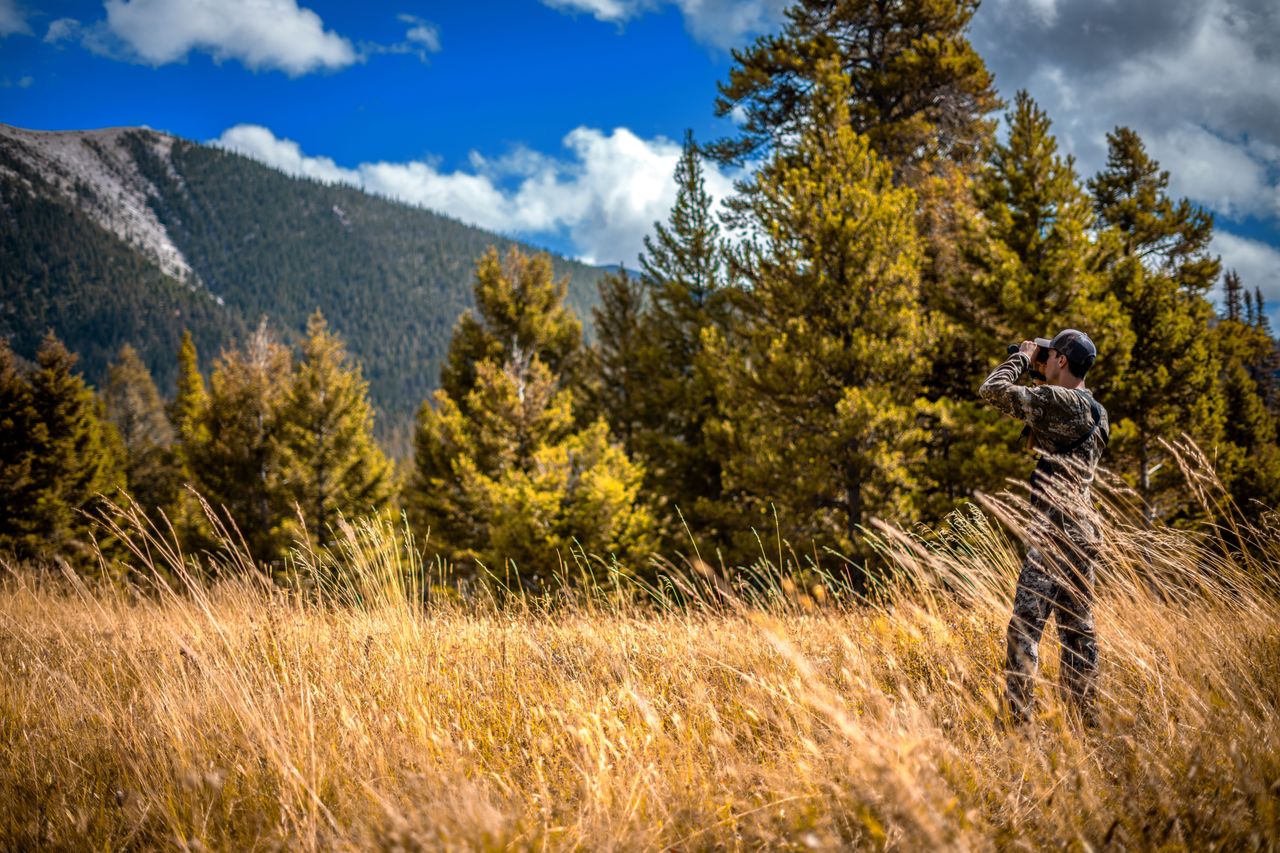
This matters because most Americans do not hunt, but they still influence wildlife politics, ballot measures, access fights, and predator management debates. They rarely read detailed regulation books. They are reacting to images and stories. A hunter glassing a ridge and hiking hard for one careful shot communicates one thing. A hunter triangulating a tagged animal with live data, airborne scouting, and instant digital coordination communicates something else entirely.
Boone and Crockett has been explicit about that risk, arguing that fair chase helps shape society’s opinion of hunters and hunting. The concern is not abstract. If the public begins to see big game hunting as too easy, too commercialized, or too engineered, legal permission can outlast moral permission only for so long.
That is why the volume has gone up. The debate is not just about what hunters owe animals. It is about what hunters owe the future of hunting itself.
The real dispute is over uncertainty, and uncertainty is the point
Strip away the slogans and the fair chase fight comes down to one uncomfortable truth: uncertainty is not a bug in hunting, it is the feature. The animal may not appear. The wind may shift. The range may close too slowly. The hunter may go home empty-handed. That is the moral architecture of the thing.
Technology keeps promising to erase those variables. Cellular cameras turn scouting into surveillance. Thermal optics reduce concealment. Hyper-accurate long-range systems compress the need to stalk closer. Group texts and live pin drops can turn individual woodsmanship into distributed intelligence. None of these guarantees a kill, but each can shave away some part of the animal’s chance.
Colorado’s big game attitude survey showed how uneasy hunters are with that erosion. About 61 percent were very concerned about advanced thermal imaging equipment used to locate big game during legal hunting seasons, and another 18 percent were moderately concerned. That is a remarkable level of discomfort with a single class of tools.
In other words, the loudness of the debate is a clue. People are arguing because many can feel the hunt changing beneath their feet, even when the rules have not fully caught up.
Not every new tool is unethical, and that nuance matters.
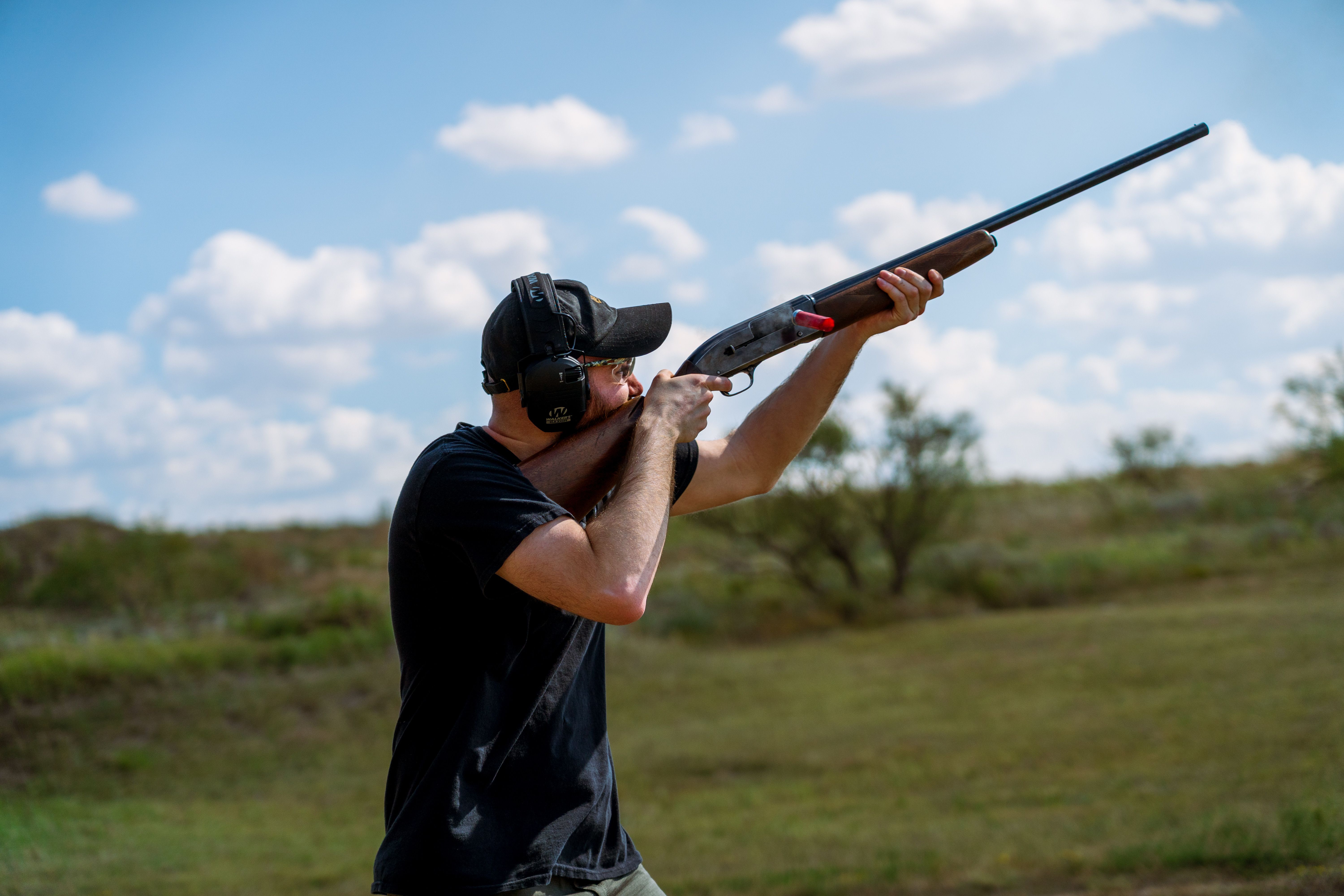
One reason this conversation gets messy is that hunters often hear any criticism of technology as a demand to go back to flintlocks and paper maps. That is not what most fair chase advocates are saying. Some tools improve safety, accuracy, recovery, and access without clearly destroying the animal’s chance to evade.
A suppressor is a good example of the nuance. Boone and Crockett notes that suppressors are legal to own in most states and legal for hunting in most of those states, and the case for them often centers on hearing protection and reduced disturbance rather than unfair advantage. GPS mapping can also prevent trespass and reduce wasted time on private boundaries. Better optics can make for cleaner, more ethical shots.
The harder cases are the tools that collapse the search itself or change the terms of pursuit in real time. Wireless cameras, thermal detection, AI-assisted identification, and drones do not simply help a hunter perform better. They can change the basic contest.
That means fair chase is not anti-technology. It is anti-shortcut when the shortcut removes the very difficulty that gives the hunt meaning.
The louder debate may be the last useful brake hunters still control
Here is the irony at the center of all this: fair chase is getting louder precisely because technology is making it feel less relevant in the field. If enough devices can lawfully locate, pattern, and help take animals with extraordinary efficiency, then the old code risks becoming optional theater.
But that is also why the debate matters now more than ever. Ethics usually become most visible when rules alone are no longer enough. Wildlife agencies can ban specific devices, as Utah has done with trail cameras and seasonal night-vision restrictions, and as many states already have with drones or transmitting technologies. Yet innovation always outruns regulation.
So the real question is whether hunters will police the edge before outsiders do it for them. Fair chase remains the one flexible standard that can respond faster than a rulebook because it asks not only what is legal, but what preserves dignity, challenge, and public trust.
If the debate sounds louder, that is not a sign fair chase is dying. It is a sign people understand exactly what is at stake when a wild pursuit starts looking less wild.