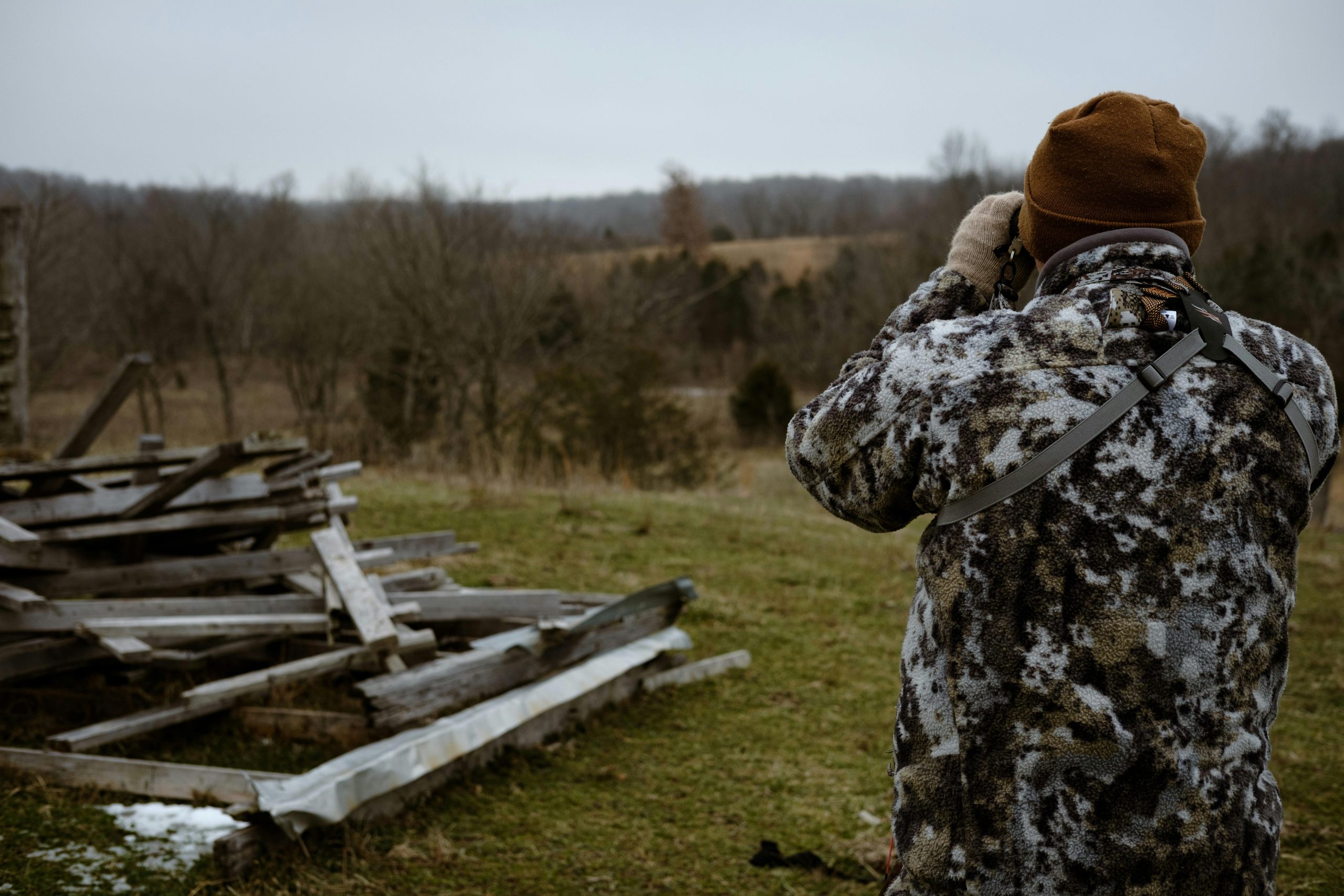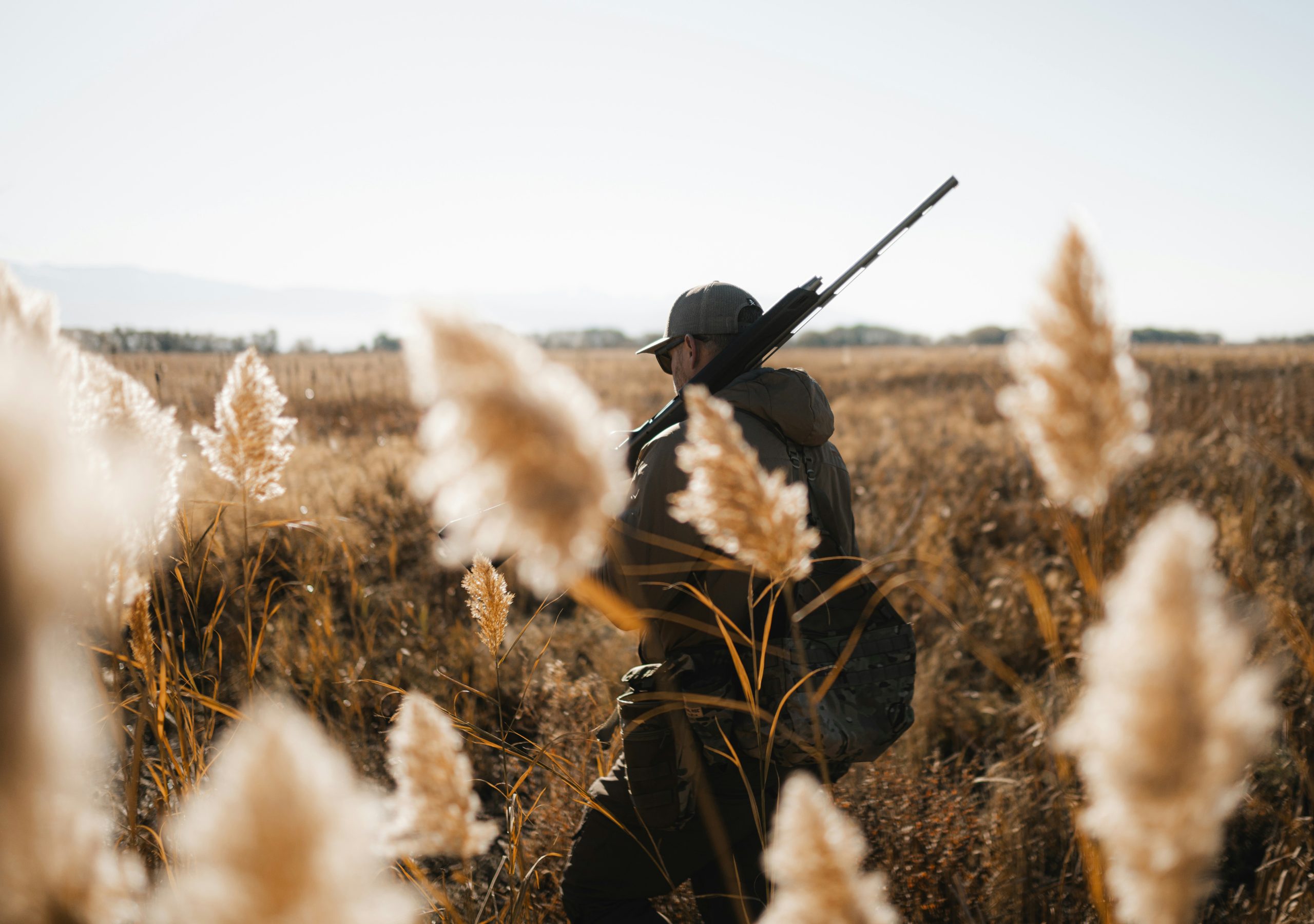
Hunting often appears physically demanding, leading many newcomers to believe strength is the defining factor for success. While endurance and fitness certainly help, seasoned hunters know that experience consistently outweighs raw power. Understanding animal behavior, reading terrain, managing energy, and making smart decisions under pressure are what truly shape outcomes in the field. Strength fades with fatigue, age, or injury, but experience compounds over time. It teaches hunters when to move, when to wait, and when not to act at all. From tracking signs to choosing ethical shots, knowledge replaces wasted effort. This is why older, less physically imposing hunters often outperform stronger newcomers; they rely on judgment rather than force.
Experienced Hunters Move Smarter, Not Harder
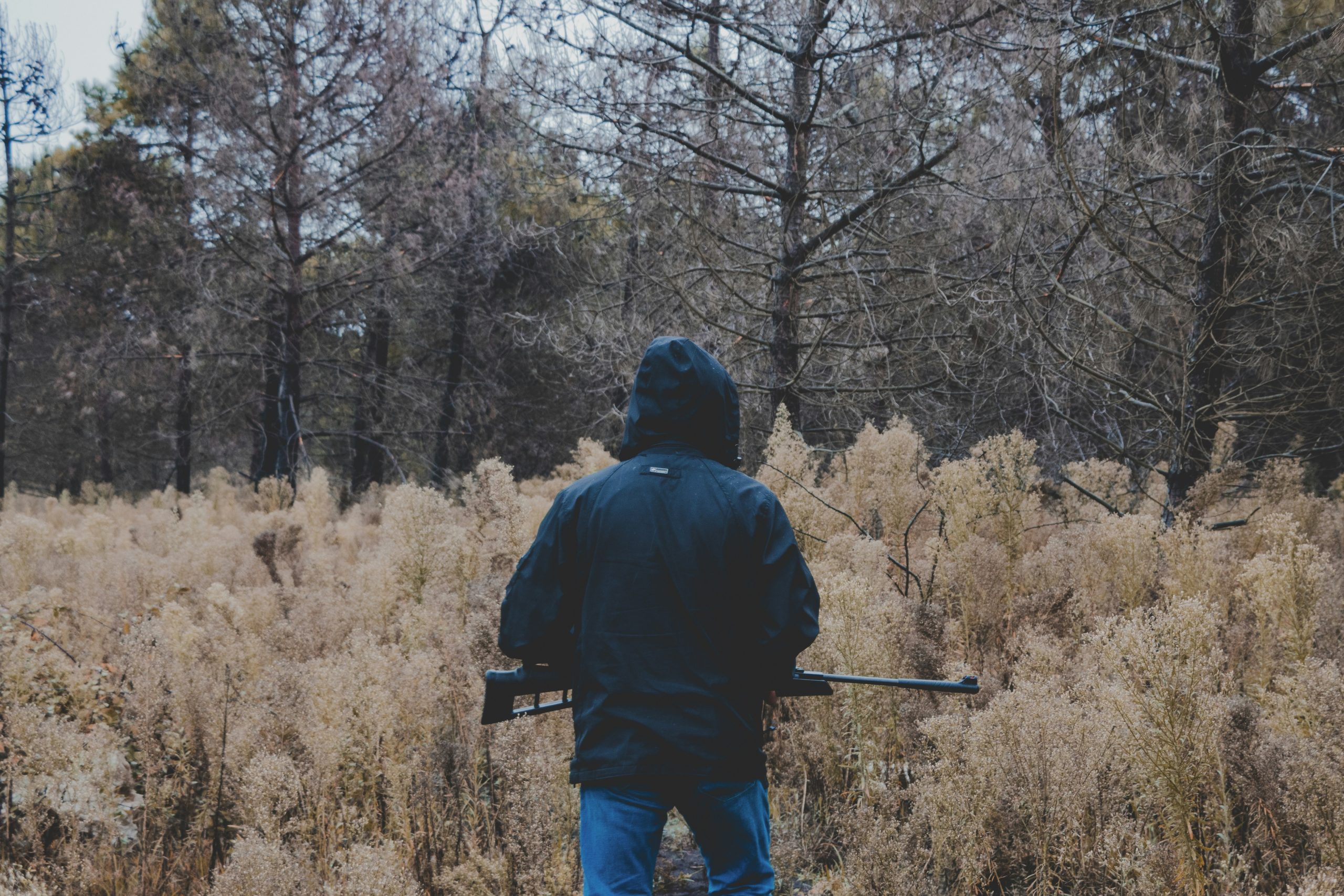
Experienced hunters rarely rush or waste energy. Instead of pushing aggressively through terrain, they read the landscape and choose paths that minimize noise, exposure, and fatigue. They understand wind direction, elevation changes, and natural funnels, allowing them to position themselves efficiently rather than chasing animals blindly. Strength may help someone climb faster, but experience teaches that when climbing isn’t necessary at all. Seasoned hunters conserve energy for critical moments, such as shot placement or animal recovery. By pacing themselves and planning movement carefully, they avoid exhaustion that leads to mistakes. This strategic approach allows experienced hunters to remain effective even in long, demanding hunts.
Knowledge of Animal Behavior Replaces Physical Effort
Understanding how animals think and react is far more valuable than physical strength. Experienced hunters recognize feeding patterns, travel routes, bedding areas, and escape behaviors developed through years of observation. This knowledge allows them to anticipate movement instead of forcing encounters. Rather than tracking endlessly, they position themselves where animals naturally pass. Strength cannot compensate for ignorance when animals change direction or vanish without warning. Experience teaches patience and timing, knowing when an animal is likely to appear and when it won’t. This insight reduces unnecessary movement and increases success while minimizing physical strain.
Shot Placement Depends on Experience, Not Power
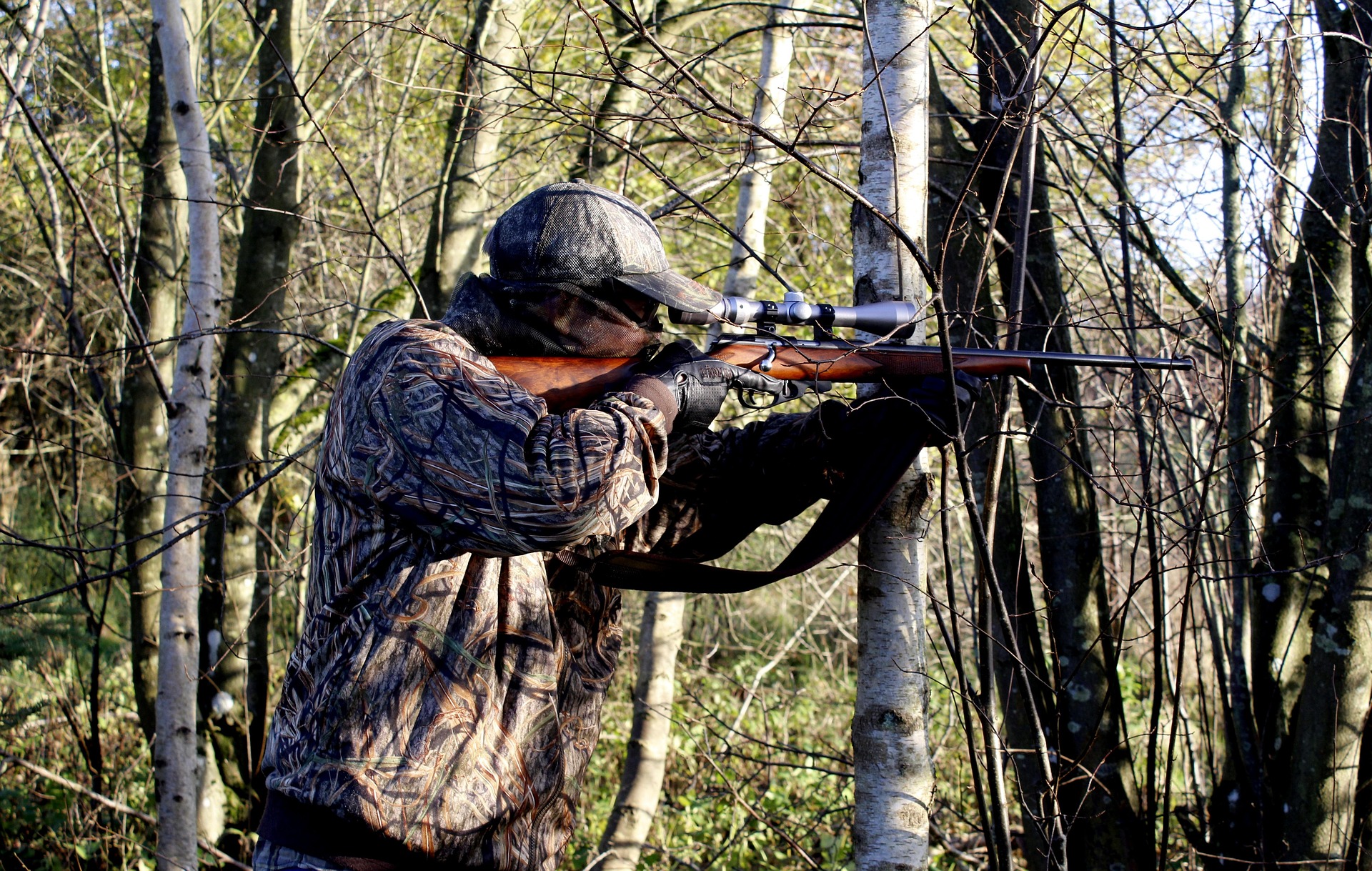
No amount of strength improves shot placement. Ethical, effective shots require calm decision-making, anatomical knowledge, and the discipline to wait for the right moment. Experienced hunters understand angles, distances, and bullet behavior under real conditions. They know when not to shoot, even if the opportunity seems tempting. Strength may help steady a firearm briefly, but experience controls nerves and judgment. Poor shot choices often come from inexperience, not weakness. Veterans prioritize clean kills and recovery over ego, understanding that patience leads to better outcomes than forceful action or rushed decisions.
Tracking Skills Reduce Physical Exhaustion
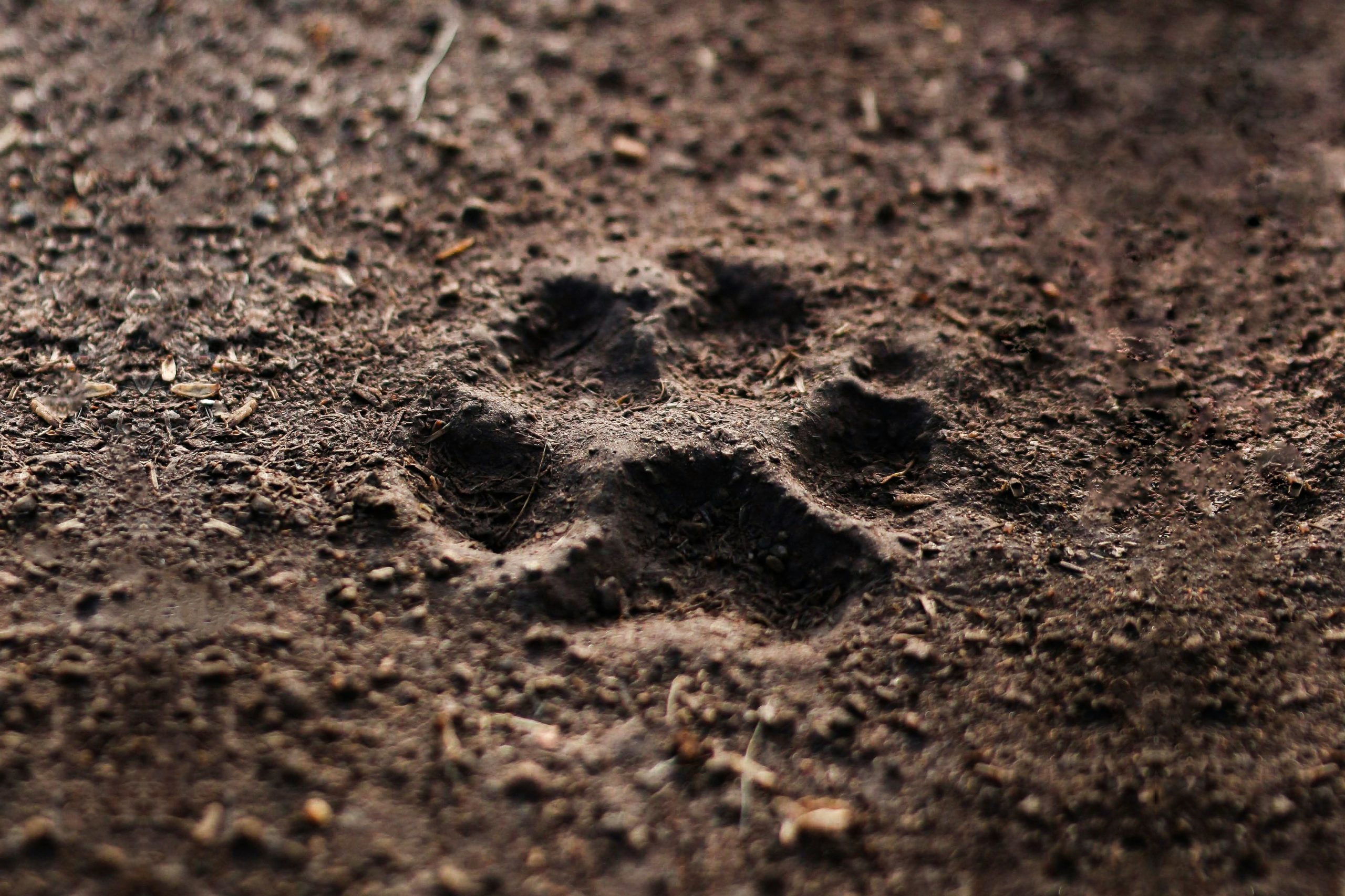
Tracking wounded or wary game is one of the most demanding aspects of hunting, and experience makes a dramatic difference. Skilled trackers read subtle signs like broken grass, disturbed leaves, or faint blood droplets that others overlook. This precision prevents unnecessary wandering and wasted effort. Inexperienced hunters often rely on brute force, covering large distances blindly. Experienced hunters move deliberately, conserving energy while following logical patterns. Their understanding of animal behavior after being spooked or hit allows them to predict travel direction. As a result, they recover animals more efficiently and with far less physical strain.
Weather Judgment Comes From Time in the Field

Weather affects animals more than hunters, and experience teaches how to adapt to it. Seasoned hunters understand how temperature, pressure changes, wind shifts, and precipitation influence movement. They know when animals bed down, feed actively, or seek shelter. Strength cannot overcome poor weather decisions, such as hunting during low-activity periods or approaching from the wrong wind direction. Experienced hunters adjust timing, routes, and tactics based on conditions. This awareness reduces unnecessary exposure and effort, allowing hunters to work with nature instead of fighting it blindly through physical exertion alone.
Experience Prevents Costly Mistakes Under Pressure
Hunting places people in unfamiliar, high-pressure situations where mistakes can escalate quickly. Experienced hunters remain calm when plans fail, animals bolt, or conditions change suddenly. They’ve faced similar scenarios before and learned what works. Strength does nothing to prevent poor decisions caused by panic or impatience. Experience builds mental resilience, allowing hunters to reassess situations logically rather than reacting emotionally. This calm approach reduces wasted movement, unsafe actions, and missed opportunities. Hunters who rely on experience rather than force consistently make better choices when pressure is highest.
Field Dressing and Recovery Favor Skill Over Strength
Processing and recovering game often appears physically demanding, but experience greatly reduces effort. Skilled hunters use leverage, terrain, and efficient techniques to move animals without unnecessary strain. They plan recovery routes before taking shots and understand how to break down animals properly. Strength helps, but poor technique leads to exhaustion or injury. Experienced hunters know when to quarter, drag, or wait for help. This practical knowledge prevents overexertion and ensures meat quality. Smart recovery methods consistently outperform brute-force approaches, especially during solo or backcountry hunts.
Experience Improves Gear Selection and Load Management
New hunters often overpack, believing extra gear compensates for uncertainty. Experienced hunters carry only what they need, reducing weight and fatigue. They understand which tools matter in specific environments and seasons. Strength may allow someone to carry heavy loads initially, but inefficiency catches up over time. Experienced hunters choose gear based on proven necessity rather than assumption. This lighter, smarter approach improves mobility, endurance, and focus. Over long hunts, efficient load management consistently outperforms raw carrying capacity. This efficiency also reduces mental fatigue, helping hunters stay alert and focused longer.
Situational Awareness Develops Through Experience
Situational awareness, the ability to read surroundings, anticipate danger, and adapt, is learned through repeated exposure. Experienced hunters notice subtle environmental changes, animal signals, and human activity that others miss. This awareness prevents dangerous encounters and improves positioning. Strength does not sharpen perception. Experience teaches hunters when to slow down, stop, or change plans entirely. This heightened awareness reduces mistakes caused by fatigue or tunnel vision. Hunters who rely on observation rather than force consistently remain safer and more effective in unpredictable environments.
Longevity in Hunting Comes From Experience
Strength fades with age, but experience grows stronger. Many lifelong hunters remain successful well into later years because they rely on knowledge, efficiency, and judgment. They understand limitations and adapt tactics accordingly. Strength-dependent hunters often struggle as physical ability declines, while experienced hunters adjust seamlessly. This longevity proves that hunting success is not defined by physical dominance but by learned skill. Experience allows hunters to continue participating ethically, safely, and effectively across decades, making it the most valuable asset a hunter can develop.