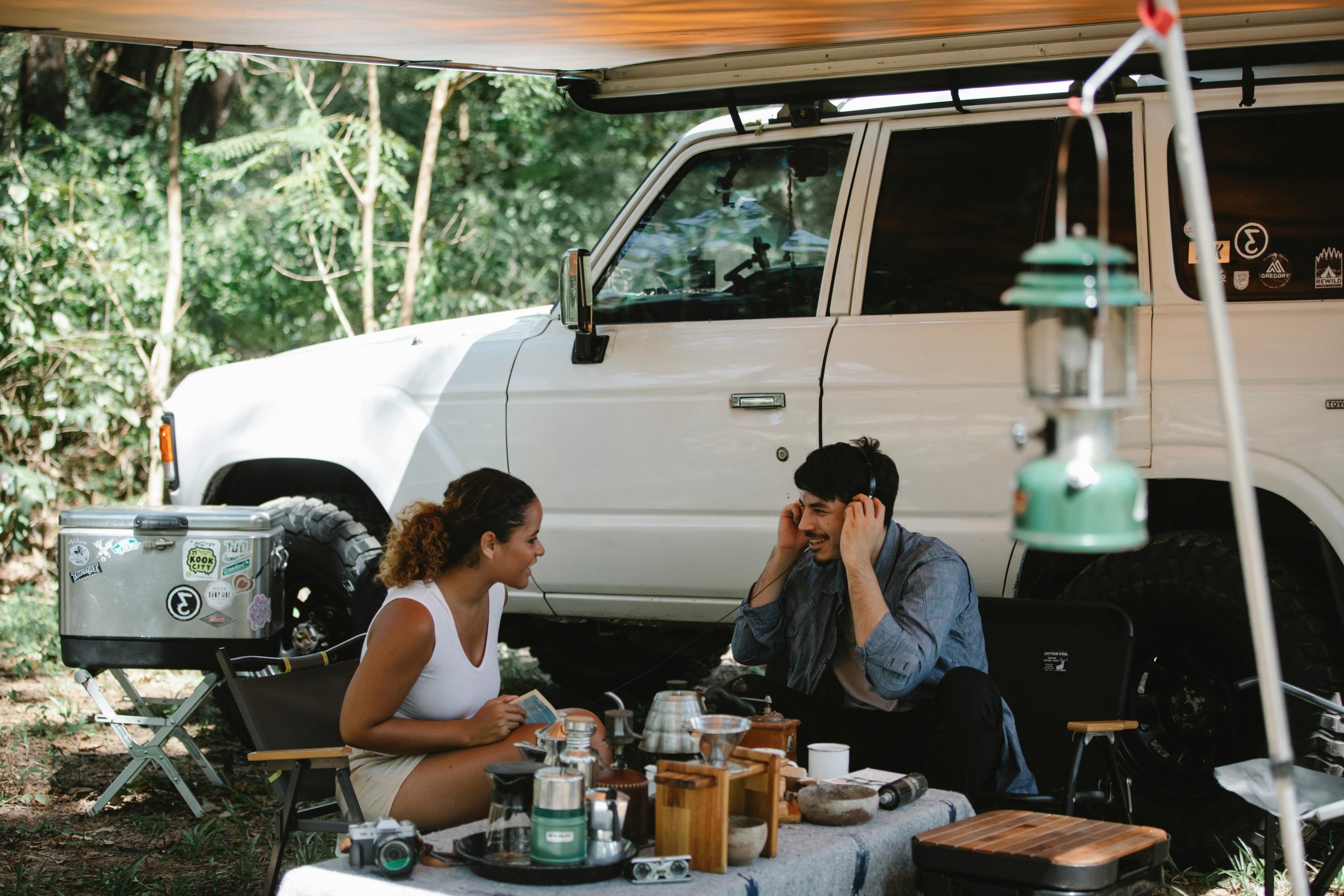
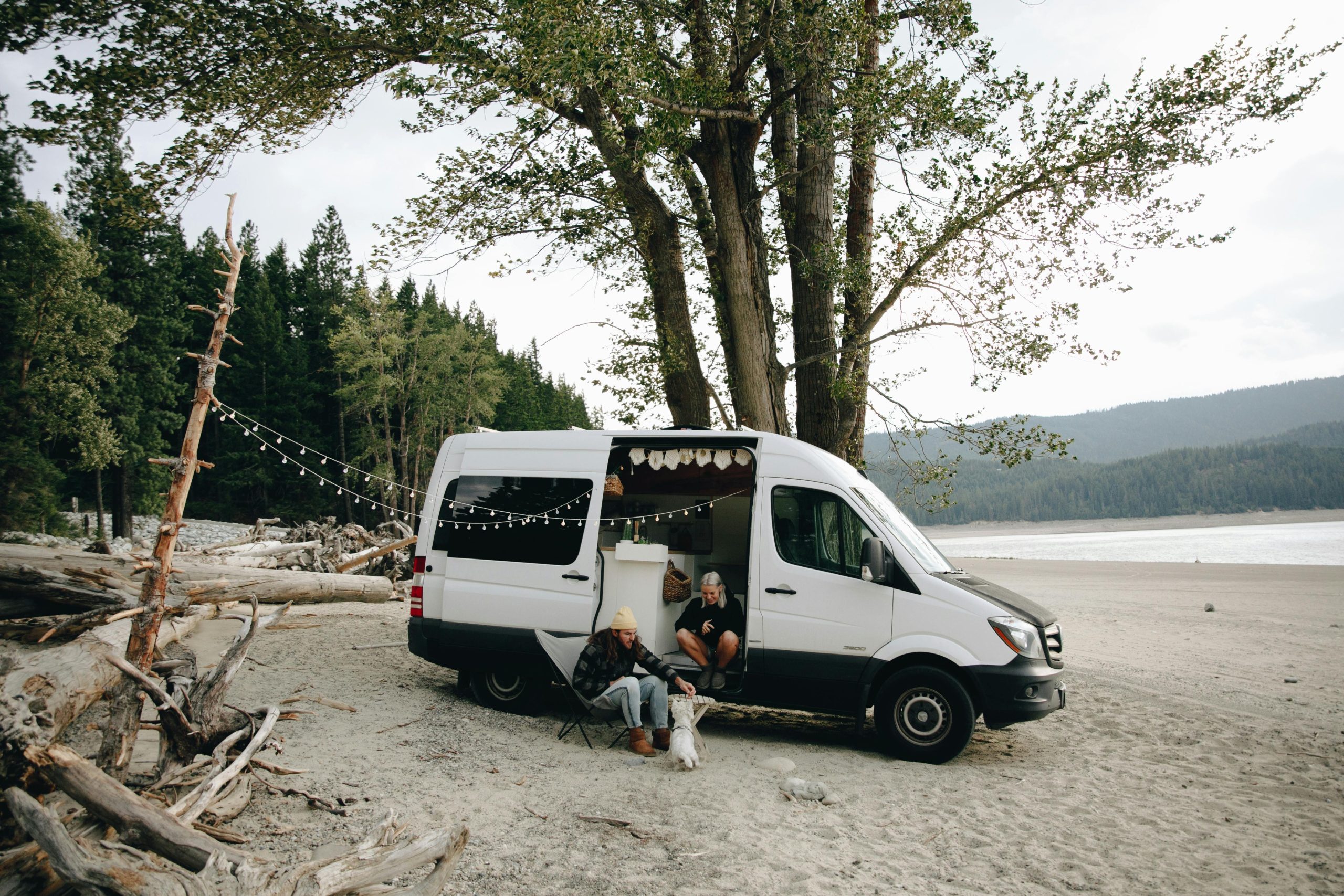
Cooking outdoors often brings a sense of simplicity and comfort, yet the method used to prepare a meal can dramatically shape the experience. Many campers have discovered that cooking over coals offers steadier heat, greater control, and improved safety compared to working directly over open flames. Coals create an even cooking environment that reduces the risk of flare-ups, scorched food, or unexpected temperature swings that can complicate meal preparation. They also minimize fire hazards in dry or windy conditions, allowing campers to manage heat without battling unruly flames. As more parks emphasize responsible fire practices, understanding the advantages of coal-based cooking helps travelers enjoy warm, flavorful meals while protecting the landscapes they come to explore and appreciate during their camping adventures with enhanced confidence and satisfaction overall.
More Consistent Heat Control
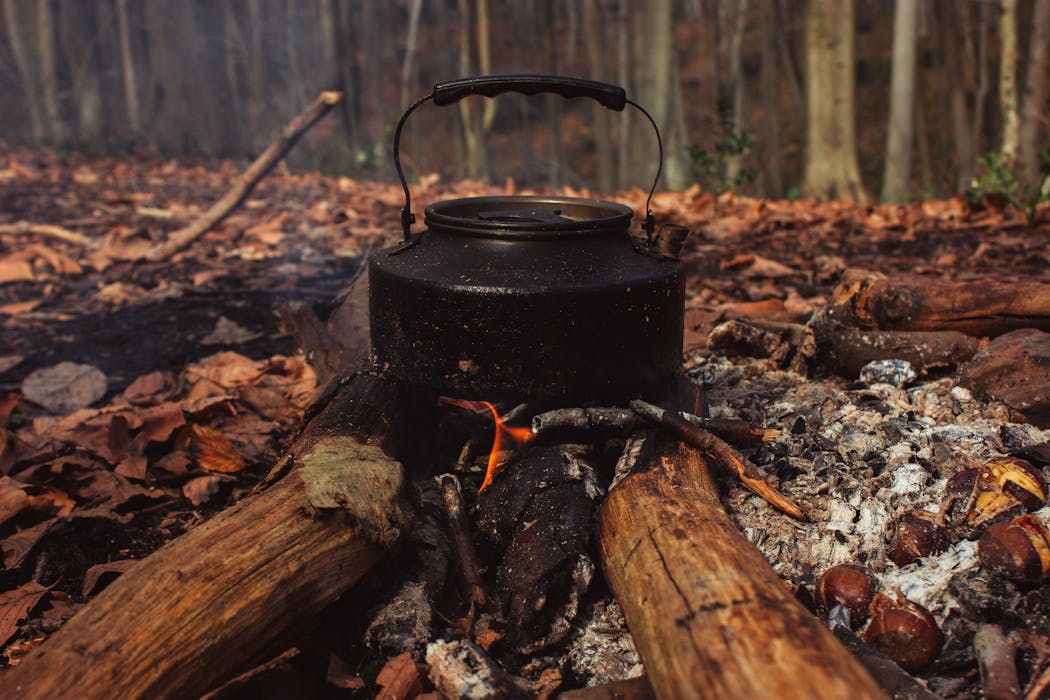
Cooking over coals provides a stable, predictable heat source that makes meal preparation easier and more enjoyable. Coals radiate heat evenly across a wide surface, allowing food to cook thoroughly without exposure to sudden flames that cause burning or uneven browning. This steady temperature helps meats retain moisture, prevents vegetables from charring, and supports slow-cooking methods that enhance flavor. Coals can be arranged in various patterns to create hot zones and cooler zones, offering flexibility for different cooking techniques. The reliability of radiant heat gives campers confidence when preparing meals, especially during longer trips when consistent cooking results matter most in unpredictable environments.
Reduced Fire Risk in Dry Conditions
Open flames pose a higher risk in dry environments because sparks and embers can travel quickly, especially in windy weather. Coals, however, remain contained and produce far fewer airborne particles that could ignite surrounding brush. Because the heat stays lower and closer to the ground, coals help prevent the accidental spread of fire and support safer campsite routines. Many campgrounds encourage coal-based cooking for this reason, particularly during seasons when wildfire danger rises. By reducing flame height and limiting unpredictable flare-ups, cooking over coals aligns with best practices for preserving natural areas and minimizing hazards that threaten important ecosystems statewide.
Greater Fuel Efficiency
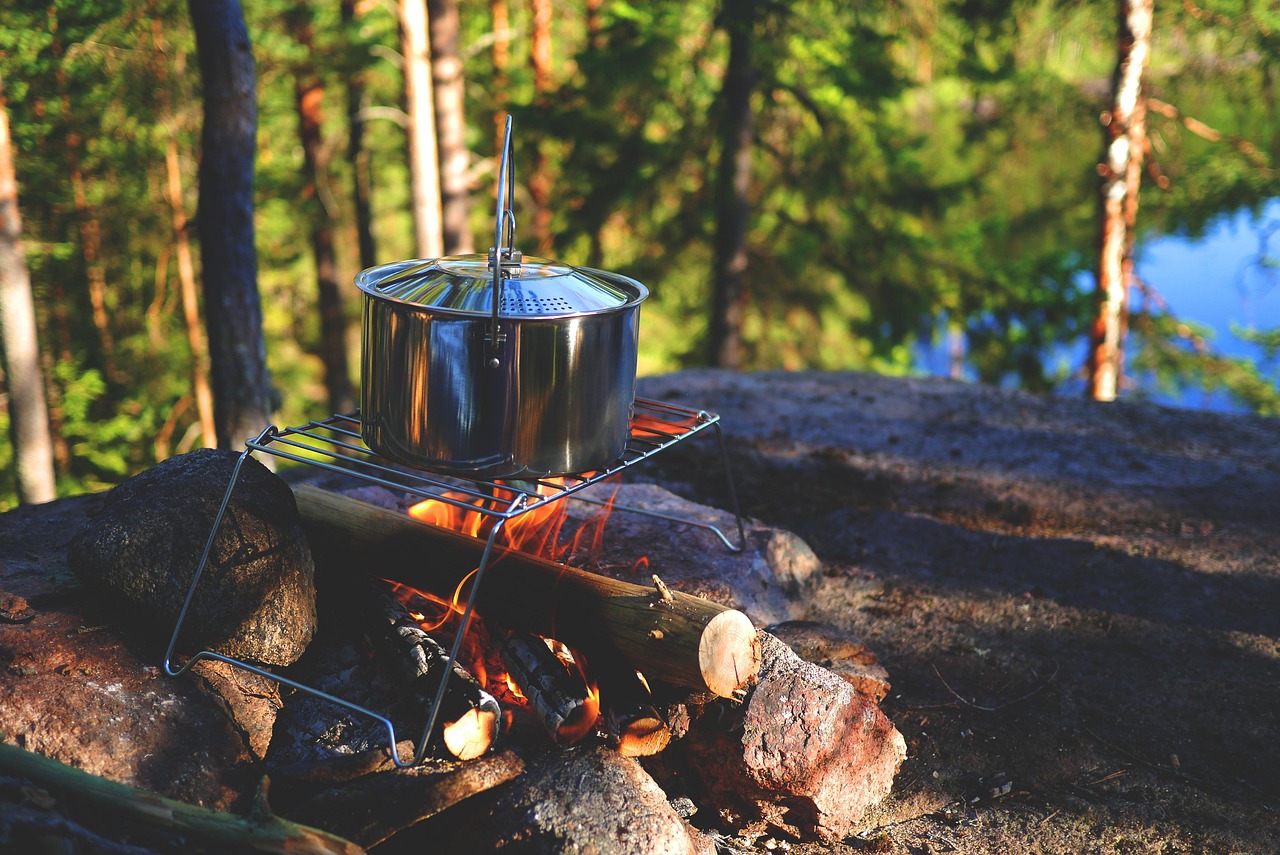
Coals burn longer and more efficiently than open flames, allowing campers to use less wood or charcoal while still achieving excellent cooking temperatures. Once flames die down into glowing embers, the heat remains strong without requiring constant fuel replenishment. This efficiency reduces the environmental impact of firewood consumption and minimizes the effort needed to maintain a cooking fire throughout a meal. With fewer logs burned and more energy retained, coals support longer cooking periods ideal for simmering stews, roasting meats, or baking camp-style recipes. The slower, sustained burn also helps conserve resources in remote areas where wood is limited and carefully monitored for sustainability.
Easier Temperature Management for Beginners
Managing an open flame requires experience, quick adjustments, and careful attention to avoid burning food. Coals simplify the process by providing a steady heat level that allows beginners to cook confidently without battling unpredictable flare-ups. By spreading coals evenly beneath cookware, campers can control cooking conditions with remarkable ease, adjusting heat intensity by adding or removing small portions of embers rather than fighting an entire fire. This approach supports learning, encourages experimentation, and gives new campers a positive introduction to outdoor cooking techniques. With fewer surprises and smoother results, coal-based cooking builds skills that translate into enjoyable and successful camping meals across various outdoor settings.
Better Flavor Development
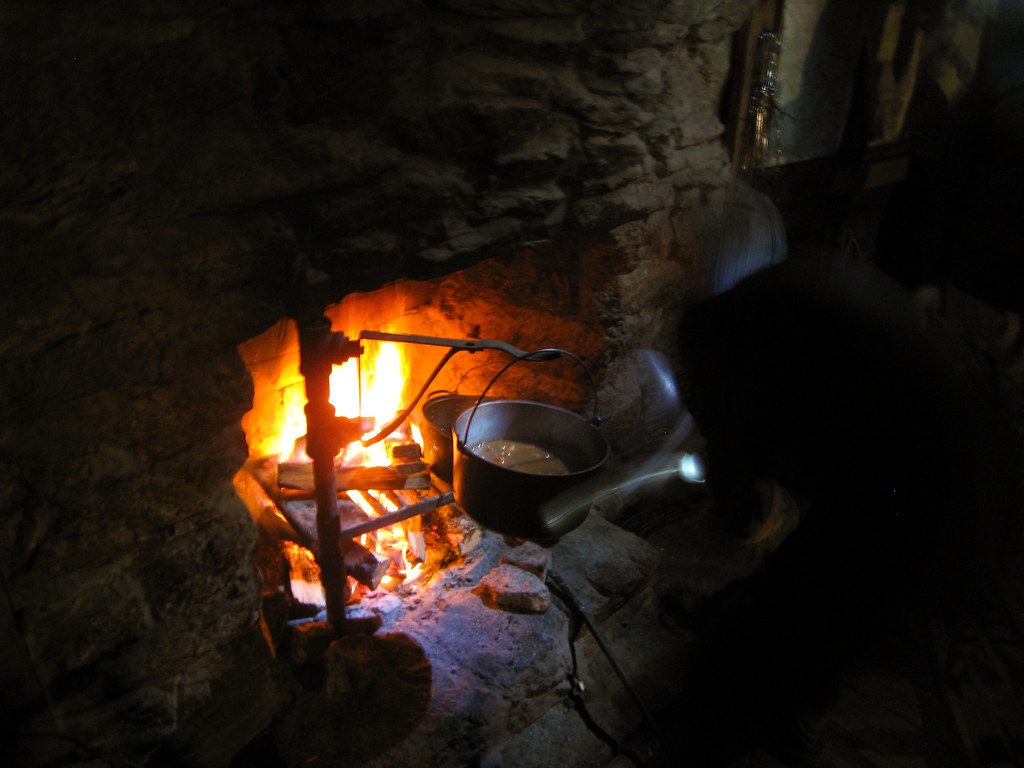
Coals enhance flavor through slow, even heat that allows food to caramelize, roast, or smoke gently without scorching. Meats cook more uniformly, developing rich crusts and tender interiors, while vegetables soften gradually, bringing out natural sweetness. Because coals avoid the harshness of direct flames, cooking aromas remain subtle and appealing, contributing to a more refined campfire meal. This method also supports cast-iron cooking, Dutch oven recipes, and traditional techniques that require patience and low, controlled heat. Many seasoned campers view coal-based cooking as the key to achieving restaurant-quality flavors in the wilderness while maintaining simplicity in preparation.
Improved Safety Around Campsites
Open flames can intimidate children, pets, and inexperienced campers, creating unnecessary risks around a busy campsite. Coals provide a calmer, more controlled heat source that reduces stress and enhances safety for everyone present. Lower flame height improves visibility, decreases the chance of accidental contact, and creates a more predictable environment when multiple people share cooking responsibilities. This controlled setup also simplifies nighttime cooking, helping campers avoid sudden heat spikes that could cause burns or spilled meals. The calmer setting encourages teamwork and supports a relaxed atmosphere, making outdoor meals more enjoyable for diverse groups seeking comfort and reliability.
Compatibility With a Wider Range of Cookware
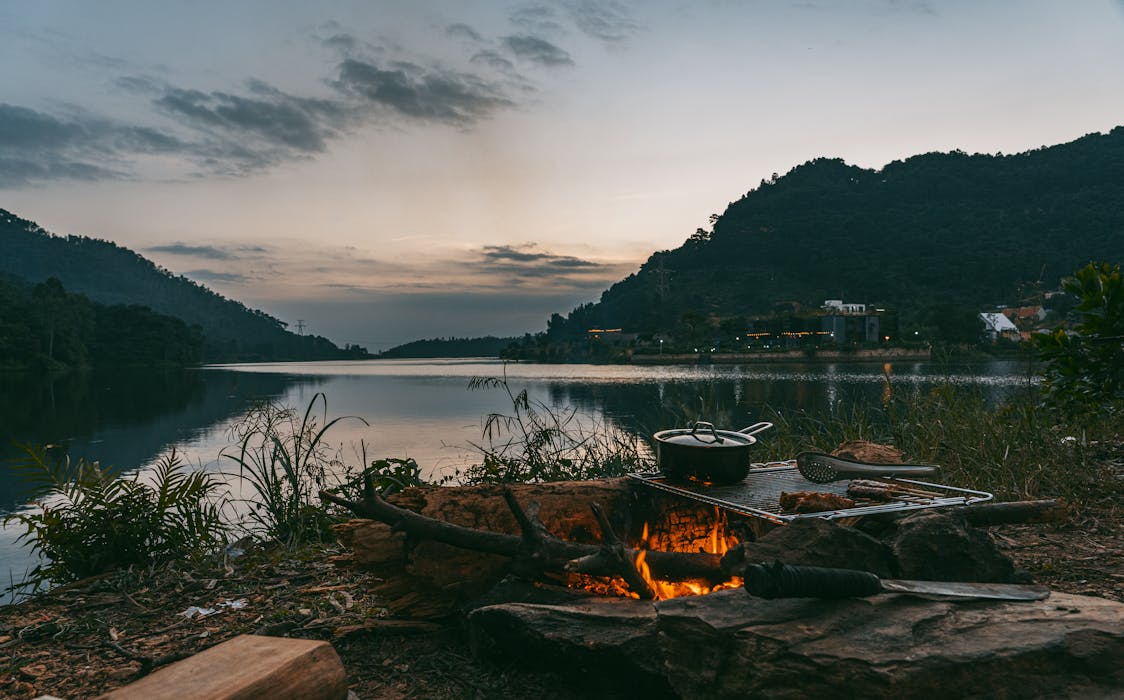
Coals support a broad range of cookware, including cast iron skillets, Dutch ovens, metal grates, and foil packets designed for slow, even heating. Many outdoor recipes rely on consistent radiant heat that flames cannot provide reliably. Coals allow pots and pans to sit closer to the heat source without risk of overheating, making careful preparations more accessible. They also support baking techniques such as cobblers or breads that require top-and-bottom heating, achieved with carefully placed embers. This versatility encourages creative meal planning and allows campers to explore recipes well beyond simple grilled fare enjoyed on traditional trips.
Lower Environmental Impact on Campsites
Open flames consume wood rapidly and can leave behind charred logs, blackened stones, and deep burn scars that degrade campsite appearance. Coal-based cooking uses smaller amounts of fuel and keeps heat localized, reducing long-term damage to soil and surrounding vegetation. Many campgrounds encourage responsible fire ring use, and coal cooking aligns with Leave No Trace principles that promote minimal environmental disruption. Because coals burn down cleanly and evenly, they create less visual and ecological disturbance, helping preserve natural spaces for future visitors. This approach supports stewardship practices valued across all environmentally conscious outdoor communities.