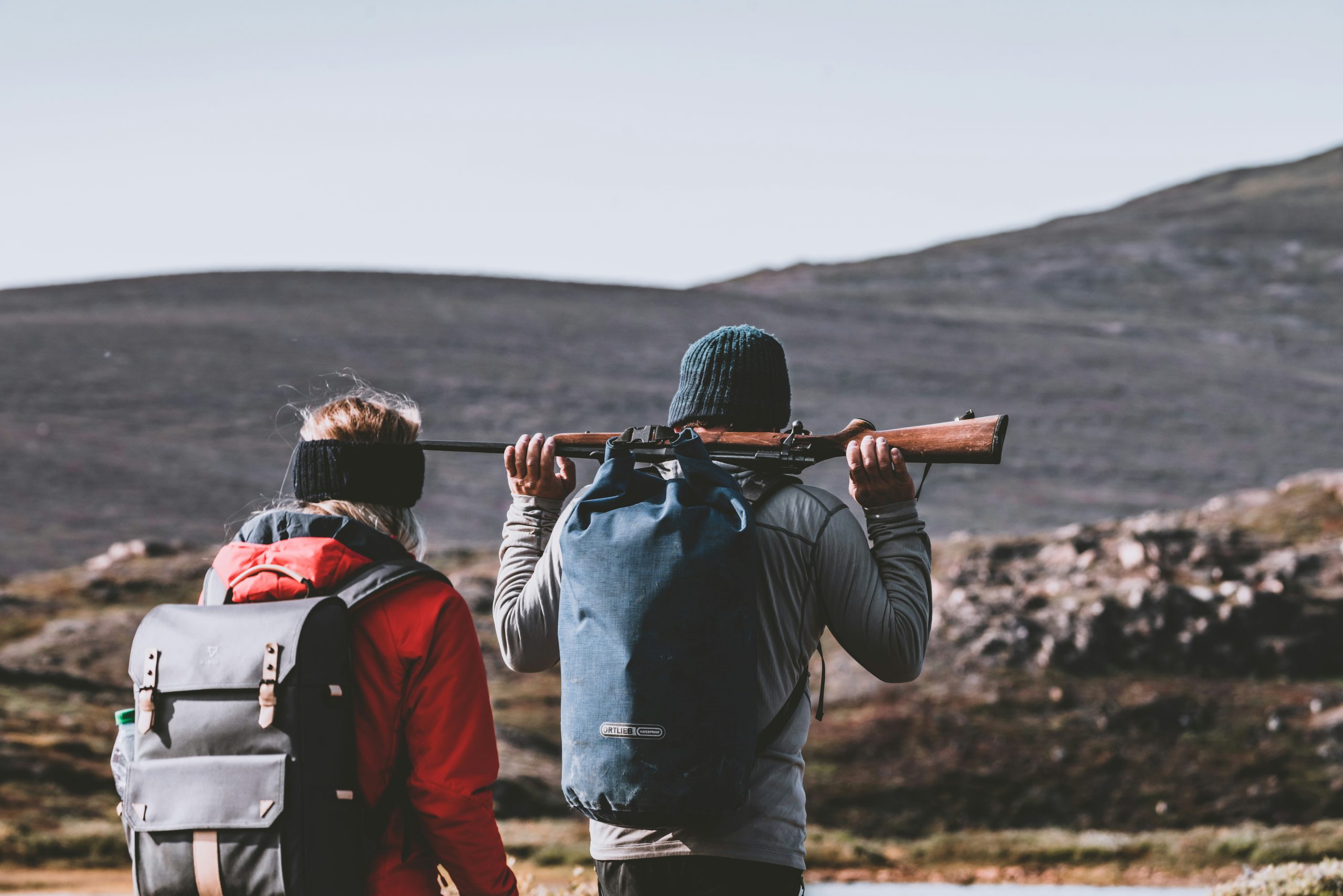
Picture a camping trip, towering trees, quiet trails, and the low crackle of a fire at night.
Now picture the danger most people imagine alongside it: bears crashing through the dark, strangers lurking in the trees, a wilderness that demands a loaded weapon just to survive.
That image doesn’t reflect reality for the overwhelming majority of campers.
The U.S. sees hundreds of millions of camping visits every year, and the data paints a consistent picture: most trips end safely, without incident, and without a single round being fired.
Here’s a closer look at eight real, evidence-backed reasons why a firearm simply isn’t a necessary addition to your pack.
Wildlife Encounters Are Far Rarer Than People Think
Fatal wildlife attacks in the U.S. average fewer than 5 per year across all species combined.
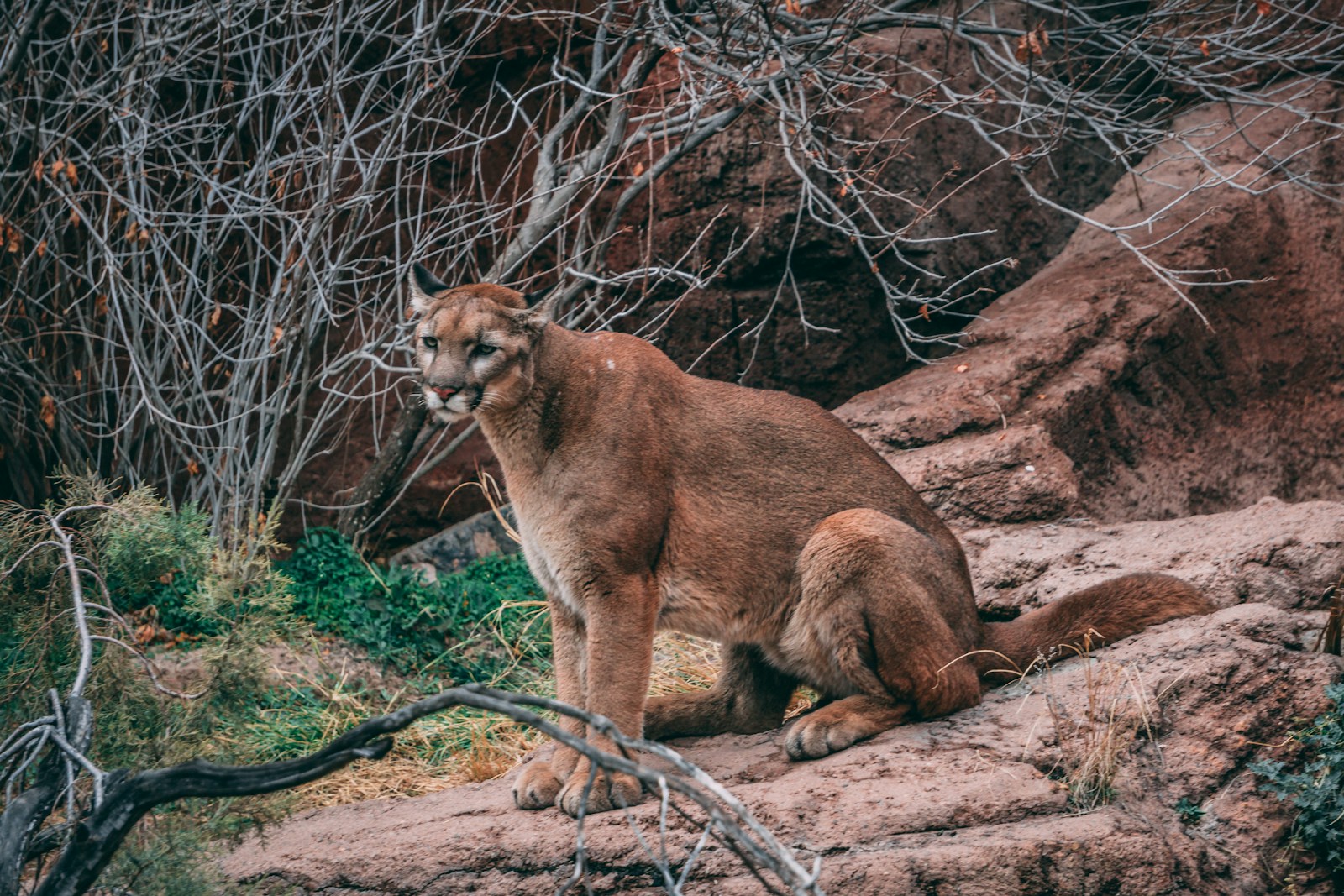
Bears, mountain lions, and wolves rarely approach humans without provocation. Most sightings end with the animal retreating on its own.
National park data shows over 330 million visits happen annually, yet fewer than 40 result in any form of wildlife injury.
Your odds of being seriously hurt by an animal while camping sit at roughly 1 in 2.5 million.
Most campers who spend over 100 nights outdoors across their lifetime never face an aggressive wildlife encounter.
The widespread fear of wildlife is largely driven by rare, viral news events, not the everyday reality of camping life.
Bear Spray Consistently Outperforms Firearms in Real Encounters
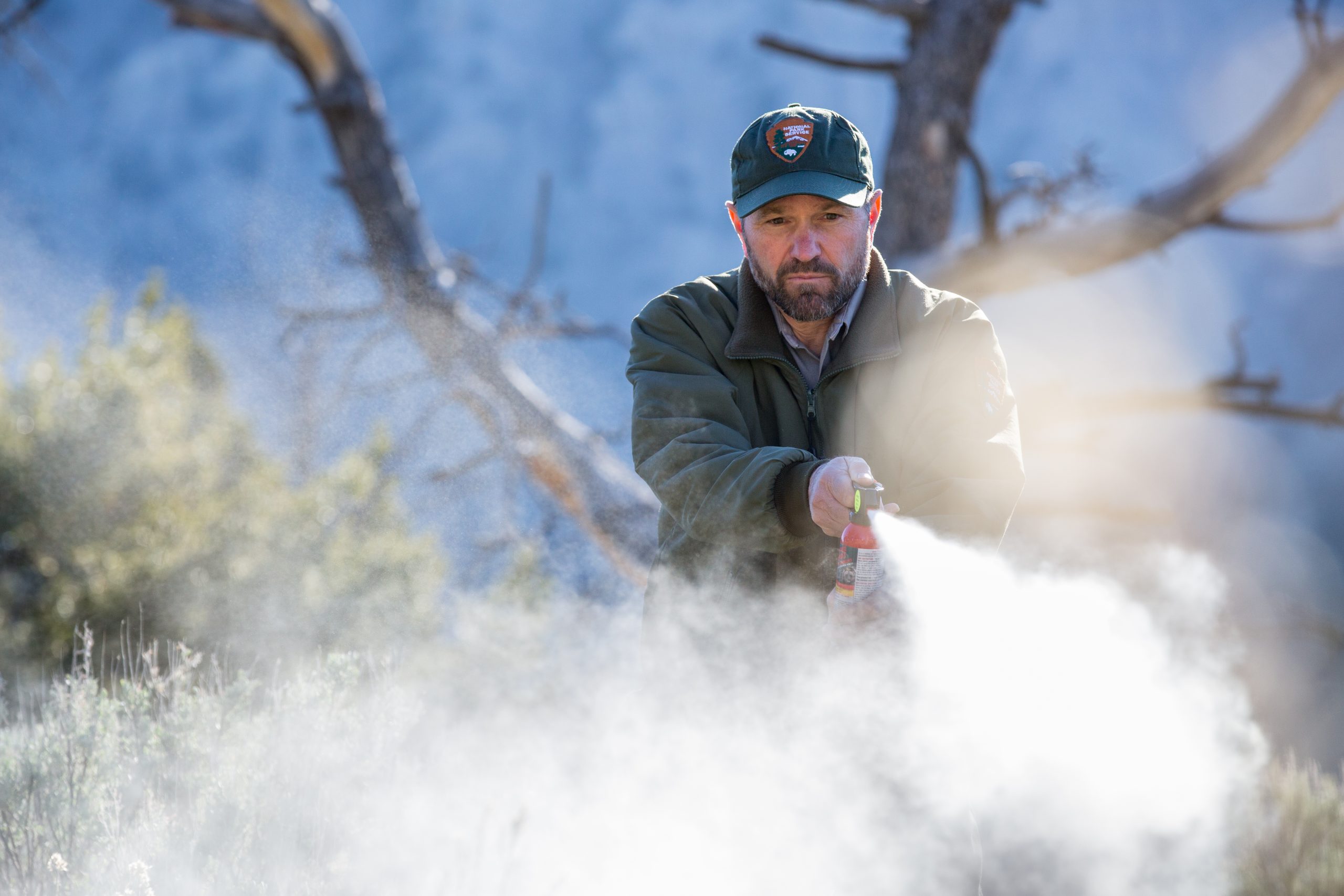
Studies from the U.S. Fish and Wildlife Service show bear spray is effective in stopping aggressive bear behavior 92% of the time.
Firearms, by contrast, only succeed in about 67% of bear encounters and often escalate the situation when shots miss or wound rather than stop.
Bear spray creates a 30-foot cloud of capsaicin that affects the animal’s eyes, nose, and lungs within seconds.
It weighs roughly 8 to 9 ounces, costs around $40 to $55, and requires no license or special training to carry legally in most states.
A gun demands accuracy under extreme stress, something even trained shooters struggle with when charged by a 300-pound animal at speed.
Campground Crime Rates Are Genuinely Low
Violent crime rates in national parks consistently rank among the lowest of any public space in the entire country.
The NPS oversees more than 420 sites, yet the total violent crime logged across all of them annually is remarkably small.
Most campsite theft involves food or gear left unattended, not confrontational situations that require a firearm response.
Ranger-patrolled campgrounds see even fewer incidents, with many sites recording zero violent events across 3 to 5 consecutive years.
Statistically, you’re far safer beside a campfire than during the drive to the trailhead.
The data is consistent; amping in a managed park is one of the lowest-risk environments most people will ever spend time in.
Proper Food Storage Eliminates the Core Risk
Over 95% of wildlife encounters near campsites trace directly back to improper food storage or random or unprovoked aggression from animals.
The National Park Service reports bear incidents drop by more than 80% at sites where campers consistently use certified bear-resistant canisters.
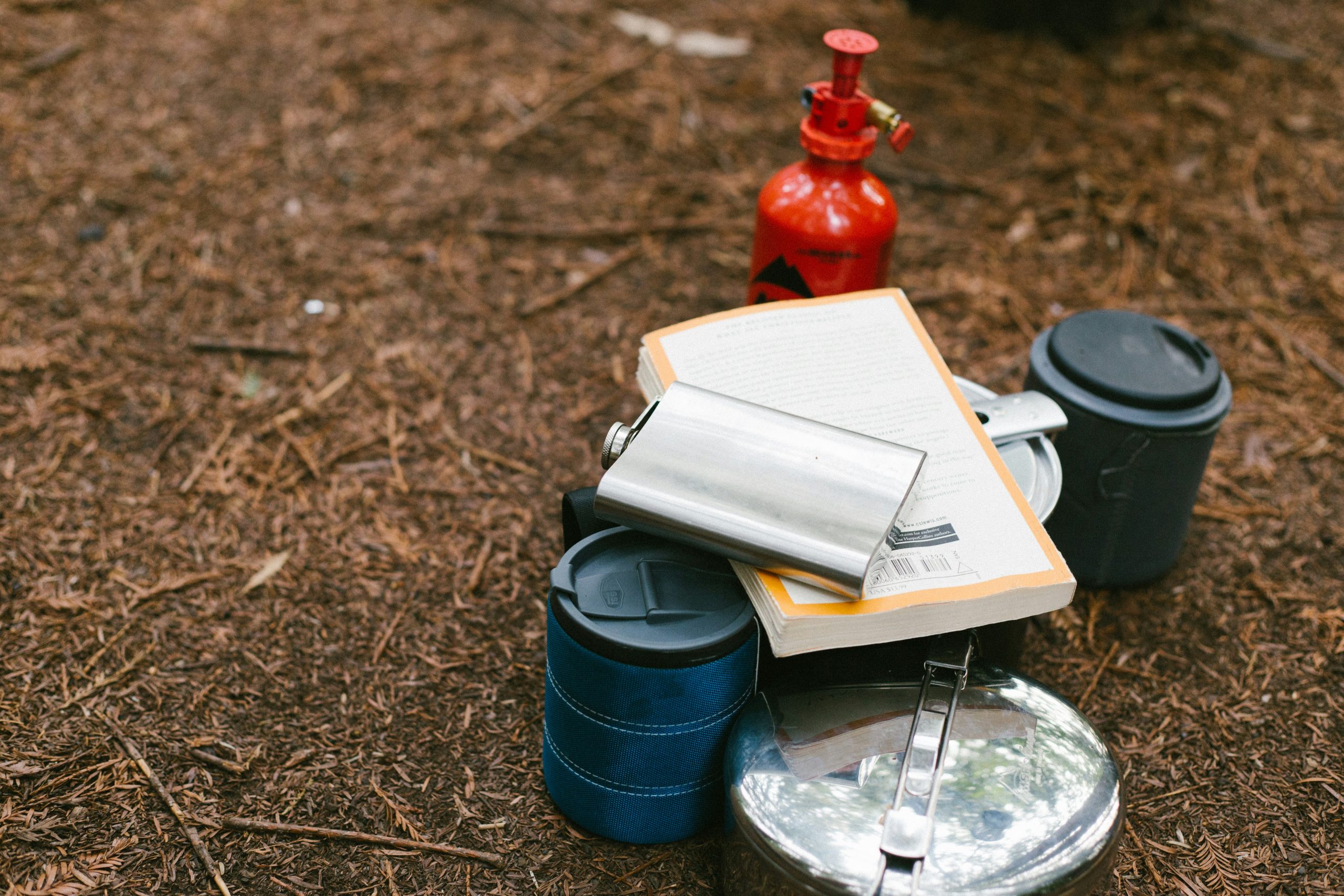
A standard bear canister costs between $50 and $80, holds around 100 ounces of food, and is required in over 60 U.S. wilderness zones.
Hanging food at least 10 feet high and 4 feet from any vertical surface adds another strong layer of protection at zero extra cost.
When animals can’t smell or access your food, they simply move on, confrontation, no escalation, and no firearm required.
Noise and Awareness Are Your Most Reliable Defense
Most wildlife bears, cougars, and coyotes naturally avoid humans when given enough warning of their presence.
Talking aloud, clapping, or using a bear bell reduces surprise encounters by an estimated 70 to 80%.
Research shows most defensive bear charges happen when animals are startled within 30 feet of a hiker.
Hiking in groups of 3 or more, staying on marked trails, and avoiding thick brush at dusk cuts the encounter risk significantly.
A $10 bear bell is far more practical than a firearm priced between $500 and $1,500 that most campers lack the training to use under pressure.
Awareness costs nothing and works every time, making it the most reliable safety tool any camper can develop.
Legal Complications Make Carrying a Firearm Risky
Carrying a firearm across state lines involves overlapping regulations that any camper overlooks entirely.
National parks follow individual state gun laws, creating a patchwork of rules that shifts every 100 miles.
In over 12 states, a concealed carry permit is required to legally transport a firearm at a campsite.
International destinations like Canada restrict handgun access for non-residents, with violations carrying serious legal consequences.
Crossing a state line with an undeclared firearm can escalate into a felony, a life-altering outcome no hike is worth.
Most casual campers never research these laws, making an uninformed carry decision a liability rather than protection.
The Weight and Practical Risk Aren’t Worth It
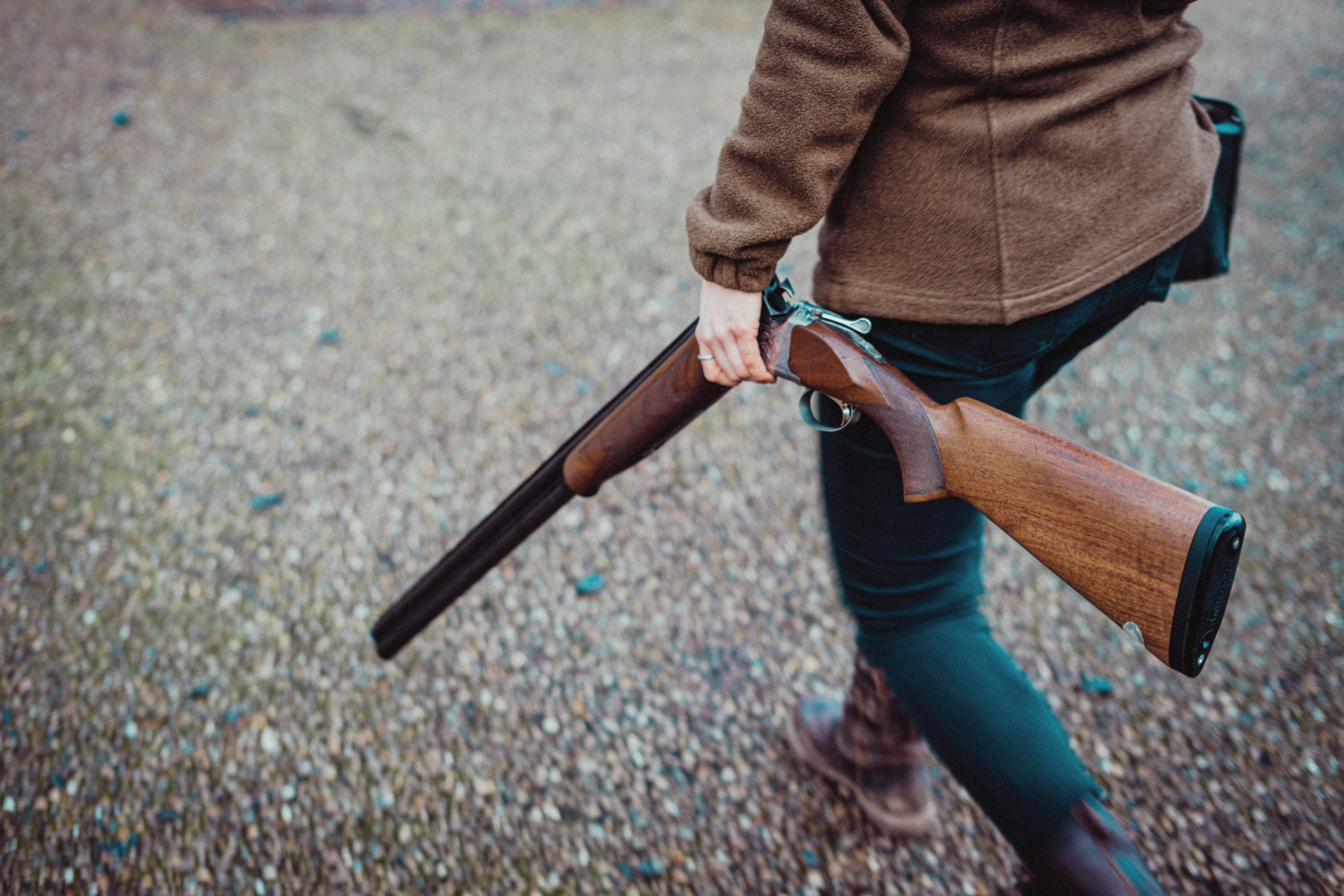
A standard 9mm handgun weighs roughly 1.5 to 2 pounds unloaded, ranging to 2.5 pounds fully loaded with a holster.
Over a 10-mile hike, extra weight adds 3 to 5 pounds of cumulative physical strain across your legs and lower back.
Loaded firearms in backpacks raise accidental discharge risks, especially during low-light packing and unpacking at camp.
Hundreds of unintentional firearm injuries in the U.S. occur annually in recreational outdoor settings.
That same weight used for water, a first aid kit, or emergency shelter adds far more proven value to your actual safety.
Carrying a heavy, high-risk item you’ll almost certainly never use costs you comfort, focus, and real preparedness on every trip.
Ranger Networks and Smarter Gear Fill the Safety Gap
Over 20,000 rangers and law enforcement officers work across U.S. national and state parks.
Most campgrounds fall within 2 to 5 miles of a ranger station, with emergency response averaging under 20 minutes.
Satellite devices like the Garmin inReach, priced around $350, can summon help from almost any remote location on earth.
Camping in groups of 4 or more dramatically lowers the risk that solo campers face, resulting in measurably higher vulnerability in the field.
A satellite communicator, a first aid kit, and a simple check-in plan address 99% of real-world camping emergencies.
Modern camping support systems have advanced far enough that a firearm fills a gap that smarter, lighter tools already cover reliably.