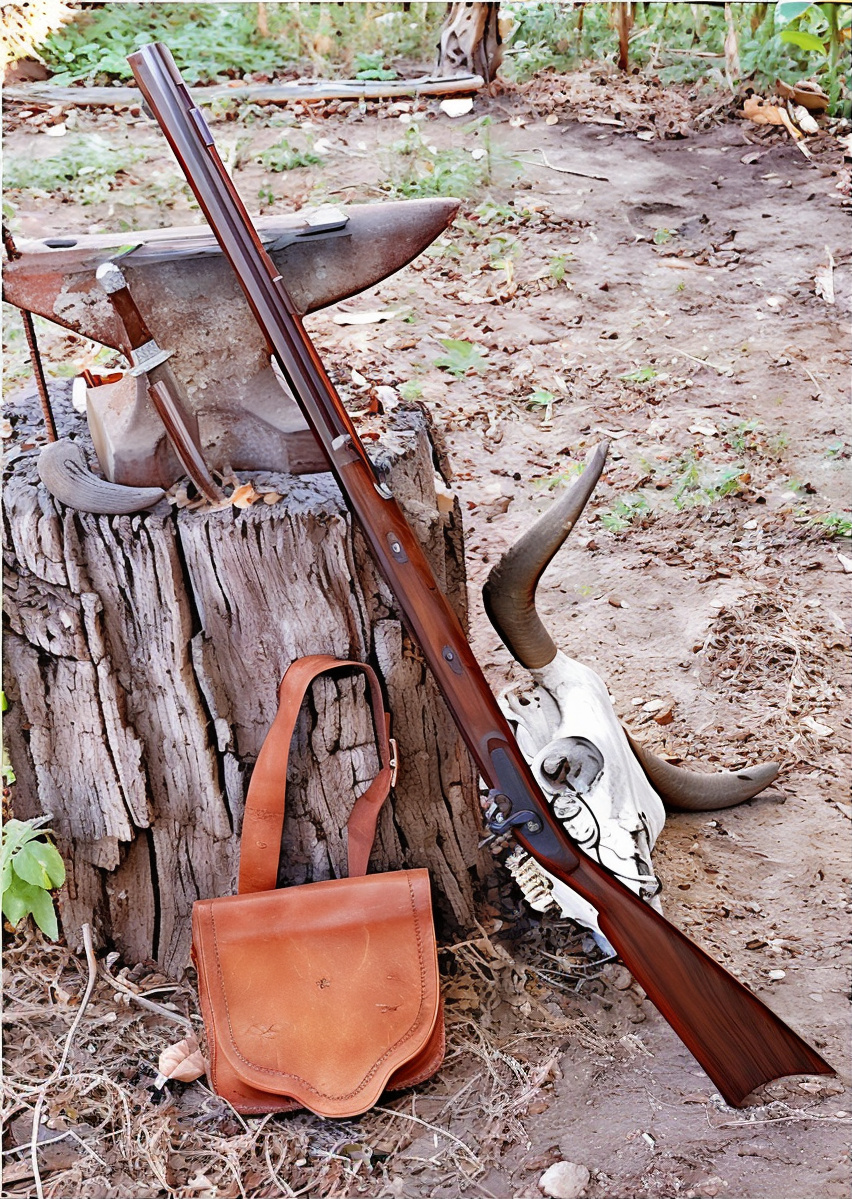
Dense woods create conditions where a long rifle barrel can limit efficiency and control. Thick brush and tight spaces reduce the freedom typically available in open terrain, changing how a rifle handles in motion. Forward weight, extended length, and limited visibility all influence performance in unexpected ways. Understanding how these factors interact in close cover highlights why certain firearms excel in expansive areas while others function better in compact, heavily wooded environments.
Reduced Maneuverability
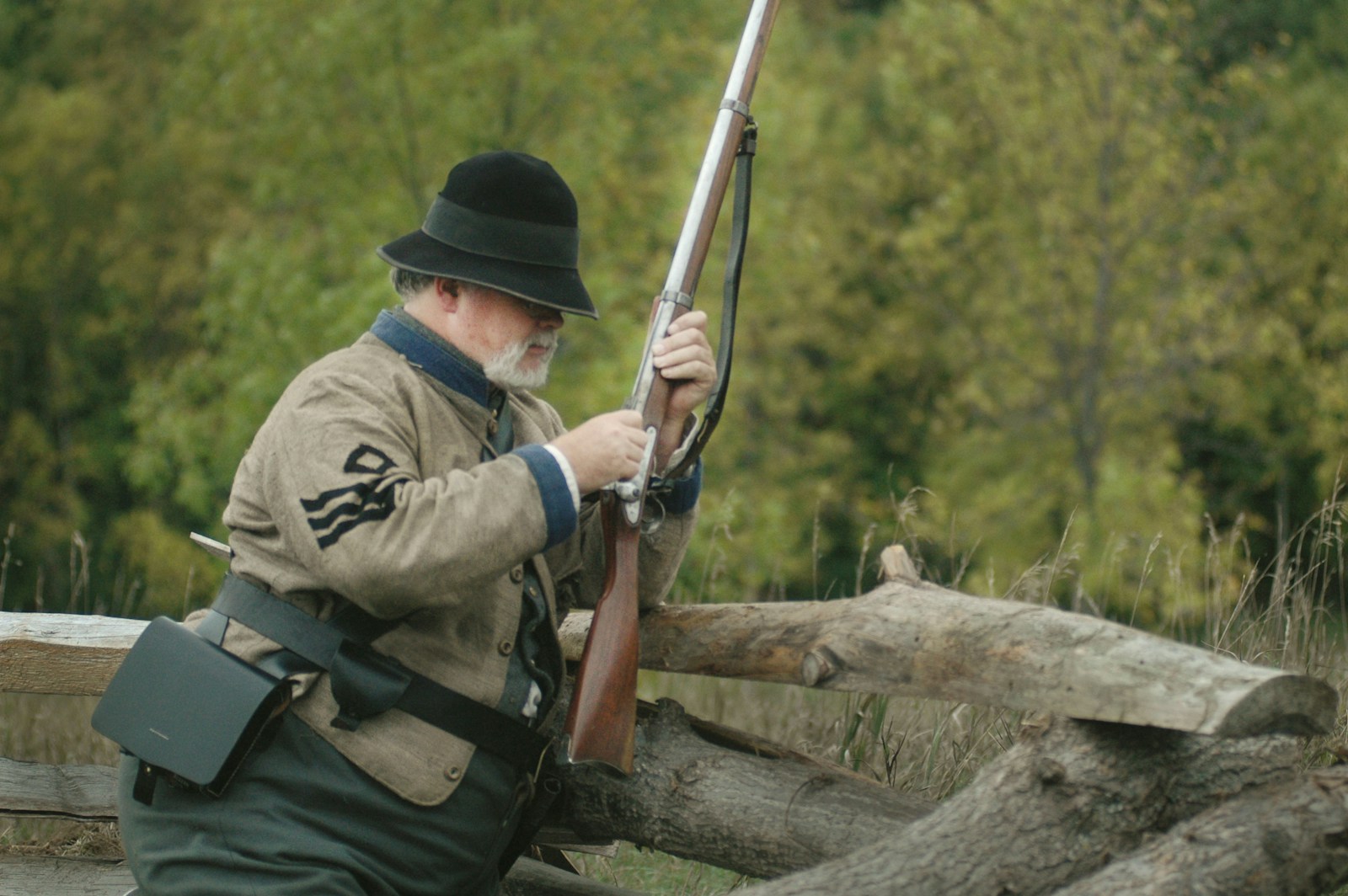
A long rifle barrel increases the chance of catching on branches or brush while moving through dense vegetation. Forward balance makes quick adjustments more difficult when space is limited. Narrow pathways and obstructed lines of travel often require shorter, more compact movements that long barrels resist. The combined effects slow progress and reduce fluid handling in close quarters.
Slower Target Acquisition
Thick cover often restricts sightlines, making rapid adjustments essential. A longer barrel takes more time to swing into position and align, increasing the delay between spotting and settling on a target. Vegetation can disrupt sight pictures when extended barrels push against leaves or limbs. Shorter designs tend to stabilize faster in confined spaces, especially when visibility changes quickly.
Increased Noise and Disturbance
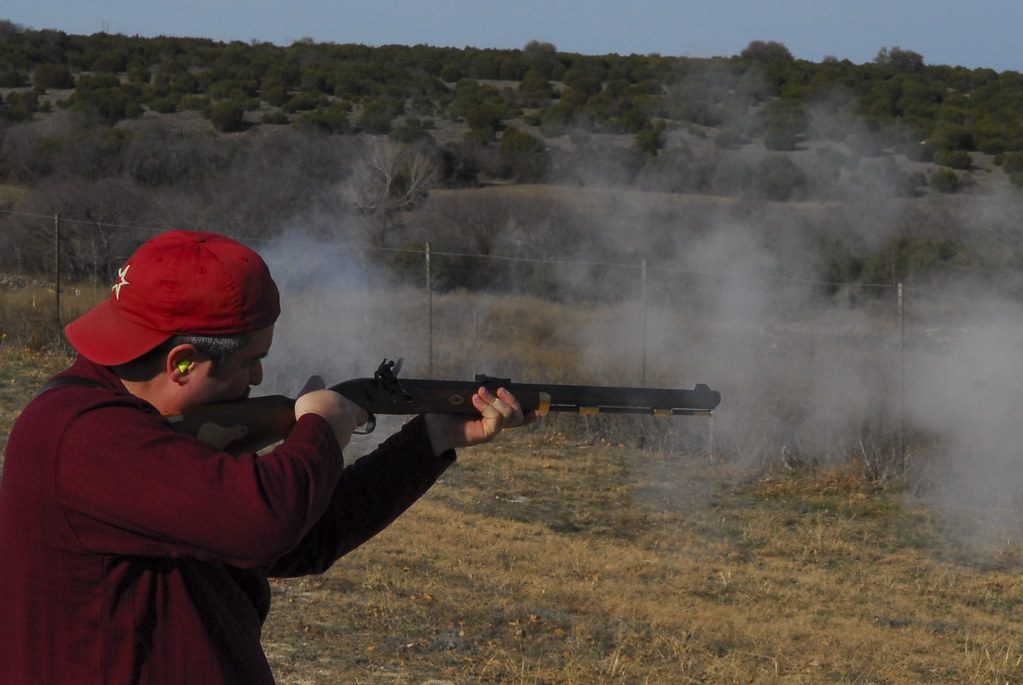
Long barrels are more likely to bump into surrounding vegetation, producing noise that carries easily through wooded terrain. Even light contact with branches can create noticeable sound. Managing this extra length requires more careful movement, which becomes challenging in deep brush. Compact rifles tend to move more quietly, reducing disturbance and helping maintain a calm environment.
Greater Fatigue Over Distance
Extended barrels place more weight forward, creating additional strain during long periods of hiking and repositioning. Thick undergrowth demands constant lifting and shifting, amplifying the physical effort needed. Over time, the imbalance contributes to arm fatigue and slower reaction speed. Lightweight or shorter-barreled rifles tend to feel easier to manage across uneven forest paths.
Difficulty Navigating Obstacles
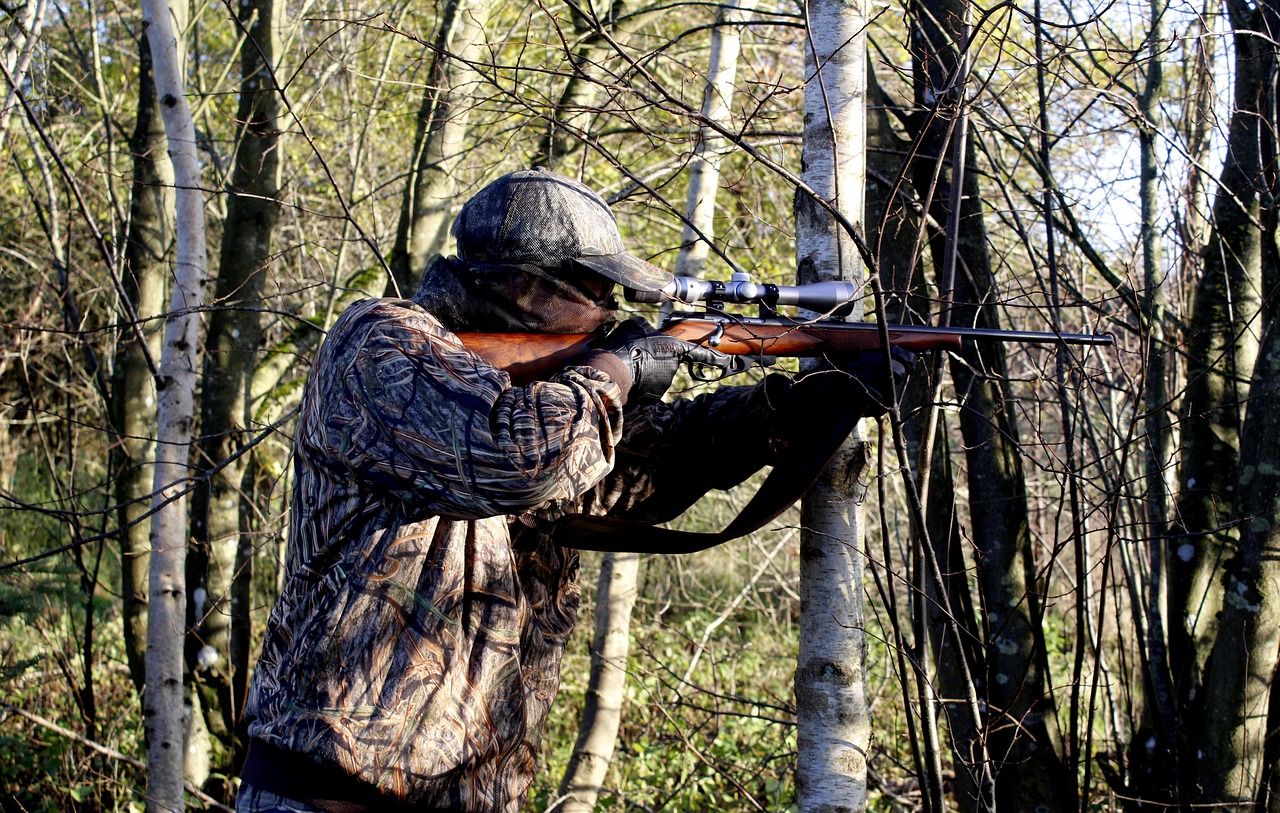
Dense woods often require climbing over fallen logs, ducking under branches, or slipping through narrow openings. A long barrel complicates these movements by forcing wider turns and limiting the ability to maneuver through tight spaces. The extended length becomes an obstacle when navigating natural barriers. More compact firearms adapt more smoothly to the varied motions required in forest travel.