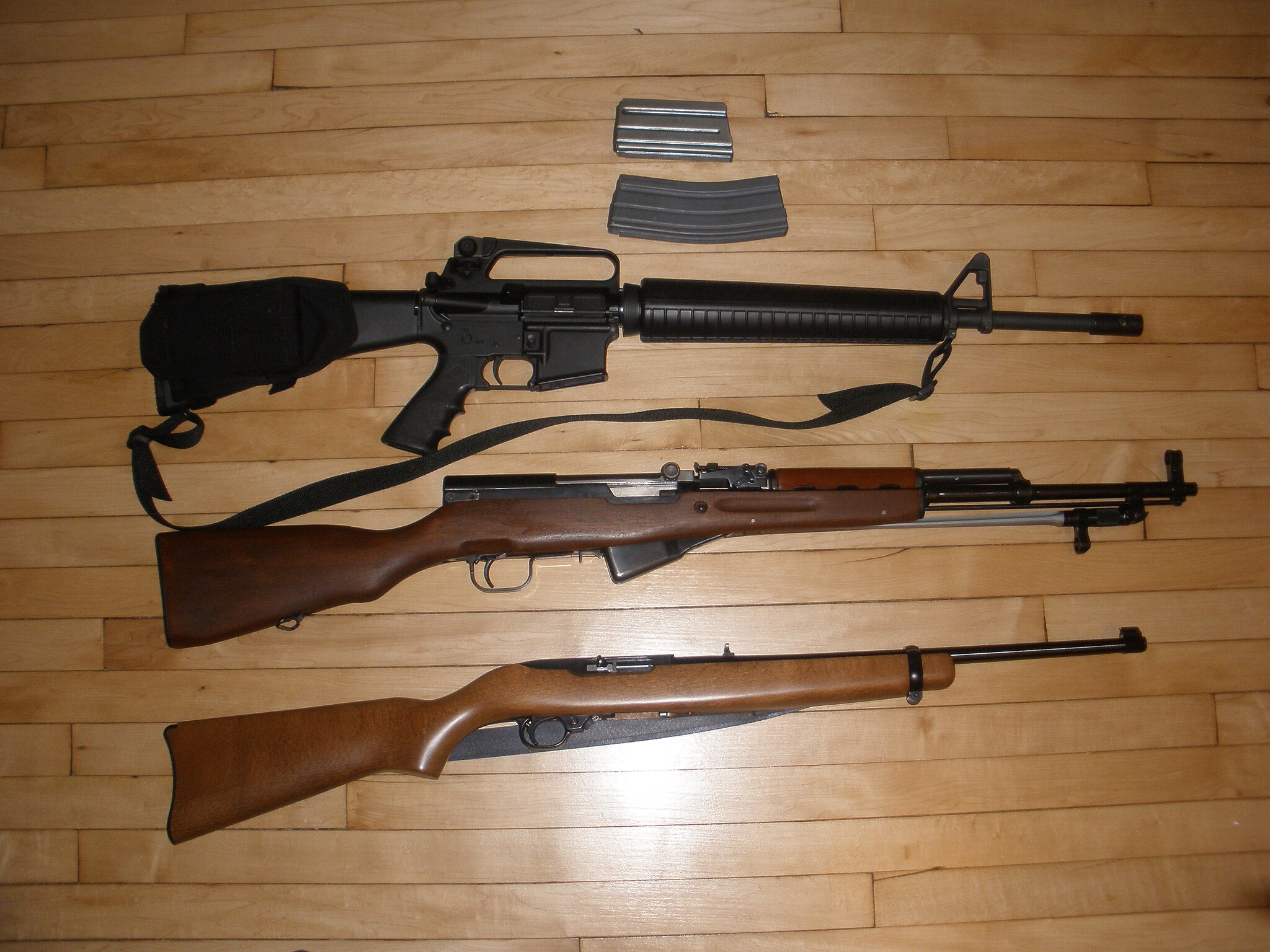
Reliability is the single most important characteristic of any firearm intended for defensive use. In a self-defense scenario, mechanical failures, inconsistent cycling, or preventable malfunctions can have serious consequences. While the AR-15 platform has earned a reputation for versatility and accuracy, not every rifle built on this system delivers equal dependability. Variations in manufacturing quality, assembly standards, component selection, and maintenance history can drastically influence performance. A rifle that functions well at a casual range session may still reveal weaknesses under stress, extended firing, or adverse conditions. Understanding which categories of rifles tend to present reliability concerns helps buyers make more informed decisions. The following examples highlight common situations where AR-15 rifles may fall short of the consistency required for defensive roles.
1. Ultra Budget Entry-Level Builds
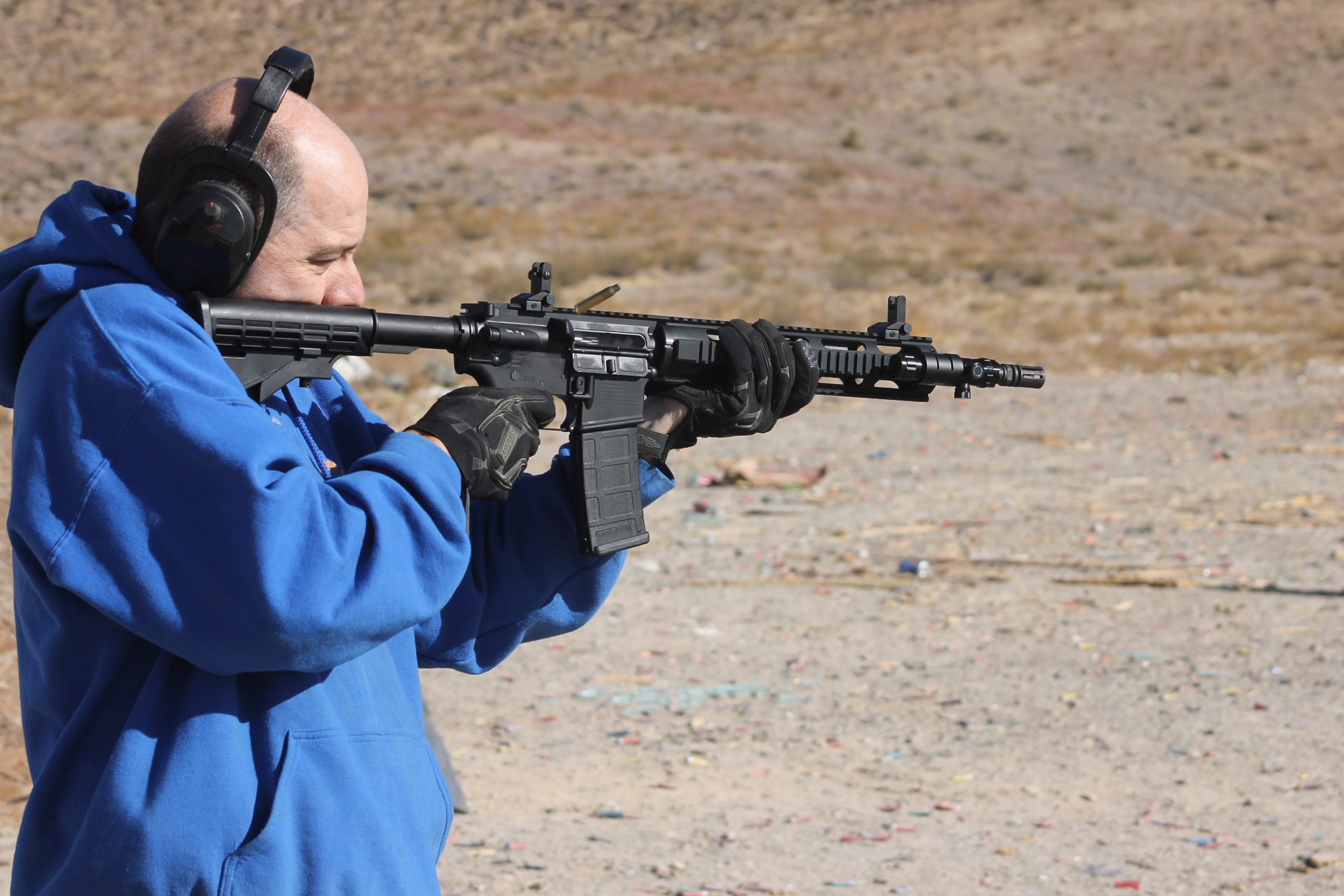
Extremely inexpensive AR-15 rifles often attract first-time buyers with appealing price tags, but cost-cutting frequently affects critical components. Lower-tier materials, inconsistent machining, and minimal quality control can introduce cycling problems or premature wear. Small tolerances that go unnoticed during light use may create feeding or extraction issues over time. Budget rifles are not inherently defective, yet manufacturing shortcuts increase the likelihood of variability between units. Defensive firearms demand consistent performance, not occasional success. Owners sometimes discover reliability limitations only after extended use, which is far from ideal for a protective tool. Investing slightly more often yields better internal components and assembly standards. Price alone should never determine suitability for defensive applications.
2. Poorly Assembled Home Builds
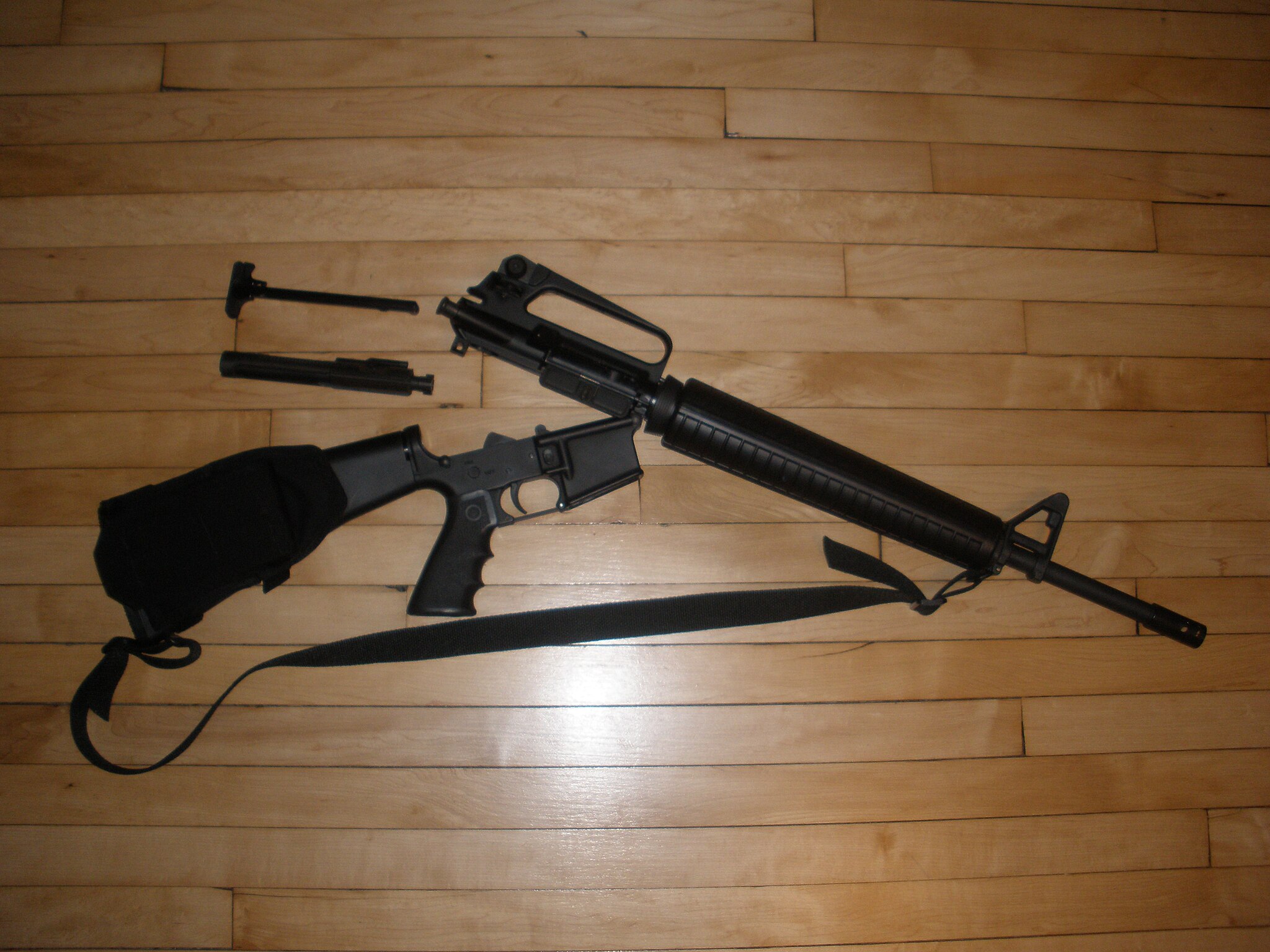
The modular nature of the AR-15 encourages customization, but rifles assembled without proper expertise can suffer from functional inconsistencies. Even quality parts require precise installation, correct torque values, and compatibility awareness. Minor assembly errors may result in gas system imbalance, misalignment, or unreliable cycling. These issues are not always immediately visible, especially during limited testing. A defensive rifle must function predictably across varying conditions, not merely during casual shooting. Home builds constructed by knowledgeable individuals can perform exceptionally well, yet poorly executed assemblies introduce unnecessary risk. Mechanical reliability depends heavily on correct configuration and attention to detail. Assembly quality matters as much as component quality.
3. Heavily Modified Competition Setups

Competition-focused AR-15 rifles are often tuned for speed, reduced recoil, and specialized performance rather than universal reliability. Lightweight components, altered gas systems, and aggressive trigger adjustments may optimize match results but reduce tolerance for varied ammunition or environmental factors. Such rifles can operate flawlessly within narrow parameters while becoming sensitive outside them. Defensive firearms benefit from broader reliability margins rather than precision tuning. Competition modifications are not inherently problematic, yet they prioritize different goals. Owners should recognize that a rifle designed for controlled sporting environments may not translate seamlessly into defensive contexts. The configuration purpose plays a critical role in functional expectations.
4. Neglected or Poorly Maintained Rifles
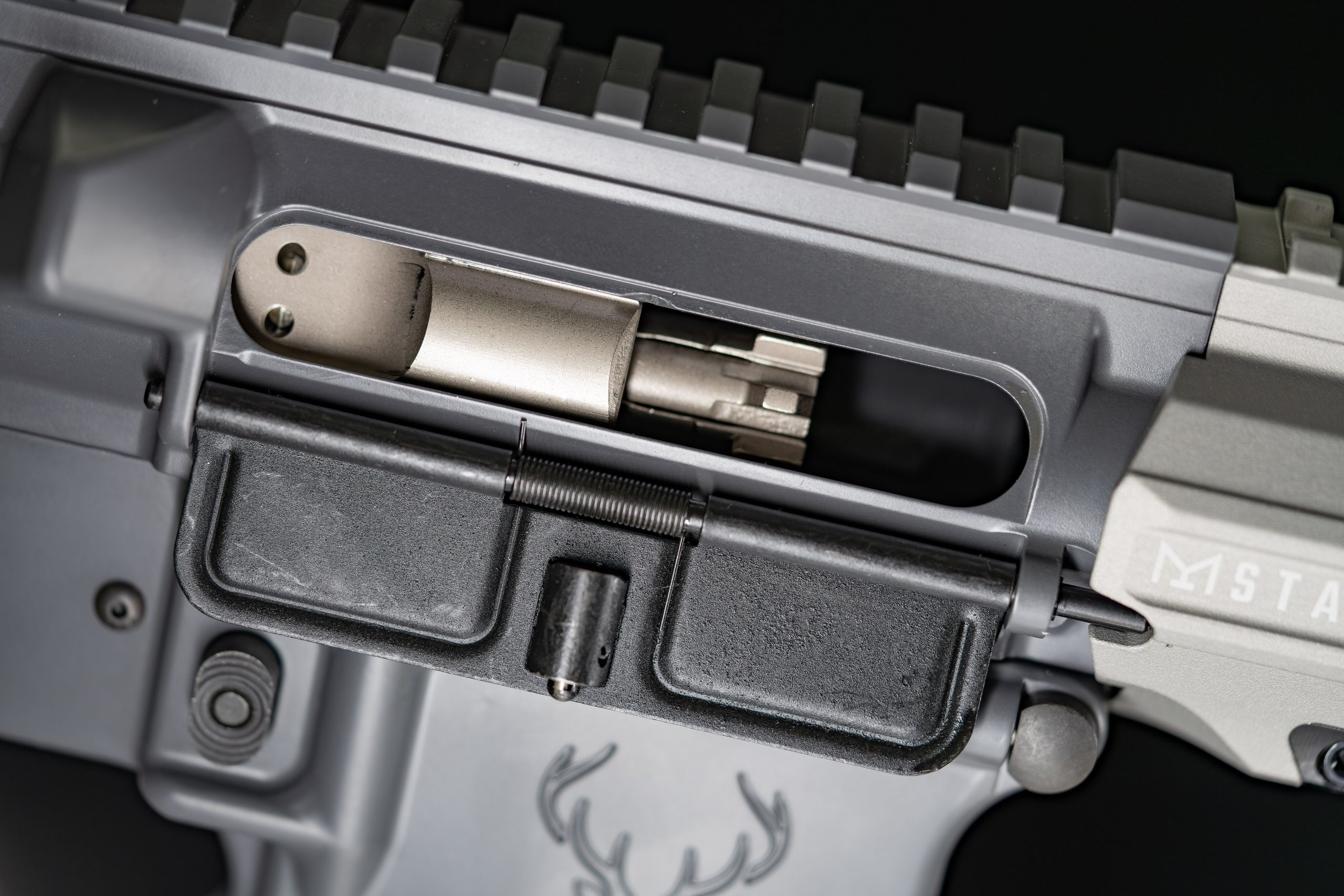
Maintenance directly influences firearm reliability, regardless of brand or price category. Rifles exposed to excessive fouling, inadequate lubrication, or worn components may develop preventable malfunctions. Carbon buildup, weakened springs, and overlooked part fatigue can disrupt cycling consistency. Problems typically appear gradually, making them easy to underestimate. Defensive tools require regular inspection and care to preserve dependable function. A rifle’s past treatment often matters more than its original quality. Even well-built firearms lose reliability when neglected. Proper upkeep supports longevity, safety, and predictable performance. Mechanical systems demand consistent attention to remain trustworthy.
5. Exotic Caliber AR Variants
AR-15 rifles chambered in less common calibers offer novelty and specialized capabilities but may present reliability challenges. Unique cartridge dimensions sometimes require proprietary components, altered magazines, or finely balanced gas systems. Limited parts availability and reduced industry support can complicate troubleshooting and maintenance. While many alternative calibers function well, mainstream defensive roles benefit from widely standardized configurations. Common chamberings typically provide better-tested reliability and broader compatibility. Exotic variants appeal to enthusiasts yet may introduce variables unsuitable for critical applications. Familiarity, parts support, and proven performance enhance long-term dependability. Practicality often outweighs experimentation for defensive purposes.