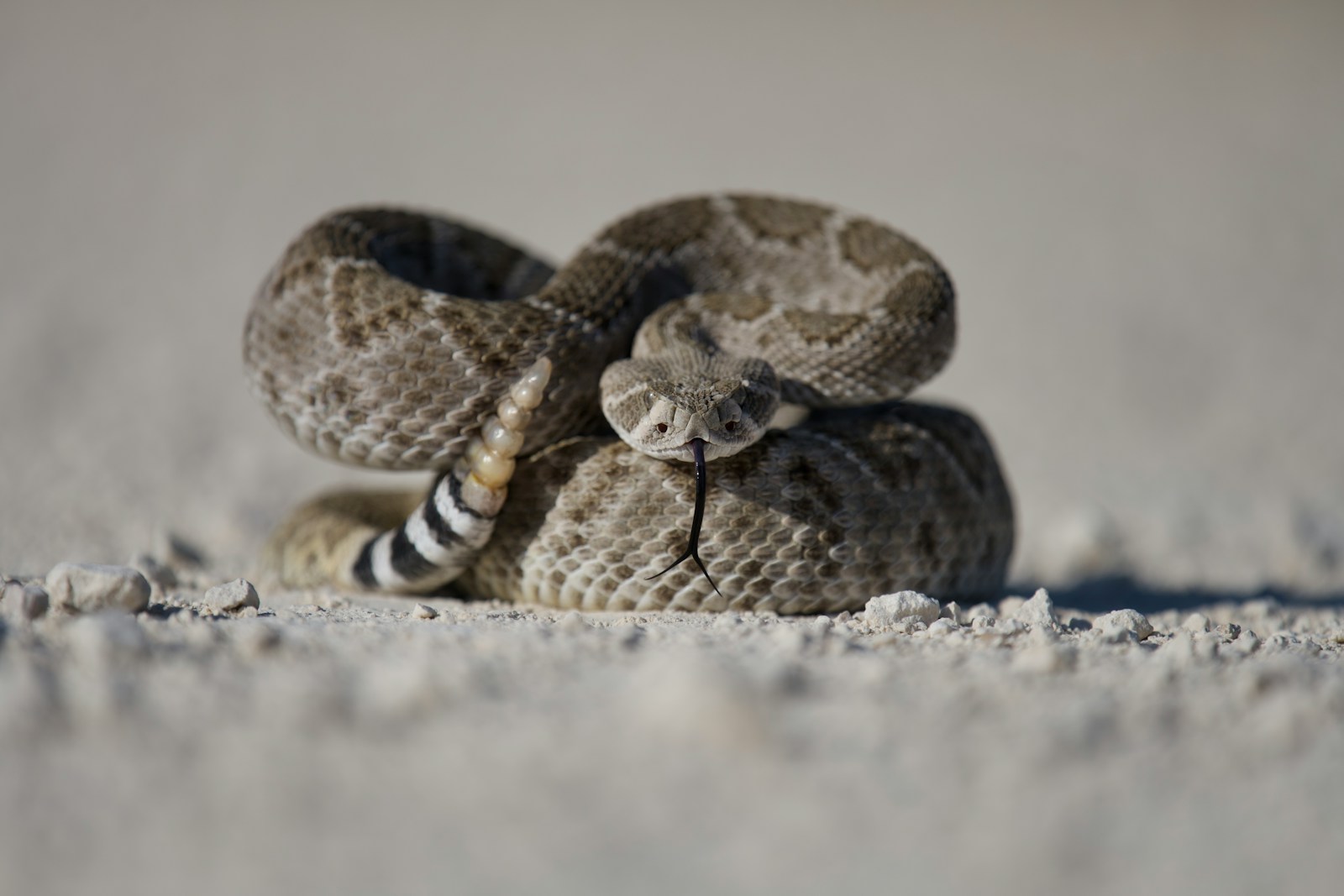
Nature is full of surprises, and these 12 animals hunt rattlesnakes without hesitation despite the danger. Many people assume that venomous fangs provide perfect protection, but several predators have evolved ways to bypass this defense completely. Some species rely on lightning-fast reflexes to dodge strikes, while others possess a natural immunity to the potent toxins. The struggle for survival in the wild often involves these intense battles between reptiles, mammals, or birds. Understanding these interactions helps observers appreciate the complex food web found in deserts and forests. This list highlights the remarkable creatures that view venomous snakes as dinner.
California Kingsnake
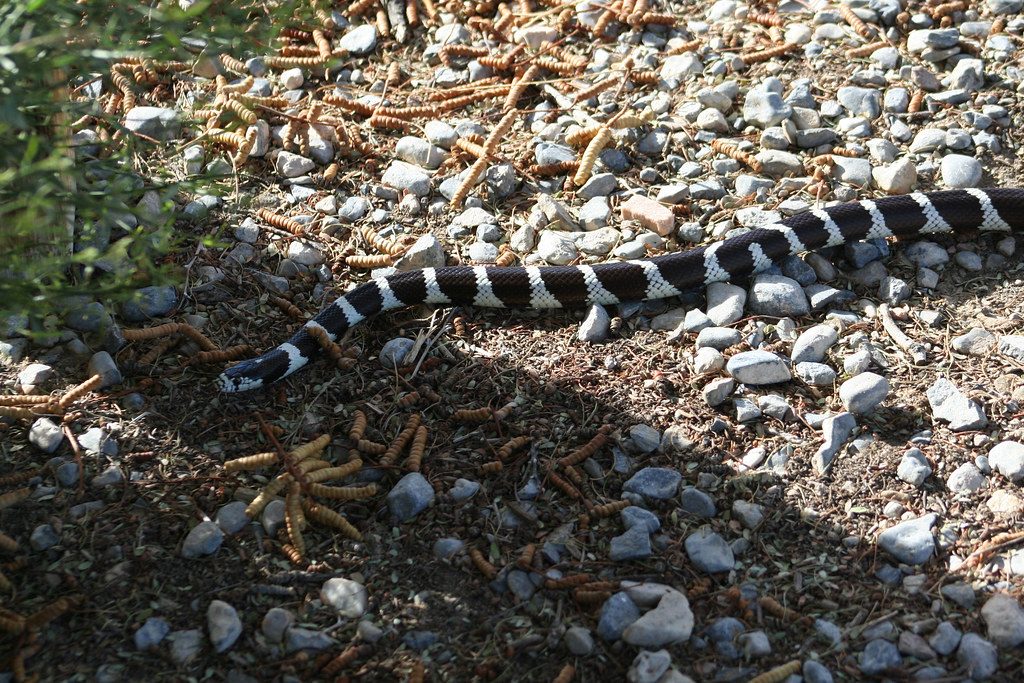
The famous California kingsnake actively seeks out rattlesnakes as a primary food source throughout its range. This non-venomous constrictor possesses a natural immunity to pit viper venom, which neutralizes the danger during a fight. Kingsnakes use their powerful bodies to coil around their prey and suffocate it before swallowing it whole. Observers often witness these battles where the kingsnake ignores multiple bites while overpowering its victim. Their immunity is a specific evolutionary adaptation that turns a deadly threat into a manageable meal. Farmers and hikers appreciate these snakes because they naturally control the local population of dangerous venomous vipers.
Greater Roadrunner
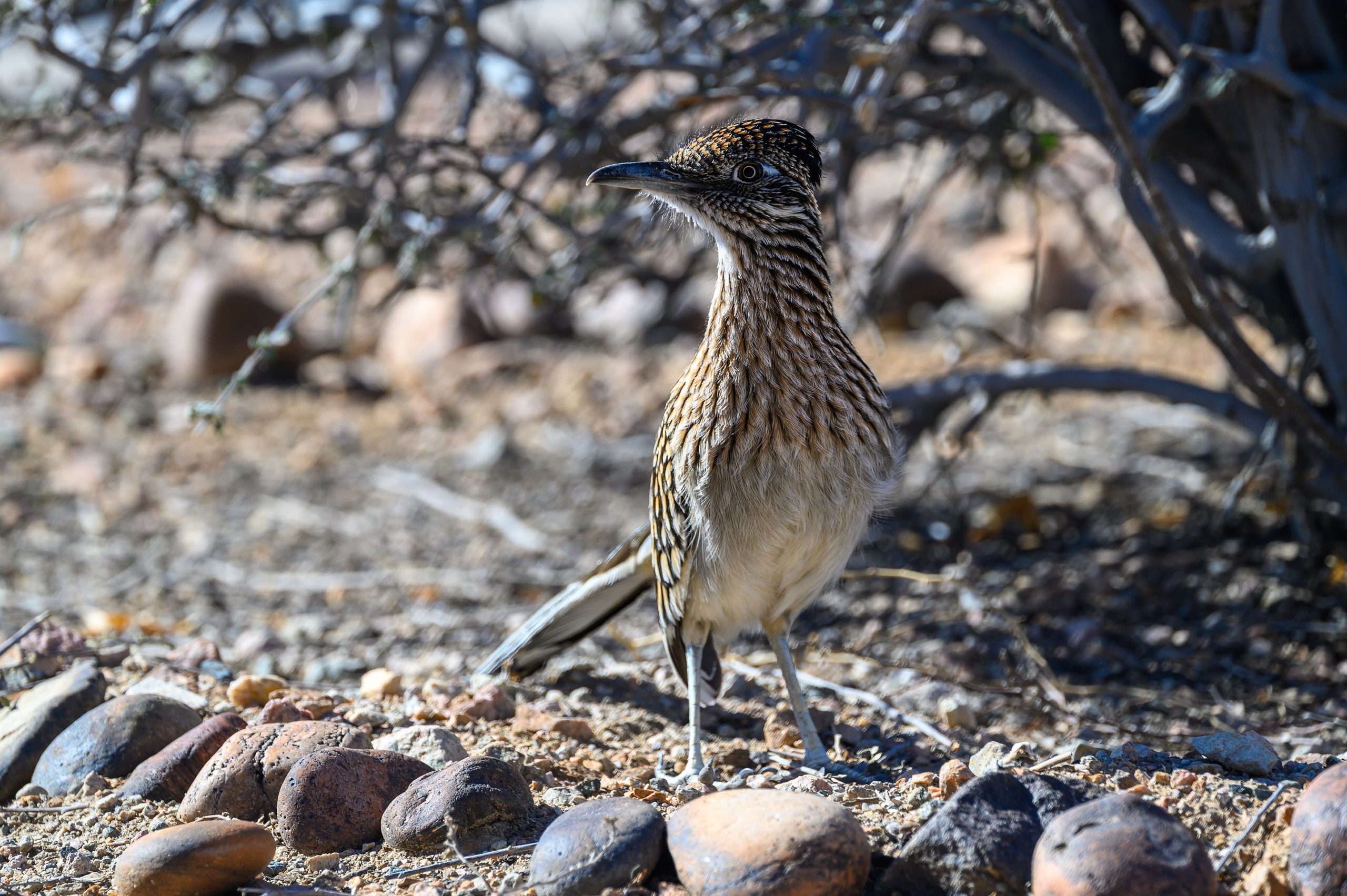
Greater roadrunners use incredible speed and agility to hunt venomous snakes across the desert landscape. These birds often work in pairs to distract a rattlesnake before delivering a precise blow to the head. Their strategy relies on provoking a strike and then dodging it with lightning reflexes until the snake tires. A roadrunner uses its sharp beak to grab the snake behind the head and slam it against rocks. This violent thrashing effectively subdues the reptile before the bird swallows it. Their bold behavior proves that feathers and speed can overcome fangs and venom in the harsh desert environment.
Red-Tailed Hawk
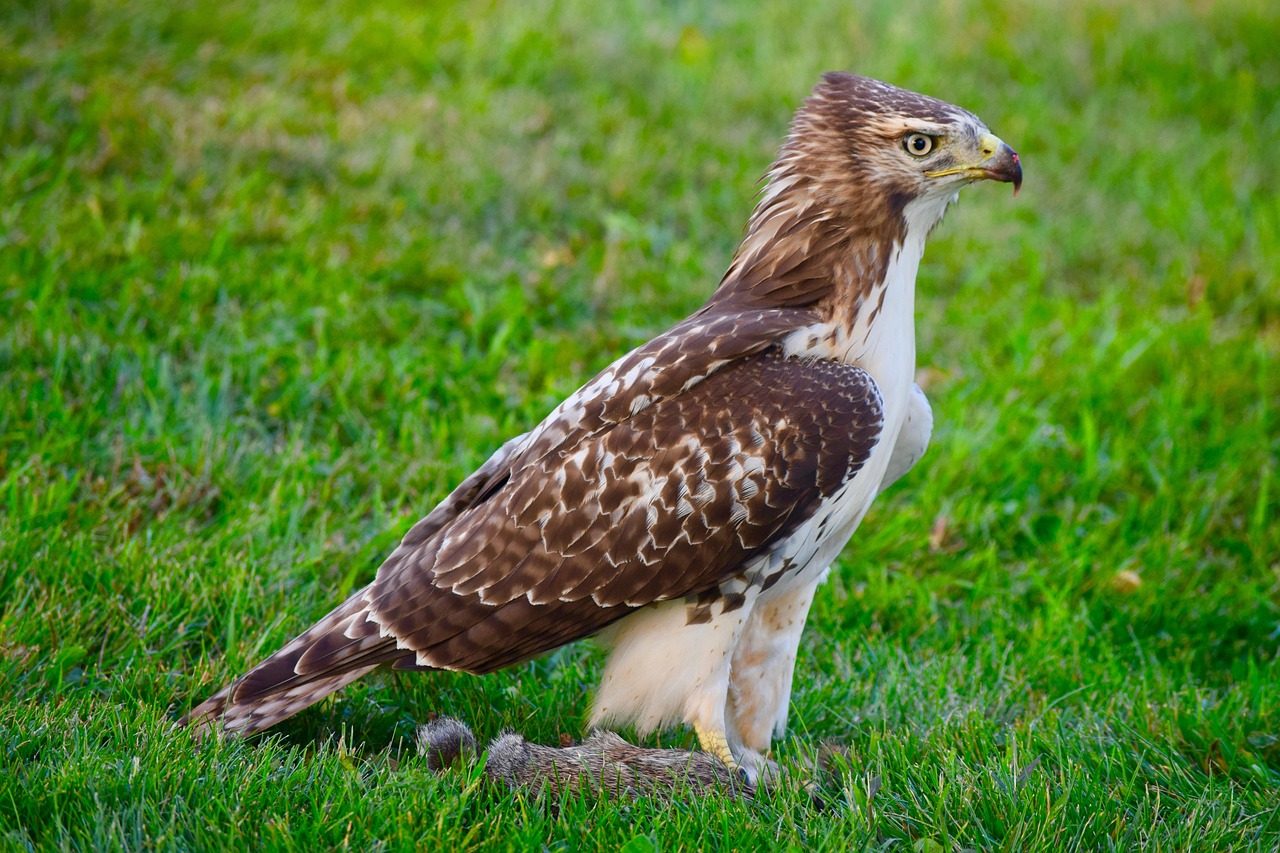
Red-tailed hawks utilize the advantage of flight to spot and ambush rattlesnakes from high above. These raptors have thick scales on their legs that provide some protection against potential desperation strikes. The hawk dives silently and uses its powerful talons to crush the head of the snake instantly. Severing the spinal cord ensures the snake cannot retaliate during the capture process. Once the prey is disabled, the hawk carries it to a safe perch to consume it. This aerial dominance allows them to hunt dangerous reptiles without engaging in prolonged ground combat, where the snake has a better chance.
Bobcat
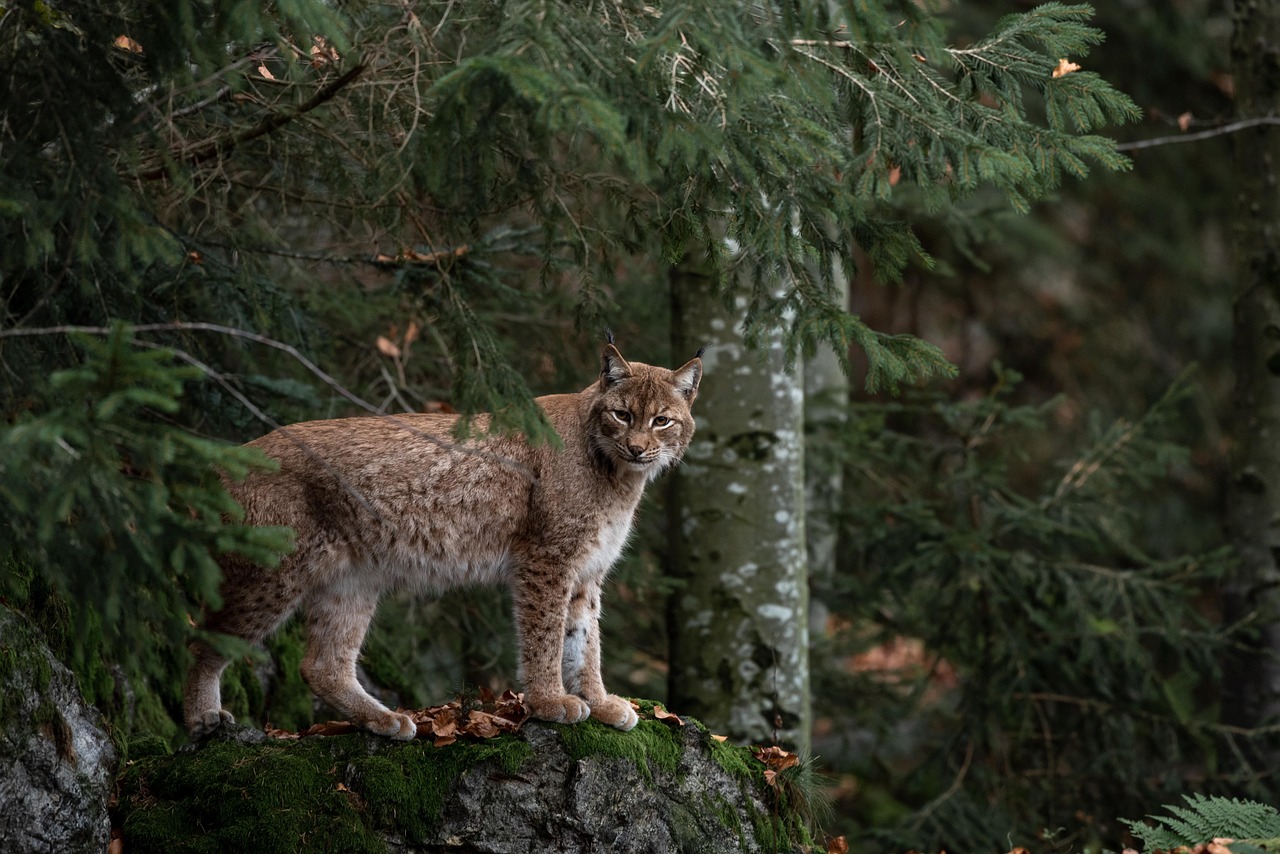
Bobcats are opportunistic hunters that will readily attack a rattlesnake if the chance arises. Their strategy involves swatting the snake with a paw to keep it at a distance while wearing it down. The thick fur on a bobcat offers some defense, but their main advantage is superior reflexes. They wait for the snake to strike and then counterattack immediately while the reptile is extended and vulnerable. A quick bite to the neck usually ends the encounter before the venom can be deployed. These wild cats prove that agility and patience are effective tools against venomous desert dwellers.
American Badger
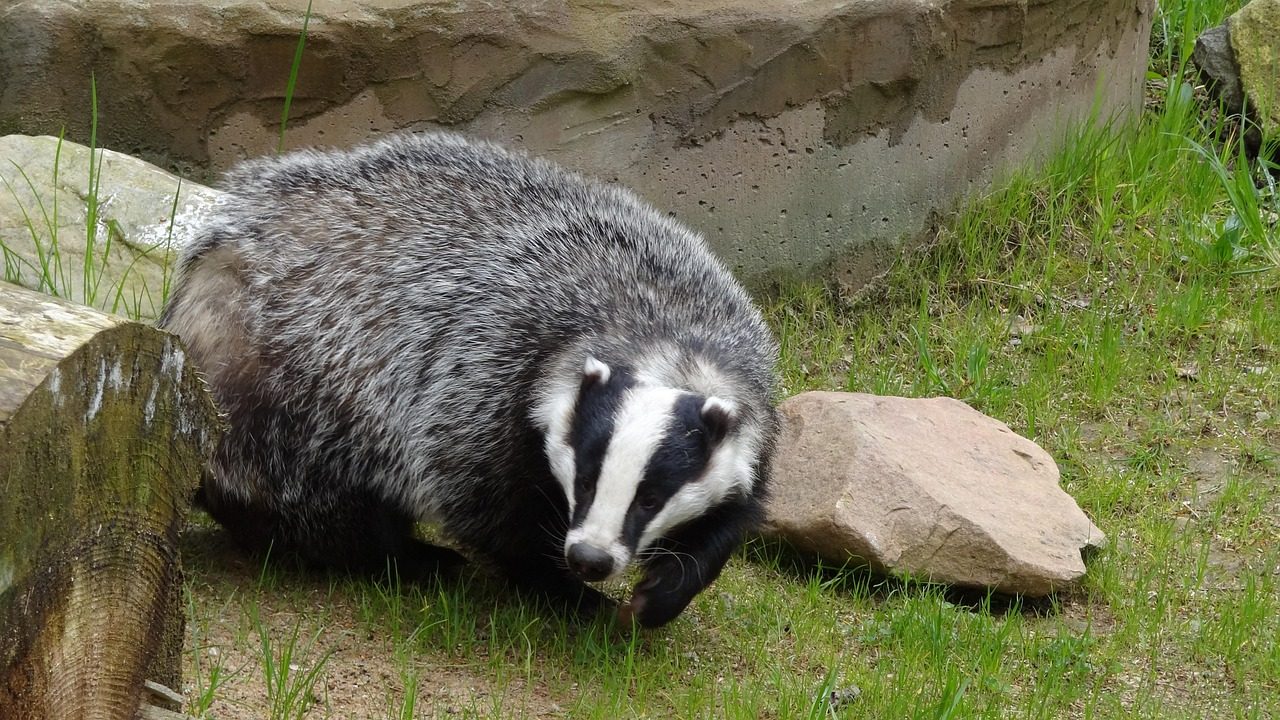
The American badger is a formidable predator that eats rattlesnakes as part of a varied carnivorous diet. Their loose and tough skin makes it difficult for fangs to penetrate deep enough to deliver a lethal dose. Even if a badger is bitten, they can often process the venom without dying due to partial resistance. These digging machines will excavate a snake from its burrow if they detect it hiding underground. Their aggression and tenacity make them one of the few animals that will actively pursue a rattlesnake into its own den. Badgers simply refuse to be intimidated.
Coyote
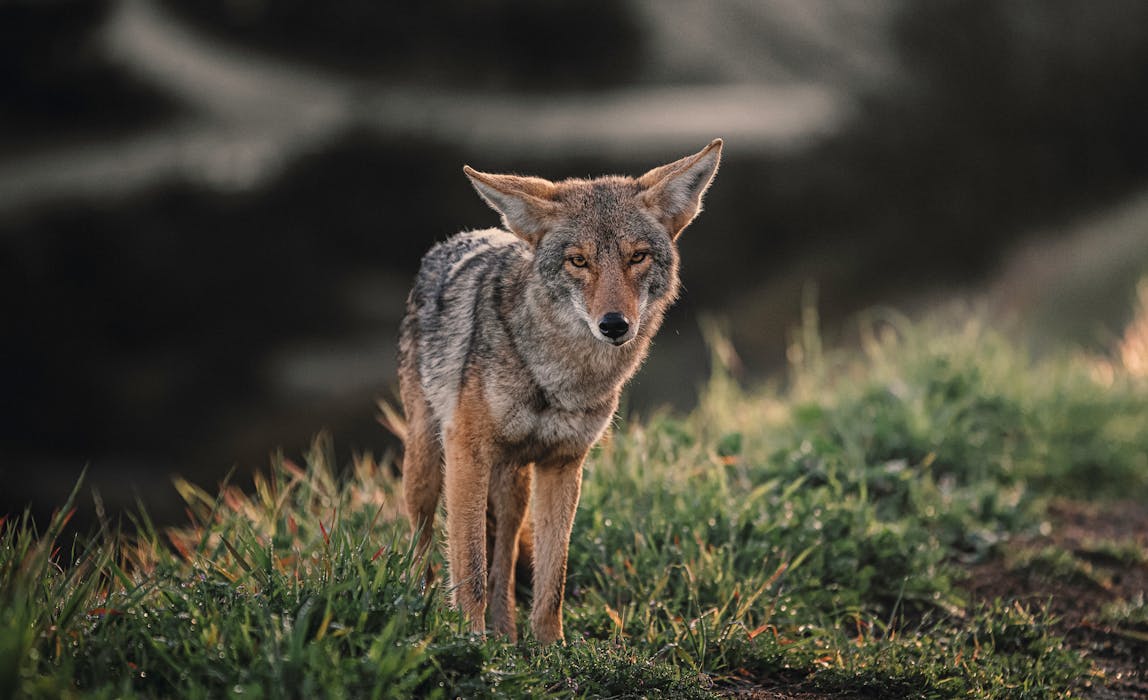
Coyotes are clever opportunists that teach their pups how to handle dangerous prey like rattlesnakes safely. A coyote will typically circle the snake to confuse it while making quick nipping motions to provoke a strike. Once the snake extends itself, the coyote lunges in to grab the reptile behind the head and shake it violently. This snapping motion breaks the spine of the snake and renders it harmless instantly. While they do not have immunity to the venom, their intelligence allows them to avoid bites. They consume the entire snake and leave nothing behind after the kill.
Feral Hog
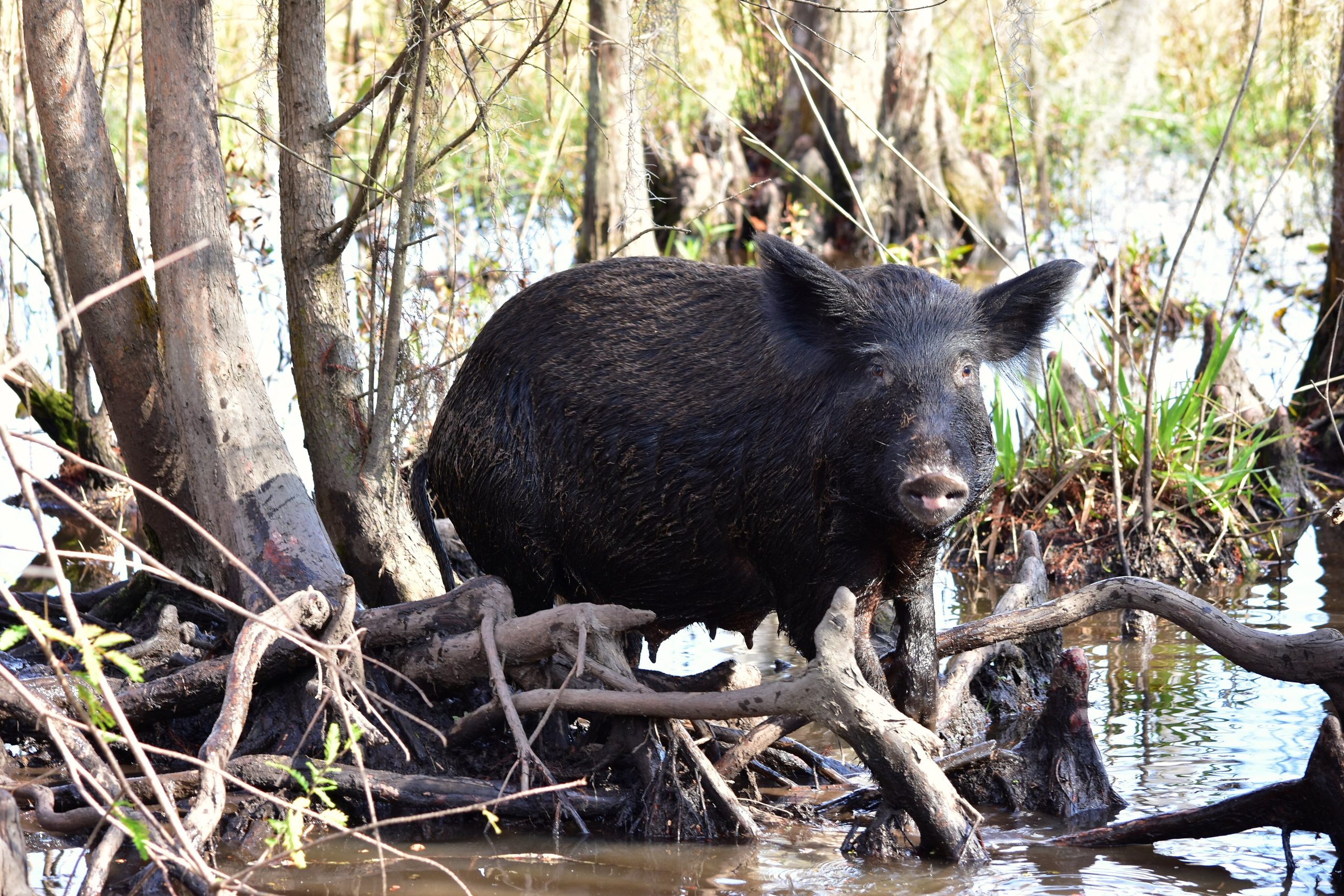
Feral hogs are extremely aggressive and often devour the rattlesnakes they encounter while rooting for food. Their thick layer of subcutaneous fat and tough hide provides excellent armor against snake fangs. Venom is injected into the fat layer, where it absorbs slowly and causes little harm to the hog. This physical resilience allows pigs to attack snakes without worrying about the consequences of a bite. Hogs trample the snake with their hooves and consume it quickly with their powerful jaws. Their expanding population has made them a significant predator of ground-dwelling reptiles in many southern American states.
Virginia Opossum
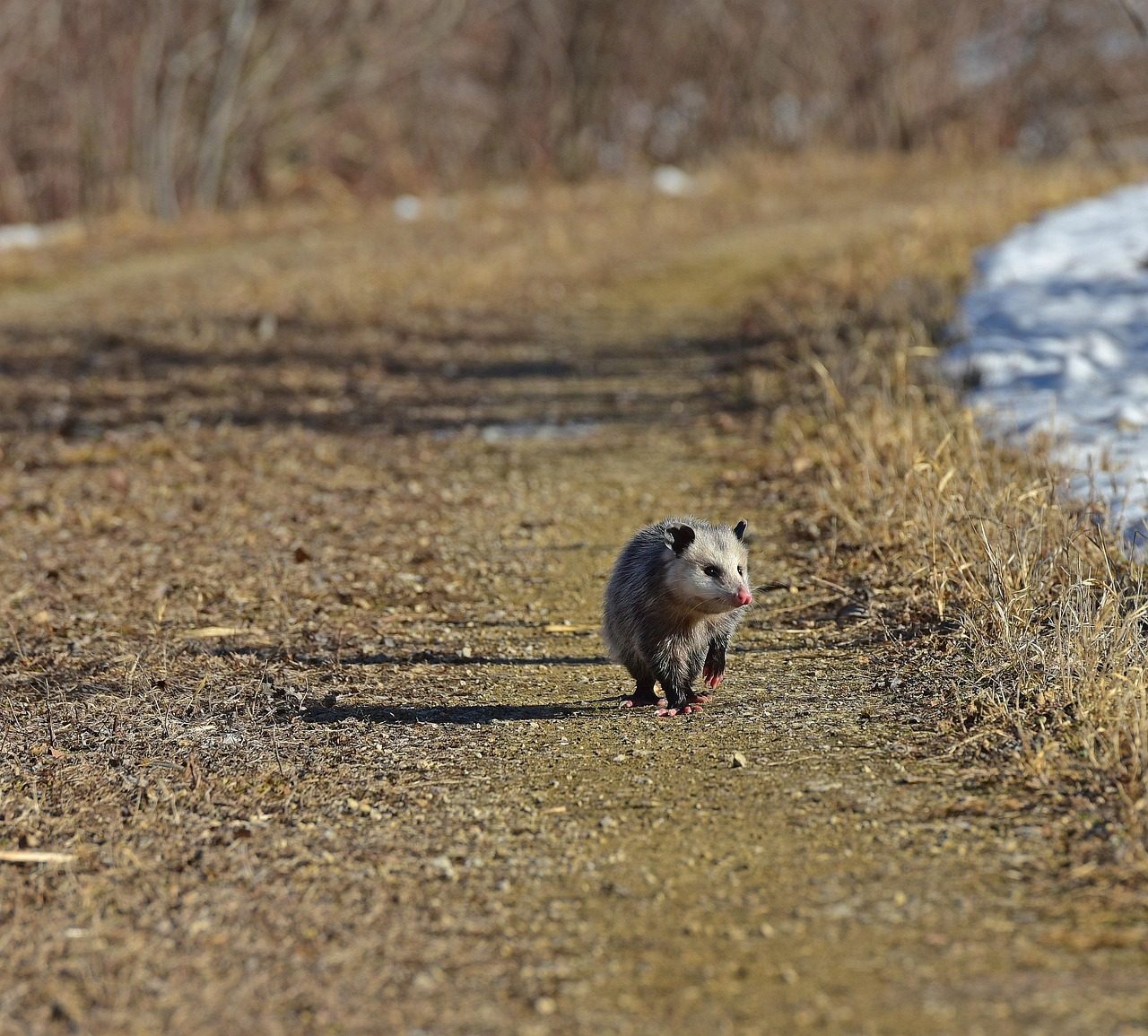
The Virginia opossum possesses a remarkable superpower in the form of a peptide that neutralizes snake venom. Researchers have studied this biological trait because it renders the opossum almost completely immune to rattlesnake bites. These slow-moving marsupials do not rely on speed or agility to catch their slithering prey. They simply grab the snake and endure any bites while delivering their own crushing blows with sharp teeth. This immunity turns a deadly viper into just another easy protein source for the opossum. Their resistance is so effective that scientists use it to develop new antivenom treatments.
Golden Eagle
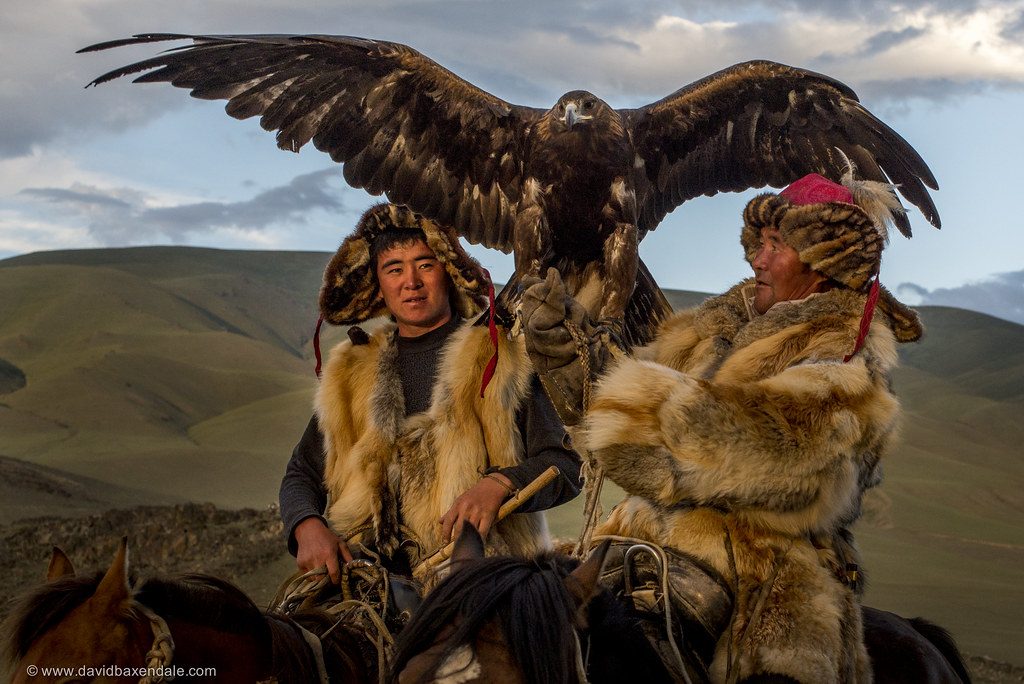
Golden eagles are apex aerial predators that hunt rattlesnakes in open country and mountainous regions. Their strategy is similar to hawks’, but on a much more powerful scale. An eagle will spot a snake sunning itself and dive with incredible velocity to strike before the reptile reacts. They grab the snake with talons that exert massive pressure and crush the vital organs instantly. Eagles are smart enough to attack from behind to avoid the fangs of the serpent. The snake rarely escapes once the eagle commits to the dive and secures its grip.
Great Horned Owl
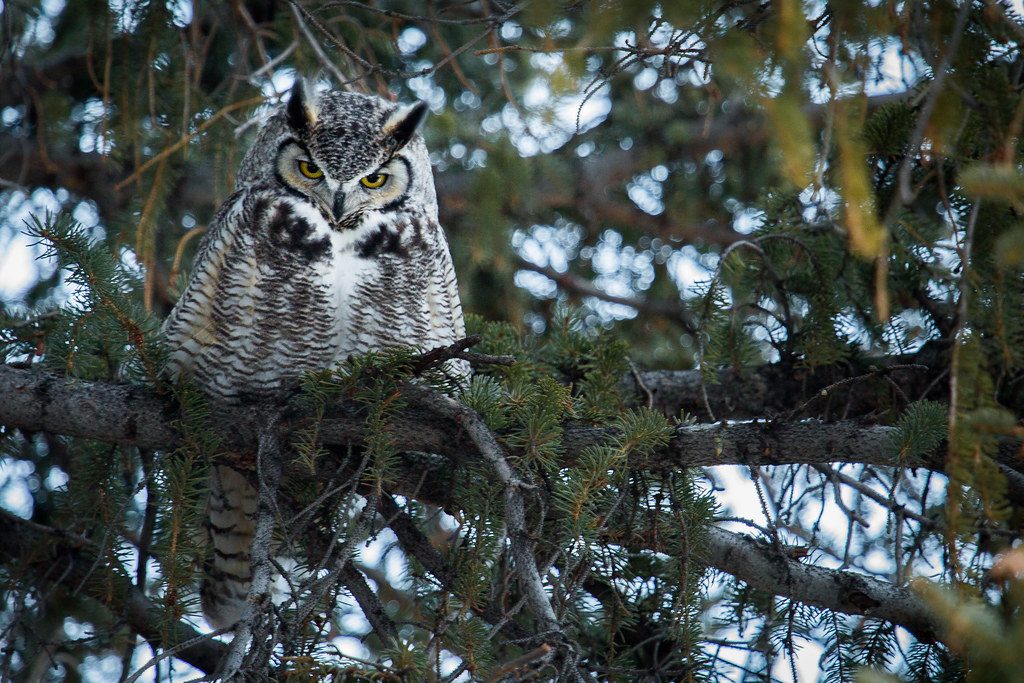
The Great Horned Owl serves as the silent menace of the night for rattlesnakes that are active after dark. These owls possess exceptional night vision, which allows them to spot snakes moving across the ground. Their feathers are designed to muffle sound so the snake never hears the approach of the predator. Talons grip the snake with immense force while the owl stays safely out of striking range. Owls frequently dismember their prey on a high branch and eat the meat at their leisure. This nocturnal advantage makes them one of the deadliest enemies for snakes.
Collared Peccary
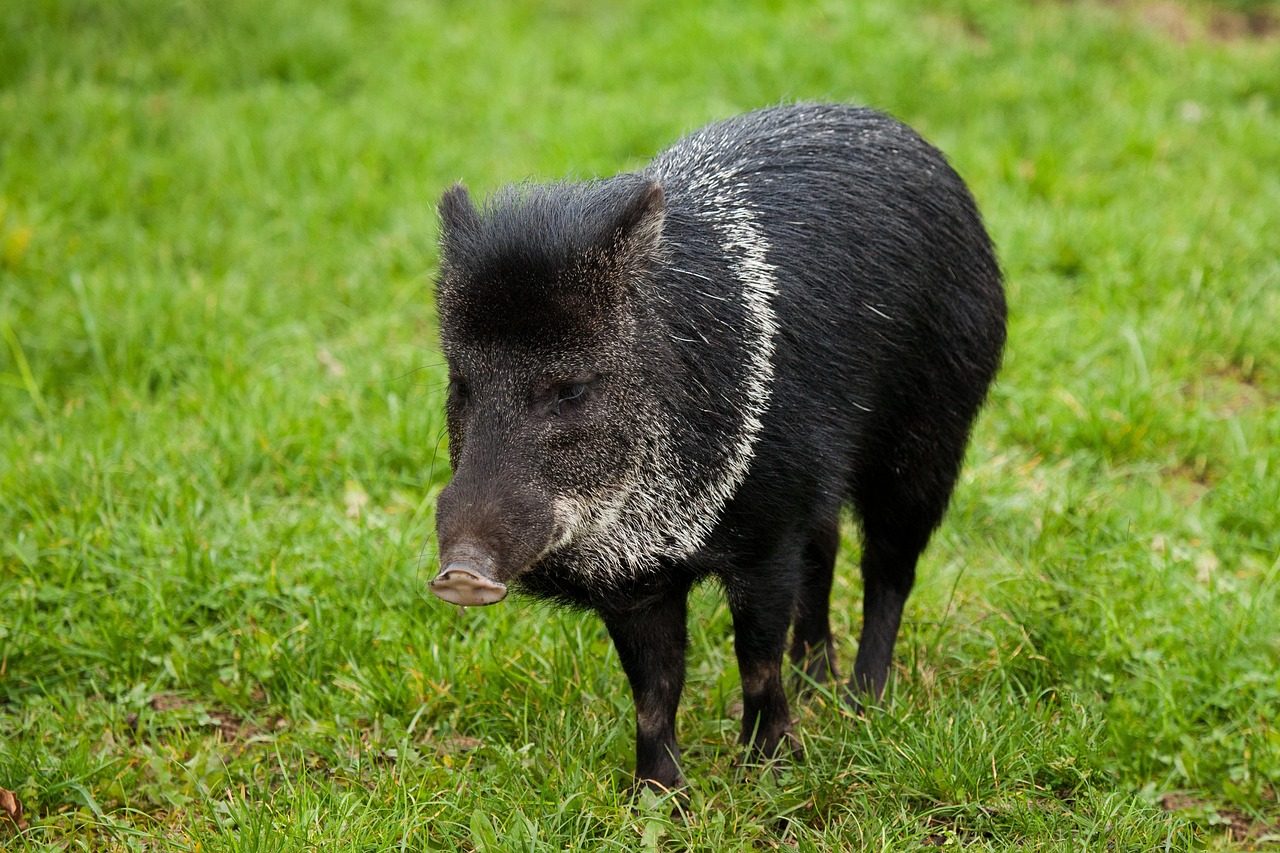
Collared peccaries, also known as javelinas, are pig-like mammals that live in herds throughout the American Southwest. They frequently encounter rattlesnakes and will attack them defensively or as a food source. Like wild hogs, they rely on group tactics and tough hides to overwhelm a snake. The herd will stomp the reptile into the ground until it stops moving. While not immune to venom, their aggressive nature and protective behavior over their young drive them to eliminate threats. Rattlesnakes usually attempt to flee when they sense the vibration of a herd of peccaries approaching their location.
Eastern Indigo Snake
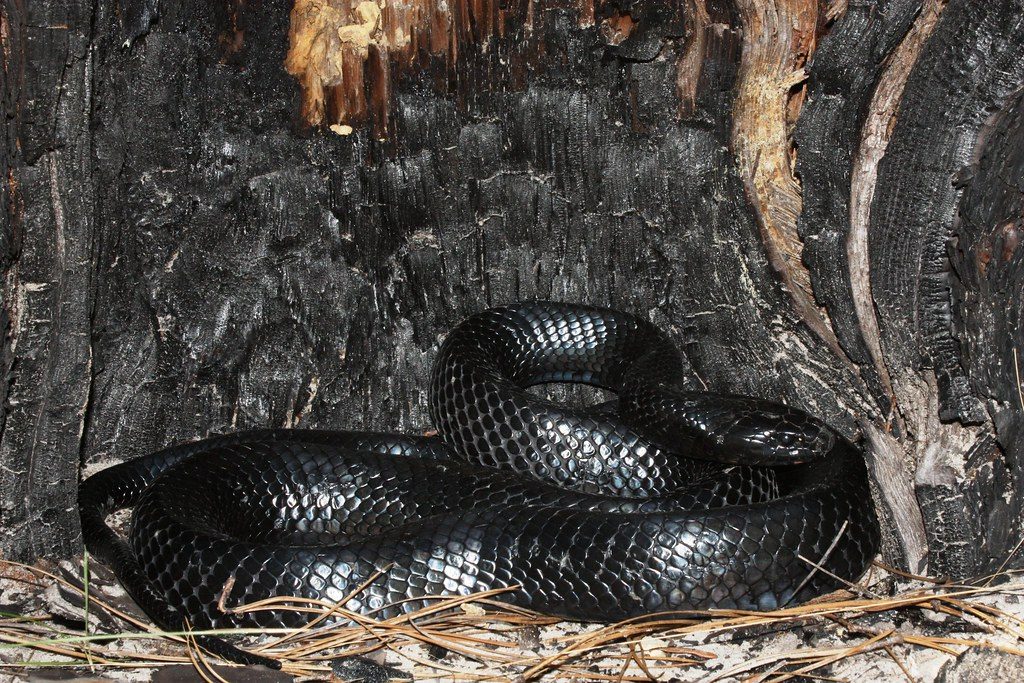
The Eastern Indigo Snake is the longest native snake in North America and a fearsome predator of rattlesnakes. This massive reptile is immune to rattlesnake venom and uses its superior size to overpower pit vipers. It hunts by sight and chases down its prey with surprising speed for a snake of its bulk. Once it catches a rattlesnake, the indigo snake crushes it with powerful jaws and swallows it headfirst. Their dominance is so absolute that rattlesnakes often try to escape rather than fight. Conservationists value them highly for their role in managing venomous snake populations.