Most hunters spend years loyal to one cartridge before curiosity finally wins.
The truth is, the hunting world is stacked with underappreciated calibers that outperform popular expectations quietly, consistently, and without the fanfare they deserve.
Some were designed for a specific game and ended up being surprisingly versatile. Others flew under the radar simply because the marketing never caught up to the performance.
This list isn’t about trendy rounds or overpriced magnum hype. It’s about calibers that genuinely deliver and that hunters almost always wish they’d discovered earlier in their careers.
7mm-08 Remington: The One That Quietly Does Everything Right
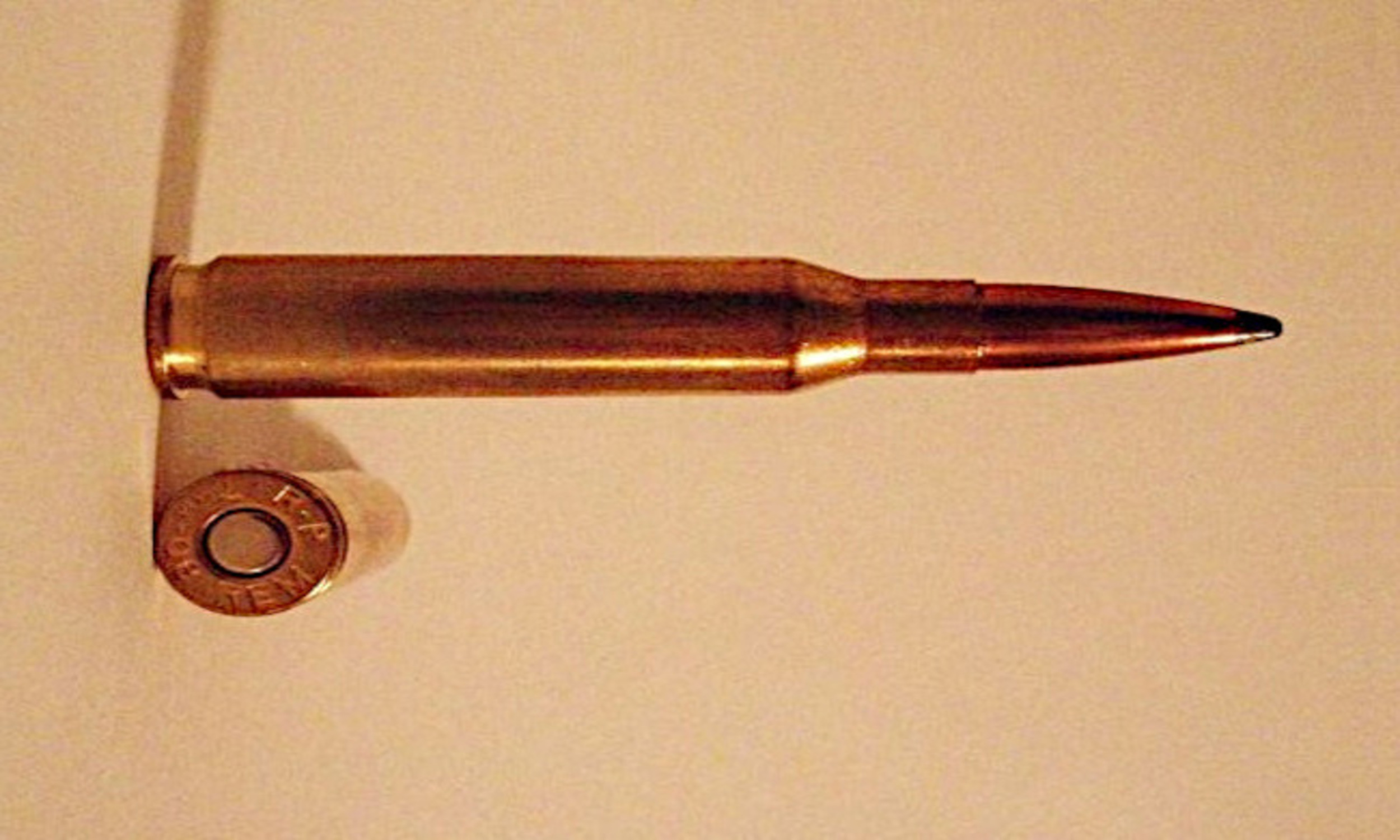
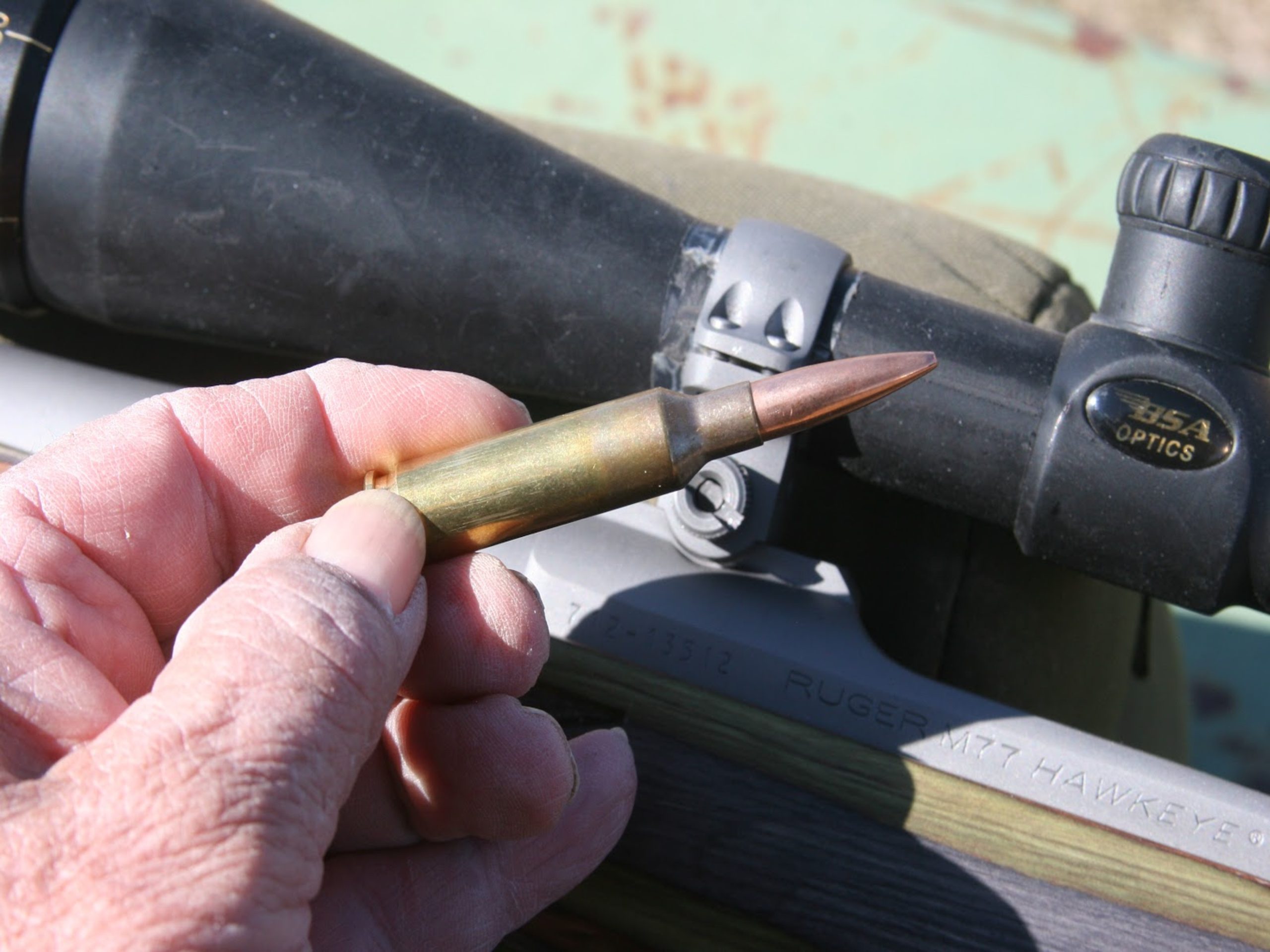
The 7mm-08 Remington has been around since 1980, yet it remains one of the most underutilized deer cartridges in any gun shop.
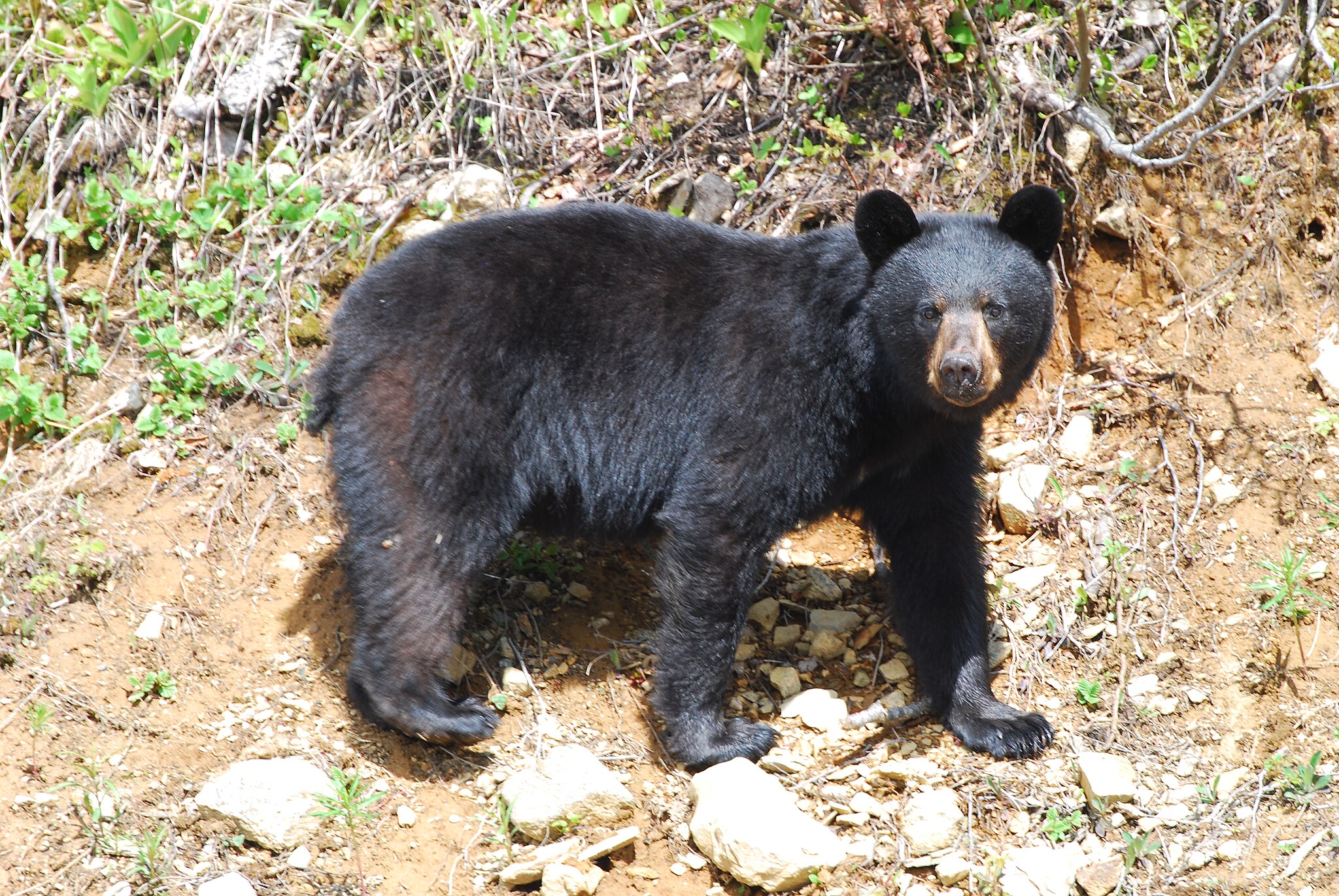
It pushes a 140-grain bullet at roughly 2,860 fps, producing around 2,543 ft-lbs of muzzle energy numbers that comfortably handle deer, antelope, and black bear at distances beyond 400 yards.
Recoil sits around 12–13 ft-lbs in a standard rifle, making it roughly 30% gentler than a .30-06 Springfield.
This low recoil makes it a genuine hunter’s round, not just a beginner’s choice. Accuracy at 300 yards consistently stays within 1.5 MOA with quality factory loads.
The ammunition is widely available, often priced between $25–$45 per box of 20 rounds, depending on the brand.
Hunters who finally switch to the 7mm-08 almost always ask the same question why did they wait so long?
6.5 Creedmoor: Built for Precision, Adopted by Hunters Who Knew Better
Originally designed in 2007 as a competitive long-range cartridge, the 6.5 Creedmoor crossed into hunting circles and never looked back.
A 143-grain ELD-X bullet exits the muzzle at approximately 2,700 fps, carrying around 2,315 ft-lbs of energy, more than enough for elk-sized game inside 500 yards.
Its ballistic coefficient routinely exceeds 0.620, which means it cuts through wind drift far better than most comparable hunting rounds.
At 1,000 yards, it still holds around 1,000 ft-lbs of energy, a threshold most hunters consider the minimum for ethical shots on deer-sized animals.
Recoil comes in around 11–12 ft-lbs, making follow-up shots fast and comfortable.
Factory ammunition from brands like Hornady, Federal, and Nosler remains easy to find in the $28–$55 range per box.
It rewards patient hunters who take their shooting seriously nd punishes nothing except poor technique.
.260 Remington: The Forgotten Brother That Deserved More Attention
The .260 Remington debuted in 1997 and essentially shares the same bullet diameter as the 6.5 Creedmoor, but the hunting world largely forgot it existed.
Loaded with a 130-grain bullet, it achieves muzzle velocities near 2,850 fps with energy around 2,346 ft-lbs, making it a superb all-around deer and mountain hunting round.
It performs nearly identically to the 6.5 Creedmoor in practical field conditions, often within 50 fps of each other at standard hunting ranges.
The cartridge fits neatly into short-action rifles, which saves weight, a critical advantage for backcountry hunters covering serious miles.
Recoil is mild at roughly 11 ft-lbs, keeping shooters comfortable through extended range sessions.
Ammunition availability has narrowed over the years, but handloaders especially appreciate that the case is affordable and that it accepts a wide range of 6.5mm projectiles.
It’s the caliber that loyal fans genuinely wish had gotten the recognition the Creedmoor eventually earned.
.243 Winchester: Underestimated on Big Game, Overpowered on Everything Else
The .243 Winchester has long carried a reputation as a varmint round, a label that does it no justice when matched with proper loads and ethical shot placement.
With a 100-grain bullet pushing 2,960 fps and generating 1,945 ft-lbs of muzzle energy, it handles whitetail deer out to 300 yards without question.
Recoil is one of the lowest on this list, under 10 ft-lbs, making it ideal for hunters who are recoil-sensitive or introducing younger shooters to big game hunting.
Trajectory stays remarkably flat, dropping just 6.5 inches at 300 yards with a 100-yard zero, which simplifies field shooting considerably.
Barrel life tends to be shorter than some calibers here, roughly 2,500–3,500 rounds before accuracy degrades, but for the average hunter, that’s a lifetime of use.
Ammunition is priced accessibly, typically $20–$40 per 20 rounds.
Hunters who give it a fair shot at deer often come away impressed and more than a little embarrassed that they dismissed it for so long.
.308 Winchester: The Classic That Keeps Proving the Skeptics Wrong
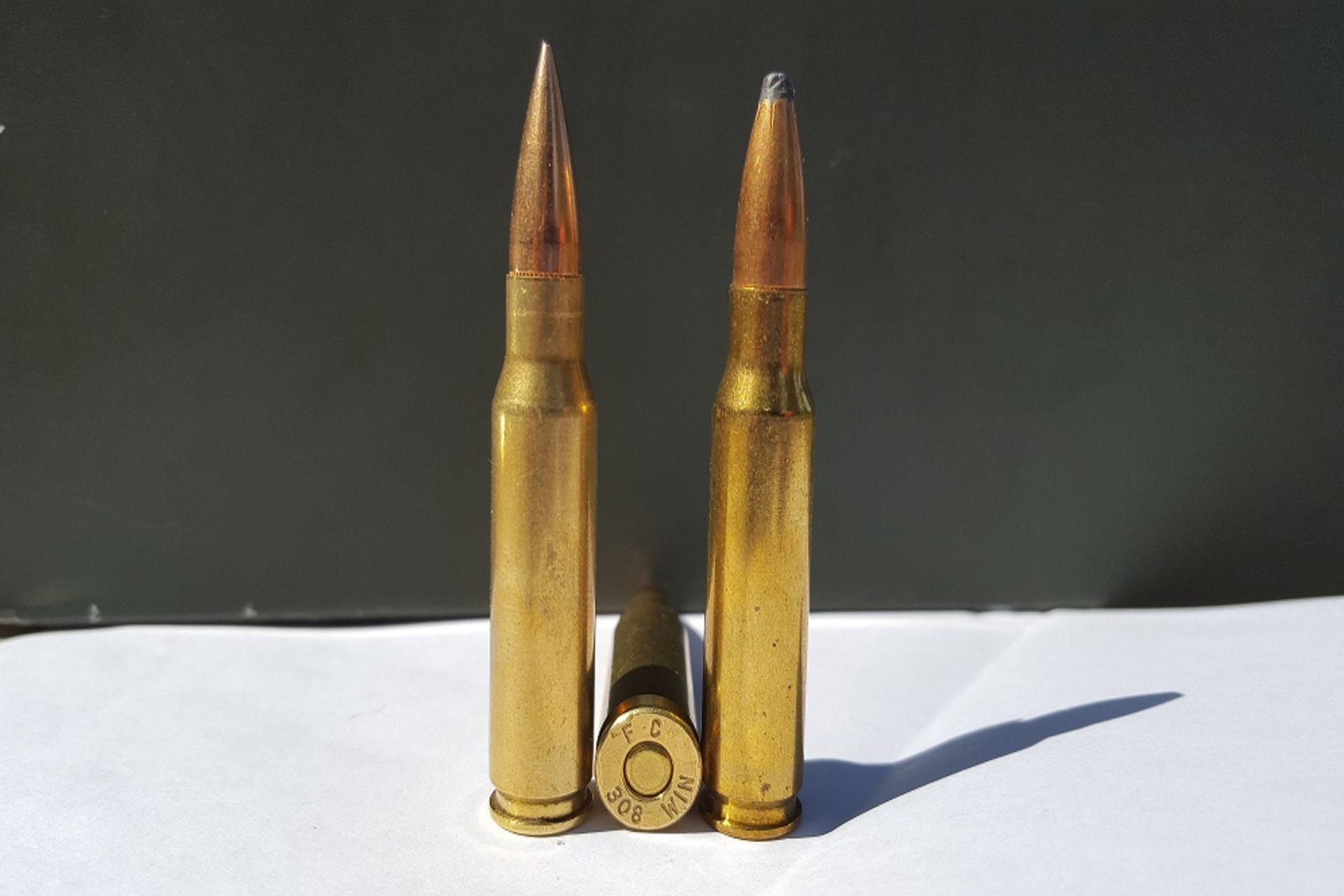
Introduced in 1952, the .308 Winchester has been called the world’s most versatile hunting cartridge by generations of hunters, nd the data still backs that claim up.
A 180-grain bullet exits at roughly 2,620 fps with 2,743 ft-lbs of muzzle energy, making it one of the more powerful entries on this list.
It remains the standard against which most hunting rounds are quietly measured. Effective range on elk and moose sits comfortably at 400–500 yards with premium loads.
Recoil measures around 18–20 ft-lbs in a standard bolt-action, manageable for most, but noticeable enough to respect.
The true advantage is ammunition diversity; no other hunting cartridge on this list offers as many bullet weights, grain options, or price points, ranging from $18 budget loads to $65 premium hunting rounds.
It also chambers in practically every bolt-action platform on the market.
Hunters who drifted away toward newer calibers frequently circle back, realizing that familiarity and proven terminal performance matter more than marginal ballistic gains.
6.5 PRC: The Magnum That Didn’t Come With Magnum Problems
The 6.5 PRC (Precision Rifle Cartridge) arrived in 2018 and immediately impressed hunters who needed more reach without the brutal recoil of traditional magnums.
Loaded with a 147-grain ELD-M bullet, it achieves 2,910 fps and delivers approximately 2,765 ft-lbs of muzzle energy, meaningful numbers for mountain hunters targeting elk at extended ranges.
At 500 yards, it still retains over 1,900 ft-lbs of energy, making it one of the most capable long-range hunting cartridges currently available.
Recoil sits around 16–17 ft-lbs, noticeably more than the standard 6.5 Creedmoor, but significantly less than the 7mm Remington Magnum.
Barrel life averages around 2,000–2,500 rounds, which is shorter than non-magnum options but reasonable given what the cartridge achieves ballistically.
Factory ammunition is available from Hornady and a handful of premium manufacturers, typically running $45–$75 per 20 rounds.
Hunters who’ve pushed shots past 600 yards on big game rarely go back; it performs at distances where most cartridges simply lose confidence.
.35 Whelen: The Brush Country Round That Never Needed Defending
The .35 Whelen was standardized by Remington in 1988 after decades of wildcat popularity, and it remains one of the most capable deer-to-bear calibers that American hunters consistently overlook.
A 225-grain bullet clocking 2,600 fps produces approximately 3,377 ft-lbs of muzzle energy, putting it squarely in elk and black bear territory without requiring a magnum-length action.
Inside 250 yards, the terminal performance on heavy-bodied game is exceptional, with deep penetration that hunters in thick cover specifically depend on.
Recoil runs approximately 25–28 ft-lbs, which is firm but manageable in a rifle weighing over 8 lbs.
Ammunition selection is modest; most major brands offer one or two loads, but what exists is well-crafted and designed precisely for the caliber’s intended purpose.
Pricing typically falls between $40–$65 per box of 20 rounds.
Once a hunter has taken a mature black bear or bull elk cleanly with the .35 Whelen, the loyalty to it tends to be permanent; it simply solves problems that lighter calibers make complicated.
.280 Remington: The All-Around Cartridge That Got Lost Between Two Giants
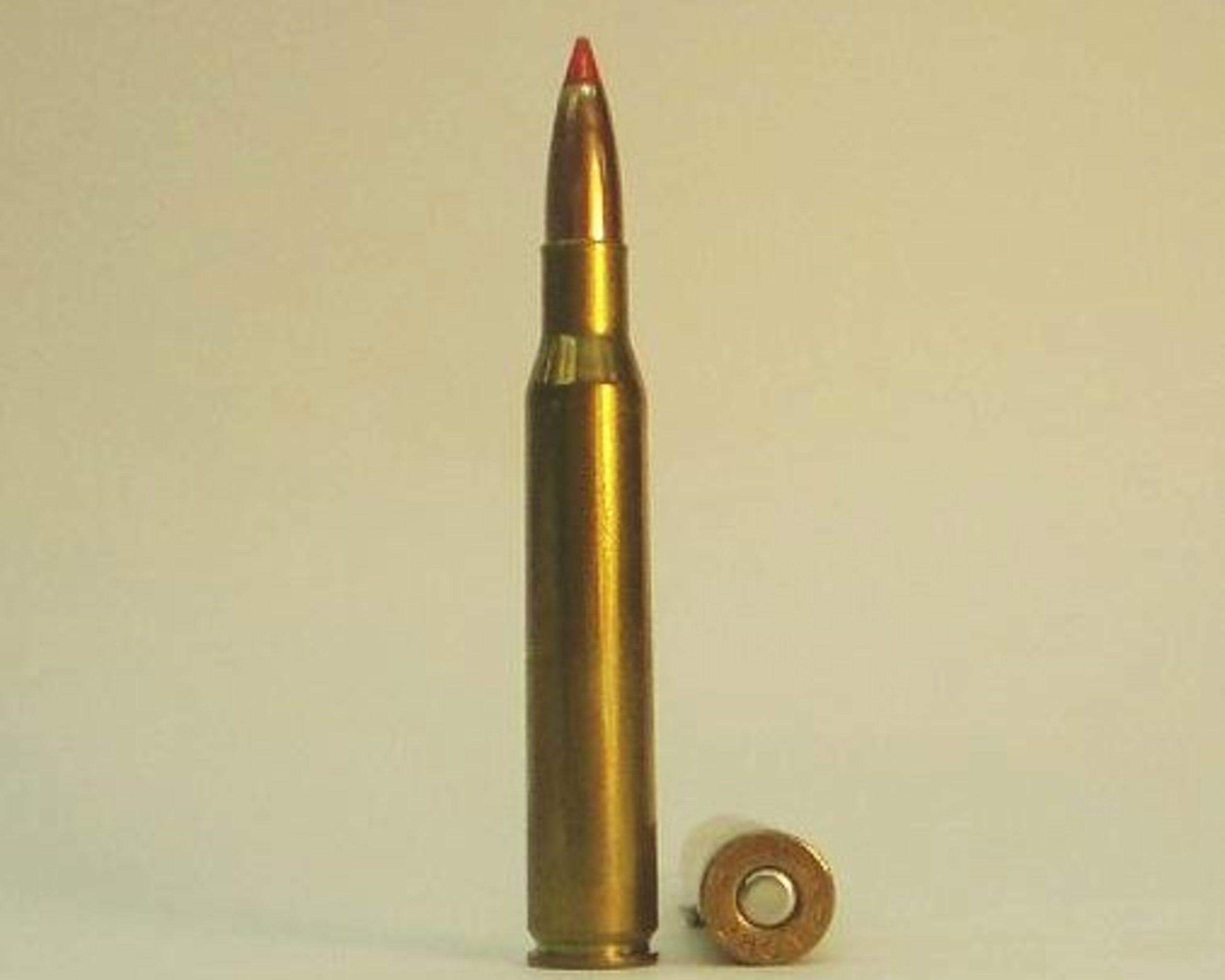
The .280 Remington has spent its entire commercial life being overshadowed first by the .270 Winchester, then by the 7mm Remington Magnum, despite offering a genuinely compelling middle ground between them.
Loaded with a 160-grain bullet, it achieves approximately 2,840 fps with 2,866 ft-lbs of muzzle energy, virtually matching the 7mm Rem Mag in many practical hunting scenarios.
At 400 yards, it retains over 1,800 ft-lbs of energy, keeping it comfortably within ethical range for elk, mule deer, and pronghorn.
Recoil sits at a moderate 17–18 ft-lbs, which is noticeably less than the 7mm Remington Magnum while delivering most of its real-world field performance.
It chambers in standard long-action rifles, giving hunters access to a broad selection of bolt guns without specialized platforms.
Ammunition pricing typically ranges from $35–$60 per 20 rounds, depending on bullet construction and brand.
Hunters who finally try the .280 Remington often describe it with one consistent sentiment: they can’t believe it took them this long to figure out what it was capable of.