Planning a wilderness excursion requires an acute awareness of the environmental risks that can transform a peaceful vacation into a life-threatening emergency. Many outdoor enthusiasts seek adventure in remote locations without fully realizing the intense dangers posed by extreme weather and aggressive wildlife. These specifically hazardous campsites represent some of the most unforgiving terrain in the nation, where help remains hours or even days away from the nearest trailhead. Maintaining a high level of situational awareness serves as the primary defense against the unpredictable forces of nature encountered in these rugged landscapes. This guide explores seven locations where camping demands extreme caution.
Death Valley National Park
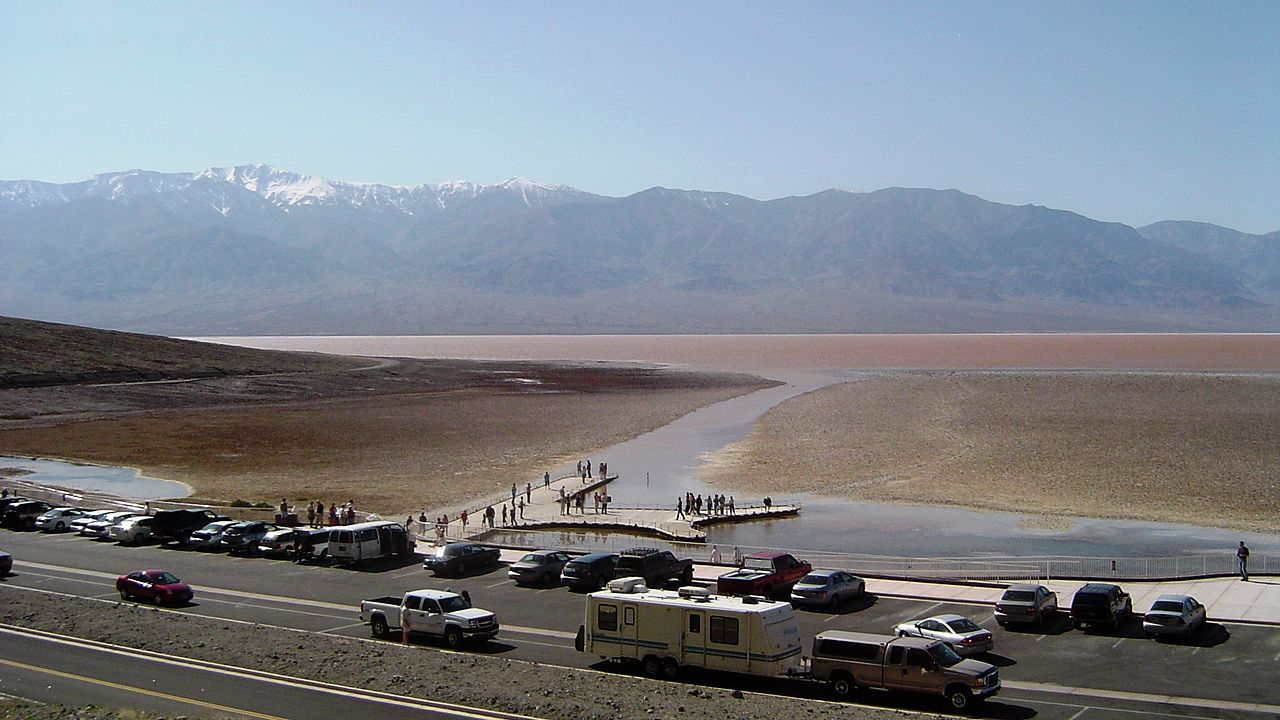
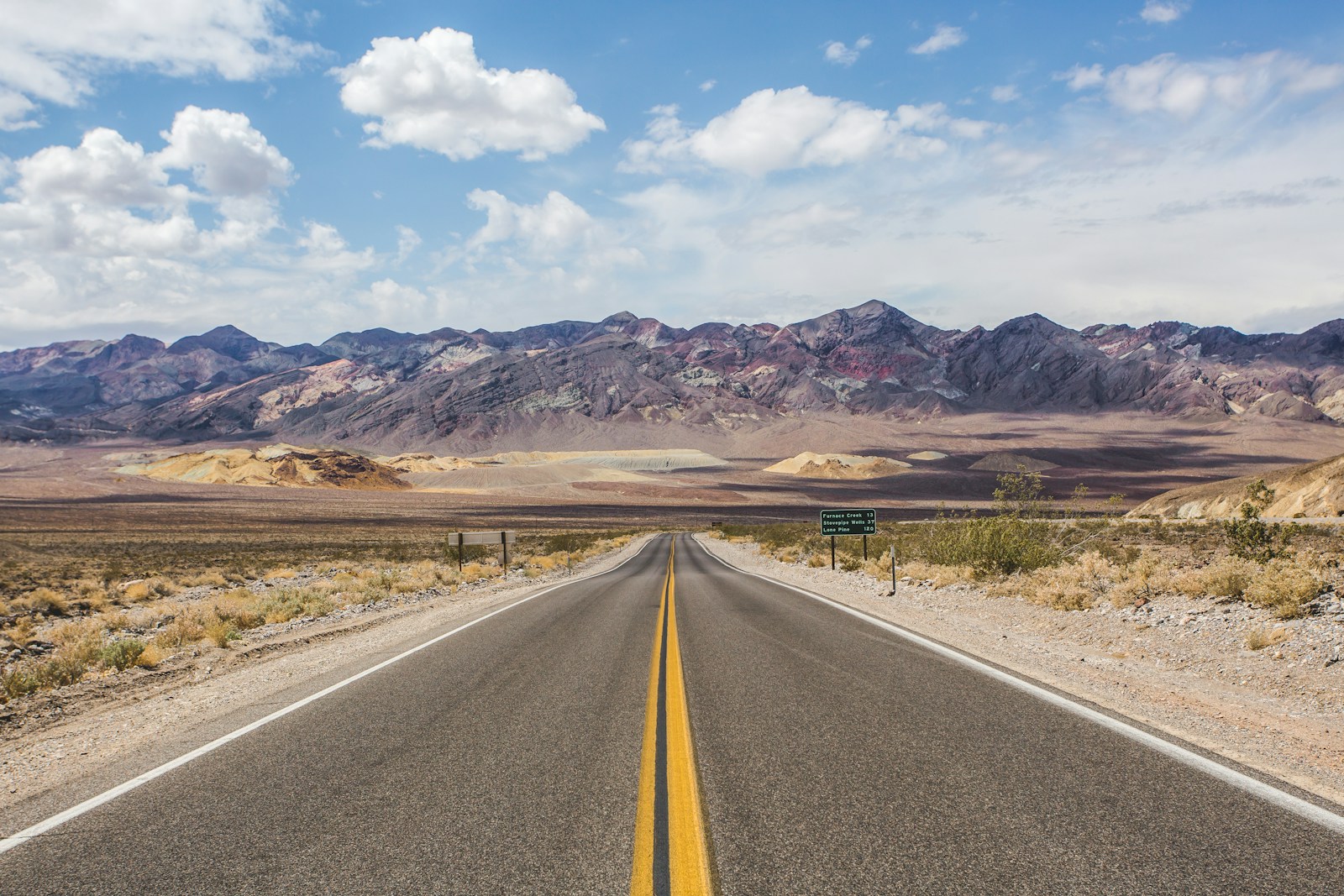
Death Valley holds the record for the hottest air temperatures ever recorded on the planet, which makes camping there a perilous endeavor during the summer. Daytime heat frequently soars past one hundred twenty degrees Fahrenheit, while shade remains almost non-existent across the vast and arid salt flats. Even with modern survival gear, the risks of heatstroke and lethal dehydration are exceptionally high for those who venture too far from reliable water sources. The sheer isolation of the park means that any mechanical failure or medical crisis can quickly become a deadly situation for the unprepared. Extreme temperatures define this harsh landscape.
Glacier National Park
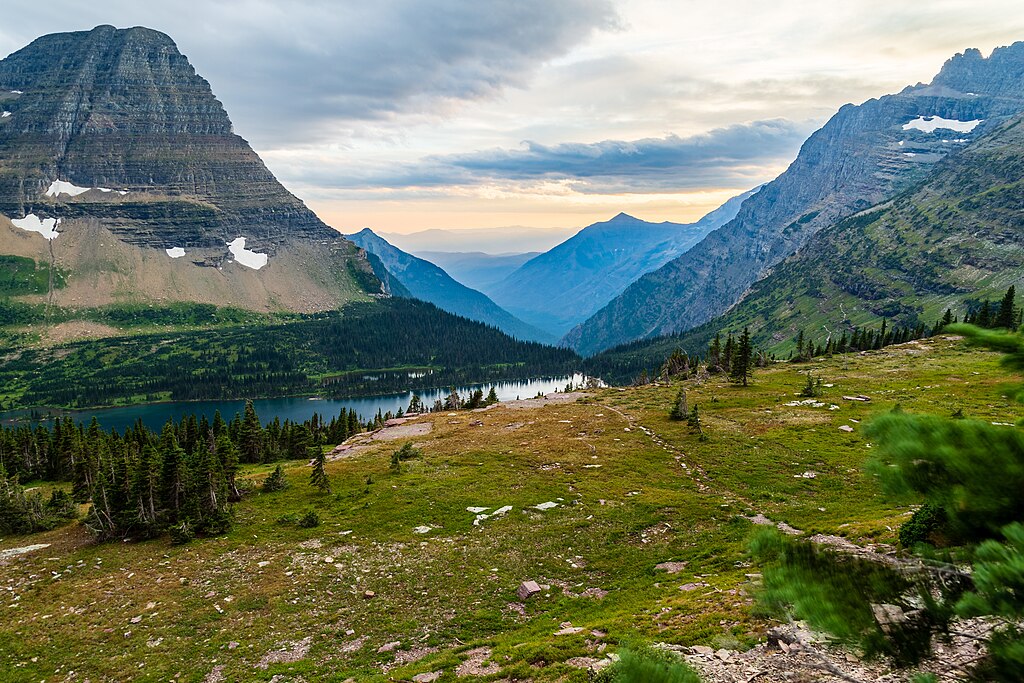
The alpine wilderness of Glacier National Park offers breathtaking views but also serves as the primary home for a dense population of grizzly bears. Campers in this region must adhere to incredibly strict food storage protocols to avoid attracting large predators to their tents during the night. Beyond the threat of wildlife, the park is known for sudden and violent snowstorms that can occur even in the middle of July. Treacherous footing on icy slopes and the risk of avalanches add significant layers of danger for anyone attempting to stay in the high country. Respecting the bears is mandatory.
Denali National Park
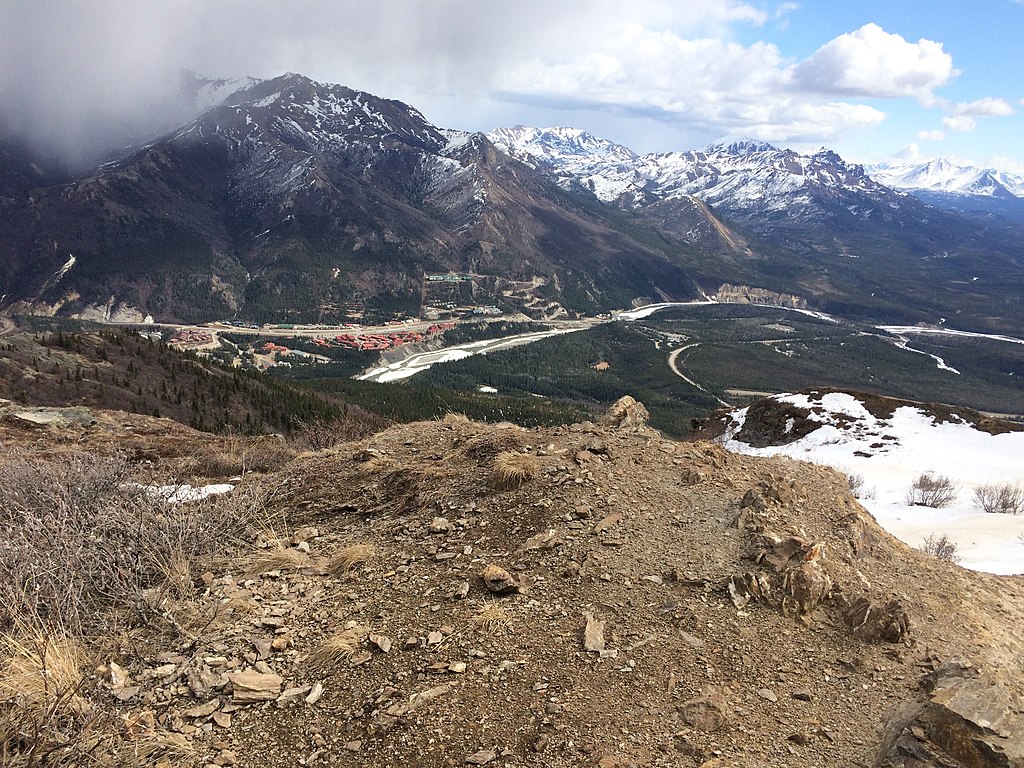
Denali features North America’s tallest peak and a trackless landscape that is notoriously difficult to navigate for even the most experienced backpackers. The subarctic climate creates weather patterns that change in minutes while dropping temperatures from sunny warmth to a freezing blizzard without any warning. Massive grizzly bears and protective moose frequently encounter hikers in the dense brush, which increases the likelihood of a dangerous confrontation. Because of the extreme remoteness and the lack of established trails, rescue missions in this park are complicated and often delayed by the harsh and unforgiving environmental conditions.
Mount Rainier National Park
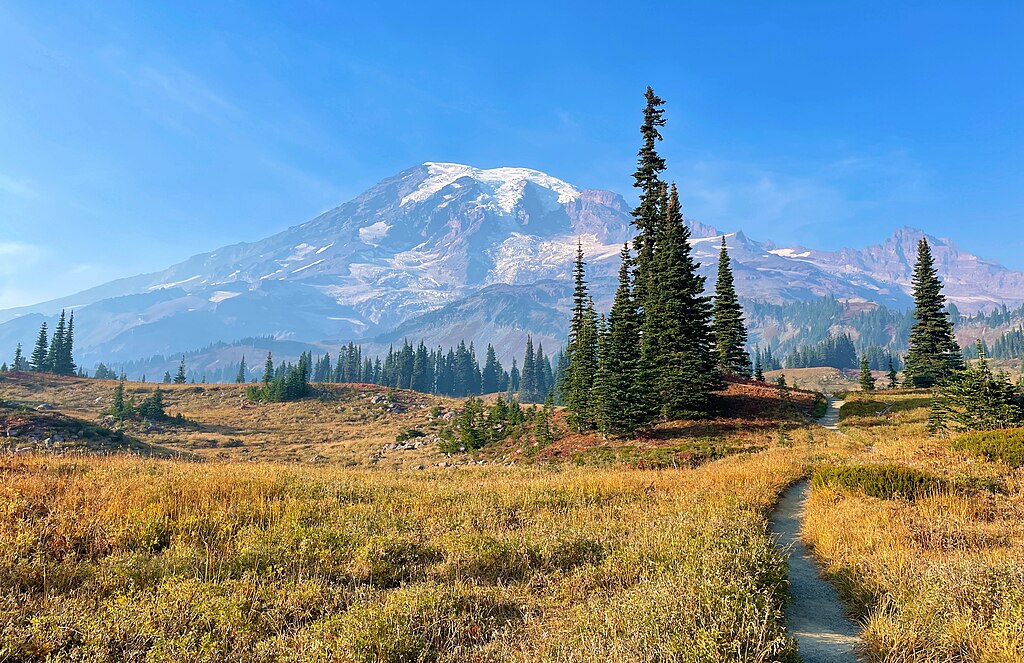
Mount Rainier is an active volcano covered in massive glaciers that present a unique set of hazards for those seeking a mountain experience. Unpredictable glacial outbursts and sudden landslides can bury a campsite in seconds while leaving no time for a safe evacuation. High elevations also bring the risk of severe altitude sickness and hypothermia even during the peak of the summer season. Frequent whiteout conditions disorient travelers and lead to accidental falls on the steep and icy terrain that characterizes the upper slopes. Professional mountaineering skills are essential for staying safe in this volatile and icy environment.
Grand Canyon National Park
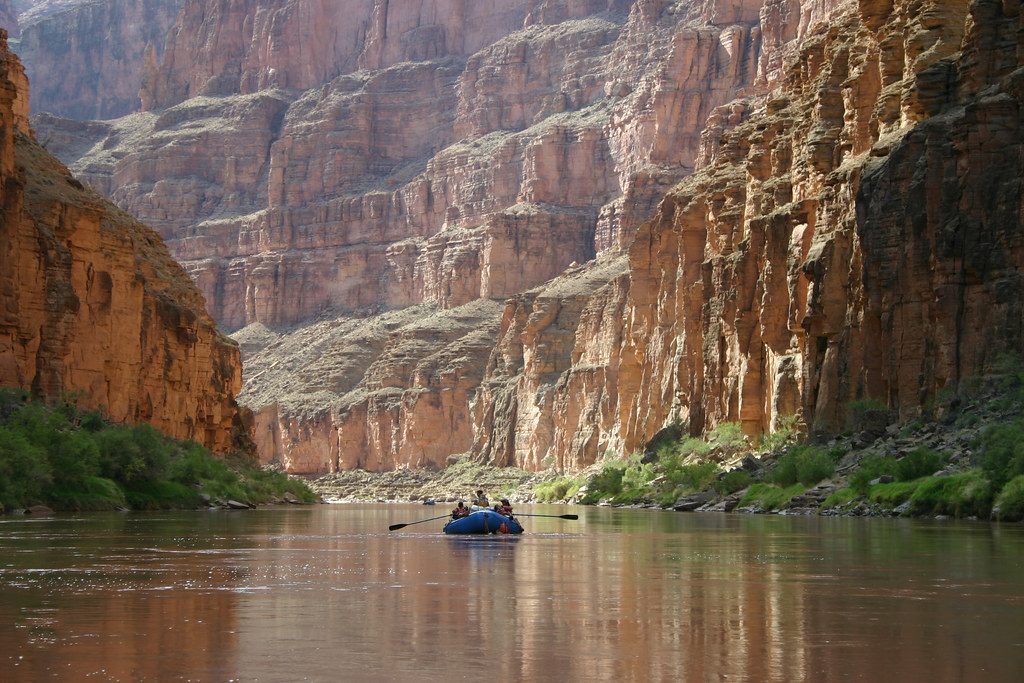
The interior of the Grand Canyon experiences a dramatic temperature shift that often catches visitors off guard as they descend toward the river. While the rim may feel pleasant, the heat at the bottom of the canyon regularly exceeds one hundred degrees, which leads to hundreds of heat-related rescues. Water sources are scarce, and the climb back to the top is physically exhausting for most people who attempt the journey. Flash floods can surge through the narrow side canyons without warning after distant rainstorms, which creates a drowning hazard for those camped in low areas. Preparation is vital.
Great Smoky Mountains National Park
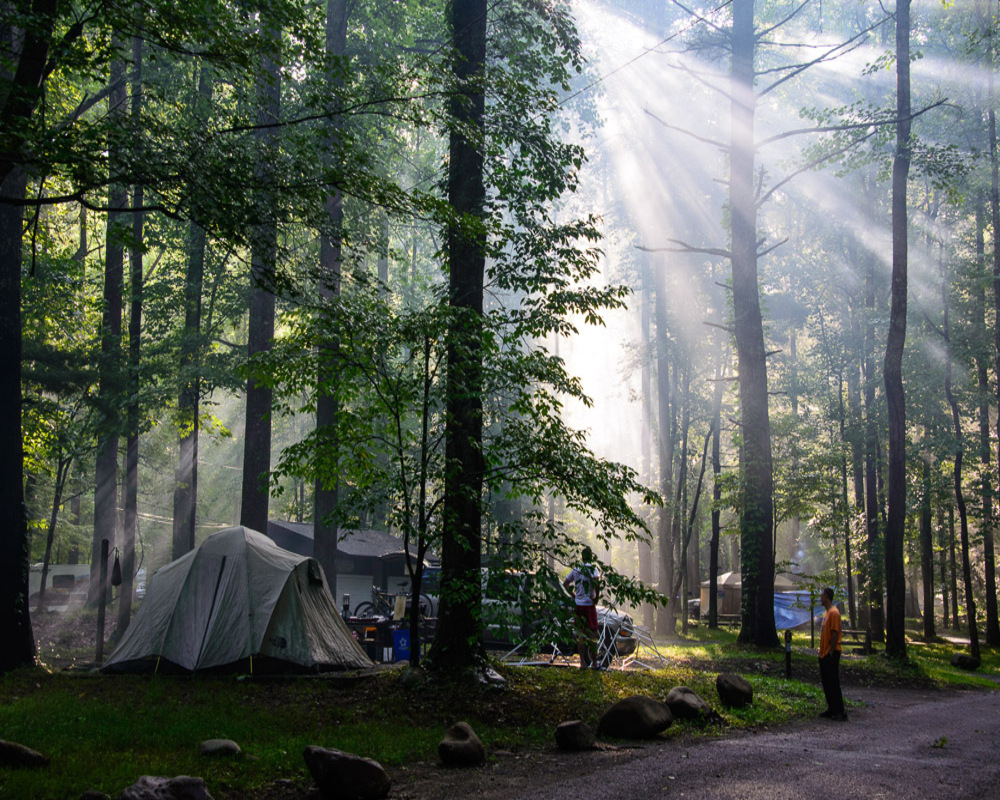
The Great Smoky Mountains attract millions of visitors annually, but the dense forests and heavy fog hide a variety of serious environmental dangers. Sudden storms frequently cause the trails to become incredibly slick and difficult to navigate, which results in numerous falls and injuries every year. Black bears are very active throughout the park and frequently investigate campsites that fail to secure their trash or food items properly. Disorientation is common because the thick vegetation and rolling terrain make it easy to lose the path during low visibility. Caution is required when exploring these ancient and misty peaks.
Big Bend National Park
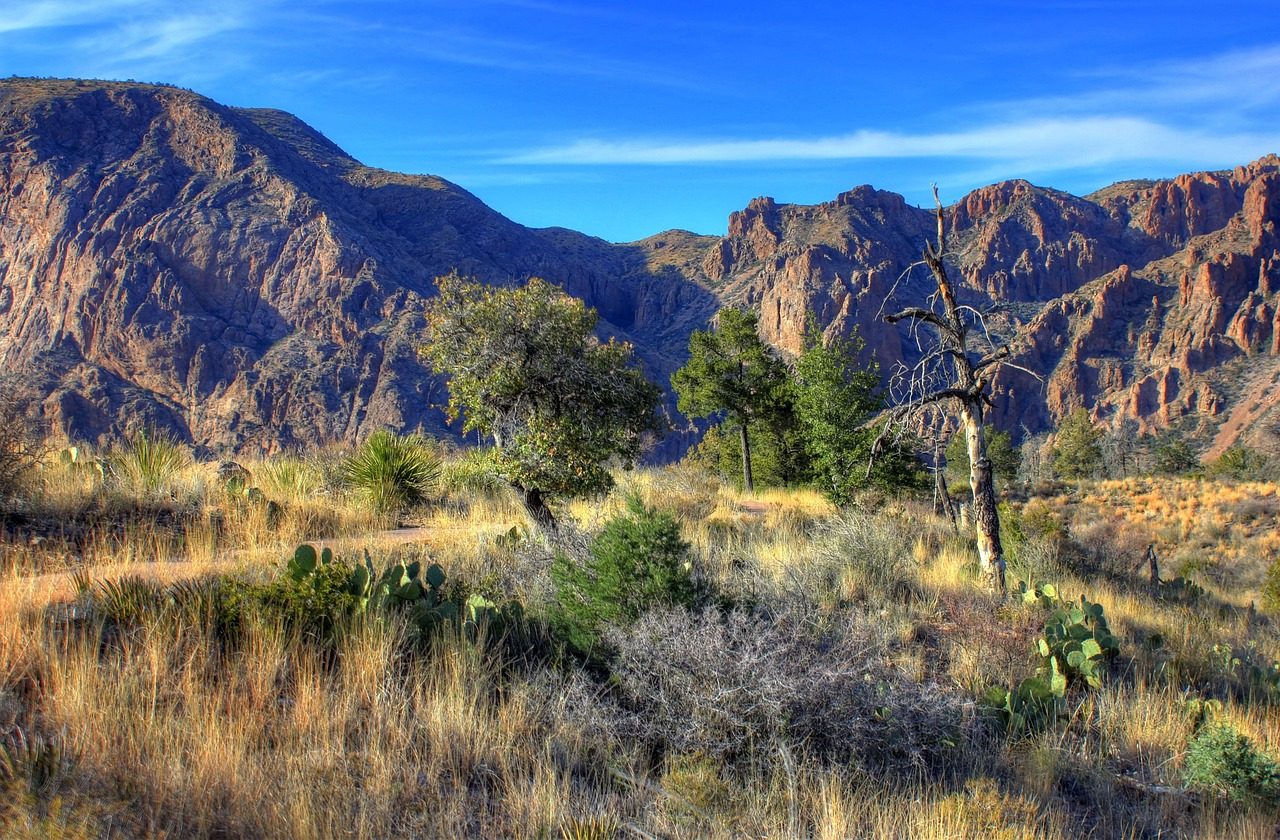
Big Bend combines the brutal heat of the Chihuahuan Desert with a level of isolation that makes any mistake potentially fatal for travelers. Summer temperatures often climb dangerously high, while winter nights drop well below freezing, which requires specialized gear for every single outing. There is almost no cell service available across the vast desert landscape, and reliable water sources are few and far between. Campers must also be vigilant for rattlesnakes and mountain lions that inhabit the rugged mountains and river canyons. The absolute silence of the desert masks the many hazards found in this remote park.