Backcountry hunting offers solitude, challenge, and deep connection with nature, but it also removes the safety net found in more accessible areas. Many hunters focus heavily on gear, weapons, and weather, while overlooking risks that quietly cause the most serious emergencies. These dangers rarely appear dramatic at first, which makes them easy to ignore until conditions worsen. Limited communication, physical exhaustion, and environmental unpredictability amplify small mistakes. Understanding these overlooked hazards helps hunters make smarter decisions, conserve energy, and avoid situations that escalate quickly. Preparation is not just about success in the hunt, but about returning safely from remote terrain.
1. Navigation Errors That Lead to Disorientation

Getting lost in the backcountry often starts with small navigation mistakes rather than major failures. Dense timber, rolling terrain, and changing weather can distort distance and direction. GPS devices fail due to dead batteries or signal loss, while overconfidence leads hunters to stop checking maps. Once disoriented, panic increases poor decision-making and wasted energy. Many hunters unknowingly walk in circles or descend into unfamiliar drainages. Reliable navigation requires map knowledge, compass skills, and constant awareness of landmarks. Knowing when to stop, reassess, and backtrack prevents minor errors from turning into overnight survival situations.
2. Sudden Weather Shifts in Remote Terrain
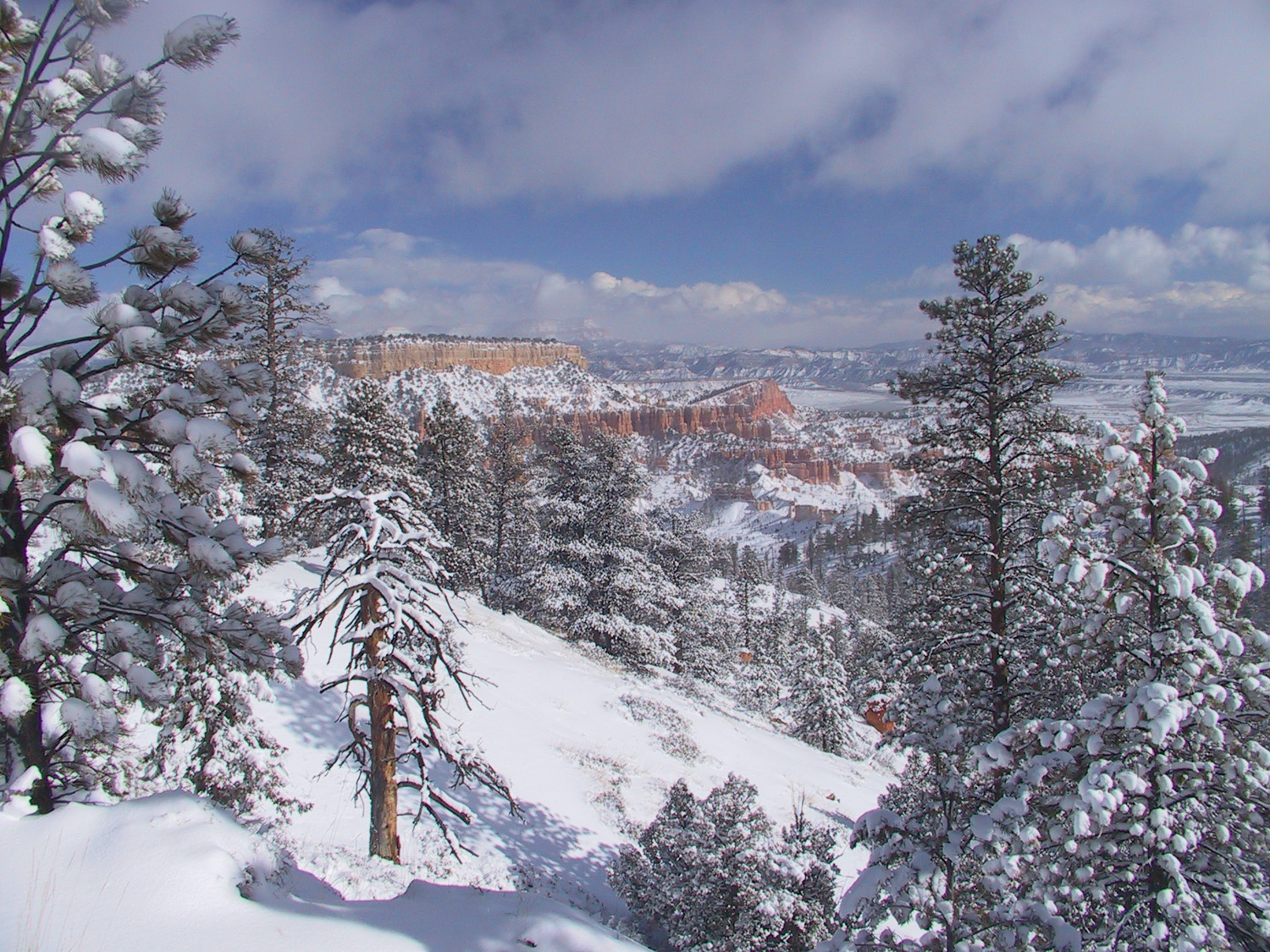
Backcountry weather changes faster and hits harder than most hunters expect. Clear skies can turn into snow, heavy rain, or high winds within hours. Temperature drops increase hypothermia risk, especially when sweat and wet clothing are involved. Weather can also block routes, making return travel dangerous or impossible. Many hunters underestimate how elevation and exposure intensify conditions. Without immediate shelter options, even experienced outdoorsmen can be overwhelmed. Proper layering, emergency shelter, and conservative decision-making are essential. Respecting weather signs and turning back early often prevents life-threatening exposure.
3. Physical Exhaustion and Overexertion
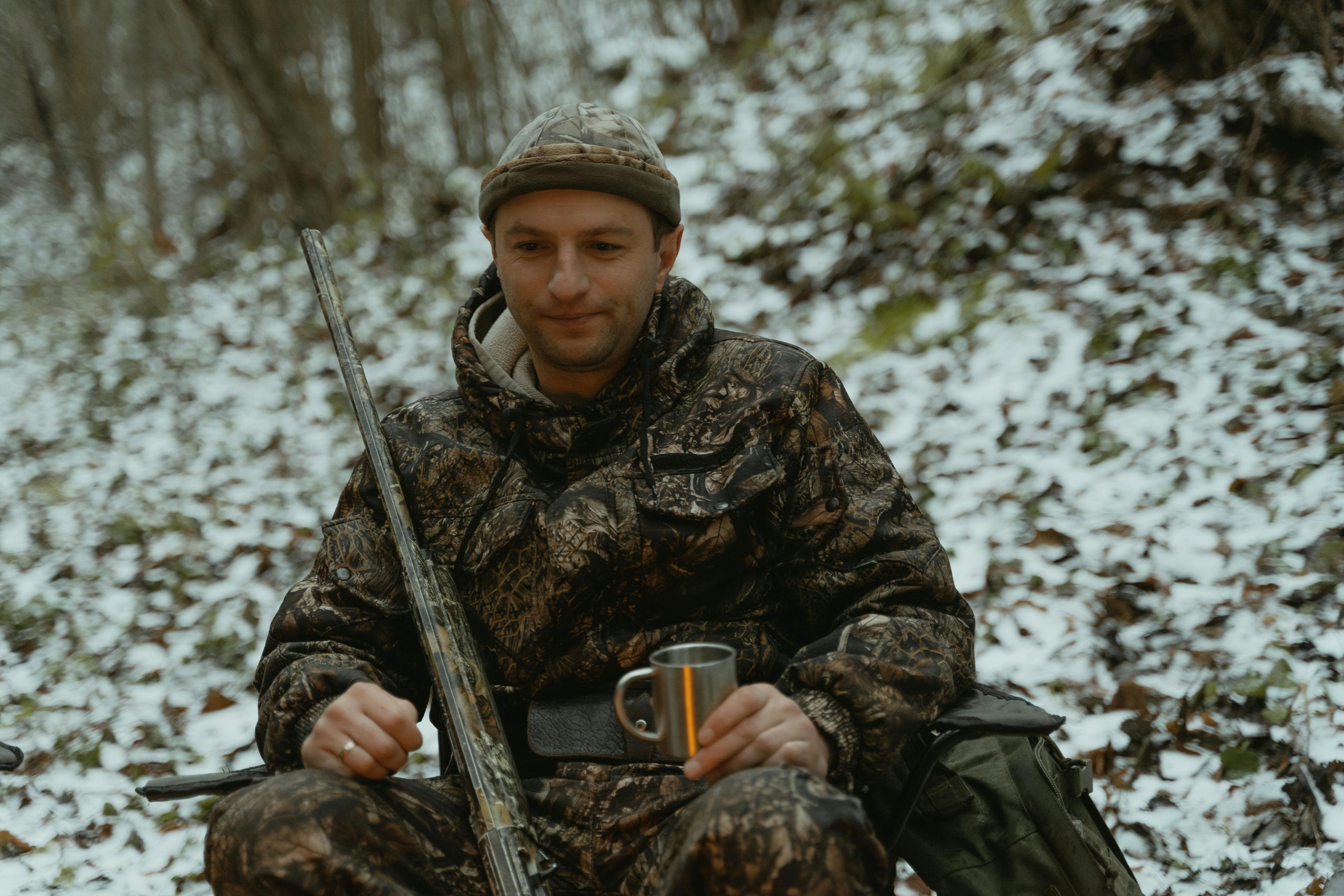
Backcountry hunting demands constant movement under load, often across steep and uneven ground. Fatigue builds quietly and affects balance, judgment, and reaction time. Hunters push themselves to reach distant locations, forgetting that energy must be conserved for the return trip. Overexertion increases the risk of falls, muscle injuries, and dehydration. In remote areas, minor injuries become major emergencies. Exhaustion also increases susceptibility to cold and poor decision-making. Proper pacing, hydration, and rest are critical. Listening to physical limits keeps hunters mobile, alert, and capable of handling unexpected challenges.
4. Delayed Medical Response to Injuries

In the backcountry, help is not minutes away. Cuts, sprains, fractures, and even minor wounds can quickly worsen without treatment. Bleeding control, infection prevention, and immobilization become essential skills. Many hunters carry first aid kits but lack the knowledge to use them effectively. A simple fall can end a hunt and trap someone miles from assistance. Communication delays increase risk, especially without satellite devices. Self-reliance and basic medical training are often the only defenses. Preparing for injury response can mean the difference between inconvenience and a life-threatening situation.
5. Wildlife Encounters Beyond the Target Species

Hunters prepare extensively for their quarry but often overlook other wildlife threats. Bears, moose, and territorial animals react unpredictably, especially when surprised or protecting young. Dressing game in the field increases scent and draws attention. Improper food handling at camp further increases risk. Even smaller animals can become aggressive when cornered. Awareness, noise management, and proper carcass handling reduce danger. Carrying deterrents and understanding animal behavior are essential. Respecting wildlife space prevents encounters that can escalate quickly in isolated environments.