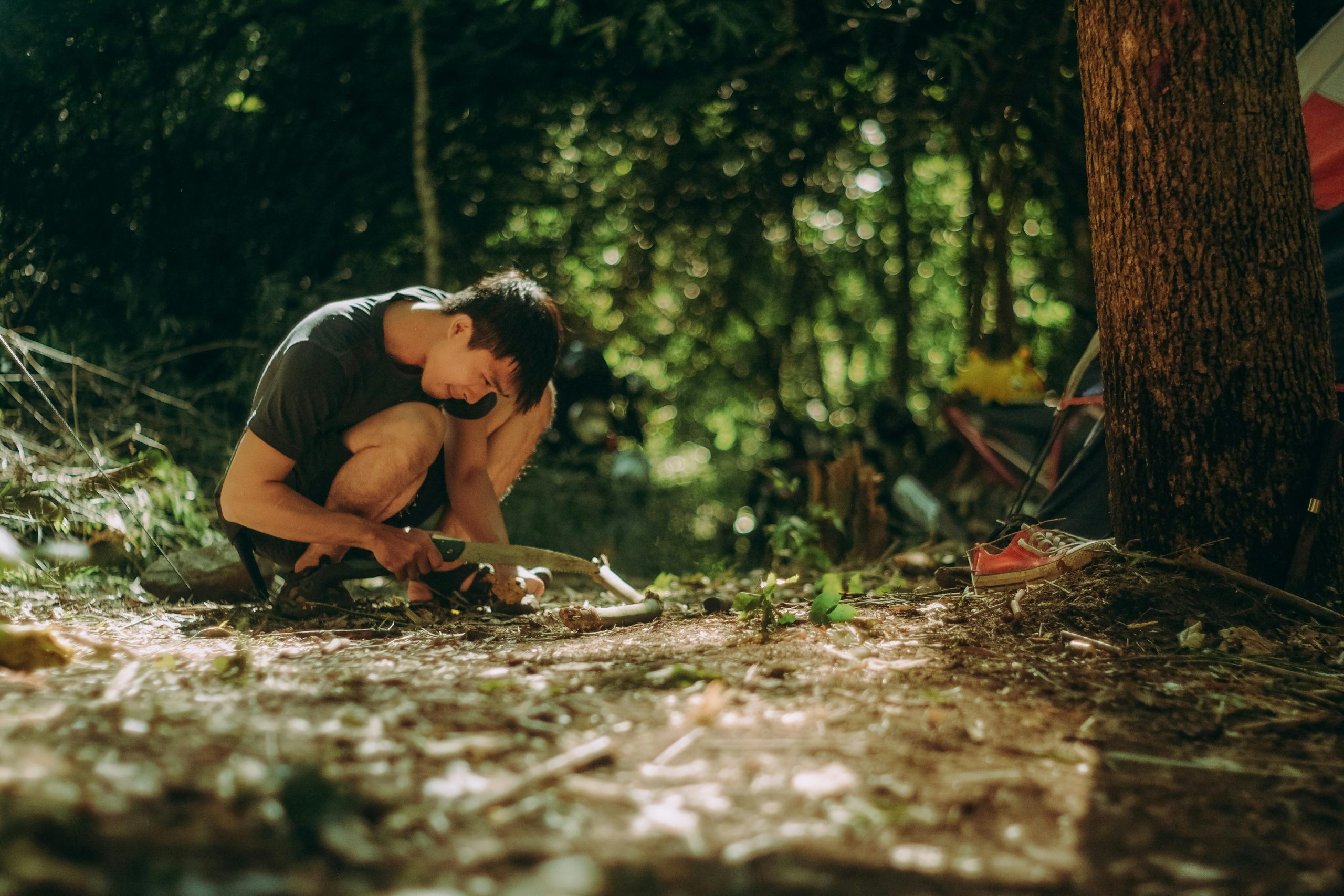
Survival training has changed a lot over the years, even though many old techniques are still repeated in books, videos, and outdoor courses. Some methods were taught for decades simply because they worked once or sounded logical, not because they were tested in many real situations. Modern survival instructors now rely more on field research, rescue reports, and real-world incidents instead of tradition alone. Because of this, several techniques that were once considered essential are now being questioned or completely rejected. In many cases, the old advice was not totally wrong, but it ignored safer, faster, or more reliable options. What makes this interesting is that these outdated methods are still being taught to beginners today. Here are nine survival techniques that instructors are finally admitting were not as correct as everyone believed for years.
1. Drinking Water From Any Clear Stream
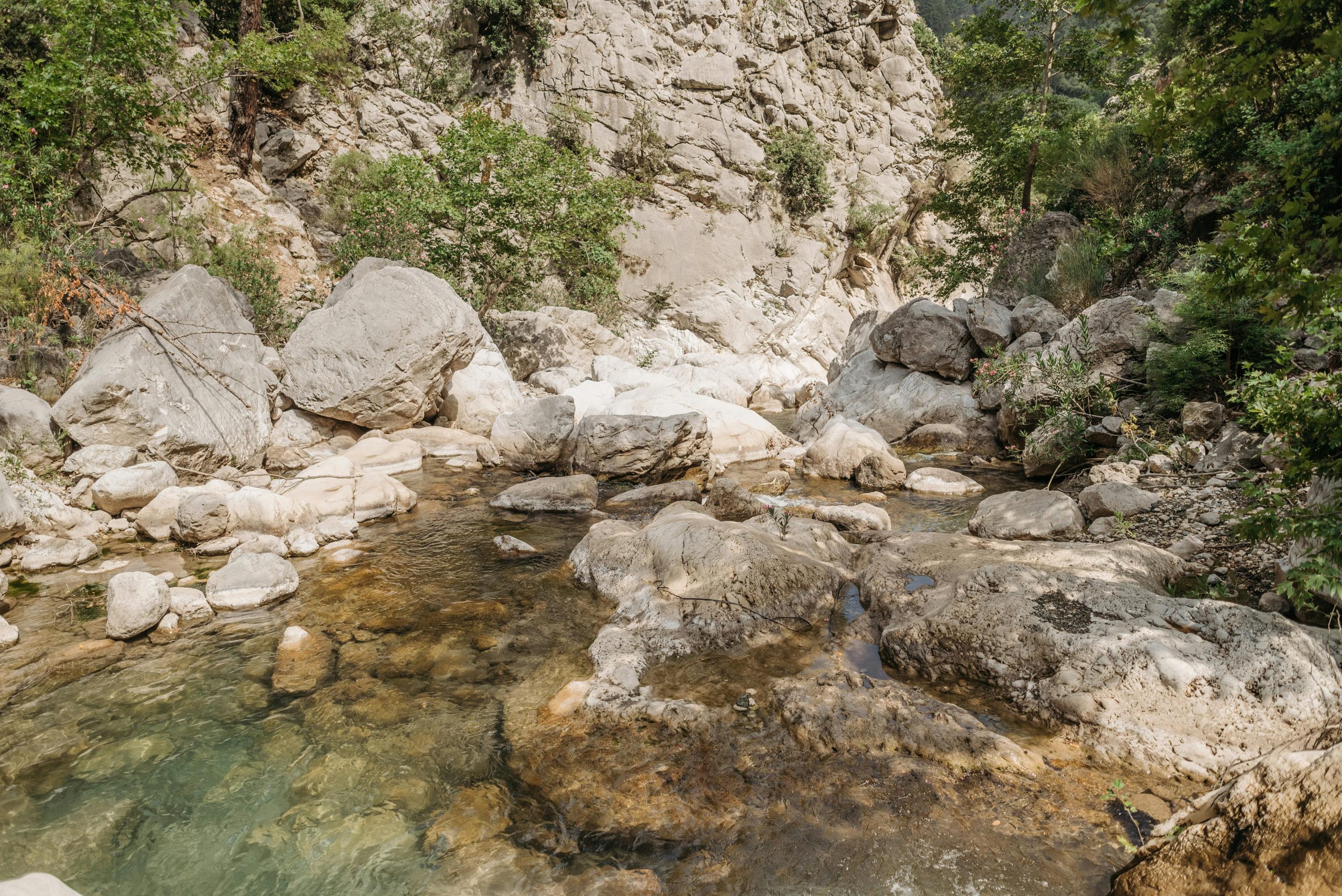
For a long time, survival guides taught that clear, flowing water from a mountain stream was safe to drink. Many instructors repeated this rule because it seemed logical that moving water would stay clean. Modern survival training now warns strongly against this idea. Field studies have shown that even clear water can contain bacteria, parasites, or chemicals that cannot be seen. Animals often travel upstream, and their waste can contaminate water far away from where you collect it. Instructors now recommend filtering, boiling, or using purification tablets whenever possible. Rescue reports have shown that sickness from untreated water can weaken a person faster than hunger. The old advice came from times when fewer pollutants existed, but today the risk is much higher. Clear water may look safe, but modern survival training treats every natural source as potentially dangerous
2. Building a Fire Immediately After Getting Lost
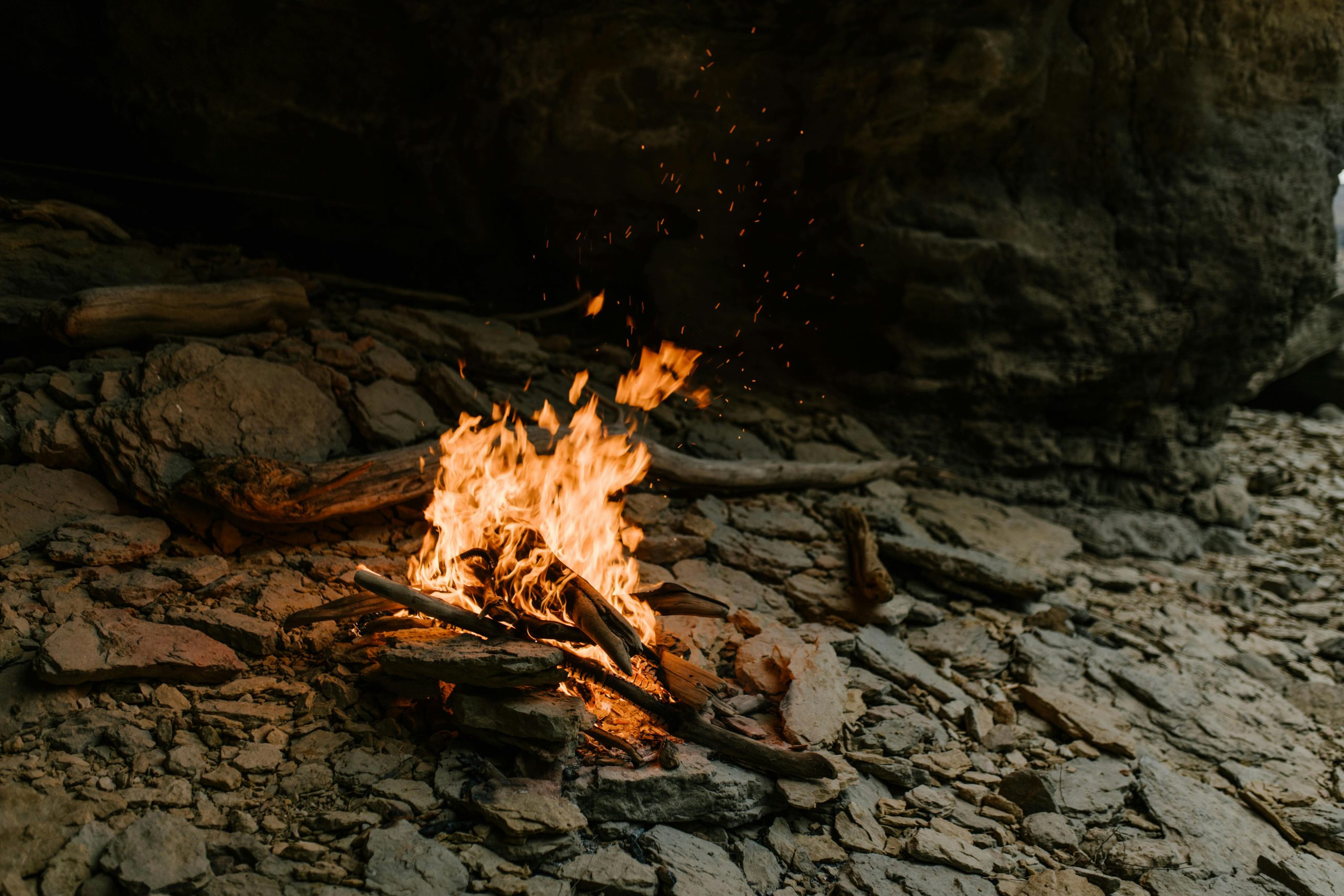
Older survival courses often taught that the first step after getting lost was to start a fire right away. The idea was that fire gives warmth, protection, and a signal for rescuers. Modern instructors now say this is not always the best first move. In many situations, especially during daylight, finding shelter or staying in one place can be more important. Starting a fire takes time and energy, and if a person is tired, injured, or in bad weather, it may waste valuable strength. Rescue experts also note that people who keep moving to gather firewood often travel farther from the last known location, making them harder to find. Fire is still important, but instructors now teach that staying calm, assessing the situation, and choosing priorities carefully is safer than following the old rule automatically.
3. Following Rivers to Find Civilization
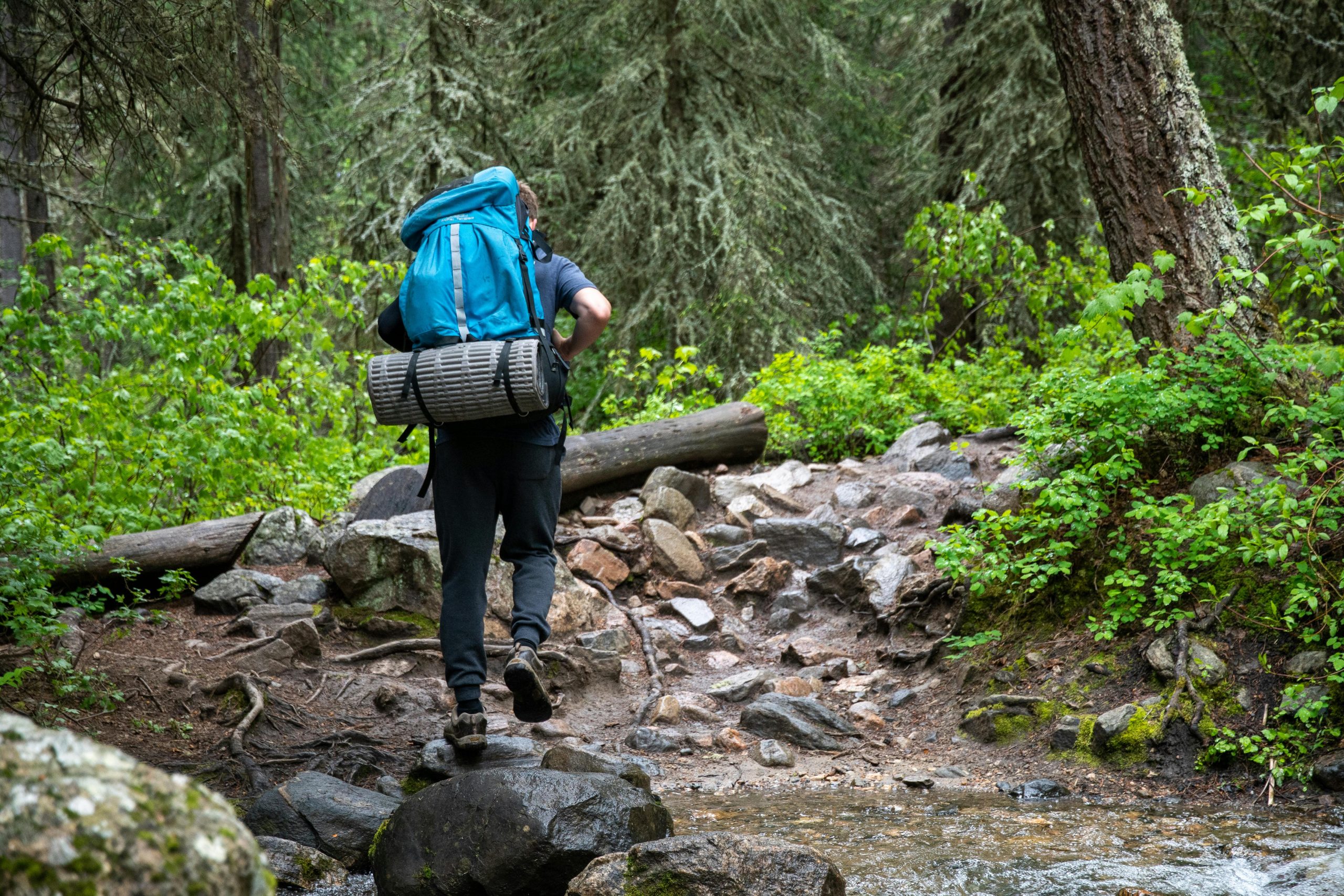
For decades, survival books suggested that following a river downstream would eventually lead to a town or road. While this idea sometimes works, modern survival instructors say it can also be very dangerous. Rivers often pass through steep valleys, thick forests, or rocky areas that are difficult to travel. People who try to follow water may become trapped by cliffs or forced to cross deep sections that are unsafe. Search and rescue reports show that many lost hikers made their situation worse by moving along rivers instead of staying in one place. Instructors now explain that staying near the last known location gives rescuers a better chance of finding you. Rivers can help with navigation, but blindly following them is no longer considered a safe rule in modern survival training.
4. Eating Wild Plants Without Complete Knowledge

Older survival lessons sometimes encouraged learning a few simple rules for identifying edible plants, such as avoiding bitter taste or bright colors. Modern instructors strongly disagree with this approach. Field research has shown that many dangerous plants look very similar to safe ones, and simple rules do not work in every region. Some plants that taste normal can still cause serious illness hours later. Survival experts now teach that eating wild plants should only be done with full knowledge of the local species. Rescue records show that poisoning is more common than starvation in short-term survival situations. Because the human body can go days without food, instructors now recommend avoiding unknown plants completely unless you are trained to identify them with certainty. The old advice sounded helpful, but it often created more risk than safety.
5. Rubbing Sticks Together as the Main Fire Method
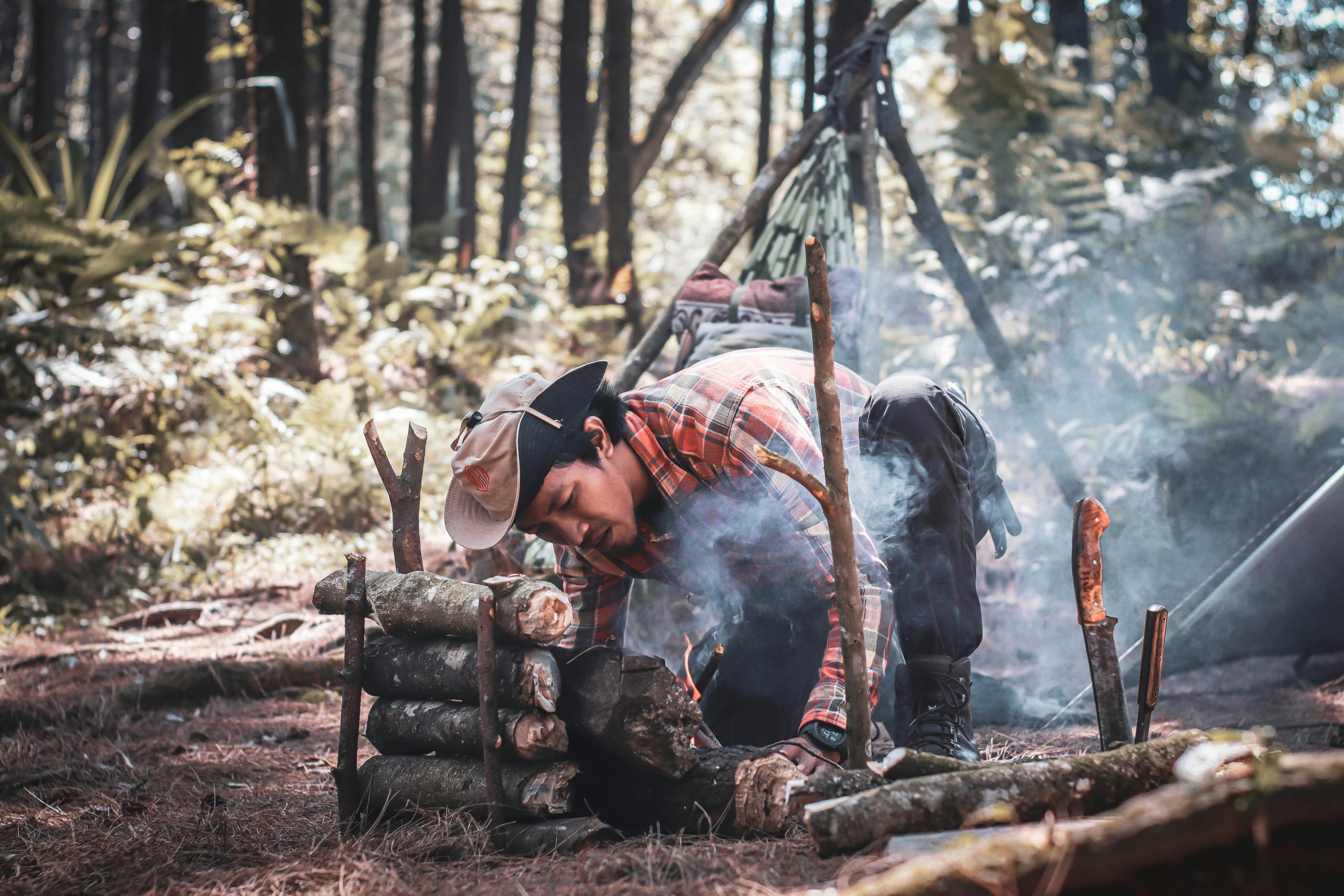
Many survival shows made the hand drill or bow drill look like the most important fire-starting skill. Older training sometimes focused heavily on friction fire as if it were the standard method in emergencies. Modern instructors admit that this technique is difficult, slow, and unreliable for beginners. It requires dry wood, the right materials, and a lot of practice, which most people do not have in a real survival situation. Current survival courses now emphasize carrying a lighter, waterproof matches, or a ferro rod instead of relying on primitive methods. Rescue reports show that people often fail to start a fire with friction tools when they are cold or tired. Friction fire is still taught as a backup skill, but instructors no longer present it as the primary method for staying alive in the wild.
6. Using Moss to Find North
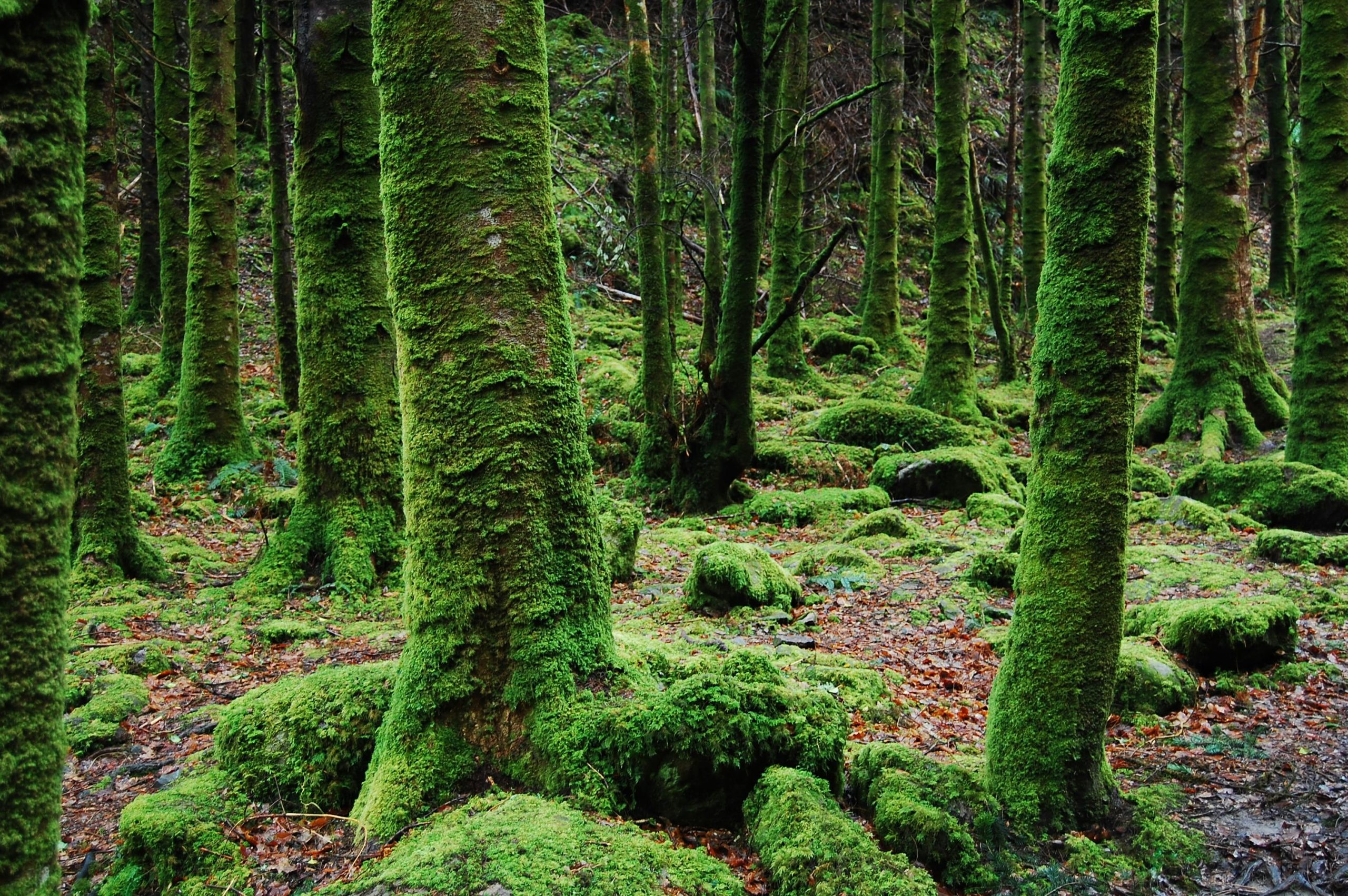
A popular survival tip for many years claimed that moss always grows on the north side of trees. This idea was easy to remember, so it became common in books and training classes. Modern instructors now explain that this rule is unreliable in most environments. Moss grows wherever moisture and shade exist, which can be on any side of a tree, depending on weather, terrain, and forest density. Field tests showed that people using this method often walked in the wrong direction without realizing it. Today, survival training recommends using a compass, the sun, or known landmarks instead of depending on moss. Navigation mistakes are one of the most common reasons people get lost longer than necessary. The old trick is still repeated often, but instructors now warn that it should never be trusted as the main way to find direction.
7. Packing Heavy Survival Gear for Every Trip
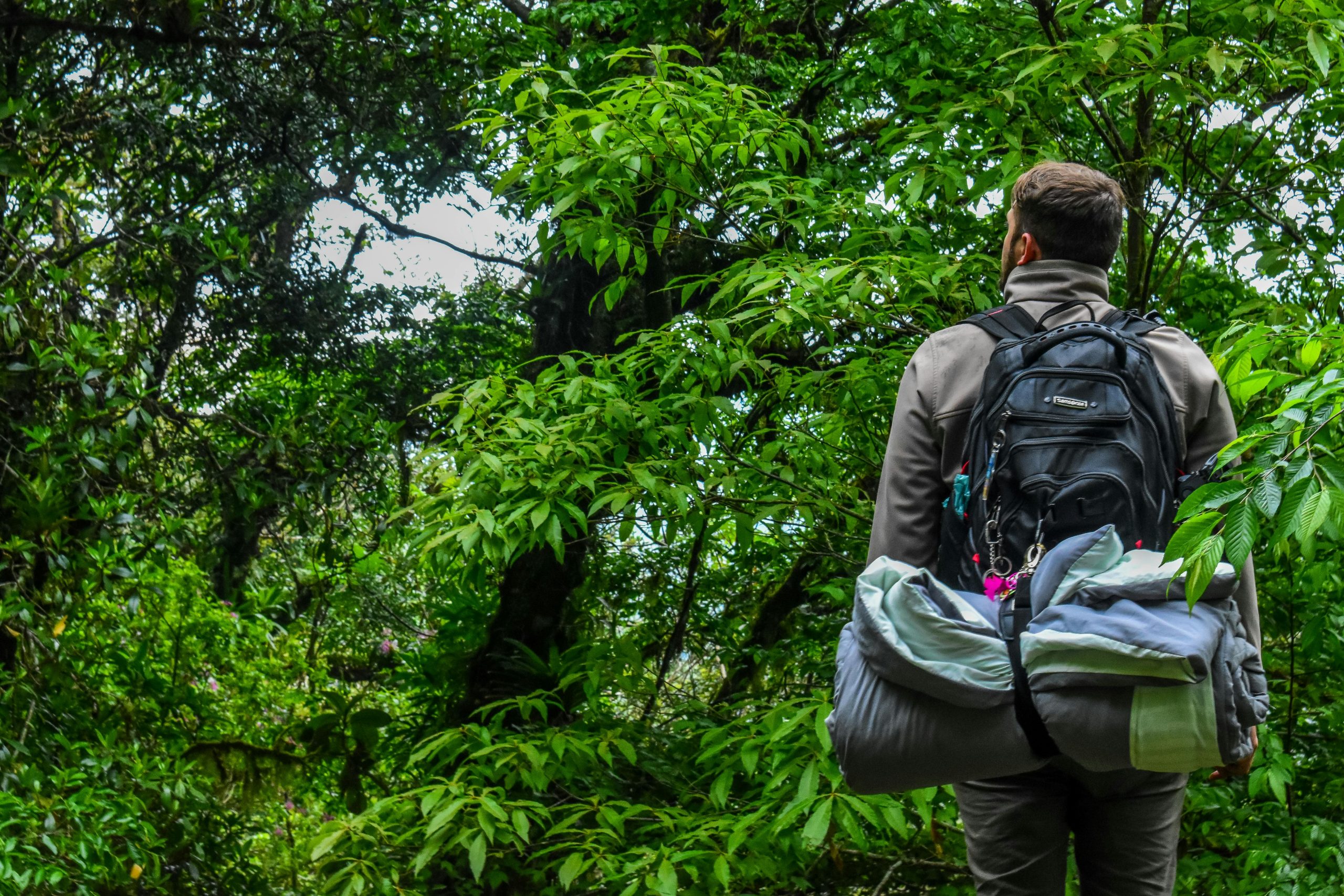
Older survival advice often suggested carrying as much equipment as possible to be prepared for any situation. Large knives, heavy tools, and extra supplies were seen as signs of good preparation. Modern instructors now teach the opposite approach. Rescue reports show that heavy packs make people tired faster, slow down movement, and increase the chance of injury. Many experienced survival trainers now recommend carrying lighter gear that covers the most important needs, such as water, navigation, and communication. The goal is to stay mobile and conserve energy instead of carrying equipment that may never be used. Modern materials also allow smaller tools to work better than older heavy ones. The idea that more gear always means more safety has been replaced by the idea that smart packing is more important than packing everything.
8. Sleeping Directly on the Ground
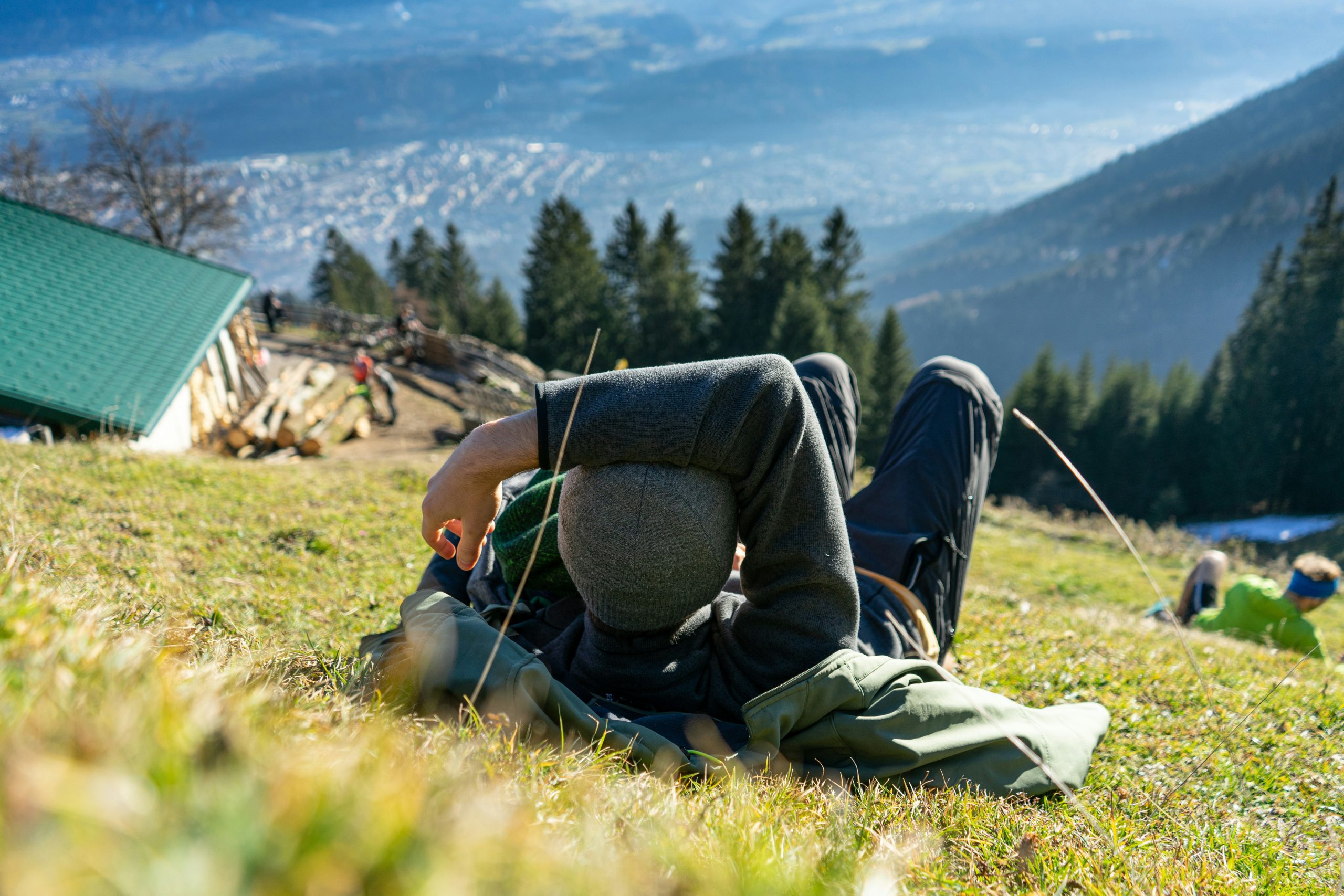
Older survival lessons often showed people lying on the ground with a blanket or sleeping bag, as if the earth itself was a safe place to rest. Modern instructors now explain that ground contact can drain body heat very quickly, even in mild weather. Cold soil pulls warmth away from the body, which increases the risk of hypothermia during the night. Instructors now teach that insulation under the body is just as important as covering on top. Even simple materials like leaves, grass, or branches can make a big difference. Rescue cases have shown that people sometimes become dangerously cold even when the air temperature is not very low. Because of this, modern survival training always includes building a raised or insulated sleeping area instead of resting directly on the ground.
9. Trying to Walk Out Without a Plan

In the past, many survival guides suggested that the best solution after getting lost was to keep moving until you found a road or building. Modern instructors now say this is one of the most common mistakes. Search and rescue teams report that people who keep walking often travel far from the area where rescuers expect them to be. This makes the search much harder and takes longer. Moving without direction also increases the chance of injury, dehydration, or getting lost even deeper in the wilderness. Current survival training teaches the STOP method, which means stop, think, observe, and plan before taking action. Staying in one place is often safer if someone knows where you were last seen. The old advice encouraged action too quickly, while modern survival training focuses on careful decisions first.