High-altitude tourism often promises once-in-a-lifetime views, crisp air, and the thrill of standing where few people ever go. In recent years, social media has added another layer to that appeal, encouraging travelers to document every dramatic moment with a phone held at arm’s length. But when wilderness becomes a backdrop rather than a living ecosystem, the risks can escalate quickly. A recent incident involving a tourist attempting a ski selfie in snow leopard territory shocked both travelers and conservation experts. What began as a casual photo opportunity turned into a brutal encounter with one of the world’s most elusive predators. The event highlights how fragile the boundary is between human curiosity and wild animal survival instincts, especially in extreme environments where mistakes leave little room for recovery.
The Setting That Made the Encounter Possible
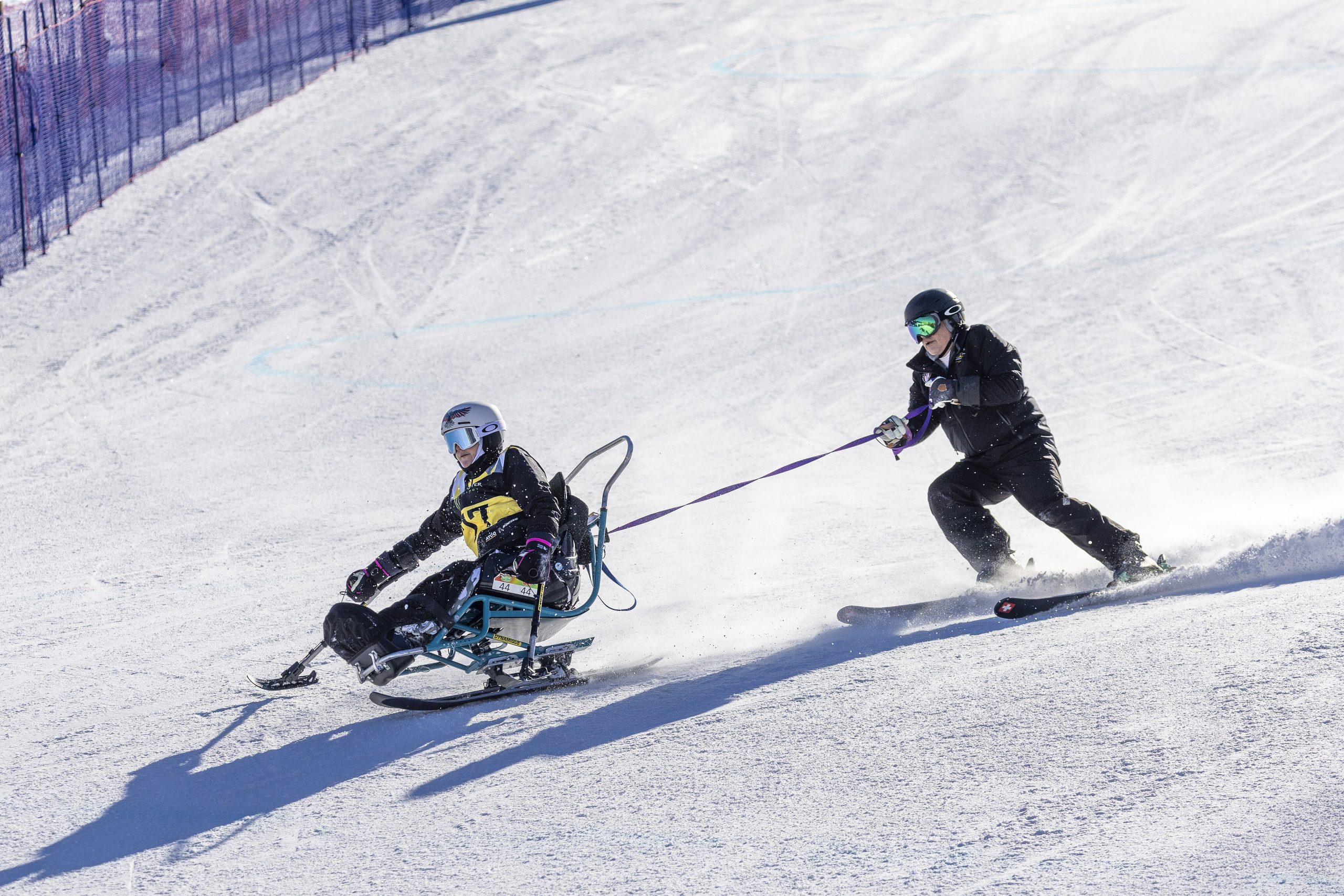
Snow leopards inhabit some of the most remote and rugged mountain ranges on Earth, thriving at elevations where oxygen is thin and human presence is typically sparse. Ski resorts and backcountry trails increasingly overlap with these habitats, especially as adventure tourism pushes higher and farther into alpine terrain. In this case, the tourist was skiing near a boundary zone where wildlife corridors remain active despite seasonal recreation. These areas can appear quiet and empty, giving visitors a false sense of security. But silence in the mountains often signals watchfulness rather than absence. Snow leopards are masters of concealment, blending into rocky slopes and snowfields with remarkable precision. The conditions that make for dramatic ski photos also create ideal ambush terrain, setting the stage for an encounter neither side intended.
How a Moment of Distraction Changed Everything
Witnesses and later reports suggest the tourist paused to take a selfie, removing attention from the surroundings that demanded constant awareness. In high-altitude environments, predators rely on surprise and speed, responding instinctively to sudden movement or perceived vulnerability. A skier stopped in open terrain, distracted by a phone, can resemble injured prey. Snow leopards rarely attack humans, but when startled at close range or when escape routes feel blocked, they may react defensively. The tourist’s focus on framing the perfect shot eliminated the subtle cues that might have warned of danger, such as disturbed snow, unusual stillness, or distant movement. What felt like a harmless pause became the critical moment that triggered a rapid and violent response.
Understanding Snow Leopard Behavior
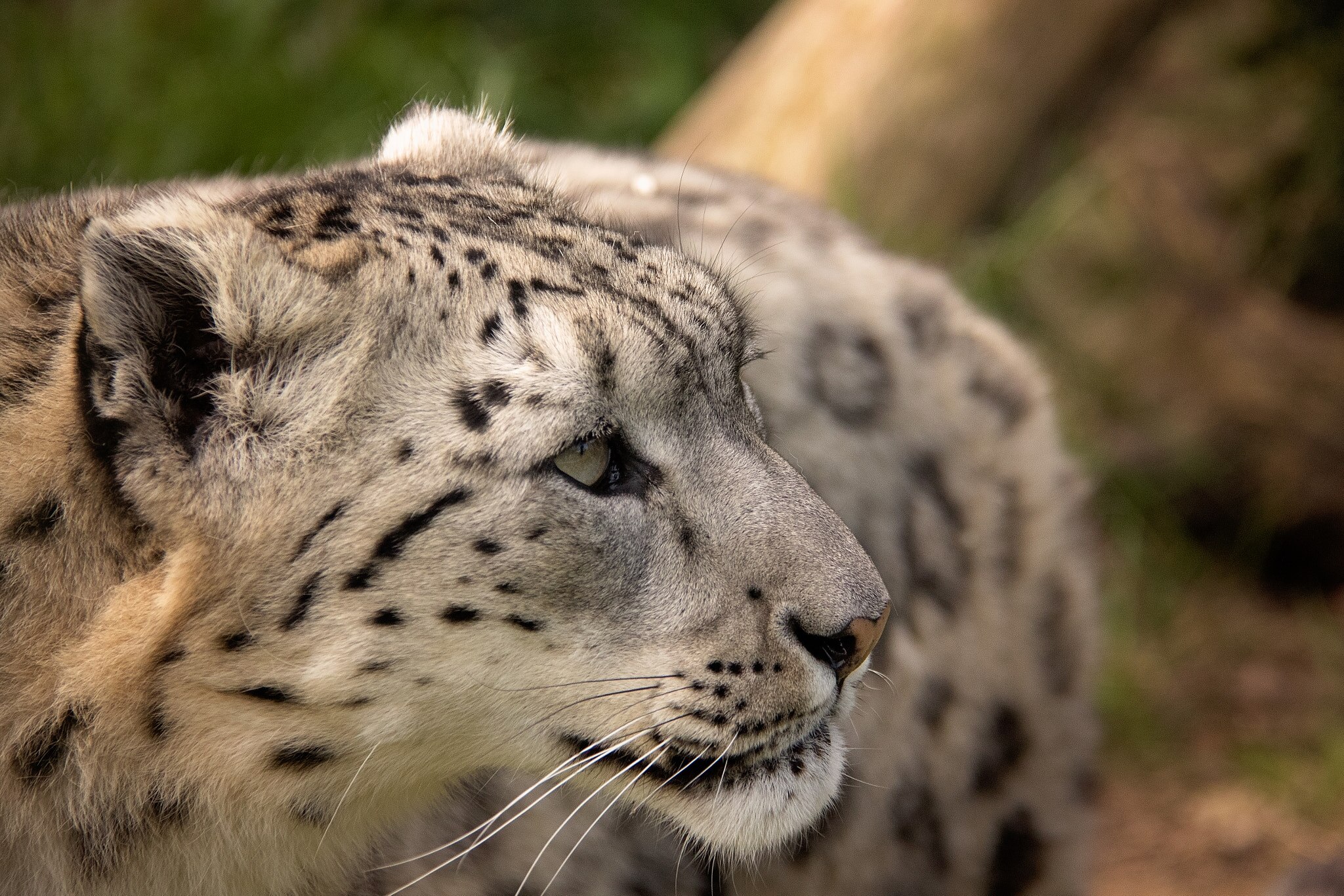
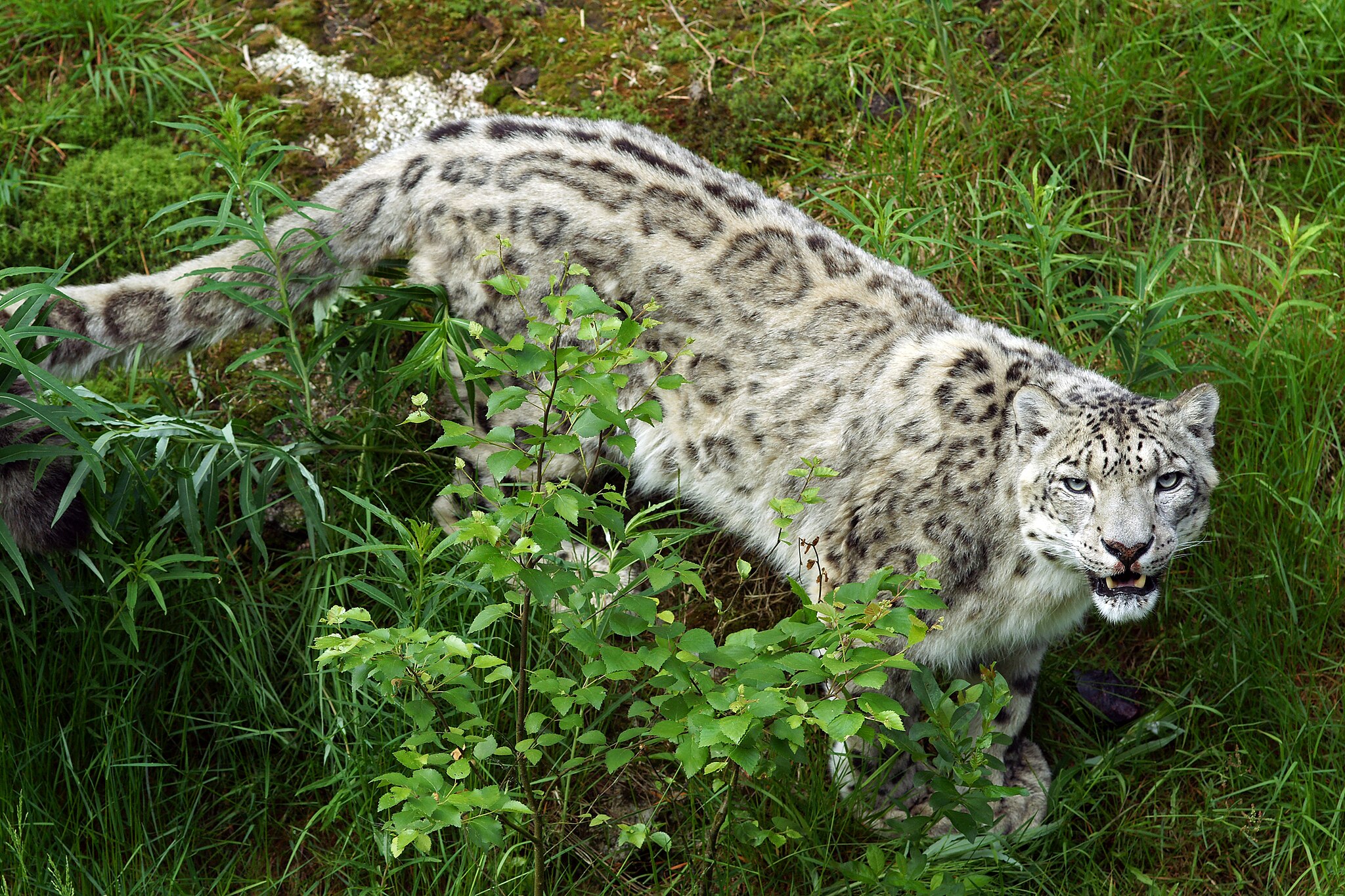
Snow leopards are solitary, territorial animals with enormous home ranges. They spend most of their lives avoiding humans, not seeking them out. Attacks are extremely rare and typically linked to surprise encounters, habitat pressure, or illness. Unlike big cats that stalk openly, snow leopards depend on proximity before revealing themselves. Their powerful hind legs allow explosive bursts of speed across steep slopes, leaving little chance for reaction once they commit. In this incident, experts believe the animal perceived the tourist as a sudden intrusion rather than prey. Defensive attacks can still cause severe injuries, as snow leopards possess long canines, muscular forelimbs, and sharp retractable claws evolved to subdue mountain ungulates.
The Immediate Aftermath on the Slopes
The attack unfolded in seconds, leaving the tourist injured and disoriented in difficult terrain. Fellow skiers responded quickly, using emergency signals to summon rescue teams trained for alpine medical response. High elevation complicates trauma care, as cold temperatures increase blood loss risk and slow rescue access. The snow leopard retreated almost immediately, consistent with defensive behavior rather than pursuit. Rescue crews later emphasized that survival was largely due to fast intervention and proper safety equipment worn by the victim. Helmets, layered clothing, and prompt first aid prevented even worse outcomes. The incident left a deep psychological impact on witnesses, many of whom admitted they had underestimated wildlife risks in what felt like a managed recreational space.
Why Selfies Increase Risk in Wild Areas
Photography changes how people move through landscapes. Stopping suddenly, turning back to surroundings, or focusing on screens interrupts natural situational awareness. In predator habitats, these behaviors can signal vulnerability or trigger curiosity. Selfies often encourage individuals to push closer to the edges, animals, or unfamiliar terrain to capture dramatic perspectives. Unlike guided wildlife viewing, spontaneous photo moments lack safety buffers or trained oversight. Experts note that social media pressure encourages risk-taking that would otherwise feel unreasonable. The need to capture and share an experience can override instincts meant to keep people alert. In mountain ecosystems, where predators operate quietly and quickly, that lapse can have immediate consequences.
Rescue Challenges in High-Altitude Terrain
Responding to emergencies in snow leopard territory is logistically demanding. Thin air, unpredictable weather, and steep slopes slow both ground and aerial rescue efforts. Medical teams must balance speed with safety, often navigating avalanche-prone areas or unstable snowpack. In this case, rescuers coordinated with wildlife authorities to ensure the animal was not provoked further during extraction. The tourist required stabilization before evacuation, highlighting how even non-fatal wildlife encounters can strain remote emergency systems. These operations place rescuers at risk as well, underscoring how a single moment of poor judgment can ripple outward, affecting many lives beyond the person directly involved.
Conservation Concerns After High-Profile Attacks
Incidents like this often spark public fear and calls for predator removal, despite the rarity of such encounters. Conservationists stress that retaliatory actions threaten already vulnerable snow leopard populations. Habitat loss and climate change have pushed these cats into tighter ranges, increasing accidental contact with humans. Misinterpreting defensive attacks as aggression risks policy decisions that harm long-term conservation efforts. Experts argue that education, clear signage, and responsible tourism practices offer better solutions than punitive responses toward wildlife. The animal involved in this incident was not hunted or relocated, reflecting a growing emphasis on coexistence rather than conflict.
The Role of Tourism Infrastructure
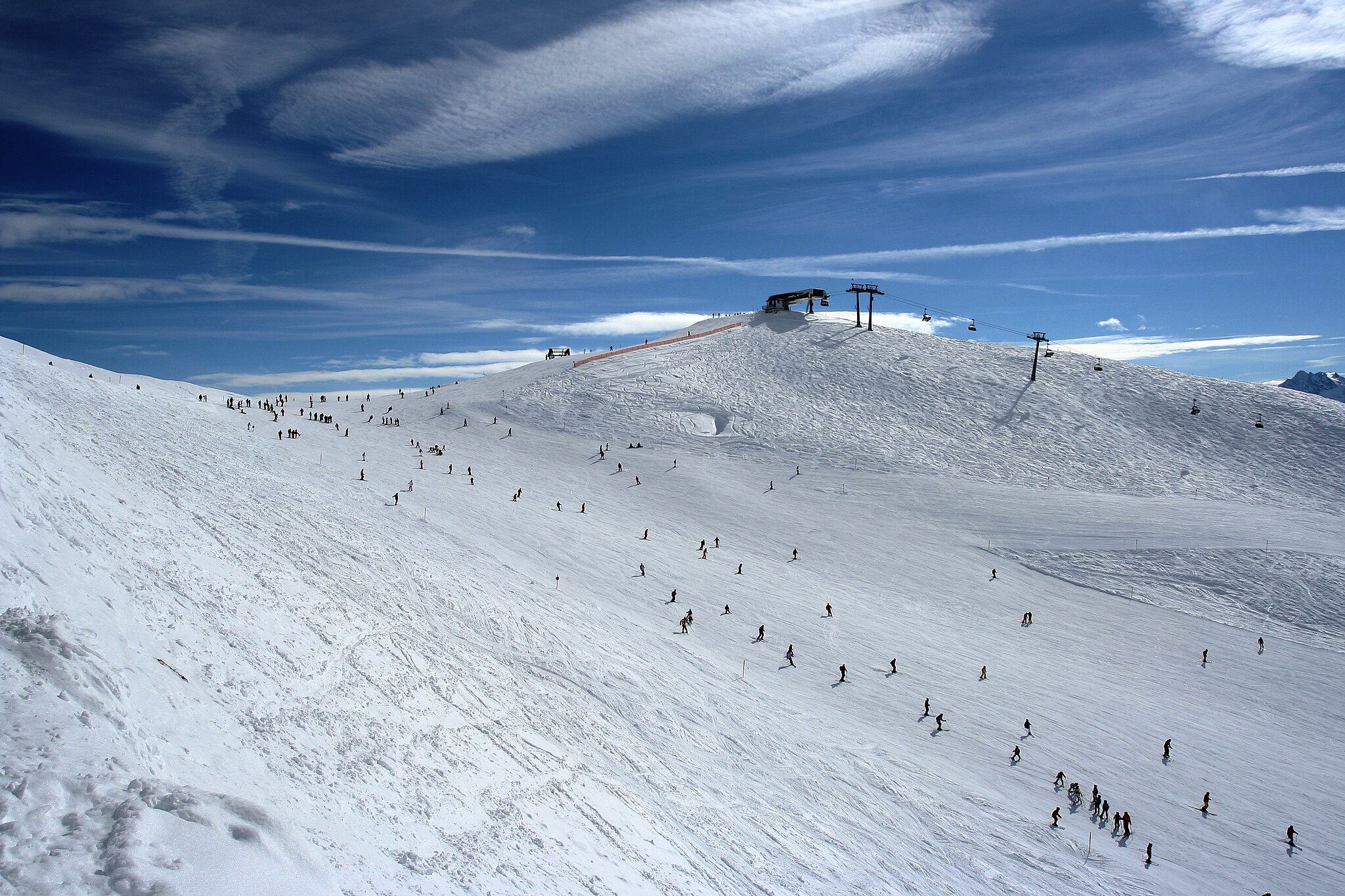
As ski resorts and adventure tourism expand, infrastructure planning plays a critical role in preventing dangerous encounters. Clear boundaries, wildlife monitoring, and seasonal closures can reduce overlap between recreation and animal movement. In some regions, sensors and tracking programs already alert authorities when snow leopards move near human activity zones. However, these systems rely on tourists respecting guidelines and staying within designated areas. When individuals venture off-route for solitude or photos, they undermine safety measures designed to protect both people and wildlife. The incident exposed gaps between policy and practice, especially among independent travelers unfamiliar with local risks.
Lessons for Travelers in Predator Country
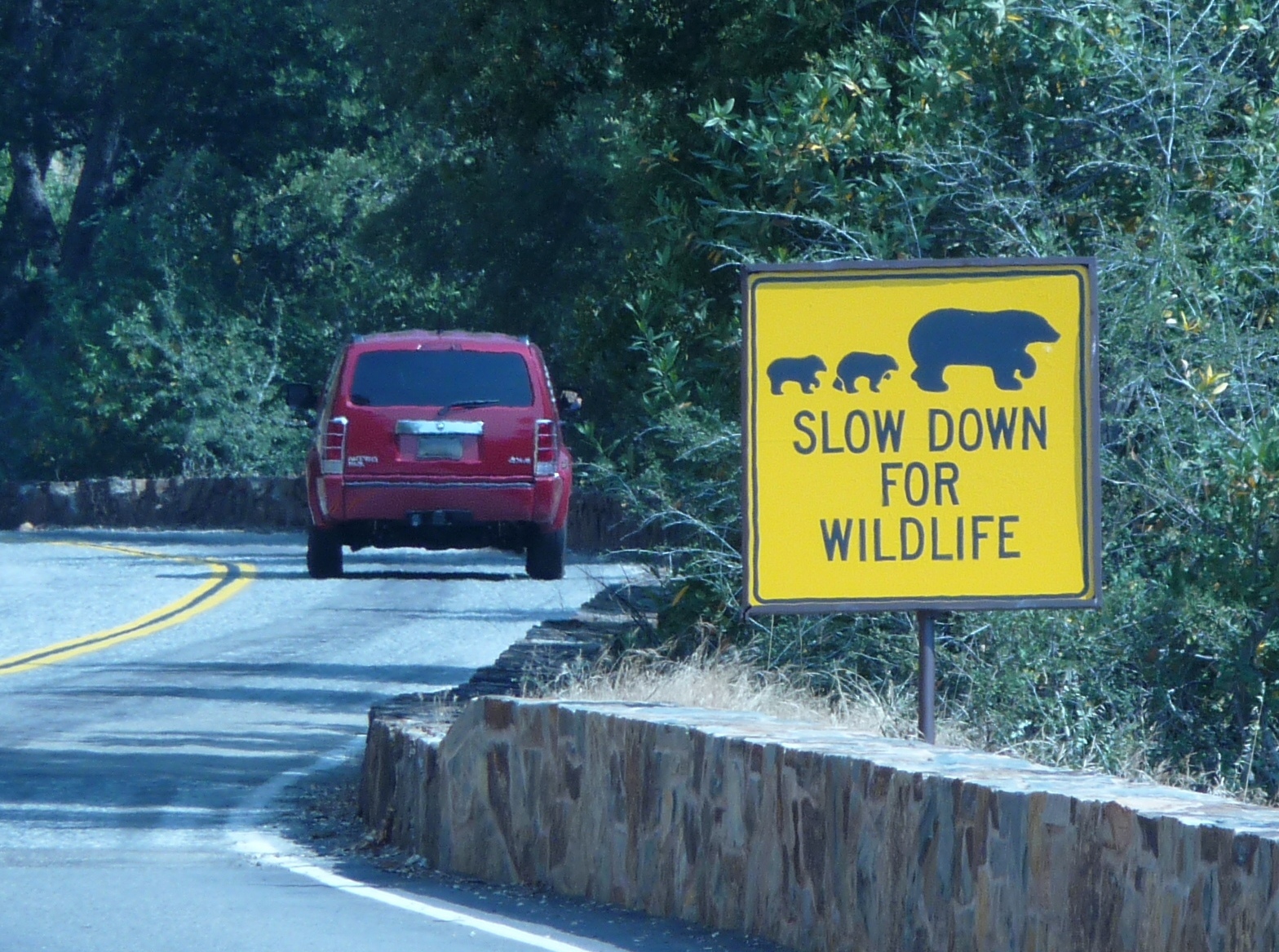
The most important takeaway is not fear, but awareness. Travelers entering wild landscapes must understand that beauty often comes with hidden dangers. Keeping phones stowed while moving, traveling in groups, and learning basic wildlife behavior dramatically reduces risk. Experts recommend scanning terrain regularly, avoiding sudden stops in blind areas, and respecting posted warnings. Wildlife encounters are not attractions but unpredictable interactions with animals that act on instinct. Treating nature as a backdrop for content rather than a living system increases the odds of harm, as this incident painfully demonstrated.
When Adventure Culture Meets Reality
The ski selfie attack serves as a sobering reminder that nature does not adapt to human trends. Snow leopards remain apex predators shaped by thousands of years of survival in unforgiving terrain. Adventure tourism and social media have changed how people engage with these environments, but the rules of the wild remain the same. Respect, preparation, and humility are not optional extras but essential tools for survival. The incident will likely fade from headlines, but its lessons endure. In places where humans are visitors, not owners, awareness can mean the difference between a story worth sharing and one that nearly ends everything.