For decades, certain rifles sat quietly on dealer shelves while shooters chased the more popular names. Nobody paid them much attention.
That’s changing fast.
Collectors, investors, and seasoned shooters are now scrambling for these once-ignored firearms. Prices are climbing at rates that would make most stock markets jealous.
Some of these rifles have doubled in value within five years. Others tripled overnight after a manufacturer announced discontinuation.
The pattern is consistent: what’s ignored today often becomes tomorrow’s grail gun.
Here are eight rifles that flew under the radar for years and are now commanding serious money at auction houses, gun shows, and online markets alike.
Ruger Mini-14 Ranch Rifle (Pre-1990 Models)
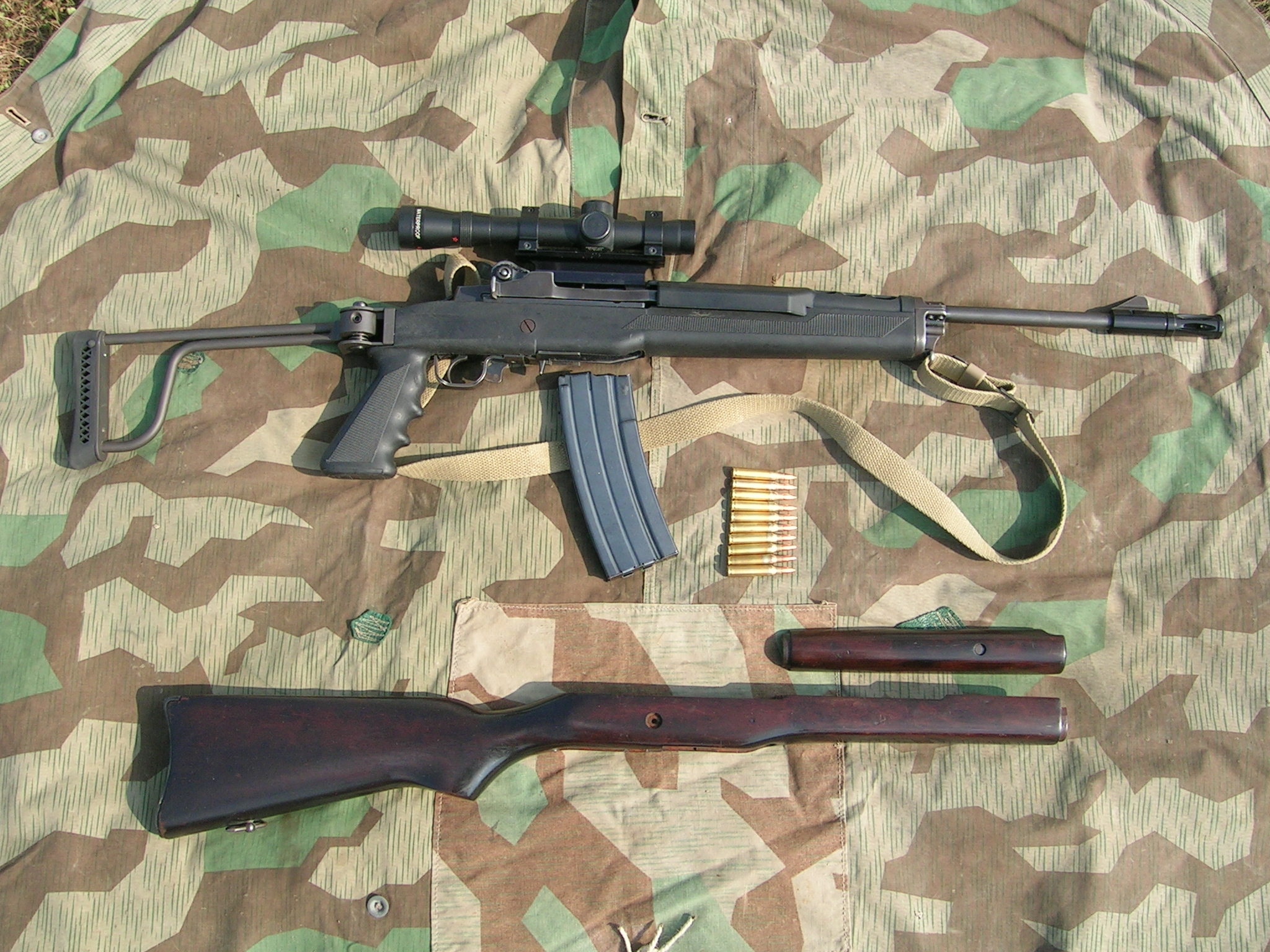
The Mini-14 spent years being dismissed as the “poor man’s AR-15,” and collectors largely ignored it because of that reputation.
That attitude has completely reversed.
Pre-1990 Ranch Rifles with the original 180-series serial prefix are now fetching $900–$1,400, up from the $350–$500 range just eight years ago.
The fixed-stock stainless variants are especially hot, regularly crossing $1,200 at auction.
What changed? Shooters realized the 180-series had tighter tolerances and better accuracy than later production runs.
The 5-round factory magazines from that era now sell individually for $60–$90, which was unthinkable a decade ago.
Supply is permanently frozen since Ruger redesigned the platform entirely in 2005, meaning every surviving example gets rarer with time.
Marlin Model 1894C in .357 Magnum
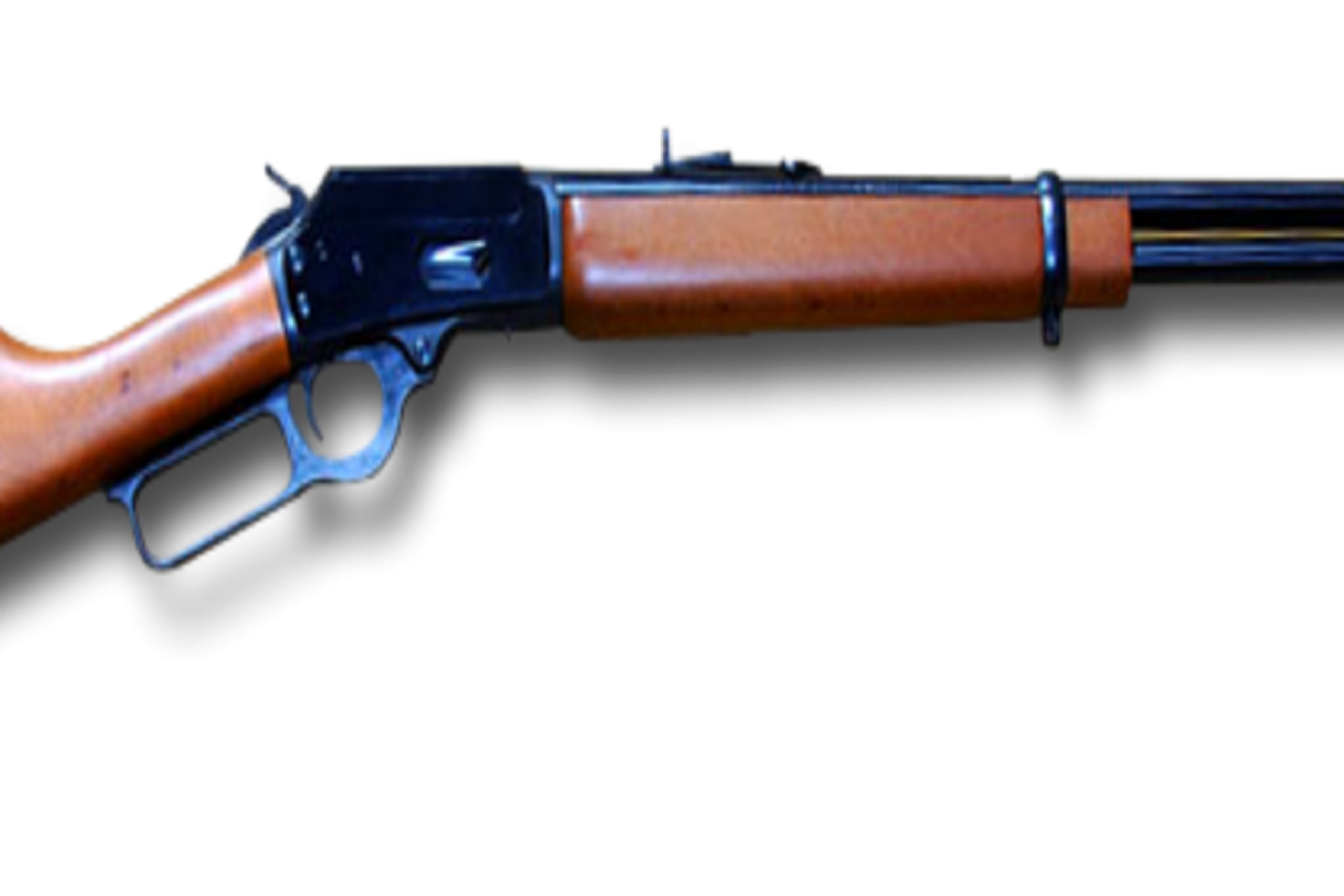
Marlin’s 1894C was never flashy; it was a lever-action carbine built for deer hunters and trail riders who wanted a compact, reliable package.
Most gun stores couldn’t move them fast enough to justify shelf space.
Pre-Remington era examples (manufactured before 2010) now regularly sell between $950 and $1,500, with consecutive-serial matched pairs crossing $2,000 at specialty auctions.
The Remlin era (2010–2020) killed the brand’s reputation for quality, which paradoxically made JM-stamped barrels far more desirable.
That JM stamp alone adds $200–$400 to resale value instantly.
The .357 chambering gives shooters handgun-to-rifle ammunition compatibility, a practical advantage that younger preppers and outdoors enthusiasts discovered late.
Production ended in 2020 before Ruger’s revival, and the window for finding clean examples below $1,000 has mostly closed permanently.
Winchester Model 70 Featherweight (1964–1980 Production)
Winchester’s famous “Controlled Round Feeding” bolt-action was drastically simplified in 1964, and the backlash from purists was immediate and harsh.
But the post-64 Featherweights from the 1964–1980 window are now being seriously reconsidered.
These rifles weigh just 6.5 lbs and handle beautifully in the field, making them practical hunting tools that collectors increasingly respect for usability.
Clean examples in .243 Win and .270 Win are bringing $800–$1,200, up from roughly $400–$600 five years ago.
The controlled-feed obsession of the 1990s suppressed prices artificially for decades.
Now that hunting culture values lightweight carry rifles again, these overlooked Featherweights are finally being appreciated.
Production numbers for specific caliber configurations are surprisingly low, making certain variants genuinely scarce in collector-grade condition today.
Savage 99 Lever-Action (Post-WWII Production)
The Savage 99 was one of the most mechanically sophisticated lever actions ever built, featuring a rotary magazine and a hammer-free design decades ahead of its competitors.
Hunters loved them; collectors largely ignored them.
That oversight is now being corrected aggressively.
Post-WWII examples in .300 Savage and .250-3000 are selling between $700 and $1,300, depending on wood quality and bore condition.
Takedown variants in original configuration routinely exceed $1,500 at auction.
Production of the Model 99 ended in 1998, meaning the entire supply is finite and actively shrinking as rifles get used, lost, or worn out.
The .300 Savage chambering is historically significant, as it directly influenced the development of the .308 Winchester, which adds intellectual appeal for serious collectors beyond just the mechanical craftsmanship.
Springfield Armory M1A Standard (Early Production, Pre-2000)
The M1A always had fans, but early Springfield Armory production examples, particularly those from the 1980s and early 1990s, were consistently undervalued compared to genuine USGI M14 parts kit builds.
That price gap has essentially evaporated.
Pre-2000 M1A Standards with walnut stocks and early-configuration receivers now fetch $2,200–$3,500, compared to $1,200–$1,600 just six years ago.
The walnut-stocked variants specifically have seen 60–80% appreciation since 2019.
Rising interest in semi-automatic battle rifles, combined with tightening import restrictions on European alternatives, redirected serious buyer attention toward domestic production examples.
Springfield’s own current MSRP sits around $1,900 for new production, meaning clean vintage examples are actively outpacing new guns in secondary market pricing.
Original boxes and documentation can add $300–$500 more to final sale prices.
Browning BLR Lightweight in .358 Winchester
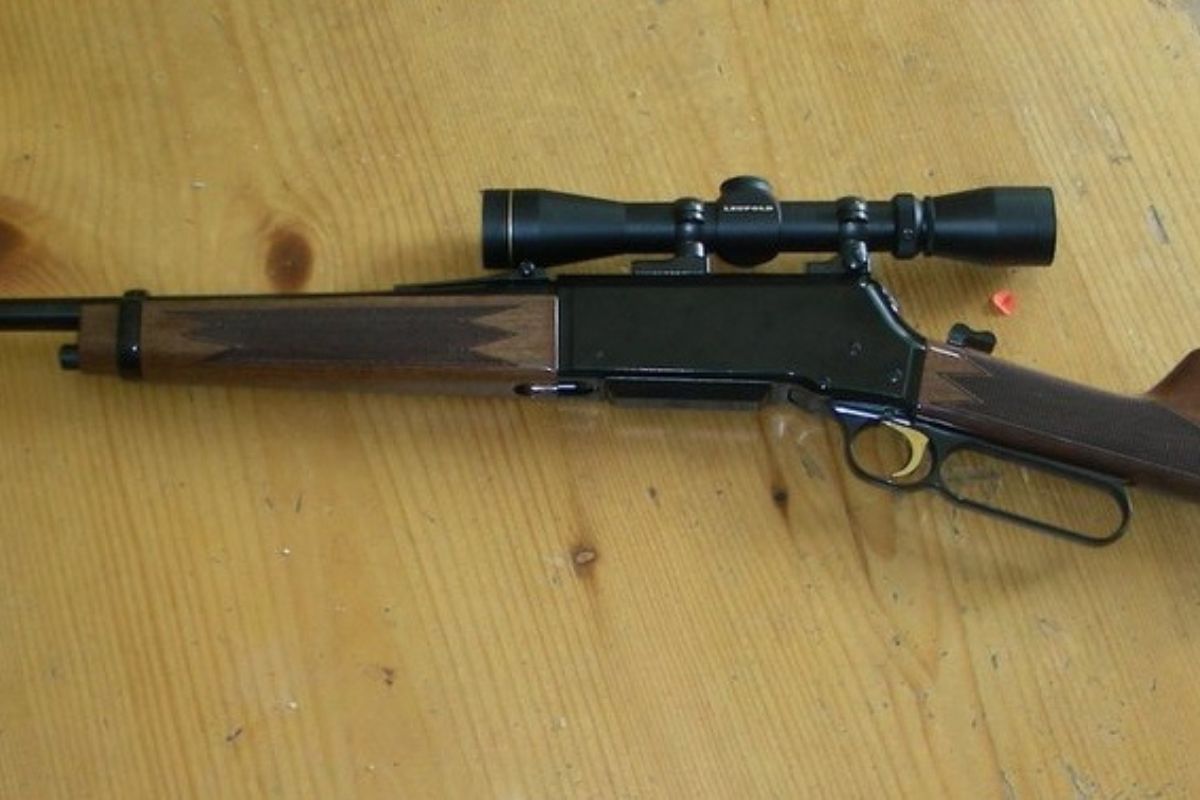
The Browning BLR never suffered from quality problems; it suffered from obscurity.
Most American hunters simply didn’t know what the .358 Winchester chambering was capable of, and retailers didn’t push it.
Today, clean BLR Lightweights in .358 Win are selling for $1,100–$1,800, a dramatic jump from the $500–$700 prices common just five years ago.
The .358 Winchester cartridge itself is experiencing a revival among big-game hunters targeting elk and bear at moderate distances under 300 yards.
Its ballistic performance rivals the .35 Whelen in a shorter action, making the BLR platform an ideal host.
Browning produces the .358 Winchester chambering only sporadically now, in limited batches that sell out within weeks of announcement.
That irregular production schedule, combined with growing appreciation for the cartridge’s real-world performance, has permanently elevated secondary market prices beyond casual territory.
Remington Model 7 in 7mm-08 Remington
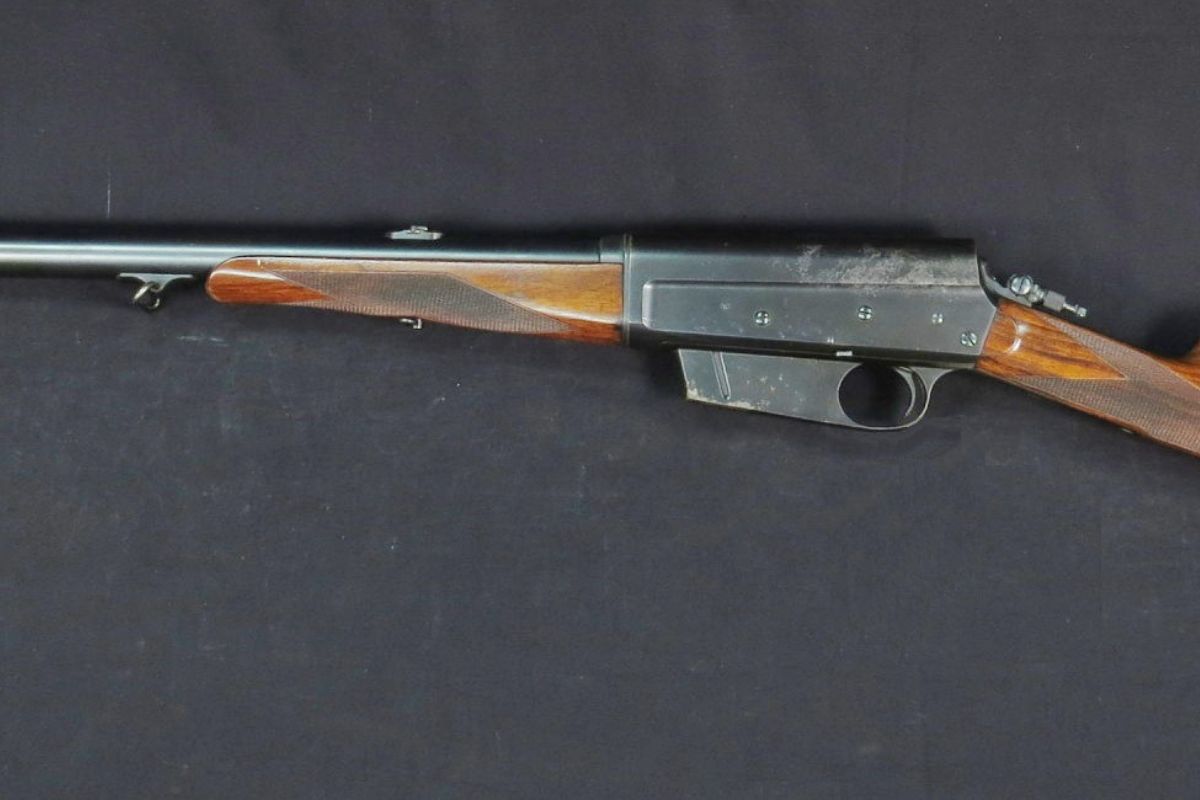
The Model 7 was Remington’s compact bolt-action, designed specifically for hunters who needed a short, light rifle without sacrificing meaningful ballistic performance.
It got decent reviews and then quietly faded into the background.
Original pre-2014 Model 7s in 7mm-08 now sell between $750 and $1,200, up from $450–$650 at the start of this decade.
The 7mm-08 cartridge’s explosive popularity among precision rifle beginners and youth hunters created enormous demand for lightweight platforms chambered for it.
Remington’s 2020 bankruptcy froze production entirely, cutting off new supply and forcing buyers into the secondary market.
Post-bankruptcy “new” Remington production under RemArms has struggled with consistency, making pre-bankruptcy examples the preferred choice for quality-conscious buyers.
Original laminate-stocked variants and early stainless configurations carry a noticeable premium of $150–$250 over standard walnut examples.
Steyr Mannlicher-Schoenauer Modell 1952
The Mannlicher-Schoenauer is arguably the most beautiful bolt-action rifle ever produced, with its double-set triggers, full-length Mannlicher stock, and rotary magazine representing Austrian craftsmanship at its absolute peak.
American shooters mostly walked past them for decades.
That era is completely over.
1952-era examples in 6.5×54 MS and 9.3×62 now regularly command $3,000–$6,500 at specialized auction houses, with exceptional specimens exceeding $8,000.
Prices have risen approximately 40–60% since 2018 alone.
The 6.5mm cartridge renaissance brought renewed attention to the 6.5×54 MS specifically, introducing younger shooters to its historical significance.
Parts scarcity and the complexity of the rotary magazine mechanism mean competent gunsmiths who can service them are rare, adding both mystique and practical urgency for collectors who want shootable examples before the supply completely dries up.