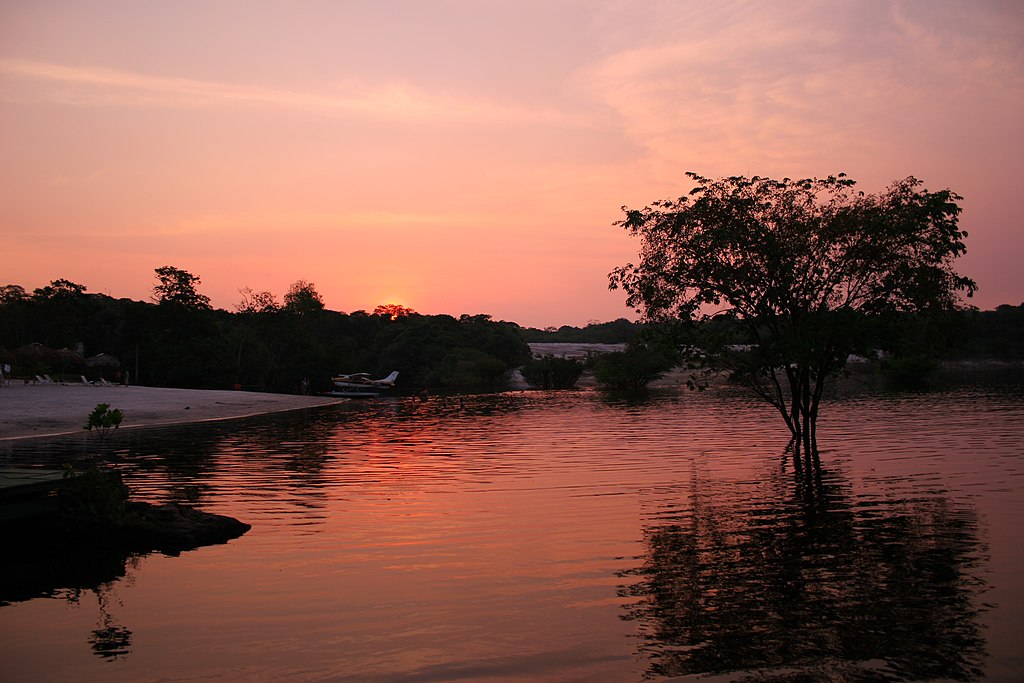
The world’s largest rainforest, the Amazon Rainforest, has long been thought of as a refuge from human-made pollution. But recent research is shattering that idea. Microplastics, tiny plastic fragments less than 5 millimetres in size, are showing up in the remote corners of the Amazon basin, in soils, streams, and wildlife that seldom encounter modern infrastructure. These findings reveal a silent invasion that threatens biodiversity, ecosystem health, and perhaps even human communities. Here are 10 key aspects to understand this alarm-raising phenomenon, each rooted in current science and ecological insight.
Widespread Contamination in the Amazon Basin
A recent comprehensive review found that plastics, particularly microplastics, have been detected across the Amazon, in all nine Amazonian countries. The review covered over 50 field studies conducted between 2000 and 2025, revealing contamination in rivers, soils, plants, and animals deep in the rainforest. The fact that even remote watersheds show plastic fragments means the biome is not as insulated from human pollution as once assumed. That has major implications for how we view wilderness and preservation.
Entry Pathways: Water, Soil, Air

Microplastics reach remote forest ecosystems via multiple pathways. Rivers carry plastic waste from human settlements into the rainforest’s interior, sediments trap particles, and airborne fibres deposit on soil or vegetation. Even areas far from roads or towns are receiving microparticles thanks to atmospheric transport of fibres and fragments. The mobility of these particles means no place is truly immune, and the complexity of pathways makes mitigation much more difficult than simply cleaning visible litter.
Uptake by Wildlife in Remote Locations

Studies have documented microplastics in wildlife species of the Amazon that live far from human-occupied zones. For example, two adult frog species endemic to the Amazon showed microplastic contamination through digestive, respiratory, and skin exposure. This suggests that the particles aren’t only in the environment but are being biologically internalised, raising questions about health impacts, trophic transfer, and long-term consequences for ecosystems traditionally regarded as pristine.
Risk to Food Webs and Local Human Communities
The contamination of fish, turtles, birds, and other animals that live in or near the Amazon’s aquatic systems carries ripple effects for human populations. The review found that about two-thirds of the animal species studied are also consumed locally by indigenous and riverine communities. That raises a “One Health” concern linking ecosystem health, wildlife exposure, and human wellbeing since microplastics can carry chemical additives and pollutants, potentially impacting health over time.
Fragment Size Problem: Micro vs. Nano
Most research in the Amazon has so far documented microplastics (> 1 µm & < 5 mm), but there is a major gap when it comes to nanoplastics (particles < 1 µm). Nanoplastics are smaller and may penetrate tissues more easily or cross biological barriers. The lack of data about them in the Amazon means that what we see likely underestimates the full scale of contamination. What’s hidden could be far more pervasive and harmful.
Soil and Terrestrial Habitat Contamination
While aquatic ecosystems attract most attention, recent studies show soils, leaf litter, and terrestrial habitats of the Amazon are also polluted. For instance, anurans (frogs) living in forest soils showed significant microplastic loads in their skin and digestive systems. This means the “clean ground” of old-growth rainforest is not immune; microplastics are now part of the substrate, potentially altering soil ecology and the organisms that live there.
Ecological Consequences on Wildlife Health
The biological uptake of microplastics may have subtle but serious consequences for wildlife, ranging from reduced feeding efficiency, impaired fertility, to tissue damage. While specific studies in the Amazon remain few, global literature shows that ingestion of microplastics can lead to inflammation and lowered growth in animals. The Amazon findings raise a red flag that similar or worse impacts might be in play in these remote ecosystems.
Waste Management and Human Activity Link

Remote regions of the Amazon often lack formal waste management infrastructure, leading to the accumulation of plastic debris even in areas with low human density. Combine that with the fact that plastics are also transported via rivers and air, and you get a scenario where human-derived pollution bypasses conventional controls entirely. This highlights the need not just for clean up, but for upstream policy, infrastructure, and behavioural change globally.
Research Gaps and Monitoring Challenges
Despite mounting evidence, there are major gaps in our knowledge of microplastics in the Amazon: tributaries, upland soils, nanoplastics, and non-fish fauna remain understudied. The vast size, difficult terrain, political boundaries, and lack of consistent monitoring frameworks make it a logistical challenge. Without filling these gaps, our understanding of the true scale and impact of plastic pollution in the biome remains incomplete.
Urgent Call for Mitigation and Global Responsibility

Because microplastics don’t respect borders, the invasion of the Amazon is a global environmental issue. The contamination underscores that no remote area is free from human impact. The research points to urgent needs: better waste management systems, plastic use reduction, river cleanup, atmospheric deposition controls, and indigenous community-led monitoring. Addressing this is not just about preserving a rainforest, it’s about safeguarding planetary health