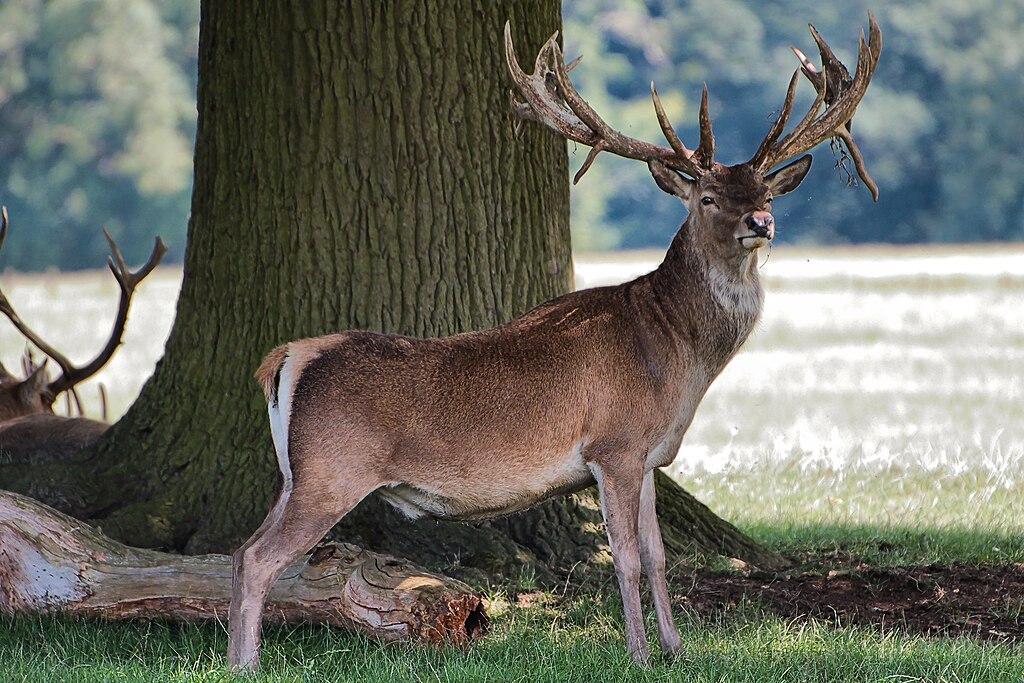
Michigan, long celebrated for its rich deer hunting tradition, is now facing growing concern as recent harvest numbers decline sharply. Hunters and wildlife managers alike are sounding the alarm: fewer reported deer kills may reflect deeper issues in population balance, hunter engagement, and ecosystem health. Below are ten major concerns fueling this worry and what they might mean for the future of deer management in the state.
Firearm-Season Harvest Decline
Over the past few years, Michigan’s regular firearm-season deer harvest has steadily fallen. In 2022, about 154,940 deer were reported, but by 2024, that number dropped to 136,524, a decline of roughly 12%. This continuing drop signals potential trouble for traditional hunters and suggests that the herd is not being managed at historic removal rates.
Archery Harvest Suffering

The bow-hunting segment is also feeling the impact. Early-season archery harvests are significantly down: for example, in 2025, the first week numbers dropped roughly 30.9% compared to the same period in 2024. Antlered deer declined by ~28.8%, and antlerless nearly 38.5%. This slump in archery success adds to the broader sense that harvest is becoming more difficult.
Antlerless (Doe) Harvest Is Shrinking
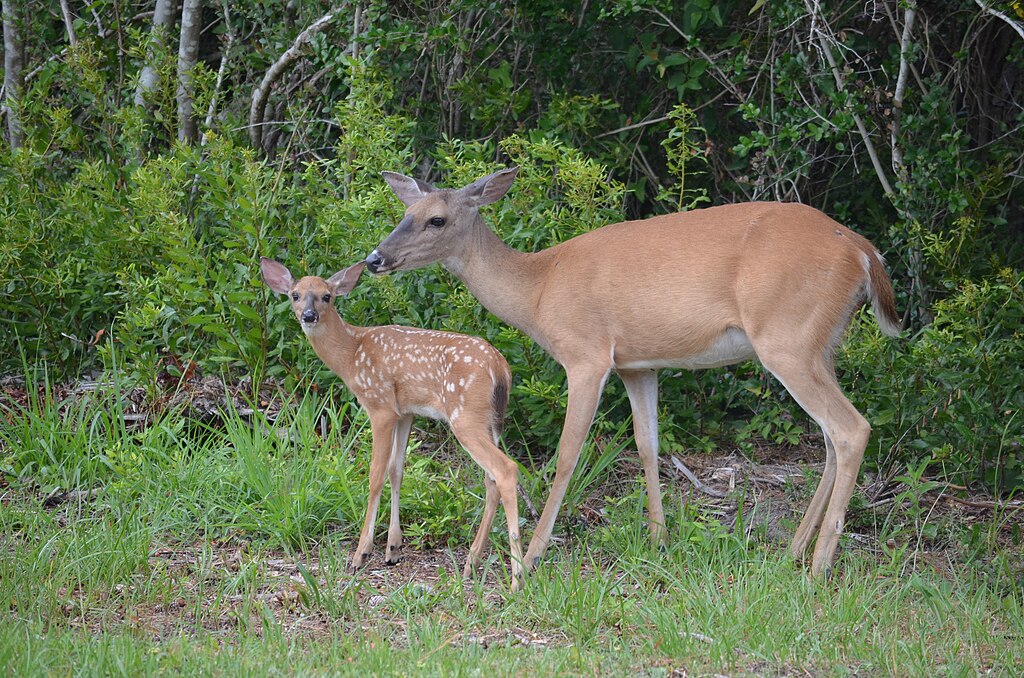
A major issue is the decline in antlerless deer harvest. Between 2022 and 2024, doe harvest fell from about 59,330 to 50,252, nearly a 15% drop. Harvesting is vital for population control, and shrinking antlerless take threatens long-term deer management goals.
Reduced Hunter Participation
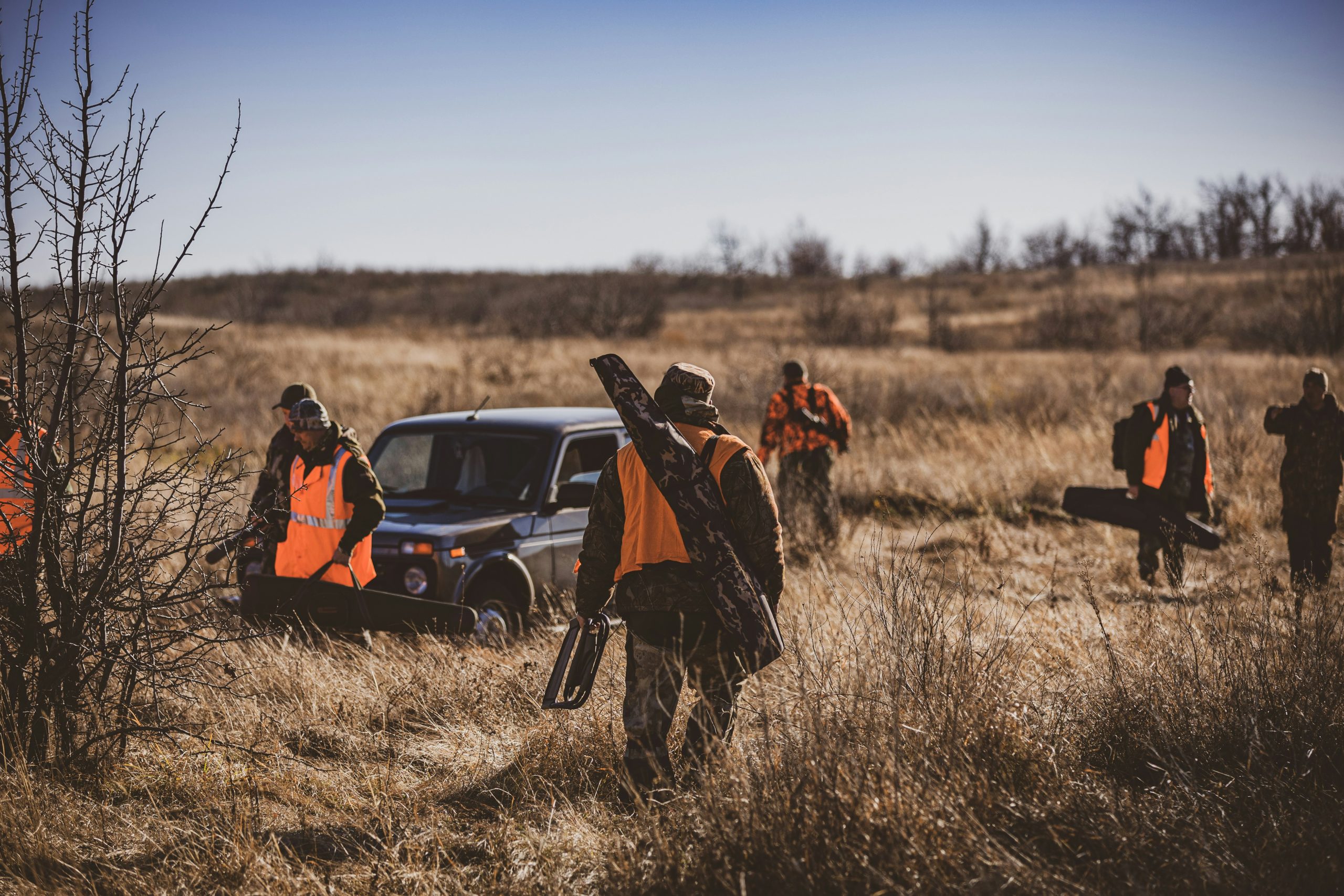
Hunter numbers in Michigan have declined substantially. According to reports, the number of hunters has dropped significantly since the ’90s, making it harder to hit the harvest levels required for healthy population control. Fewer hunters means reduced pressure on the deer herd, even if individual hunter success remains steady.
Severe Disease Outbreaks (EHD)
Disease is playing a critical role. The Michigan DNR reported over 4,000 deer deaths during a severe Epizootic Hemorrhagic Disease (EHD) outbreak, largely in the southwestern Lower Peninsula. Such outbreaks can decimate local populations and reduce harvestable deer for several seasons, hurting both population health and hunter opportunity.
Big Regional Variation U.P. Hit Hard
Not all parts of the state are seeing the same trends. The Upper Peninsula (U.P.) has been especially hard hit, with some counties reporting harvest declines of over 40%. These steep losses raise concerns about localized population crashes, and they fuel frustration in U.P. deer camps accustomed to historically strong seasons.
Harvest-Reporting Changes Create Confusion
Harvest reporting methods have changed, which complicates trend analysis. Michigan now requires more immediate self-reporting of kills, reducing the average reporting time to 2.9 minutes. Yet, some hunters still skip reporting, making true harvest declines hard to separate from underreporting. This reporting shift clouds the picture for managers and hunters alike.
Pressure Building on Farms
Despite lower official harvests, deer densities remain high in farmlands. Mild winters and plentiful food make for thriving herds in agricultural zones, according to the Michigan Farm Bureau. Fewer hunters taking does complicates efforts to reduce deer numbers in crop-damage areas, escalating tensions between farmers and wildlife managers.
Hunter Satisfaction Is Dropping
A key fallout of the harvest slump: growing hunter dissatisfaction. Many report seeing fewer deer, fewer bucks, and fewer large antlers. When hunters don’t feel successful or rewarded, they may disengage. That can further shrink participation, creating a feedback loop that hurts both management and tradition.
Management Risks: Too Few Does Removed
Management targets rely on significant doe harvests to maintain balance. With fewer antlerless deer being taken, it becomes harder to hit sustainable removal goals. Without a strong doe harvest, deer populations can grow unchecked, increasing risks to crops, public road safety, and habitat health. The long-term outlook depends on restoring antlerless harvest levels.