Homeowners increasingly report wild animal encounters in suburban neighborhoods as human development expands into natural habitats. Knowing exactly what to do if you see a coyote in your yard is critical for keeping families and pets safe. These intelligent canines are naturally afraid of humans but can become bold if they are not discouraged effectively. Experts emphasize that the worst reaction is to turn away or run from the animal, which triggers a predator chase instinct. Immediate and decisive action establishes dominance and teaches the coyote that the property is not a safe place for them to visit.
Stand Your Ground
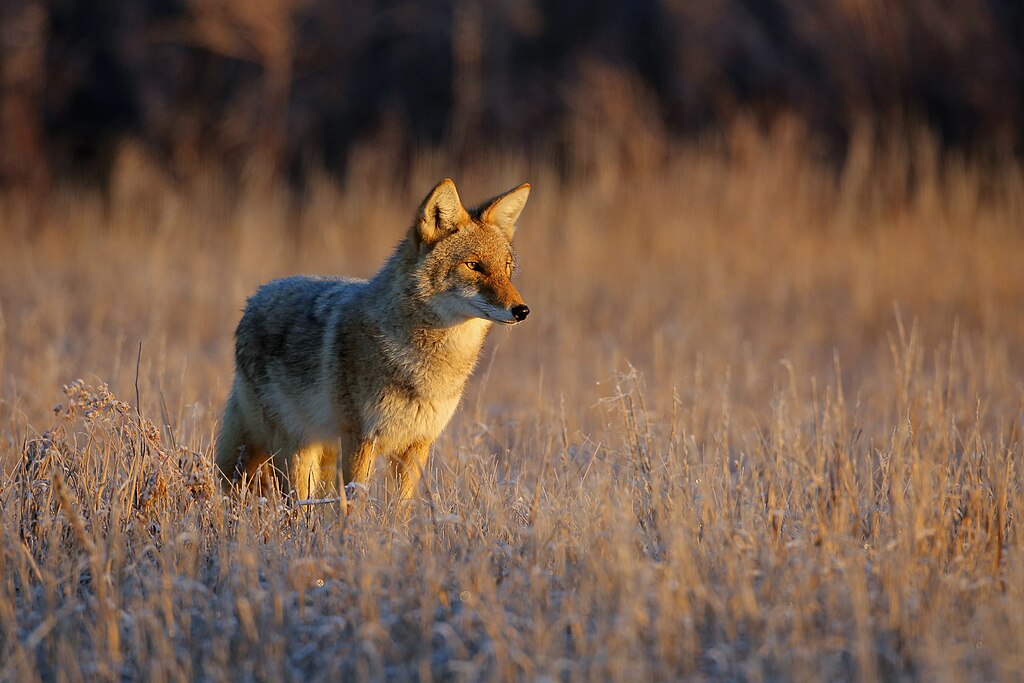
The most important step during an encounter involves standing tall and refusing to retreat from the animal. Running away signals prey behavior and may encourage the coyote to chase or approach even closer. Maintaining eye contact shows the animal that the human is aware and ready to defend the territory. Hazing is a method that uses negative stimuli to reinforce the natural fear of people of wild animals. Stepping toward the coyote while remaining assertive sends a clear message of dominance. Consistency is key because the animal must learn that humans are always a threat to avoid.
Make Loud Noises
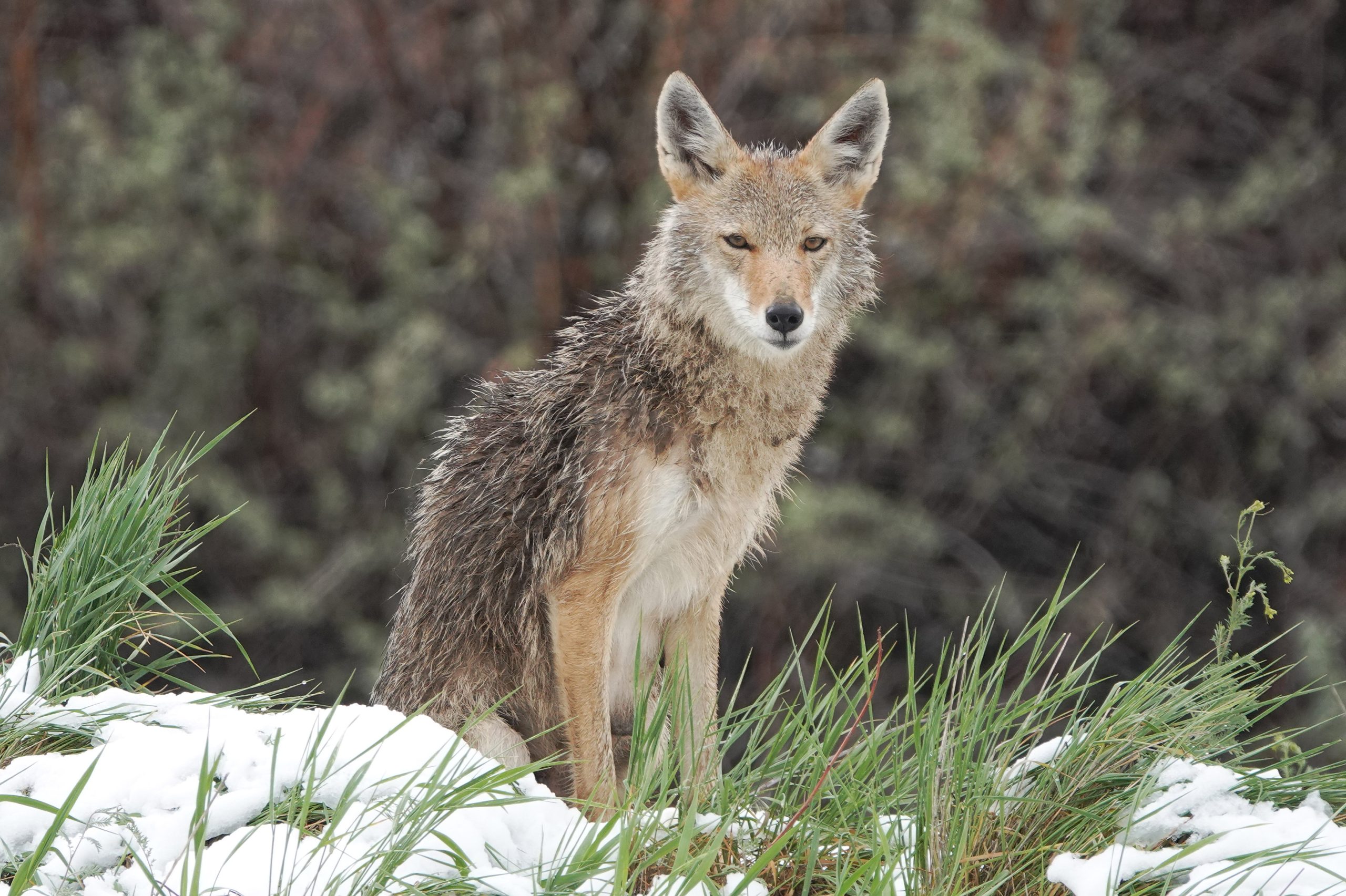
Creating an overwhelming amount of noise is an effective way to scare a coyote away instantly. Yelling forcefully or clapping hands creates a chaotic environment that the animal will want to escape immediately. Many experts recommend carrying a whistle or an air horn while walking in areas where sightings are common. Banging pots and pans together works exceptionally well if the encounter happens right outside the back door. The goal is to be as loud and unpleasant as possible to create a negative association. Silence allows the animal to feel comfortable and confident in the space.
Make Yourself Look Big
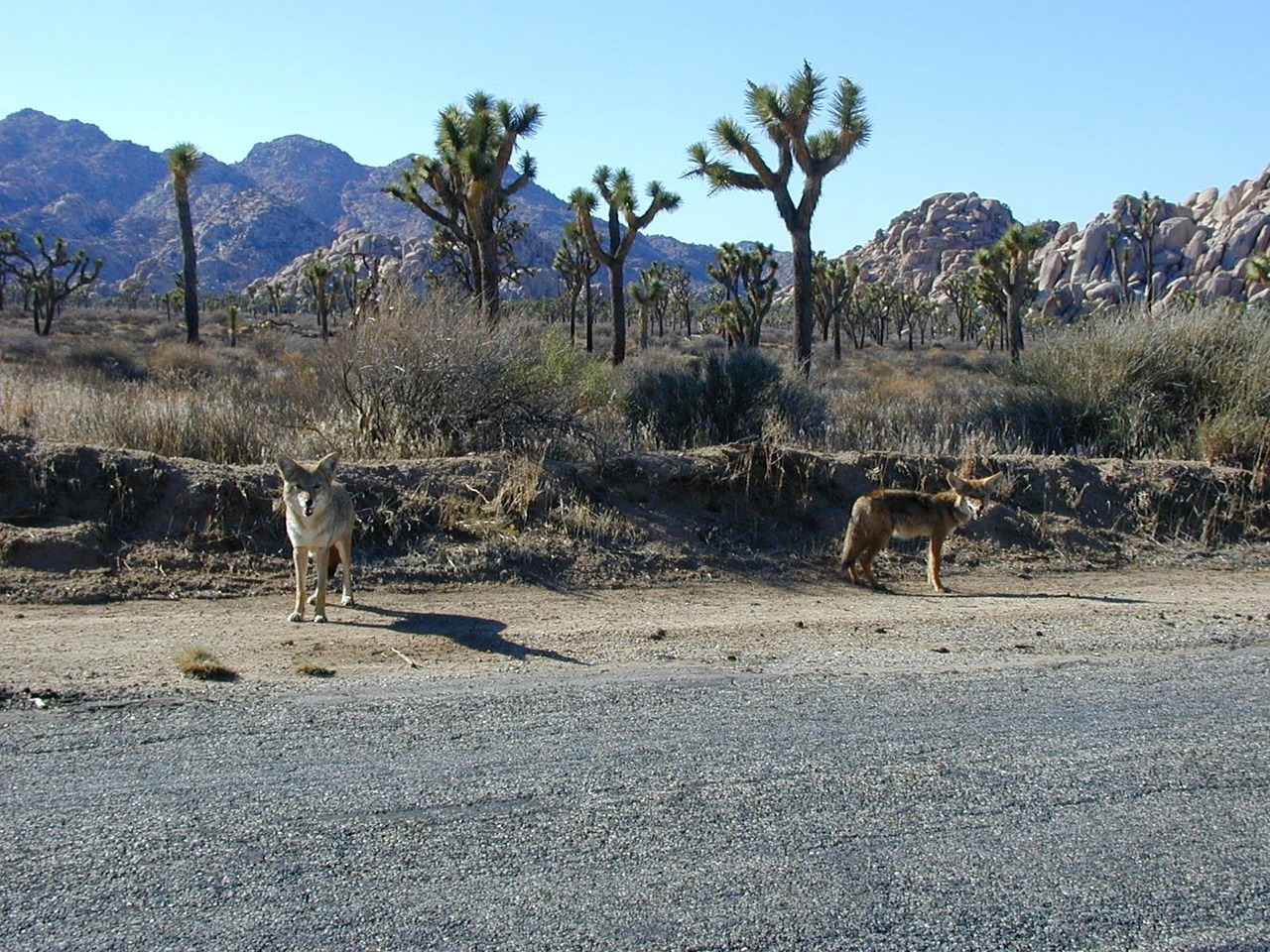
Coyotes are less likely to challenge an opponent that appears larger and more physically imposing than themselves. Raising arms high above the head or waving a jacket creates a silhouette that looks threatening to a canine. Parents should pick up small children immediately to prevent them from running and to add to the overall visual size. Opening an umbrella or waving a broom can also help exaggerate physical presence during a confrontation. The objective is to look like a formidable predator that is not worth the risk of a fight. Intimidation often ends the encounter without violence.
Throw Small Objects
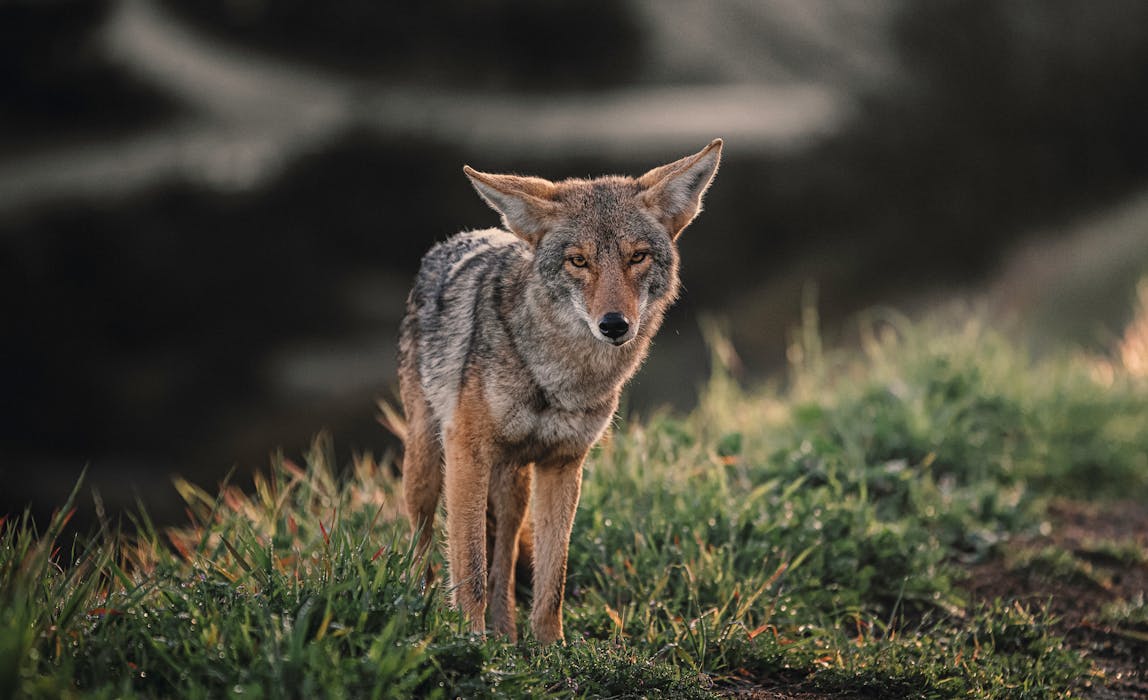
Throwing small objects toward the coyote can help reinforce the message if noise and size fail. Projectiles like tennis balls or small stones should be tossed near the animal to startle it without causing serious injury. The intention is not to hurt the creature but to provide a physical deterrent that makes the area feel unsafe. Sticks or pinecones found on the ground work well as immediate tools for hazing the unwanted visitor. This physical interaction breaks the comfort level of a habituated animal. It teaches them that approaching humans results in an unpredictable and negative physical outcome.
Report Aggressive Behavior
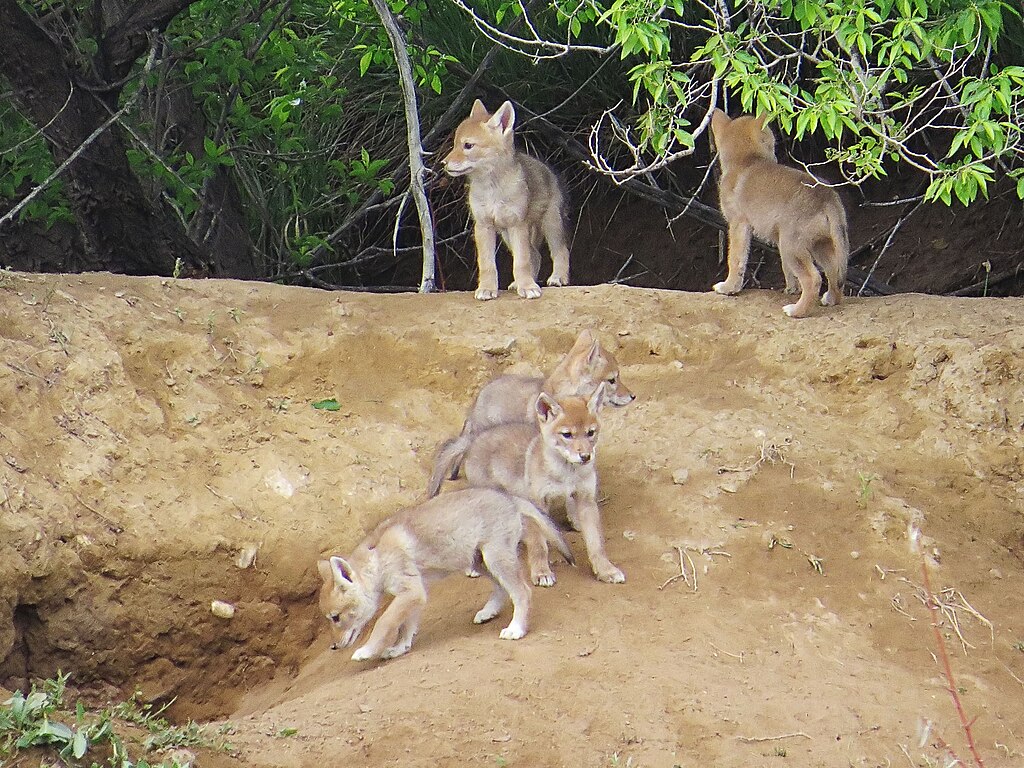
Most coyote encounters end with the animal running away, but aggressive behavior requires professional intervention. An animal that growls or refuses to leave after repeated hazing attempts may be sick or habituated. Local animal control officers or state wildlife agencies track these incidents to monitor the health of the population. Reporting a bold coyote helps experts determine if a specific animal poses a public safety risk to the neighborhood. Providing details about the location and behavior helps authorities make informed decisions about removal. Public safety always takes precedence over the presence of a dangerous wild animal.