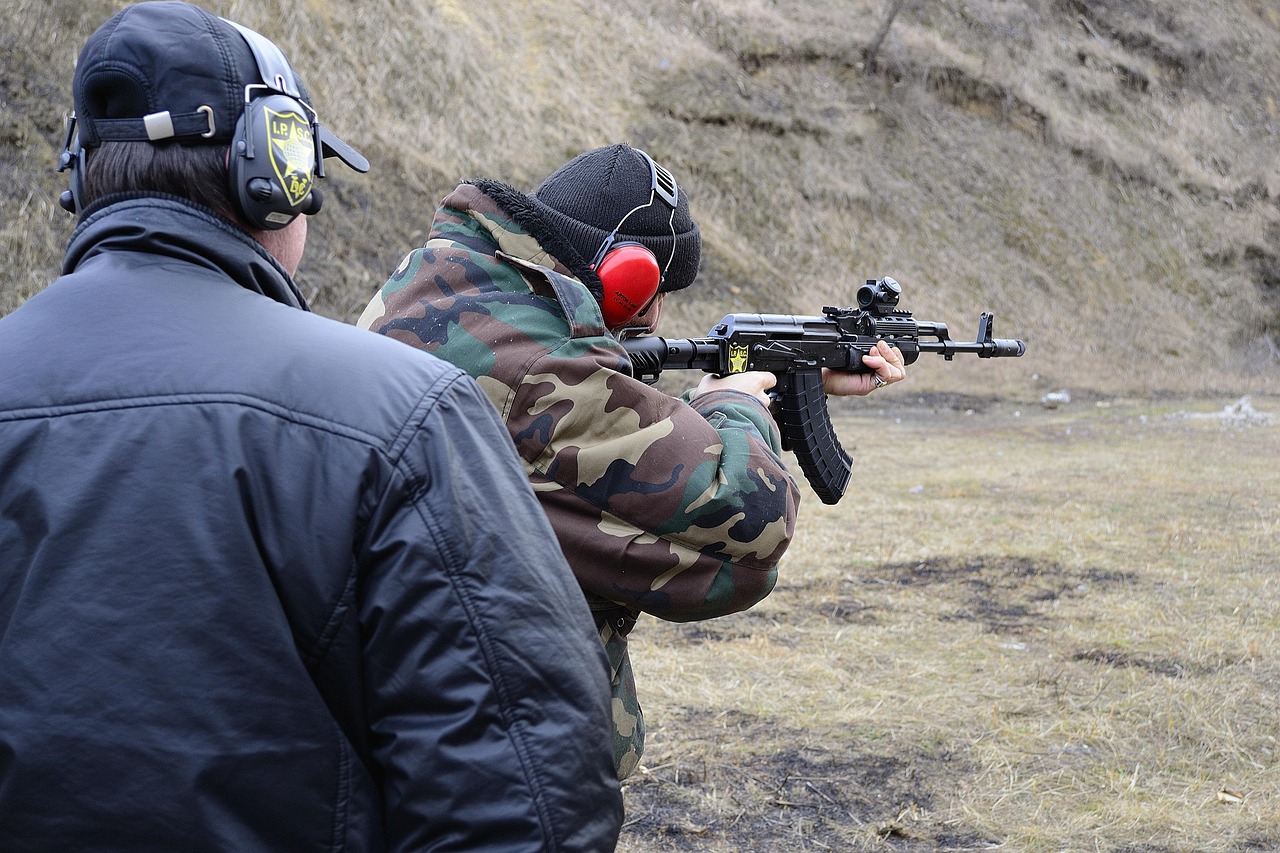
Some ranges make you feel secure the moment you walk in. Others make the hair on your neck stand up before the first shot is fired.
What I Looked For In Every Range

Over the course of visits across 10 states, I paid attention to the same basic markers every serious shooter notices within minutes. Was there a real check-in process, or was the front counter just collecting lane fees and waving people through? Did staff actively supervise the line, or did they disappear until someone needed target paper? Most importantly, did the range operate around clear, enforced rules rather than assumptions?
The baseline is not mysterious. The National Shooting Sports Foundation emphasizes the core firearm safety rules: always keep the muzzle pointed in a safe direction, keep your finger off the trigger until ready to shoot, and treat every firearm as if it is loaded. It also stresses the importance of eye and ear protection. Those are not advanced ideas. They are the floor, not the ceiling.
At well-run facilities, you can feel those rules in motion. The range officer is visible, ceasefires are controlled, and shooters who act carelessly get corrected fast. At weak facilities, the rules exist only on faded posters. That difference shaped every judgment I made.
The First Red Flag Was Always Supervision
The safest ranges I visited had one thing in common: competent, active human oversight. Not just an employee sitting behind glass, but someone watching muzzle discipline, line etiquette, target changes, and how new shooters handled firearms under stress. That matters because even experienced gun owners can get sloppy in a crowded lane environment.
The weakest locations shared the opposite pattern. I saw ranges where no one checked whether shooters understood commands, where uncased firearms moved too casually behind the firing line, and where obvious first-timers were given almost no orientation. According to ATF shooting guidance, firearms should be pointed in a safe direction, preferably downrange, and unloaded with the muzzle downrange when cleared. That sounds basic because it is basic, yet basic is exactly what fails first when supervision collapses.
A range safety officer is not there for decoration. The person sets rhythm, authority, and consequences. When a shooter swings a muzzle during conversation, loads at the wrong time, or ignores a ceasefire, intervention has to be immediate. At the three worst ranges I saw, that intervention was inconsistent or absent, and that alone made the environment feel unsafe.
Range No. 3 Was Loud, Chaotic, And Too Casual

The third-worst range on my list was an indoor facility that looked polished at first glance. The lobby was clean, the branding was sharp, and the staff sounded friendly. But once I stepped into the firing area, the place felt under-controlled. Shooters were entering and exiting lanes with minimal instruction, and line behavior varied wildly from booth to booth.
What stood out was the casual tolerance for bad habits. I watched shooters lean back from the bench while handling firearms, talk with guns still in hand, and repeatedly break a smooth downrange workflow. None of those moments turned into a catastrophe, but that is exactly how risk works at a range. Disaster usually begins as a pattern of tolerated near-misses.
Noise management and protective discipline were also weaker than they should have been. NSSF has long stressed that eye and ear protection are non-negotiable, yet I saw uneven enforcement, especially with guests moving in and out of the firing area. When a range allows “close enough” safety behavior, it sends a bigger message: standards here are flexible. That is never a message you want around firearms.
Range No. 2 Had Serious Ventilation And Hygiene Concerns
The second-worst range worried me less because of muzzle direction and more because of something many casual visitors overlook: environmental exposure. Indoor shooting ranges create real lead and airborne residue risks if they are not designed and maintained correctly. OSHA warns that lead exposure at indoor firing ranges can happen through inhalation and ingestion, and that employers must protect workers from inorganic lead exposure. NIOSH has also documented firing range conditions where airborne lead levels were far above acceptable thresholds.
At this range, the air felt heavy almost immediately. There was a stale, metallic smell that lingered in the lobby, and I did not see much evidence of strict separation between the firing area and common spaces. OSHA guidance specifically highlights push-pull ventilation systems that move contaminants downrange, away from shooters and staff. When that airflow is weak, contaminated dust does not politely stay where it belongs.
The hygiene side looked shaky, too. A good range treats lead like a constant operational hazard, not an abstract compliance issue. That means disciplined cleaning methods, clear hand-washing guidance, and a facility layout that reduces cross-contamination. Here, the whole place felt like residue was simply being managed cosmetically. That is not just unpleasant. It is a health risk for employees, regulars, and families tagging along.
The Worst Range I Saw Failed At The Basics
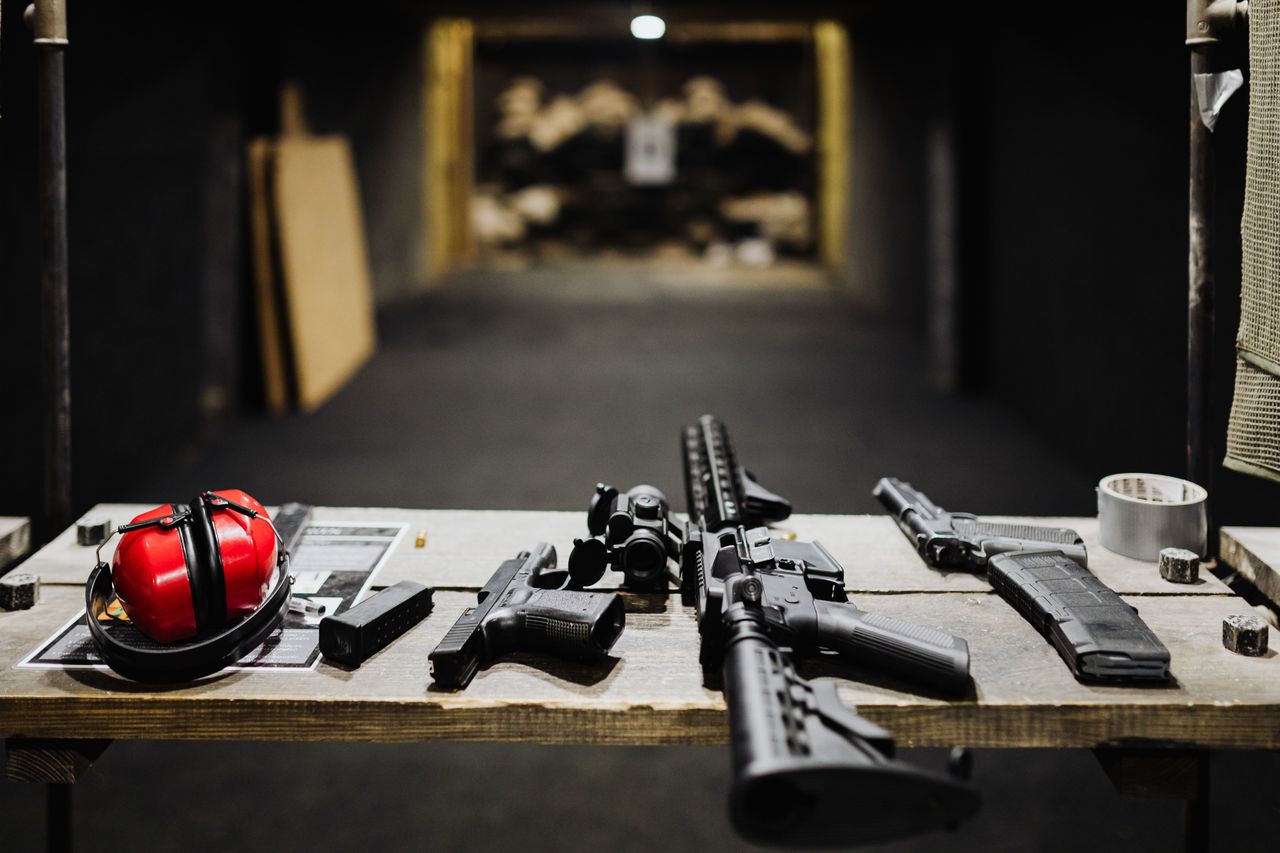
The worst range I visited was not the dirtiest or the busiest. It was the one where fundamental safety culture seemed the weakest. There were rules posted, but there was little sign that anyone expected them to be followed consistently. Shooters handled gear behind the line with too much freedom, commands were not projected with authority, and staff correction seemed hesitant even when behavior clearly deserved it.
That kind of environment is dangerous because it normalizes ambiguity. On a safe range, everyone knows exactly when the line is hot, when it is cold, where firearms may be handled, and what happens if somebody violates the procedure. At this location, I saw too much improvisation. One shooter stepped outside the normal rhythm, another copied the behavior, and suddenly the line felt governed by vibes instead of protocol.
The most concerning part was how ordinary it all seemed to the regulars. No one looked shocked, which told me the problems were cultural rather than accidental. Once a range accepts inconsistent muzzle discipline, soft enforcement, or unclear ceasefire control, every other safety feature becomes less meaningful. You cannot engineer your way out of a weak safety culture.
What The Best Ranges Did Differently

The contrast with the best ranges was striking. Strong facilities did not necessarily have the newest walls, the fanciest retail space, or the biggest memberships. What they had was control. Staff briefed shooters clearly, watched the line actively, and corrected problems before they could spread. Rules were explained in plain language, then reinforced through visible action.
The best ranges also treated safety as layered, not symbolic. They enforced eye and ear protection, checked gun handling habits, controlled target changes, and built their operations around repeatable procedures. That aligns with the broader guidance from NSSF, OSHA, and NIOSH: real safety comes from systems, supervision, and environmental controls working together rather than from slogans alone.
Just as important, the best operators never acted annoyed by caution. They welcomed questions, slowed people down, and made new shooters feel guided rather than embarrassed. That matters because a range is one of the few places where confidence can be deadly if it is not matched by discipline. Good facilities understand that and build around it.
The Bigger Lesson For Anyone Choosing A Range
If you shoot regularly, do not choose a range based only on price, distance, or whether the lounge looks modern. Watch how the place functions before you commit. Pay attention to the line, the commands, the ventilation, the check-in process, and whether staff actually intervene when someone gets careless. Those details tell you far more than marketing copy ever will.
A range does not need to feel militarized to feel safe. It does need structure. It needs people who understand that one careless sweep, one ignored command, or one poorly controlled indoor environment can create consequences far beyond a ruined afternoon. That is why the three worst ranges I saw stayed with me. Each one reminded me that safety failures usually announce themselves long before an accident does.
The good news is that strong range culture is easy to recognize once you know what to look for. If the staff are attentive, the procedures are consistent, and the facility treats health and gun handling as serious operational priorities, you are probably in the right place. If not, leave. No lane fee is worth gambling on weak standards.