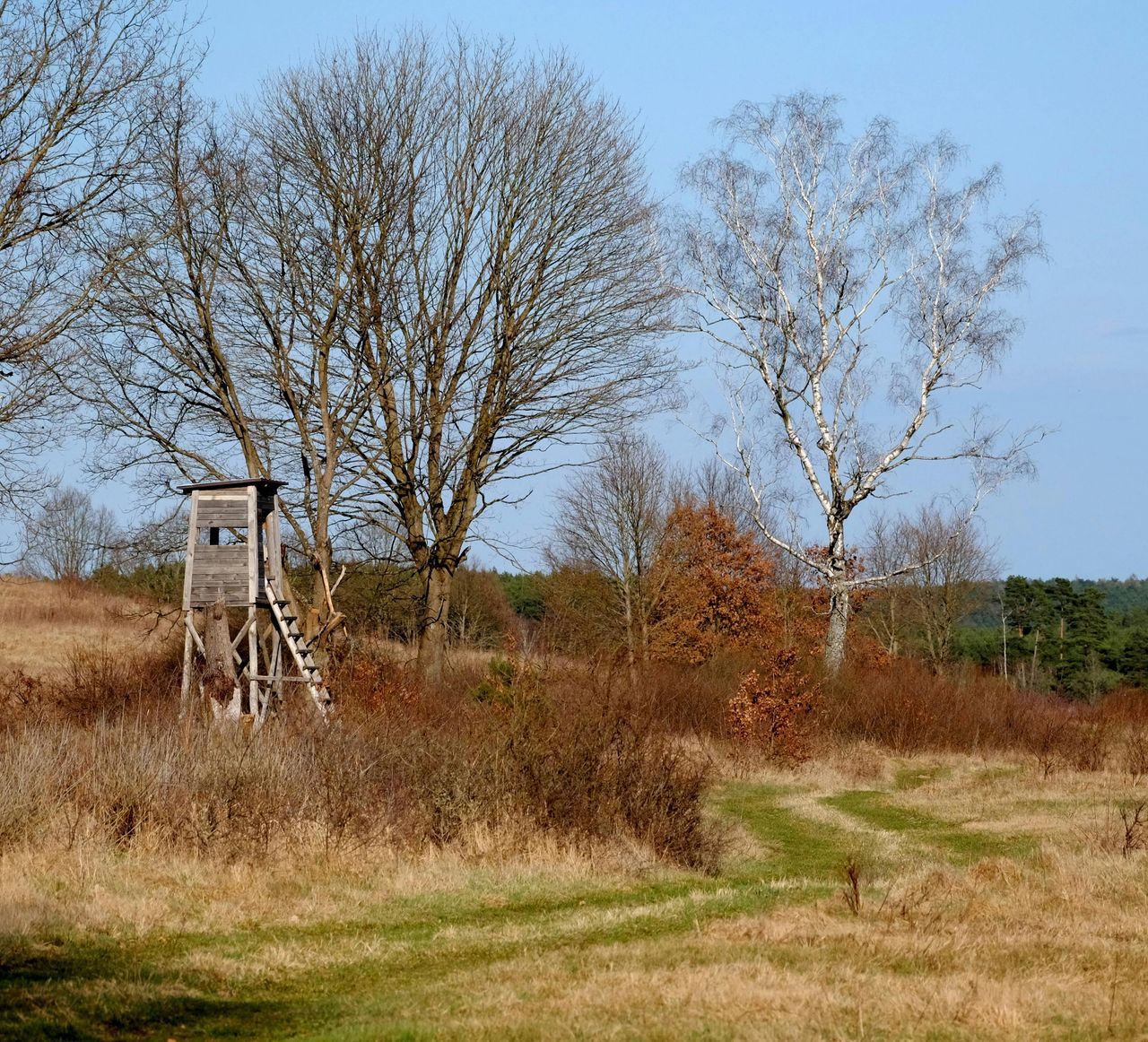
A forgotten tree stand can feel like a small problem until you realize it may signal trespassing, liability concerns, or an unsafe structure in the woods. The good news is that you can handle it methodically without turning it into a bigger conflict.
Start by treating it like a safety issue, not just junk
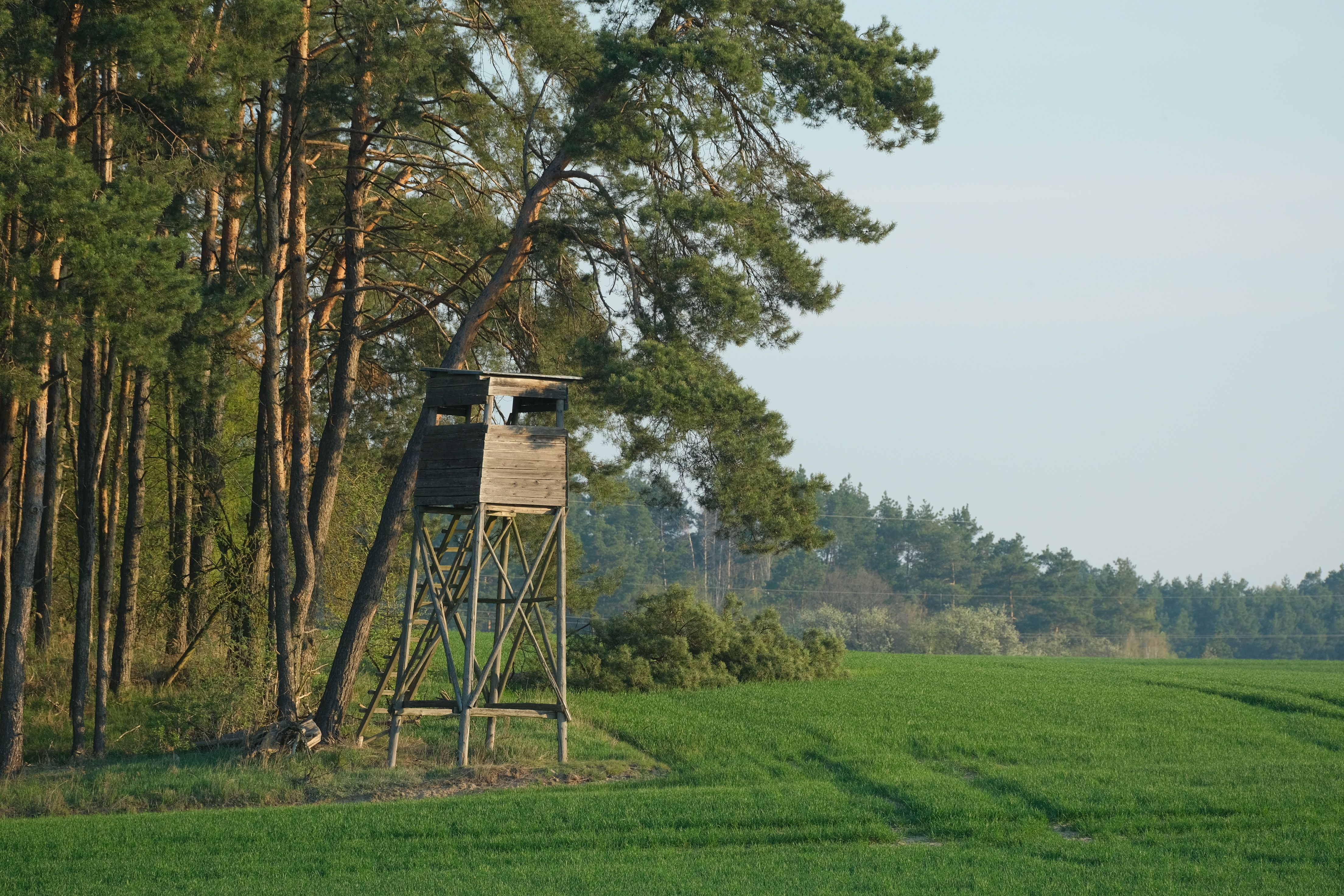
Your first instinct may be to pull the stand down immediately, but pause long enough to assess the risk. A tree stand that has been exposed to weather can be unstable, rusted, or attached with worn straps and damaged hardware. Forest Service safety guidance notes that tree stand accidents are among the most common hunting-related injuries, and hunter safety courses routinely warn that a fall can cause severe injury or death.
That matters even if you never plan to use it. If a child, guest, worker, or curious neighbor finds the stand first, they may try climbing it without understanding the danger. A neglected platform with rotten boards, loose welds, or ladder sections sunk into soft ground can fail without warning.
Start with photos from several angles. Capture the stand, the tree, any straps, cables, identifying tags, and its location in relation to trails, fences, or property markers. Then make the area less accessible if you can do so safely, such as by placing temporary flagging nearby or warning family members to stay clear until you decide on next steps.
Confirm exactly where it sits and whether anyone had permission
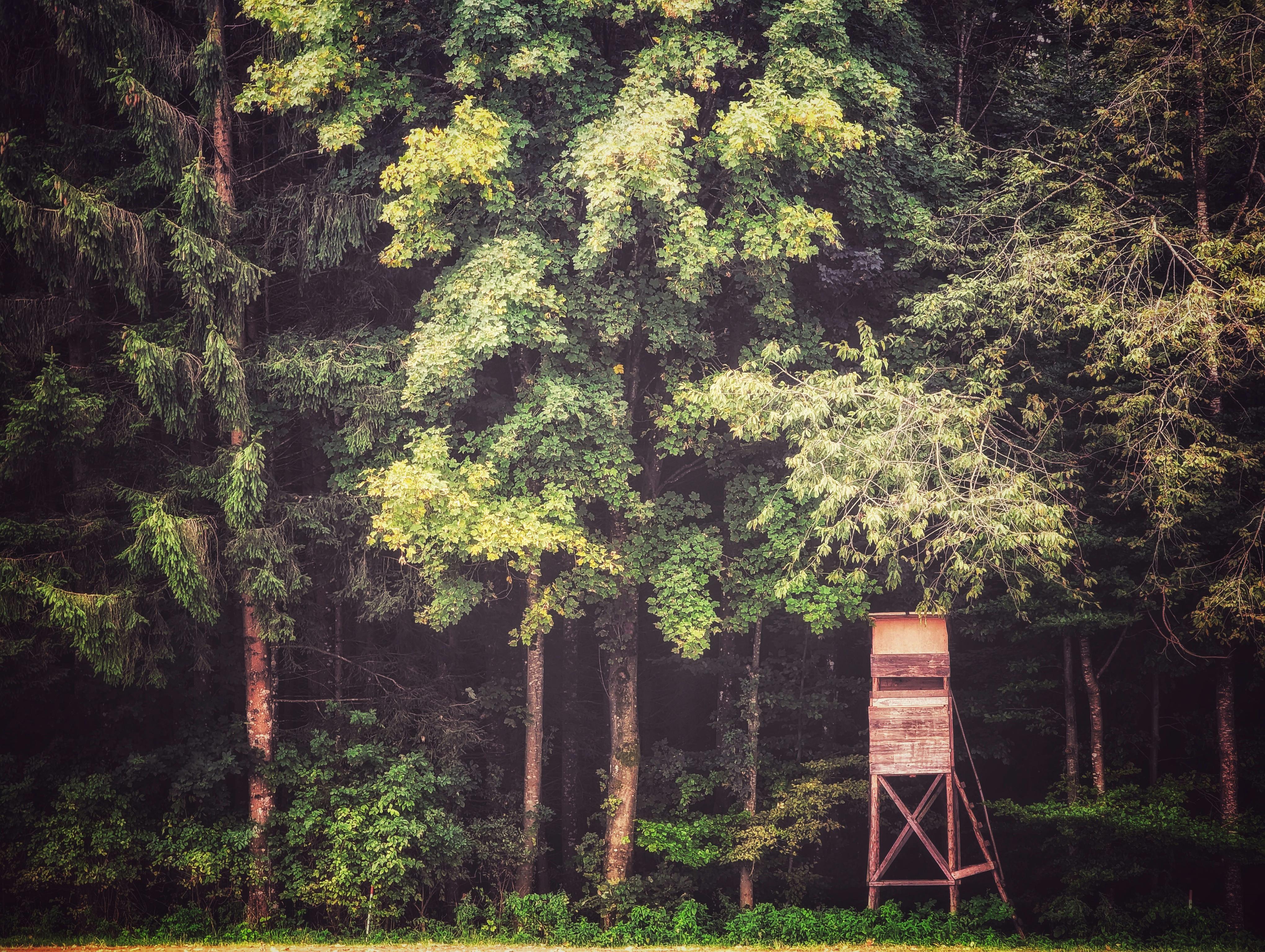
Before you assume the stand was abandoned by a trespasser, confirm that it is fully on your land. Property lines in wooded areas are often less obvious than people think, and a stand near a boundary could belong to a neighbor or an invited hunter who believed they were still on permitted ground. Checking a survey, deed map, tax parcel map, or GPS property app can save you from an unnecessary dispute.
It is also worth asking whether anyone in your household, a previous owner, a farm tenant, or a hunting guest ever gave permission. State wildlife agencies consistently remind hunters that they should ask landowners before hunting private property, and that basic courtesy extends to equipment placement as well. New York’s Department of Environmental Conservation, for example, tells hunters to ask permission to access land and notes that a tree stand may be used on private land with the landowner’s permission.
If you lease hunting rights, review that agreement. Some lease terms allow temporary stands but require removal by a certain date. If there is no permission in place and the stand is clearly on your property, you are no longer dealing with a simple forgotten item. You are dealing with unauthorized use of your land, and your next steps should reflect that.
Document the situation the way you would document any property issue
Good records give you options. If the stand becomes part of a disagreement with a hunter, neighbor, insurance company, or local game warden, your notes will matter more than your memory. Create a simple file with the date you discovered it, where it sits, what condition it is in, and whether you found climbing sticks, trail cameras, bait, flagging tape, or spent shells nearby.
Take close-up photos of any name, phone number, license number, or tag. On some public lands, stands must be marked with identifying information, and in certain places they can only remain for limited periods. National Park Service and Forest Service rules commonly prohibit permanent damage to trees and often require temporary stands to be removed on a schedule, showing how seriously agencies treat abandoned hunting equipment.
Also note signs of tree damage. Nails, screws, steps drilled into bark, and cinched cables can injure the tree and reduce its value. If the stand is on a marketable timber tree or ornamental tree near a home site, photograph the bark and trunk condition carefully. That record can help if you later need to claim damage or explain why removal had to happen promptly.
Decide whether to contact the owner, a game warden, or local law enforcement
If you can identify the owner from a tag or local knowledge, a calm first contact usually works best. A short message such as, “There is a tree stand on my property near the north line. I did not authorize it. Please remove it by a specific date,” creates a clear record without escalating the situation. Give a reasonable deadline and keep a copy of the message.
If there is no identifying information, or if the stand appears tied to repeated trespassing, consider calling your state conservation officer, game warden, or local sheriff’s office. Wildlife agencies regularly stress that hunters need permission to be on private land, and some states have specific trespass and equipment rules that officers enforce. In Minnesota, for example, the DNR states plainly that permission is required before entering private land, even to cross it to reach public land.
Law enforcement involvement becomes more useful if you see fresh tire tracks, baiting activity, cameras aimed at your trails, or evidence that the person may return soon. It also helps if you want an official incident record before removing property yourself. That record can protect you if the owner later accuses you of theft or damage, especially when the stand was plainly placed without permission.
Remove it carefully, and do not climb it unless you must
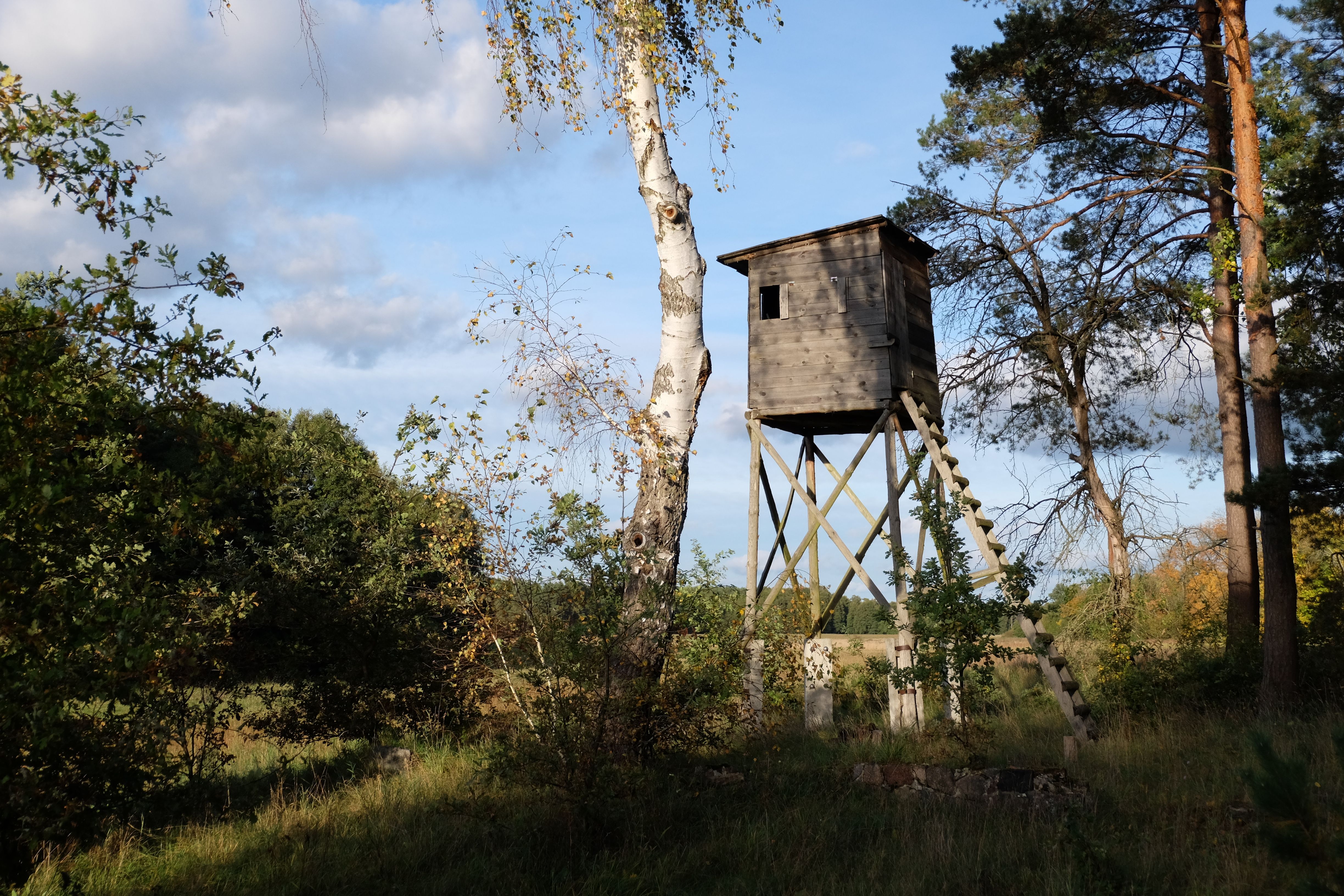
If the stand is unauthorized and you choose to remove it, treat it like unstable equipment. Do not climb onto it just to inspect it. Hunter safety guidance emphasizes that falls often happen during climbing, getting in, or getting out of a stand, and even experienced hunters get hurt when they trust old straps or corroded metal. A stand that has sat through sun, rain, and freeze-thaw cycles is not something to test with your body.
If you are comfortable handling it from the ground, detach loose lower sections, climbing sticks, or accessories first. If the stand is elevated and cannot be safely removed from below, hiring a handyman, arborist, or insured contractor may be the smartest move. That is especially true if it is ladder-style, welded to another section, or attached high in a large tree.
Once it is down, store it in a dry, out-of-the-way place for a limited period rather than tossing it immediately. Label it with the date and location where you found it. That shows you acted reasonably. If the stand damaged the tree, remove foreign hardware if it can be done safely, and monitor the trunk for girdling, bark splitting, or signs of disease around the wound.
Protect yourself from repeat problems and possible liability

Many landowners worry about being sued if a trespasser gets hurt on their property. The exact rules vary by state, but recreational use laws in many places limit a landowner’s liability when people enter undeveloped land for activities such as hunting. Pennsylvania’s Game Commission explains that such laws can provide an immunity defense, but that does not mean a landowner cannot be sued in the first place. In other words, reduced liability is not the same as zero hassle.
That is why prevention matters. Post clear boundary signs, refresh paint marks where your state recognizes them, and close easy vehicle access points if practical. If you allow hunting by permission only, say so plainly on signs and in any written permission slips. A gate, a camera at the entrance, and a record of who is authorized can cut down on the “I thought this was okay” excuse.
You should also tell your insurer if you have broader concerns about recurring trespass or hunting activity near homes, barns, or trails. New York DEC reminds hunters that firearms discharge near occupied structures is tightly regulated, and safety setbacks can become a serious issue when unauthorized users drift too close to homes. A left-behind tree stand is sometimes just clutter, but sometimes it is your first warning that access control has become too loose.
Use the incident to set a clear land policy going forward
The best long-term response is to decide what your rules are before the next season starts. If you allow hunting, put the terms in writing. State whether stands are allowed, what type may be used, whether screw-in steps or nails are banned, where parking is allowed, and the exact date all gear must be removed. A simple written policy eliminates a lot of awkwardness.
There is a reason public land agencies set hard deadlines. The Forest Service has warned that blinds and stands left in place can create safety hazards, environmental damage, and conflicts with land management. Some federal lands treat abandoned stands as removable property after a short period, and violations can carry fines or other penalties. That public-land logic is useful on private land too: equipment should not sit indefinitely where it can injure people or harm trees.
You do not need to be hostile to be firm. A practical rule such as “portable stands only, marked with your name, no tree damage, remove by January 15” is easy to understand and easy to enforce. If you do not want hunting at all, say that directly, post the property, and act quickly when equipment appears. Clear rules protect your land, your trees, and your peace of mind.