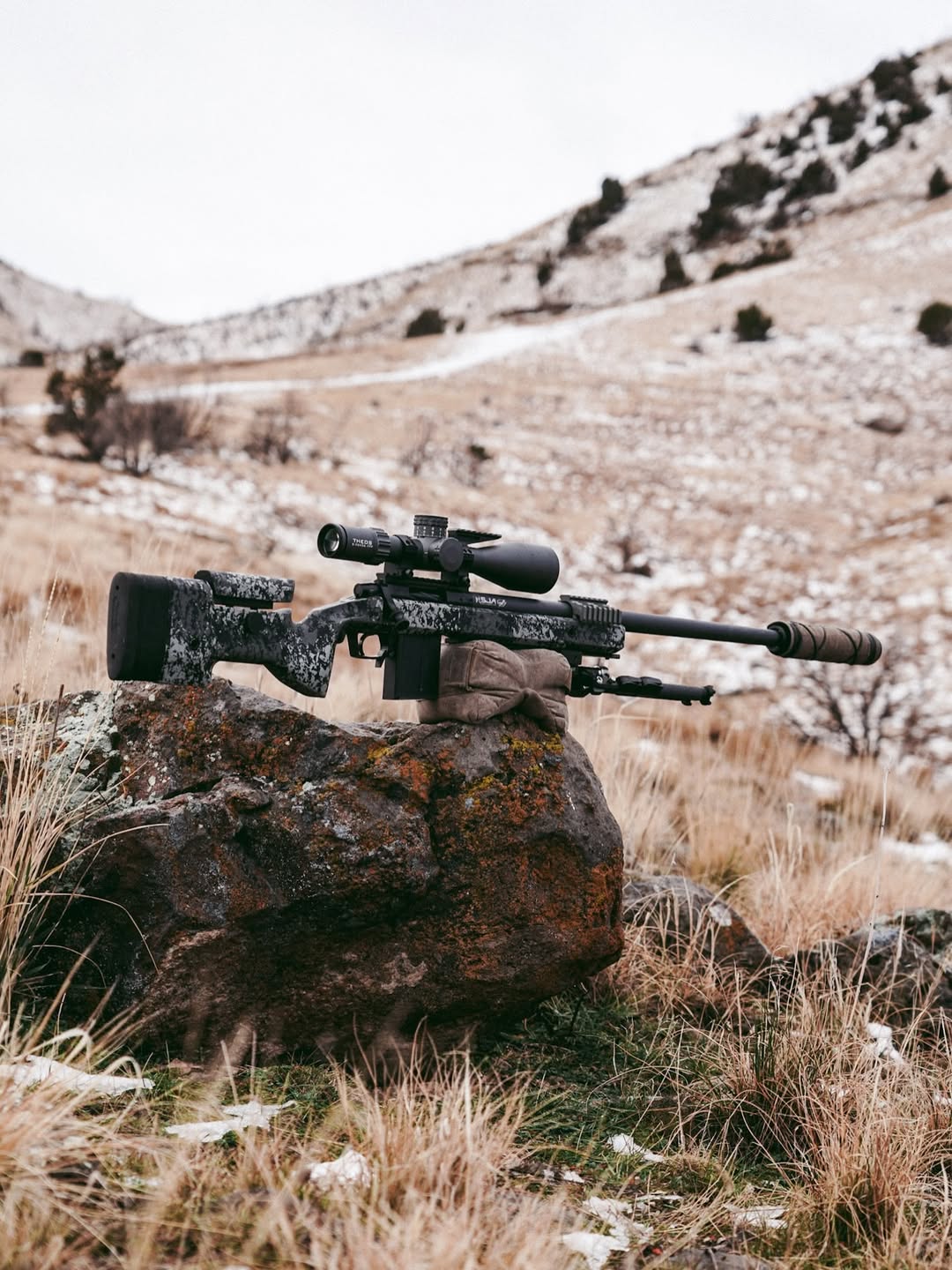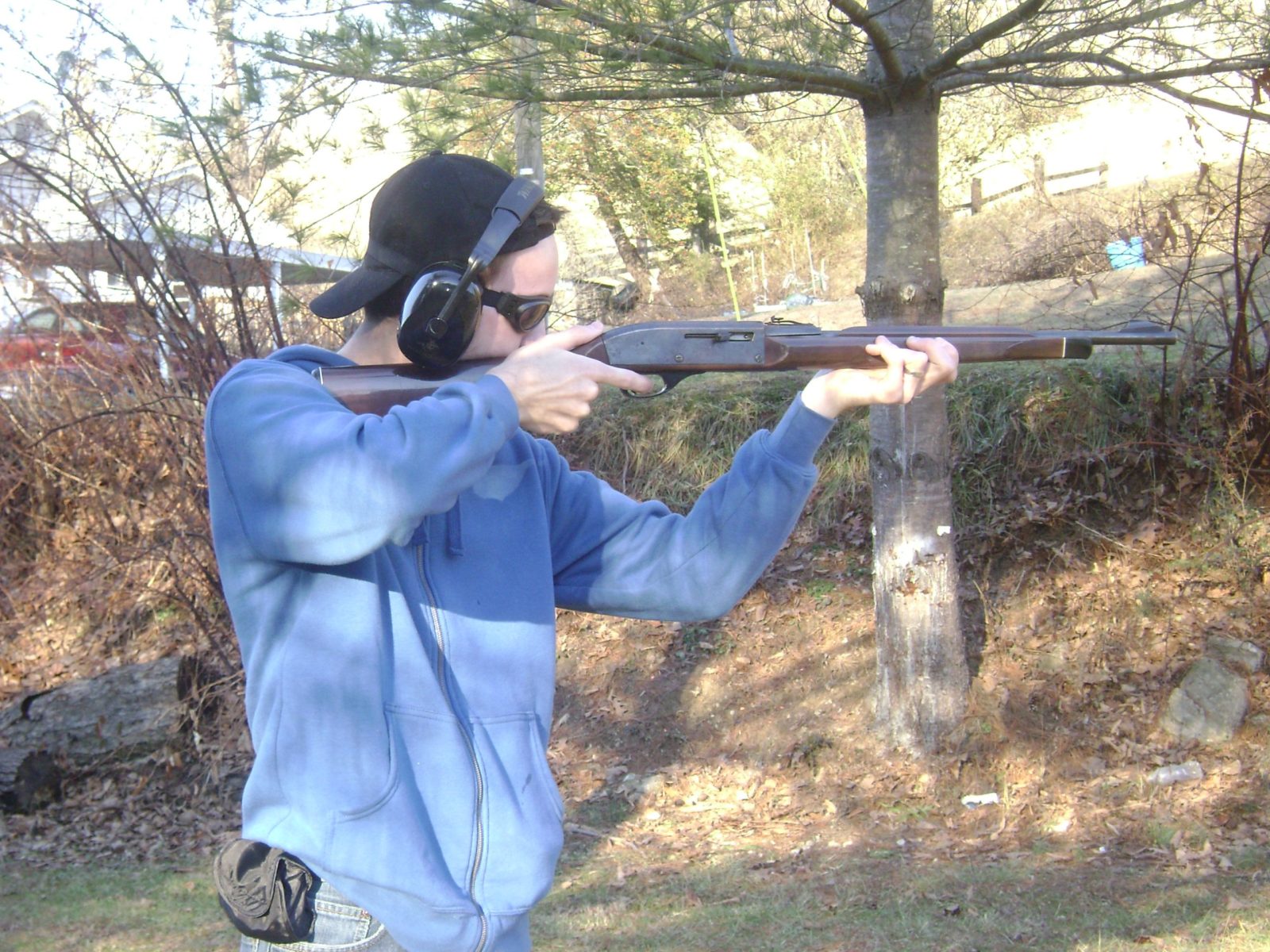
Mountain environments introduce swirling gusts, steep angles, and rapid temperature changes that influence bullet flight from the moment it exits the muzzle. A properly shaped barrel crown promotes stable release by directing gases evenly around the projectile and reducing early disturbances that weaken accuracy. This balanced flow becomes especially important in high altitude settings where terrain channels wind unpredictably between ridgelines and across open faces. Understanding how crown geometry affects departure conditions supports more reliable precision across exposed terrain where conditions shift quickly. Careful design at this transition point strengthens overall performance, particularly during long-range shooting, where small inconsistencies at the muzzle become exaggerated over distance.
The Role Of Even Gas Release
Even gas release at the muzzle influences early bullet stability long before full rotational control corrects minor disturbances in mountain winds. A crown shaped to distribute pressure uniformly reduces the chance of unwanted yaw caused by uneven gas discharge as the projectile exits the bore. Consistent flow helps moderate turbulence during the brief but critical first few inches of travel when lateral gusts are most disruptive. Well-machined surfaces maintain predictable performance despite rapid shifts in wind direction or intensity. Balanced gas behavior remains essential for accuracy when exposure increases along elevated trails, narrow mountain passes, and slopes where airflow changes constantly.
How Crown Depth Improves Stability
Crown depth supports stability by protecting the bore edge and promoting clean bullet departure under demanding outdoor conditions. A recessed design shields the rifling from small impacts or abrasion that could create uneven release points. This shape helps maintain a smooth transition as the bullet leaves the muzzle, especially when abrupt crosswinds push against the barrel and attempt to influence early trajectory. Slight variations in depth can reduce pressure imbalances that might otherwise disrupt initial flight. Reliable stabilization during this short but highly sensitive moment greatly enhances accuracy across long distances in rugged terrain, where atmospheric factors magnify even minor deviations.
Protecting The Bore From Environmental Wear
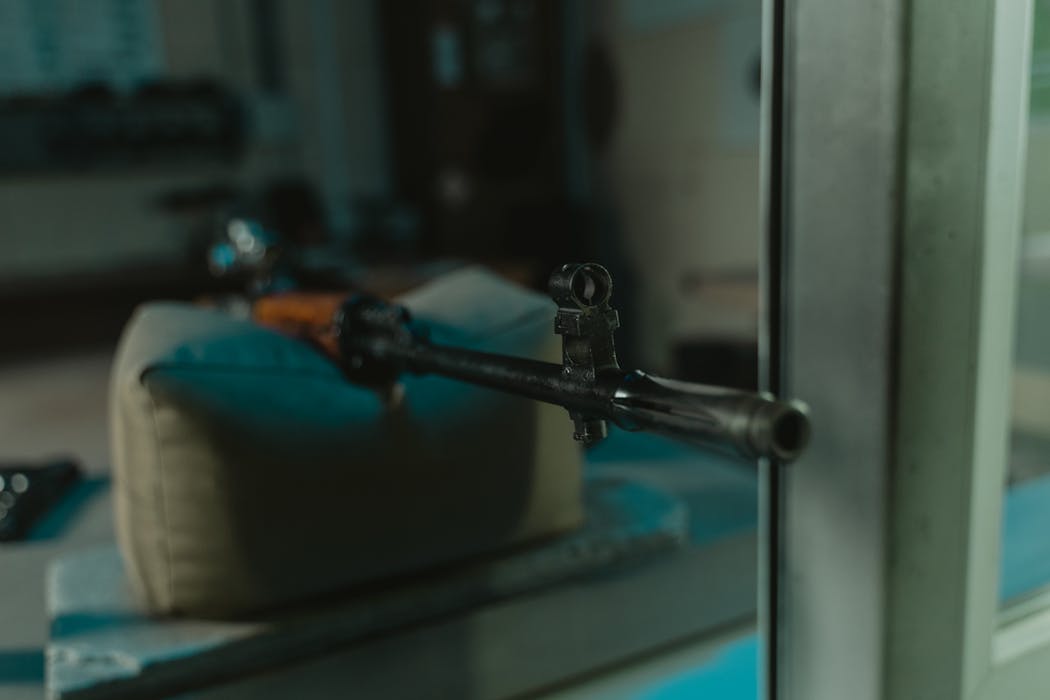
Mountain settings often carry dust, grit, moisture, and vegetation that can damage the bore edge as strong winds accelerate debris toward exposed surfaces. A precise crown limits contact with abrasive particles and prevents small imperfections that would alter gas flow and create irregular exit angles. Protecting this interface supports consistent ballistic performance and reduces long-term accuracy loss that develops from repeated exposure to harsh elements. Proper maintenance also prevents fouling from collecting in recessed areas where buildup can interfere with clean release. Durability at the crown contributes to dependable results when elevation changes increase environmental stress and introduce unpredictable shooting conditions.
Why Symmetry Matters In Crosswinds
Symmetry at the crown significantly affects how the projectile responds to crosswinds during the earliest stage of flight. An evenly machined surface prevents directional gas bias that could nudge the bullet off its intended path before rotational stability fully develops. This balanced start reduces drift and promotes predictable grouping even when gusts shift suddenly between ridgelines or across open valleys. Clean, uniform edges support consistent exit behavior and maintain accuracy under unstable conditions. Because mountain winds often change in both speed and direction without warning, symmetry at the crown becomes essential for precision in high altitude environments where airflow rarely behaves uniformly.
Matching Crown Type To Mountain Conditions
Different crown geometries offer specific advantages depending on expected weather patterns, elevation, and terrain features found in mountainous environments. Target crowns perform well in controlled conditions where wind remains steady and predictable, while recessed or rounded crowns provide additional protection and improved gas distribution in harsher, less stable settings. Selecting a design that matches anticipated conditions helps maintain accuracy during steep climbs, angled shots, or exposed positions along ridgelines. Terrain-driven choices improve consistency across varying elevations and temperature shifts. Matching crown features to outdoor demands strengthens long-range capability and supports reliable performance in challenging mountain landscapes where precision matters most.