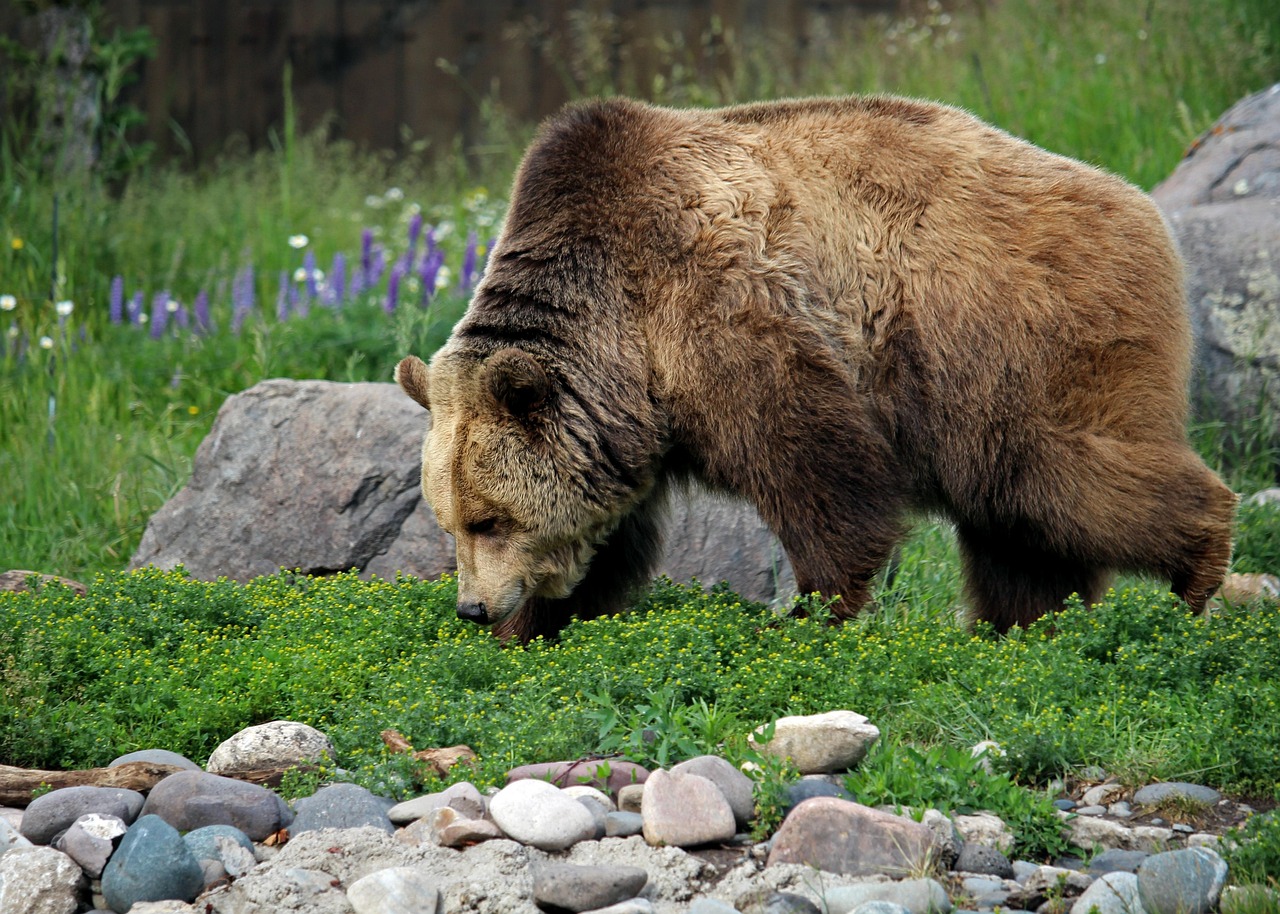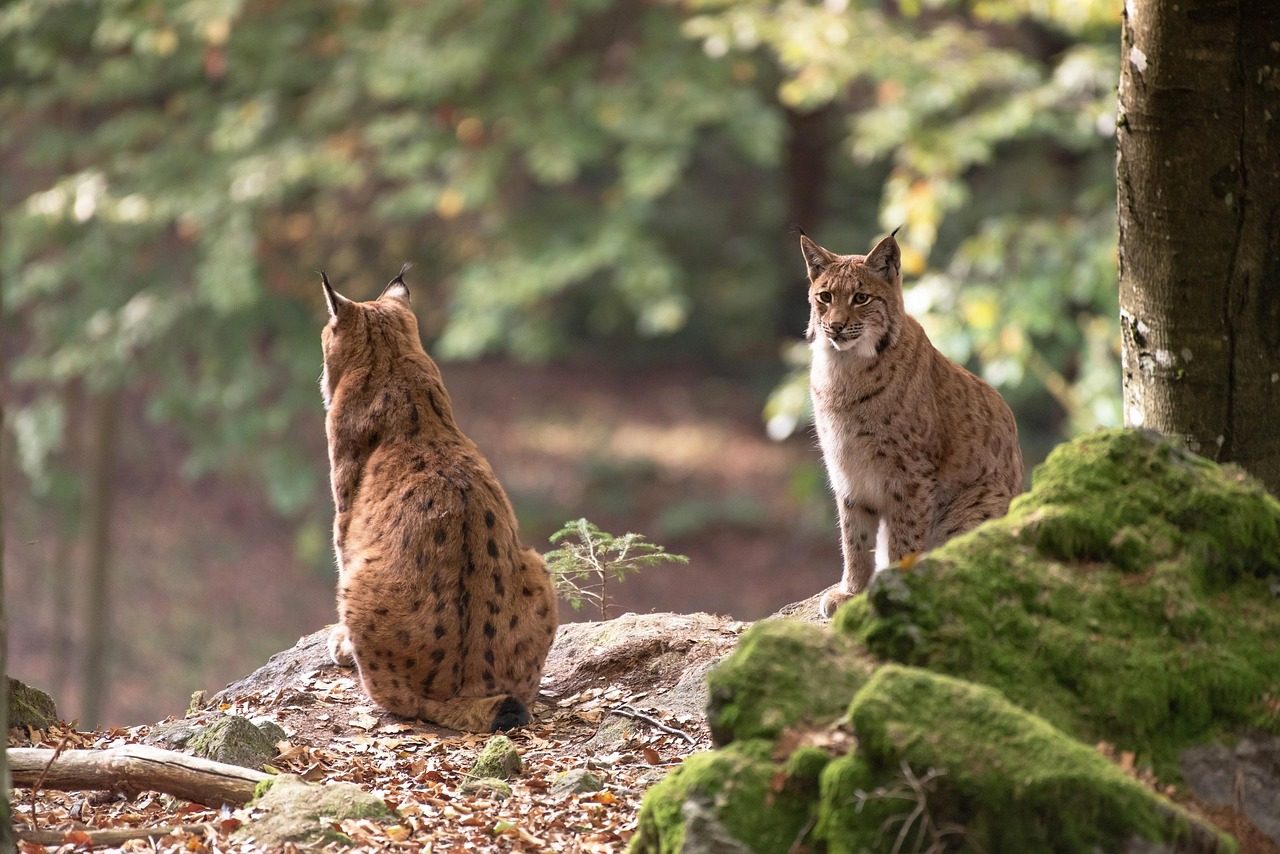
Bobcat populations are surging in these US states as the resilient felines reclaim their historic territories across the modern American landscape. While these reclusive predators once faced severe declines due to habitat loss and unregulated hunting they are now thriving in surprising new environments. Conservation efforts and reforestation projects have provided the essential cover and prey needed for these small wild cats to expand their reach. Residents in several regions are reporting more frequent sightings on trail cameras and in suburban backyards lately. This guide explores five specific states where the bobcat comeback is most evident today for all observers.
Ohio
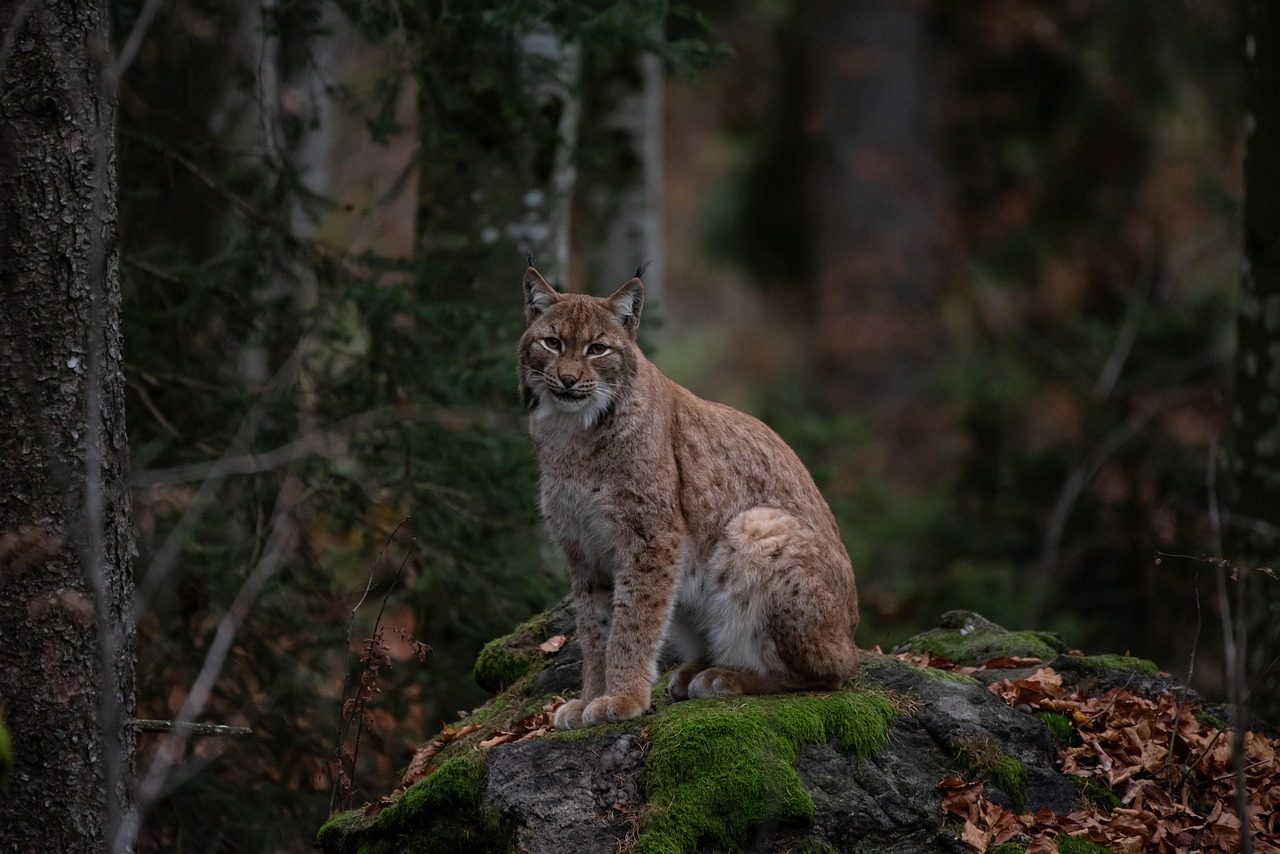
Ohio serves as a premier example of a successful natural recolonization after the species was completely driven out of the state during the eighteen fifties. The recent boom in sightings across eighty six counties marks a significant turning point for regional biodiversity and wildlife management. Extensive reforestation efforts have restored the dense cover these cats require to hunt rabbits and rodents effectively in the wild. While sightings were nearly non-existent two decades ago local residents now regularly document healthy individuals using backyard trail cameras. The state delisted the species as endangered as the population reached stable and sustainable levels now.
Connecticut
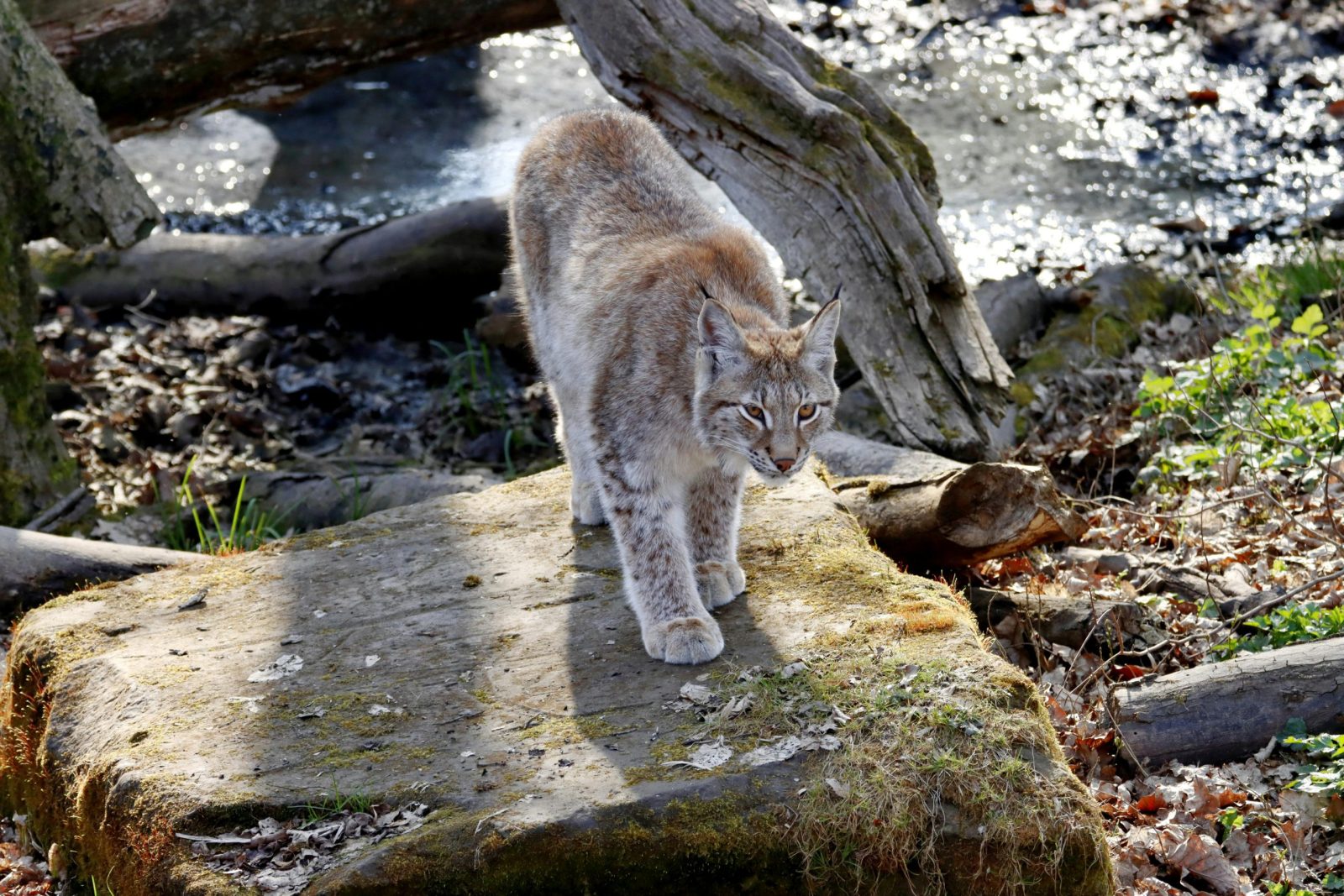
Connecticut boasts a rapidly growing bobcat presence despite being a relatively small and densely populated state in the northeastern region. These adaptable felines have successfully transitioned into suburban neighborhoods where they find ample prey like squirrels and songbirds. Wildlife officials confirm that bobcats now reside in all eight counties as their numbers continue to climb significantly each year. The ability of these cats to navigate human dominated landscapes has surprised many researchers studying their behavior in the wild. Protecting corridors of green space remains a top priority to ensure these predators can move safely through fragmented forest habitats today naturally.
Indiana
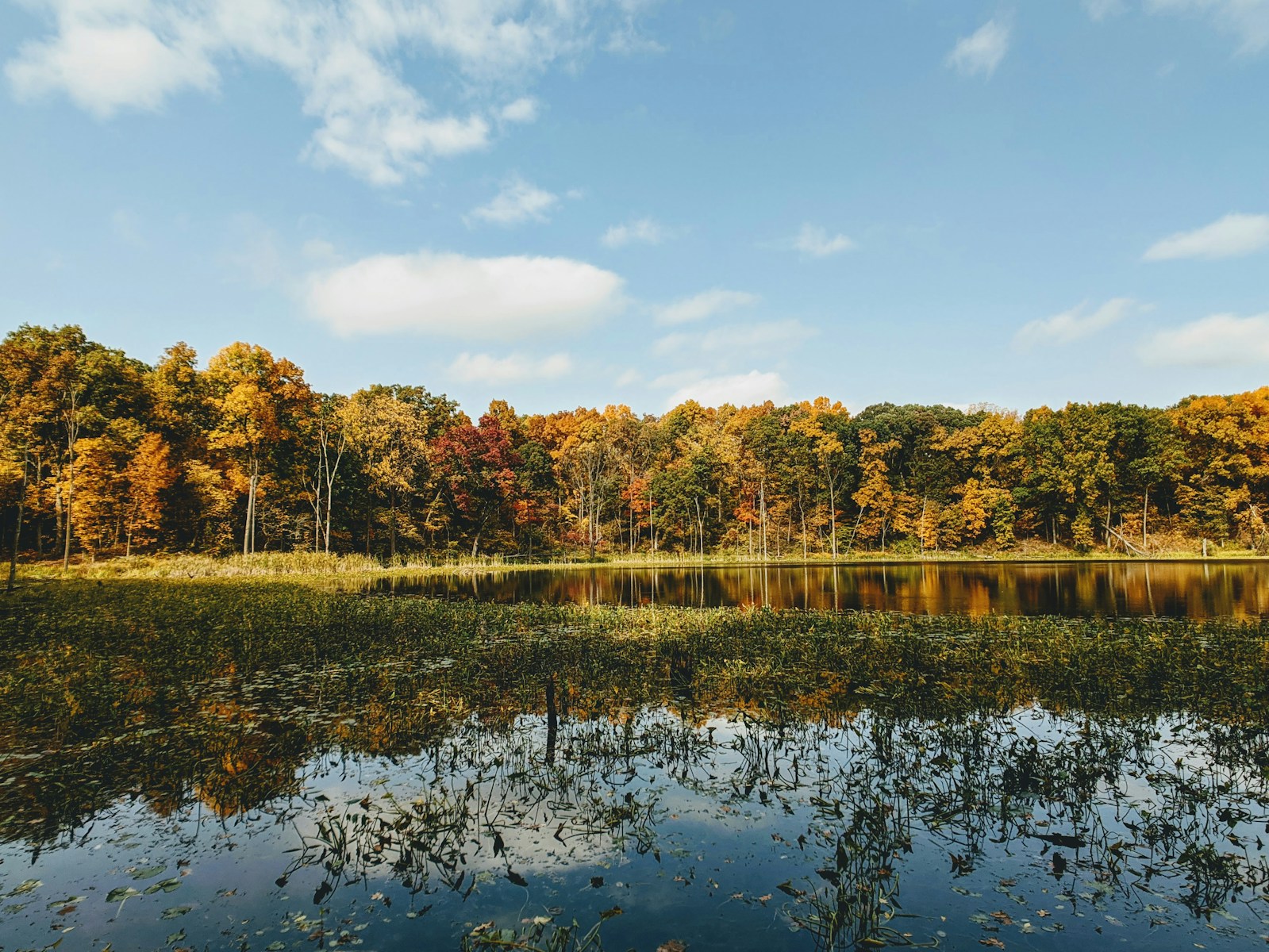
Indiana represents another significant success story as bobcats expand from their southern strongholds into the northern reaches of the state. These wild cats are now inhabiting nearly every county while establishing stable territories in both rural and semi-urban areas. The recovery of the population prompted state officials to initiate a limited and regulated trapping season for the very first time in twenty twenty five. This management decision reflects the high density of these animals and the health of the local ecosystem they inhabit. Observers often marvel at their stealth and ability to blend into the shadows while hunting at dusk.
Illinois

Illinois is witnessing a notable rise in bobcat activity across the central and western portions of the state where forest patches provide excellent shelter. While the species was once considered threatened in this region the population has bounced back with remarkable vigor recently. Research indicates that these carnivores are expanding their range into agricultural zones by utilizing river valleys as safe travel corridors for movement. The availability of diverse prey like hares and wild turkeys supports the growth of healthy and genetically diverse populations. Local trappers and biologists work together to monitor these trends and ensure the long term stability.
New Hampshire
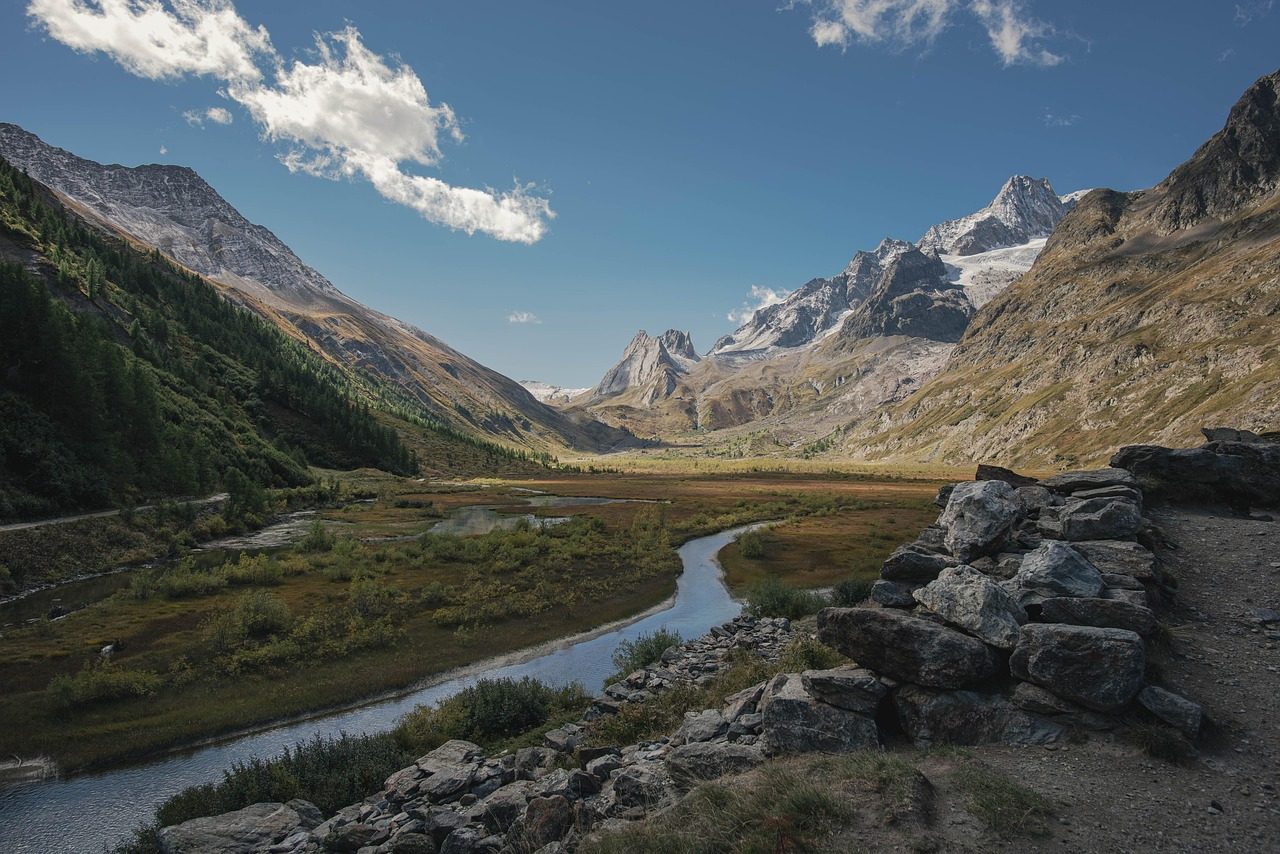
New Hampshire maintains a healthy and expanding bobcat population that has become increasingly visible in all ten counties over the last decade. These majestic felines benefit from the large tracts of unfragmented forest and the abundance of diverse prey found throughout the granite state. Wildlife experts suggest that mild winters have played a significant role in improving the survival rates of young kittens in recent seasons. Residents often report seeing these cats hunting squirrels beneath bird feeders or crossing rural roads under the cover of night. This ongoing recovery demonstrates the success of long term conservation efforts to protect habitats.