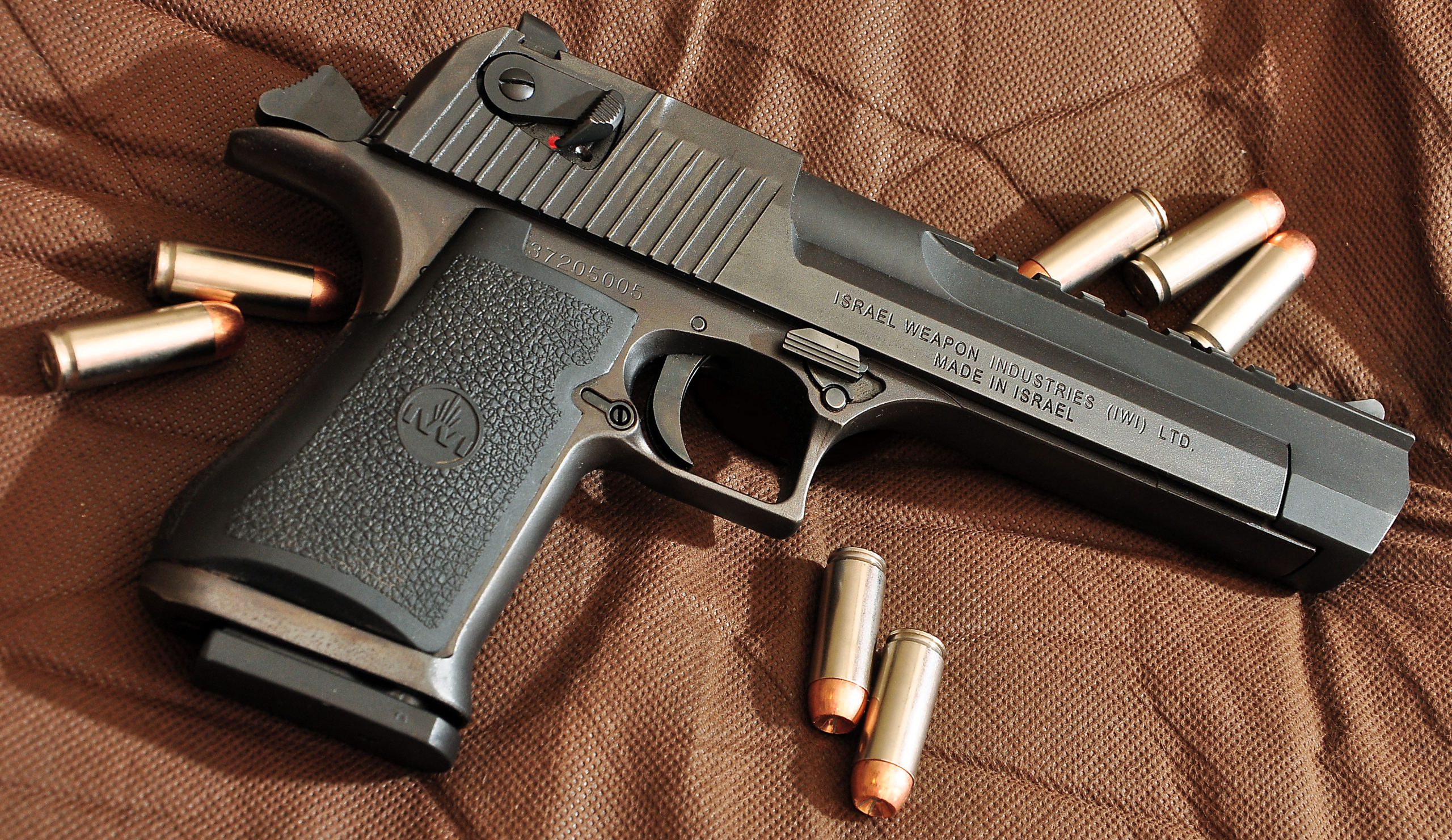
Some firearms capture attention not because they are practical, but because they are unusual, historic, visually striking, or mechanically fascinating. These are the guns people love to show friends, photograph, and talk about, yet rarely trust when conditions turn harsh. Weight, delicate finishes, rare ammunition, and complicated maintenance often make them poor companions outdoors. In the field, reliability, ease of use, and durability matter far more than style or nostalgia. This list highlights guns that are undeniably cool but consistently impractical once exposed to dirt, weather, and real-world demands. They shine brightest as conversation pieces, collectibles, or range curiosities rather than tools meant for rugged outdoor use.
Luger P08
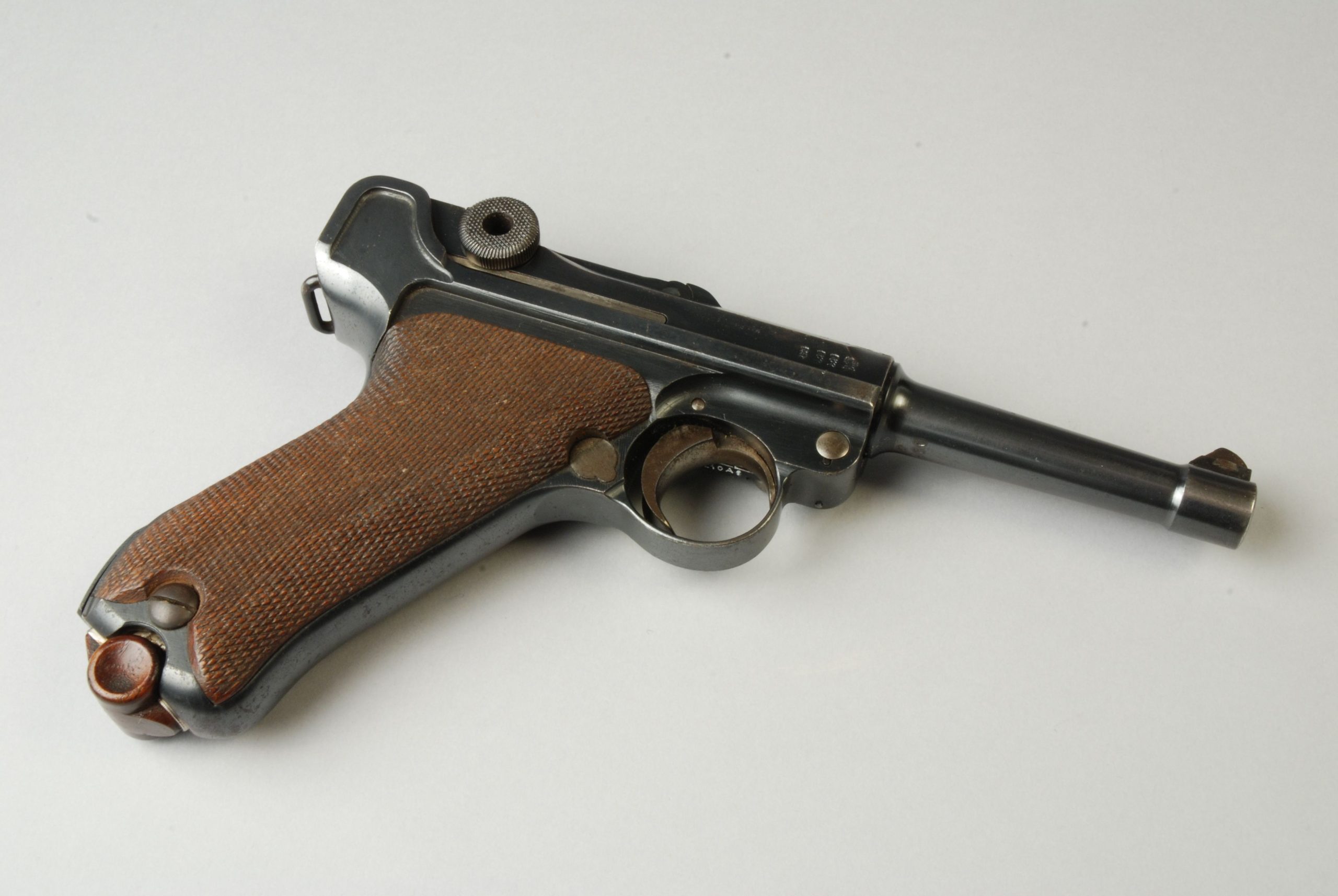
The Luger P08 is one of the most recognizable pistols ever made, admired for its toggle-lock action and historic military pedigree. Unfortunately, that same action is extremely sensitive to dirt, grit, and inconsistent ammunition. Tight tolerances that feel elegant on the bench become liabilities outdoors. The pistol prefers specific loads and struggles with modern hollow points. Field stripping is more complex than modern designs, making cleaning in camp impractical. Original parts are expensive and fragile. While stunning in a display case, the Luger’s finicky nature and age make it better preserved than carried into harsh environments.
Desert Eagle
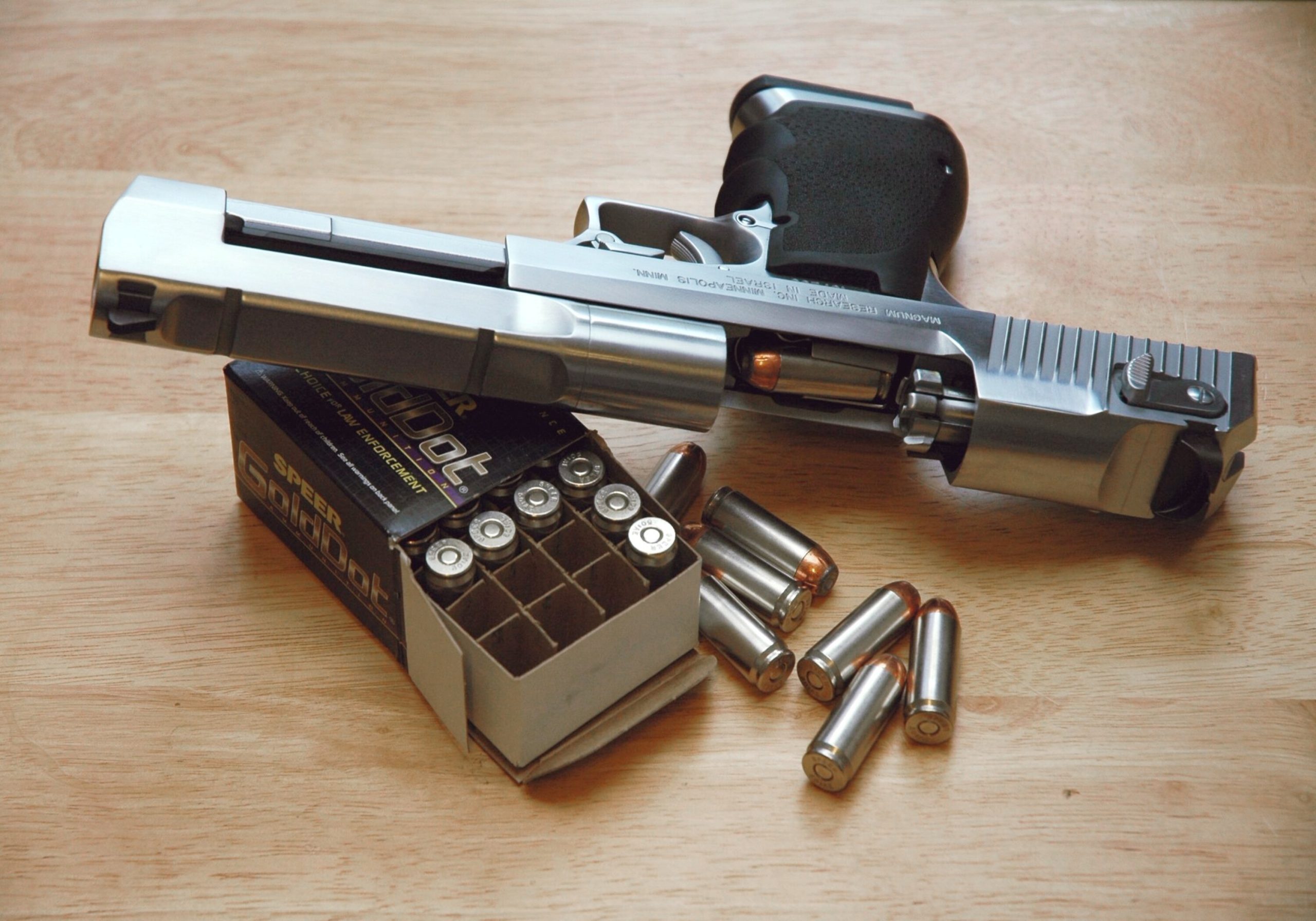
The Desert Eagle is visually impressive and undeniably powerful, but its size and operating system make it a poor field companion. Weighing well over four pounds unloaded, it becomes exhausting to carry for extended periods. Its gas-operated system requires high-pressure ammunition to function correctly, limiting flexibility. Dirt or fouling can quickly disrupt reliability. The massive grip does not fit many hands comfortably, especially with gloves. Holster options are limited and bulky. While it dominates attention at the range, the Desert Eagle’s weight, sensitivity, and impractical handling keep it firmly in the “safe gun” category.
Chiappa Rhino
The Chiappa Rhino stands out instantly with its futuristic appearance and low-bore-axis design. While innovative, its unconventional layout introduces complications outdoors. The internal mechanism is more complex than that of traditional revolvers, making field maintenance difficult. The unusual grip angle and high-mounted sights take time to master, especially under stress. Dirt intrusion can affect the internal hammer system more than expected. Replacement parts are less common than those of mainstream revolvers. Although accurate and unique, the Rhino’s complexity and learning curve make it better suited for controlled environments than unpredictable field conditions.
Mauser C96
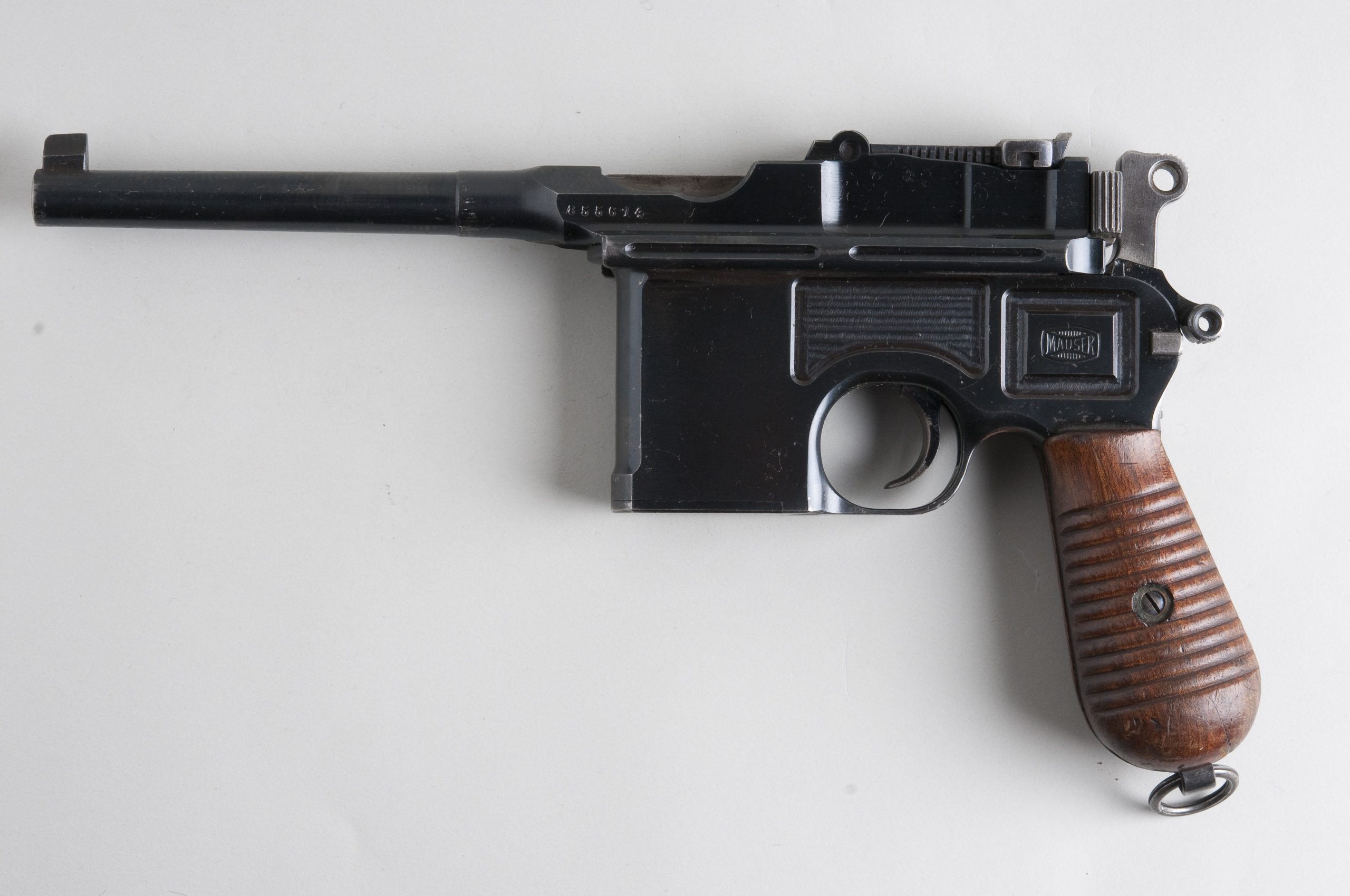
The Mauser C96, with its broomhandle grip and internal magazine, is a classic collector’s firearm. Outdoors, however, its age and design limitations quickly appear. Reloading via stripper clips is slow and awkward in the field, especially under stress or poor weather. Ammunition availability can be inconsistent depending on chambering. The long, exposed components invite dirt and debris into the action. Original examples should not be subjected to rough handling due to their value and fragile internals. While historically significant and visually striking, the C96 demands careful preservation rather than practical outdoor use where reliability matters most.
Winchester Model 1895
The Winchester Model 1895 is admired for its historical role and unique box magazine design. Despite its legacy, it lacks the durability and simplicity needed for harsh environments. Many surviving examples are antiques with worn internals that do not tolerate dirt or moisture well. Replacement parts are scarce and costly, discouraging hard use. The action is less forgiving of debris than modern bolt guns. Optics mounting options are limited without permanent modification. While beautifully crafted and historically important, the Model 1895 belongs in collections or controlled shooting, not bouncing around in demanding outdoor conditions.
Thompson Submachine Gun
The Thompson is iconic, heavy, and deeply tied to American history. Unfortunately, its weight alone makes it impractical for field use. At over ten pounds unloaded, it quickly becomes exhausting to carry over a distance. The complex internal design requires careful, regular maintenance. Drum magazines are heavy, noisy, and sensitive to dirt. Ammunition consumption is high, adding logistical burden and cost. While incredibly cool and enjoyable in controlled settings, the Thompson’s bulk, expense, and upkeep demands make it completely unsuited for realistic outdoor practicality or extended carry.
Steyr AUG
The Steyr AUG’s bullpup design and military pedigree attract enthusiasts, but it presents challenges outdoors. Clearing malfunctions requires unfamiliar motions, especially under stress or when wearing gloves. Magazine compatibility is limited depending on the variant, complicating logistics. Trigger feel suffers due to the long linkage system. Field repairs are more complex than standard rifles, and spare parts are uncommon outside major markets. While reliable in trained hands, the AUG’s unconventional layout and learning curve make it less forgiving in remote environments where simplicity is critical.
FN Five-seveN
The FN Five-seveN is lightweight, flat-shooting, and visually distinctive. However, its proprietary ammunition limits field practicality. 5.7×28mm is expensive and not widely available in rural areas or emergencies. Terminal performance depends heavily on specific loads, reducing flexibility. The polymer construction feels light but less confidence-inspiring under rough handling. Cold-weather performance can vary depending on ammunition choice. While accurate and fun to shoot, logistical limitations, ammo dependence, and resupply challenges make the Five-seveN better suited for the range than serious outdoor reliance.
Colt Python
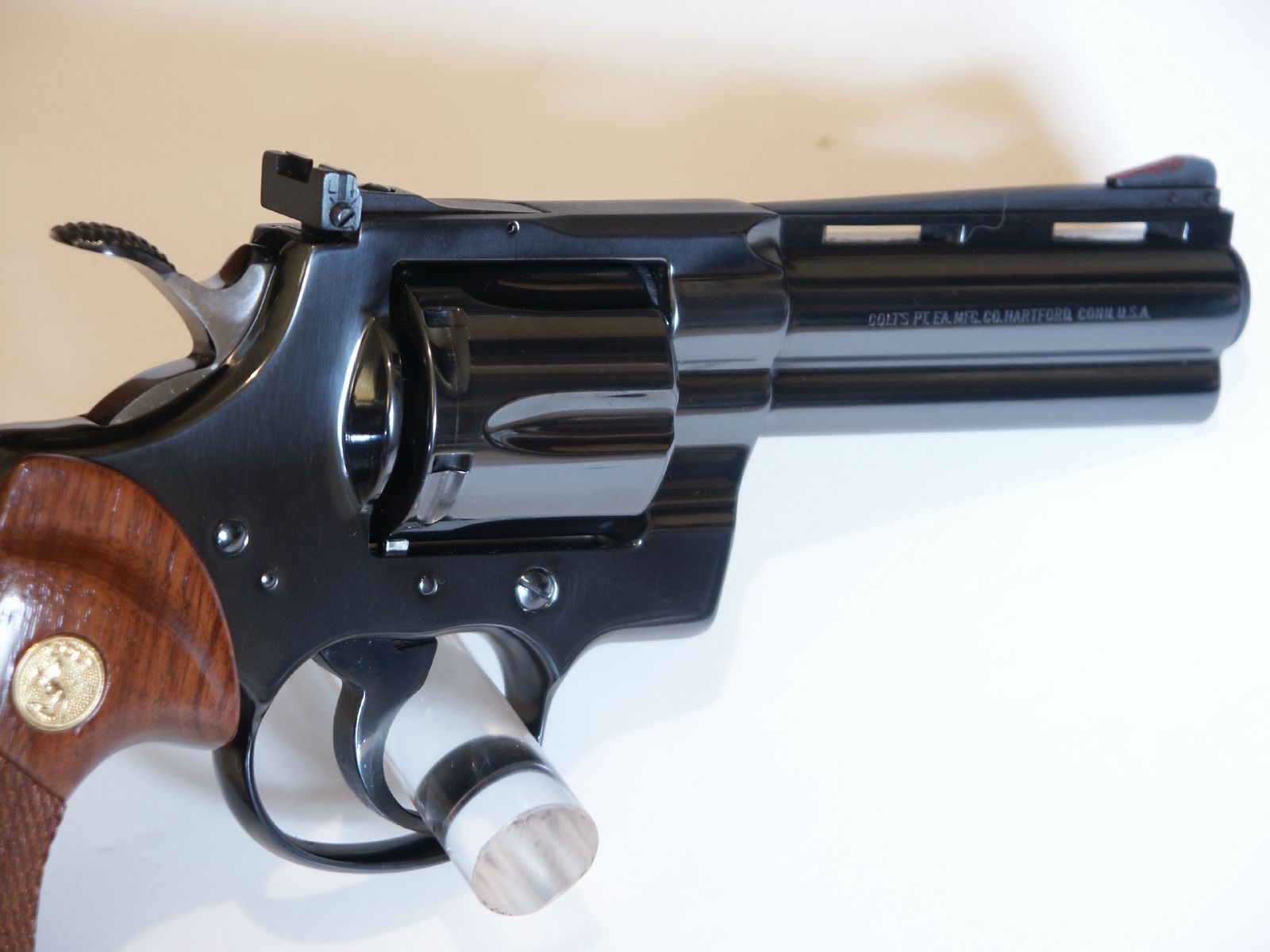
The Colt Python is revered for its smooth trigger and beautiful finish. Unfortunately, that refinement comes at the cost of durability under harsh conditions. The finely tuned action can be knocked out of time by rough handling or debris. Dirt and grit affect performance more than with simpler revolvers. Replacement parts are scarce and expensive, and repairs require specialized knowledge and skilled gunsmiths. Even minor damage can reduce value significantly. Its high collector value discourages real-world use. Python is a mechanical masterpiece best protected and admired, not exposed to unpredictable outdoor abuse.
HK MP5
The HK MP5 is legendary for smooth operation and accuracy, but it is not ideal for field environments. Its roller-delayed system requires proper lubrication and relatively clean conditions. Magazines are sensitive to dents and damage. Spare parts and trained armorers are not readily available outside institutional use. The platform shines in structured settings with support infrastructure and organized logistics. Transport and storage also demand care. While incredibly controllable and iconic, the MP5 favors refinement over rugged simplicity, keeping it better suited for controlled use than harsh outdoor environments.