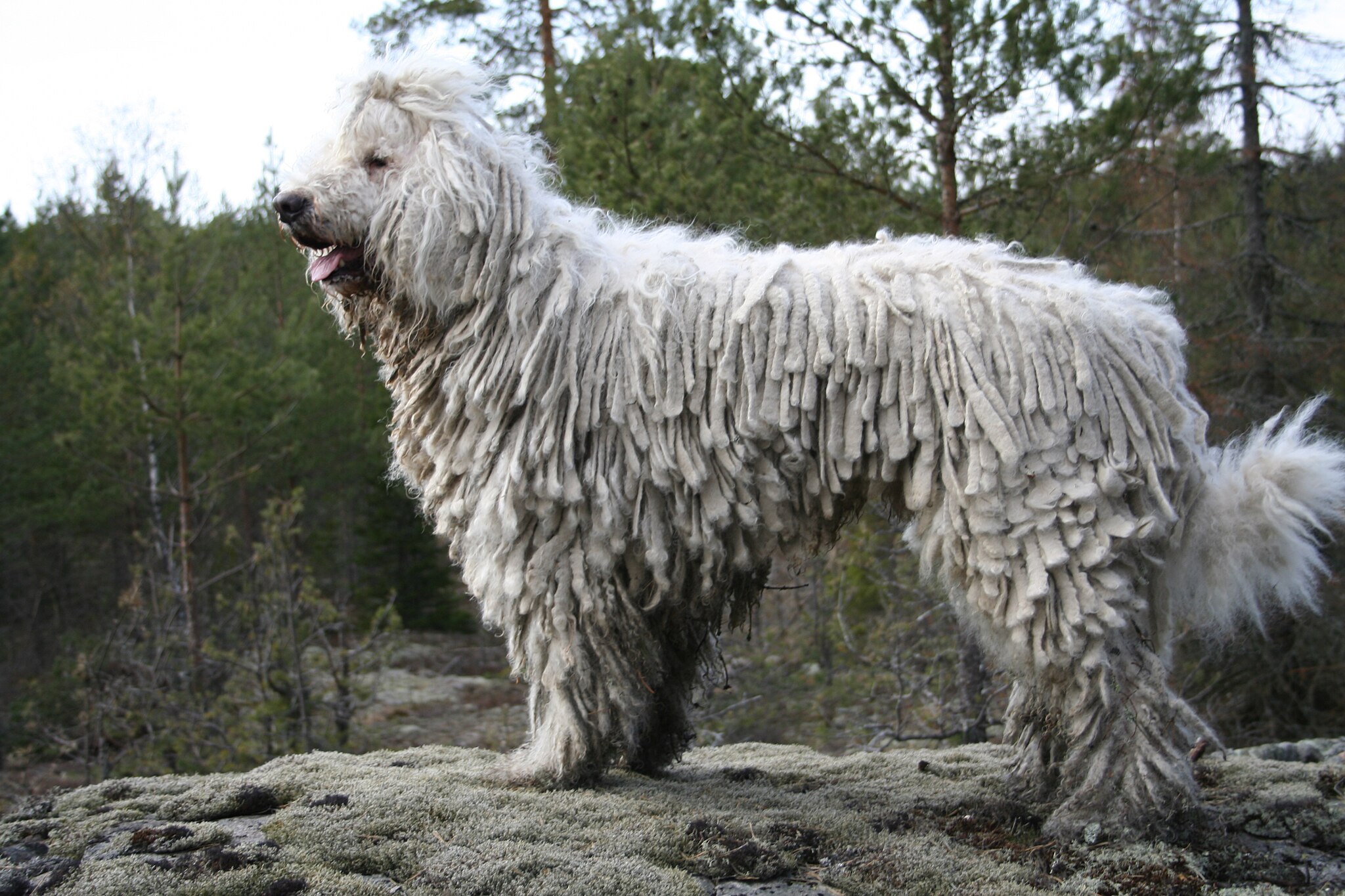
The idea of reviving extinct animals has shifted from science fiction into serious scientific debate, driven by rapid advances in genetics and biotechnology. Concepts like bringing back mammoths, dire wolves, or other ancient creatures capture the public imagination and often spark excitement. However, many scientists warn that de-extinction may create more problems than it solves. These animals disappeared under environmental conditions that no longer exist, and the modern world they would return to is radically different. Ecosystems have changed, species relationships have evolved, and human influence now dominates much of the planet. While the technology behind de-extinction is impressive, experts argue that the ecological, ethical, and practical risks are often underestimated. Understanding why scientists urge caution requires examining how fragile modern ecosystems truly are and how unpredictable the consequences of reviving ancient life could become.
Ancient Ecosystems No Longer Exist
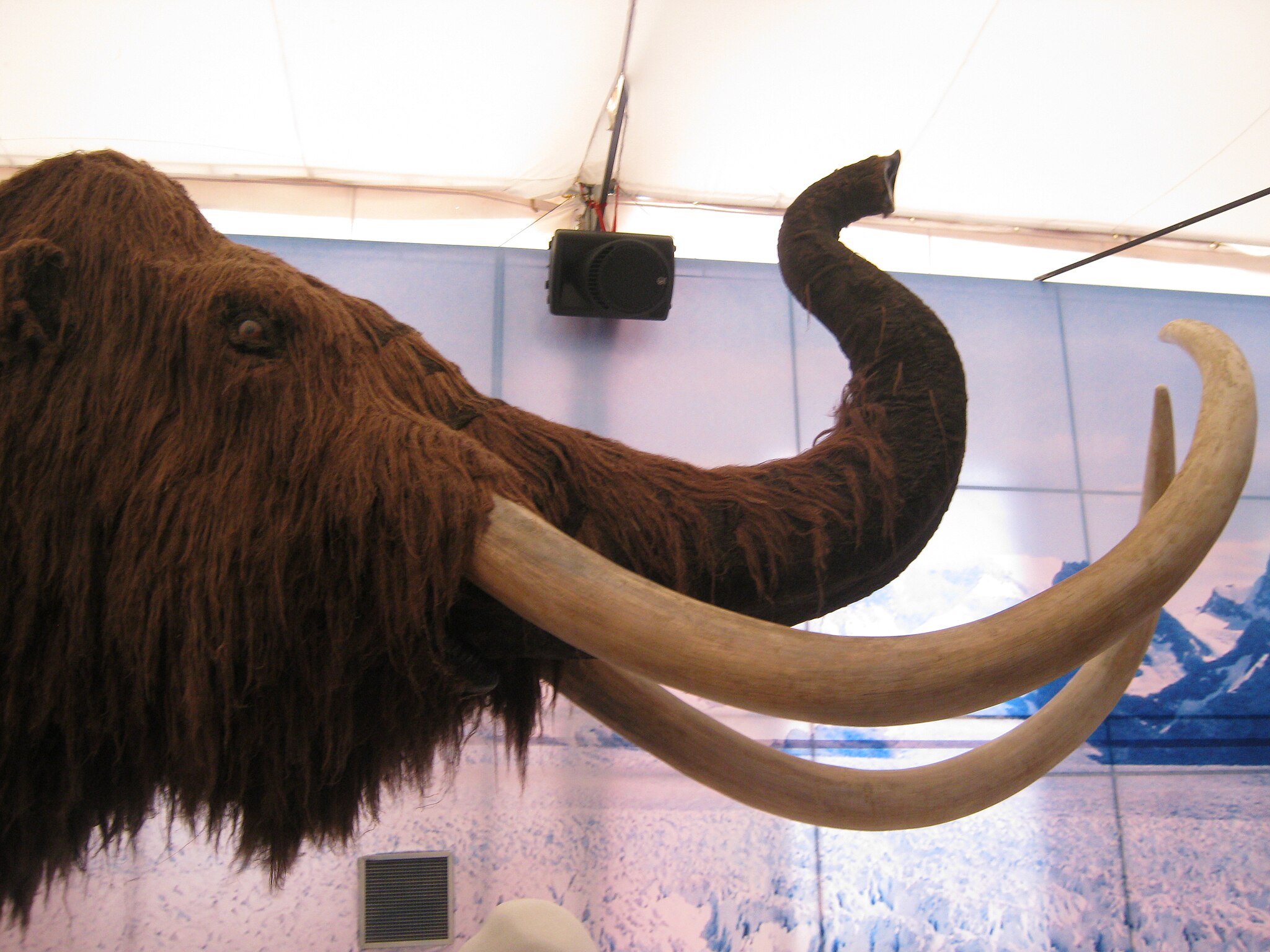
One of the most serious challenges facing de-extinction efforts is the absence of the ecosystems that once supported these ancient animals. Thousands of years ago, climates, vegetation patterns, and food chains were entirely different. Many extinct species evolved alongside plants and animals that no longer exist today. Reintroducing them into modern environments would force them to survive in unfamiliar conditions. This could result in starvation, stress, or aggressive competition with existing wildlife. Experts stress that ecosystems function as interconnected systems, not isolated components. Introducing a species without restoring its original ecological context risks destabilizing environments that have already adapted to modern conditions. Instead of restoring balance, de-extinction could disrupt fragile systems that are struggling to survive ongoing environmental pressures.
Modern Species Could Face Serious Threats
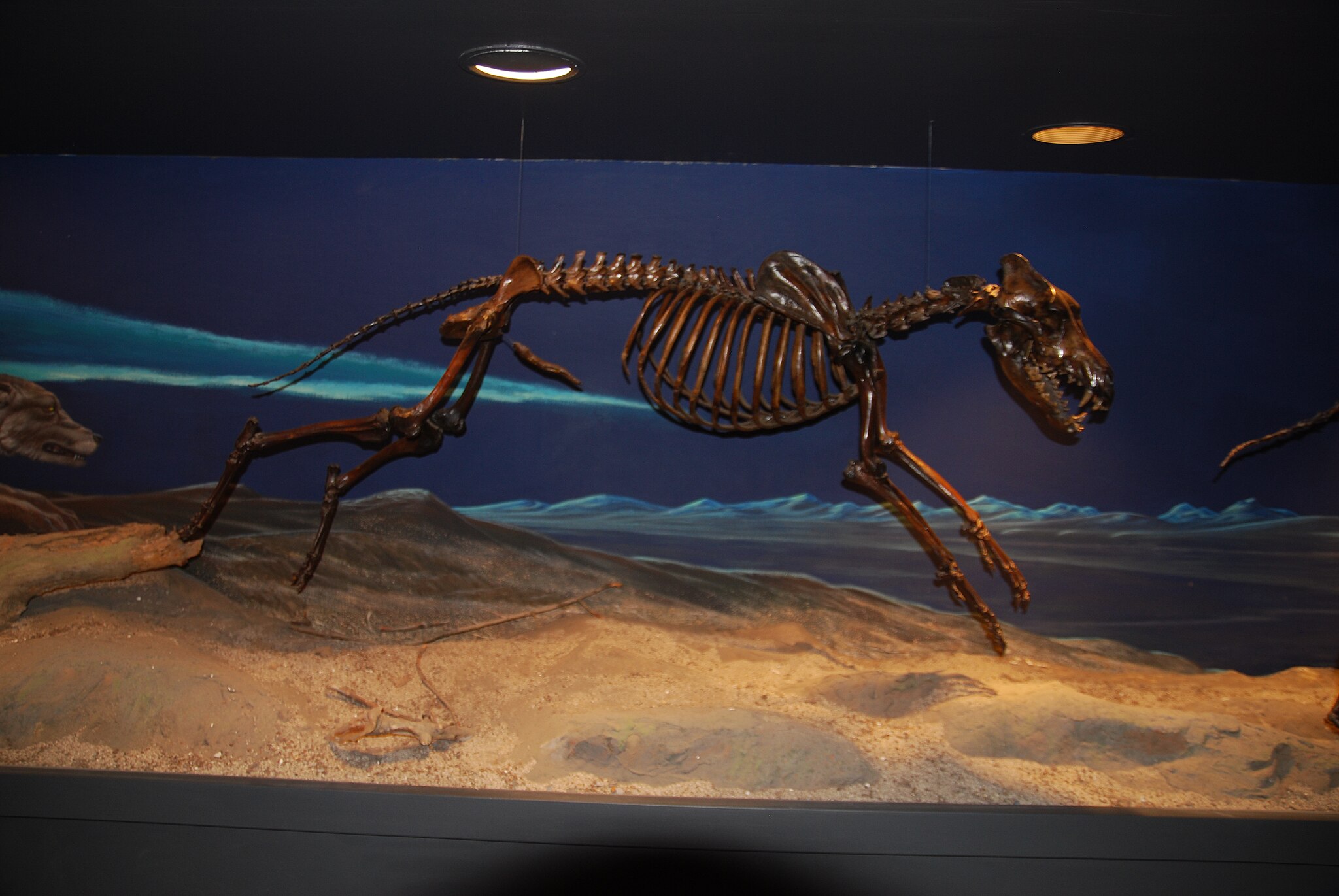
Reviving ancient animals could pose significant risks to species currently living in affected ecosystems. Modern wildlife already faces immense pressure from habitat loss, climate change, and human activity. Introducing a powerful herbivore or predator from the past could intensify competition for limited resources. Even animals that seem ecologically similar may behave differently due to evolutionary divergence. Large herbivores could alter vegetation patterns, while predators might target species that lack evolved defenses. Experts warn that conservation efforts should prioritize protecting existing biodiversity rather than introducing unknown variables. The sudden arrival of an ancient species could push vulnerable populations toward decline, undermining decades of conservation progress and triggering unintended ecological consequences.
Disease Risks Are Poorly Understood
Disease transmission represents one of the most unpredictable dangers of de-extinction. Revived animals would encounter modern pathogens their immune systems have never faced. At the same time, ancient genetic material could carry dormant microbes unfamiliar to today’s ecosystems. History demonstrates how devastating disease introduction can be when species lack immunity. Experts caution that even controlled laboratory environments cannot eliminate these risks. Once an animal is released, pathogens can spread rapidly through wildlife, livestock, and potentially humans. Monitoring and containment would be extremely difficult. The possibility of triggering ecological or agricultural crises makes disease risk a central concern. Scientists emphasize that understanding ancient disease dynamics remains limited, increasing uncertainty surrounding safe reintroduction.
Ethical Concerns About Animal Welfare
Beyond environmental risks, ethical questions surround the welfare of animals created through de-extinction. Revived species would not be perfect replicas but genetically reconstructed organisms with uncertain health outcomes. Early attempts could involve failed pregnancies, deformities, or chronic medical issues. Even successful animals might live in artificial settings, isolated from natural social structures. Experts question whether it is ethical to create living beings primarily for experimentation or scientific curiosity. Unlike conservation breeding programs, de-extinction does not aim to restore naturally functioning populations. Ethical responsibility requires considering the quality of life these animals would experience, not just whether humans can technically bring them back.
Conservation Resources Could Be Misallocated
Scientists also worry that de-extinction could divert limited conservation resources away from species that still have a chance to survive. Protecting endangered animals requires sustained funding for habitat protection, law enforcement, and long-term management. These efforts already struggle to secure adequate support. De-extinction projects demand enormous financial investment in laboratories, technology, and ongoing animal care. Critics argue that focusing on extinct species sends a dangerous message, suggesting technology can reverse environmental damage after it occurs. Conservation experts emphasize prevention over restoration. Allocating resources toward reviving ancient animals could weaken efforts to protect living ecosystems that are already under severe threat.
Genetic Knowledge Remains Incomplete
Despite advances in DNA analysis, scientists still lack complete genetic information for many extinct species. DNA degrades over time, leaving gaps that must be filled using genetic material from related modern animals. This process introduces uncertainty and variation. The resulting animals would be genetic approximations rather than true restorations. Small genetic differences can influence behavior, physiology, and ecological impact in unpredictable ways. Experts caution that incomplete genetic knowledge increases the risk of unexpected traits emerging after revival. Evolution is shaped by complex interactions between genes and environment, many of which cannot be replicated artificially. This uncertainty challenges assumptions about how revived animals would function in modern ecosystems.
Human-Wildlife Conflict Could Increase
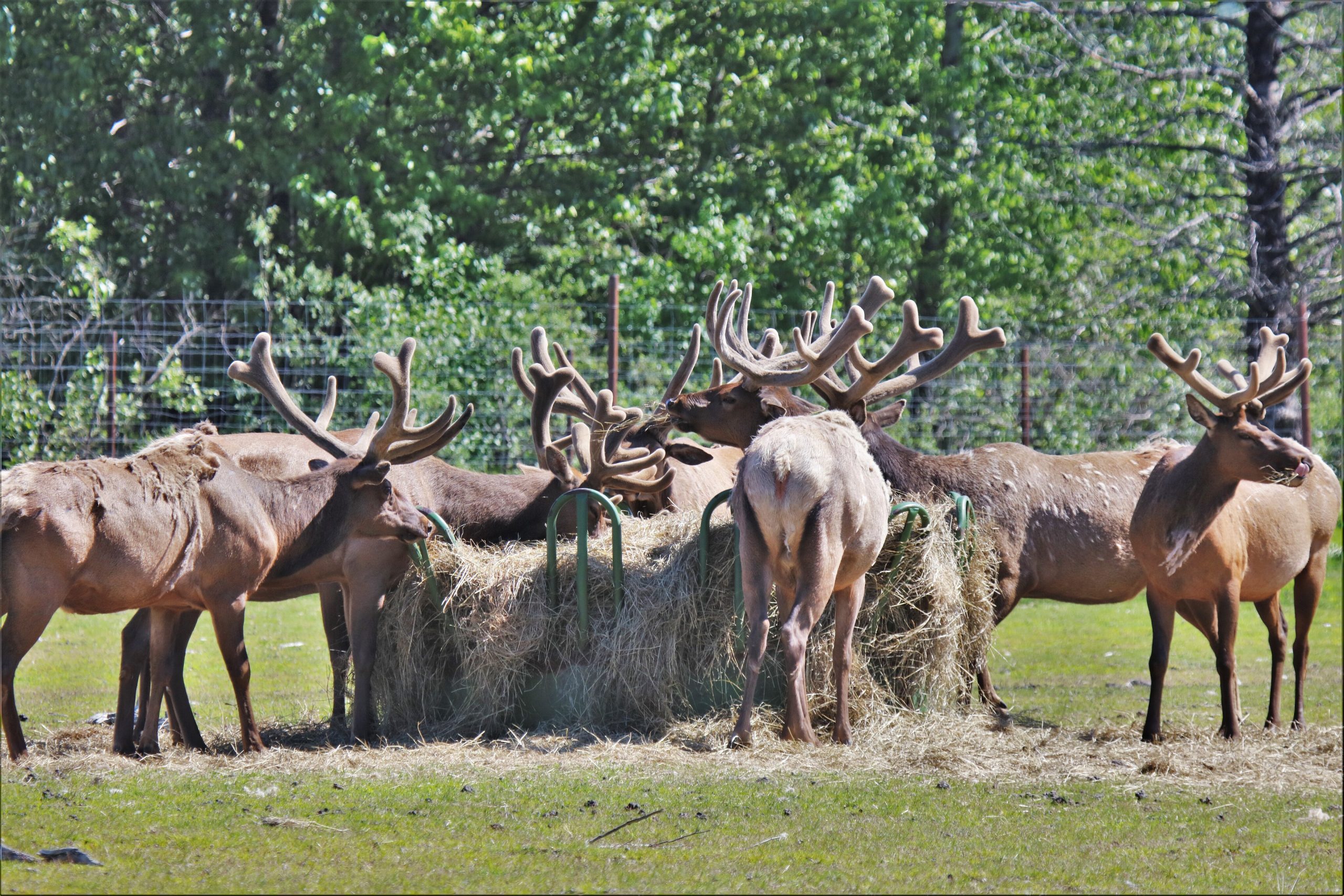
Many extinct animals were large, dominant species that would struggle to coexist with modern human populations. Today’s landscapes are fragmented by cities, agriculture, and infrastructure, leaving limited space for massive herbivores or apex predators. Revived animals could damage crops, threaten livestock, or pose safety concerns. History shows that humans often respond to perceived threats by eliminating wildlife. Experts warn that without vast protected areas and societal support, revived species could quickly become targets rather than conservation successes. Human-wildlife conflict remains one of the leading causes of animal population decline, making coexistence a serious challenge for any de-extinction effort.
Climate Conditions Have Changed Permanently

Climate plays a critical role in determining whether a species can survive, and many extinct animals were adapted to conditions that no longer exist. Ice age species thrived in colder environments with stable seasonal patterns. Modern climate trends show rising temperatures, unpredictable weather, and habitat instability. Revived animals may struggle to regulate body temperature, find appropriate food, or reproduce successfully. Experts emphasize that survival depends on more than genetics; it requires compatible environmental conditions. With climate change accelerating, introducing species adapted to ancient climates into an uncertain future could result in suffering or rapid failure, further questioning the viability of de-extinction.
Legal and Regulatory Gaps Remain
De-extinction also presents legal challenges that existing wildlife regulations are not equipped to address. Revived species do not fit neatly into current conservation categories. Questions surrounding ownership, responsibility, and liability remain unresolved. If a revived animal causes damage or spreads disease, accountability becomes unclear. Experts argue that regulatory frameworks must be established before any release occurs. Without clear oversight, scientific ambition could outpace ethical and legal safeguards. Responsible innovation requires laws that anticipate consequences rather than reacting after harm occurs. Until these gaps are addressed, de-extinction remains a risky endeavor without adequate governance.
Scientific Curiosity Versus Responsibility
While de-extinction demonstrates extraordinary scientific capability, experts stress that ability does not equal obligation. The desire to undo extinction is rooted in regret, but it risks oversimplifying complex ecological realities. Extinction often reflects long-term environmental change, not a single missing species. Reviving ancient animals cannot reverse those underlying issues. Scientists argue that responsibility lies in protecting existing ecosystems and preventing future extinctions. Without restraint, de-extinction could create new ecological problems rather than solving old ones. True conservation success depends on humility, caution, and prioritizing the living world over fascination with what has already been lost.