There is a particular kind of dread that hits somewhere between the driveway and the highway when you suddenly cannot remember whether you turned off the stove or locked the back door. Most people have experienced it at least once, and a surprising number turn around entirely rather than spend the next several hours mentally replaying every room in their house. A 2021 survey by the American Automobile Association found that nearly 61% of travellers reported forgetting at least one important pre-departure task before a trip, with consequences ranging from minor inconvenience to genuine safety hazards. The frustrating truth is that most of these oversights are entirely preventable with a consistent pre-departure habit. This list covers nine of the most commonly forgotten checks before leaving home, with the specific details, real risks, and practical habits that make each one worth building into your routine before you walk out the door for good.
1. Stove and Oven

The stove ranks among the most anxiety-inducing things to forget checking, and for genuinely good reason rather than irrational worry. The National Fire Protection Association reports that cooking equipment is involved in approximately 49% of all residential structure fires in the United States annually, with unattended cooking as the leading contributing factor. A gas burner left on low does not always produce a visible flame, and a pilot light left running on an electric oven draws between 1,000 and 5,000 watts continuously, creating both a fire risk and a meaningful electricity cost over an extended absence. Beyond fire, a gas stove left running without ignition creates carbon monoxide and methane accumulation that can reach dangerous concentration levels within hours in an enclosed kitchen. Developing a habit of physically touching each burner control and visually confirming the oven display reads off before leaving removes all ambiguity. Smart plug monitors and connected appliance sensors now allow remote confirmation from a phone, a worthwhile investment for anyone who travels frequently or lives alone without someone to double-check behind them.
2. Door and Window Locks
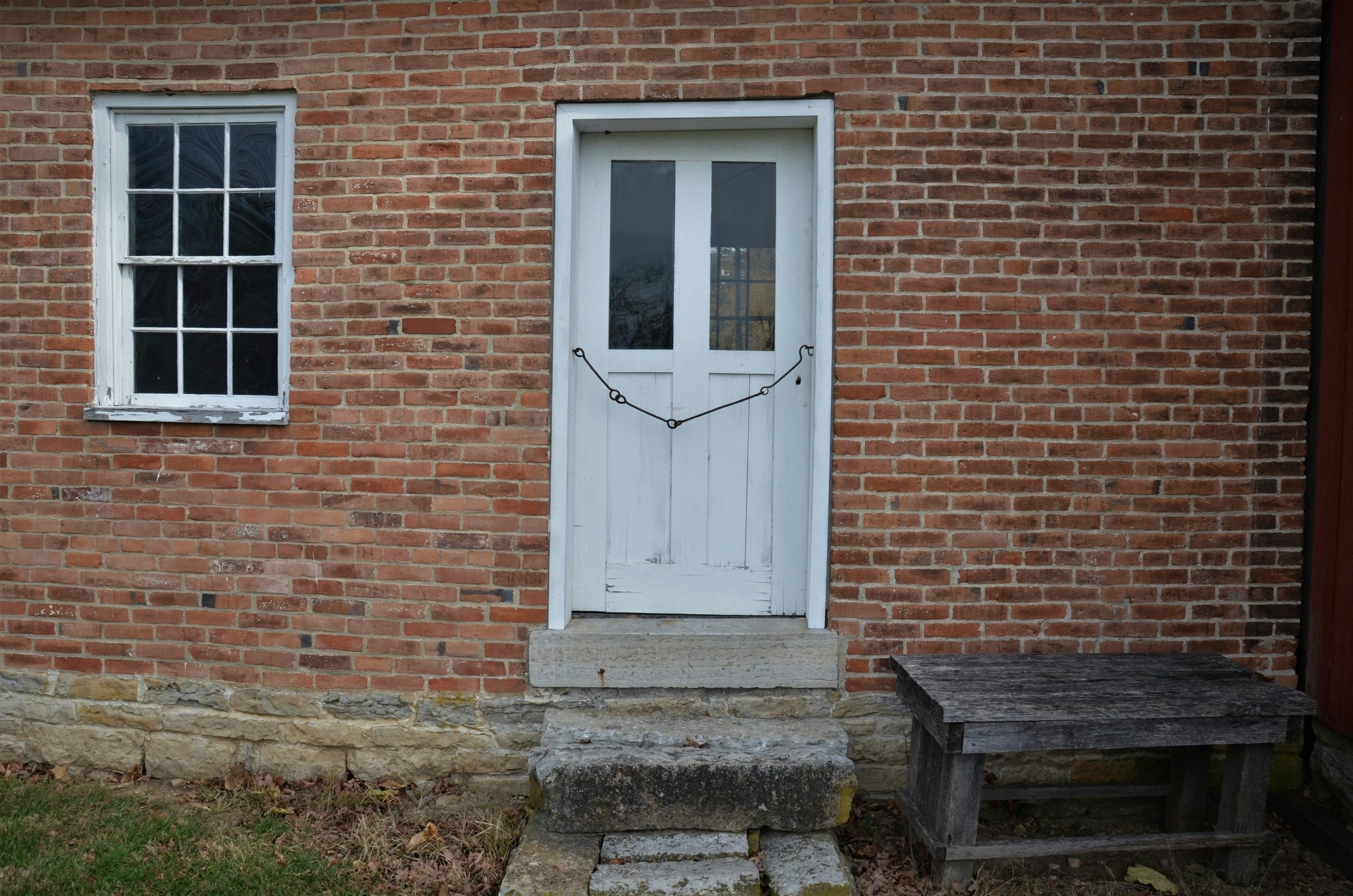
Checking locks sounds obvious until you consider how many break-ins occur specifically because of unlocked entry points that homeowners were certain they had secured. The FBI’s Uniform Crime Report documents approximately 847,000 burglaries annually in the United States, and studies from the Bureau of Justice Statistics consistently show that roughly 28% of residential burglaries involve entry through an unlocked door or window rather than forced entry. Ground-floor windows are particularly vulnerable because homeowners frequently leave them cracked for ventilation and simply forget to close them before leaving. Sliding glass doors deserve special attention since their locking mechanisms are often weaker than standard door locks and can be lifted off their tracks without picking or breaking the lock itself. A physical walk-through of every exterior door and accessible window, including basement and garage entry points, takes under three minutes and eliminates the most preventable category of home intrusion risk. Smart lock systems that send confirmation notifications and allow remote locking from a phone have reduced forgotten lock incidents significantly among users who adopt them consistently.
3. Thermostat Settings
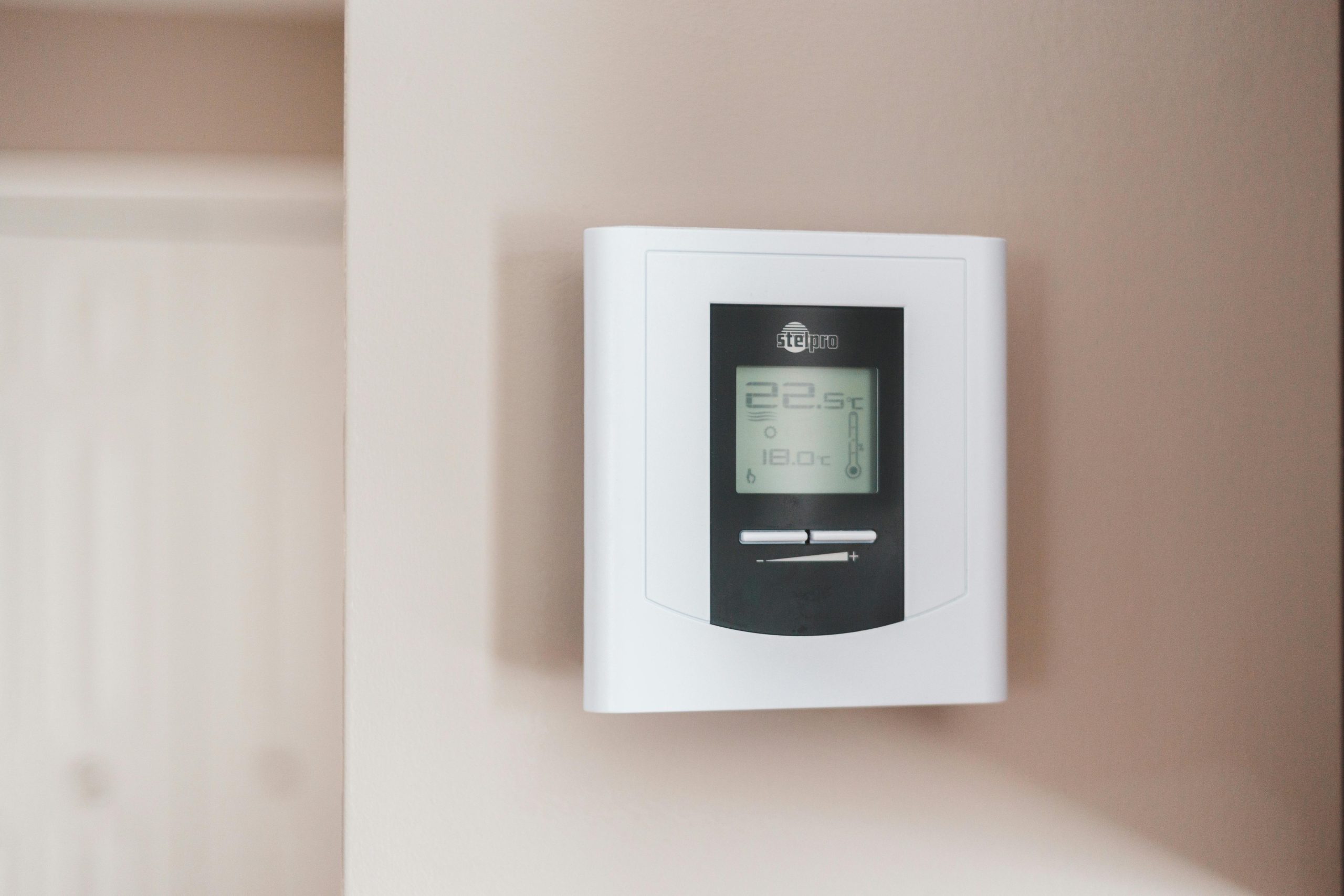
Leaving your thermostat running at normal living temperatures while the house sits empty for days or weeks is one of the quietest and most consistent ways to waste significant money without noticing. The U.S. Department of Energy estimates that adjusting your thermostat by 7 to 10 degrees Fahrenheit for 8 hours daily reduces annual heating and cooling costs by approximately 10%. Scaling that principle to a week-long absence at full comfort settings represents a genuinely unnecessary expense. However, the correction is not simply turning everything off entirely. In winter months, allowing indoor temperatures to drop below 55 degrees Fahrenheit risks pipe freezing, which the Insurance Information Institute links to water damage claims averaging $11,000 per incident. In summer, excessive heat accelerates the degradation of wood furniture, electronics, and certain food items left in pantries. Setting the thermostat to 60 degrees in winter and 85 degrees in summer during absences strikes the practical balance between energy savings and property protection. Programmable and smart thermostats make this adjustment automatic, removing the need to remember it as a separate departure task altogether.
4. Unplugging Small Appliances
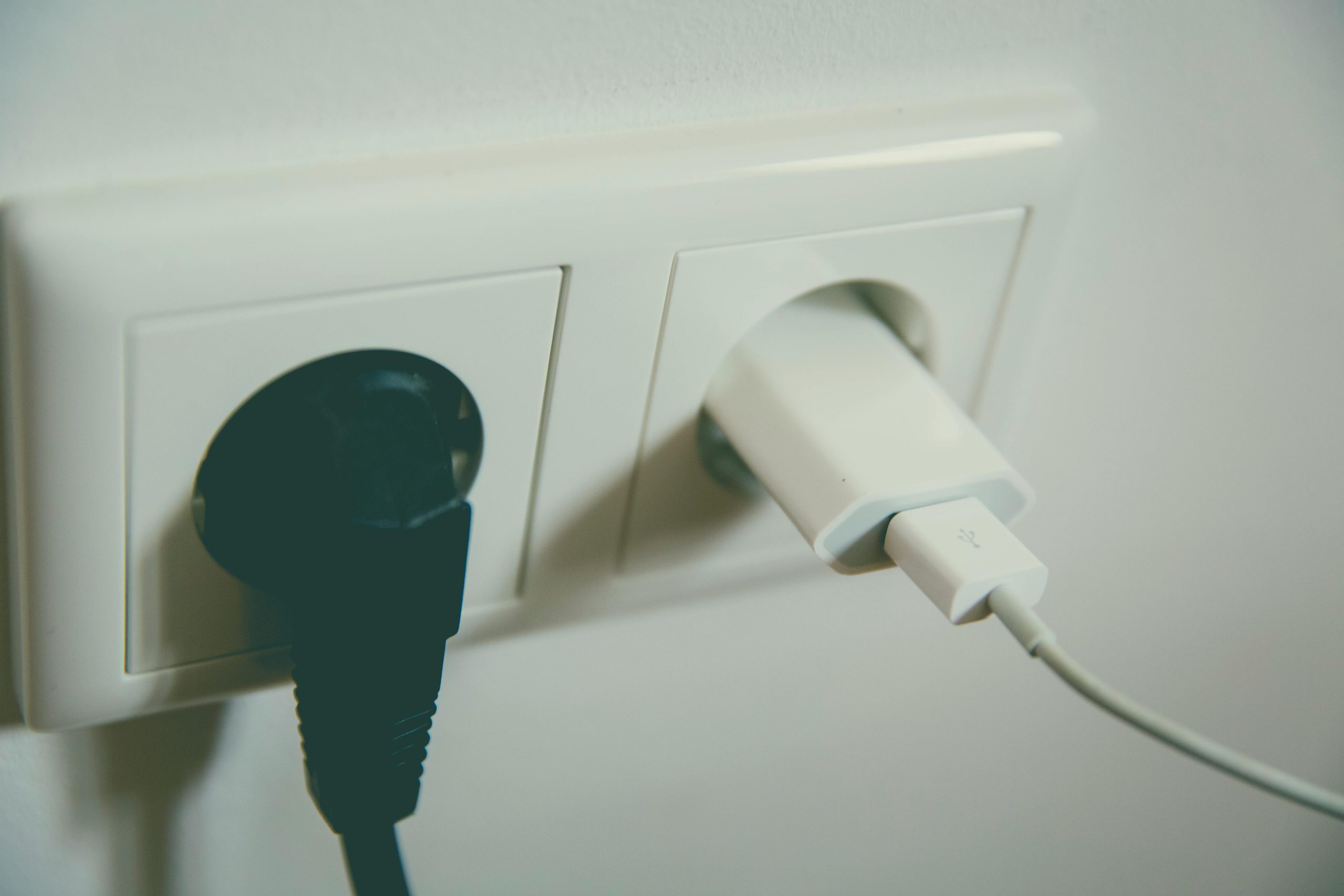
Most people unplug their laptops and phone chargers before a trip without thinking twice, but the collection of small appliances quietly drawing standby power throughout the rest of the house rarely receives the same attention. The Lawrence Berkeley National Laboratory estimates that standby power consumption from idle electronics and appliances accounts for approximately 10% of a typical household’s annual electricity bill, costing the average American home around $100 per year in electricity drawn while devices sit doing nothing. Beyond cost, appliances left plugged in during extended absences carry a measurable fire risk. The Consumer Product Safety Commission documents roughly 5,300 appliance-related home fires annually, with toasters, coffee makers, and space heaters among the most frequent contributors when left connected during prolonged unoccupied periods. A power strip with a single switched off point covering the kitchen counter area eliminates multiple risks simultaneously. Televisions, gaming consoles, and desktop computers in standby mode draw between 1 and 20 watts each continuously. A deliberate circuit-by-circuit walkthrough before leaving, covering every room rather than just the most obvious areas, takes under five minutes and eliminates both the fire risk and the ongoing phantom power cost entirely.
5. Water Supply Valves
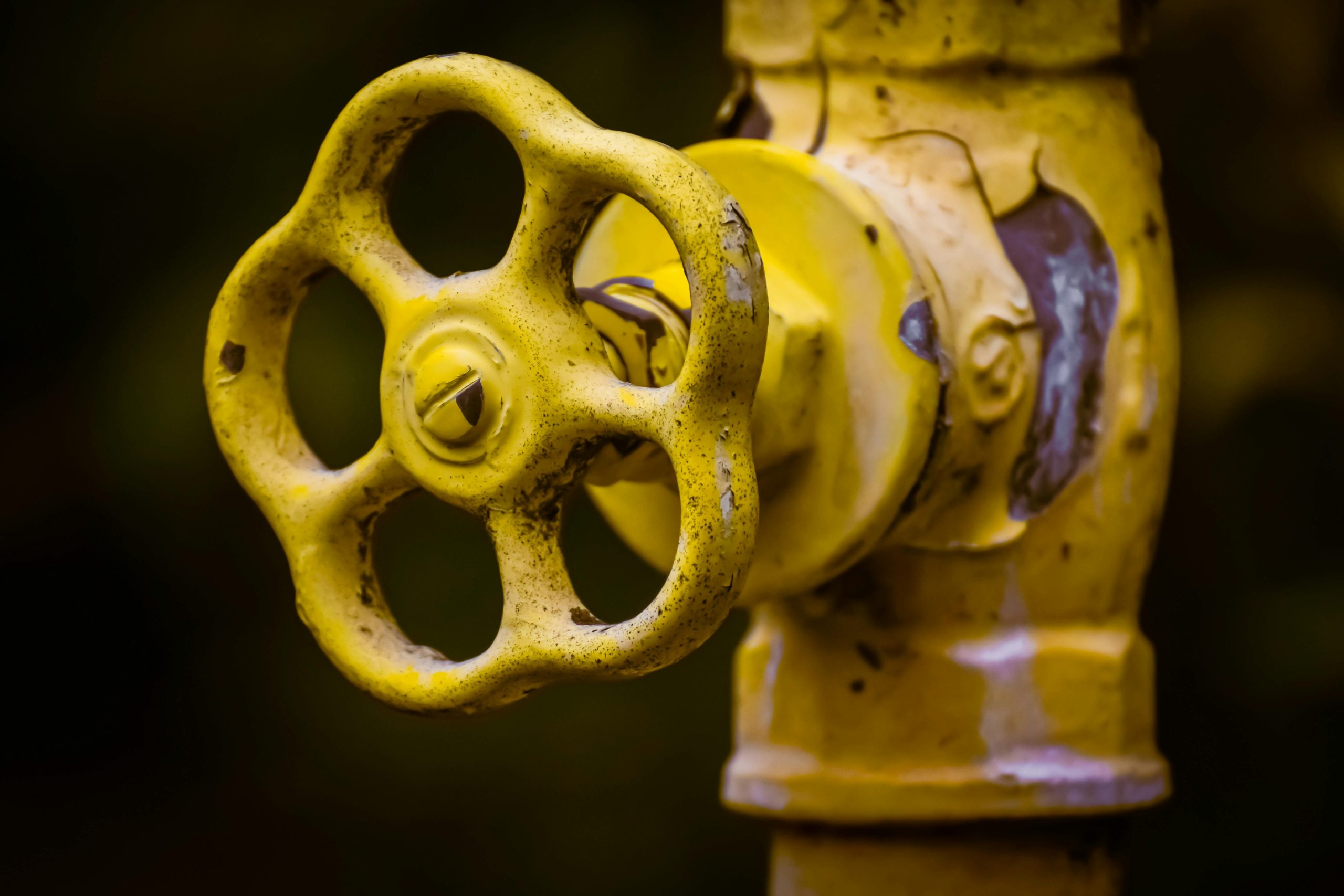
Water damage is among the most expensive and disruptive household disasters a homeowner can face, and a significant portion of incidents occur while properties sit unoccupied. The Insurance Information Institute ranks water damage and freezing as the second most common homeowners insurance claim category, with average claim costs reaching approximately $11,650 per incident. A washing machine supply hose that has been under pressure for years can fail without warning, flooding an entire floor within hours. Dishwasher connections, refrigerator ice maker lines, and bathroom supply valves carry similar failure potential. Shutting off the main water supply valve before any absence longer than 24 hours eliminates virtually all of this risk in a single action that takes under 30 seconds. For homeowners unfamiliar with their main shutoff location, it is typically found where the water line enters the house through the foundation or utility room. Knowing this location before an emergency rather than during one is equally important. Whole-home water shutoff devices that activate automatically when leak sensors detect moisture are increasingly affordable, starting around $200, and provide protection even during short unplanned absences when manually shutting off the supply is not practical or remembered.
6. Security System Activation
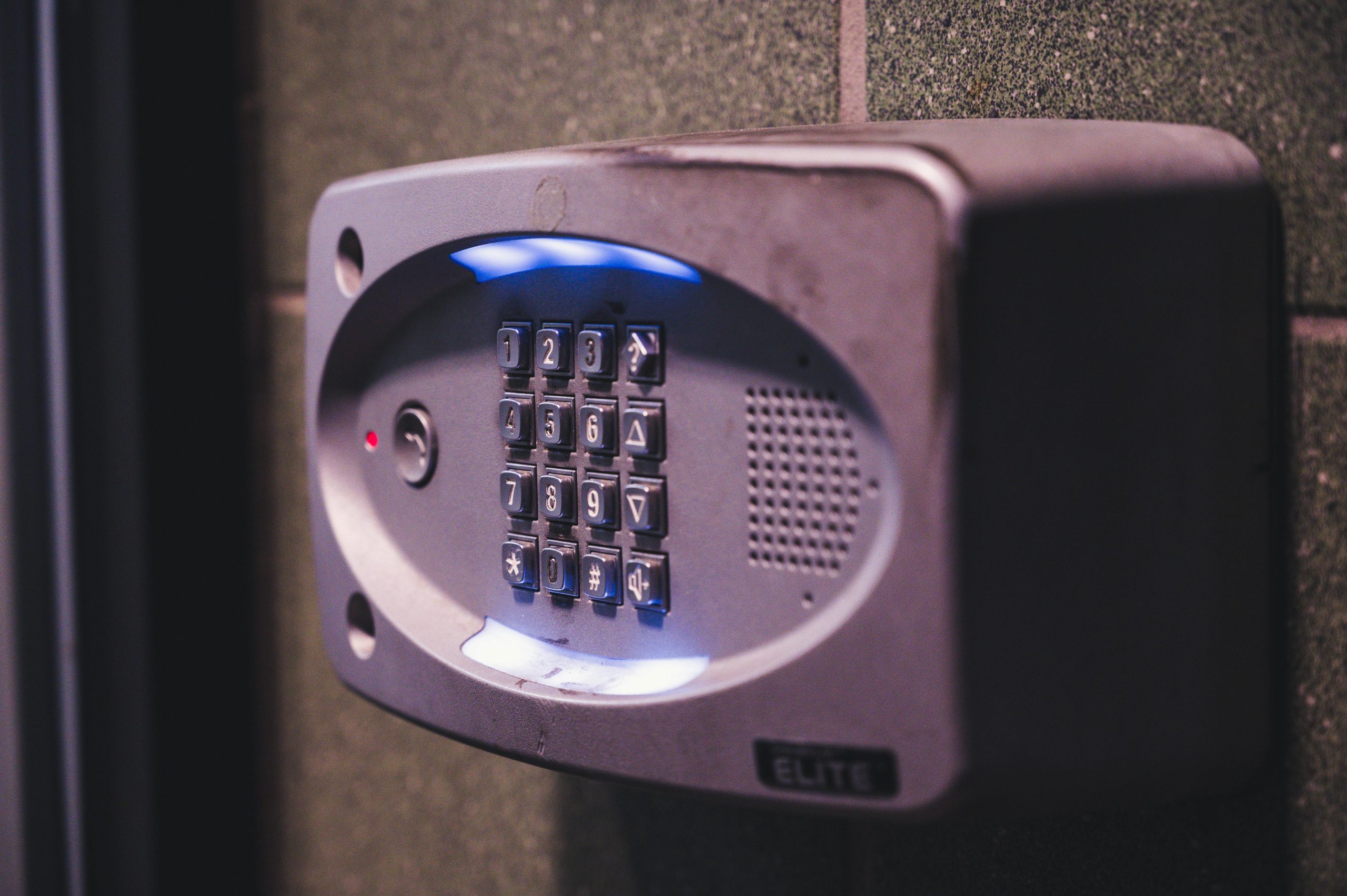
Owning a home security system and forgetting to arm it before leaving is more common than security companies publicly acknowledge, and it eliminates the primary benefit the system exists to provide. A study by the University of North Carolina at Charlotte found that approximately 60% of convicted burglars actively considered the presence of a security system before selecting a target, and 83% said they would abandon a burglary attempt if an alarm activated during entry. Those statistics only apply when the system is actually armed. Many households with monitored systems arm them inconsistently, relying on habit rather than a deliberate pre-departure confirmation. Motion sensors require doors to be fully closed before arming to prevent immediate false triggers. Window sensors need to be confirmed closed in every zone before the system accepts a full arm command. Smart security platforms now send push notifications confirming armed status and alert owners if the system has been left unarmed for longer than a set duration. Taking thirty seconds to confirm the keypad reads armed, checking the app confirmation, and noting your exit delay countdown before walking away transforms a passive security investment into an actively functioning layer of genuine protection every single time you leave.
7. Pet and Plant Care Arrangements
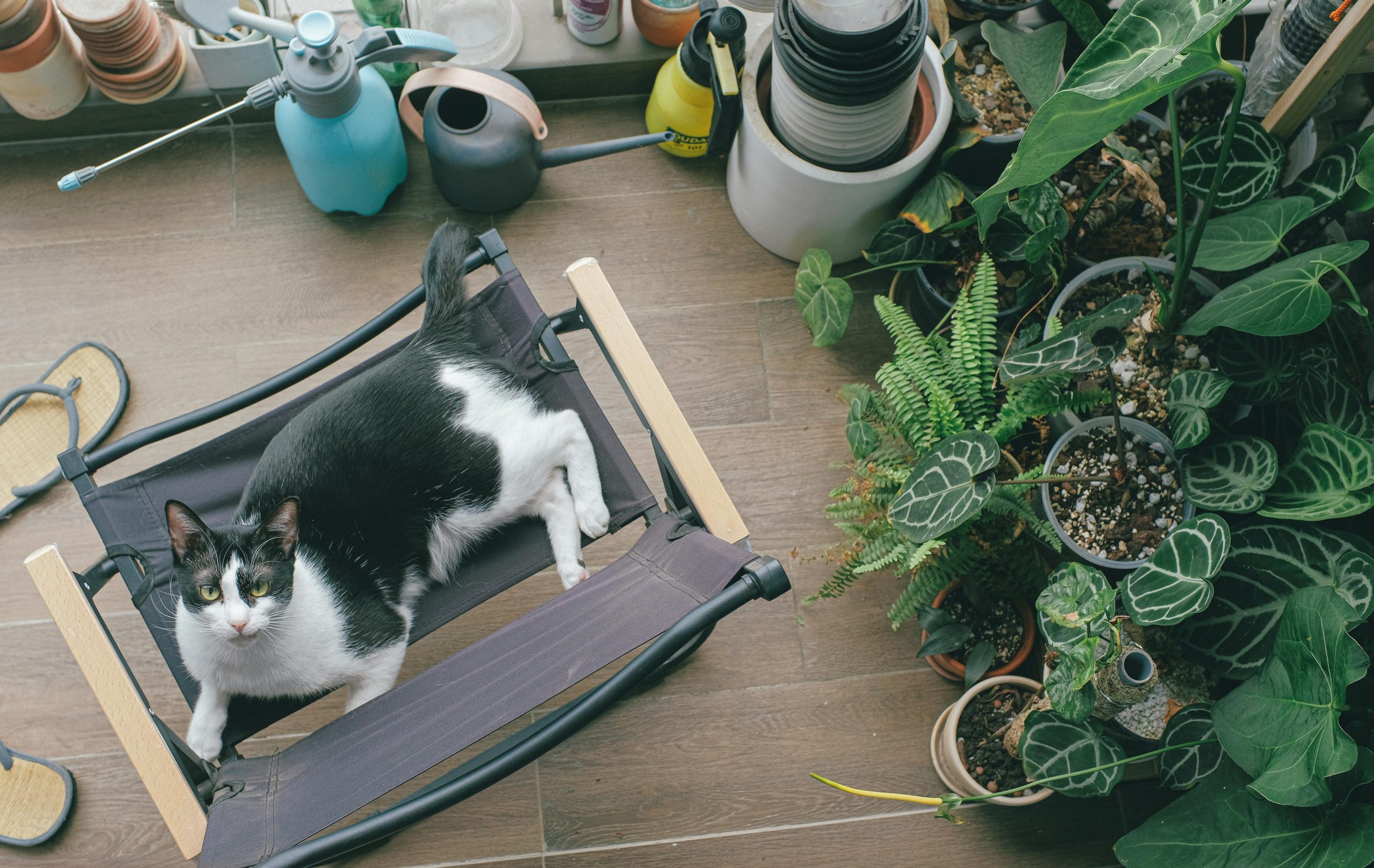
Animals and plants occupy a category of pre-departure oversight that carries real welfare consequences rather than just financial or inconvenience costs. The American Society for the Prevention of Cruelty to Animals estimates that tens of thousands of pet-related emergency veterinary visits annually involve situations where owners left insufficient food, water, or climate control arrangements during absences. A medium-sized dog requires between 1 and 2.5 cups of dry food per day, depending on weight, and water bowls empty faster than most owners anticipate in warm conditions. Automatic feeders and water dispensers provide reliable coverage for absences up to 5 days for cats and some dog breeds, though dogs generally require human check-in at least every 24 hours for exercise and welfare reasons. Plants are frequently forgotten entirely in departure preparations. Most common houseplants survive 7 to 10 days without watering using self-watering spikes or bottom-watering reservoirs, but tropical varieties and herbs may show stress within 3 to 4 days in heated or air-conditioned environments. Confirming that a trusted person has explicit written instructions covering feeding schedules, medication timing, emergency vet contact information, and access arrangements reduces the risk of welfare failures that owners typically feel deeply responsible for upon returning home.
8. Important Documents and Valuables
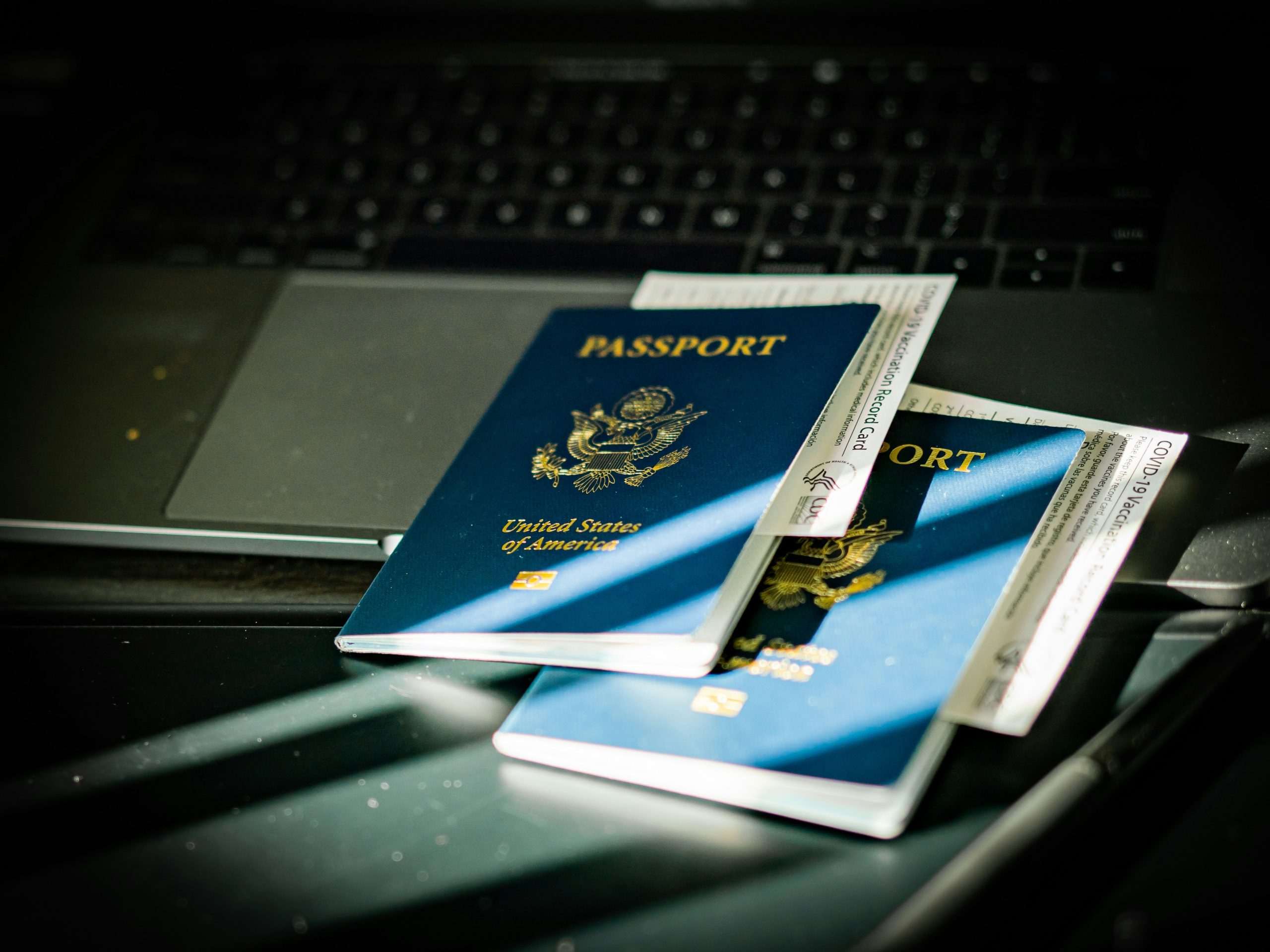
Leaving critical documents and valuables unsecured before an extended absence creates a vulnerability that burglars specifically target when they have time to search a property methodically rather than grabbing opportunistically. Passports, birth certificates, social security cards, and property deeds are among the most valuable items a thief can take because their replacement process is lengthy, expensive, and personally disruptive. The Federal Trade Commission reports that identity theft affected approximately 1.4 million Americans in 2022, with physical document theft remaining a significant contributor. A fireproof and waterproof home safe rated for at least 1 hour of fire exposure at 1,200 degrees Fahrenheit provides meaningful protection for documents that cannot be replaced quickly. Jewellery, spare cash, and external hard drives containing personal data should be stored alongside documents rather than left in easily found locations like bedroom drawers, which remain among the first places experienced burglars check. For truly irreplaceable items, a bank safety deposit box costing between $20 and $100 annually provides a level of security no home safe fully replicates. Photographing or scanning critical documents and storing digital copies in encrypted cloud storage ensures access even if physical copies are lost, stolen, or destroyed during an absence.
9. Garbage and Perishable Food
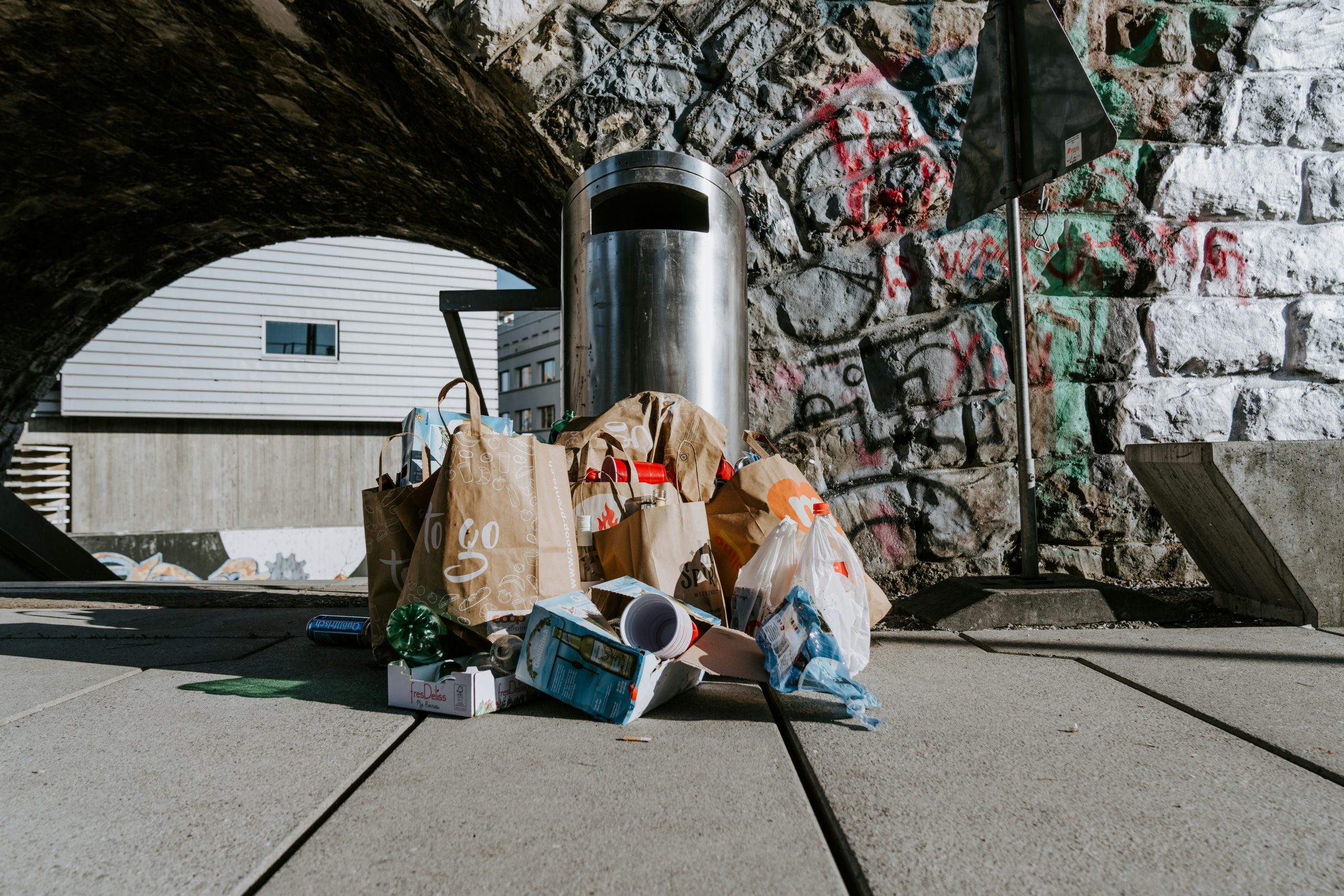
Nothing announces an empty home to neighbours, delivery drivers, and observant strangers quite like overflowing garbage bins sitting at the curb days after collection day has passed. Beyond the social signal, perishable food left in a kitchen during an extended absence creates a genuinely unpleasant return experience and potential health hazard. The USDA estimates that the average American household discards approximately 30 to 40% of its food supply annually, and a significant portion of that waste occurs during unplanned or poorly prepared absences when refrigerator contents are forgotten. Dairy products, raw meat, and cooked leftovers begin bacterial growth at accelerating rates above 40 degrees Fahrenheit, and a power outage during a one-week absence can render an entire refrigerator’s contents unsafe. Conducting a dedicated refrigerator audit 48 hours before departure allows time to consume, freeze, or discard perishables systematically rather than in a rushed final hour. Outdoor bins should be stored out of street view after collection to avoid the empty-house signal. Indoor bins containing organic waste should be emptied before departure rather than left sealed, since even sealed containers allow odour and bacterial development over multiple days in a warm home environment that becomes noticeably unpleasant the moment you open the front door upon returning.