Two people can shop for the same rifle and arrive at completely different priorities. Where they live, how often they shoot, and what they expect the gun to do all influence the buying process. This gallery breaks down nine practical ways rural hunters and suburban shooters often approach the same decision from very different angles.
Purpose Comes First
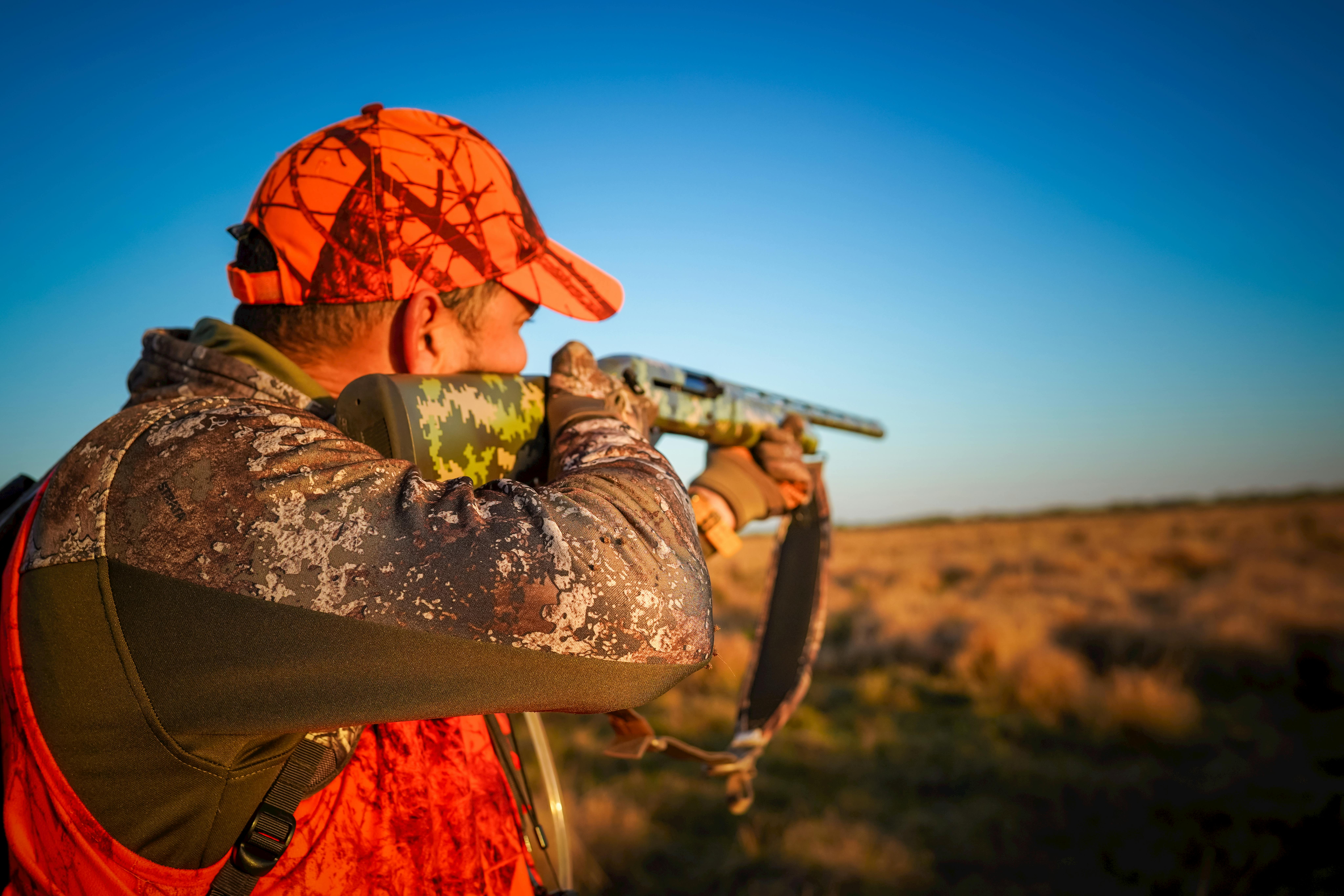
Rural hunters usually start with a specific job in mind. They are thinking about deer season, coyote control, feral hogs, or a rifle that can ride in a truck and still perform when the weather turns rough. The purchase tends to begin with use, not curiosity.
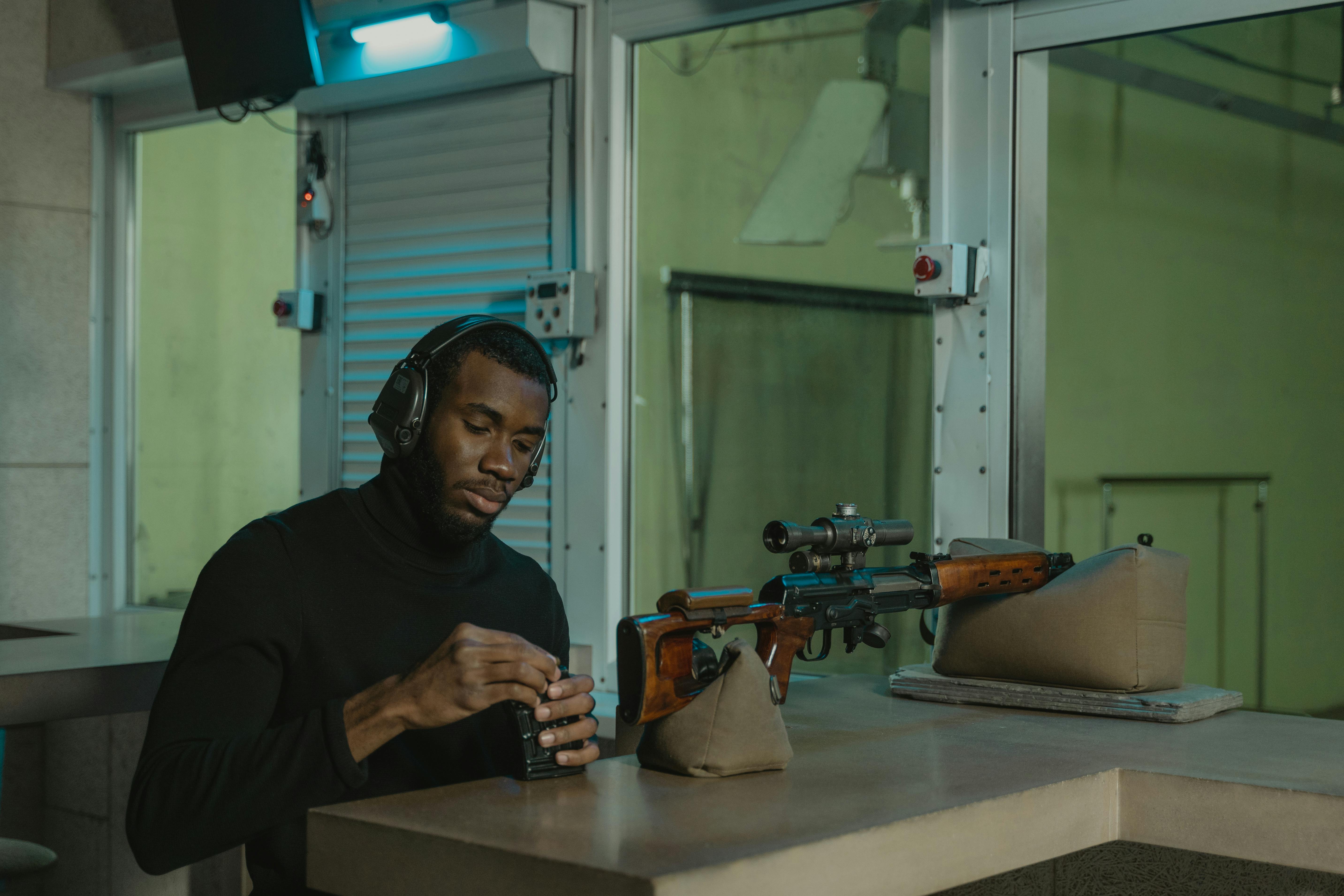
Suburban shooters often begin from a different place. They may be looking for something versatile for range sessions, skills practice, or recreational precision shooting. That does not make the choice less serious, but it often means the rifle is evaluated as part of a hobby lifestyle rather than as a field tool tied to the calendar.
Distance to the Store Changes the Math
For many rural buyers, getting to a gun shop is not always a quick errand. If the nearest well-stocked dealer is an hour away, every trip matters. That often creates a more decisive shopping style, with buyers doing their homework ahead of time and favoring proven options they can trust.
Suburban shoppers usually have easier access to multiple stores, bigger chains, and indoor ranges with retail counters. That convenience encourages more browsing, more side-by-side comparisons, and sometimes more willingness to wait for a sale or special order. Shopping becomes less of a one-shot trip and more of an ongoing process.
Durability Often Beats Features

Rural hunters tend to care deeply about whether a rifle can handle mud, dust, rain, and a rough ride in the cab or on an ATV. A synthetic stock, a weather-resistant finish, and a reputation for feeding reliably may matter more than flashy extras. The rifle has to work when the moment arrives.
Suburban shooters often have more room to prioritize refinement. Adjustable stocks, better triggers, optics-ready rails, and modular accessories can feel more important when the rifle will spend more time on a bench or at a managed range. In that setting, convenience and customization may carry extra weight alongside reliability.
Caliber Choices Reflect the Landscape
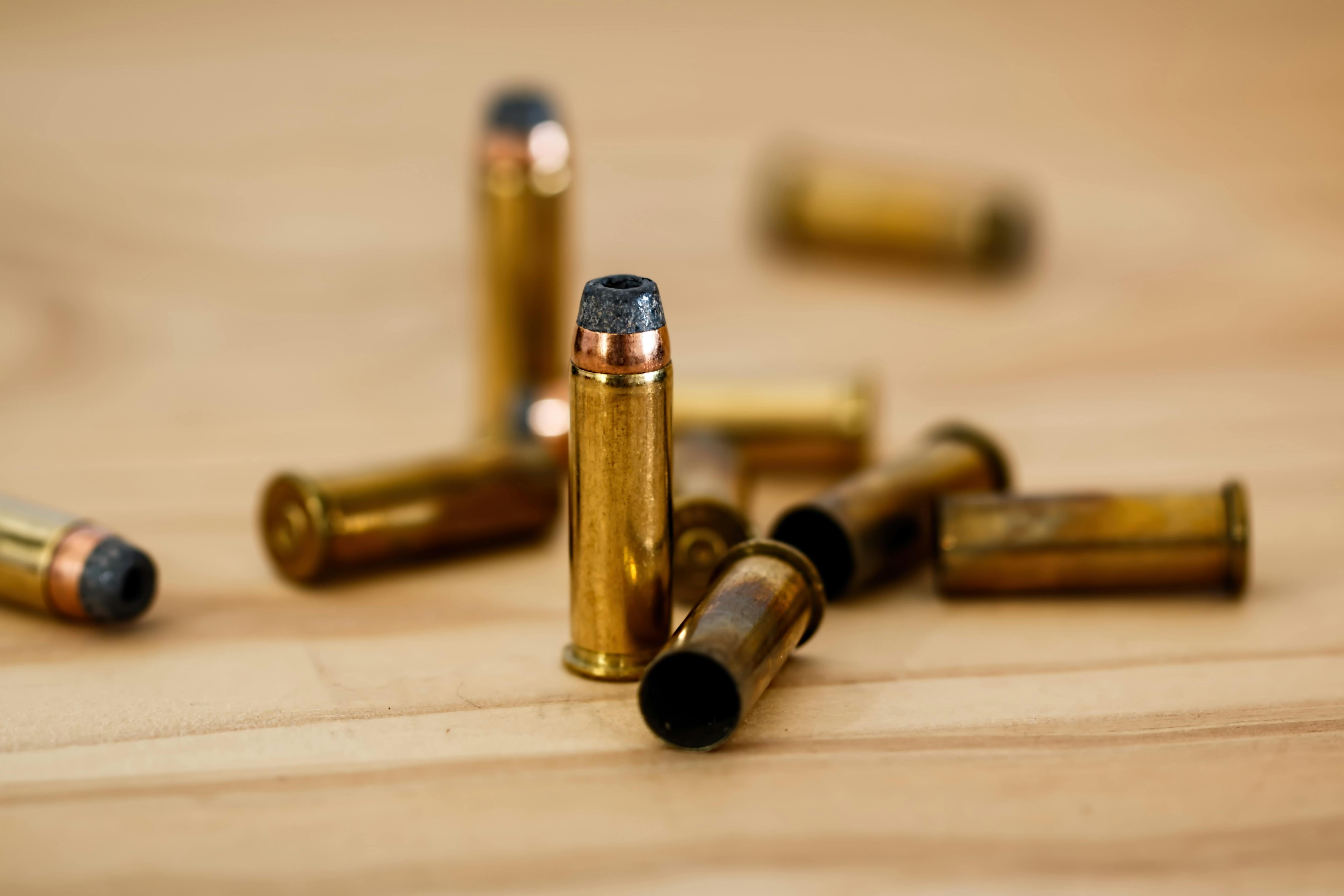
In rural areas, caliber is often picked with local terrain and game in mind. A hunter in open farm country may lean toward a flatter-shooting round, while someone in thick woods may choose a cartridge that performs well at shorter ranges. The environment quietly shapes the decision before the shopper ever reaches the counter.
Suburban shooters may think more about ammo cost, recoil, and range availability. If the local facility has distance limits or if frequent practice is the goal, affordable and easy-to-find calibers become more appealing. The cartridge is not just about effectiveness, but about how often the buyer can realistically train with it.
Weight Matters in Different Ways
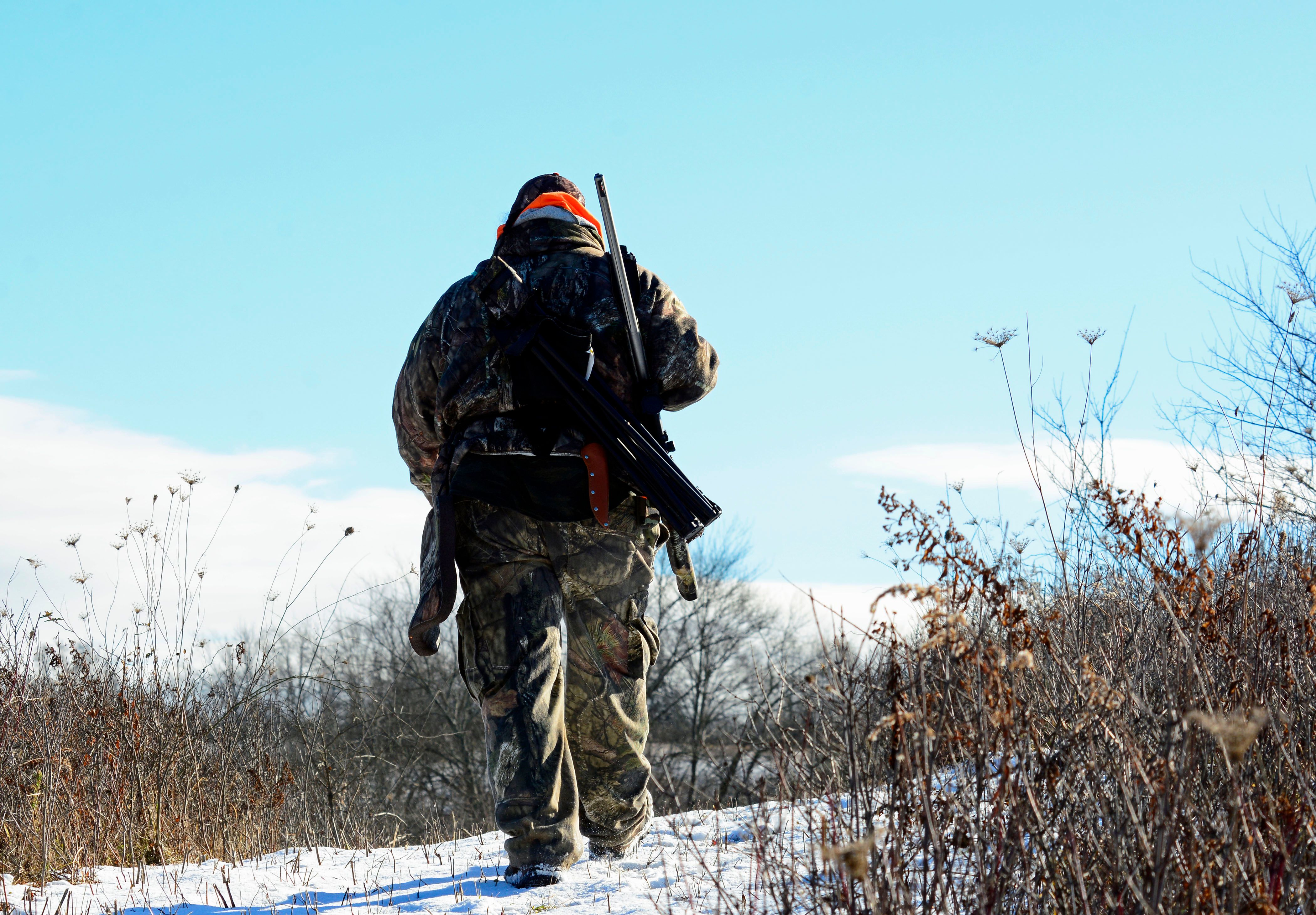
For rural hunters, rifle weight can become a real issue after a long walk, a climb into a stand, or an entire day covering uneven ground. A heavier barrel may sound appealing at the counter, but it can lose some charm after miles in the field. Many hunters quickly learn that ounces matter.
Suburban shooters often feel weight differently. At the range, a heavier rifle can mean steadier shooting, softer recoil, and a more planted feel from the bench. What feels burdensome in the woods may feel premium and confidence-building on a controlled firing line.
Optics Are Part of the Decision Earlier
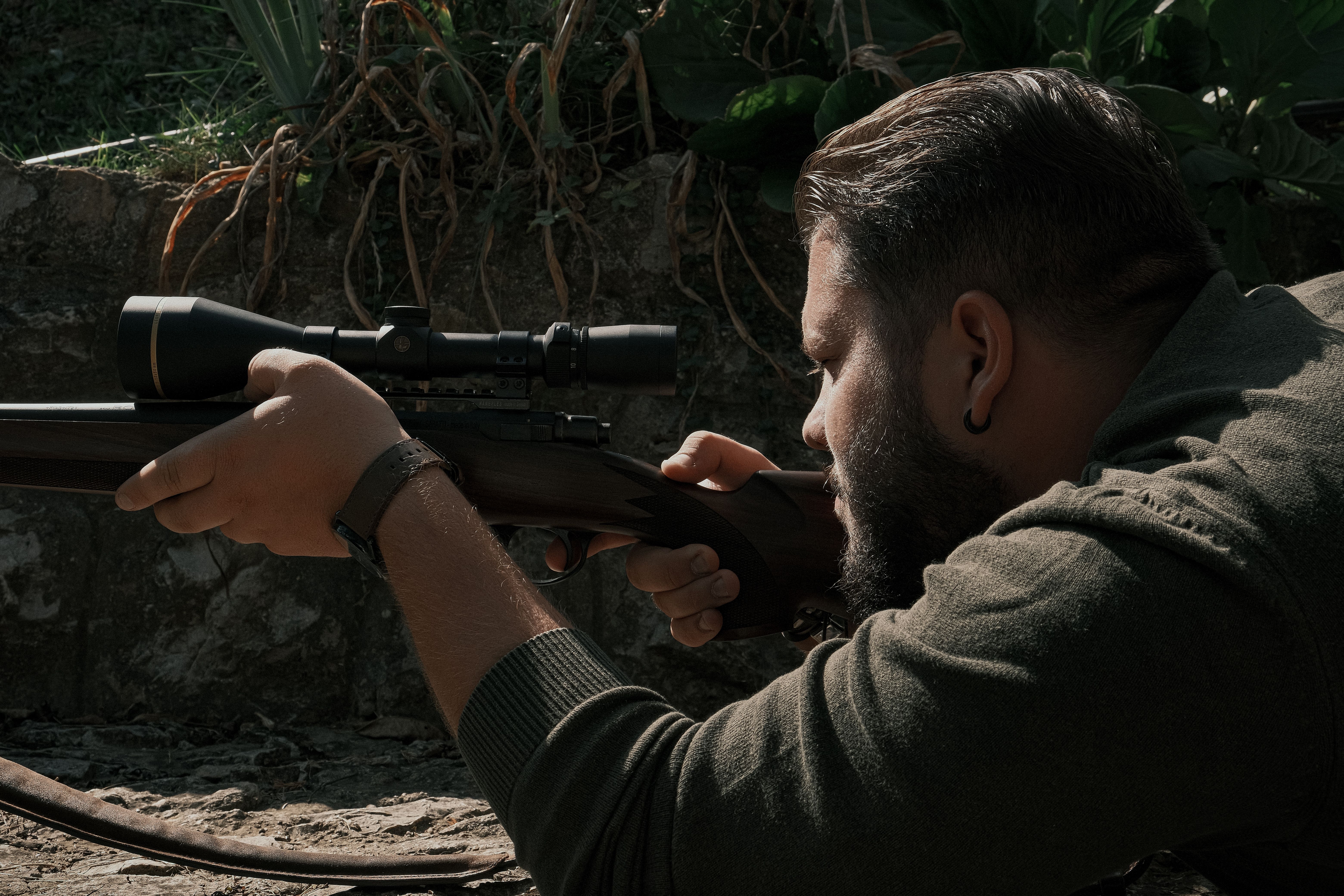
Rural hunters often shop for the rifle and the scope as a single package, even if they buy them separately. Low-light performance, simple reticles, and dependable zero retention matter because the setup may be used at first light, last light, and in changing weather. The optic is part of the rifle’s usefulness, not an afterthought.
Suburban shooters may approach optics with more experimentation in mind. They might swap between magnified scopes, red dots, and training setups depending on the range session. That can make the rifle’s mounting options and accessory compatibility more important at the buying stage.
Advice Comes From Different Circles
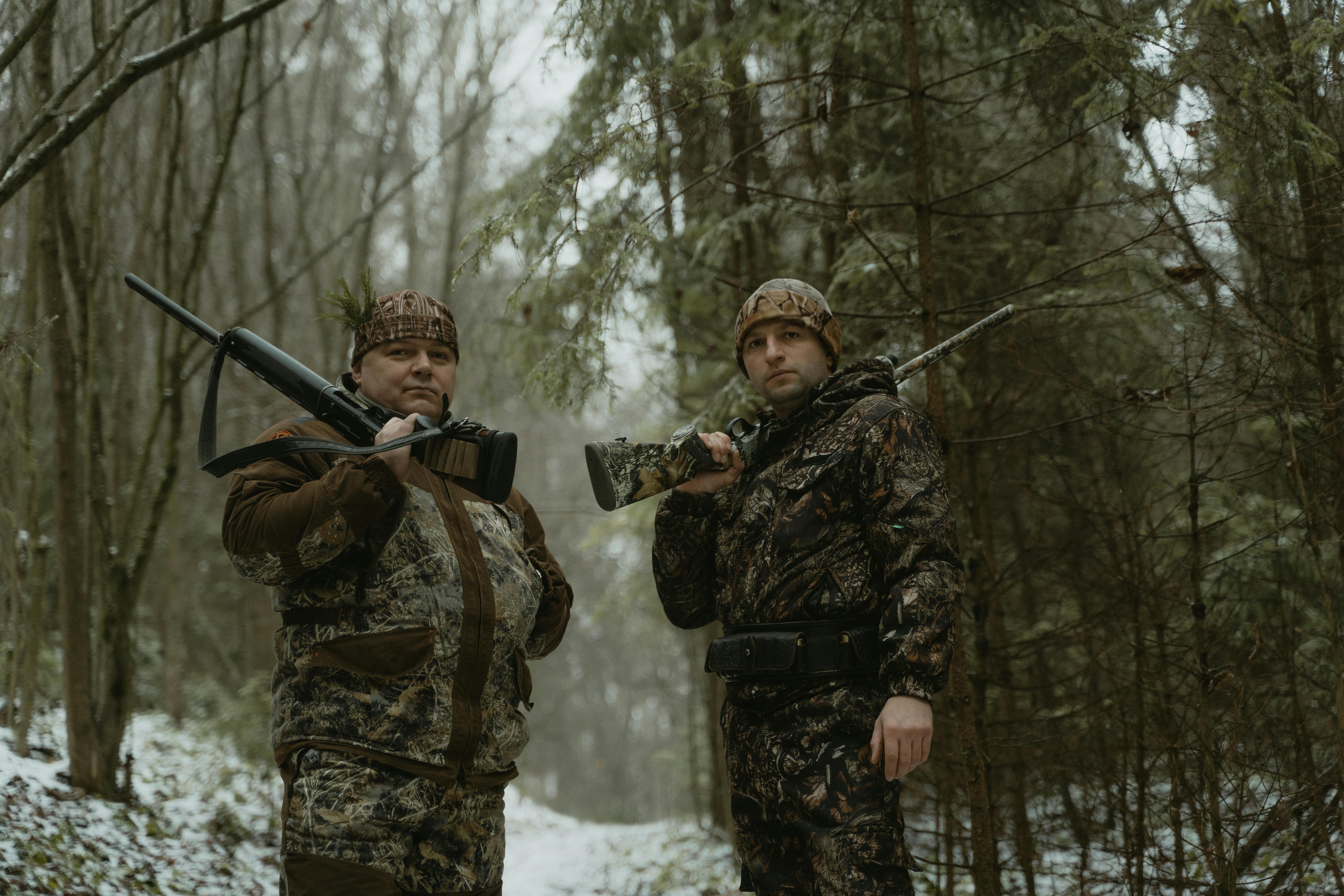
Rural hunters often rely on recommendations passed through family, neighbors, hunting partners, and local shop owners who know the land and seasons firsthand. That kind of advice tends to be practical, plainspoken, and rooted in years of seeing what actually works when conditions are less than perfect.
Suburban shooters may pull from a wider mix of sources, including range staff, online reviews, competitive shooters, and video personalities. The information stream can be broader and more technical, but also more crowded. As a result, the buying process may involve sorting through more opinions before settling on one rifle.
Budget Includes More Than the Rifle
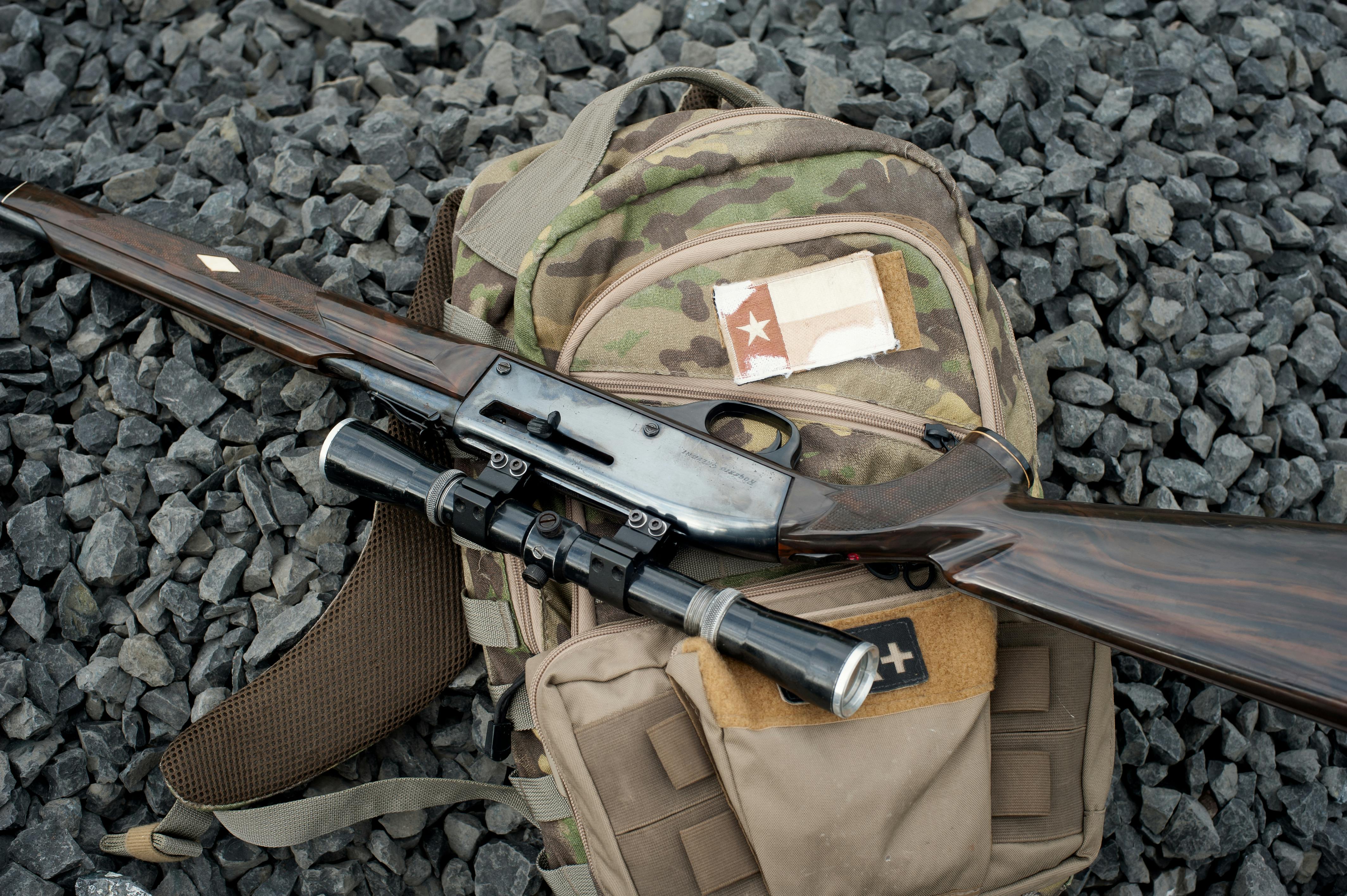
Rural buyers often think in terms of a complete, durable setup that will not need constant upgrading. The rifle, sling, optic, rings, and a few boxes of hunting ammo may all be part of the initial calculation. A dependable package usually matters more than chasing the newest trend.
Suburban shooters are sometimes more open to building over time. They may buy the rifle first, then improve the optic, bipod, trigger, or stock later as preferences develop. That approach spreads out the cost and fits a hobbyist mindset where the platform can evolve with experience.
Maintenance Expectations Are Not the Same

A rural hunter may prefer a rifle that can go from truck to field to gun safe without demanding fussy maintenance. Easy cleaning, corrosion resistance, and straightforward operation are reassuring when the firearm may be used in dirt, cold, or wet conditions. Simplicity has real value when time is limited and the season is moving.
Suburban shooters often have more controlled storage and cleaner range conditions, which can make them more comfortable with rifles that reward regular tuning or careful upkeep. They may even enjoy the maintenance routine as part of ownership, especially if precision performance is a major part of the appeal.
The Best Rifle Means Different Things

For a rural hunter, the best rifle is often the one that shows up every season, shoots true, and never gives cause for doubt when game steps out. It earns trust through repetition, reliability, and usefulness. Prestige matters less than confidence in the field.
For a suburban shooter, the best rifle may be the one that makes practice enjoyable, delivers tight groups, and offers room to grow. It can be a tool, but also a project and a passion. Same category, same purchase, but often two very different definitions of value.