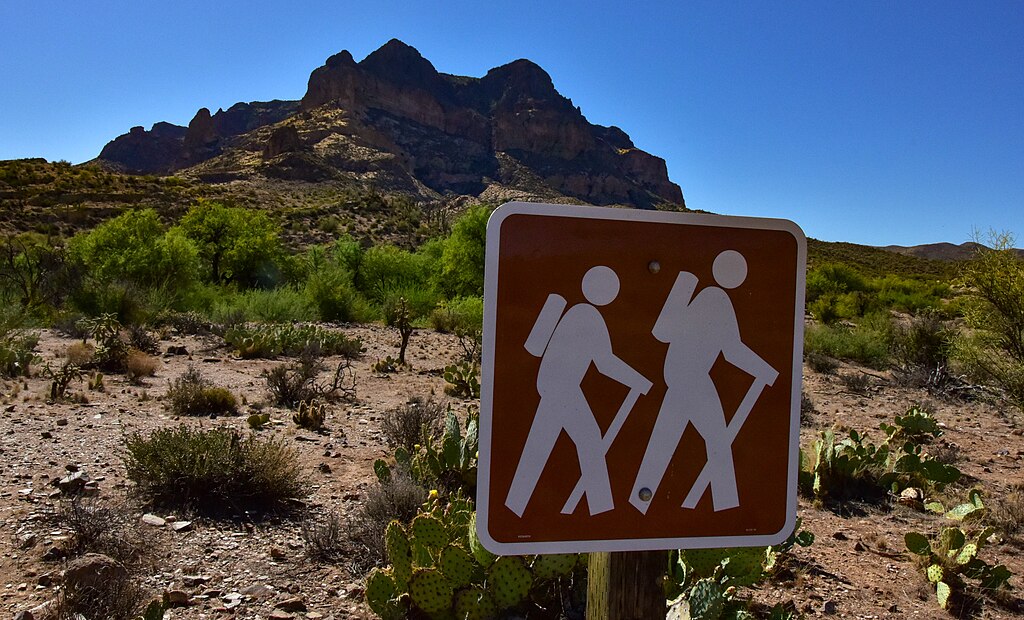
When you’re deep in the wilderness, convenience becomes survival, and every piece of gear must earn its place. A smartwatch isn’t just a gadget out there; it’s a lifeline, provided it has the right features. The best wilderness-ready watches offer functions built to keep you safe, oriented, and constantly aware of your surroundings. These nine features are the ones that truly matter when your adventure takes you far from comfort and closer to nature’s unpredictability.
1. Reliable Offline GPS Tracking
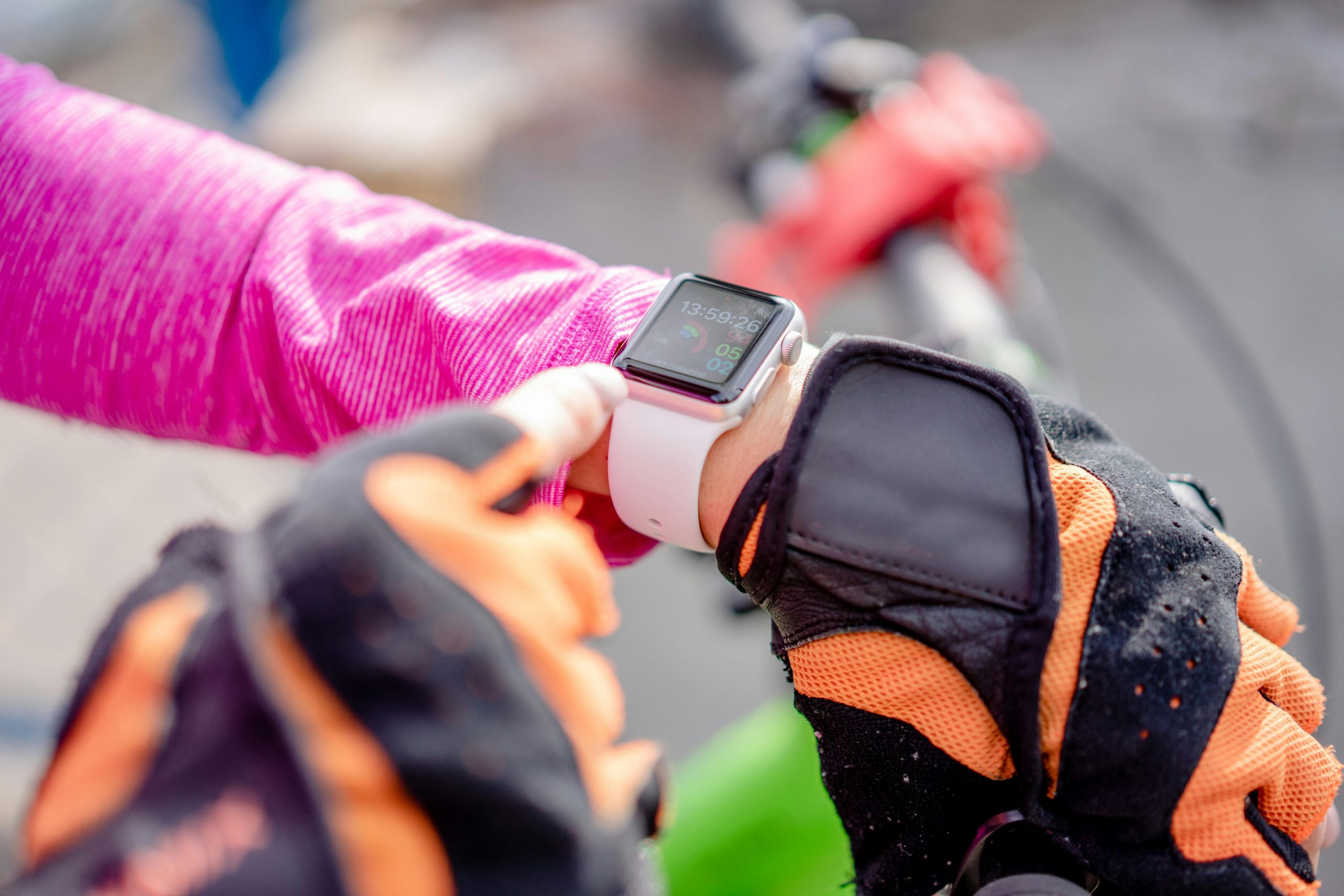
A dependable offline GPS helps you navigate without cell service, letting you mark waypoints, retrace routes, and verify your bearings even in dense forests or remote mountain valleys. It eliminates the risk of getting lost when visibility drops or trails split unexpectedly. The best watches update position frequently, maintain strong satellite locks, and allow offline map downloads. This ensures your navigation remains accurate even when every other device goes silent.
2. Long Battery Life With Power-Saving Modes

Battery life becomes critical in multi-day wilderness trips where charging isn’t guaranteed. Watches designed for outdoor use offer extended modes that preserve essential tracking without draining power too quickly. These modes scale down nonessential functions while keeping GPS, timekeeping, and core sensors active. With the right settings, you can stretch a battery charge through several days, reducing the need for external power banks and letting you stay focused on the terrain ahead.
3. Barometric Altimeter for Weather Awareness
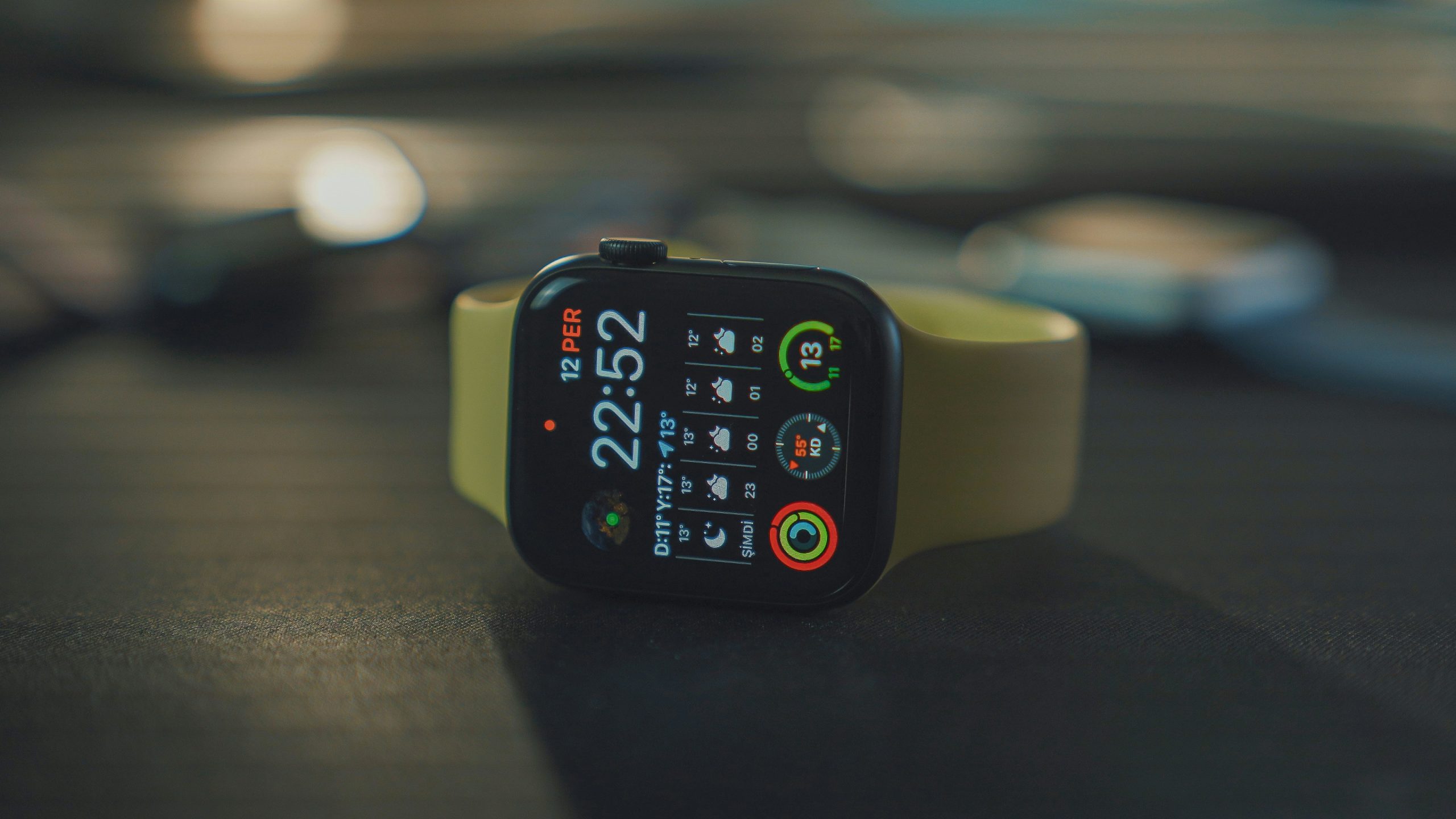
A barometric altimeter helps you track elevation shifts and detect fast-moving weather changes before they become dangerous. Sudden pressure drops often signal incoming storms, giving you time to seek shelter or adjust your route. The feature is especially useful in the mountains, where the weather can turn in minutes. When paired with trend charts and alerts, the altimeter becomes a quiet early-warning system that keeps you one step ahead of nature’s surprises.
4. Rugged, Shockproof, and Waterproof Durability
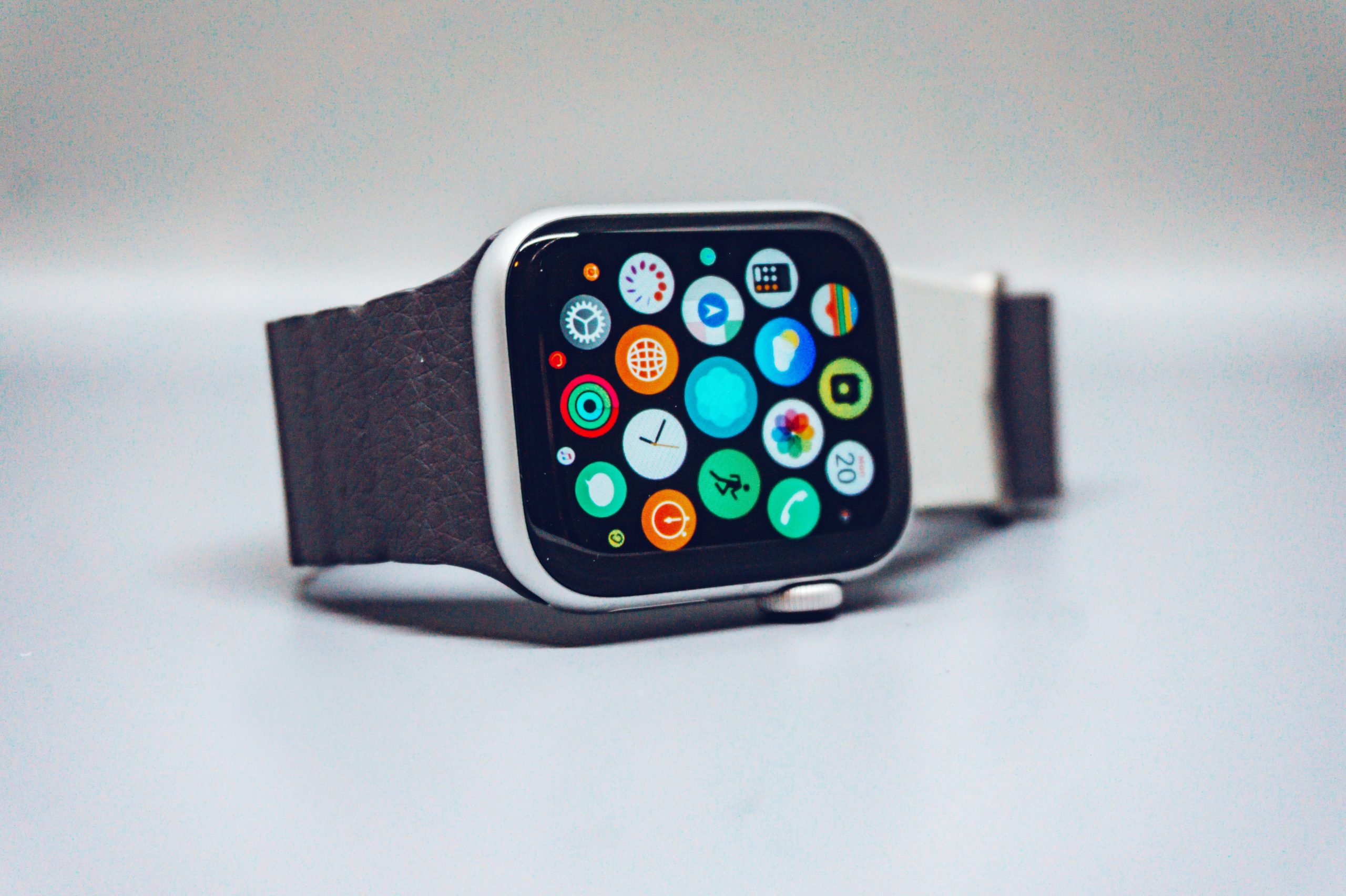
Wilderness travel is tough on gear, so your smartwatch needs a shell that can take abuse without failing. Models built to military-grade standards resist impacts, extreme heat, freezing nights, and heavy rain. Waterproof ratings let you cross streams, fish, or hike in storms without worry. A tough exterior means fewer chances of cracked screens or malfunctioning sensors when you’re miles from help and relying on your watch to guide you home.
5. Emergency SOS and Location Sharing
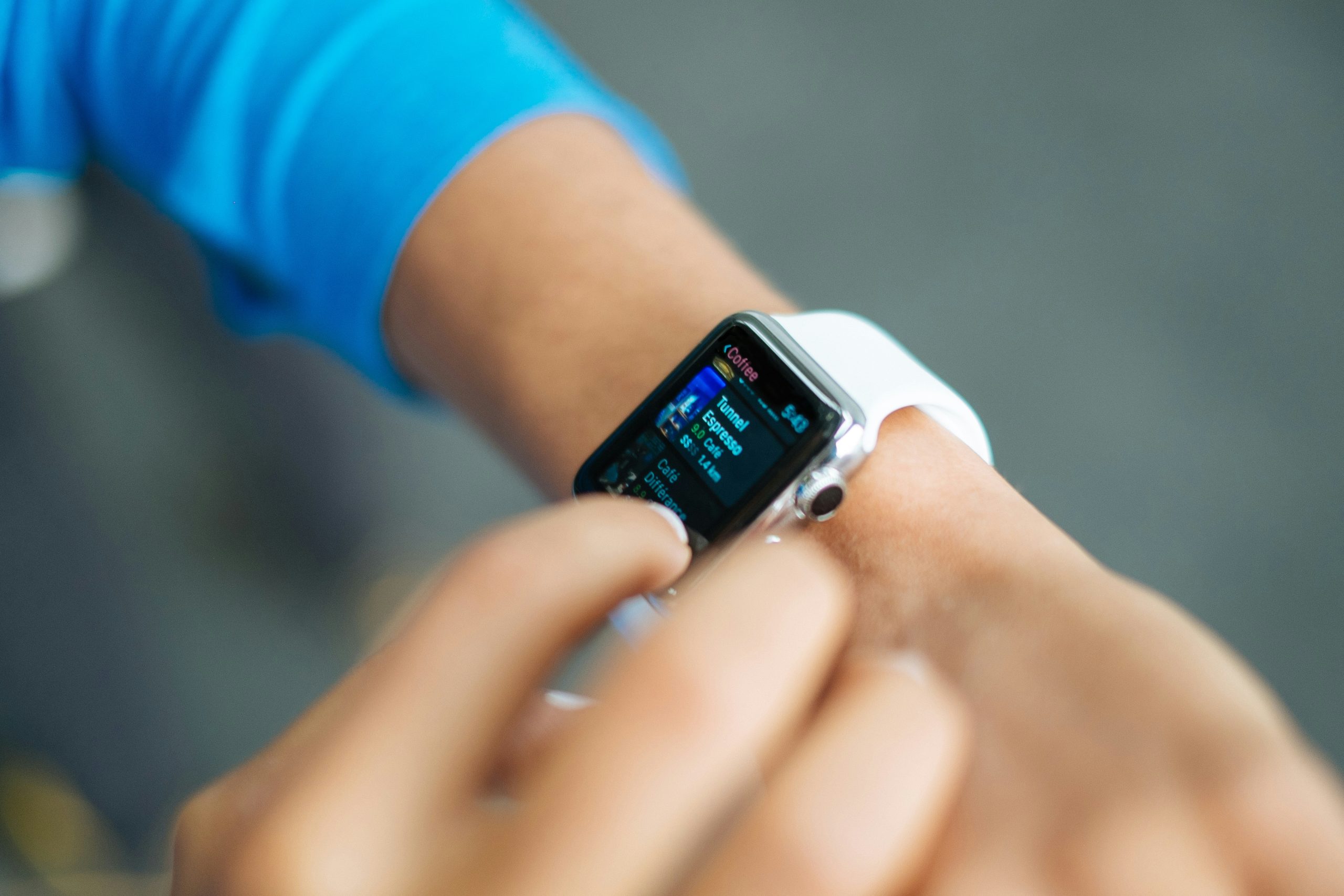
In the backcountry, the ability to send an SOS could save your life when things go wrong. Some watches connect to your phone or satellite device to share your coordinates with emergency services or trusted contacts. This helps responders pinpoint your location even if you’re unable to communicate verbally. Quick-access SOS buttons make activation fast under stress. It’s a safety tool most people hope they’ll never need but are glad to have when they do.
6. Heart Rate and Health Monitoring
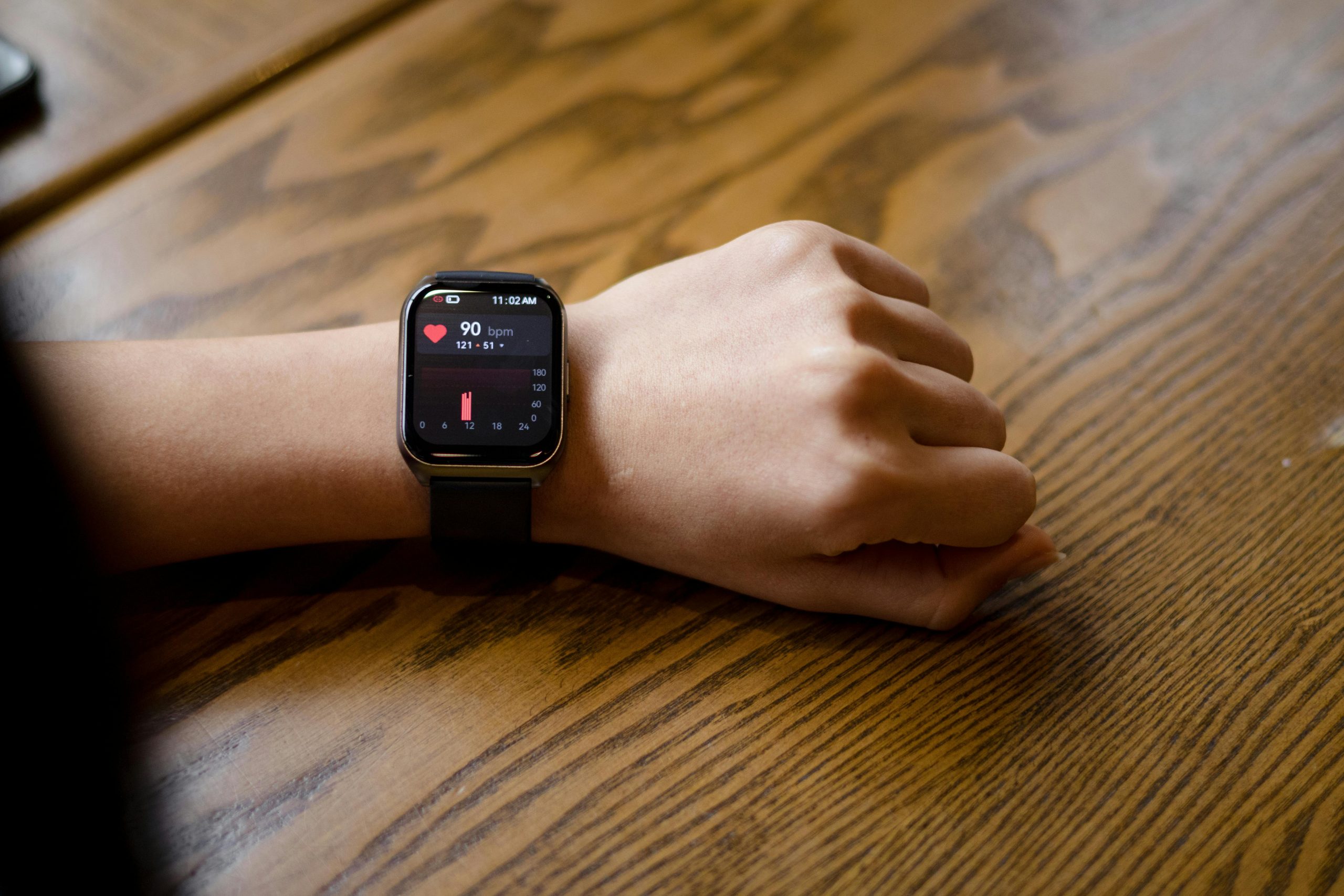
Monitoring your physical condition is essential when you’re pushing through steep climbs, long treks, or extreme temperatures. A wrist-based heart rate sensor helps you avoid overexertion and ensures you stay within safe levels during strenuous activity. Some watches also track blood oxygen saturation, stress levels, and sleep quality. These insights help you adjust your pace, rest when necessary, and maintain your stamina throughout the trip without burning yourself out early.
7. Compass With Multi-Band Accuracy
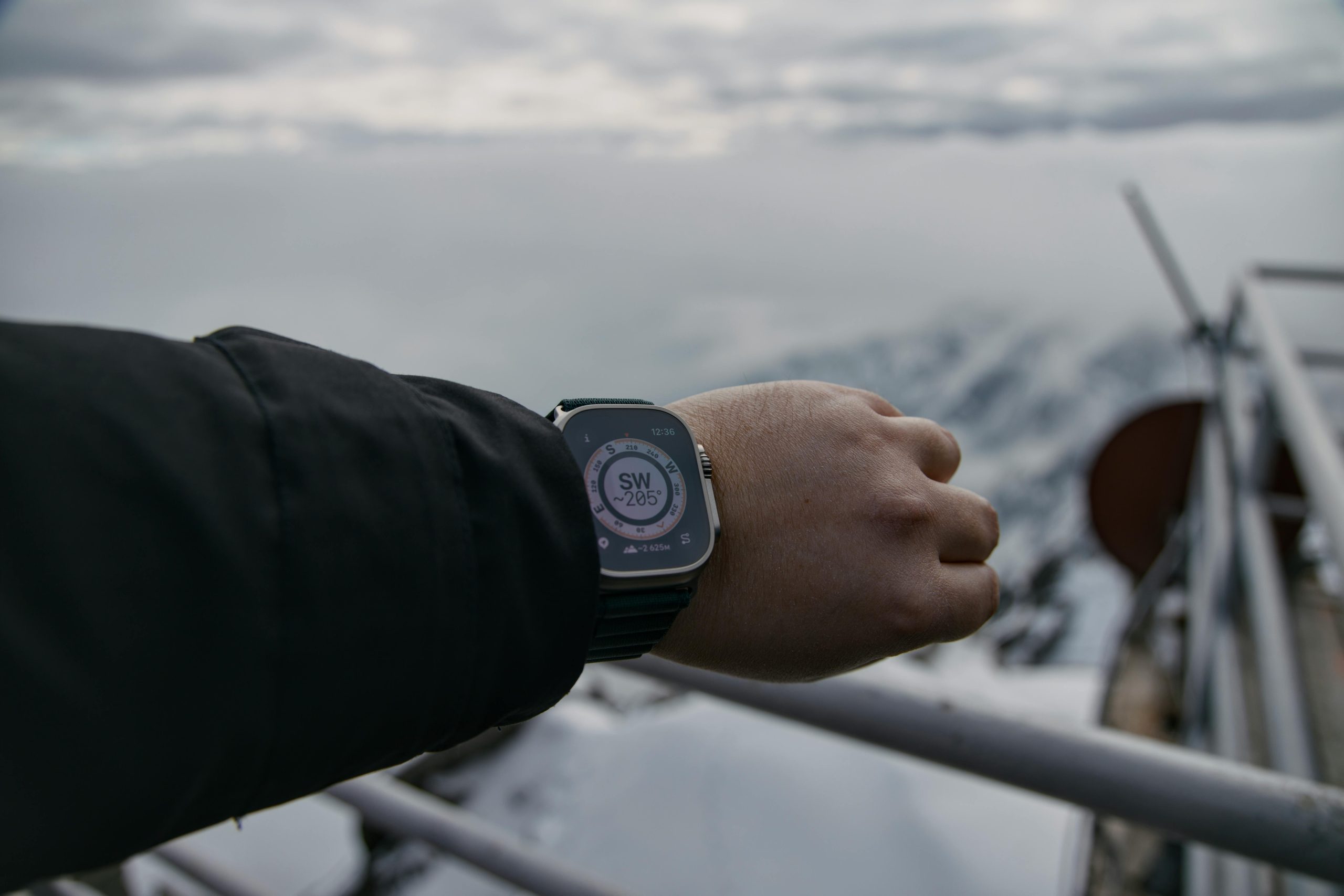
A built-in digital compass provides instant directional awareness without waiting for a GPS lock. Multi-band accuracy improves performance near cliffs, dense trees, and metal-rich terrain where normal compasses can drift. This feature is especially useful when navigating cross-country sections without a visible trail. When paired with map-reading skills, the compass helps you stay oriented in fog, snow, or low light, keeping small navigation mistakes from turning into major detours.
8. Weather Forecasting and Storm Alerts

Smartwatches that pull weather data or generate predictions from sensor input can warn you of approaching storms, rising winds, or sudden temperature drops. Alerts help you make better decisions about when to set up camp, when to push forward, or when to wait things out. Even without internet access, some models analyze barometric trends to estimate conditions. This real-time awareness helps prevent you from getting caught in dangerous weather far from shelter.
9. Glove-Friendly Buttons and Readable Display
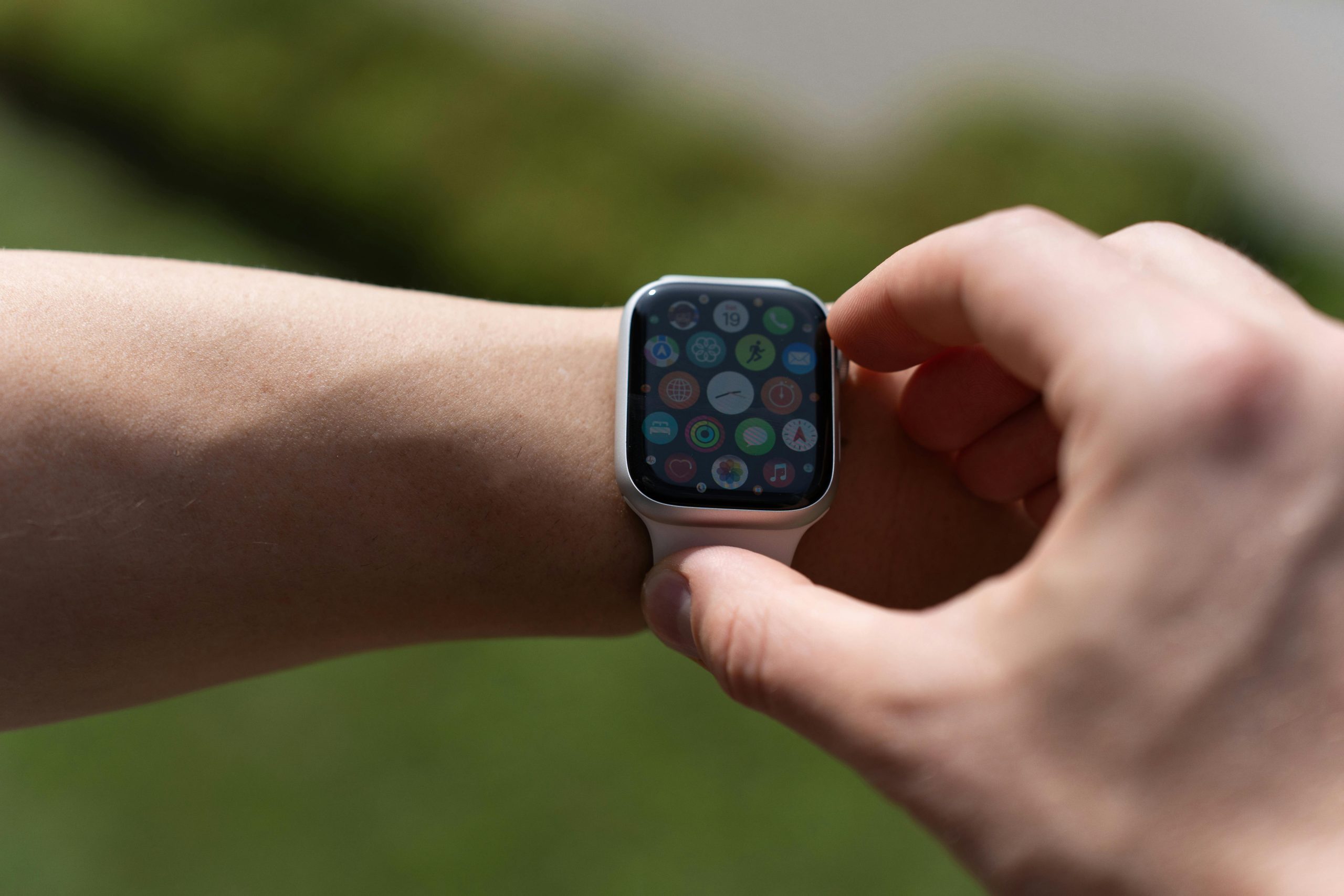
In harsh conditions, touchscreen controls can become nearly useless, especially with wet hands or thick gloves. Wilderness-focused watches include large, tactile buttons that respond instantly regardless of temperature or moisture. A bright, high-contrast display remains readable in direct sunlight as well as nighttime darkness. Together, these features ensure you can operate your watch without fumbling, letting you access crucial information quickly while staying focused on the trail ahead.