For hikers venturing into bear country, carrying bear spray often feels like the ultimate line of defense. While it is indeed one of the most effective deterrents, it is not foolproof in every situation. Many hikers overestimate its reliability and forget that certain conditions can render it almost useless. Recognizing when bear spray may fail is essential for staying safe outdoors. Here are nine critical red flags that every hiker should know before stepping onto the trail.
1. Expired or Damaged Canister
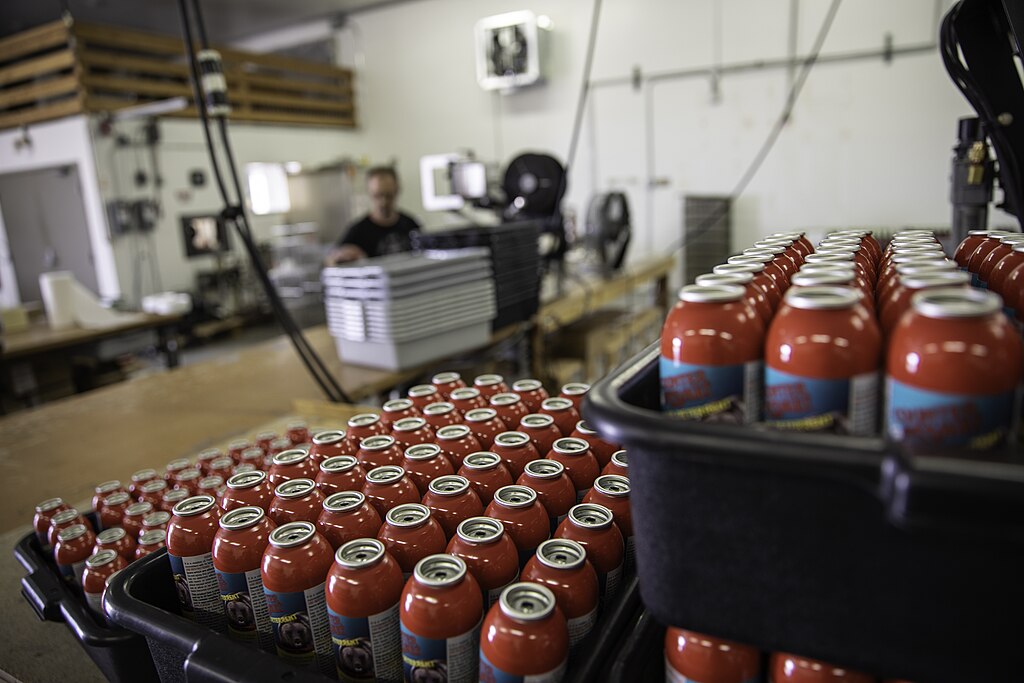
Bear spray has a shelf life, and once it passes the expiration date, its pressure and potency drop drastically. An expired canister may sputter, release weak bursts, or fail to fire at all when you need it most. Similarly, dents, leaks, or cracks can compromise its seal and leave you defenseless. Always check the expiration date before packing it, and store your spray properly to avoid unnecessary risks on the trail.
2. Severe Wind Conditions
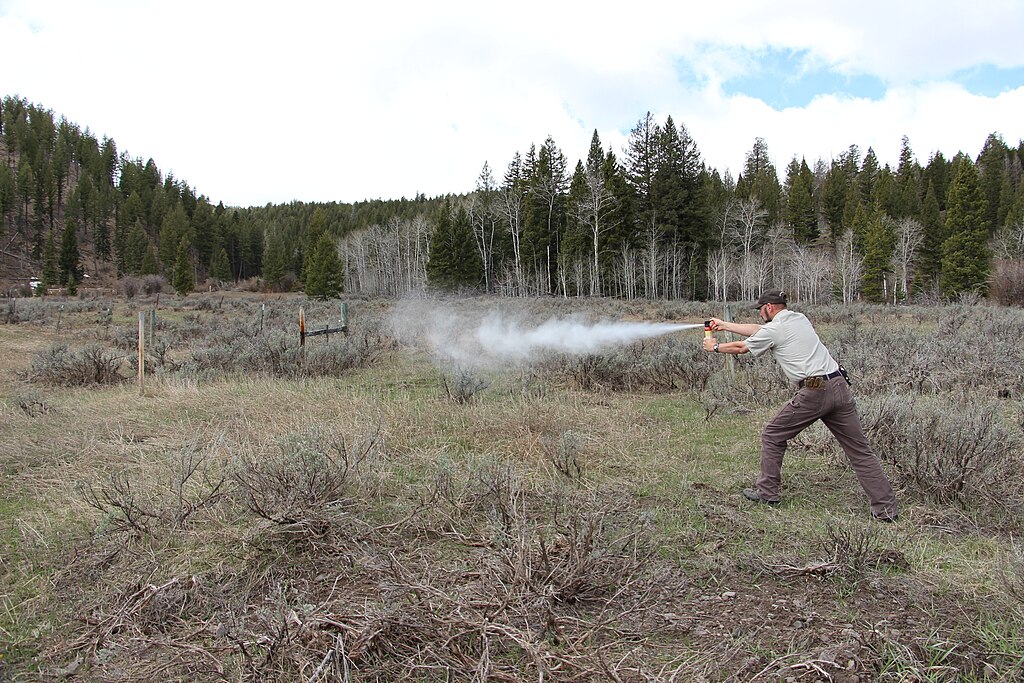
Bear spray is designed to form a protective cloud, but strong winds can completely disrupt its path. In gusty conditions, the mist may blow back toward you or scatter before reaching the bear, reducing its effect. Even moderate wind makes aiming unpredictable, forcing you to rely on luck instead of precision. On windy days, hikers must be extra cautious, using noise or visibility to avoid surprise encounters.
3. Extremely Close Encounters

The recommended spray range is 20 to 30 feet, which gives time for the cloud to spread. If a bear charges from only a few feet away, you may not even have a chance to pull the trigger before impact. In such moments, the spray cannot create the necessary barrier. This highlights why prevention, staying alert, making noise, and traveling in groups is as important as carrying bear spray.
4. Empty or Depleted Canister
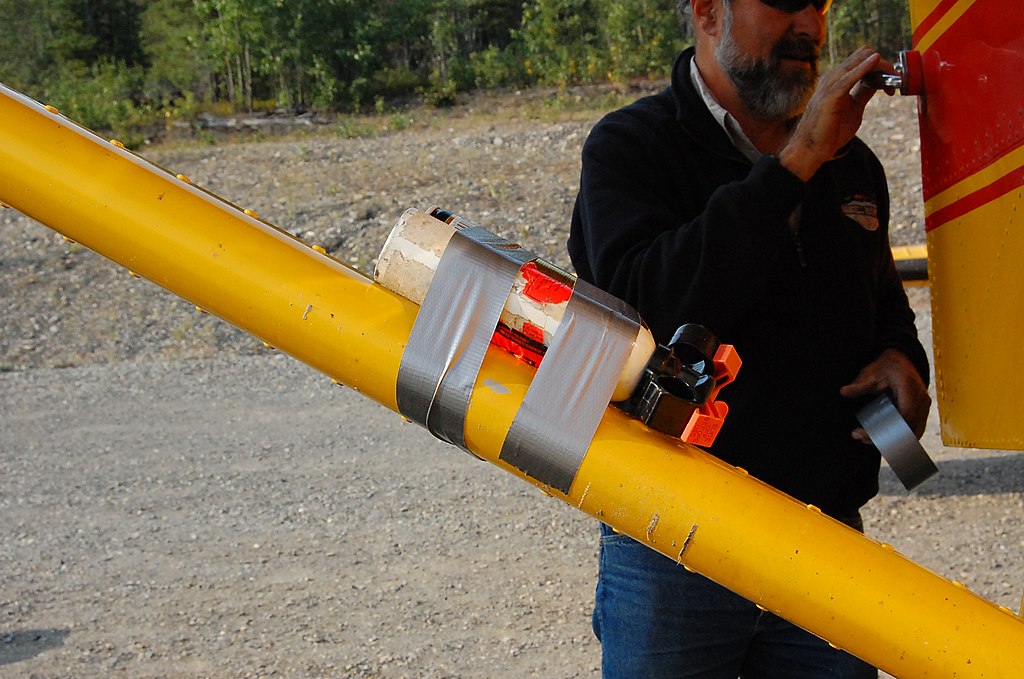
Many hikers forget that bear spray is not unlimited and can run out in just a few short bursts. If you’ve previously tested it or used it before, there might not be enough left for a real emergency. Some cans also lose pressure slowly over time, even when stored. Hiking with a half-empty canister leaves you exposed, which is why checking weight and pressure before every trip is non-negotiable.
5. Inexperienced or Panic Use
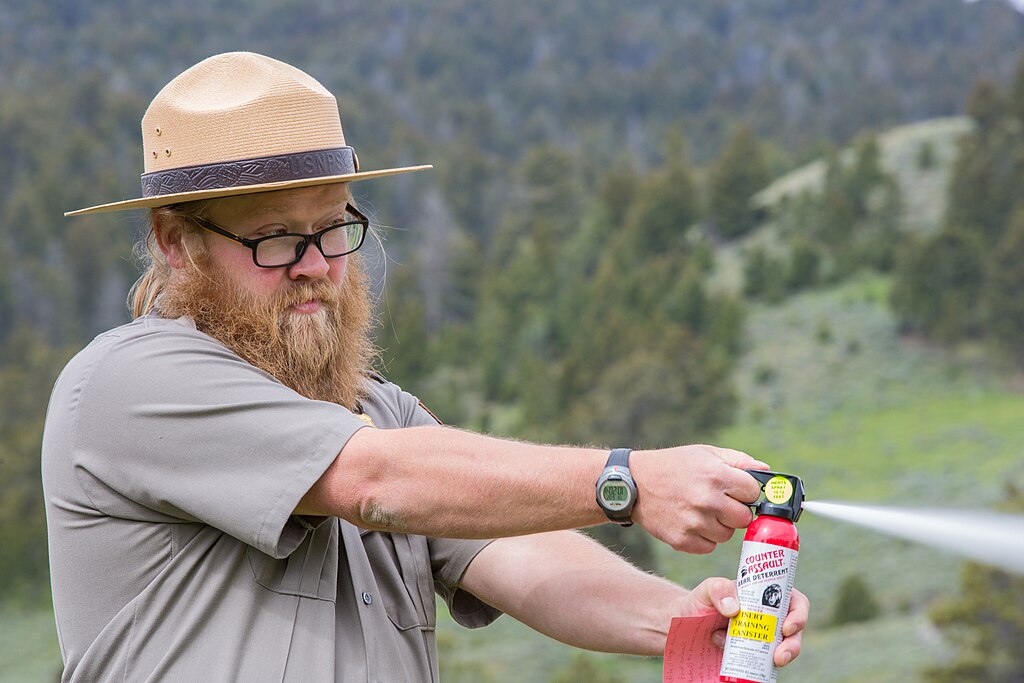
Having bear spray doesn’t mean it will protect you if you don’t know how to use it correctly. In a panic, hikers often fumble with the safety clip, point it the wrong way, or spray too soon. Without practice, you could waste the entire canister in seconds or miss your target completely. Training yourself with mock drills helps ensure you can act calmly and effectively in real encounters.
6. Charging Bear Out of Range

Bear spray is not designed to work at long distances. If a bear is approaching from beyond 30 feet, spraying early is useless since the mist will dissipate before reaching it. Using the spray too soon may also leave you without protection when the bear gets closer. In such cases, maintaining composure, backing away, and relying on group presence can be more effective than wasting your spray.
7. Spray Obstructed by Vegetation

Thick brush, trees, or uneven terrain can act like shields, preventing the mist from spreading effectively. If vegetation blocks your line of fire, the cloud may break apart or fail to reach the bear in full concentration. This creates a dangerous illusion of safety, as you may think you’ve sprayed effectively when you haven’t. Ensuring clear sightlines before deploying your spray is key in dense landscapes.
8. Aggressive or Unpredictable Bears
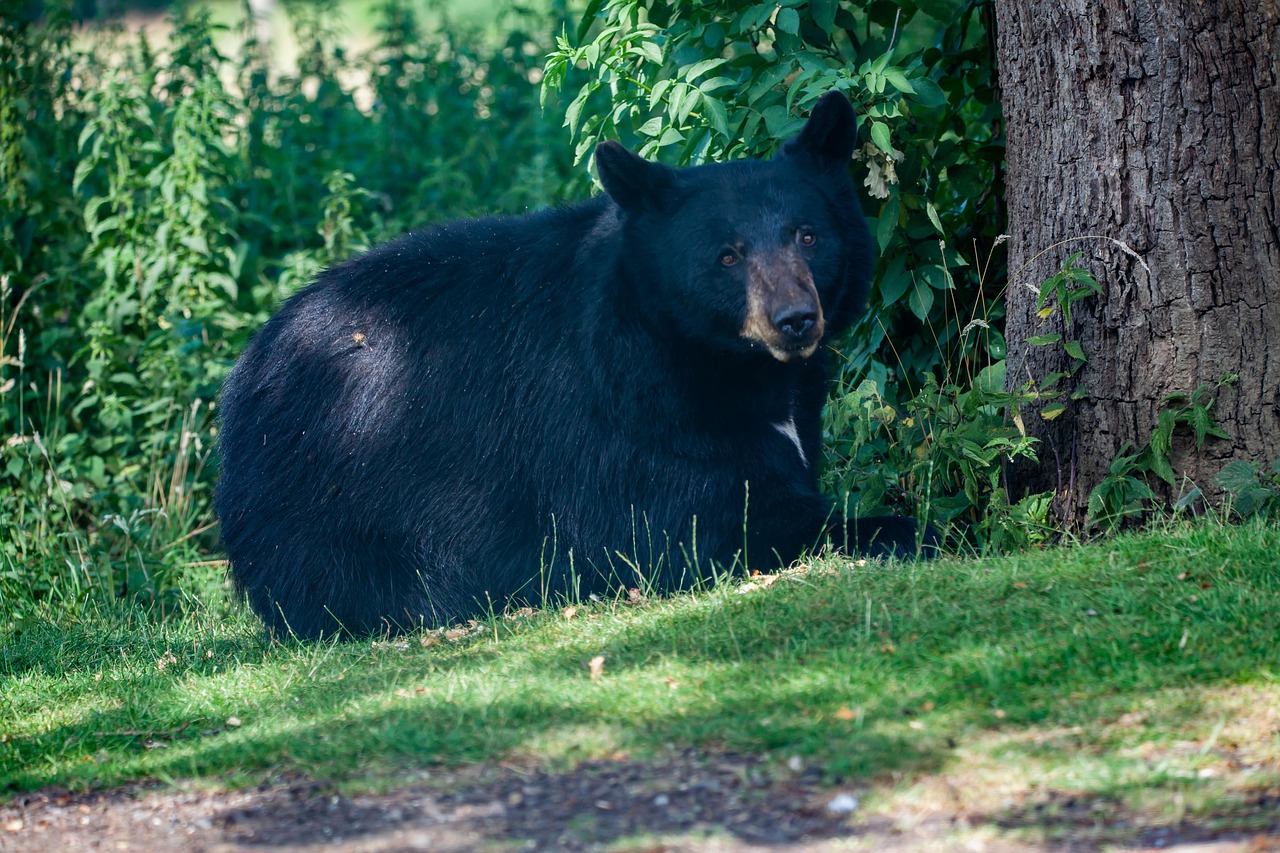
While bear spray deters most animals, not all bears respond predictably. A highly agitated or food-conditioned bear may push forward even after being sprayed. Some may retreat temporarily but return once the effect wears off. This unpredictability reminds hikers that bear spray is not a magic shield. Respecting bear behavior, avoiding attractants, and staying alert remain the best strategies to reduce confrontations.
9. Poor Accessibility in Emergencies
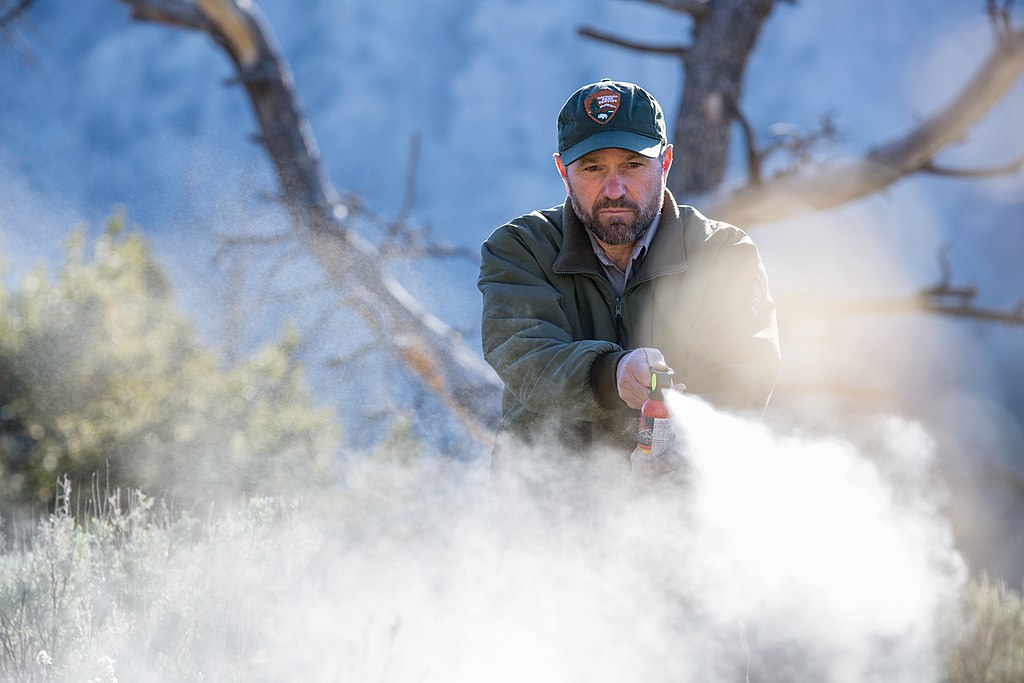
Bear spray is only useful if it can be deployed quickly, yet many hikers store it deep inside their backpacks. In a real encounter, those extra seconds spent digging can cost you safety. If you cannot reach it instantly, it may as well not be with you at all. Always carry your spray in a hip holster or chest strap, ensuring it’s ready the moment you need it most.