Selecting the 9 overrated handguns that can’t hold up in a self-defense situation involves identifying firearms that prioritize aesthetic appeal or historical nostalgia over modern mechanical reliability. While many enthusiasts enjoy collecting diverse models, some popular handguns possess significant design flaws that compromise personal safety during a high-pressure crisis. Relying on a tool with poor ergonomics or a history of frequent jamming can lead to catastrophic consequences when every single second counts. This guide examines the most common firearms that frequently underperform despite their widespread popularity in movies and local gun shops across the country today.
The Desert Eagle 50 AE
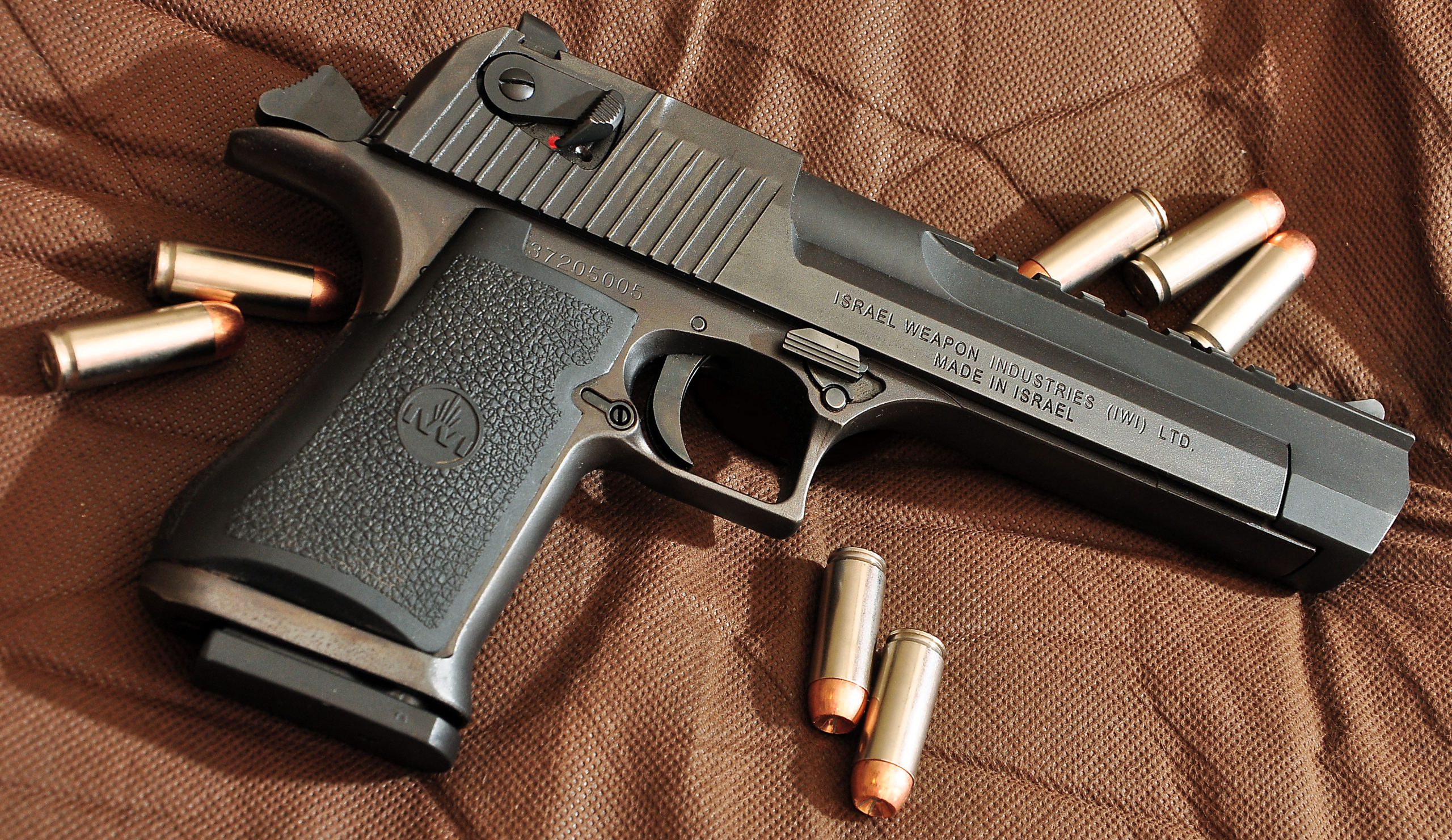
The Desert Eagle 50 AE remains a massive cinematic icon, but its gargantuan size makes it a very poor choice for personal protection. This heavy semi-automatic handgun requires an incredibly firm and perfect grip to cycle its complex gas-operated action reliably during a rapid-fire sequence. Its immense weight makes the weapon difficult to draw and aim quickly, which is a major disadvantage when facing an immediate threat. Furthermore, the massive 50 caliber rounds often produce excessive muzzle blast and blinding flash that can disorient the shooter in a low-light environment. Practicality should always outweigh the visual and Hollywood.
The Walther PPK 380
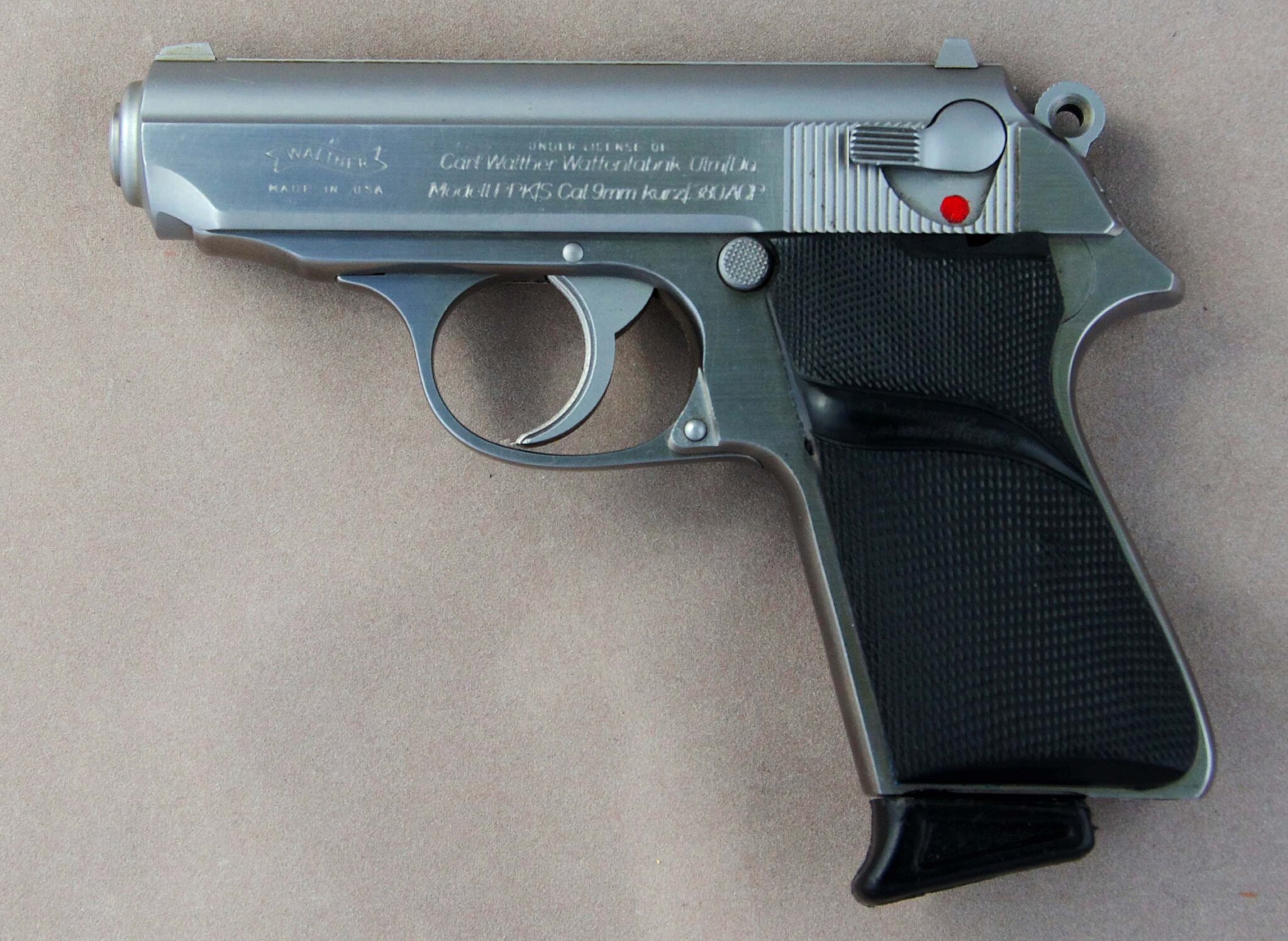
The Walther PPK 380 is famously associated with legendary secret agents, but its mechanical design presents several real-world challenges for modern defensive use. Many shooters experience painful slide bite because the low-profile frame allows the moving slide to cut the hand during the firing cycle. The double-action trigger is notoriously heavy and long, which makes delivering a precise first shot difficult for those who are not extensively trained. Additionally, the small sights are hard to acquire quickly under stress compared to more contemporary and ergonomic designs. Nostalgia rarely translates into effective performance during a dangerous and high-stakes environment.
The Beretta 92FS
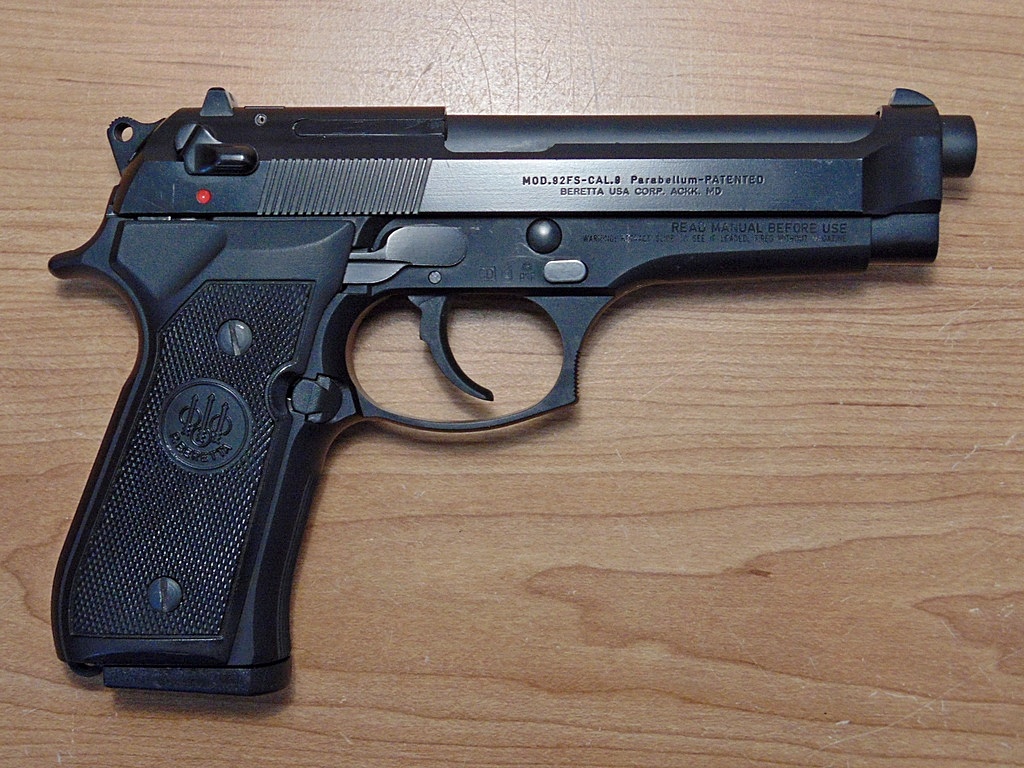
The Beretta 92FS serves as a reliable military sidearm, yet its large and bulky frame often presents significant challenges for many civilian users. The grip circumference is quite wide, which makes it difficult for individuals with smaller hands to reach the controls and maintain a secure hold. Its open slide design can allow dirt and debris to enter the action more easily in a rugged and unmaintained environment. Many people find the slide-mounted safety to be awkward to manipulate quickly when every second matters during a draw. This classic pistol requires a very large and dedicated holster setup.
The Colt 1911 A1
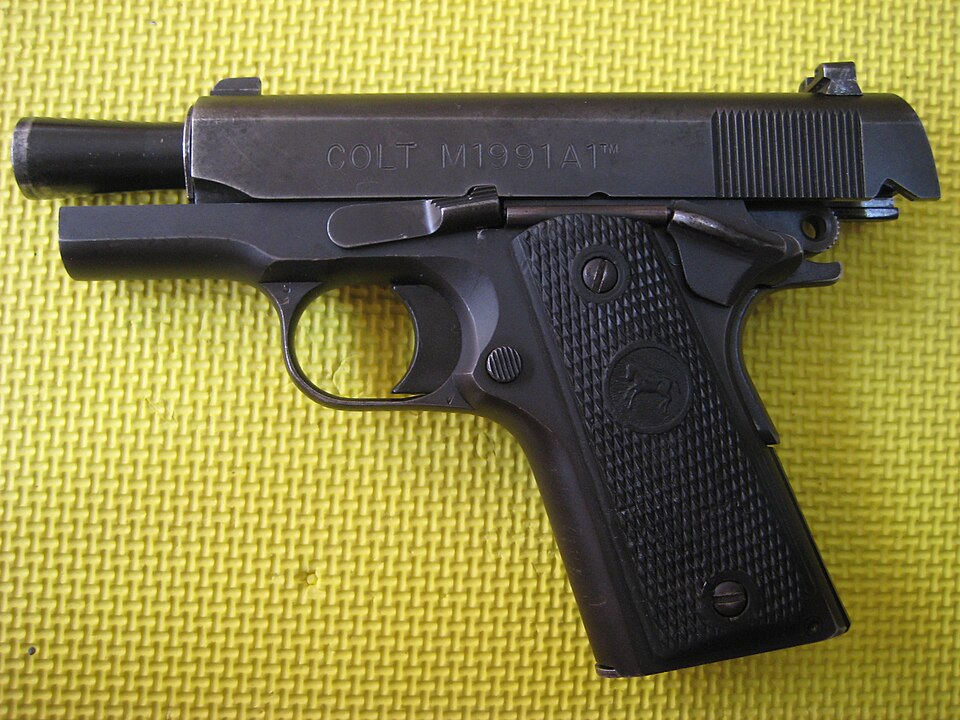
The Colt 1911 A1 carries a legendary status, but the original design often struggles with modern hollow-point ammunition meant for effective self-defense. This historic firearm was built for full metal jacket rounds and frequently experiences feeding issues with contemporary defensive projectiles that feature wider tips. Many older models also lack the reliability and tight tolerances found in modern striker-fired polymer pistols, which are much easier to maintain. The limited magazine capacity of only seven or eight rounds is a major handicap when compared to modern compact options. History does not always guarantee absolute and total safety today.
The Nagant M1895 Revolver
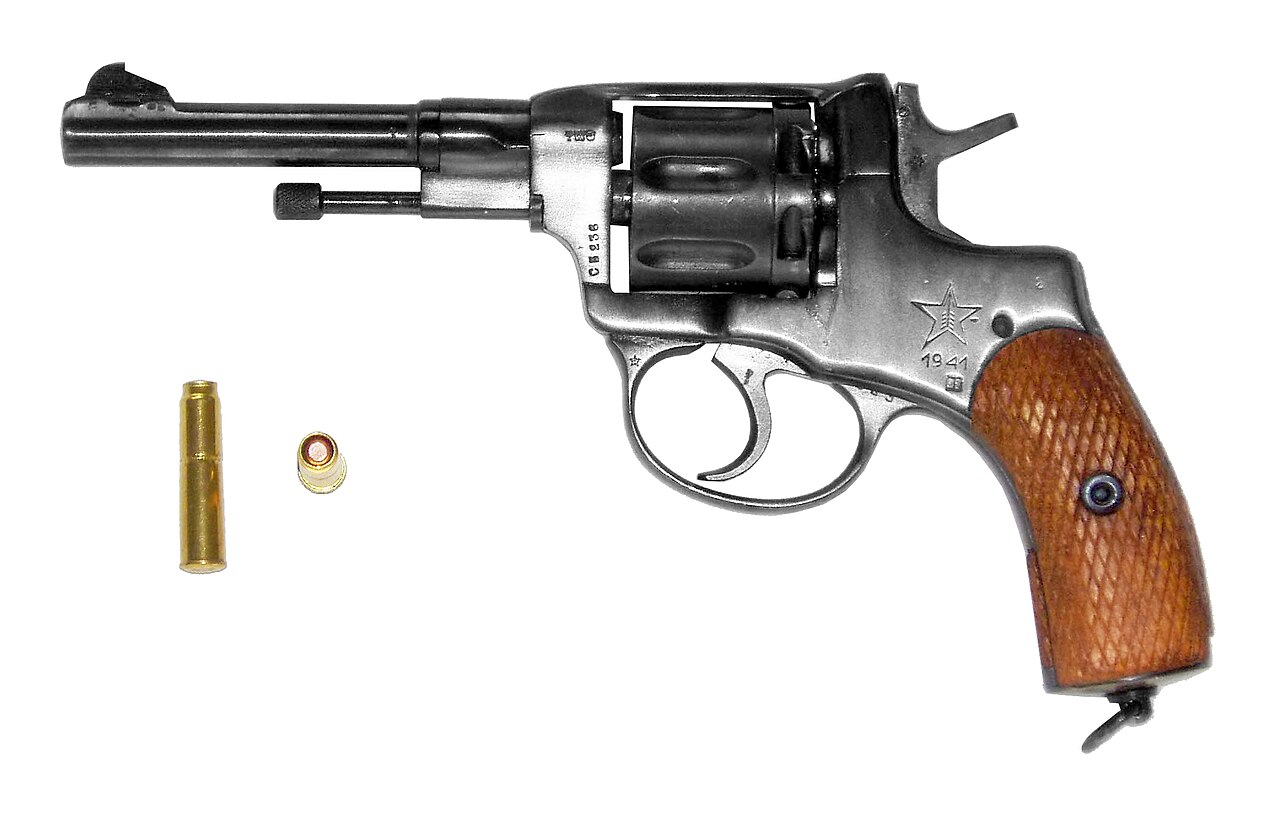
The Nagant M1895 revolver features a unique gas-seal system that results in an incredibly heavy and exhausting double-action trigger pull for most shooters. This mechanical complexity makes it nearly impossible to fire multiple rounds quickly and accurately during a fast-moving defensive encounter in the wild. The slow reloading process involves a small gate and a manual ejector rod, which adds a dangerous delay during a crisis. While the firearm is a fascinating historical curiosity, its practical utility as a modern self-defense tool is essentially nonexistent. Reliable protection requires a much simpler and much faster manual.
The Bond Arms Derringer
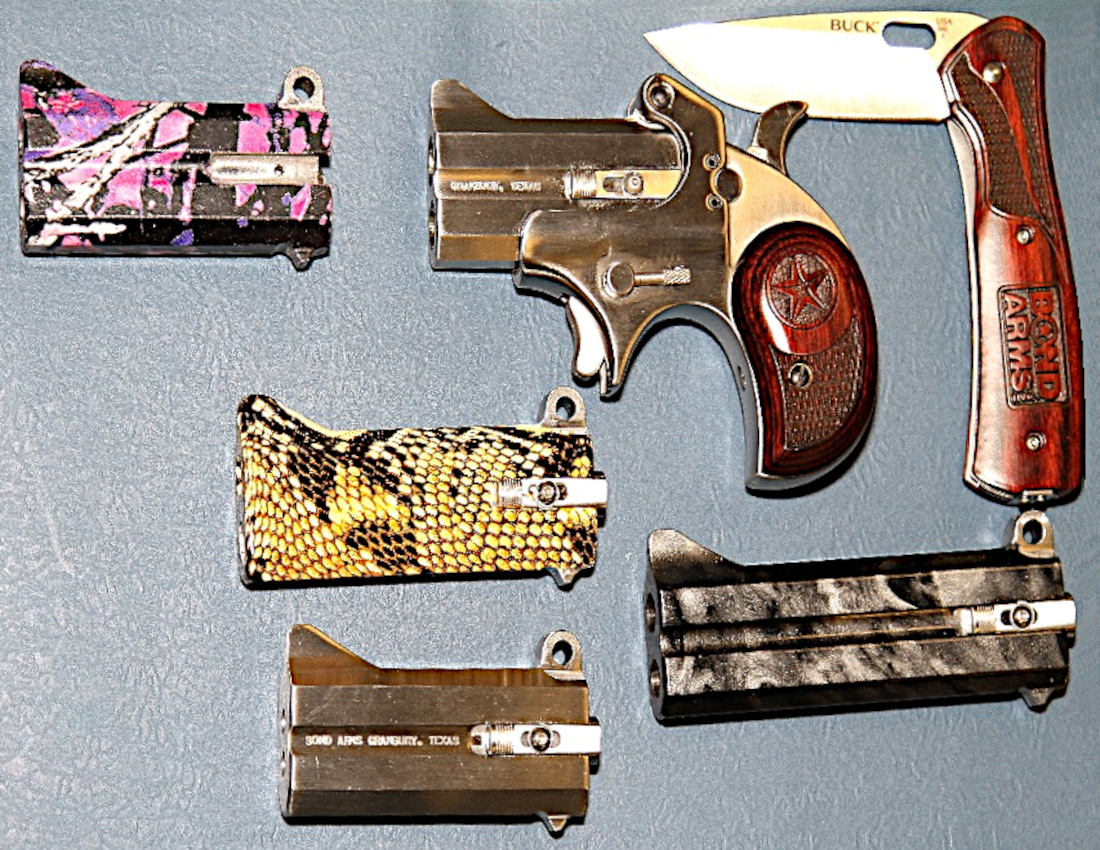
The Bond Arms Derringer is a well-built and sturdy firearm, but its limited two-shot capacity is a significant disadvantage in most defensive scenarios. While the small size allows for easy concealment, the intense recoil from large calibers makes it very difficult to control and aim. The single-action mechanism requires the user to manually cock the hammer before every single shot, which is slow and prone to error. In a high-stress situation, having only two chances to stop a threat is a major risk that most experts advise against. Modern subcompact pistols offer much better firepower and are safer.
The Kel-Tec PMR-30
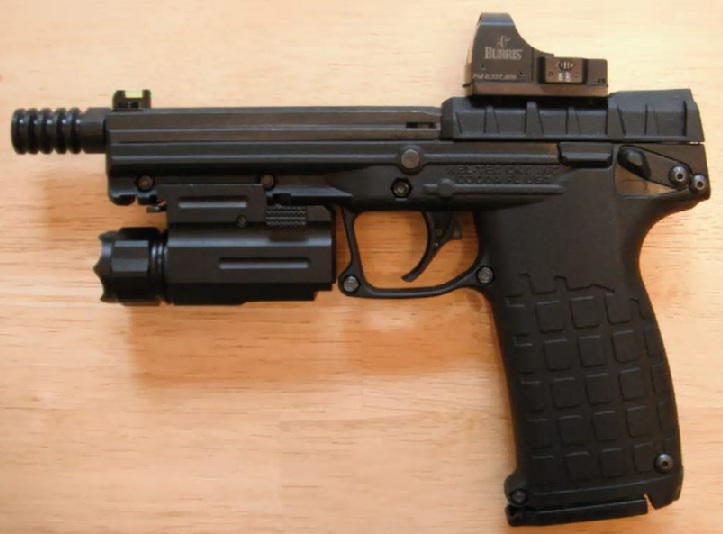
The Kel Tec PMR 30 offers an impressive thirty-round capacity, but its reliance on 22 Magnum rimfire ammunition is a major concern. Rimfire cartridges are inherently less reliable than centerfire rounds and frequently suffer from ignition failures or feeding problems in semi-automatic platforms. The lightweight polymer construction can feel flimsy and may not withstand the rugged use often required of a dedicated defensive tool. While having many rounds is tempting, the risk of a mechanical malfunction is much higher with this specific design. Reliability must always be the top priority for any person seeking an effective home.
The Ruger LCP Original
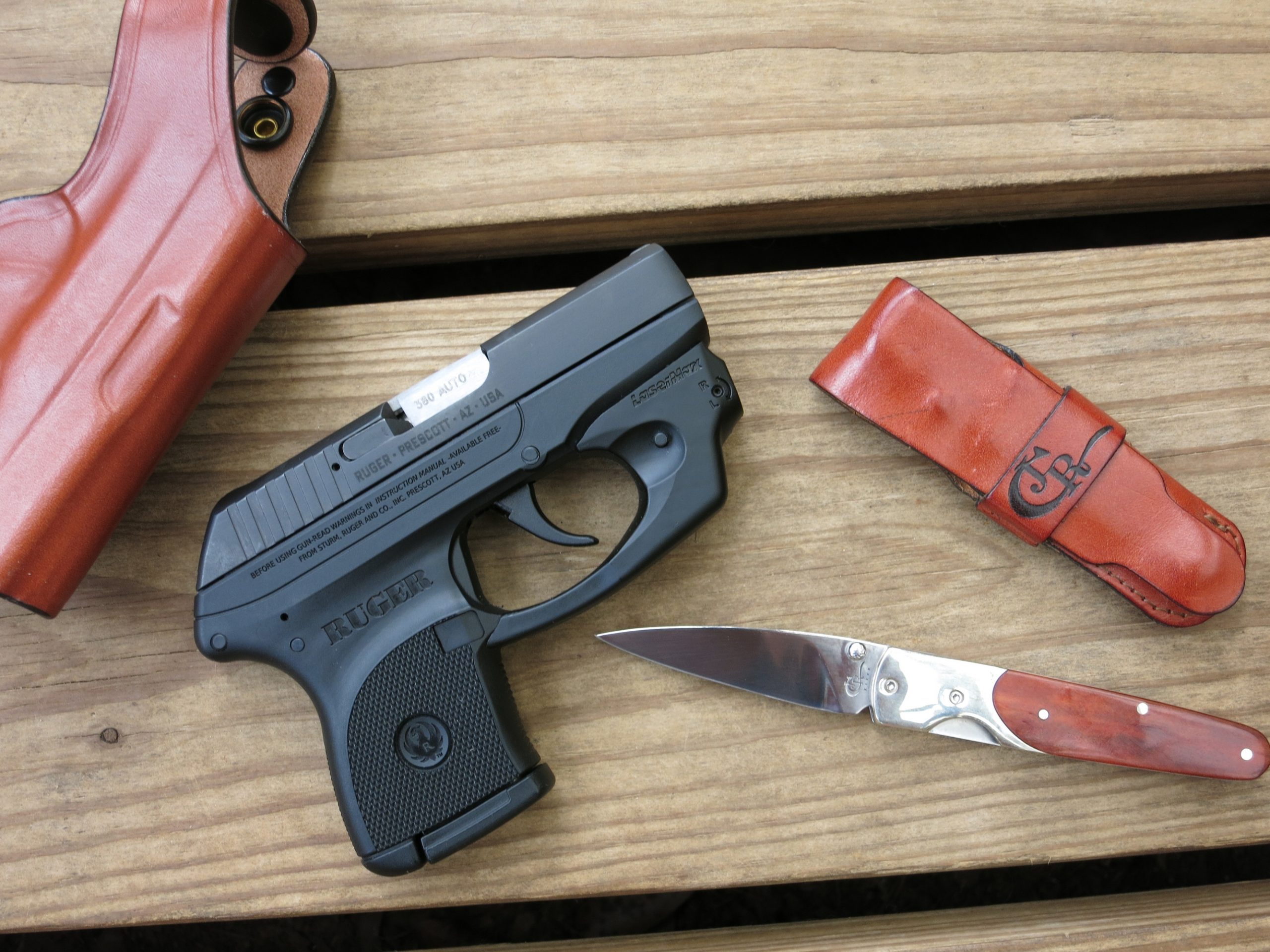
The original Ruger LCP was a pioneer in the pocket pistol market, but its tiny sights and long trigger make it difficult. Many users find the recoil to be sharp and unpleasant, which discourages the regular practice needed to master a small defensive firearm. The lack of a slide lock on the original model also makes clearing malfunctions a slower and more complicated task during an emergency. Modern versions have improved these features, but the original remains a common yet problematic choice for many unsuspecting buyers. Accuracy and ease of use are critical factors for this small and thin pistol.
The Taurus Judge
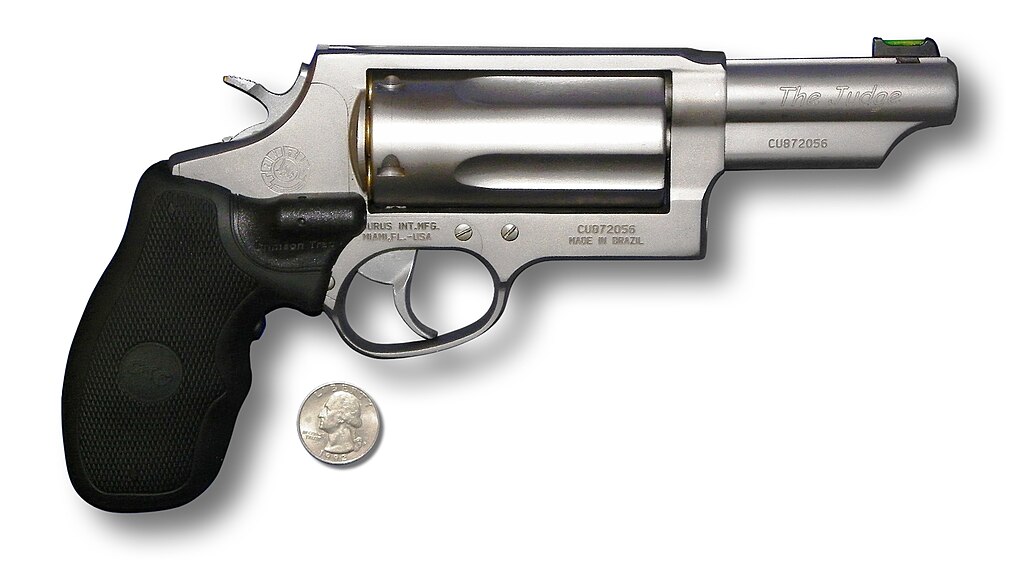
The Taurus Judge is marketed as a versatile home defense revolver capable of firing both 45 Colt and 410 shotshells. However, the short barrel often results in a very wide and ineffective shot pattern that lacks the necessary density to stop a threat. The large and heavy frame makes it difficult to conceal or maneuver quickly in tight spaces like a hallway or a bedroom. Many ballistics experts argue that a standard handgun caliber provides much more consistent and effective terminal performance for personal protection. This specialized revolver is often considered a novelty rather than a truly practical tool.