
Gun shows can feel overwhelming the first time you walk through the doors. Rows of tables, constant conversations, and thousands of firearms on display create a fast-moving environment with its own unwritten rules. Experienced buyers blend in by staying calm, asking focused questions, and understanding how vendors think. New buyers, on the other hand, often stand out through small behaviors they do not even realize they are showing. These habits are not bad or embarrassing, but they do signal inexperience to sellers and other attendees. Knowing these behaviors ahead of time helps first-time visitors move with confidence and avoid common social missteps.
1. Grabbing Firearms Without Asking First
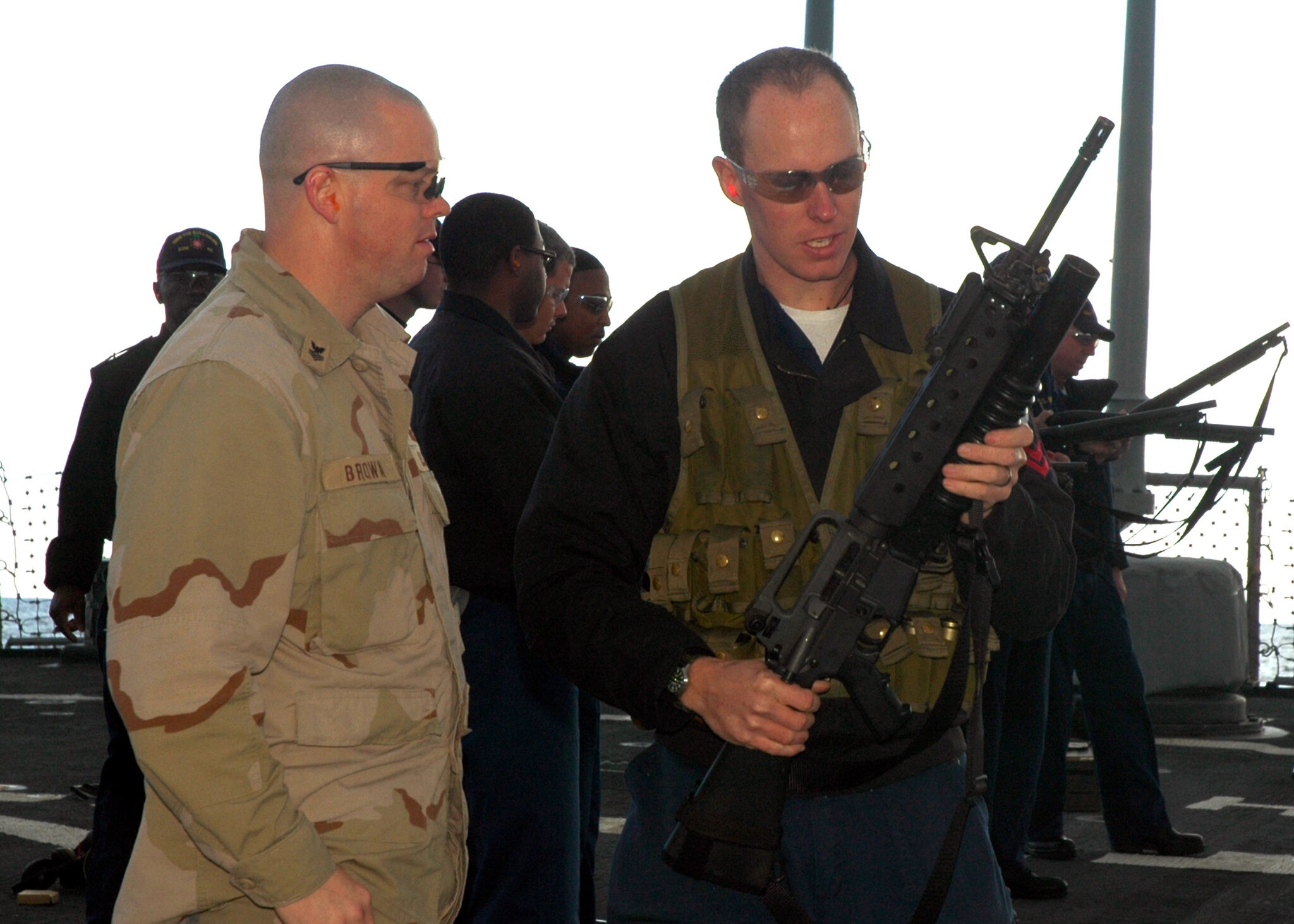
One of the clearest signs of a new gun show buyer is reaching for a firearm without first asking the vendor. Even when guns are openly displayed, basic courtesy matters. Vendors expect buyers to request permission so they can ensure safe handling and maintain control of their inventory. Grabbing immediately suggests unfamiliarity with show etiquette rather than enthusiasm. It can make sellers tense and less willing to engage in conversation. Experienced buyers slow down, make eye contact, and ask politely before touching anything. This small pause shows respect and awareness. Vendors often respond more openly when they feel their space and safety expectations are understood from the start.
2. Loudly Announcing Budget or Intentions
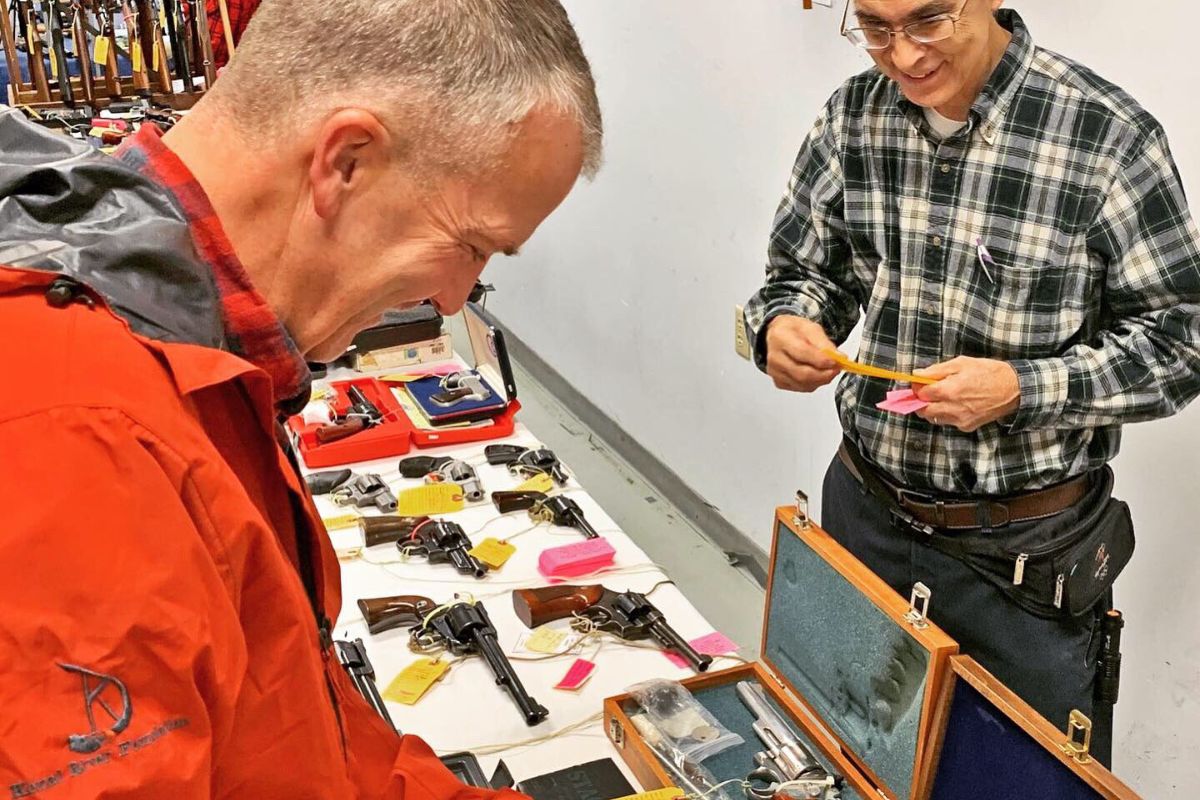
New buyers often speak too freely about how much money they have or exactly what they plan to buy. Statements about tight budgets or urgent needs travel quickly across a table. Vendors and nearby shoppers hear everything. This can weaken the negotiation position and mark the buyer as inexperienced. Seasoned buyers keep financial limits private and discuss details quietly. They ask questions without revealing pressure or urgency. Speaking openly may feel friendly, but at a gun show, it signals unfamiliarity with the environment. Calm, measured conversation gives buyers more control and avoids drawing attention they may not want during price discussions.
3. Handling Every Item at One Table

Another giveaway is excessive handling. New buyers often feel the need to pick up nearly every firearm on the table to compare weight and feel. While curiosity is natural, this behavior can appear unfocused and tiring to vendors. It also increases the chance of mistakes or unsafe handling. Experienced buyers narrow their interest first, then handle only a few selected items. This focused approach shows confidence and respect for the vendor’s time. Picking up everything suggests the buyer has not done prior research and is still trying to understand basic preferences in a very public setting.
4. Asking Extremely Broad Beginner Questions

Questions are welcome at gun shows, but very broad ones often signal a first timer. Asking what the best gun overall is or what everyone recommends without context puts pressure on the seller to educate from the ground up. Experienced buyers ask targeted questions about condition, history, or pricing. Broad questions are not wrong, but they show a lack of preparation. Vendors may respond briefly or direct the buyer elsewhere. Learning some basics before attending allows conversations to flow naturally. Focused questions help build credibility and encourage sellers to engage more deeply and helpfully.
5. Ignoring Other Buyers Waiting Nearby

New buyers sometimes become fully absorbed in a single conversation and forget that others are waiting. Standing at a table for a long time without a clear intent can frustrate vendors and fellow shoppers. Gun shows move quickly, and experienced buyers know when to step aside. They gather information efficiently and return later if needed. Blocking access or lingering too long marks a buyer as unfamiliar with the show pace. Awareness of surroundings is important. Vendors appreciate buyers who respect shared space, which often results in better interactions and a willingness to answer follow-up questions later.
6. Overreacting to Cosmetic Wear

First-time buyers often react strongly to small scratches or finish wear. They may point out every mark with visible concern. While condition matters, minor wear is common and often expected on used firearms. Experienced buyers look past cosmetics and focus on function, maintenance, and value. Overemphasizing appearance signals limited experience with real-world firearms. Vendors may sense hesitation or unrealistic expectations. Learning what wear is normal helps buyers evaluate calmly. Showing balanced judgment builds trust and keeps discussions grounded rather than emotional or overly cautious.
7. Expecting Retail Store Pricing and Service

Gun shows operate differently from big retail stores, yet new buyers sometimes expect identical pricing structures and customer service. They may ask about returns, warranties, or fixed prices in ways that feel out of place. Experienced buyers understand that many sales are final and prices may vary by vendor. Expecting uniform policies signals unfamiliarity with the setting. This does not make someone wrong, but it does mark them as new. Understanding the informal nature of gun shows helps buyers ask better questions and adjust expectations before committing to a purchase.
8. Negotiating Too Aggressively or Too Quickly

Some new buyers either avoid negotiation entirely or push too hard right away. Making an immediate low offer without conversation can feel abrupt. On the other hand, refusing to negotiate at all may leave value on the table. Experienced buyers read the situation first. They ask questions, show interest, and then negotiate respectfully. Extreme approaches stand out as inexperience. Vendors respond best to calm, informed discussion. Balanced negotiation shows confidence and understanding of the environment. It helps build rapport rather than tension during price discussions.
9. Displaying Visible Nervousness or Overexcitement

Gun shows can be exciting, but strong visible reactions often mark a newcomer. Excessive excitement, nervous handling, or constant reassurance seeking draws attention. Experienced buyers remain steady and composed, even when interested. They take time to think and avoid rushing decisions. Visible nerves or excitement suggest the buyer is still adjusting to the environment. Staying calm helps interactions feel professional and respectful. Confidence grows with experience, but awareness of body language helps first-time buyers blend in and be taken seriously during conversations and negotiations.