Snow changes the landscape in ways that affect animals very differently from what most people assume. While humans often see snow as an obstacle or inconvenience, many animals treat it as protection, opportunity, or even an advantage. Some species become more active, others more aggressive, and a few nearly invisible. These reactions surprise hikers, hunters, and rural residents who expect animals to slow down or retreat. Understanding how animals truly respond to snow helps explain unexpected encounters and behaviors during winter conditions.
1. Deer
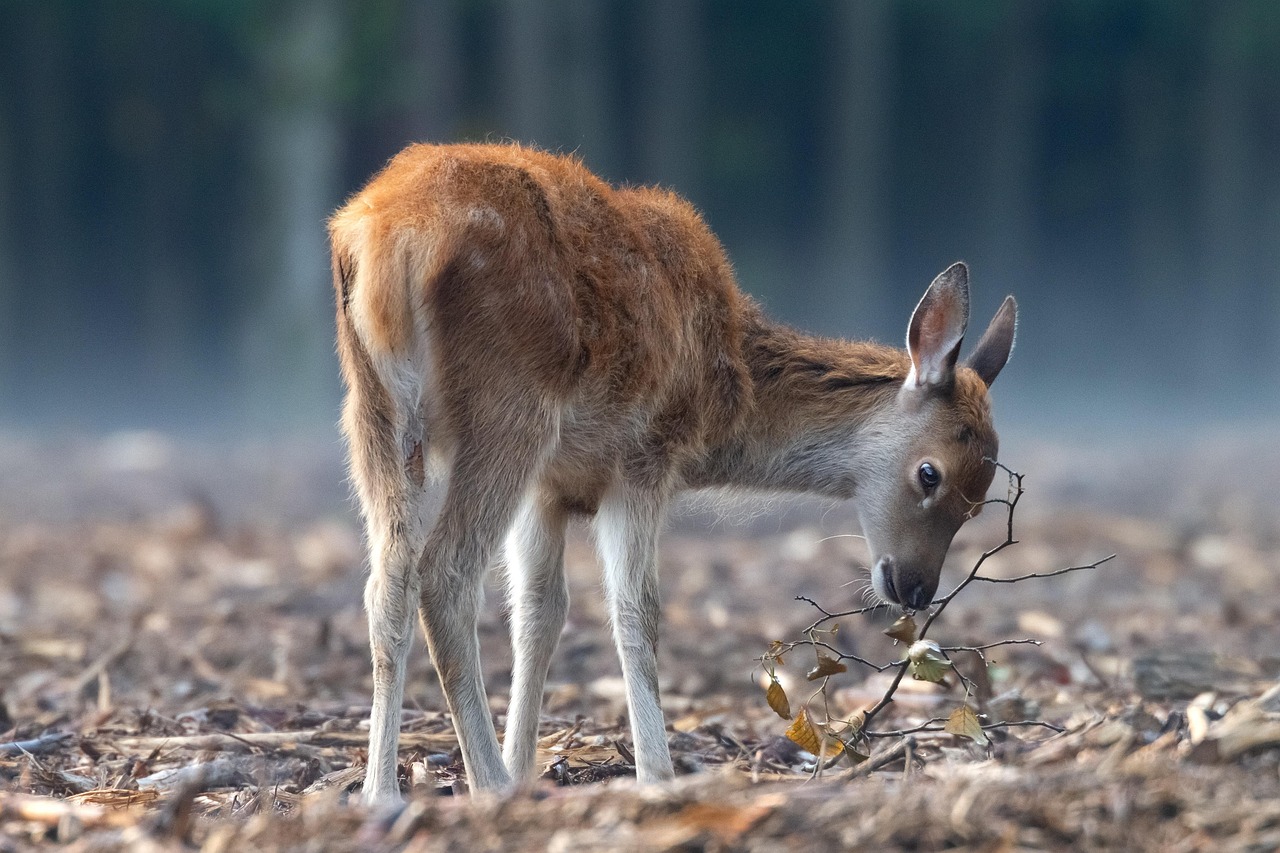
Many people assume deer struggle in snow, but they often adapt quickly. While deep snow limits movement, moderate snowfall actually helps deer by reducing human activity and masking their presence. Deer use packed trails, roads, and even snowmobile tracks to travel efficiently. Snow also amplifies sound, allowing deer to detect danger earlier. Rather than fleeing constantly, deer conserve energy and move deliberately. During snowfall, deer may appear calmer and closer to human areas than expected. Their quiet confidence in snowy conditions often surprises people who expect panic or weakness.
2. Coyotes
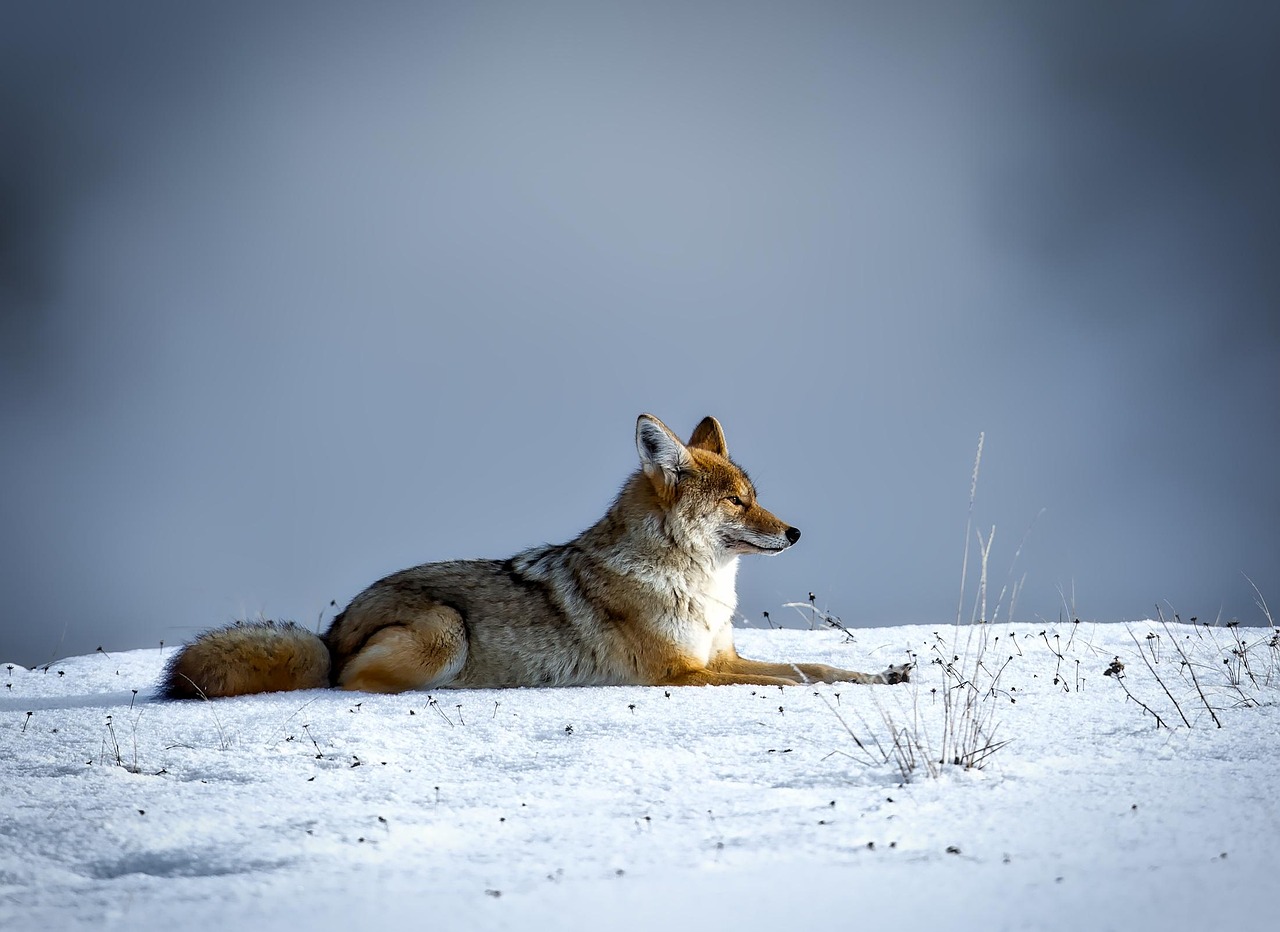
Coyotes react to snow with increased confidence rather than caution. Snow exposes small prey like mice and voles, making hunting more efficient. Their light frame allows them to travel easily over crusted snow where prey sinks. Snow also limits human movement, giving coyotes more freedom during daylight hours. Many people expect coyotes to hide during storms, but they often become more visible. Snow enhances their advantage and expands their activity window. This unexpected boldness leads to more sightings and misunderstood behavior.
3. Moose
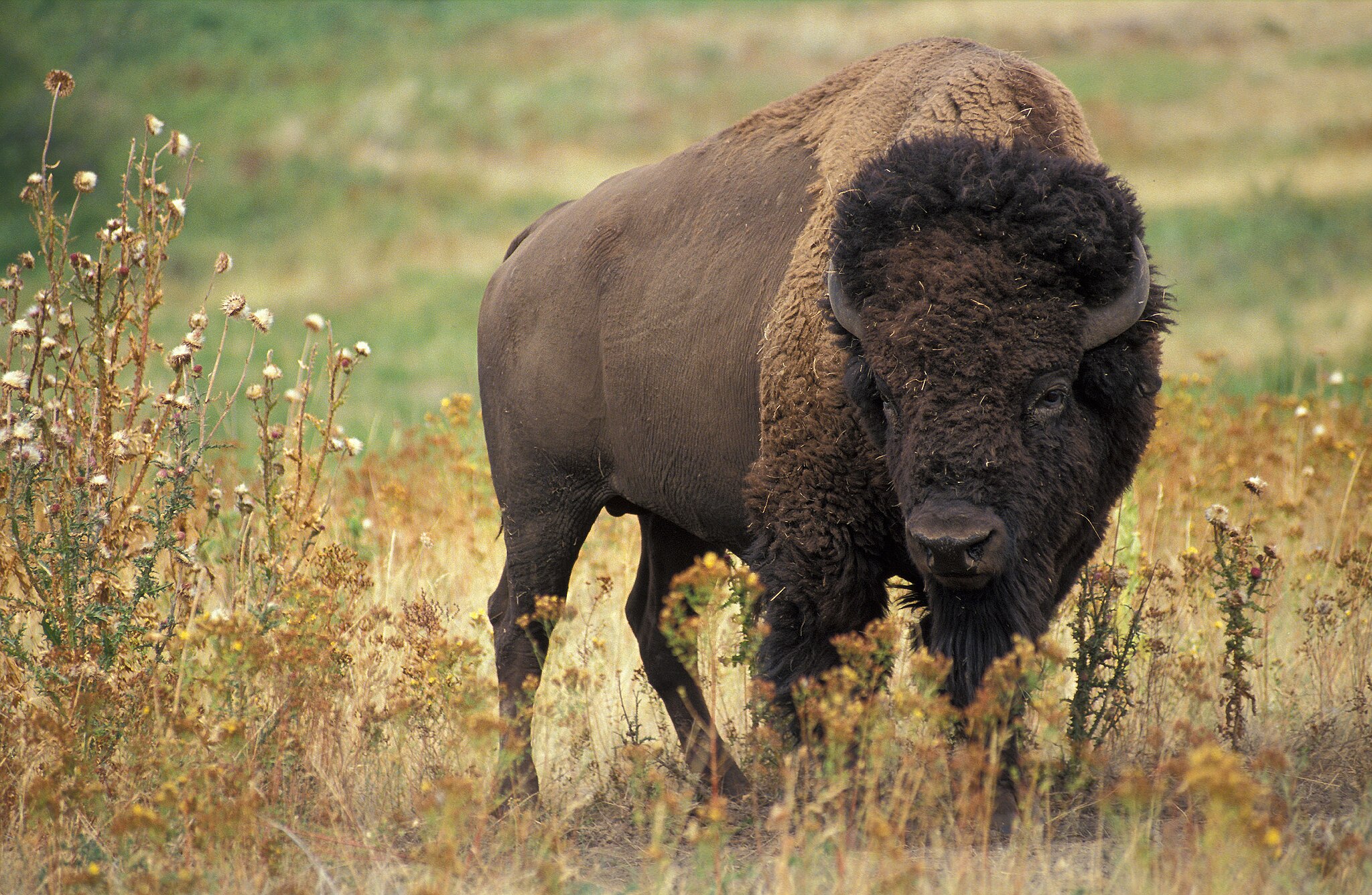
Snow does not slow moose as much as people expect. Their long legs allow them to move through deep snow with less effort than predators or humans. Snow actually provides insulation for resting and reduces insect irritation. However, snow increases stress when footing becomes unstable. Moose rely on snow for protection but react aggressively when startled. People often misread their calm appearance as tolerance. In reality, snow heightens their defensiveness, especially near trails and roads where footing feels uncertain.
4. Wolves
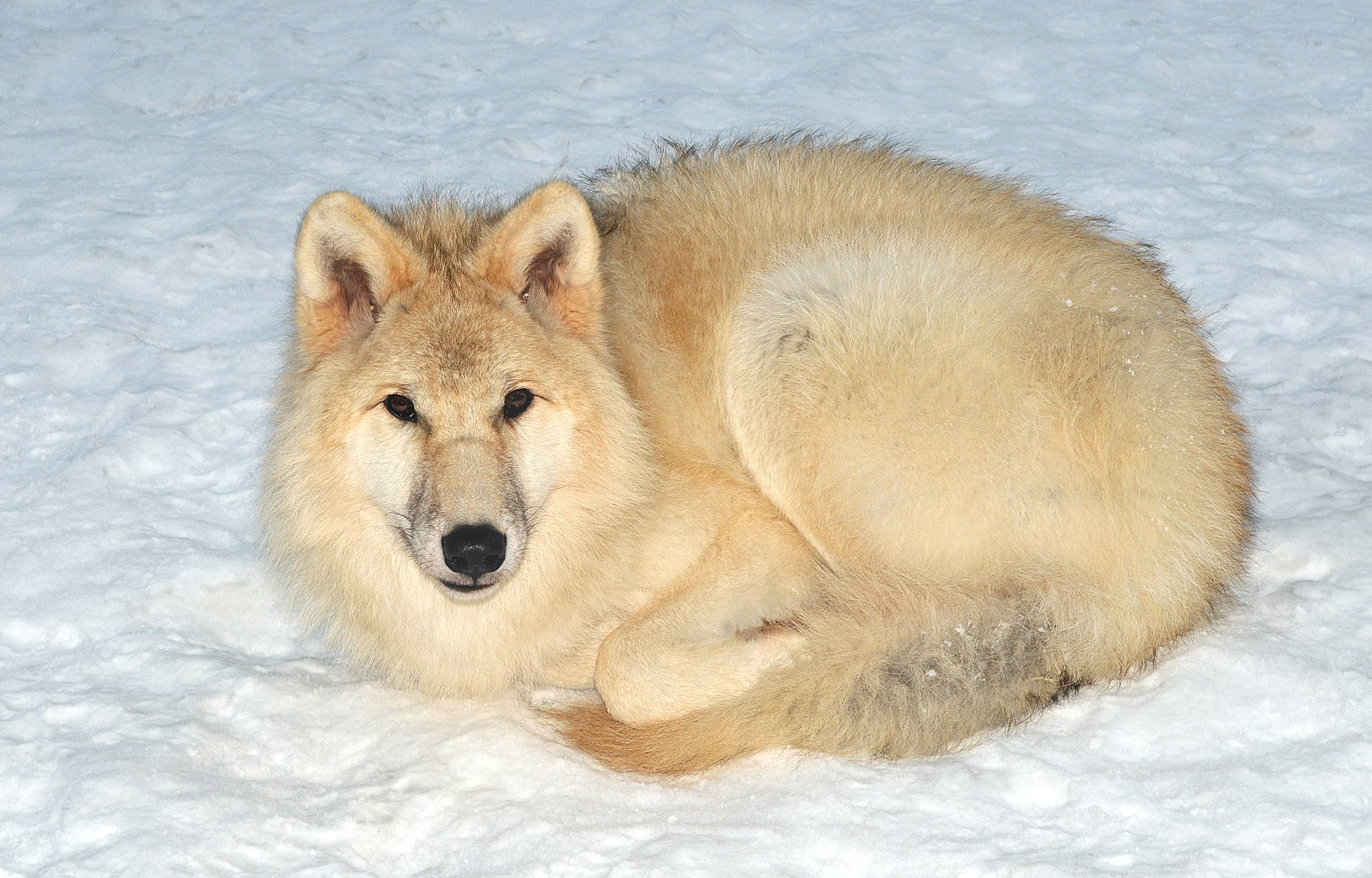
Wolves thrive in snowy environments. Snow improves hunting efficiency by slowing prey and revealing tracks. Packs use snow cover to coordinate movement and travel longer distances with less human interference. Contrary to belief, wolves do not avoid storms. They often move more during and after snowfall. Snow creates predictable prey paths, giving wolves a strategic advantage. This calculated behavior surprises people who expect predators to retreat in harsh weather. Snow sharpens their coordination rather than hindering it.
5. Mountain Lions
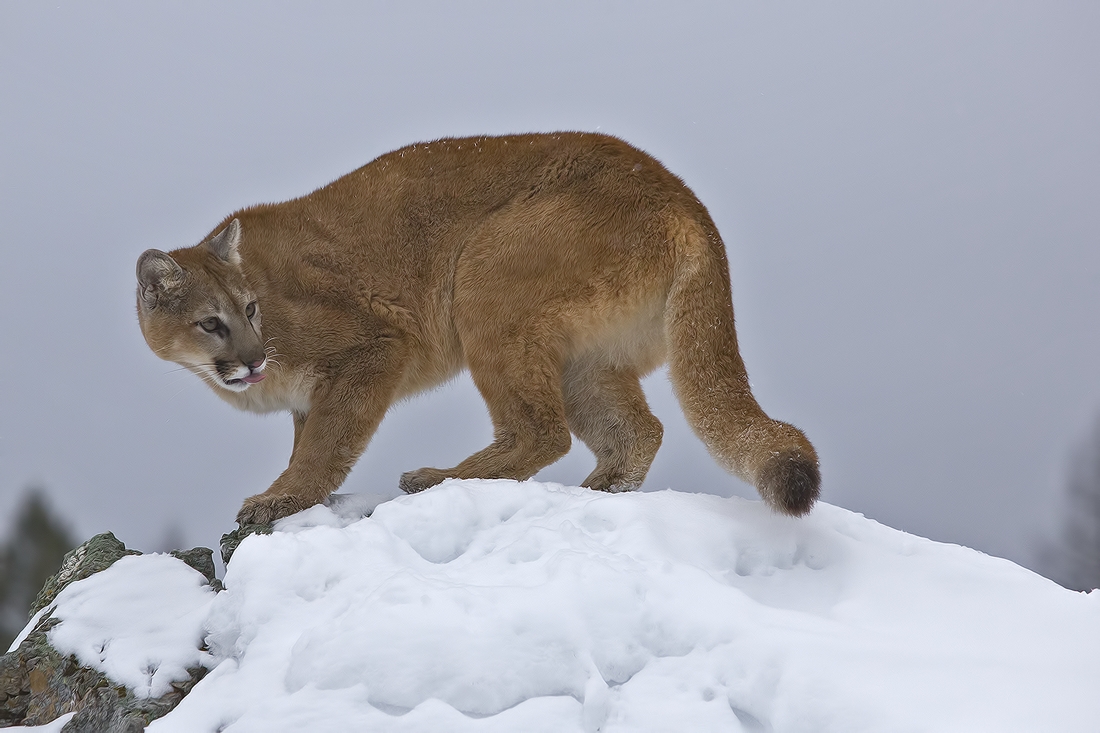
Snow alters how mountain lions hunt, but does not stop them. Their padded paws distribute weight efficiently, allowing silent movement across snow. Snow highlights prey trails, making ambush locations easier to predict. People assume lions avoid snowy terrain, yet they often hunt closer to populated corridors during winter. Snow reduces background noise, improving their detection abilities. This quiet efficiency contrasts with human expectations of reduced predator activity. Snow enhances their stealth instead of limiting it.
6. Elk
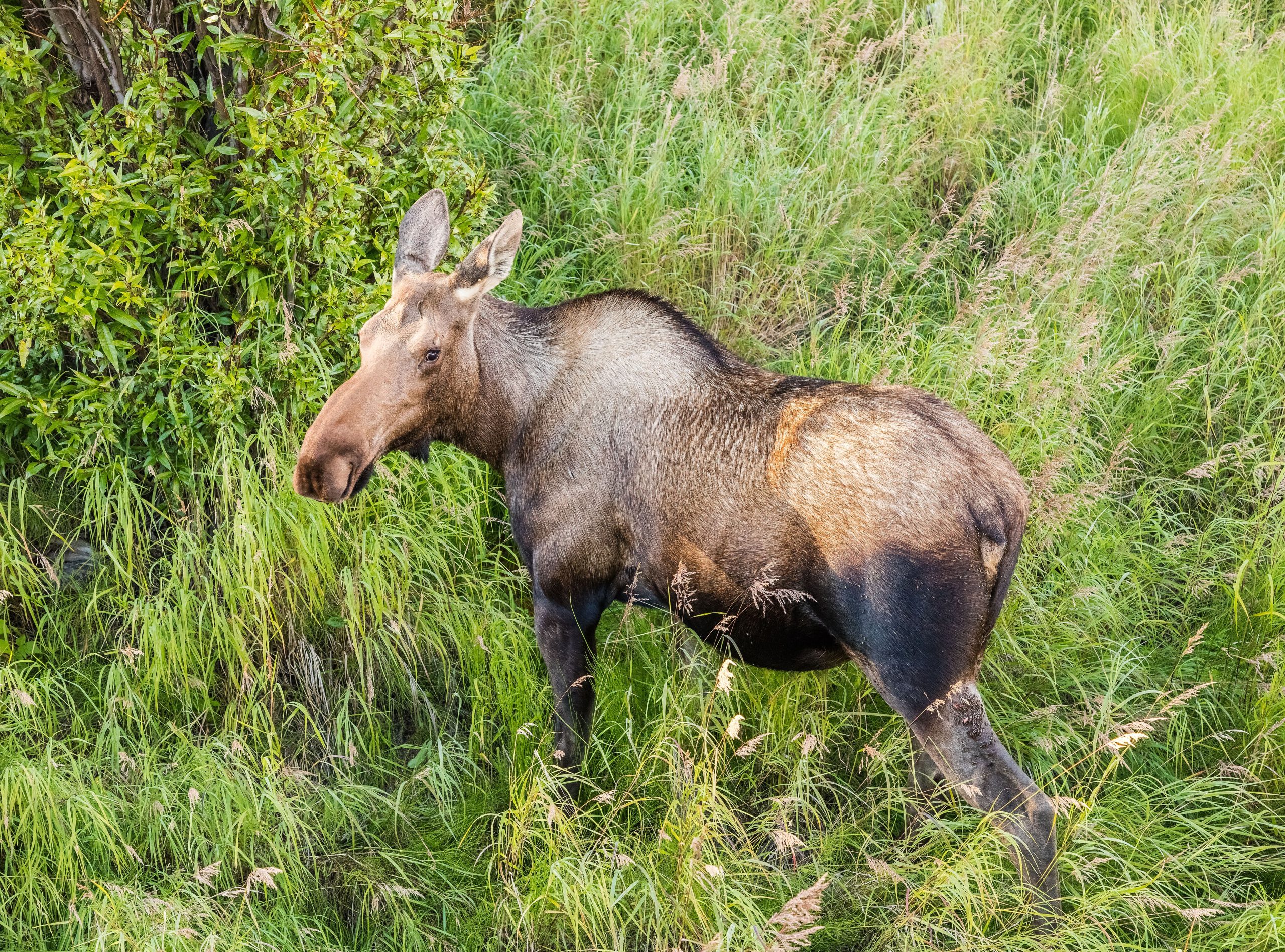
Elk use snow strategically rather than fearfully. Light snow encourages migration and grouping behavior that increases protection. Packed snow routes allow efficient travel between feeding areas. Elk remain alert but often appear relaxed in the snow, conserving energy. People mistake this calm behavior for reduced awareness. In reality, snow sharpens elk’s responses to sudden movement or sound. When startled, they react quickly and forcefully. Snow does not weaken elk behavior; it refines it.
7. Red Foxes
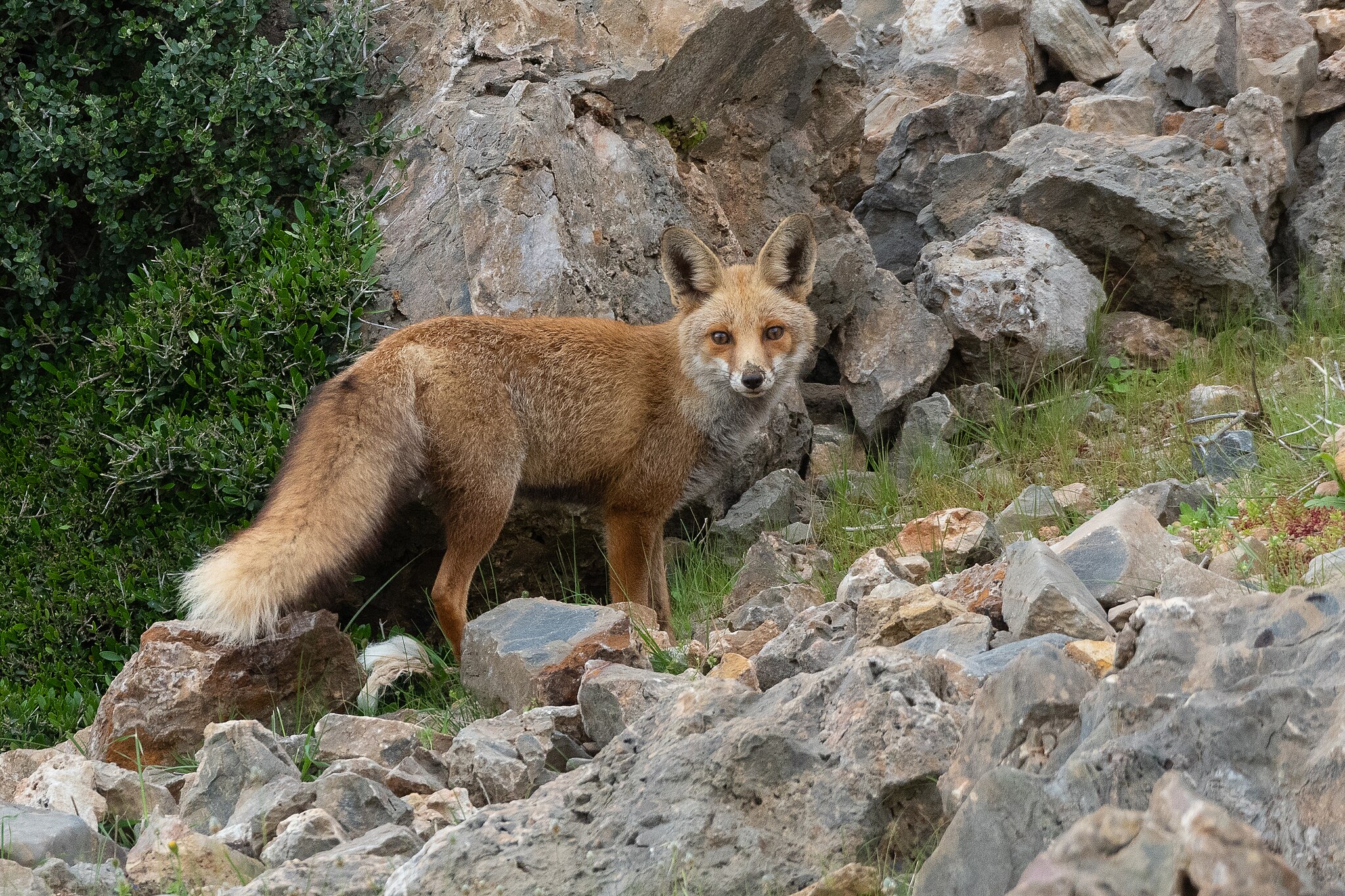
Red foxes become more playful and effective hunters in the snow. They use sound amplification to locate prey beneath the surface. Their famous pounce technique works best in snowy conditions. Snow also camouflages their movement patterns, confusing predators and observers. People often expect foxes to struggle in winter, but snow enhances their agility and hunting success. Their energetic movement across snowy fields surprises those who expect sluggish behavior.
8. Bison
Bison react to snow with confidence and persistence. Thick coats and powerful builds allow them to push through drifts that stop vehicles. Snow exposes buried grasses, which bison access by sweeping snow aside. People wrongly assume bison are slowed by winter. In reality, snow limits competitors and human presence. This makes bison more territorial and assertive. Their calm dominance in snowy landscapes often leads to dangerous misunderstandings.
9. Snowshoe Hares
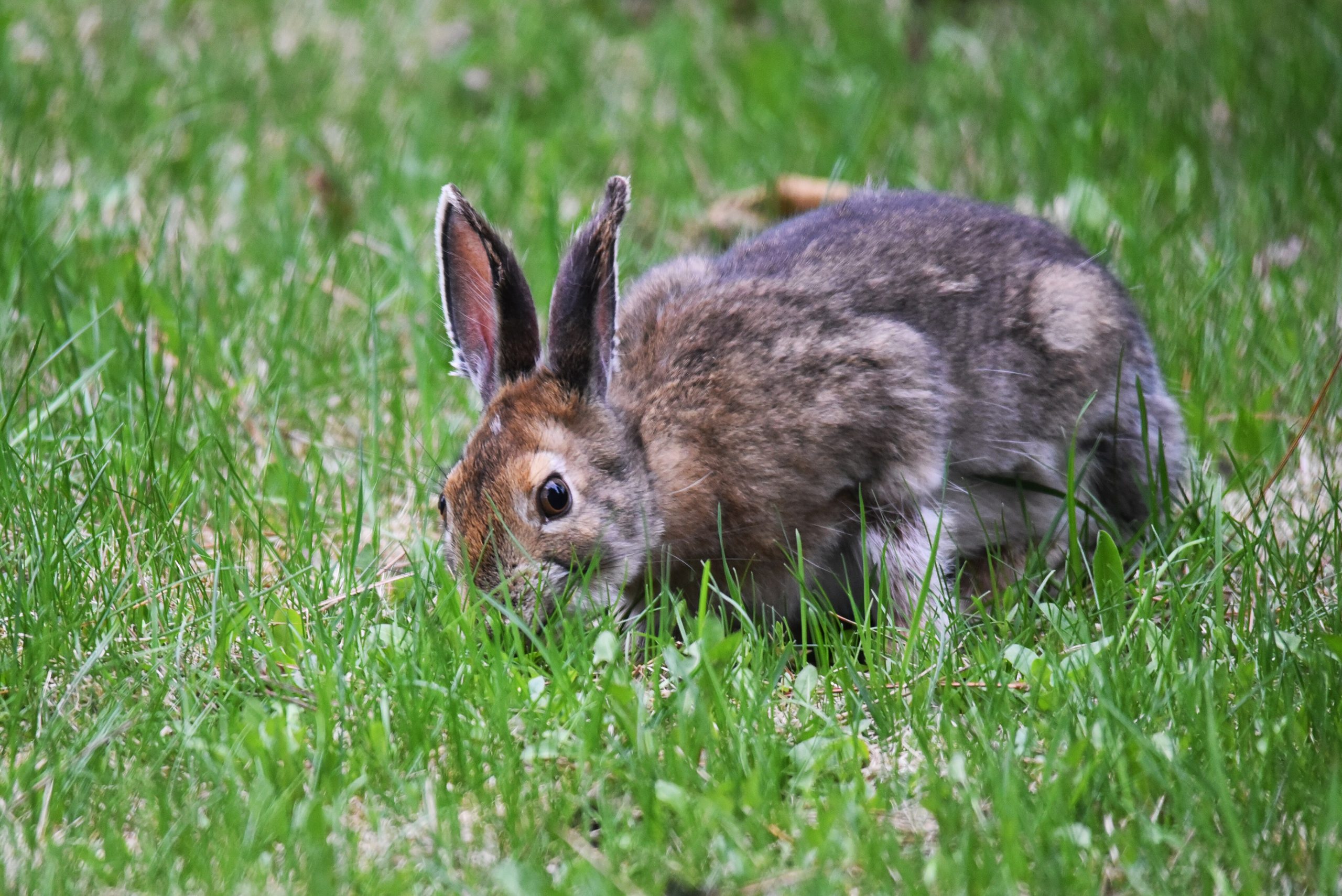
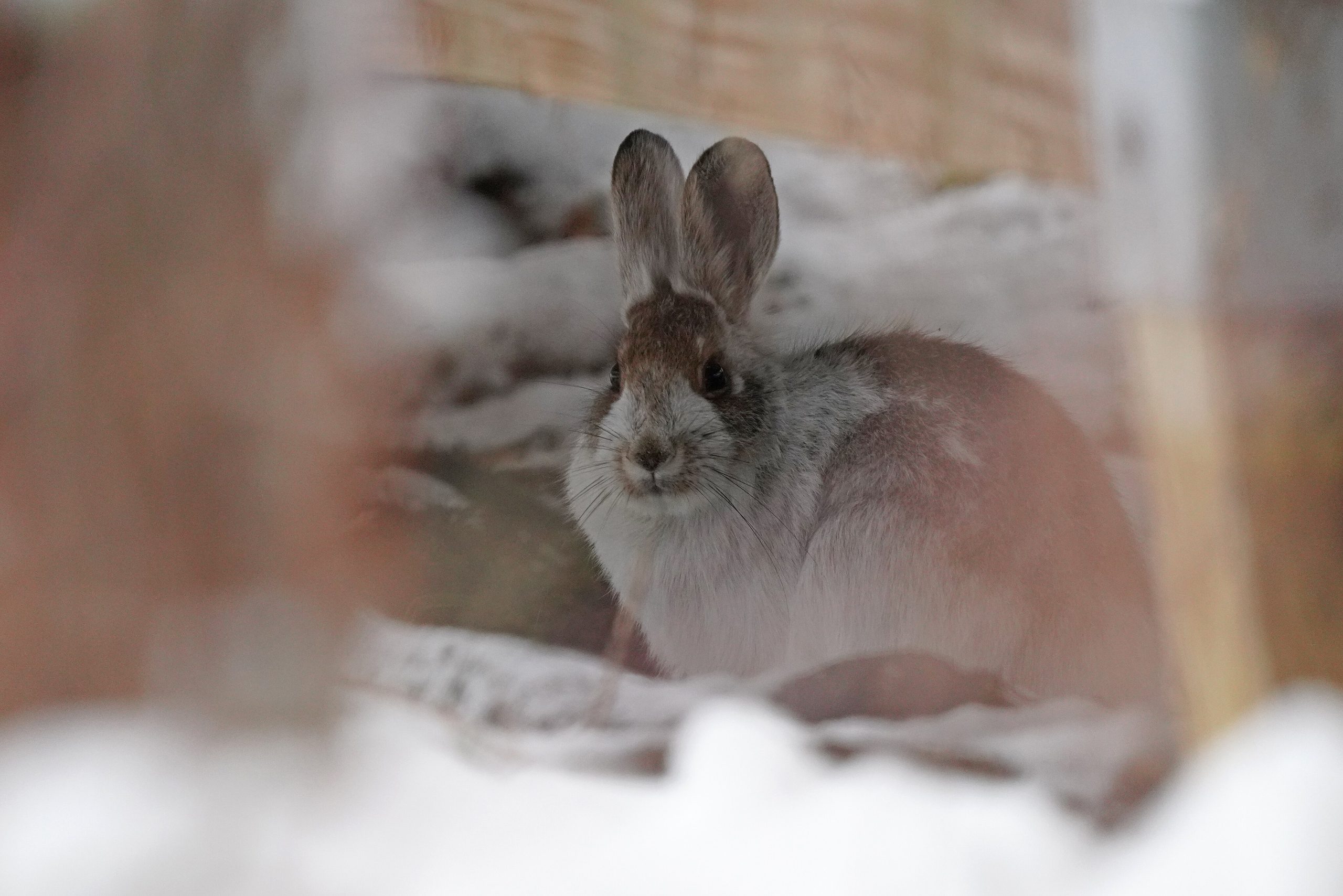
Snowshoe hares are perfectly adapted to snowy environments. Their oversized feet distribute weight, allowing them to float across deep snow. Seasonal color change provides camouflage that confuses predators and people alike. Snow improves their escape routes and visibility control. Many expect hares to hide during snowstorms, but they remain active and confident. Snow is not a challenge for them; it is their advantage.