Extreme cold exposes weaknesses in survival habits that work fine in mild weather. Skills learned from books, videos, or warm-season trips often break down when temperatures drop, wind cuts through layers, and daylight disappears early. Cold changes how the body thinks, moves, and reacts, turning small mistakes into serious threats. Many people trust familiar techniques without realizing how freezing conditions alter timing, energy use, and judgment. Understanding where survival skills commonly fail in severe cold helps you adapt before those weaknesses become dangerous.
1. Relying on Familiar Fire-Starting Methods
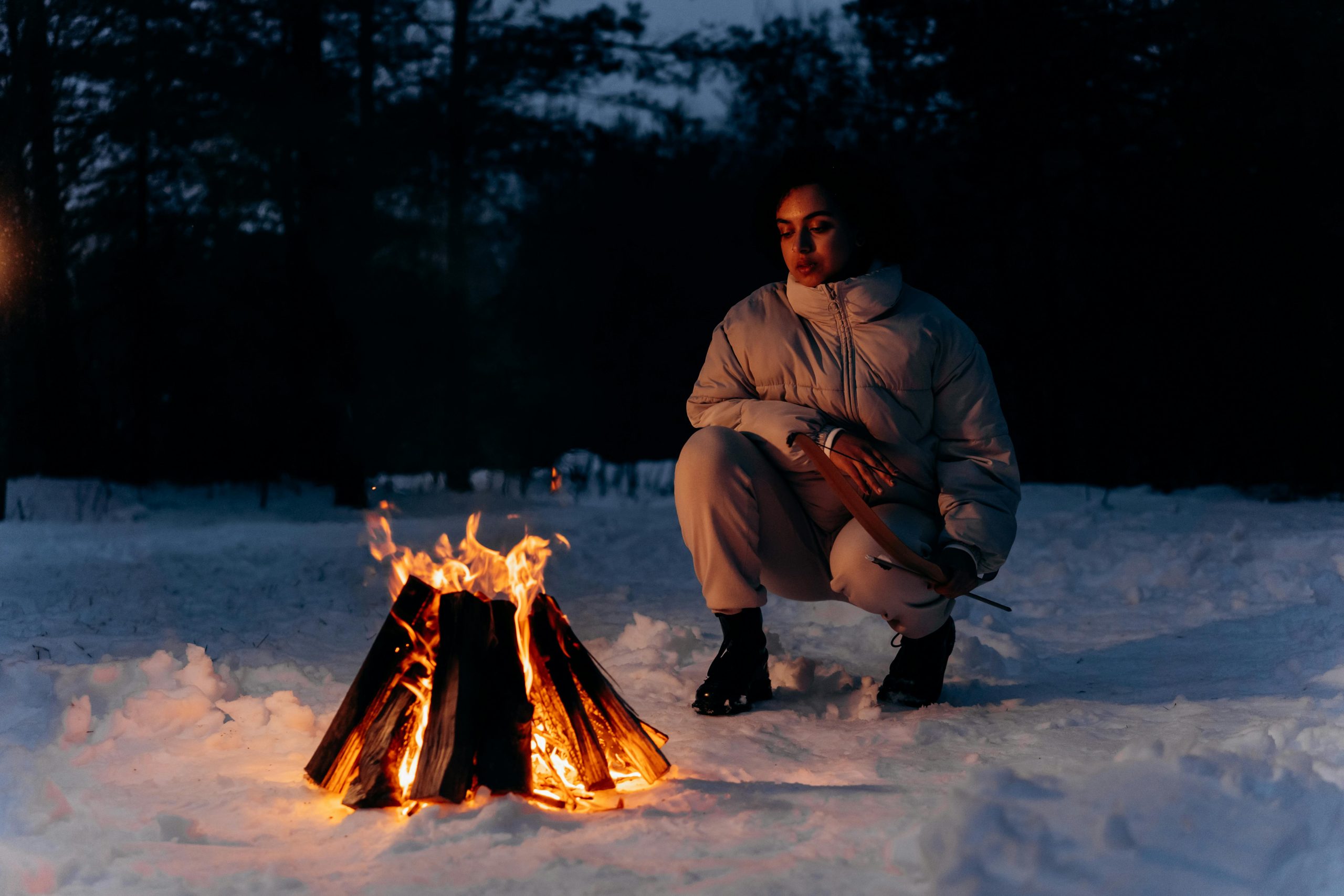
In extreme cold, fire-building skills that work in fair weather often fail fast. Fingers lose dexterity, making lighters hard to flick and matches difficult to strike. Snow-covered ground steals heat before flames can grow, while damp wood looks dry but refuses to ignite. Wind strips heat from sparks and exposes poor fire placement. Many people waste energy trying the same motions repeatedly instead of changing tactics. Cold also drains fuel canisters quickly, reducing flame strength. Without preparation, fire becomes frustrating rather than lifesaving.
2. Underestimating How Fast Your Body Loses Heat
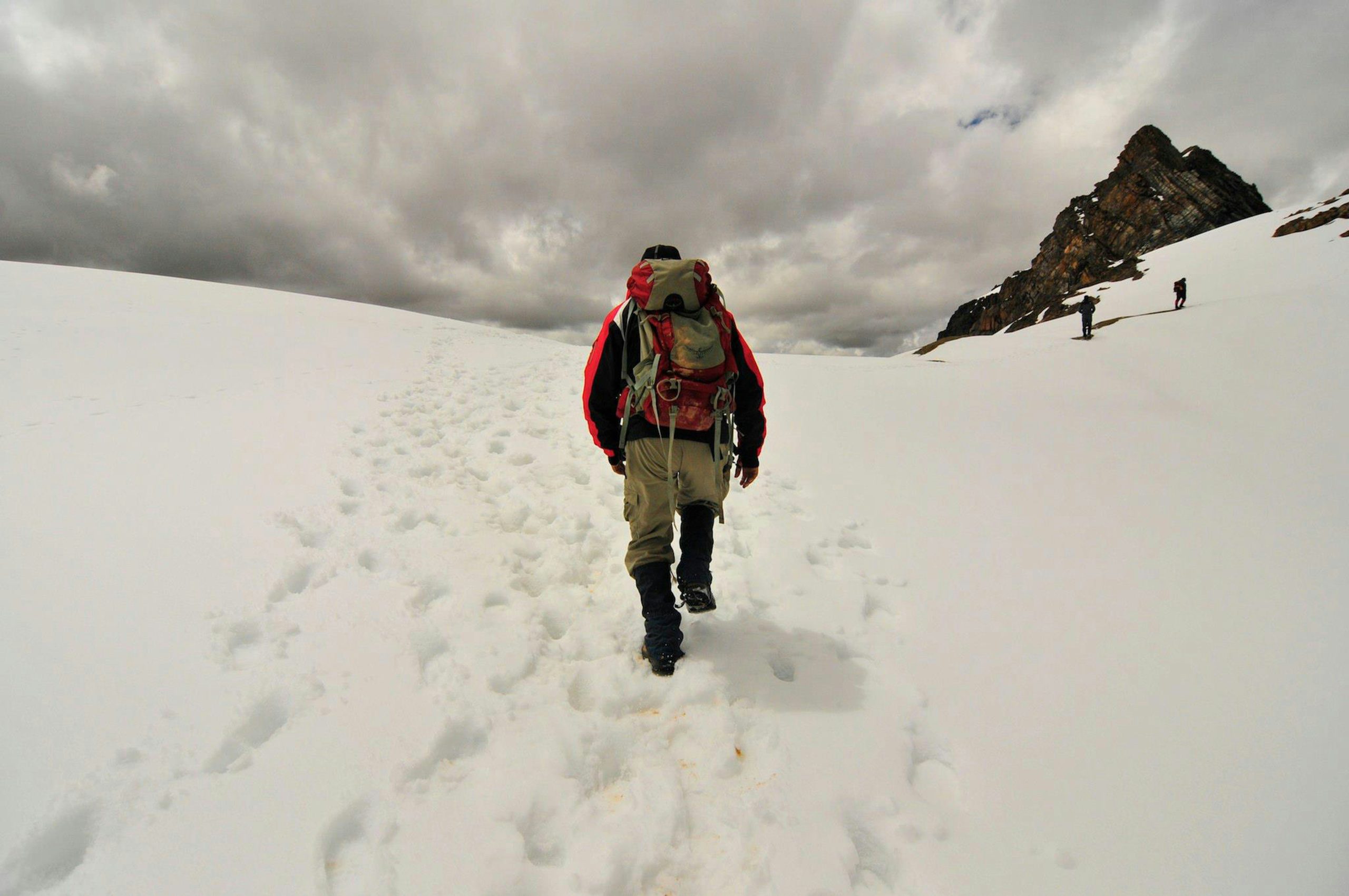
Survival skills often assume steady body warmth, but cold weather rewrites those rules. Sweat from hiking or hauling gear cools rapidly once movement stops. Wet base layers trap cold against skin, speeding heat loss. Many people trust their tolerance, ignoring early numbness and shivering. As core temperature drops, decision-making slows, and simple tasks feel overwhelming. You may believe you can push a little longer, but cold reduces margins quickly. Skills fail when timing is misjudged.
3. Overconfidence in Shelter-Building Ability
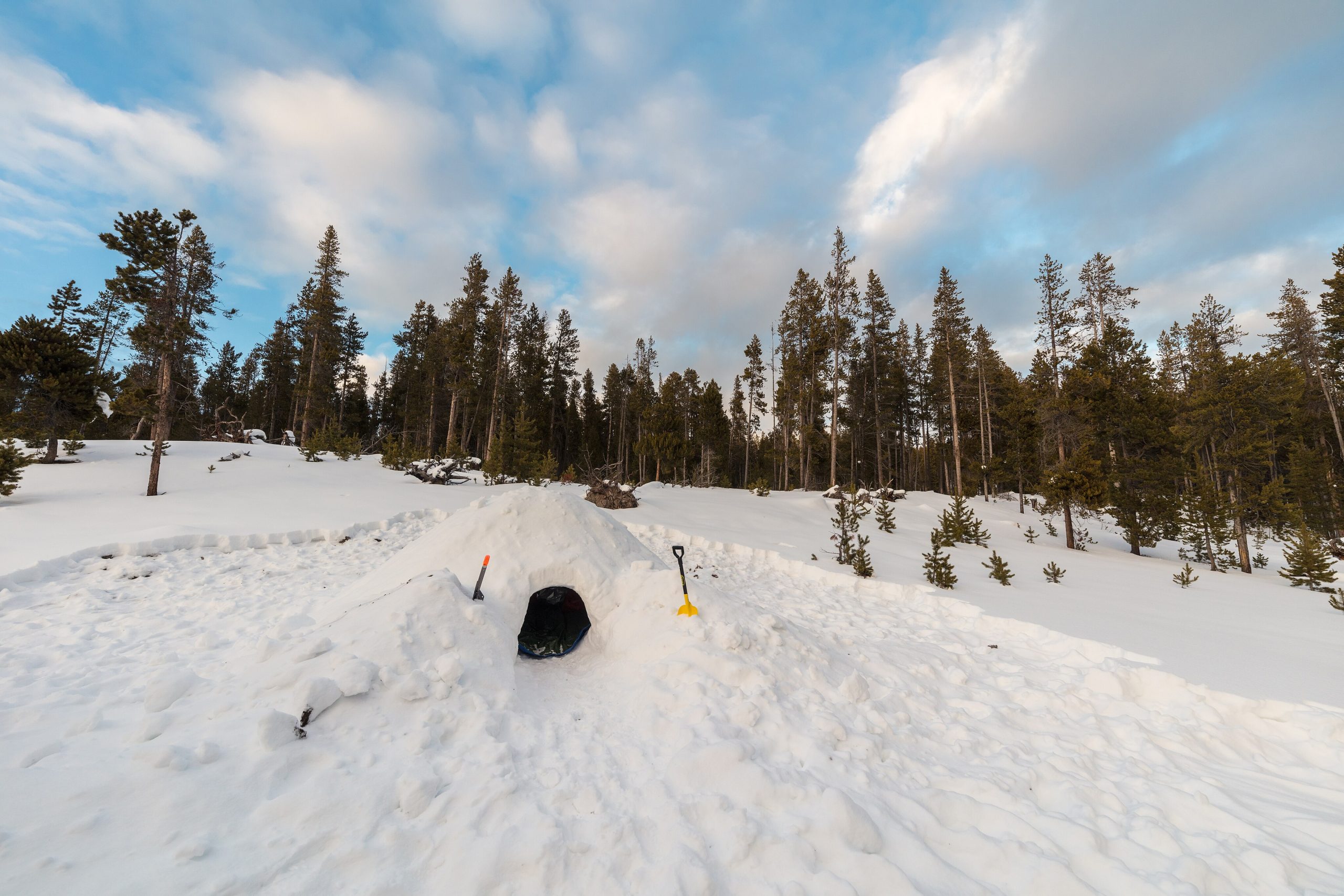
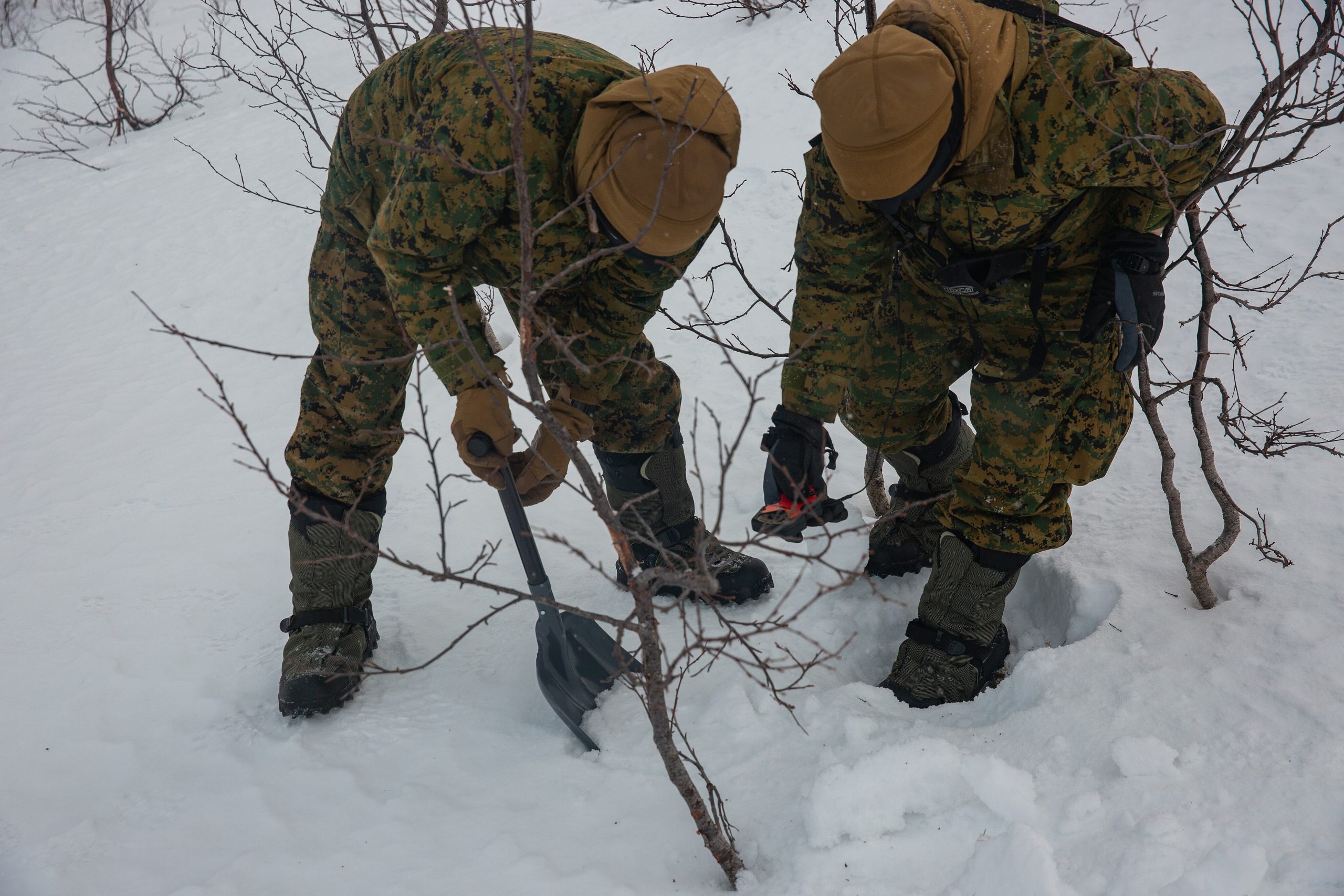
Shelters that feel adequate in cool weather collapse in extreme cold. Snow load bends branches, wind sneaks through gaps, and poor insulation allows heat to escape. Many survival skills focus on structure and shape but ignore ground insulation. Cold soil and snow pull warmth downward all night. Without enough padding, even a solid roof fails. Building shelters also burns calories, and exhaustion sets in faster in freezing air. Overconfidence leads to rushed construction and missed details.
4. Misjudging Calorie and Energy Needs
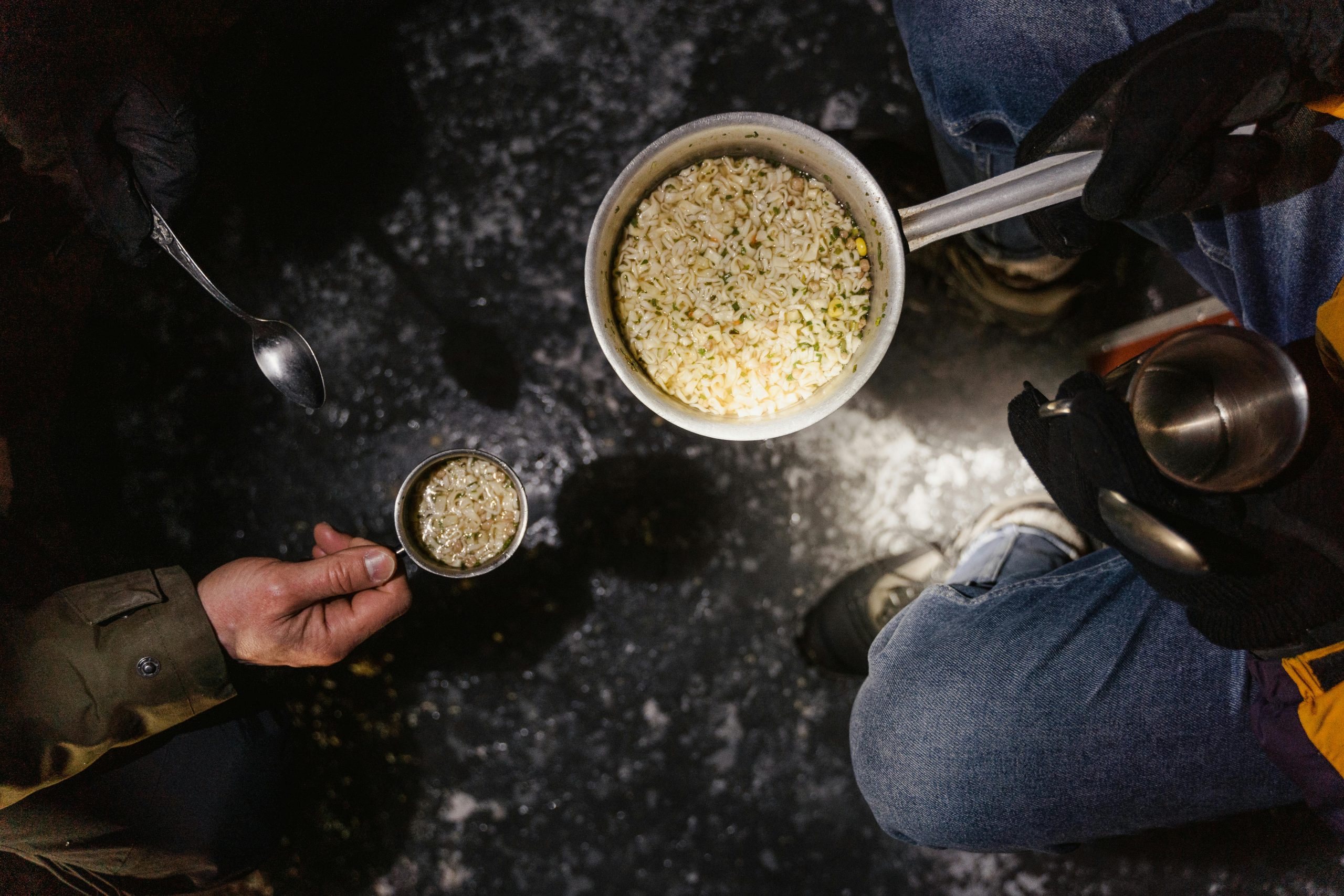
Cold dramatically increases calorie demands, yet many survival plans underestimate food needs. The body burns fuel constantly to stay warm, even at rest. Skills learned in moderate climates do not account for this drain. People ration food too tightly, weakening strength and slowing reactions. As energy drops, simple tasks take longer, and mistakes multiply. Cold also dulls thirst signals, increasing dehydration risk. Survival skills fail when energy management is ignored.
5. Trusting Navigation Skills Without Cold Adjustments
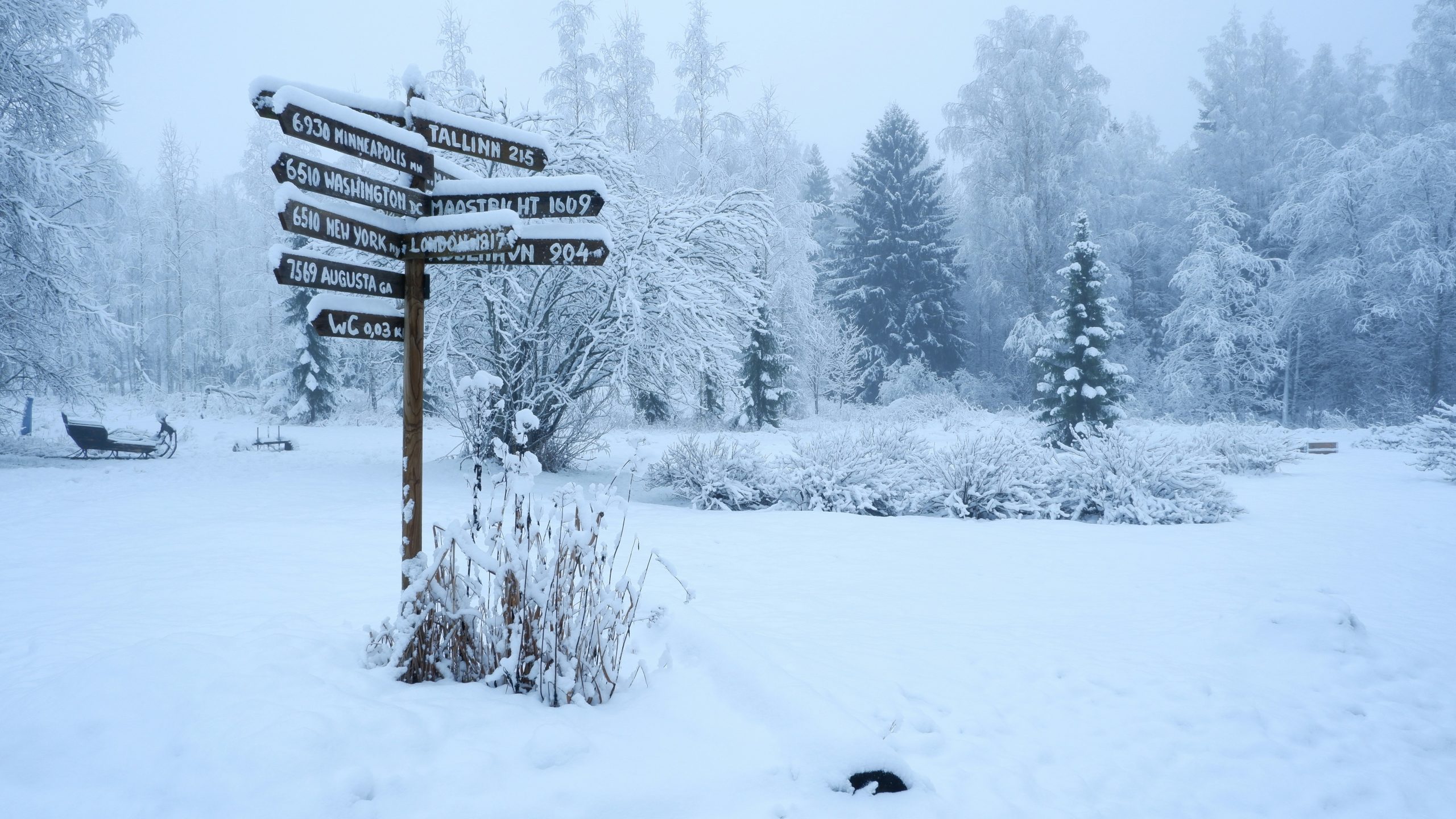
Navigation skills break down in extreme cold due to shortened daylight and altered terrain. Snow hides landmarks, trails disappear, and familiar routes look unfamiliar. Batteries in GPS units drain quickly, leaving tools useless. Paper maps become stiff and hard to handle with gloves. Cold slows mental processing, making route decisions harder. Many people rely on memory rather than verification, leading to wrong turns. Skills fail when conditions change faster than plans.
6. Assuming Clothing Knowledge Is Enough
Layering skills often fail when clothing choices are mismatched to activity levels. Too many layers cause sweating, while too few invite rapid heat loss. Cotton traps moisture and becomes dangerous once wet. Poorly vented jackets overheat during movement, then chill during stops. Many people do not adjust layers often enough. Cold punishes delay. Survival skills fail when clothing is treated as static instead of flexible.
7. Ignoring How Cold Affects Mental Focus
Extreme cold attacks the mind as much as the body. Concentration fades, memory slips, and problem-solving becomes sluggish. Survival skills require clear thinking, but cold clouds judgment. People skip steps, misplace tools, or forget basic safety checks. Stress increases as discomfort grows, narrowing attention. Over time, poor decisions stack up. Skills fail not from lack of knowledge, but from reduced mental clarity.
8. Delaying Decisions Too Long
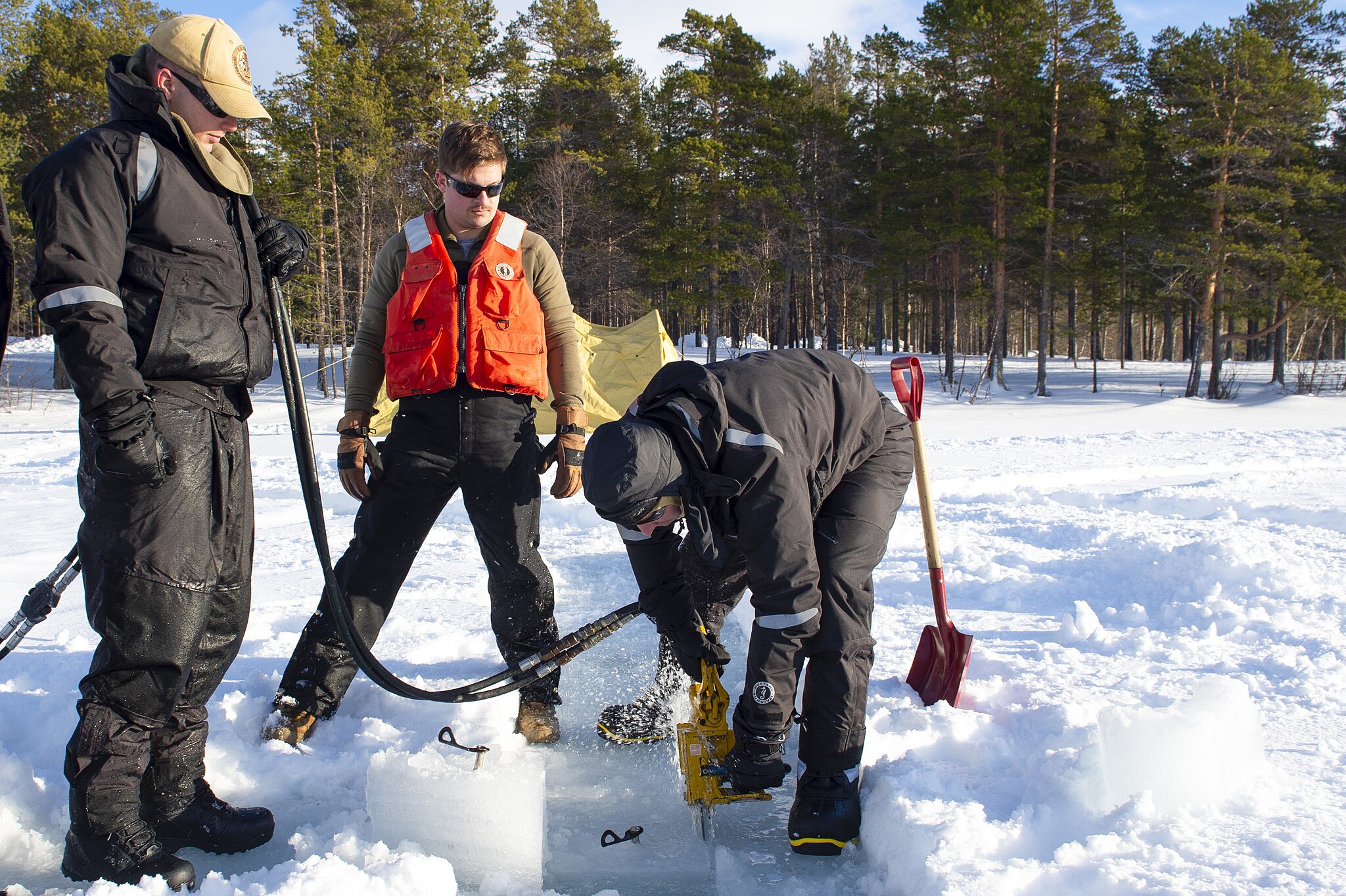
Cold punishes hesitation. Survival skills often emphasize patience, but extreme cold demands timely action. Waiting to build a shelter, start a fire, or change clothing wastes precious warmth. People hope conditions will improve, underestimating how fast cold escalates danger. Small delays snowball into serious problems. Once hands numb or energy drops, options shrink quickly. Skills fail when urgency is ignored.