Introduced in 1956, the .458 Winchester Magnum changed the economics of dangerous game rifles. Before it appeared, powerful African cartridges such as the .450 Nitro Express and .470 Nitro Express were commonly associated with expensive British double rifles. Winchester instead created a powerful .45 caliber cartridge for a mass-produced bolt-action rifle, giving American hunters a familiar platform and a far more accessible route into safari hunting. Its story is therefore about engineering, price, availability, and a major shift in sporting rifle culture.
1. It Arrived With a Very Different Price Philosophy
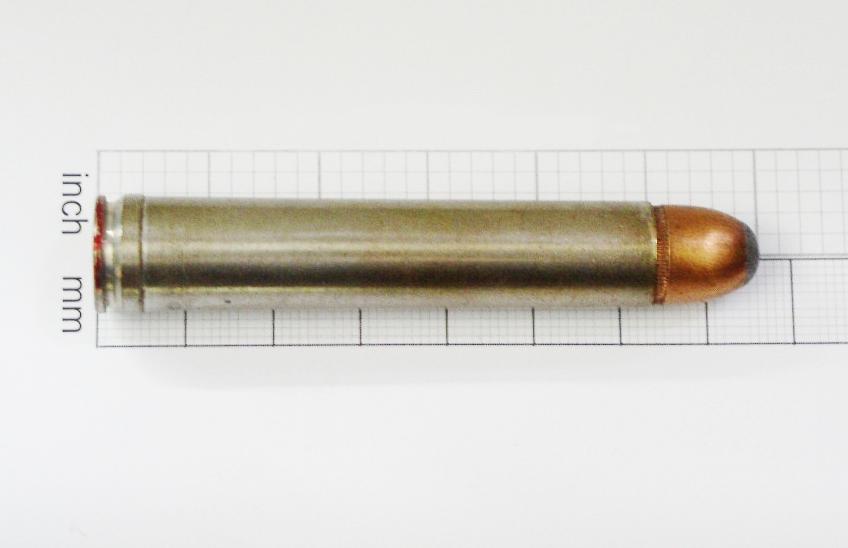
The .458 Winchester Magnum was designed around an idea that was almost revolutionary for the safari market: dangerous game performance did not have to require a bespoke British double rifle. Winchester introduced the cartridge with the Model 70 African, an off-the-shelf bolt-action rifle that could be produced in quantity. The cartridge used a shortened .375 H&H-based case, allowing it to fit a standard-length action. In 1956, that combination gave American sportsmen a practical alternative to costly traditional safari rifles.
2. It puts big bore power into a standard-length action
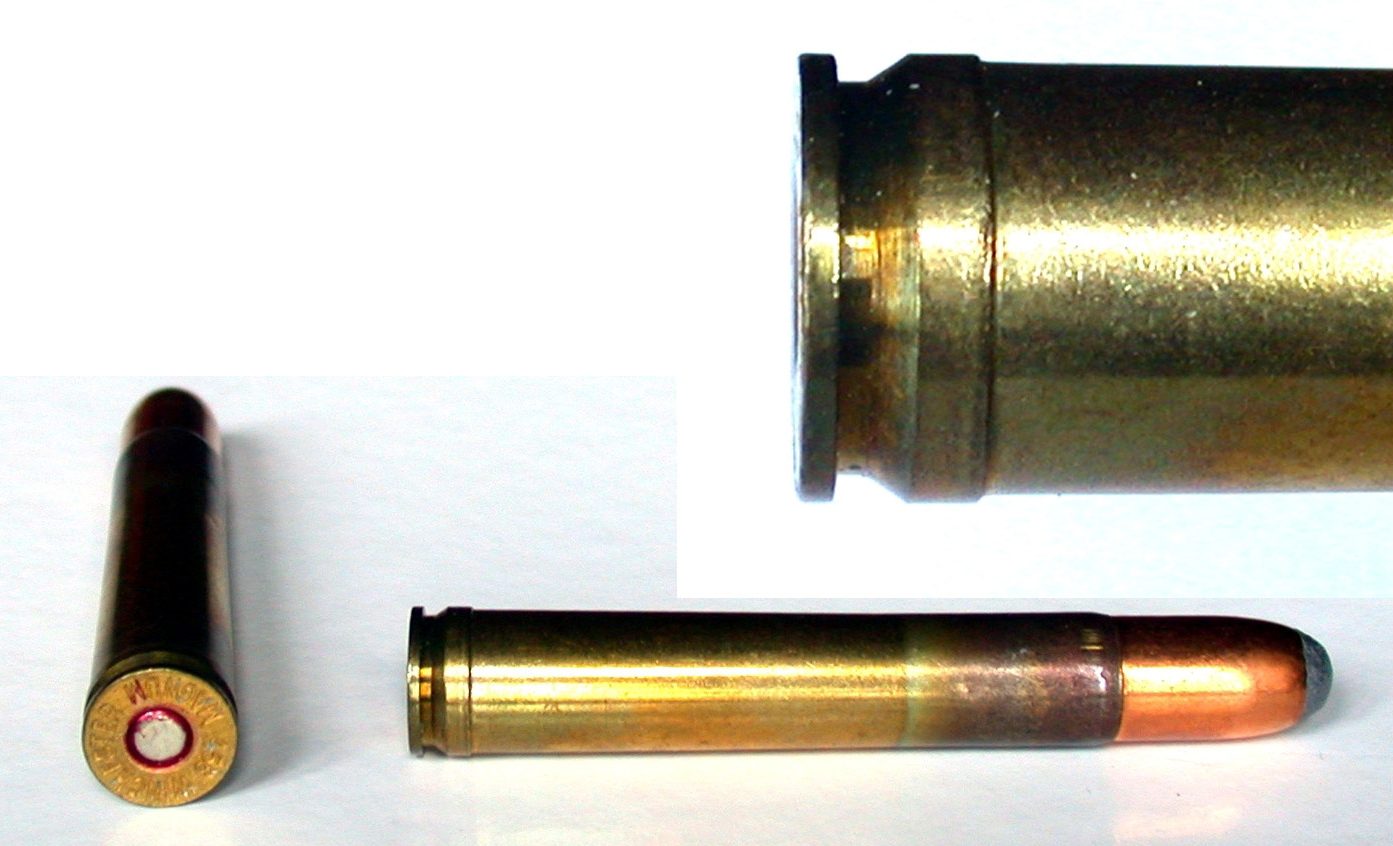
One of the cleverest parts of the design was its compact case. Winchester shortened the .375 H&H case from about 2.850 inches to 2.500 inches, while retaining the familiar belted design. The resulting cartridge had an overall length of about 3.340 inches, allowing it to work in an action comparable in size to those used for .30-06 length cartridges. That meant a hunter could obtain a serious .45 caliber dangerous game rifle without needing an unusually long magnum action. The dimensional compromise was central to its commercial appeal.
3. Its Target Was the Famous Nitro Express Class
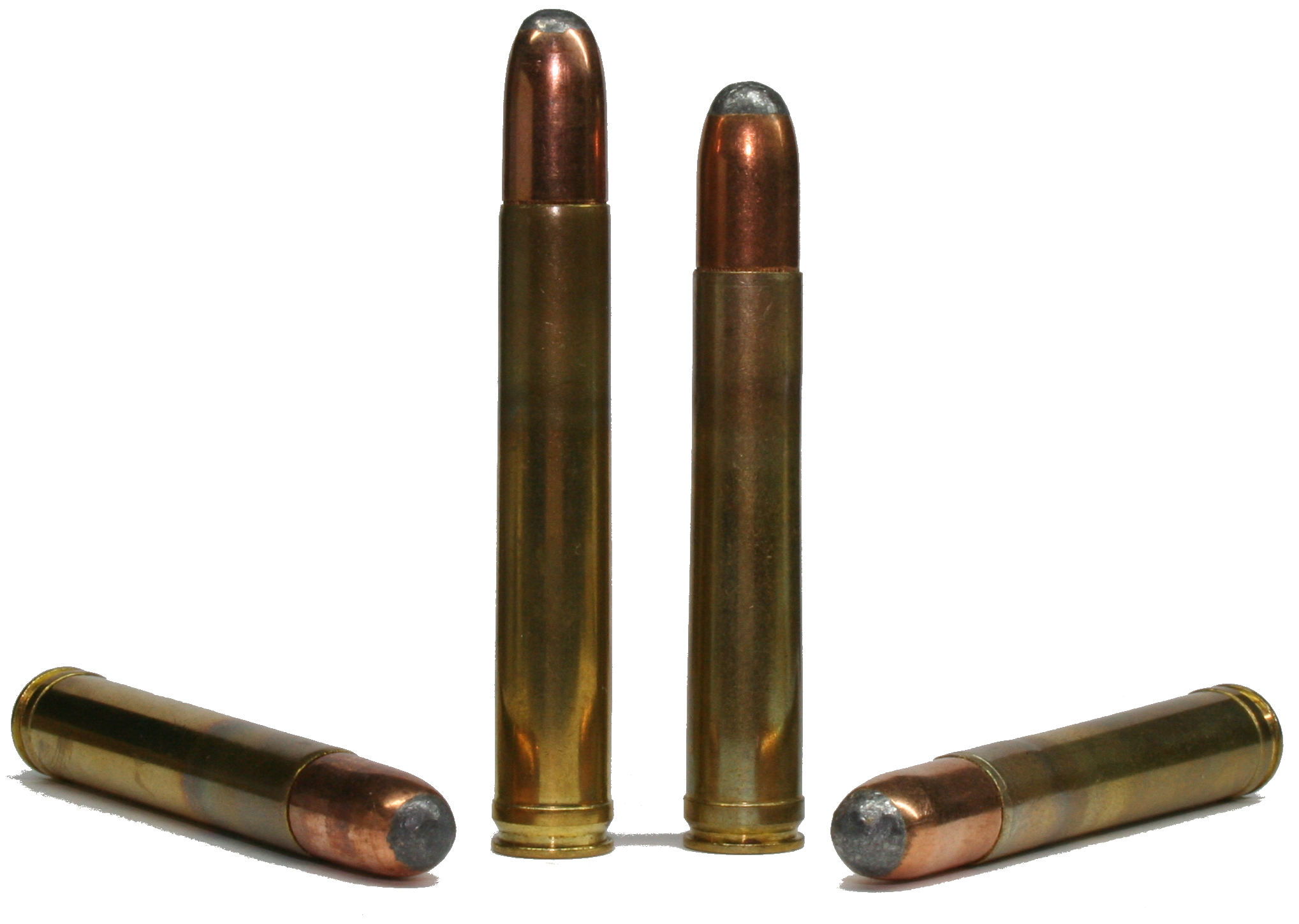
Winchester was not merely creating another large hunting cartridge. The goal was to reproduce the useful field performance of established British dangerous game rounds such as the .450 Nitro Express and .470 Nitro Express. Early specifications centered on bullets around 500 grains traveling near 2,150 feet per second, producing roughly 5,000 foot-pounds of muzzle energy. That gave the new cartridge impressive credentials on paper. More importantly, it delivered that power through a repeating bolt action that American hunters already understood.
4. The Model 70 Made the Package Familiar
The cartridge alone did not create the revolution. Winchester paired it with the Model 70 African, giving hunters a rifle platform that looked and operated very differently from a traditional British double. The Model 70 had already established a strong reputation among American shooters, and its bolt action layout was familiar to a huge domestic market. In 1960, the National Rifle Association museum documented a Model 70 African chambered for the .458, reflecting how quickly the combination became part of the mainstream safari rifle market.
5. Mass Production Changed Safari Accessibility
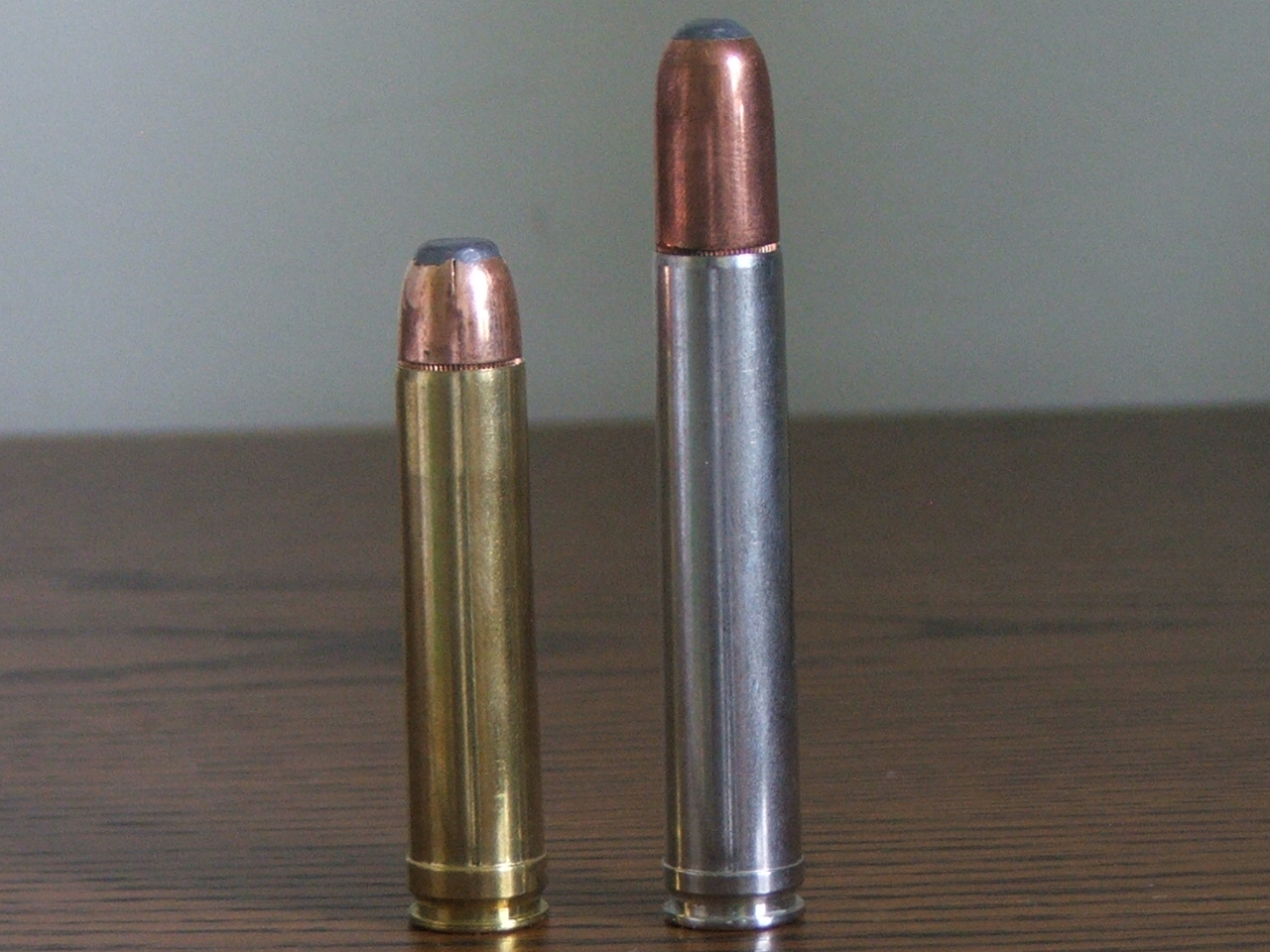
The real advantage was the combination of cartridge, rifle, and ammunition production. A custom double rifle required specialized craftsmanship, while the .458 Winchester Magnum could be built around established manufacturing methods. Winchester could also supply factory ammunition rather than leaving hunters dependent on specialized British cartridge makers. By the early 1960s, contemporary American hunting publications were describing the .458 as the rifle commonly requested by American safari clients. That availability helped turn a once specialized category into something much more approachable for ordinary sporting rifle buyers.
6. Its Numbers Were Impressive, Even by Safari Standards
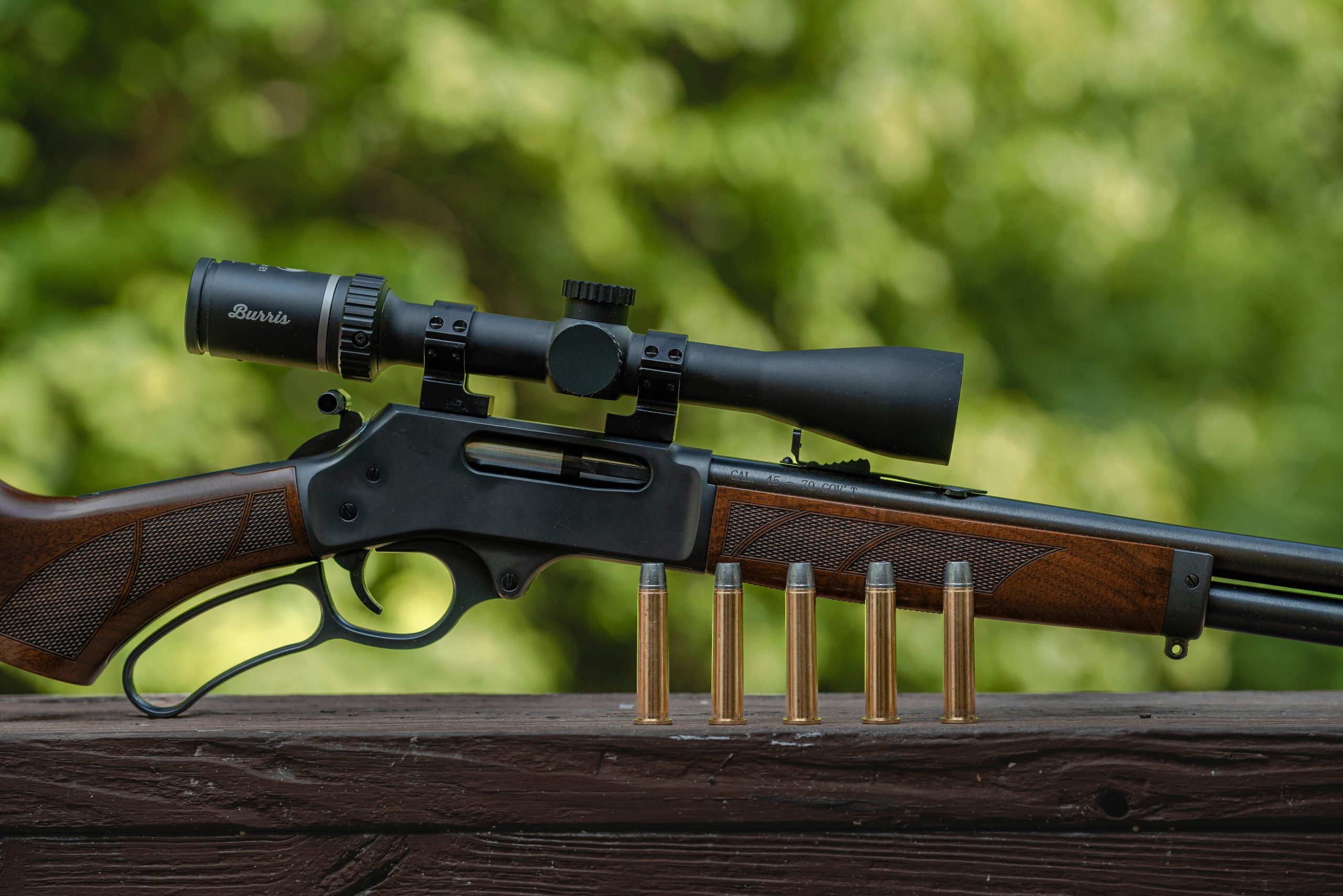
The original concept called for a heavy .458-inch bullet, with early factory figures commonly centered around 510 grains at approximately 2,130 to 2,150 feet per second. Modern ammunition can still produce about 2,150 feet per second with a 500-grain projectile, depending on the load and barrel. That combination generates roughly 5,000 foot-pounds of muzzle energy. These numbers explain why the cartridge became associated with elephant, Cape buffalo, and other dangerous game where deep penetration and substantial bullet mass were highly valued.
7. Early Problems Did Not End Its Success
The .458 Winchester Magnum had a serious early controversy. Winchester’s original ammunition used heavily compressed powder charges, and field reports emerged of ammunition producing substantially less velocity than advertised. Shorter barrels also reduced real-world performance compared with the long test barrels used for some published figures. Winchester eventually corrected the ammunition problems, and modern loads are capable of reaching the cartridge’s intended performance. Despite the early setbacks, the .458 survived and became a benchmark against which later dangerous game cartridges were judged.
8. It Changed What Americans Expected From a Safari Rifle
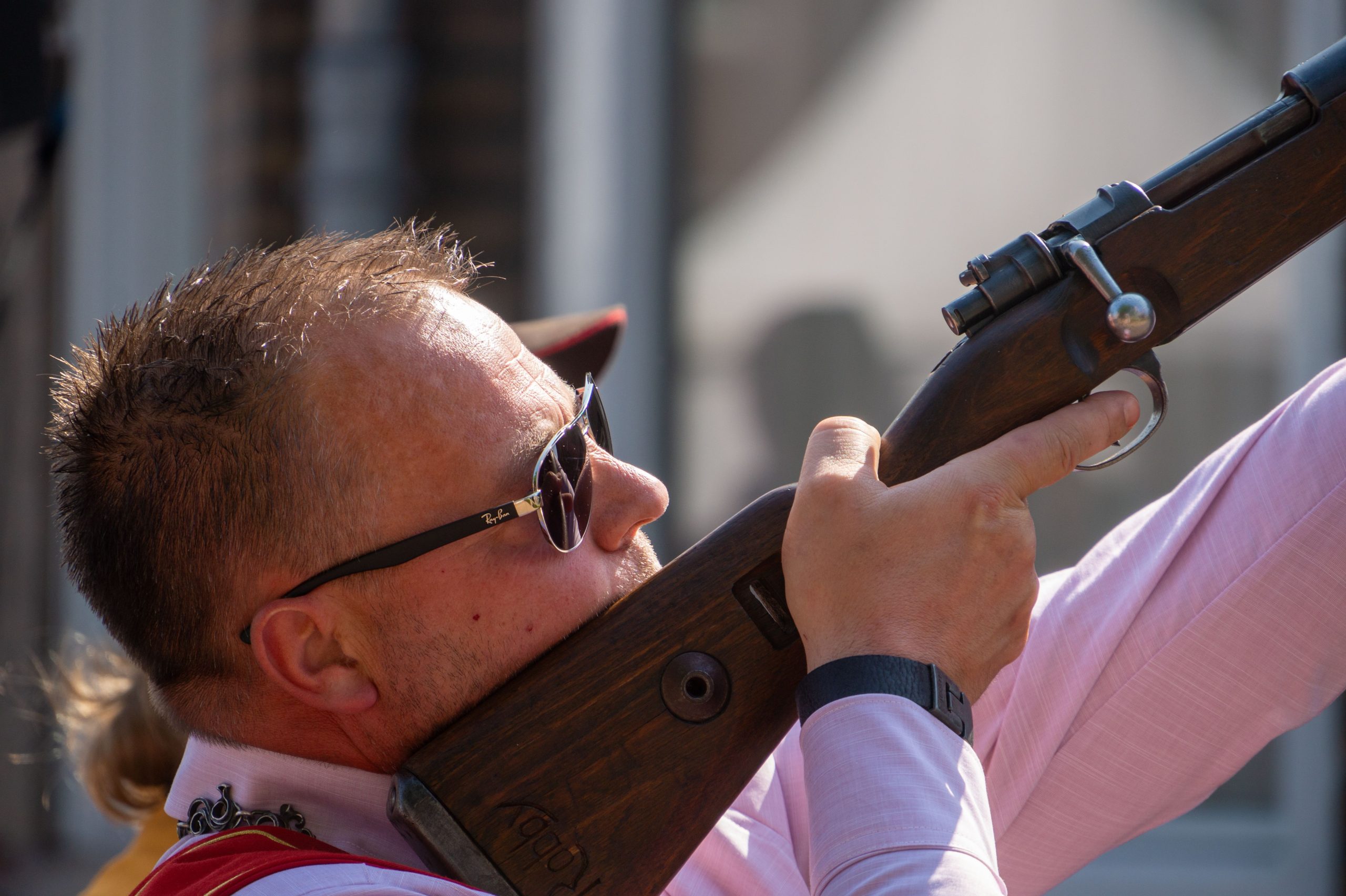
The lasting achievement of the .458 Winchester Magnum was cultural as much as technical. It showed that an American hunter did not necessarily need a traditional English double rifle to own a serious dangerous game firearm. A factory-produced bolt action, a widely supported cartridge, and familiar controls could provide a credible alternative. The cartridge was introduced in 1956 and remains commercially available more than 70 years later. Its influence helped establish the modern idea of the affordable factory safari rifle, making the .458 far more than simply another powerful cartridge.