Survival movies are thrilling, dramatic, and packed with edge-of-your-seat moments, but they often bend reality for excitement. While Hollywood loves to show heroes outrunning danger, building shelters in minutes, and walking away from injuries, real-world survival requires patience, planning, and humility. Whether it’s wilderness emergencies or unexpected disasters, these common movie myths can lead people to misunderstand what truly keeps you alive outdoors.
1. Running Everywhere Instead of Conserving Energy
Movies love showing characters sprinting across mountains and forests, but in true survival situations, burning energy too quickly is a fast track to exhaustion and dehydration. Slow, steady movement is smarter because it protects calories, body heat, and awareness. Real survival experts teach controlled pacing: move when needed, rest often, stay hydrated, and avoid unnecessary physical stress. When you’re lost, staying calm and conserving energy is often better than running blindly.
2. Eating Before Securing Water
Hollywood heroes love foraging berries or catching wild game right away, but food isn’t your first priority; water is. Without access to safe drinking water, the body fails quickly, and digestion actually uses moisture, making dehydration worse. In real survival, the rule of three applies: you can last three days without water, but much longer without food. Always locate, purify, and ration water sources before worrying about your next meal or snack.
3. Building Huge Fires Instantly
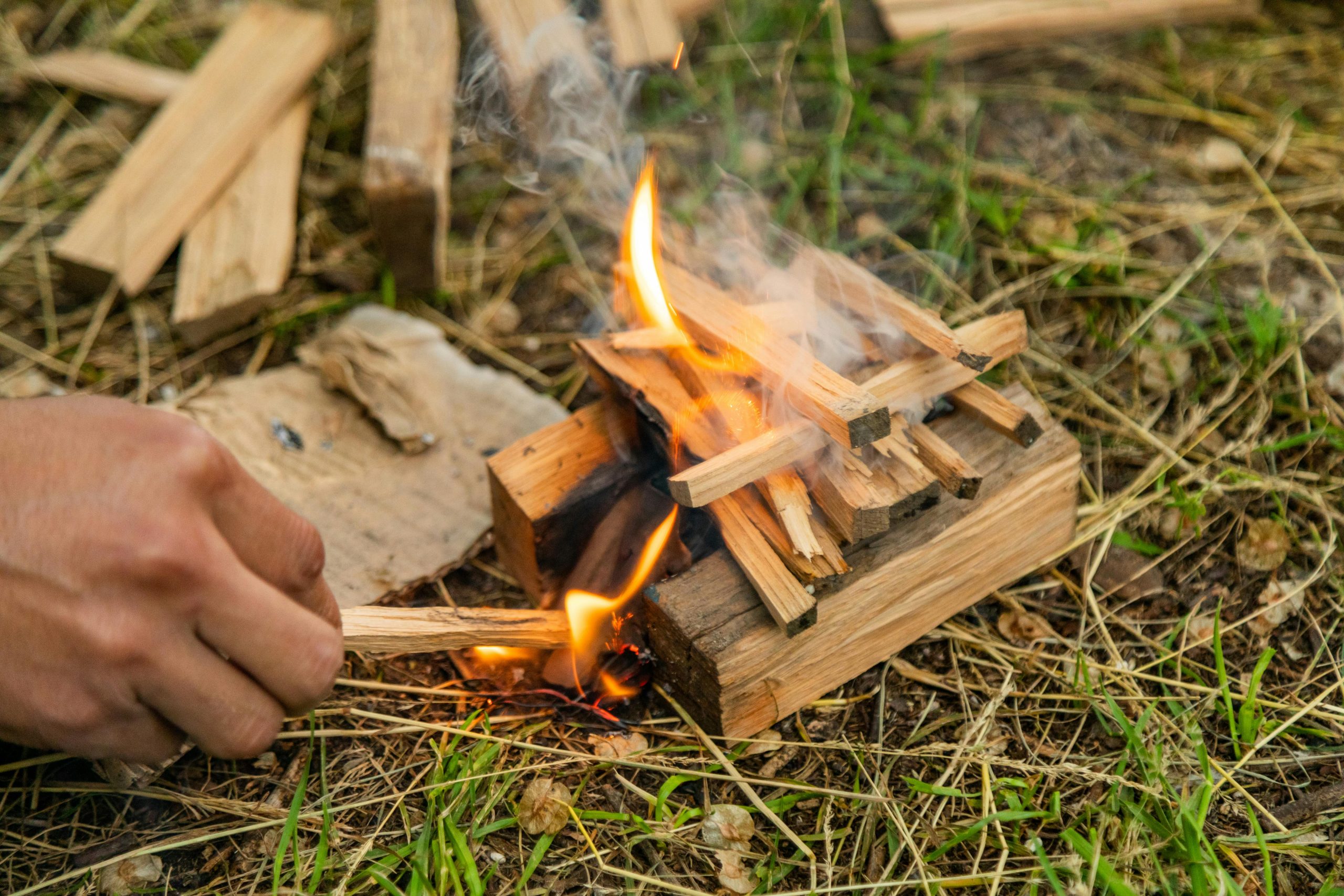
Movies love giant bonfires roaring to life in seconds, magically lit by one strike of flint or a spark from rubbing sticks. Reality is far slower and requires preparation: dry tinder, gradual fuel building, wind protection, and patience. A modest, controlled fire is safer and easier to maintain than a towering blaze. In truth, mastering fire is a skill that takes practice long before you actually need it in the wild.
4. Using Knives and Gear Perfectly With No Practice
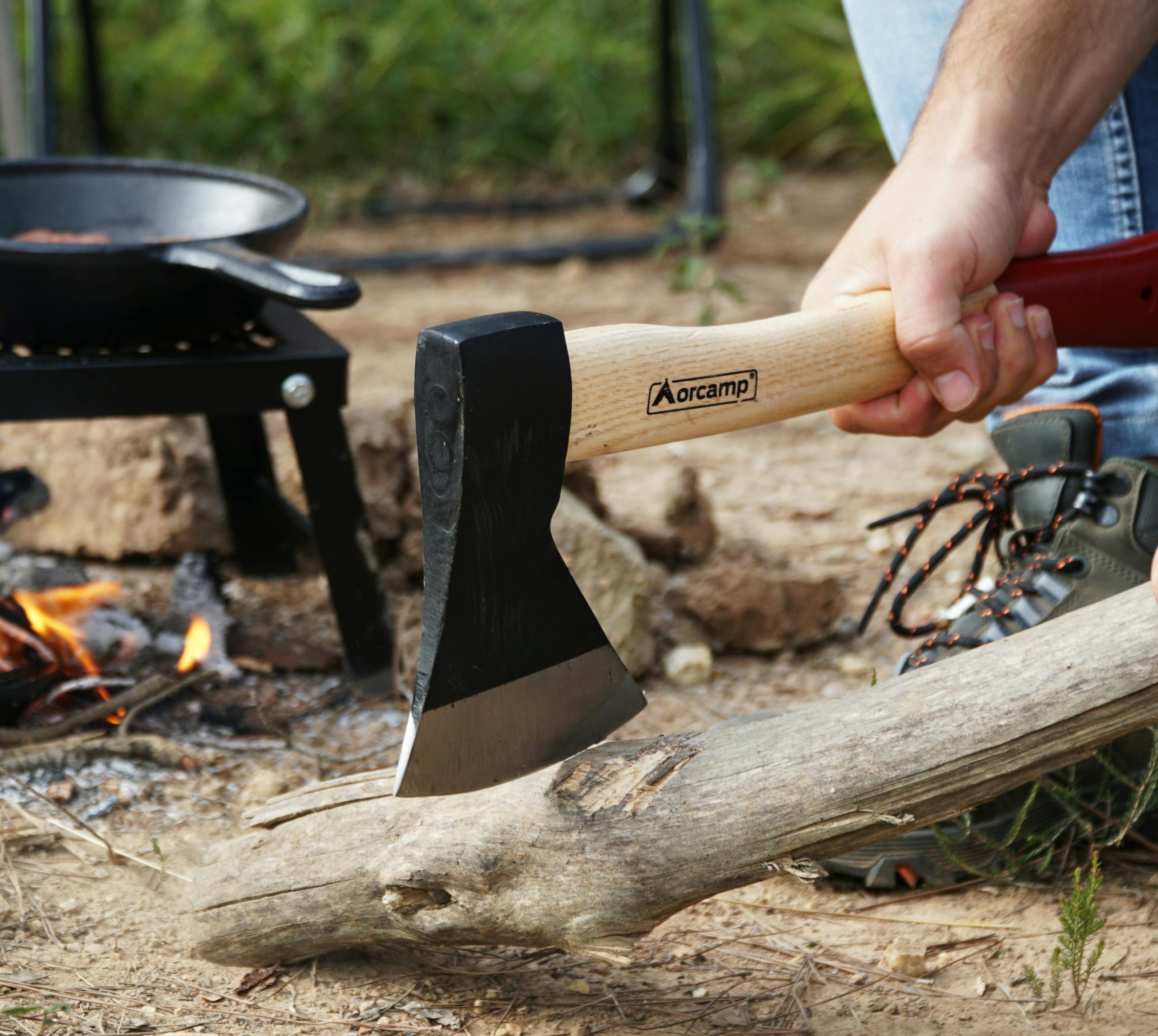
Films show stranded characters instantly becoming expert bushcrafters, carving traps or building shelters like seasoned outdoorsmen. In real survival, tools only help if you already know how to use them. A knife can save you, but it can also injure you if used carelessly under stress. Skill comes from training and familiarity, not adrenaline. Preparation at home, basic tool use, knot-tying, and first-aid make a huge difference in emergencies.
5. Treating Injuries Unrealistically
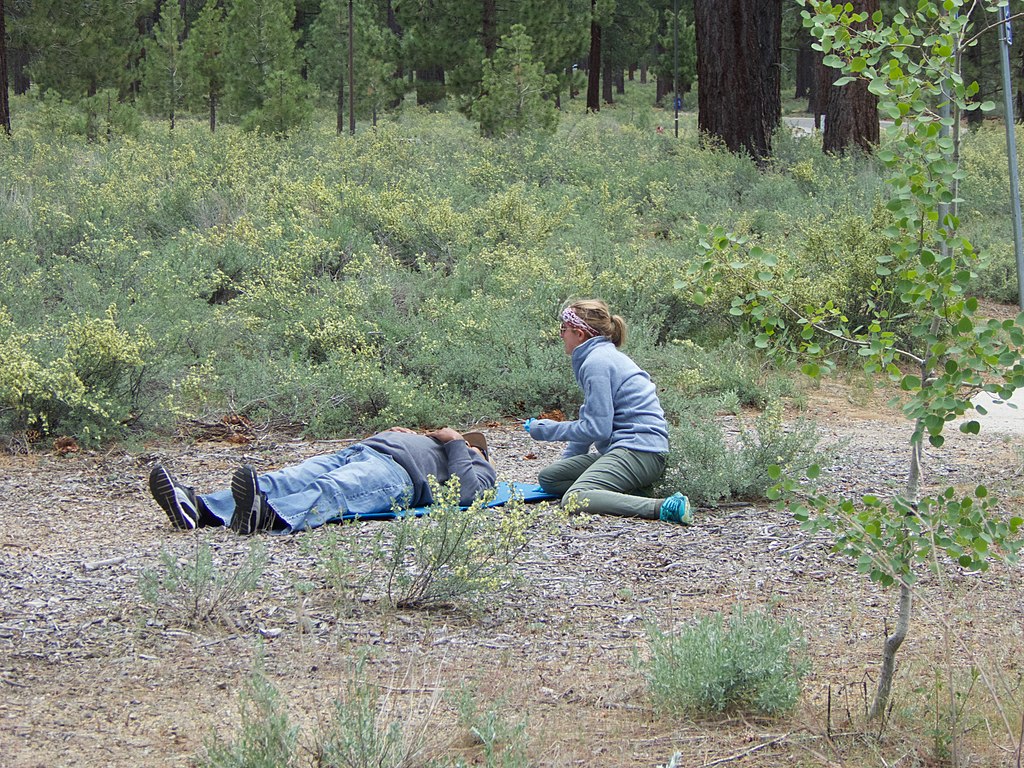
Movie characters wrap torn shirts around wounds and continue climbing cliffs as if pain doesn’t matter. In real survival, untreated injuries quickly lead to infection, shock, and decreased mobility. Even a small cut can become dangerous without proper cleaning and bandaging. Real first-aid means disinfecting, immobilizing injured limbs, resting, and monitoring for complications. The toughest survivors aren’t the ones who ignore injuries; they’re the ones who treat them correctly.
6. Drinking Water Straight From Streams
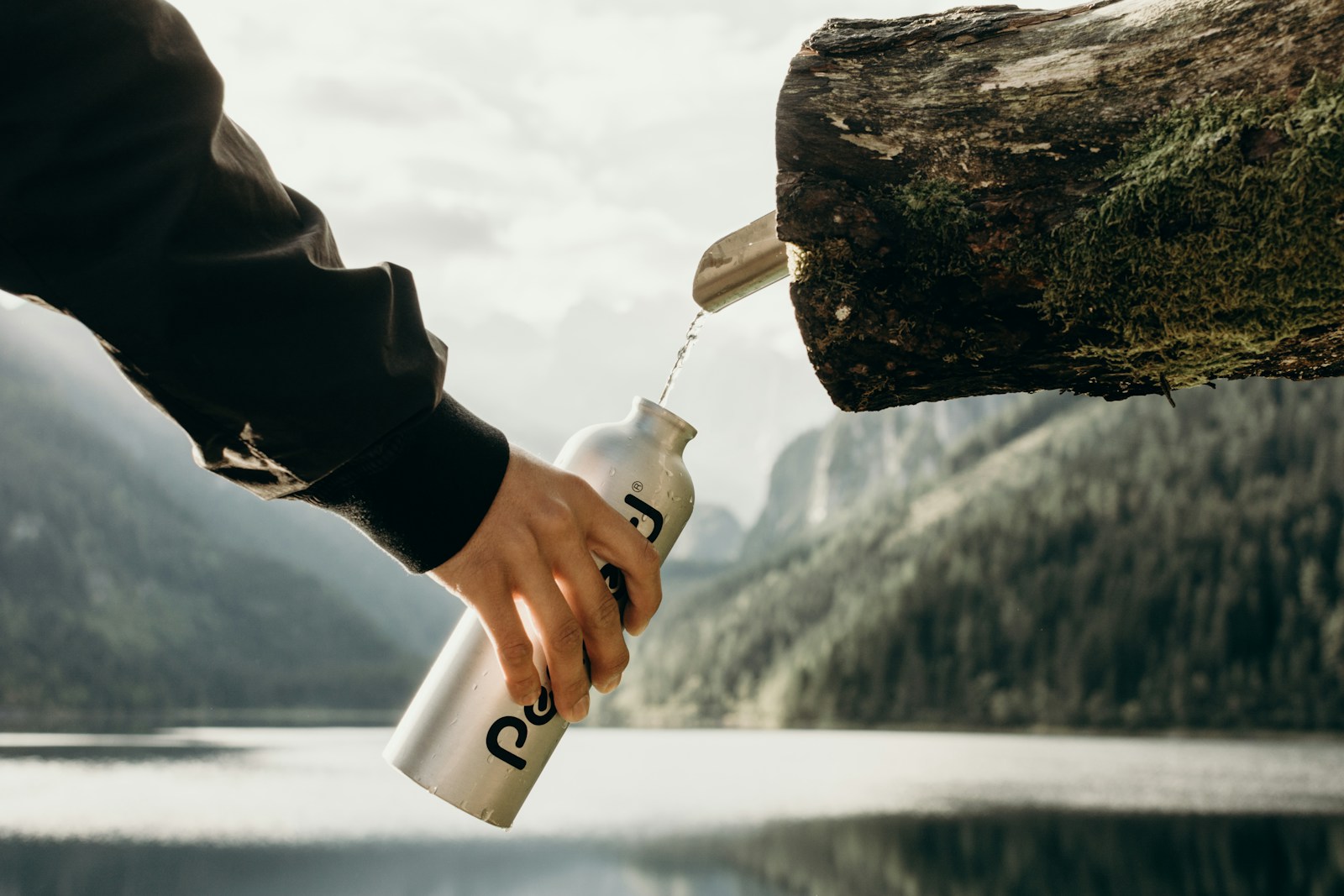
Hollywood often shows thirsty heroes drinking straight from rivers and waterfalls, but untreated water can carry parasites and bacteria that cause severe illness. Diarrhea, vomiting, and dehydration can become life-threatening without medical help. In real survival, always filter, boil, or chemically treat water when possible. Clear water isn’t always safe, and clean-looking mountain streams can still hold microbes. Safe hydration is slow, not cinematic, but it’s lifesaving.
7. Eating Unknown Plants Fearlessly
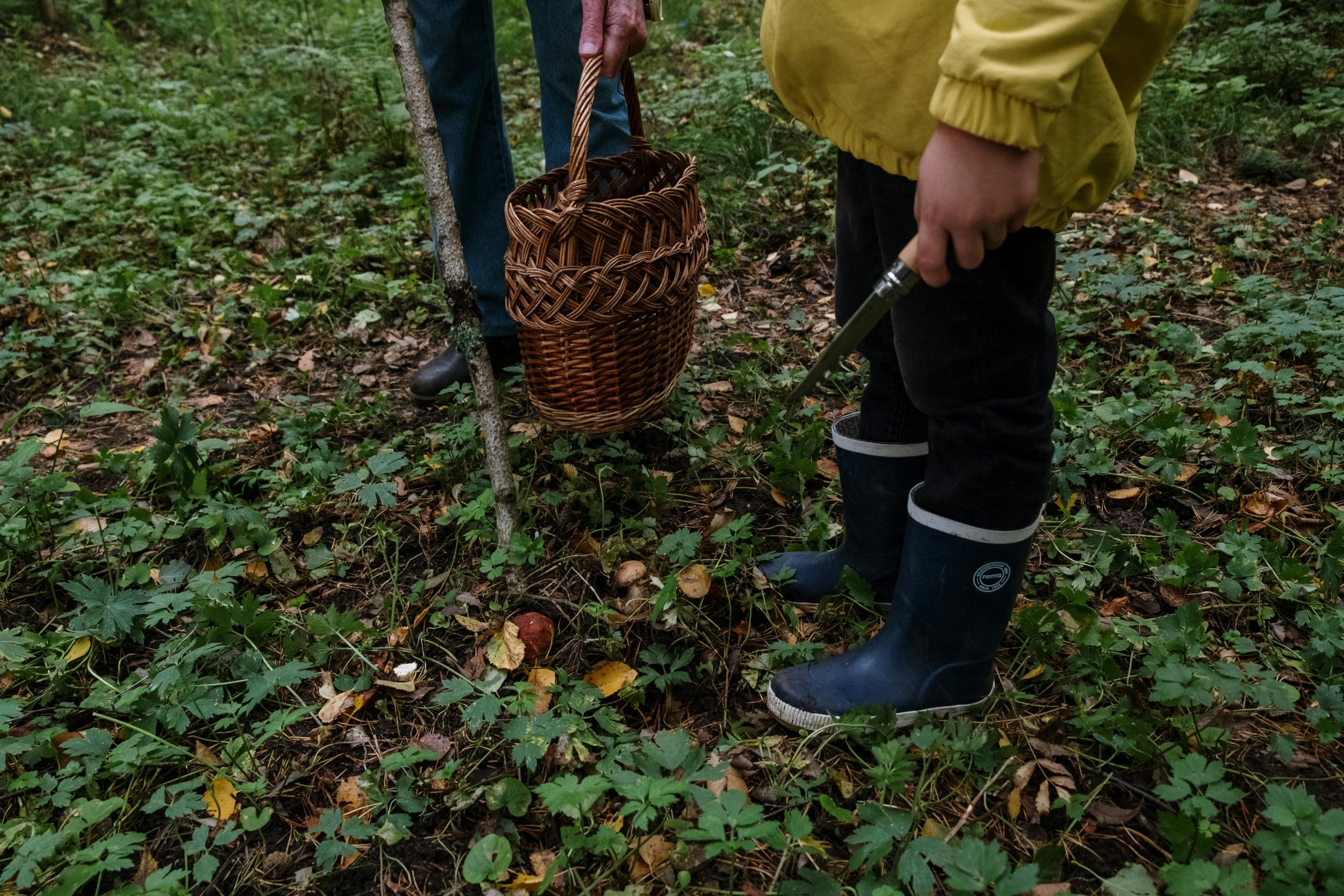
Movie survivors often pluck mysterious leaves or berries and eat them confidently. In reality, plant identification is complex, and guessing wrong can cause poisoning, paralysis, or worse. Many dangerous plants resemble harmless ones, and trial-and-error isn’t a safe method. The smarter approach? Stick to known edible plants, insects, and safe protein sources if trained, and prioritize water and shelter first. Knowledge beats risky improvisation every time outdoors.
8. Thinking Shelter Is Optional
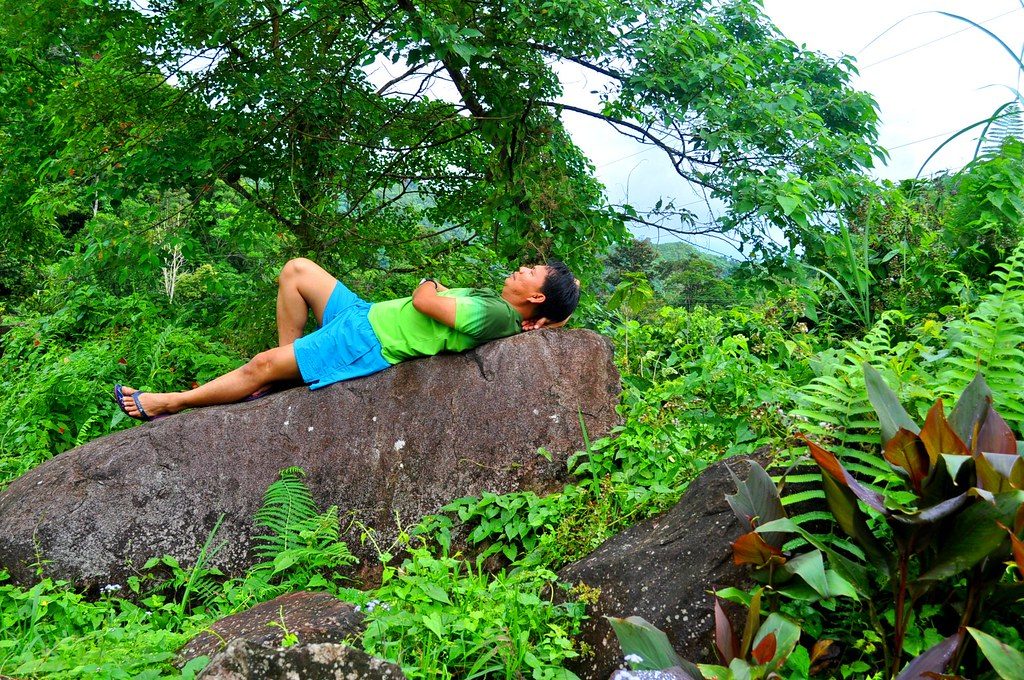
Films often show characters sleeping exposed under the stars, but real wilderness nights bring cold, wind, moisture, and wildlife. Even in mild conditions, exposure is one of the fastest killers. A proper shelter blocks wind, traps heat, and protects from rain and insects. The goal isn’t beauty, it’s insulation and safety. In survival school, creating basic shelter comes before exploring or hunting, because nature won’t pause for comfort or pride.