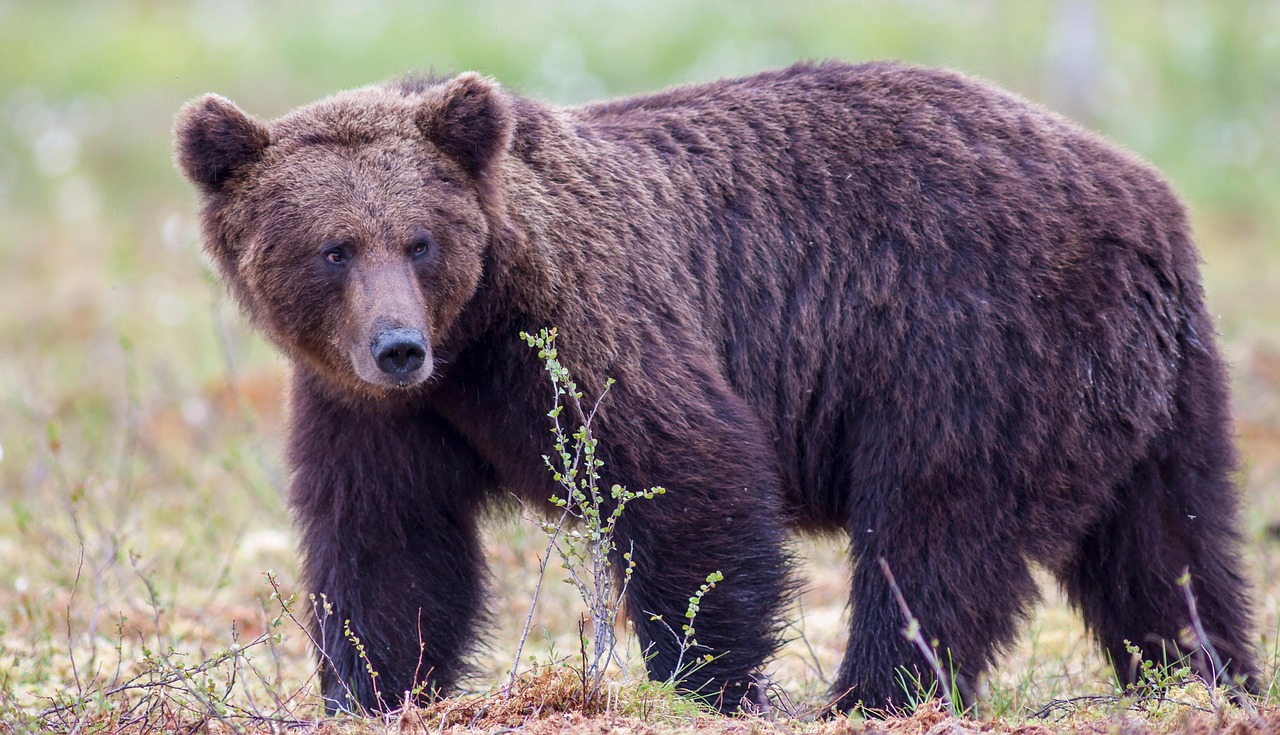
Grizzly bears are reclaiming territory across parts of the American West, and that comeback is changing life on trails, ranches, roads, and rural properties. In several states, sightings and close encounters are becoming more common as people and bears use the same landscapes. This gallery looks at eight places where that overlap is growing fast and why experts say awareness matters more than ever.
Montana

Montana sits at the center of modern grizzly country, so it’s no surprise encounters are climbing here. Bears are expanding beyond strongholds like Glacier and the Northern Continental Divide, showing up more often near ranches, river bottoms, campgrounds, and even smaller communities that once saw only occasional activity.
That wider range means more surprise meetings for hikers, hunters, and landowners, especially during berry season and in early fall. State wildlife officials routinely urge residents to secure grain, garbage, pet food, and livestock carcasses, because once a bear finds an easy meal, repeat visits can come fast.
For many Montanans, grizzlies are no longer a distant wilderness symbol. They’re increasingly part of everyday outdoor life.
Wyoming

Wyoming has long been associated with grizzlies thanks to the Greater Yellowstone Ecosystem, but encounters are now stretching well beyond park postcards. As bears disperse into new valleys and foothill zones, more residents are reporting sightings near subdivisions, trailheads, and working livestock country.
That shift is especially noticeable in places where recreation and wildlife habitat overlap. Anglers on streams, backcountry campers, and day hikers are sharing more space with bears that are following food sources and moving across broader seasonal ranges.
Wildlife managers in Wyoming often stress that most grizzlies want to avoid people. Trouble tends to start when a bear is surprised, food-conditioned, or defending cubs or a carcass.
Idaho

Idaho is seeing increased grizzly activity in its northern and eastern reaches, especially where big forest blocks connect to recovery areas in neighboring states. That connectivity is good news for bear populations, but it also means more chances for encounters in country used by hunters, anglers, outfitters, and rural homeowners.
In some parts of Idaho, a grizzly sighting that once felt rare is becoming a more regular occurrence during spring green-up and fall foraging. Bears moving through drainages, feeding on carcasses, or investigating unsecured attractants can quickly put people on alert.
The challenge in Idaho is geography as much as numbers. Vast, rugged terrain makes it easy for bears to spread into places where human habits haven’t fully adjusted yet.
Washington

Washington may not be the first state many people think of for grizzlies, which is exactly why rising sightings get so much attention. In the North Cascades and nearby remote terrain, rare but meaningful reports have fueled growing awareness that grizzlies could become a more visible part of the landscape again.
Even a small increase matters because local residents and recreationists may be less accustomed to grizzly-specific safety practices than those in Montana or Wyoming. Backpackers, photographers, and trail runners are entering habitat where a single close encounter can feel especially jarring.
For Washington, the story is less about large numbers today and more about changing expectations. The possibility of more grizzlies on the landscape is no longer just theoretical.
Colorado

Colorado is an unusual entry because there is no established grizzly population today, but the state still comes up in conversations about increasing encounter potential. Periodic speculation, historic habitat discussions, and occasional reports keep public interest high, especially as black bear encounters already condition residents to think more about large carnivores.
If grizzlies ever naturally dispersed farther south or became part of a restoration debate, Colorado’s booming outdoor culture would make coexistence a headline issue immediately. Trails, campsites, mountain towns, and backcountry zones are already heavily used by people year-round.
So while Colorado is more about future risk than present frequency, it remains one of the states where the idea of grizzly encounters is gaining visibility fast.
Utah

Like Colorado, Utah does not have an established grizzly population, but it appears in broader regional discussions because of historic range, habitat questions, and a public increasingly tuned into predator recovery stories. As awareness rises, so does the sense that future wildlife policy could reshape what people expect in remote mountain terrain.
Utah’s popularity for hiking, camping, and hunting means even the possibility of grizzlies draws outsized attention. In a state where outdoor recreation is central to everyday life, changes in large carnivore distribution would quickly affect how people prepare for the backcountry.
For now, Utah is more a watch-list state than an active hotspot. Still, it reflects how grizzly conversations are expanding far beyond current core strongholds.
Oregon

Oregon rarely enters the grizzly conversation as a present-day encounter state, but it increasingly appears in regional discussions about habitat, historical range, and the West’s shifting wildlife patterns. As neighboring states manage recovering bear populations, Oregonians are paying closer attention to what broader carnivore expansion could mean over time.
That interest is amplified by the state’s deep outdoor culture. Hunters, backpackers, anglers, and rural residents already navigate black bear country, so any future change involving grizzlies would immediately alter safety messaging and public expectations.
In practical terms, Oregon remains a low-probability place for grizzly encounters today. But in the bigger western picture, it’s becoming part of the conversation in a way it wasn’t before.
Alaska

Alaska has always had grizzlies, but encounters are growing more visible as recreation, tourism, and development push deeper into prime bear habitat. In many parts of the state, people aren’t seeing more bears because they suddenly appeared. They’re seeing more bears because more human activity is happening where bears have always lived.
That dynamic plays out on salmon streams, berry-rich slopes, roadside corridors, and remote camps used by anglers and adventure travelers. A casual walk, fishing trip, or photo outing can turn serious quickly if people underestimate how fast a bear encounter can develop.
Alaska’s lesson is simple but important: increasing encounters don’t always signal population boom alone. Sometimes they reflect a busier human footprint in already wild country.